
12 National Park Gateway Towns That Are Easiest in March
If you have been thinking about a national park trip, March can be a surprisingly smooth time to go. Gateway towns tend to feel calmer, giving you more space to explore at your own pace. Cooler mornings and sunny afternoons make outdoor plans feel comfortable and relaxed. Local shops and cafes are open, yet the rush of summer has not arrived.
This post may contain affiliate links, which helps keep this content free. Please read our disclosure for more info.
Moab, Utah, near Arches National Park and Canyonlands National Park
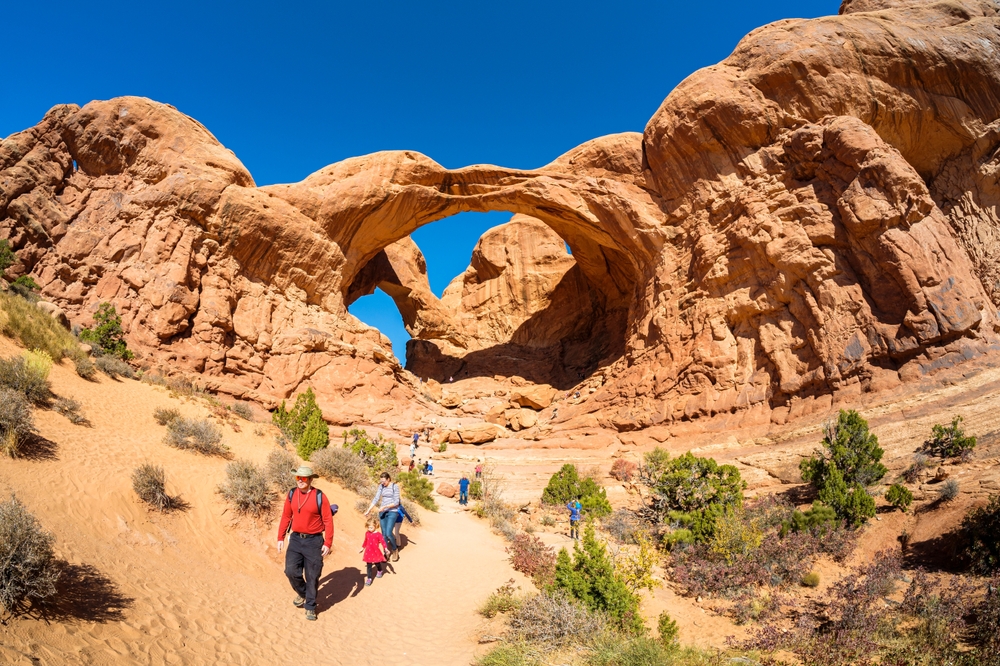
Moab sits just minutes from the red rock arches and canyon overlooks that have made this corner of Utah famous. In March, daytime temperatures are usually mild, which makes long hikes far more comfortable than they are in the heat of summer. The town has a wide range of lodging options, from simple roadside motels to well-designed desert lodges with views of towering cliffs. Main Street feels active without feeling packed, so you can walk to dinner or browse local shops at an easy pace. Grocery stores and outfitters are open and ready for the season, which makes last-minute planning simple.
Early spring is also a great time for scenic drives along the Colorado River or out toward Island in the Sky. Parking at popular trailheads like Delicate Arch is generally easier than later in the year, especially on weekday mornings. Local guides offer jeep tours into backcountry areas, giving visitors access to rugged terrain without complicated logistics. The air tends to be clear in March, which adds depth and color to the red rock scenery. As a base for visiting two major parks in one trip, Moab feels practical and well prepared without the stress of peak season crowds.
Springdale, Utah, near Zion National Park
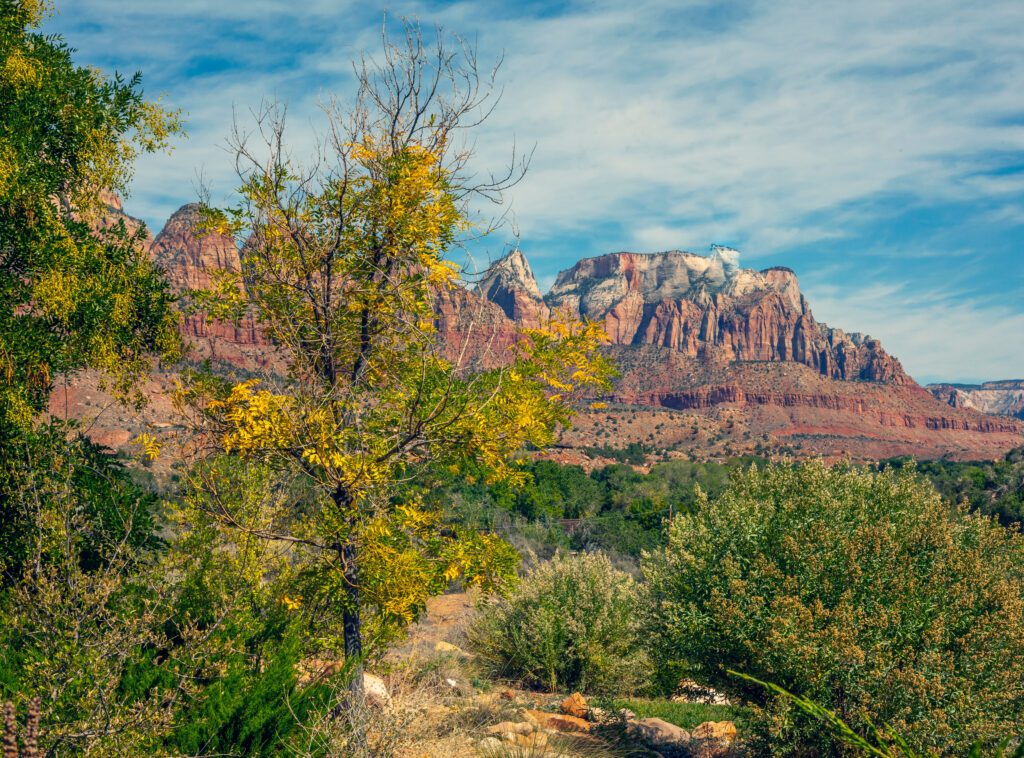
Springdale rests right at the entrance of Zion, which means you can often leave your vehicle parked and rely on the town shuttle system. In March, cooler weather makes steep hikes like Angels Landing and longer walks through The Narrows more manageable. The Virgin River runs beside the road, adding a calm backdrop to hotels and restaurants. Lodging ranges from comfortable inns to higher-end resorts with canyon views. Streets are lively but not overwhelming, so moving around town feels simple.
March also brings fewer tour buses, which makes the entrance area and visitor center easier to access. Restaurants that can be crowded in summer are far more relaxed in early spring evenings. Wildflowers begin to appear at lower elevations, adding color to the red and cream sandstone walls. Photographers often appreciate the softer light and thinner crowds during this time. Springdale feels organized and welcoming, which makes it one of the smoothest gateways in the Southwest.
Tusayan, Arizona, near Grand Canyon National Park
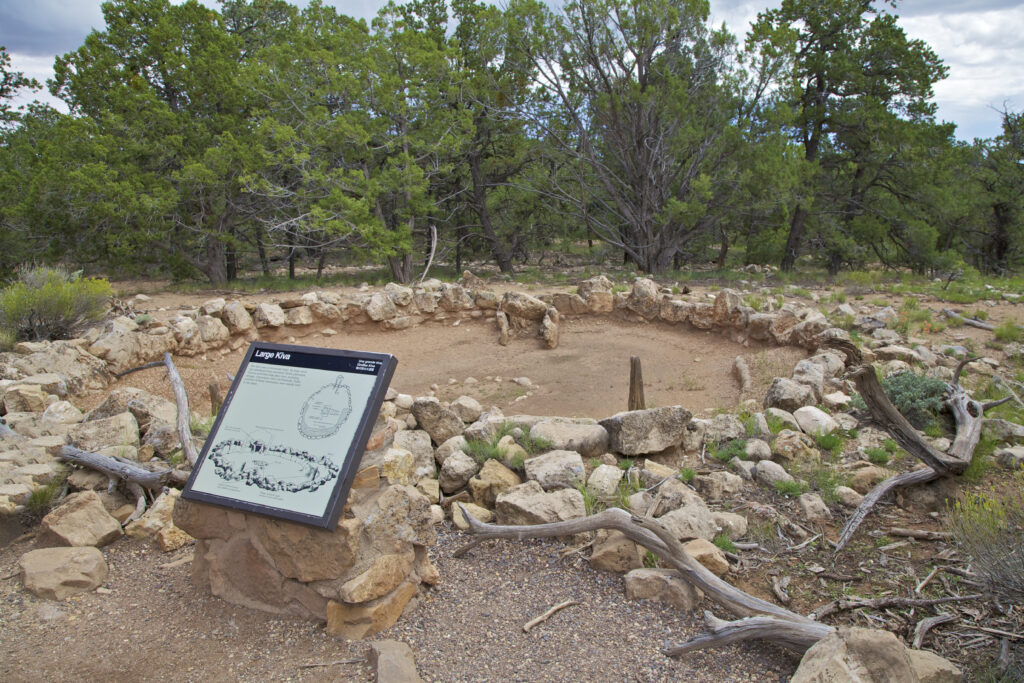
Tusayan is a compact community located just outside the South Rim entrance of the Grand Canyon. In March, the air is crisp, and visibility across the canyon is often sharp, especially at sunrise and sunset. Snow is less frequent than in deep winter, yet the peak summer rush has not begun. Hotels are clustered close to one another, so you can check in and settle quickly without navigating a large town. Basic services like grocery stores and casual dining spots are easy to reach on foot or by a short drive.
Inside the park, shuttle routes are simpler to board when visitor numbers are lower. You can walk long stretches of the Rim Trail and pause at overlooks without feeling pressed for space. Clear skies during early spring evenings often reveal brilliant stars once the sun drops. Tour operators that run helicopter rides or guided walks are usually active but not overbooked. For such a famous destination, Tusayan makes the overall visit feel surprisingly manageable in March.
Bar Harbor, Maine, near Acadia National Park
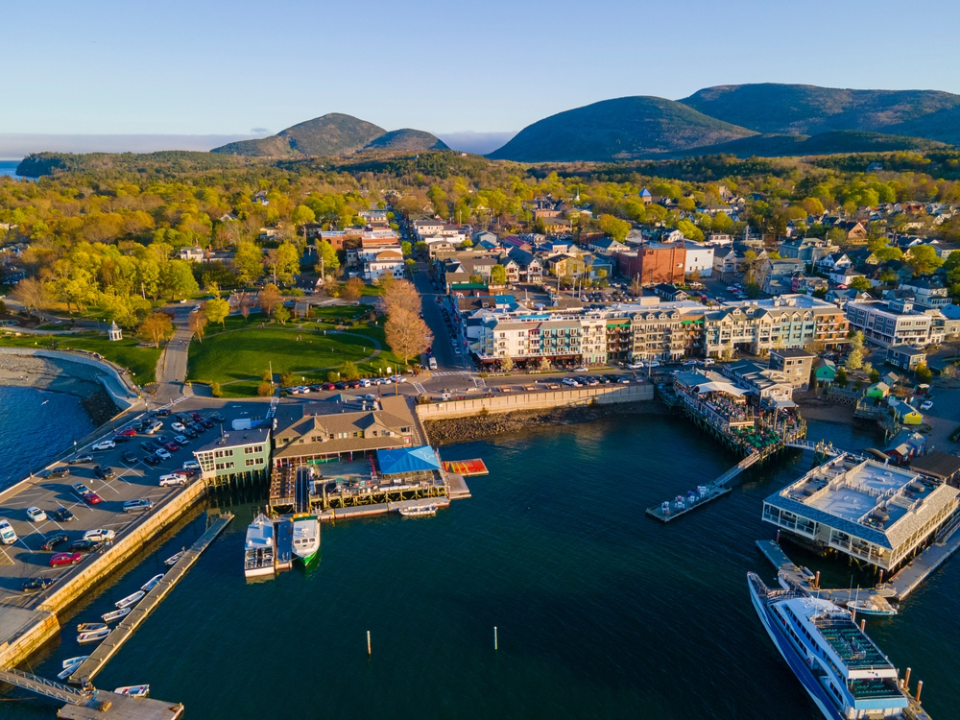
Bar Harbor begins to shift from winter quiet to early spring activity as March unfolds along the Maine coast. While some seasonal businesses may still be preparing to reopen, the town has a peaceful rhythm that feels refreshing. Cool ocean air and lighter traffic make drives along Park Loop Road more relaxed. Historic inns and bed and breakfasts often offer better availability before summer travelers return. The harbor itself remains a focal point, with fishing boats and rocky shoreline views.
Walking along the Shore Path in March can feel almost private compared to busier months. Cadillac Mountain, when accessible, offers crisp views over Frenchman Bay without packed parking areas. Early sunsets over the Atlantic create dramatic skies that photographers appreciate. Restaurants that remain open provide hearty meals suited to the cooler air. Bar Harbor in March feels understated and calm, which suits travelers who prefer space and quiet scenery.
West Yellowstone, Montana, near Yellowstone National Park
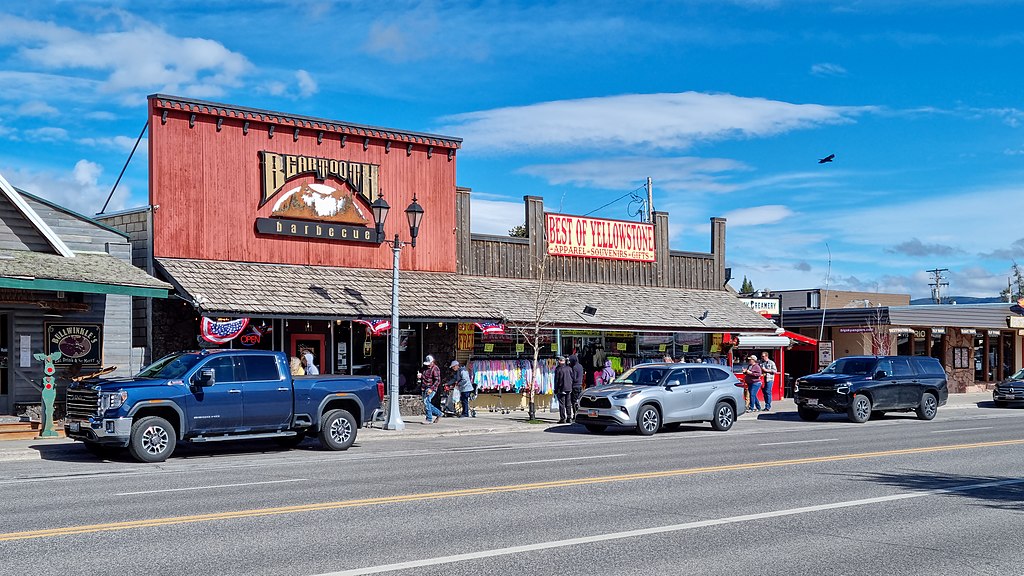
West Yellowstone sits directly at the park’s west entrance and feels built around outdoor exploration. In March, snow often remains on the ground, creating a bright and dramatic setting across forests and geyser basins. Guided snowcoach and snowmobile tours continue during this period, offering structured access to interior sections of the park. Wildlife such as bison and elk are often easier to spot against snowy backdrops. The town itself is compact, with lodging, restaurants, and gear shops within short walking distance.
As winter operations begin to taper off, visitor numbers remain relatively low compared to summer. This quieter window allows for a more personal experience at well-known sites. Clear cold mornings can bring striking steam rising from geothermal features. Local tour companies provide guidance that simplifies planning in snowy conditions. For travelers who enjoy winter scenery without deep winter extremes, West Yellowstone in March strikes a comfortable balance.
Gatlinburg, Tennessee, near the Great Smoky Mountains National Park

Gatlinburg rests at one of the main entrances to the Smokies and offers immediate access to mountain roads and forest trails. March brings early hints of spring, with budding trees at lower elevations and cooler air in higher ridges. Cabin rentals are widely available before the summer vacation season begins. The town has a mix of family attractions, local shops, and mountain-themed restaurants. Streets are active but generally easier to move through than during peak foliage months.
Inside the park, scenic drives through Cades Cove and along Newfound Gap Road feel less congested. Waterfalls tend to flow well during early spring, which makes hikes to places like Laurel Falls rewarding. Morning fog can drift through valleys, adding atmosphere to overlooks. Parking at popular trailheads is often less competitive in March. Gatlinburg provides a convenient mix of comfort and access without the heavy seasonal pressure.
Estes Park, Colorado, near Rocky Mountain National Park
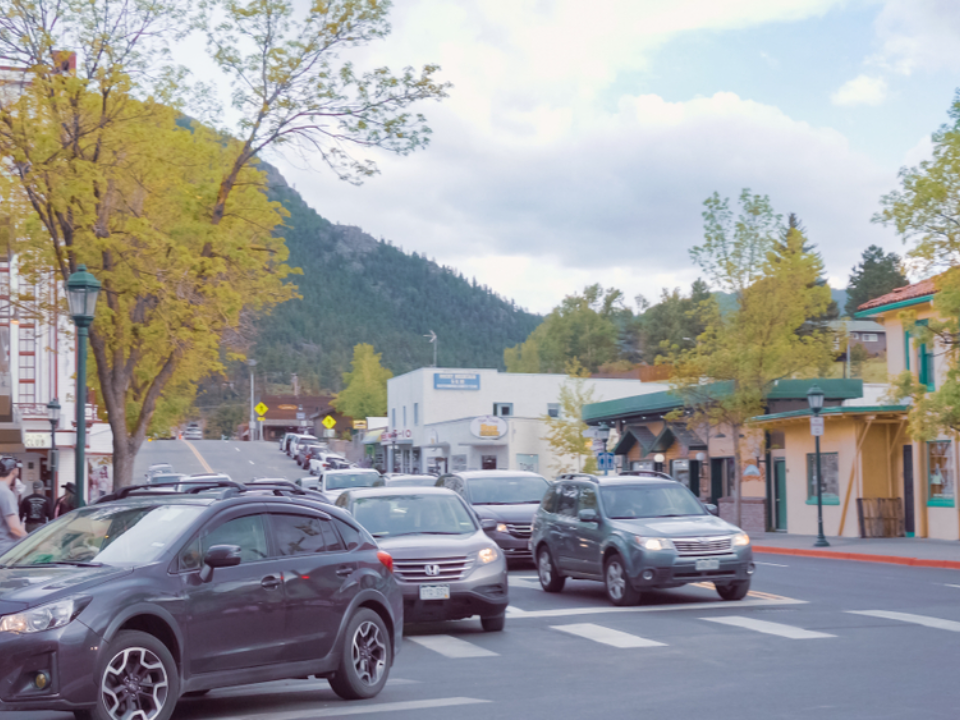
Estes Park serves as the eastern gateway to Rocky Mountain National Park and sits surrounded by snow-capped peaks in March. Winter conditions often linger, creating reflective, icy lakes and white-covered meadows. Hotels and lodges have more open rooms compared to peak hiking season. Downtown Estes Park remains active with cafes, outdoor shops, and small galleries. The setting feels dramatic, especially when sunlight hits the high ridgelines.
Wildlife such as elk are frequently seen grazing near town during this time of year. Some higher roads in the park may have limited access, yet lower elevation areas remain scenic and accessible. Clear mornings can provide sweeping views across valleys and distant summits. Visitors should prepare for variable weather, as conditions can shift within a single day. Even with these factors, March offers a quieter and visually striking way to experience the Rockies.
Seward, Alaska, near Kenai Fjords National Park
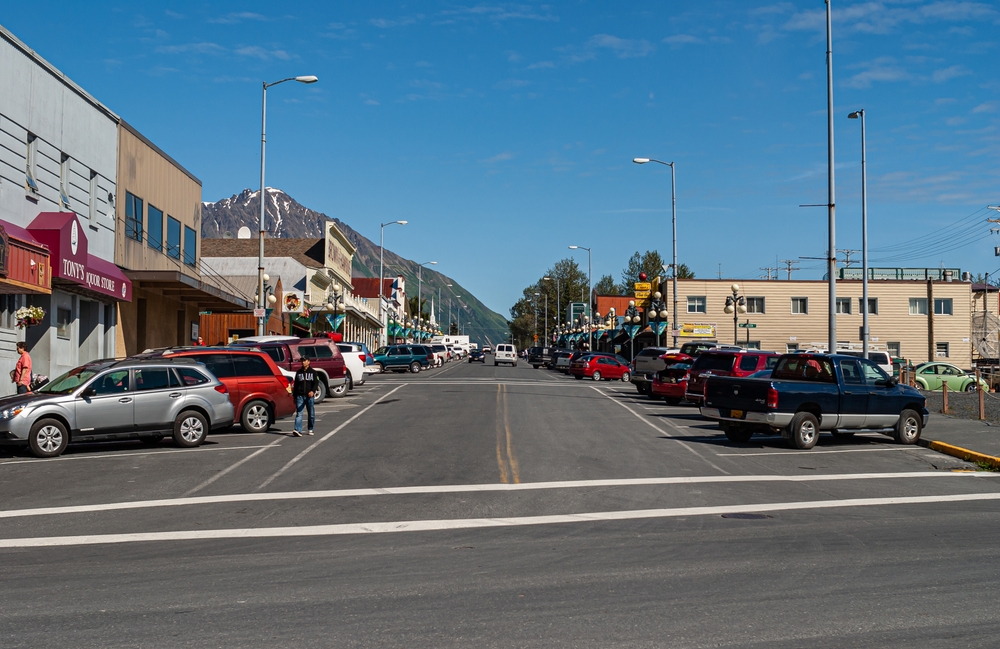
Seward sits along Resurrection Bay and serves as the coastal gateway to Kenai Fjords. In March, snow remains on surrounding peaks, creating a dramatic alpine backdrop. The harbor is quieter than in peak cruise season, giving the waterfront a calm atmosphere. Some boat tours may run on limited schedules, so checking availability is helpful. Lodging options are generally easier to book before summer visitors arrive.
Wildlife such as sea otters and seabirds can still be spotted along the bay. The combination of snow, sea, and mountains gives Seward a distinct character in early spring. Trails near town may have patchy snow, which adds texture to coastal walks. Restaurants that operate year-round provide warm meals suited to cooler weather. Seward in March offers a quieter look at Alaska’s coastal scenery.
Whitefish, Montana, near Glacier National Park
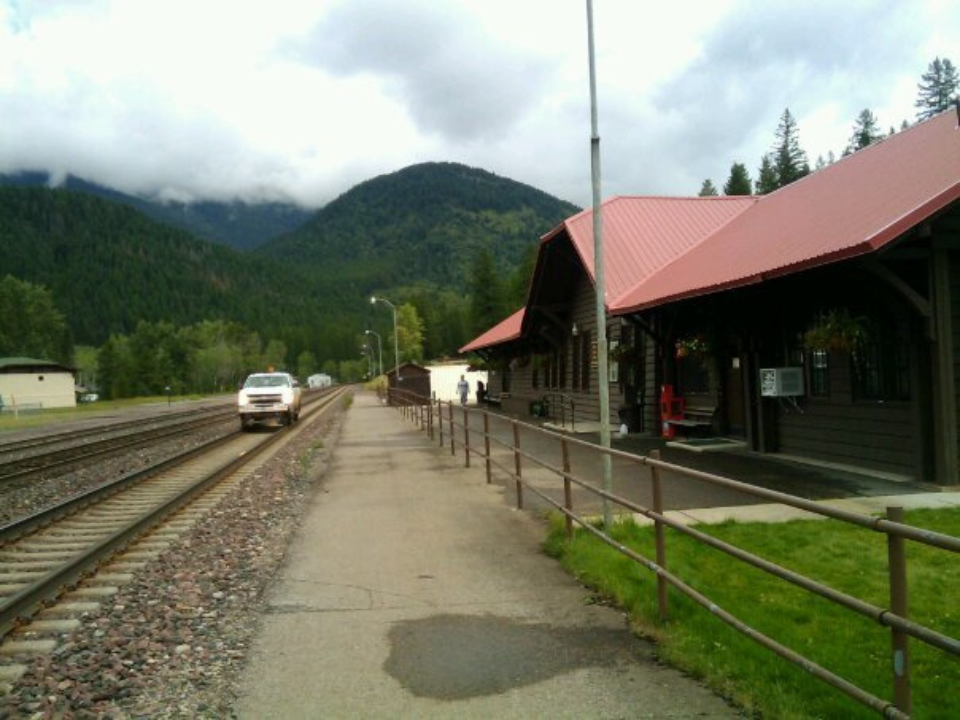
Whitefish offers a lively downtown near the western side of Glacier National Park. In March, snow often remains across the region, which keeps the mountain scenery dramatic and bright. Ski season may still be underway at Whitefish Mountain Resort, adding activity to the area. Hotels range from classic lodges to modern properties within walking distance of shops. The town balances energy with manageable visitor numbers.
Access to high elevation roads in Glacier can be limited, yet lower valleys and lakes still provide scenic drives. Local restaurants and breweries stay active through winter and early spring. Crisp mornings often bring clear views of surrounding peaks. Planning ahead for road conditions is important, as the weather can shift quickly. Whitefish serves as a comfortable and well-equipped base during this transitional season.
St. Mary, Montana, near Glacier National Park
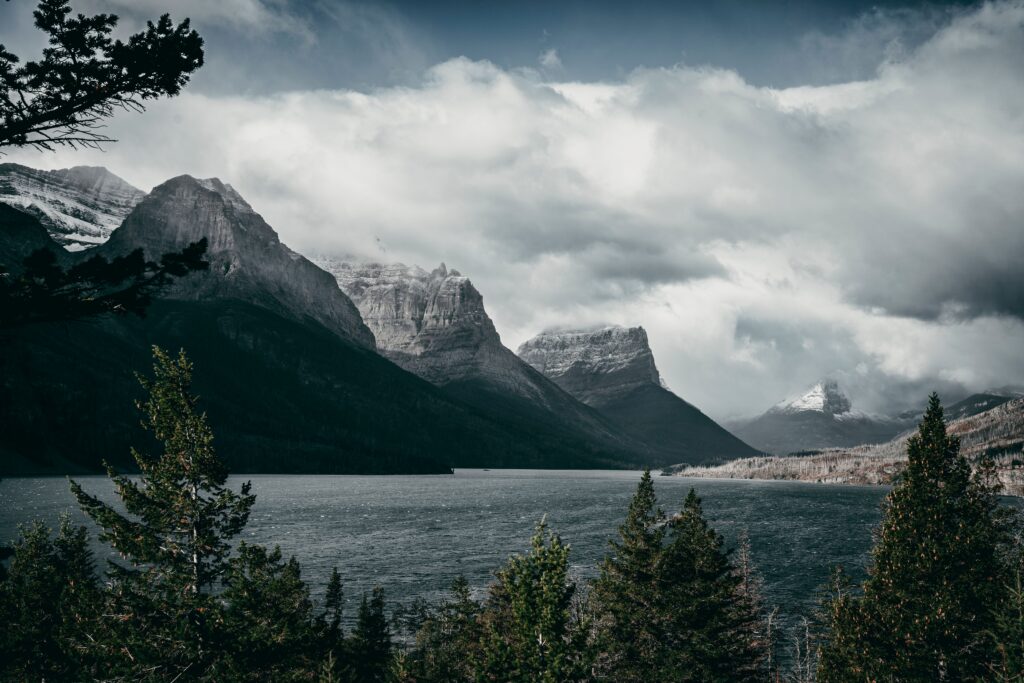
St. Mary sits on the eastern side of Glacier and feels more remote than the busier western entrances. In March, wide open prairie views meet snow-streaked mountains, creating a striking contrast. Traffic is light, which makes scenic drives along the eastern edge peaceful. Lodging options are fewer, yet that often means quieter nights and simpler bookings. The area feels expansive and less developed.
Wildlife such as deer and bighorn sheep are sometimes visible along roadside stretches. Services may be limited, so bringing supplies is helpful. The wind can be strong at times, adding to the rugged character of the setting. Sunrises over the plains are especially vivid on clear mornings. For travelers who value solitude and space, St. Mary offers a calm gateway experience.
Keystone, South Dakota, near Badlands National Park
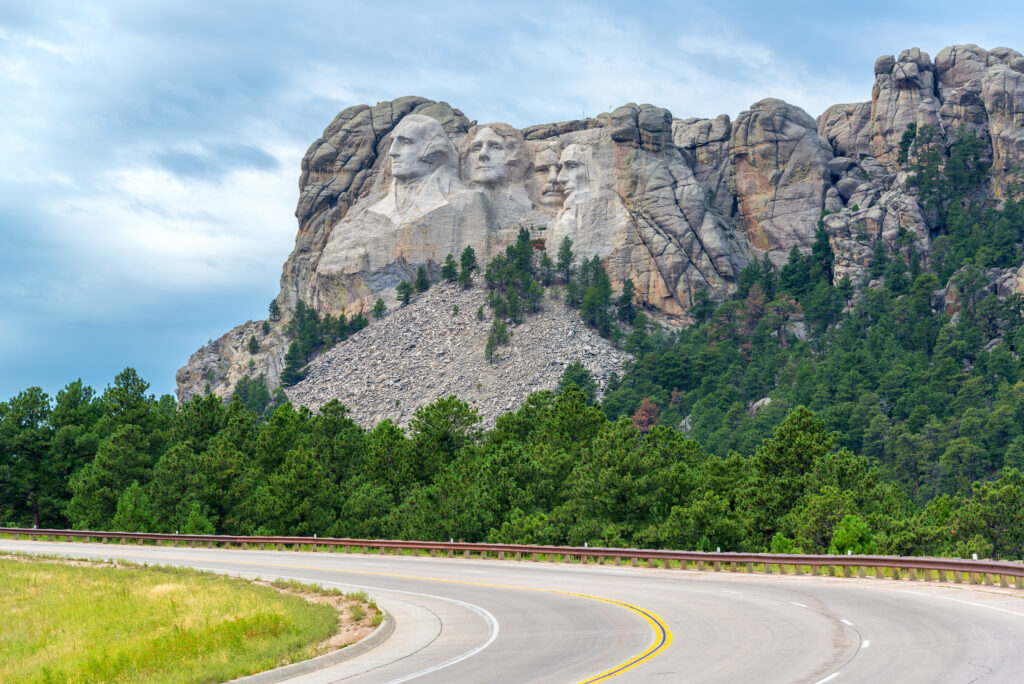
Keystone is commonly linked with Mount Rushmore, yet it also works well as a base for exploring the Badlands. March brings cool temperatures and open roads across the prairie. The rock formations inside the park are easier to explore before the summer heat intensifies. Keystone has family-friendly lodging and dining options that remain open year-round. Streets feel calmer compared to peak summer tourism.
Scenic drives through the Badlands offer wide views with fewer vehicles on the road. Wildlife such as bison and prairie dogs are often active in early spring. Some attractions in the region may have shorter hours, so checking schedules is useful. Clear skies can make sunset views across the layered cliffs especially dramatic. Keystone provides a convenient stop for a broader Black Hills itinerary.
Page, Arizona, near Grand Canyon National Park
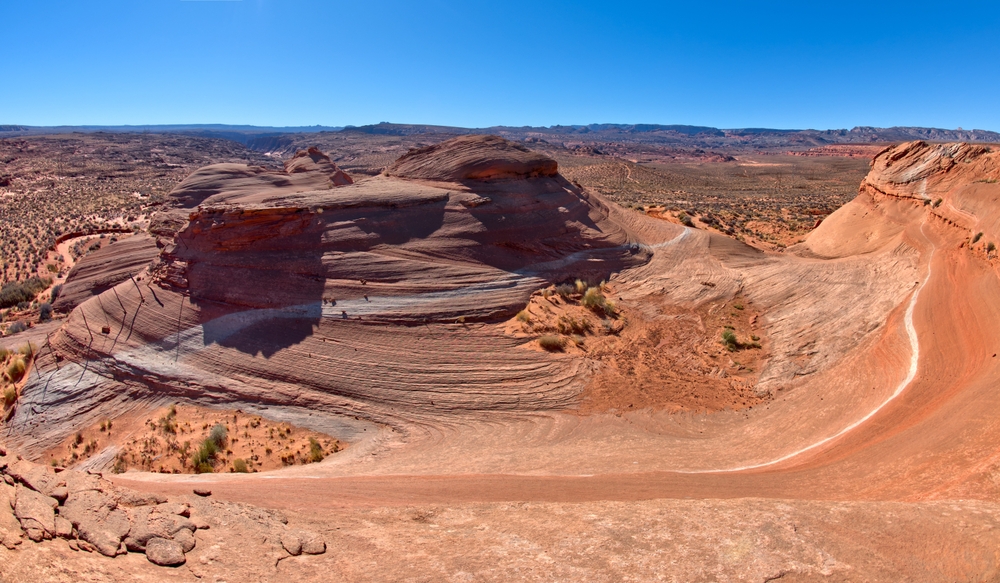
Page is known for its proximity to Horseshoe Bend, Lake Powell, and sections of the greater Grand Canyon region. In March, temperatures are comfortable for short desert hikes and boat tours on the lake. The town has modern hotels, grocery stores, and casual restaurants, which make planning straightforward. Crowds are lighter compared to late spring and early summer. Roads are generally easy to drive, even for first-time visitors.
Nearby viewpoints offer sweeping canyon scenes with less traffic at popular pull-offs. Guided tours to Antelope Canyon often have more open availability during this season. The quality of light in early spring brings rich color to the sandstone walls. Sunsets over Lake Powell can be especially vivid on clear evenings. Page works well as a practical and comfortable hub for exploring northern Arizona.
This article originally appeared on Avocadu.