
11 Mulch Choices For Early March And Where Each Works Best
When the calendar turns to early March, gardeners start thinking about soil care and fresh mulch. A good layer on top of the soil can make a real difference as temperatures slowly warm. Certain options work best around shrubs, while others fit nicely in vegetable rows or garden paths. With that in mind, it helps to know which materials suit each space.
This post may contain affiliate links, which helps keep this content free. Please read our disclosure for more info.
Straw Mulch
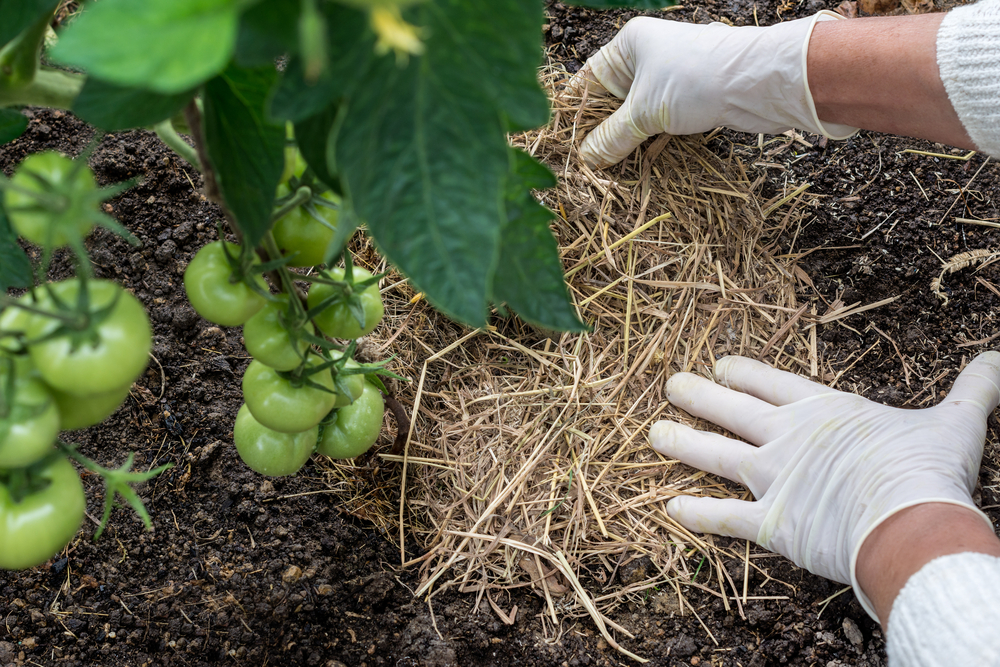
Straw is a light and airy mulch that gardeners often spread across vegetable beds early in the growing season. It usually comes from dried stalks of wheat or similar grains after the seeds have been removed. The straw forms a loose blanket that protects the soil while still allowing young plants to grow through the gaps. In early March, it can protect soil from cold nights while keeping the surface from drying out too quickly during sunny afternoons. The pale color reflects sunlight and keeps the soil temperature from rising too fast. Gardeners also like how easy it is to move or adjust as crops begin growing.
Vegetable gardens are where straw tends to shine the most. Gardeners often spread it between rows of lettuce, peas, tomatoes, and strawberries. The layer keeps soil from splashing onto leaves during spring rain. Fruits and vegetables resting on straw also stay cleaner as they grow. As weeks pass the straw begins to soften and slowly break down. By the end of the season it often becomes part of the soil and improves its structure.
Pine Needle Mulch
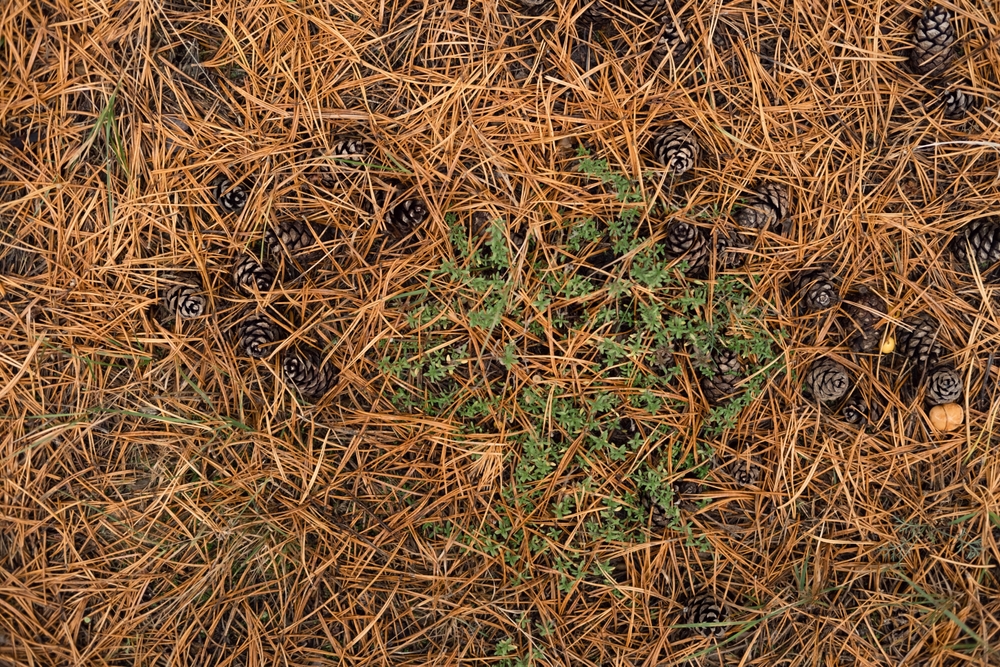
Pine needle mulch forms from fallen needles collected beneath pine trees. The needles create a soft, flexible layer that settles gently over the soil. Many gardeners gather them during late winter and spread them once garden beds are cleaned for spring. When rain falls, the needles weave together slightly and stay in place instead of blowing away. The loose structure allows water to pass through without forming puddles on the surface. Their warm brown color blends naturally with woodland-style gardens.
This mulch works especially well around plants that prefer slightly acidic soil conditions. Blueberries, azaleas, and camellias often grow well with pine needles around their roots. The thin shape of the needles keeps the soil surface airy rather than packed down. Garden paths and shady beds beneath trees often look natural when covered with this material. Many gardeners appreciate that pine needles break down slowly over time. As they decompose, they gradually add organic material to the soil below.
Compost Mulch
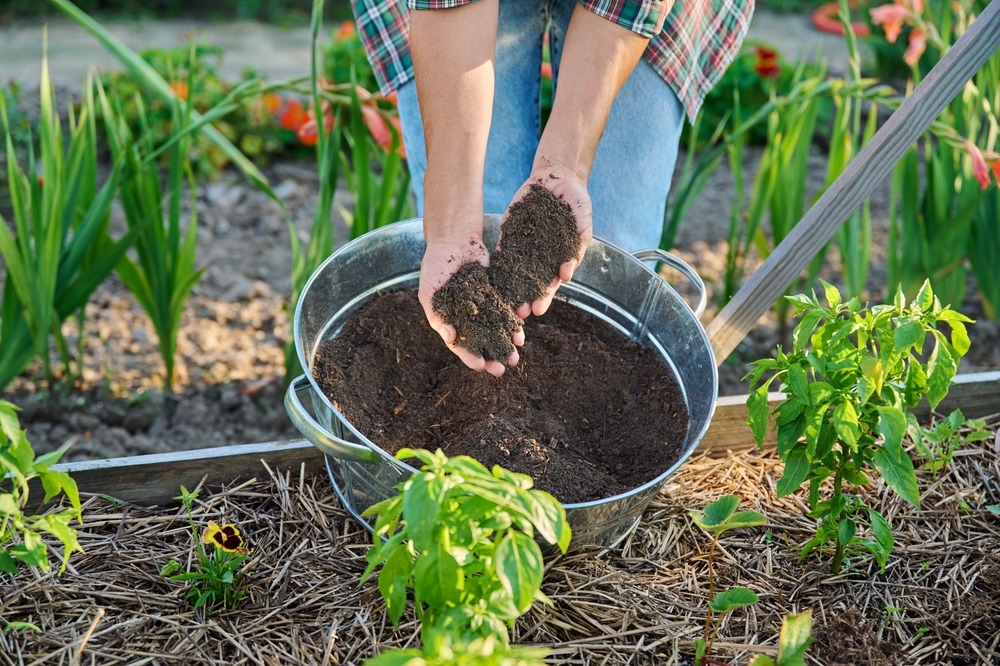
Finished compost can work as both a soil improvement layer and a protective mulch in early spring. It is made from decomposed plant scraps, leaves, and other organic materials that have broken down over time. When gardeners spread compost across beds in March, it feeds the soil while shielding it from weather changes. The dark color warms quickly in sunlight and encourages activity from earthworms and soil organisms. Unlike some mulches, compost blends smoothly into existing soil rather than sitting on top for long. It is often used when gardeners want soil improvement along with surface protection.
Compost works well around vegetables, perennial flowers, and newly planted shrubs. Gardeners usually spread a thin layer that allows water to carry nutrients slowly into the soil. As rain and irrigation move through the compost, the nutrients travel downward toward plant roots. The material gradually disappears as it mixes into the soil beneath. Beds treated this way often become easier to dig and plant in later in the season. Many gardeners return to compost year after year because of these steady improvements.
Wood Chip Mulch
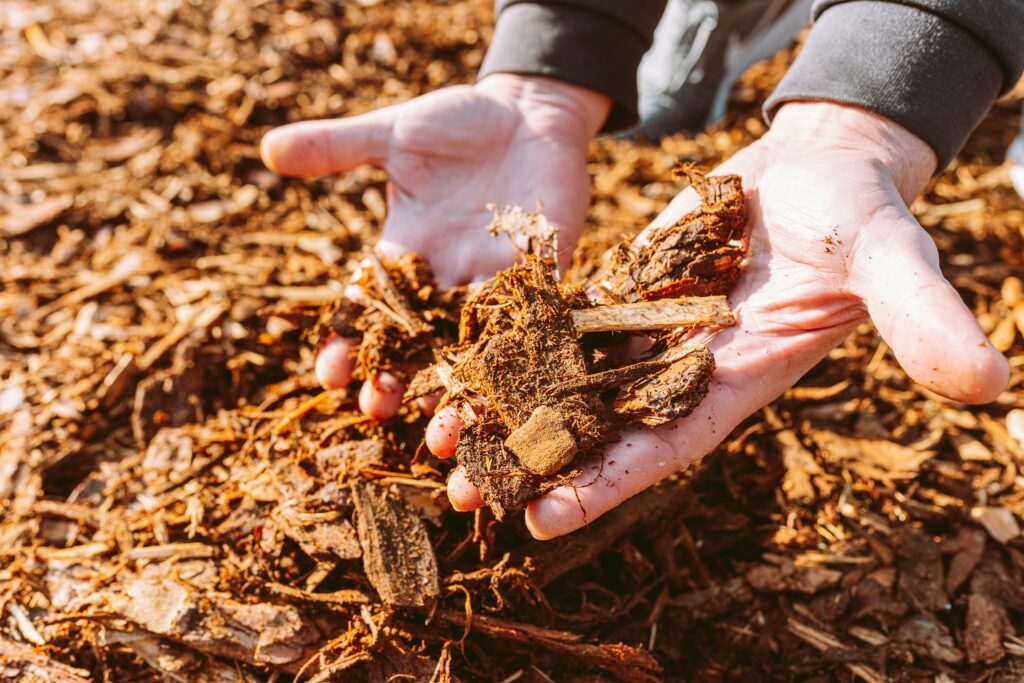
Wood chip mulch consists of small pieces of chipped tree branches and bark. The pieces are larger than shredded mulch and create a chunky protective layer over the soil. Early spring is a practical time to apply wood chips before weeds begin appearing. The spaces between the chips allow water and air to reach the soil surface. Because the pieces break down slowly, they remain in place for a long period. The natural wood tones also give garden beds a relaxed woodland appearance.
Tree rings and landscape borders often benefit from this mulch. Gardeners frequently place it around young trees to protect the soil around their roots. The thick layer helps slow weed growth during the growing season. Wood chips also help protect soil from erosion during heavy rain. As time passes the chips slowly soften and begin blending with the soil. This gradual change improves soil structure beneath the mulch layer.
Leaf Mold
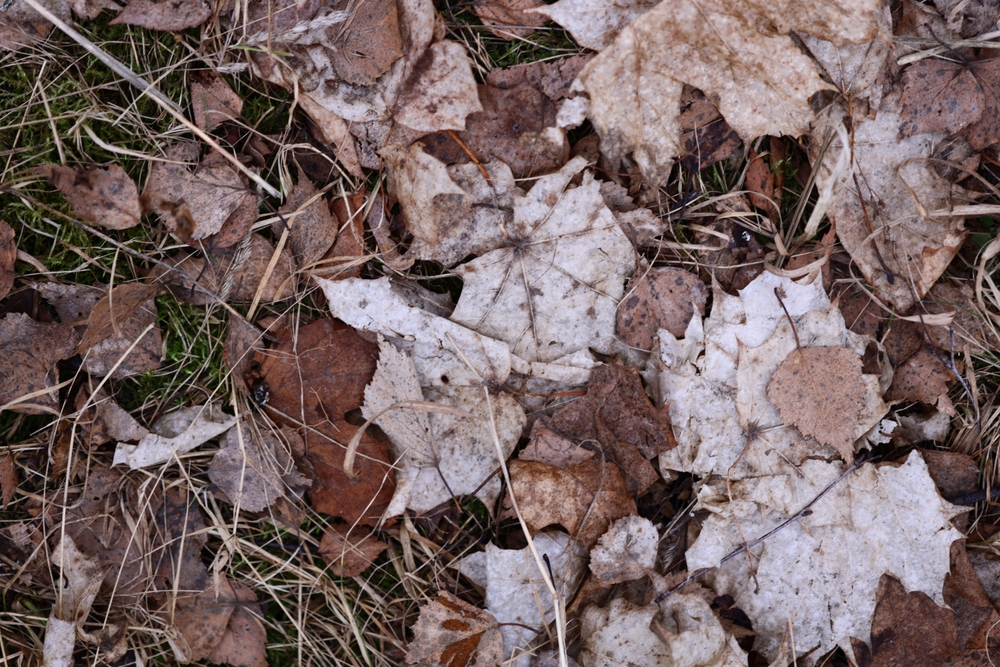
Leaf mold forms when fallen leaves slowly break down into a soft crumbly material. Gardeners often collect leaves during autumn and allow them to decompose in piles or bins through winter. By early March, the material is usually ready to spread across garden beds. The texture is light and fluffy, which allows water and air to pass through easily. It also holds moisture well around plant roots. Many gardeners appreciate that leaf mold is simple to make using materials already in the yard.
This mulch works beautifully in woodland gardens and vegetable plots. The soft texture settles around roots without pressing heavily against plant stems. Gardeners often notice improved soil structure after using leaf mold for a few seasons. Plants growing in beds with leaf mold often show steady growth as the season progresses. Earthworms and soil organisms are also drawn to the rich organic material. Over time, the leaf mold blends completely into the soil and leaves the bed healthier.
Grass Clipping Mulch
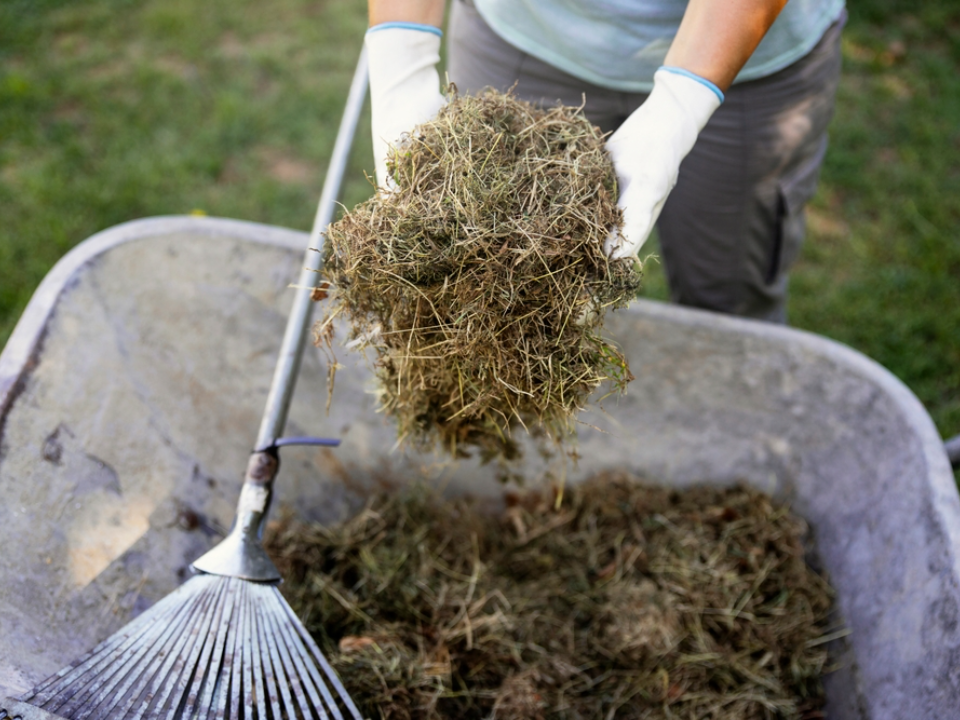
Fresh grass clippings can serve as a simple mulch when spread in thin layers across garden beds. Early spring lawns often produce steady clippings as grass begins growing again. When the clippings are allowed to dry slightly before spreading, they form a soft protective cover over the soil. The green layer helps hold moisture while shading the soil surface. Gardeners appreciate that this material is easy to collect during routine lawn care. It is also a quick solution for covering bare soil in vegetable gardens.
Vegetable beds benefit greatly from grass clipping mulch. Gardeners often place the clippings around tomatoes, peppers, and leafy greens. The thin layer slowly breaks down and releases nutrients into the soil. As it decomposes, it becomes part of the soil structure beneath the plants. Gardeners often add fresh clippings every few weeks during the growing season. This steady cycle keeps soil covered and helps improve soil quality over time.
Cedar Mulch
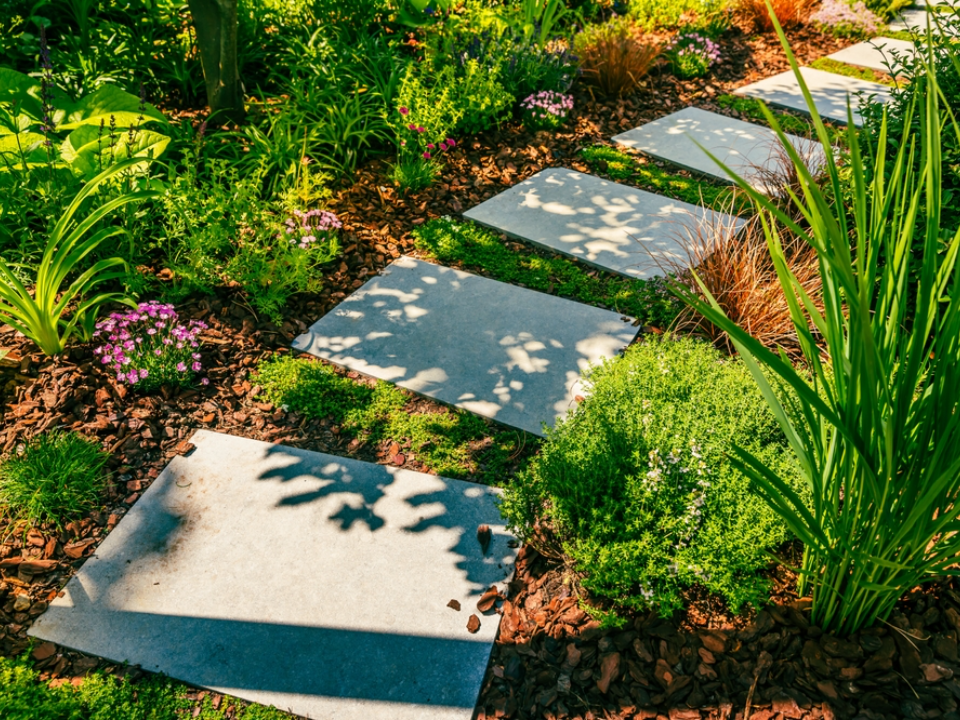
Cedar mulch comes from shredded cedar wood that carries a pleasant natural scent. The reddish-brown color gives garden beds a rich appearance after winter cleanup. Gardeners often spread it in early March before planting new annual flowers or vegetables. The wood pieces hold their shape well through rain and watering. Cedar also breaks down more slowly than some softer mulches. This means the layer stays useful for a longer period.
Shrub borders and decorative beds are common places where cedar mulch is used. The pleasant scent can linger after rain, which some gardeners enjoy. The mulch allows water to pass through while shading the soil surface. This helps keep roots cooler during warm spring afternoons. Cedar mulch also keeps beds looking neat and finished for months. Over time it slowly settles and blends with the soil below.
Hay Mulch
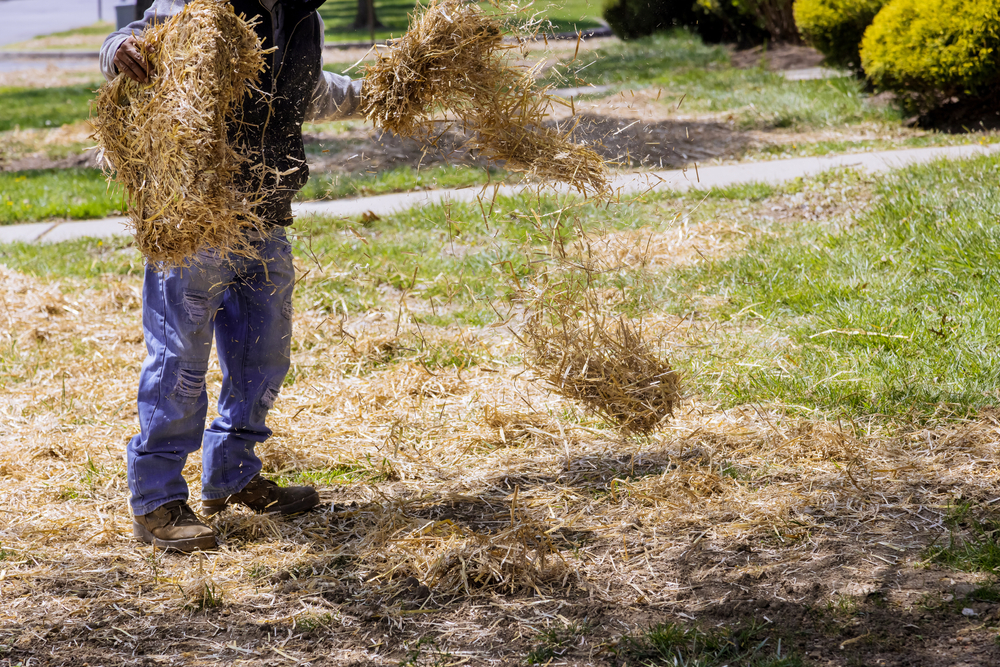
Hay can be used as mulch when gardeners want to cover large areas quickly. It forms a thick layer that shades the soil and helps keep moisture from evaporating. Early March is often a good moment to spread hay across vegetable beds that will soon be planted. The dry stems settle into a loose blanket that protects the soil from rain and wind. Gardeners sometimes use hay when other mulch materials are not available. The material gradually softens and breaks down as the season progresses.
Vegetable plots are the most common place where hay mulch is used. Crops such as potatoes, beans, and squash often grow well with hay spread between rows. The thick layer blocks sunlight from reaching weed seeds in the soil. Gardeners often notice fewer weeds appearing in beds covered with hay. As the material decomposes, it feeds the soil beneath. By the end of the season, much of it has blended into the soil structure.
Gravel Mulch
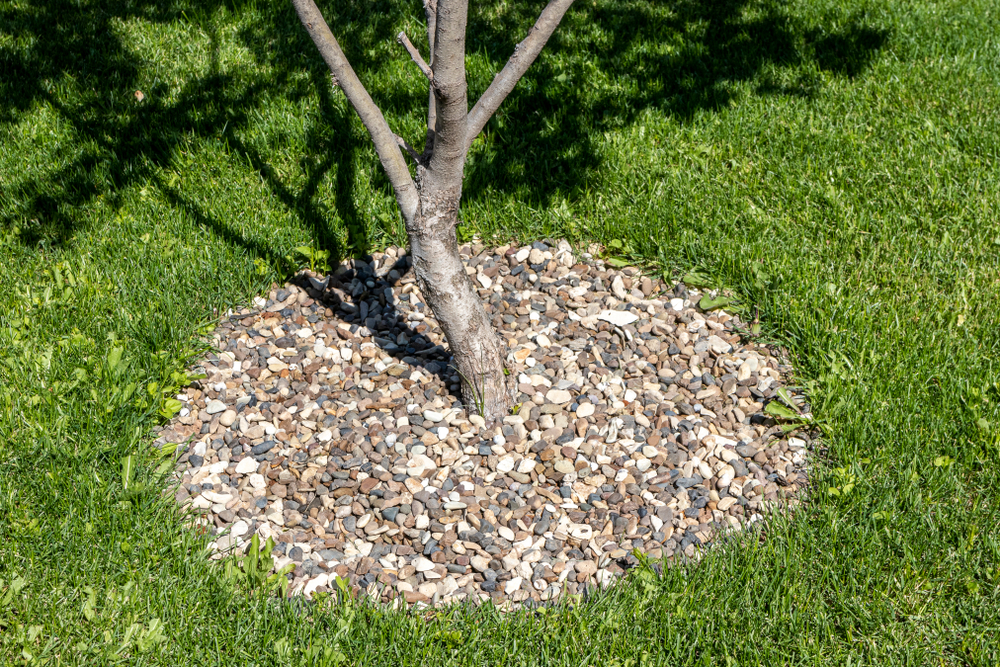
Gravel mulch is made from small stones rather than organic materials. Unlike wood or straw, the stones do not break down over time. Gardeners often spread gravel early in the year when preparing beds for plants that prefer dry soil. The stones allow water to drain quickly after rain. During sunny days, the gravel absorbs warmth and releases it slowly. This can help certain plants handle cool spring nights.
Rock gardens and herb beds are common places where gravel mulch works well. Plants such as lavender and thyme often grow comfortably with gravel around their roots. The stones keep the soil from staying overly wet during rainy periods. Gardeners also appreciate that gravel lasts for many years without needing replacement. The clean appearance can also give beds a simple and tidy look. Once installed it requires very little maintenance.
Shredded Leaves
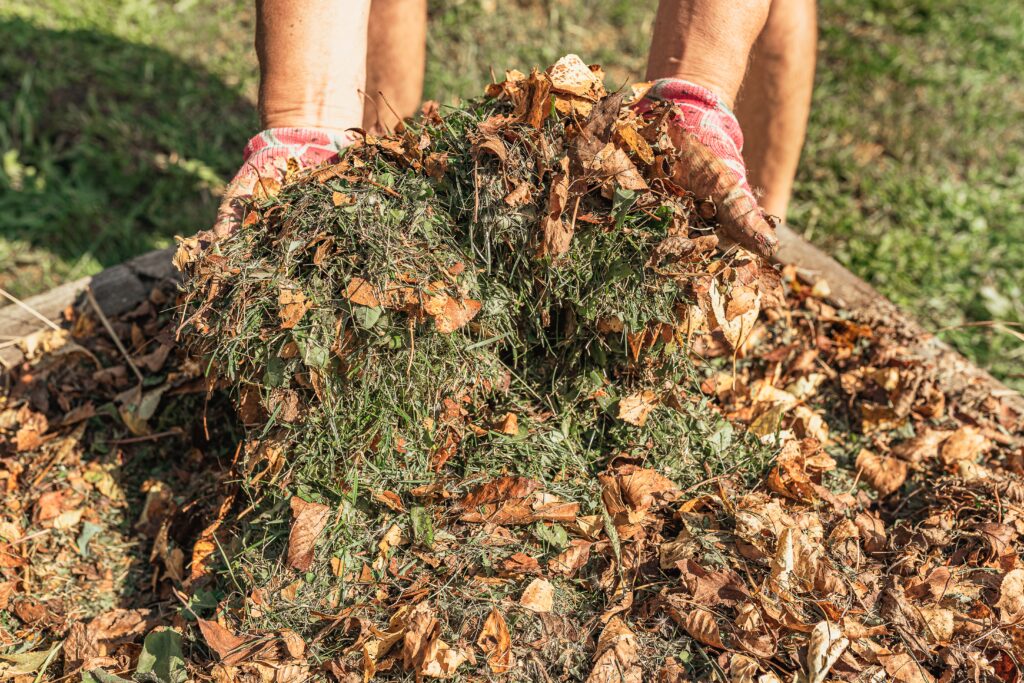
Shredded leaves create a soft, natural mulch that many gardeners spread across beds in early spring. Leaves collected during autumn are often run through a mower or shredder to break them into smaller pieces. When spread across soil, they form a gentle protective layer around plants. The material allows rain and air to move through easily. As temperatures rise in spring, the leaves slowly begin breaking down. This process feeds soil organisms beneath the surface.
Flower beds and vegetable gardens both benefit from shredded leaves. Gardeners often spread them before planting early crops. The loose layer helps keep soil moist while protecting it from sudden weather changes. Over time, the leaf pieces soften and blend into the soil. This natural breakdown adds organic matter that plants appreciate. Many gardeners return to this mulch each year because it is easy to gather and use.
Coconut Coir Mulch
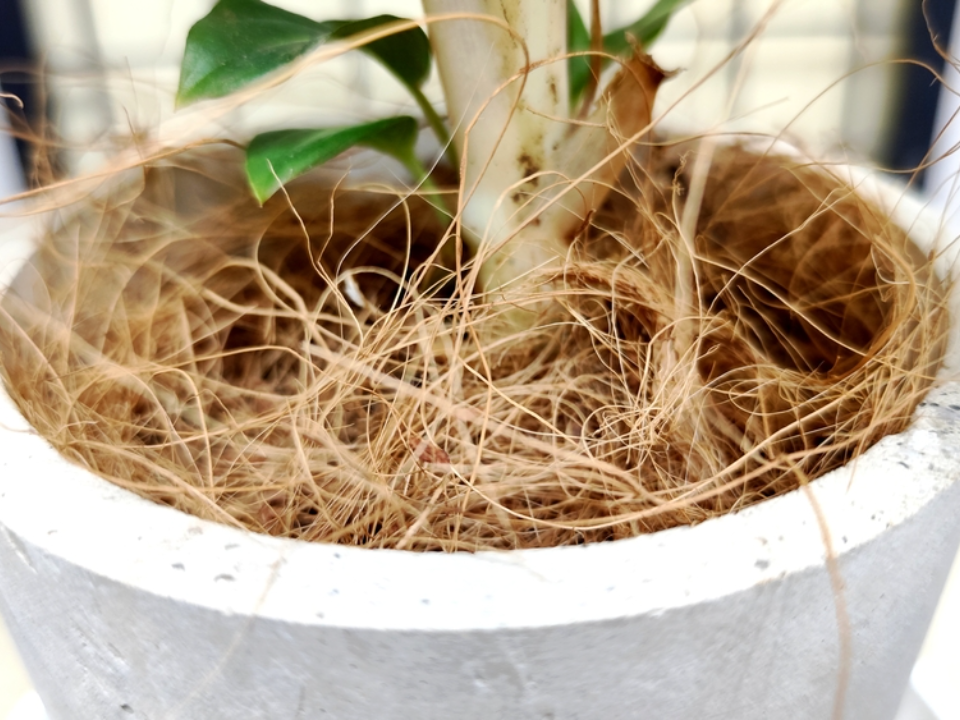
Coconut coir mulch comes from the fibrous husk that surrounds coconuts. The fibers are processed into loose material that holds moisture while still allowing water to drain. Gardeners often spread it in early spring when preparing raised beds and containers. The fibers stay light and fluffy rather than packing tightly against the soil. This helps maintain good air movement around plant roots. The material also has a clean appearance that works well in modern garden designs.
Raised beds and container gardens often benefit from coconut coir mulch. The fibers help slow moisture loss during warm afternoons. Gardeners often notice that soil stays evenly damp beneath the layer. Because the material is light, it is easy to move or adjust when planting new seedlings. Over time the fibers slowly break down and blend into the soil. This gradual change leaves the soil richer and easier to work.
This article originally appeared on Avocadu.