11 Movie Quotes That Turned Into Memes Before Memes Had a Name
Long before the internet gave us viral images and catchphrases, movie dialogue already shaped how people joked, quoted, and connected. Certain lines jumped off the screen and slipped into everyday conversations, comedy shows, and pop culture references almost overnight. These quotes worked because they were easy to repeat, instantly recognizable, and packed with meaning even outside their original scenes. Over time, they became a shared language, reused in playful ways that feel familiar even now. This look back explores how classic movie lines spread and stuck long before anyone called them memes.
This post may contain affiliate links, which helps keep this content free. Please read our disclosure for more info.
“Here’s looking at you, kid” from Casablanca
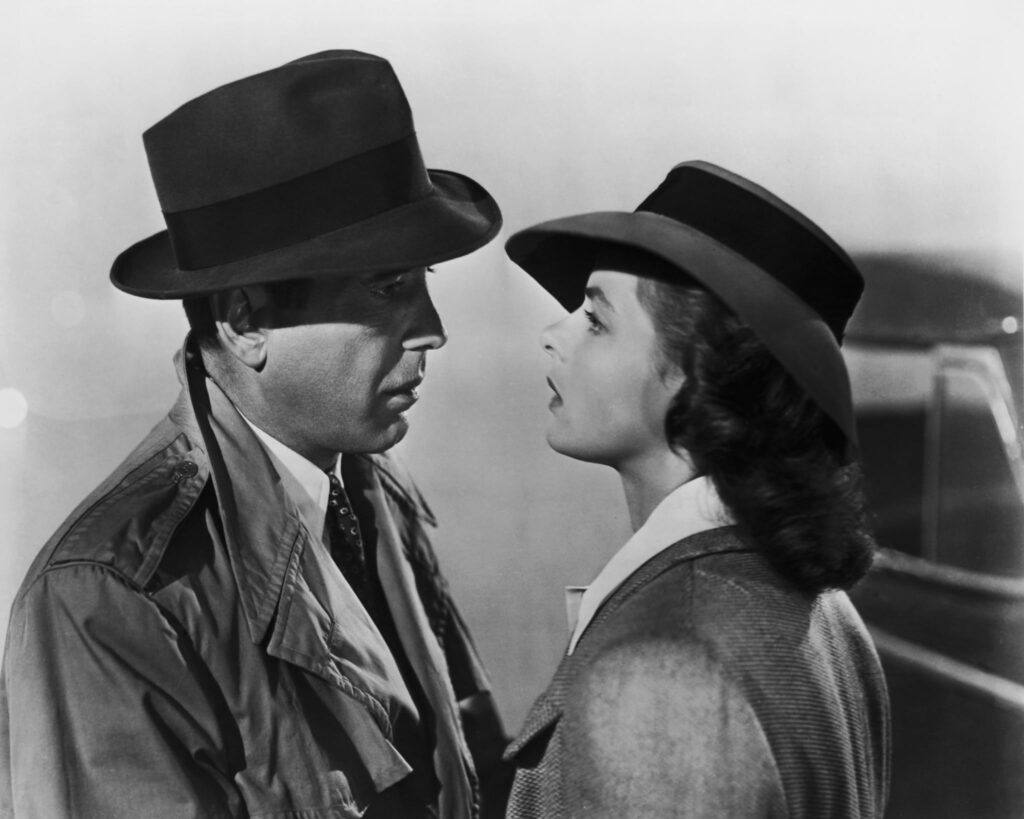
This line slipped easily into everyday speech because it sounded warm, personal, and slightly romantic without feeling stiff. People repeated it to signal affection, nostalgia, or a bittersweet goodbye, even when the speaker had never seen the movie. Its emotional clarity made it easy to reuse in many settings, from casual jokes to heartfelt moments. Over time, sitcoms and later films echoed the phrase to tap into that shared cultural memory.
What made it feel like a meme before the term existed was how often it appeared detached from its original scene. Viewers understood the meaning without needing context, which allowed it to stand alone as shorthand for longing or connection. The quote became a social reference point rather than a simple line of dialogue. That repeatable quality is exactly how early meme behavior worked.
“I’ll be back” from The Terminator
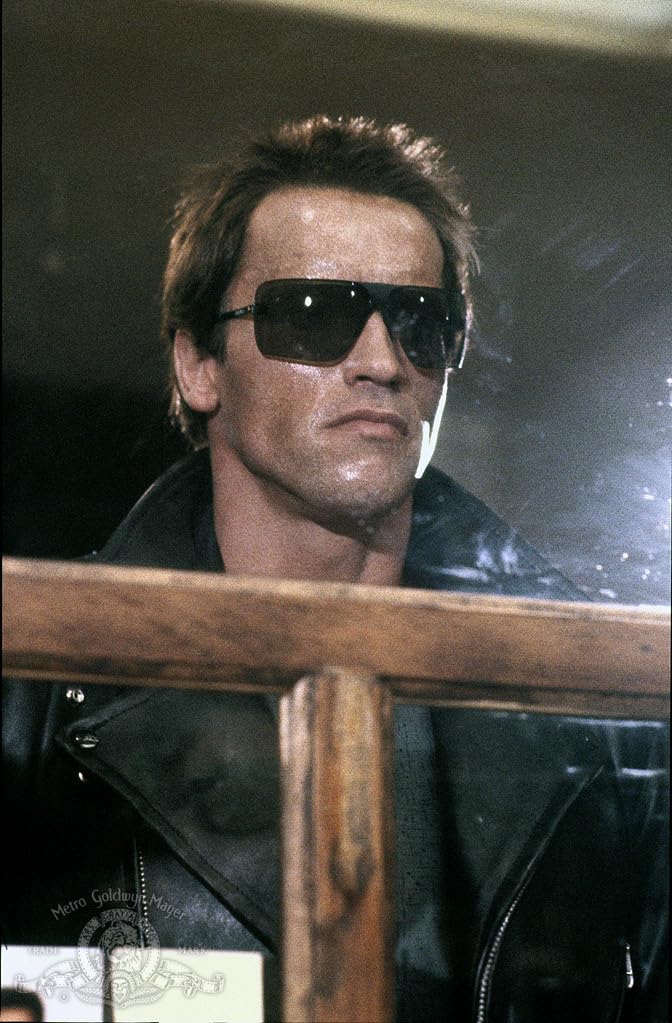
This quote spread quickly because of its blunt delivery and flexible meaning. People used it seriously, sarcastically, or playfully whenever they planned to return, regardless of mood or situation. The simplicity made it easy to repeat and slightly exaggerate in daily conversations. Comedy shows leaned into the line because audiences already recognized it on sight.
Its meme-like power came from repetition with small variations. People changed tone, timing, or context while keeping the words intact. That behavior mirrors how memes work now, with a familiar phrase shaped to fit many moments. The quote stopped belonging only to the film and became part of shared speech.
“May the Force be with you” from Star Wars
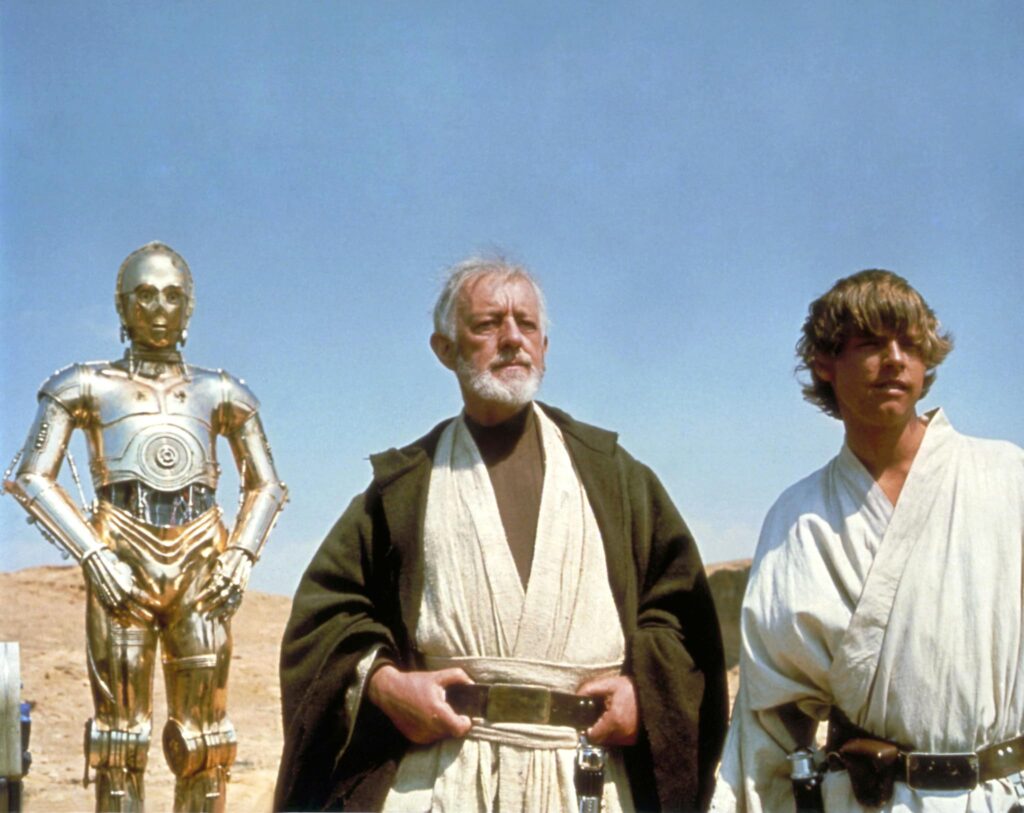
This phrase took on a life of its own because it sounded ceremonial while remaining easy to say. Fans repeated it as a greeting, farewell, or joke long before online fandoms existed. Its rhythm helped it stick, while its meaning stayed broad enough to apply anywhere. The line quickly moved beyond the screen and into everyday language.
As a pre-internet meme, it worked because people recognized it instantly, even when altered or shortened. Sitcoms used it to signal sci-fi references without explanation. Friends repeated it ironically or sincerely, depending on the moment. That shared understanding made the quote culturally portable.
“You’re gonna need a bigger boat” from Jaws
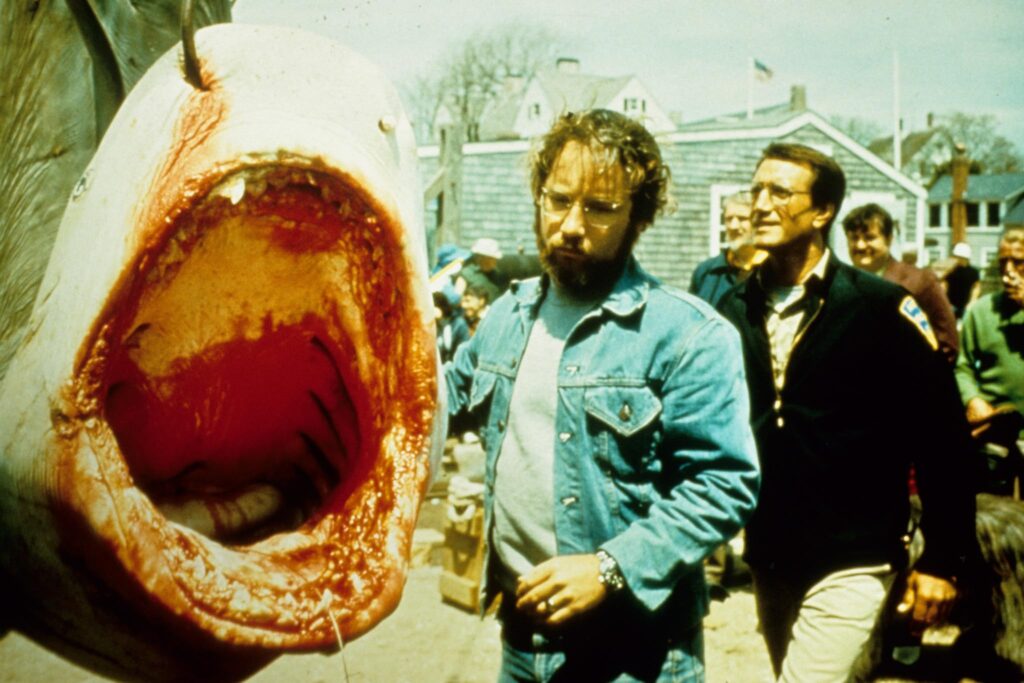
This quote thrived because it captured a sudden shift from confidence to alarm. People repeated it whenever a task or problem turned out larger than expected. Its humor came from understatement rather than exaggeration, which made it versatile. The line slipped easily into jokes at work, school, or home.
What gave it meme status was how often it appeared outside ocean-related contexts. Sitcoms reused it to highlight surprise or looming trouble. The words stayed the same, while the situation changed. That repeatable structure mirrors how meme language spreads.
“Go ahead, make my day” from Sudden Impact
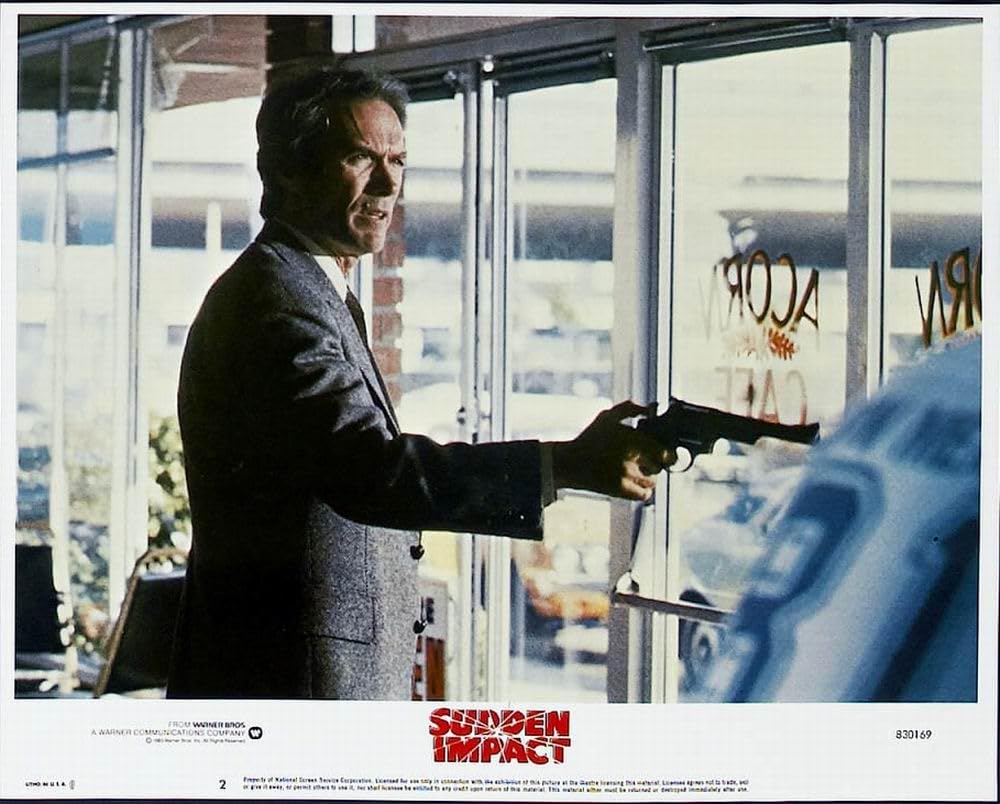
This line became a cultural shortcut for mock bravado and challenge. People used it jokingly when daring someone to push their patience. The quote sounded tough yet theatrical, which made it fun to repeat. Its tone worked equally well in humor and parody.
As an early meme, it relied on delivery more than context. Even people unfamiliar with the film understood the implied meaning. Comedians and TV writers reused it because audiences reacted instantly. That recognition turned the quote into a reusable punchline.
“There’s no place like home” from The Wizard of Oz
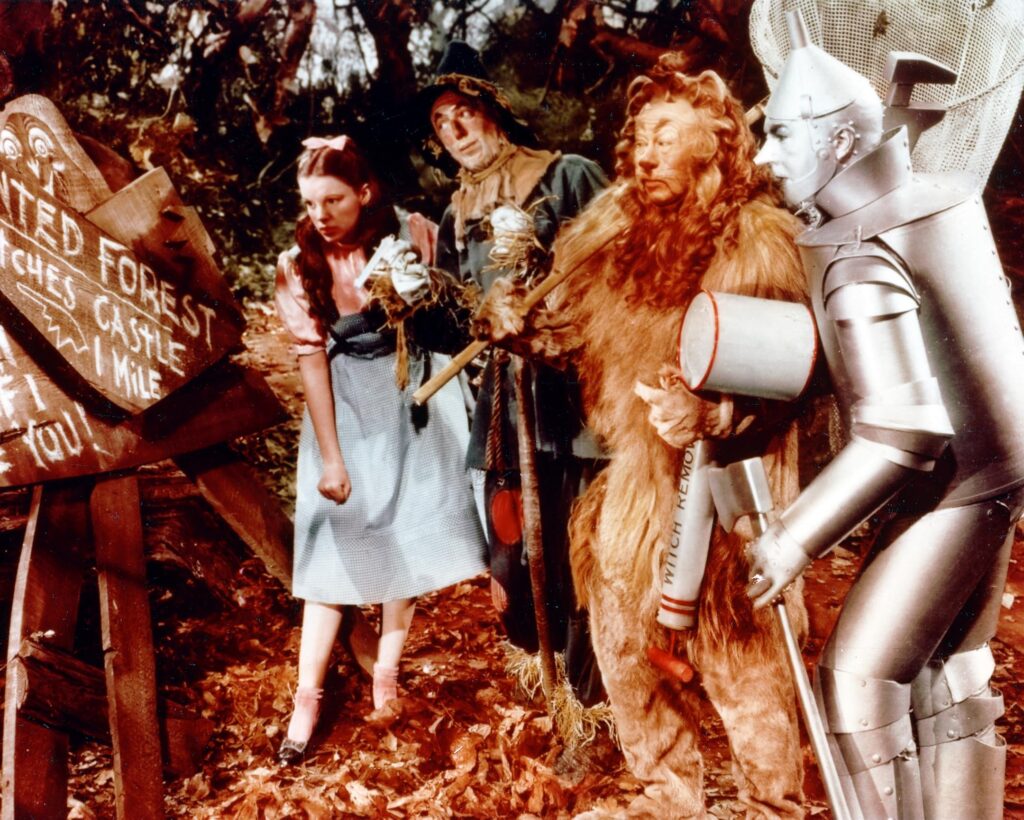
This line endured because it expressed a simple idea that crossed generations. People repeated it sincerely, ironically, or sentimentally, depending on mood. Its phrasing felt timeless, which helped it survive changes in culture. The quote often appeared in moments of return or relief.
Its meme-like quality came from constant reuse without explanation. Sitcoms and films echoed it to trigger nostalgia. The words stayed intact even as meanings shifted slightly. That adaptability made it feel endlessly reusable.
“I’m gonna make him an offer he can’t refuse” from The Godfather
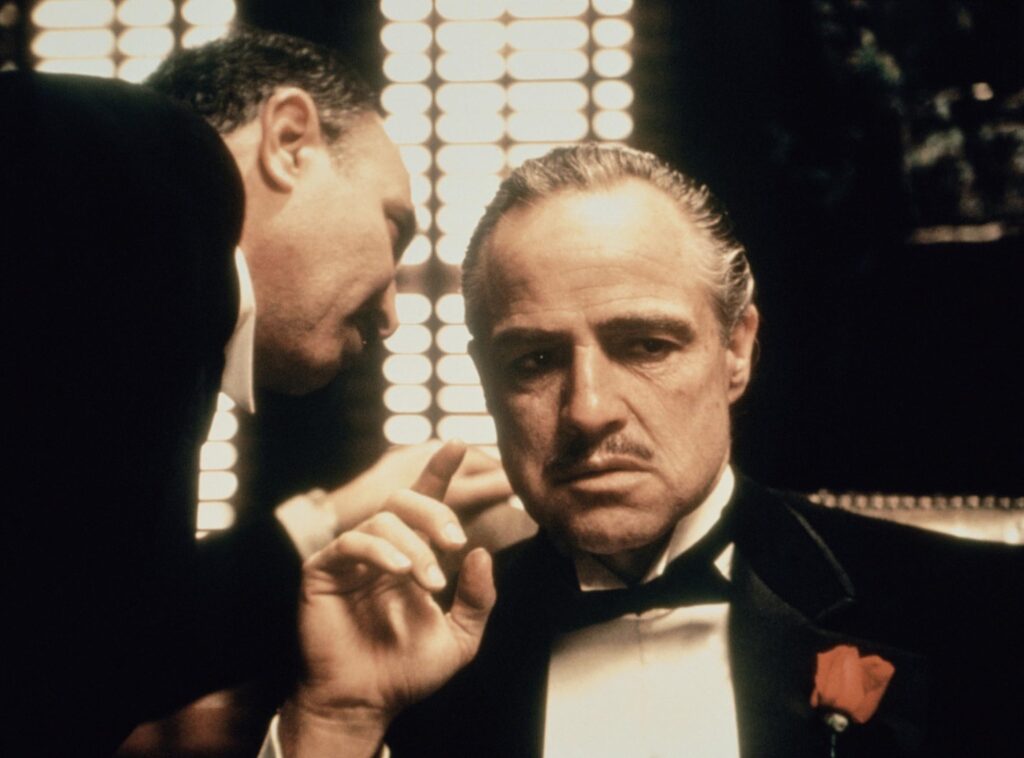
This quote spread because it blended menace with humor in a calm tone. People used it jokingly in harmless situations, which stripped away the original threat. That contrast made it funny and memorable. It became shorthand for persuasion with a wink.
The line functioned like a meme through exaggeration and repetition. Parodies softened its edge while keeping the structure intact. Viewers recognized it instantly, even when used out of place. That shared recognition drove its longevity.
“Say hello to my little friend” from Scarface
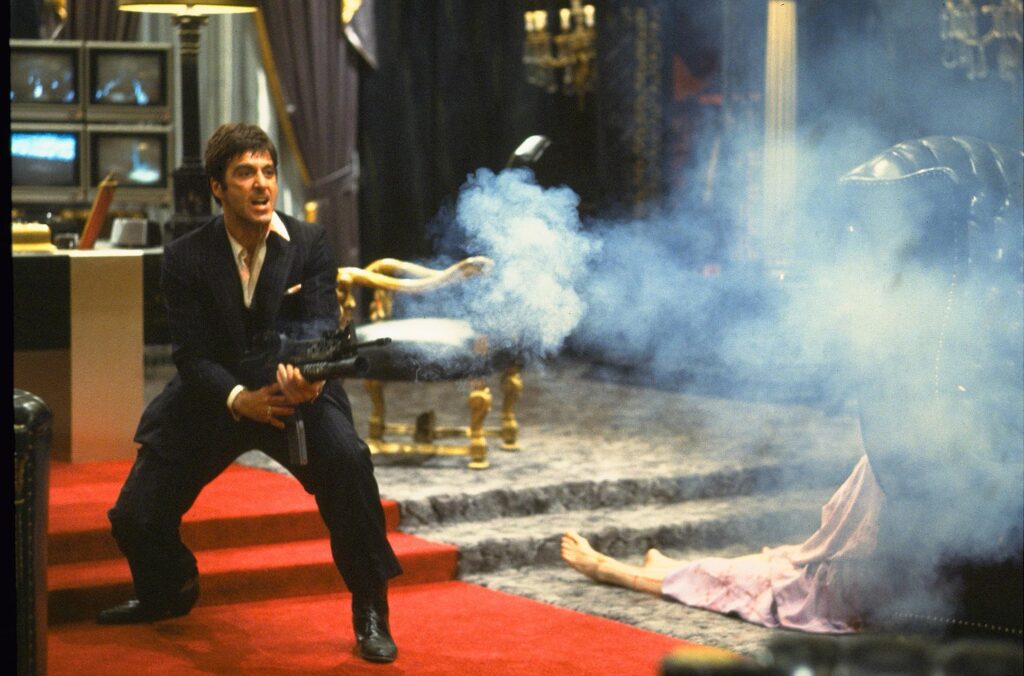
The quote became widely reused because of its dramatic buildup and ironic phrasing. People repeated it humorously when introducing something trivial. That mismatch between words and action made it memorable. Comedy shows leaned on that contrast for laughs.
Its early meme power came from exaggeration without explanation. The phrase alone signaled over-the-top confidence. Repetition in different settings kept it alive. Over time, it became cultural shorthand for dramatic reveal.
“You talking to me?” from Taxi Driver
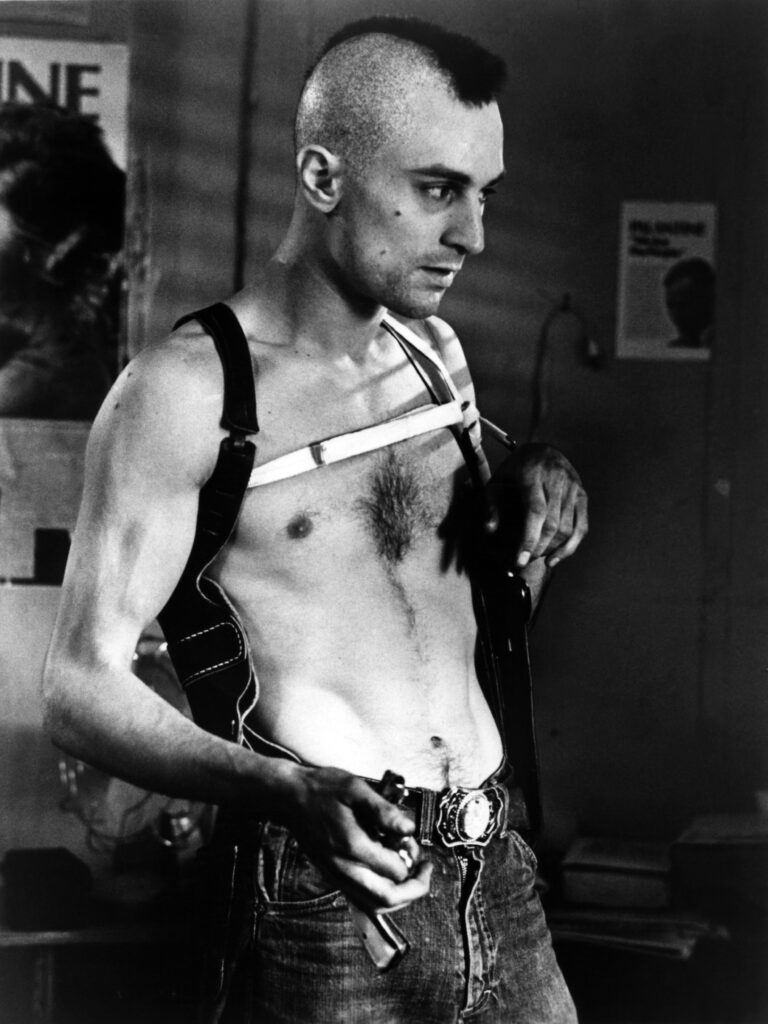
This line stuck because it captured confrontation casually. People repeated it jokingly when pretending to be challenged. The phrasing sounded natural, which made it easy to slip into conversation. Its repetition often came with imitation.
As a meme before memes, it relied on delivery and recognition. Sitcoms referenced it visually or verbally. The quote carried meaning even when slightly altered. That flexibility kept it circulating.
“Life is like a box of chocolates” from Forrest Gump
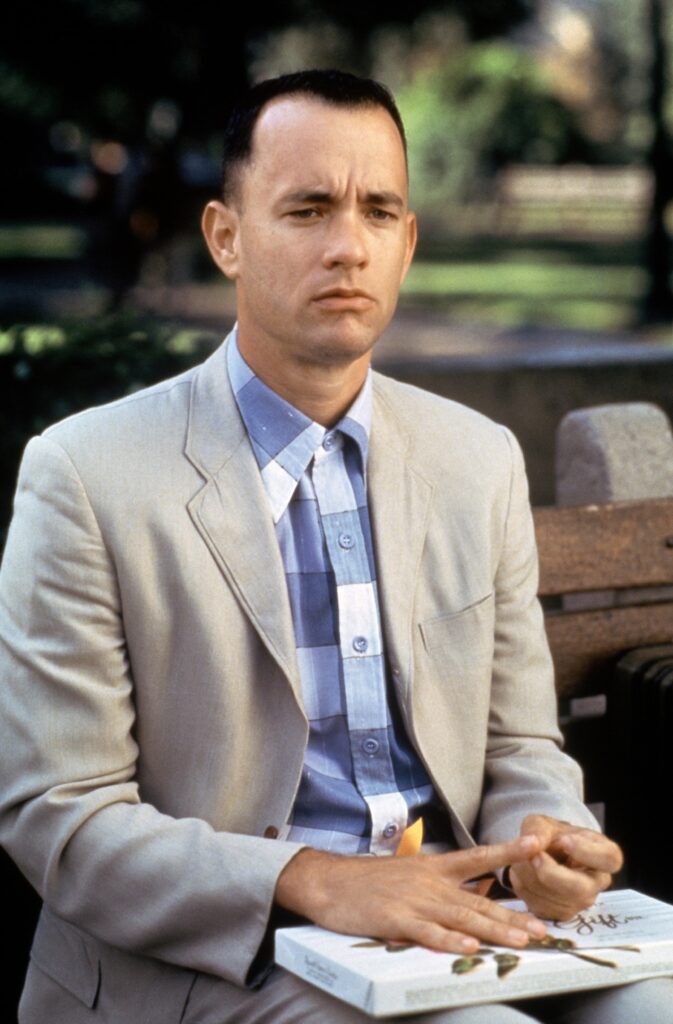
This line spread because it felt folksy and easy to remember. People quoted it to comment on unpredictability in a friendly way. Its structure invited repetition and parody. The phrase quickly moved into everyday language.
The meme-like behavior appeared through constant reuse in unrelated contexts. Shows and films echoed it, knowing audiences would catch the reference. Even partial versions triggered recognition. That familiarity kept it relevant.
“Nobody puts Baby in a corner” from Dirty Dancing
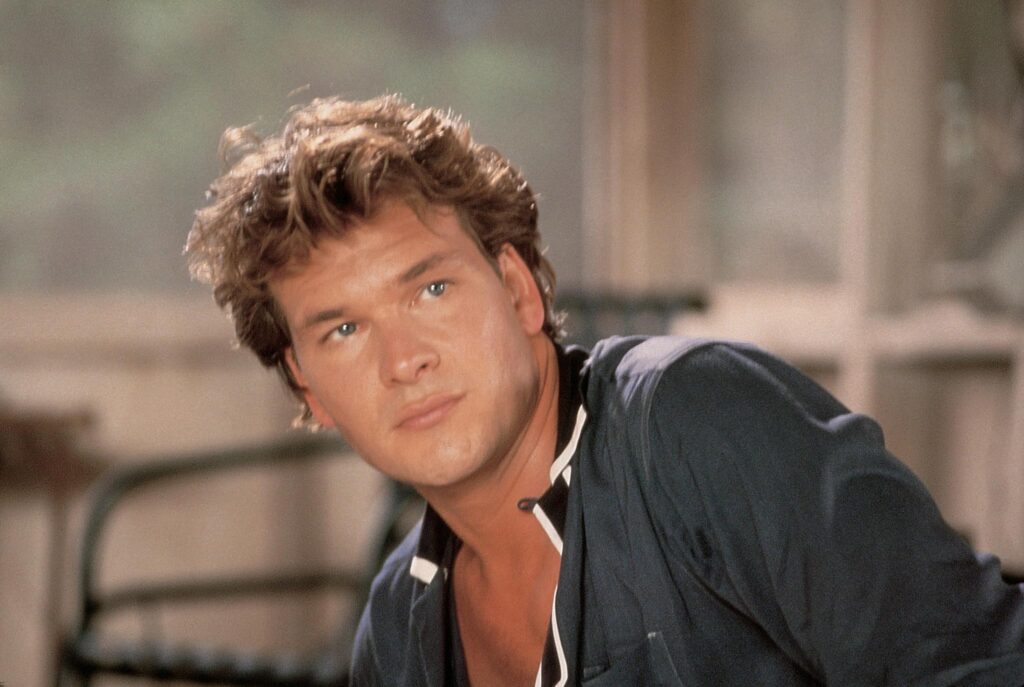
This quote worked because it sounded dramatic while remaining adaptable. People reused it humorously to defend someone or something minor. The phrase became a playful way to signal loyalty. Its tone balanced seriousness and charm.
As an early meme, it relied on recognition rather than explanation. Parodies used it to flip expectations. The words stayed mostly intact while meanings shifted. That repeatable structure kept it alive.
This article originally appeared on Avocadu.