
16 Movie Quotes That Still Work as Perfect One Liners
Some movie quotes just stick with us, becoming timeless lines we continue to use in everyday life. Whether they make us laugh, think, or even motivate us, these lines have stood the test of time. You might hear them at a party, on social media, or in a casual conversation. Their power lies in how well they capture a moment, often making them feel just right in any situation.
This post may contain affiliate links, which helps keep this content free. Please read our disclosure for more info.
“May the Force be with you” – Star Wars (1977)
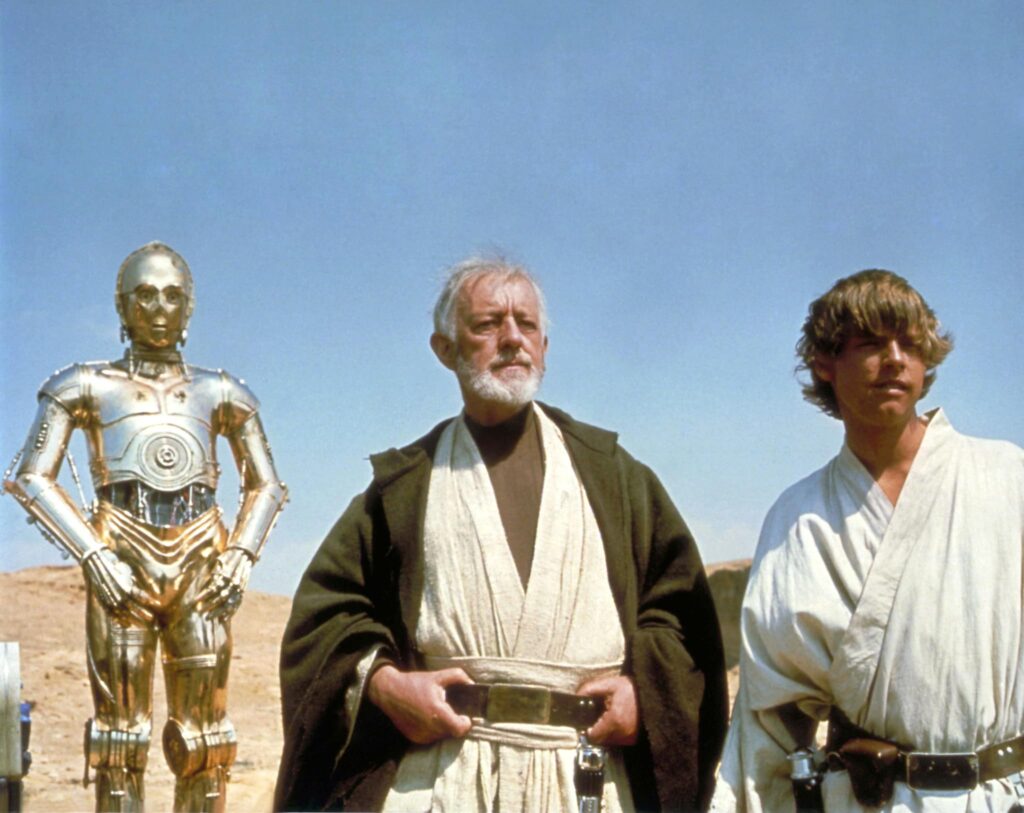
This line has become synonymous with good luck and positive energy. First spoken by the character Han Solo in Star Wars, it conveys a sense of hope and support in challenging situations. Fans often use it as a way to wish someone success, whether they are embarking on a new adventure or preparing for something difficult. Over the years, it has evolved beyond the original film and is now a staple in pop culture.
The phrase perfectly captures the essence of the Star Wars franchise, where the Force represents a powerful, guiding energy. It speaks to a universal theme of belief in something larger than oneself. Whether it is used seriously or humorously, it carries weight because of its connection to one of the most iconic sci-fi films of all time. It is no wonder this quote is still widely used today.
“I’ll be back” – The Terminator (1984)
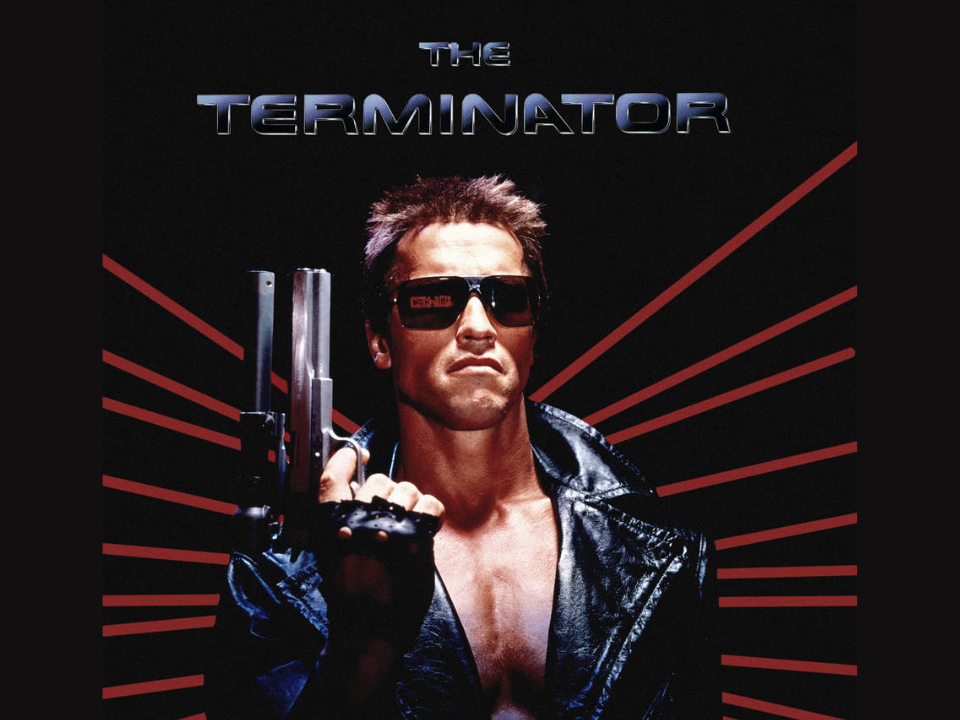
Arnold Schwarzenegger’s famous line in The Terminator is a declaration that has been repeated in countless contexts. Whether used to convey the idea of returning to a task or a meeting, the line has become a symbol of determination and inevitability. The cold, robotic delivery of the phrase only adds to its impact, making it a memorable moment in action movie history. It is a perfect example of how a simple, short line can leave a lasting impression.
In the movie, the line is spoken by the Terminator, a machine sent from the future to carry out its mission. Its iconic status has led to numerous parodies, references, and remakes in later films. It speaks to the unstoppable nature of the character and has since been adopted as an expression of persistence. People often use it lightheartedly, especially when they intend to make a return to something, like work or a conversation.
“Here’s looking at you, kid” – Casablanca (1942)
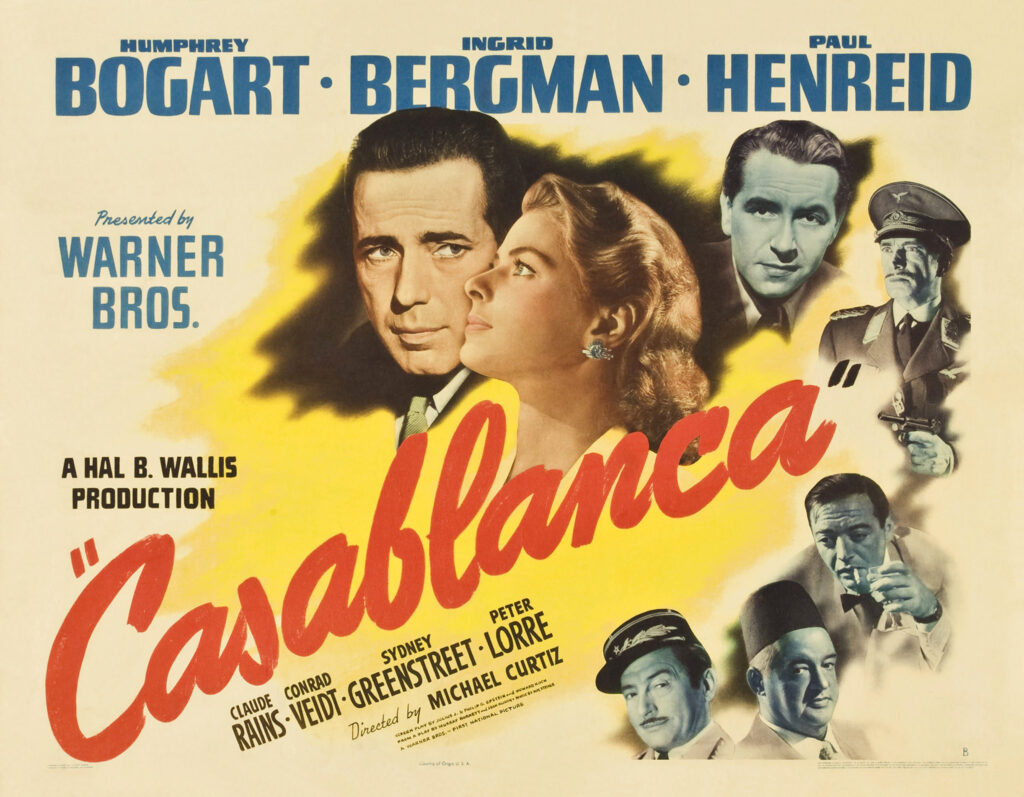
This quote is one of the most famous lines from Casablanca, delivered by Humphrey Bogart’s character, Rick Blaine. It is a heartfelt moment in a film filled with romance and wartime tension. The line has since come to symbolize both nostalgia and love, often used in situations where admiration or affection is expressed. It captures a deep emotional sentiment with very few words, making it timeless.
In the context of the movie, Rick says the line to Ilsa as a farewell, and it holds a layer of complexity. Though it’s a simple statement, it embodies the bittersweet feeling of a love that cannot last. It’s a phrase that movie fans across generations have adopted in various contexts, from celebrating milestones to expressing deep affection. This one-liner stands as a perfect example of how dialogue can resonate long after a film has ended.
“You can’t handle the truth!” – A Few Good Men (1992)
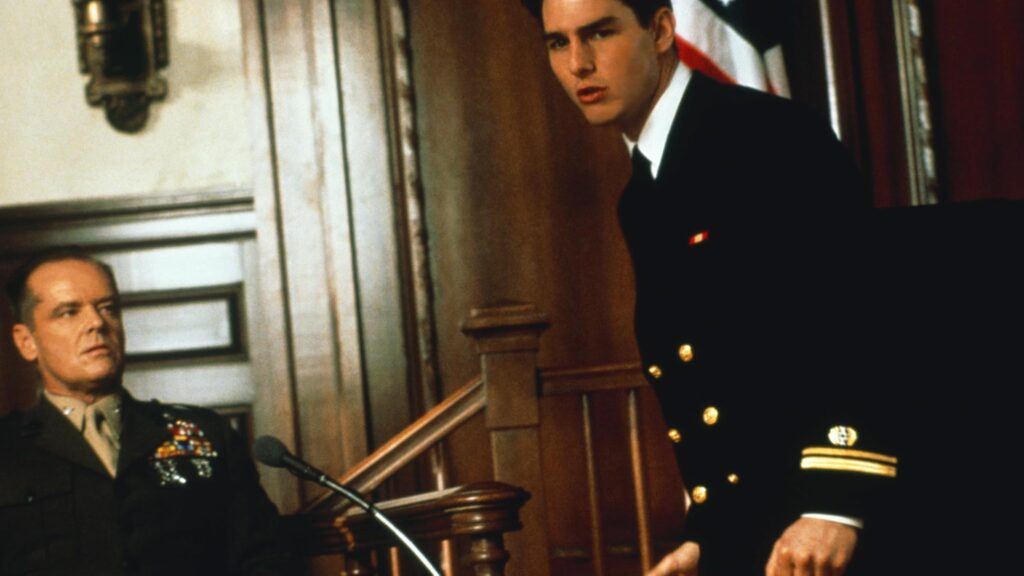
In A Few Good Men, Jack Nicholson’s explosive line is delivered with intensity and passion, making it one of the most memorable quotes in cinematic history. It is spoken during a dramatic courtroom scene, as Nicholson’s character, Colonel Jessup, reacts to a cross-examination. The line has become synonymous with moments where the truth is too difficult to accept or confront. It is often quoted in situations that require an element of confrontation or when someone refuses to face hard realities.
The phrase is packed with emotion and power, as it challenges the other character to deal with uncomfortable truths. Over time, it has been used in various contexts, from intense debates to light-hearted arguments. The raw energy behind the delivery and the context in which it is said make it a line that sticks with viewers. Its place in pop culture ensures that it continues to be an effective, punchy one-liner.
“There’s no place like home” – The Wizard of Oz (1939)
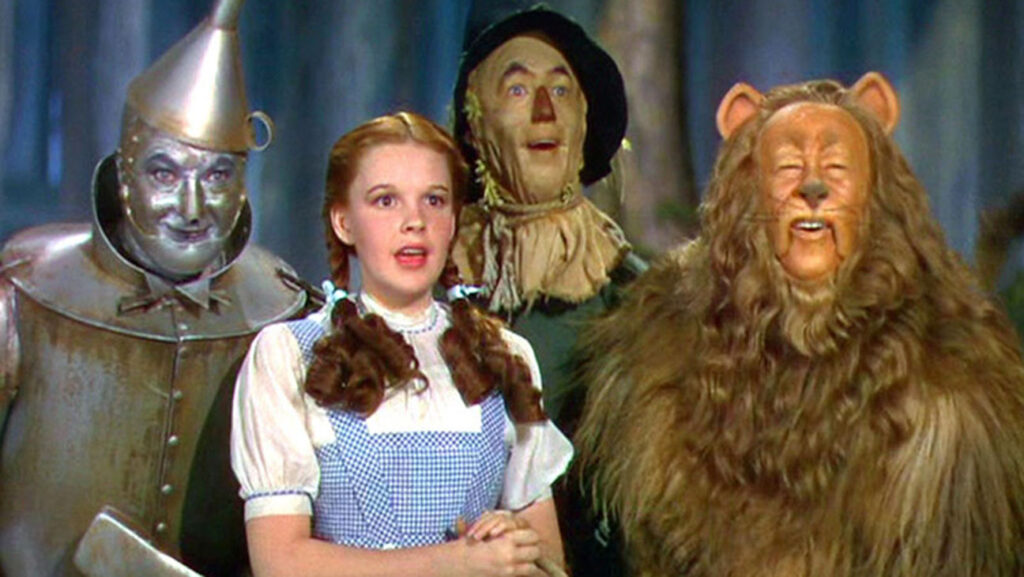
This timeless quote from The Wizard of Oz is perhaps one of the most recognizable lines in movie history. Dorothy, played by Judy Garland, says the line as she clicks her heels and wishes to return to Kansas after her adventures in the magical land of Oz. The quote speaks to a universal feeling of comfort and belonging, often used when someone is yearning to return to a place of safety or familiarity.
While The Wizard of Oz may be a film from a different era, its message still resonates with audiences today. The line symbolizes the value of home and the personal connections we hold dear. It is often quoted when people feel the need to return to their roots or seek solace in familiar surroundings. As a one-liner, it captures both a sense of nostalgia and the universal human desire for a place of comfort.
“I’m going to make him an offer he can’t refuse” – The Godfather (1972)
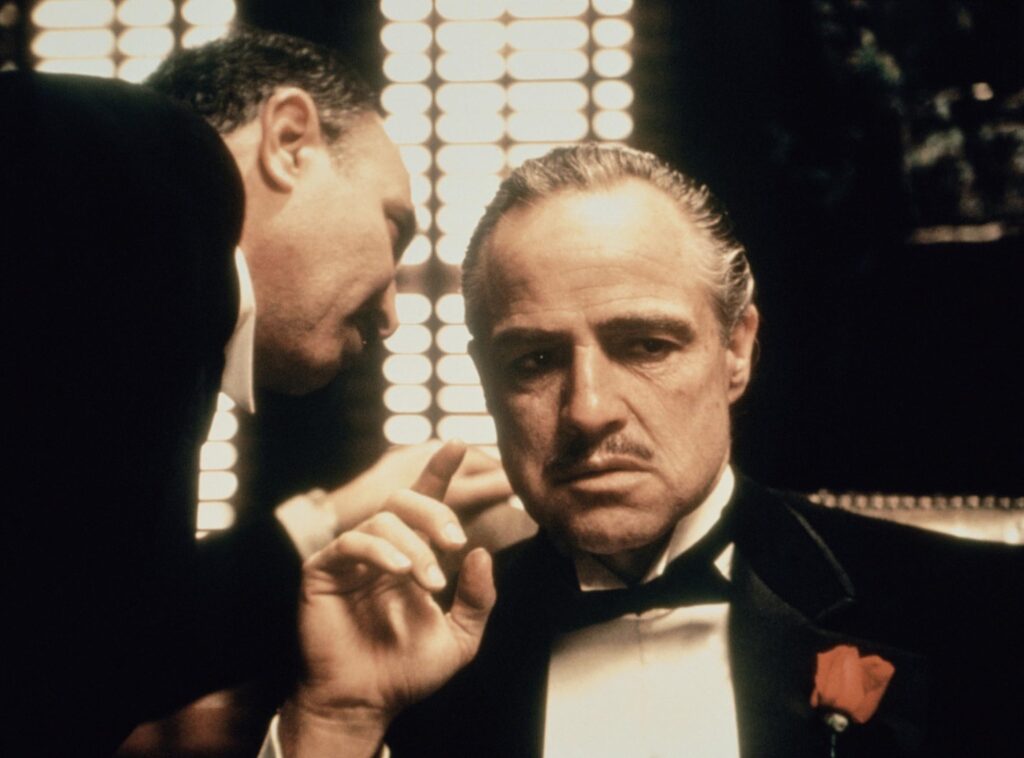
Marlon Brando’s iconic line from The Godfather is more than just a memorable quote, as it is a symbol of power and authority. Spoken by Don Vito Corleone, the line expresses an unwavering ability to manipulate situations to one’s advantage. It is often referenced in moments where a person is in a position to make an irresistible deal or offer. The phrase has transcended the film, becoming shorthand for making someone an offer they cannot refuse.
The line encapsulates the essence of the mafia world portrayed in The Godfather, where loyalty, power, and influence reign supreme. Its simple structure and the gravity with which Brando delivers it make it a line that continues to stand the test of time. Over the years, it has been quoted in countless situations involving business negotiations, promises, and even playful exchanges. Its strength lies in its ability to convey authority in just a few words.
“You had me at hello” – Jerry Maguire (1996)
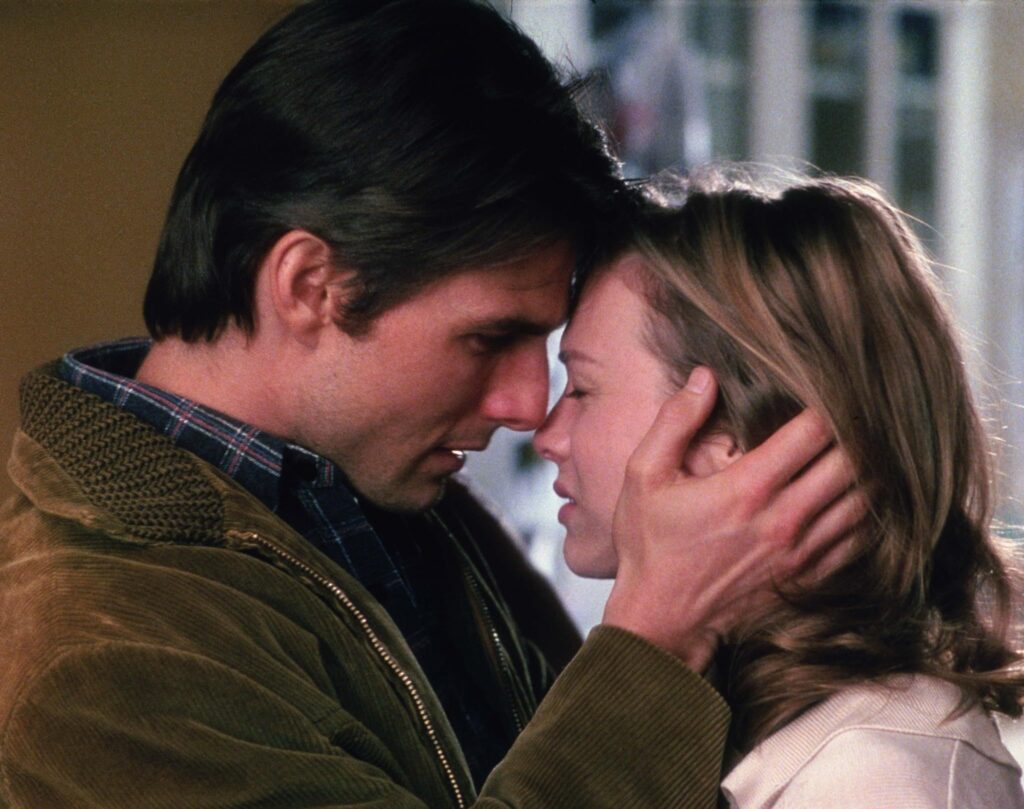
In Jerry Maguire, Renee Zellweger’s character, Dorothy, says this line to Tom Cruise’s character after he delivers a heartfelt confession. It has since become a go-to quote for moments of love and affection, representing the simplicity of falling for someone. The quote captures the emotional sincerity of the moment and has been used in both romantic and platonic contexts, from weddings to friendships.
The line stands out because of its directness and emotional impact. It perfectly sums up a feeling of connection that doesn’t require elaborate words to convey. Its popularity has made it a favorite in conversations involving feelings of deep affection. It has been adapted and referenced in various settings, showing how a simple line can resonate with so many.
“Life is like a box of chocolates” – Forrest Gump (1994)
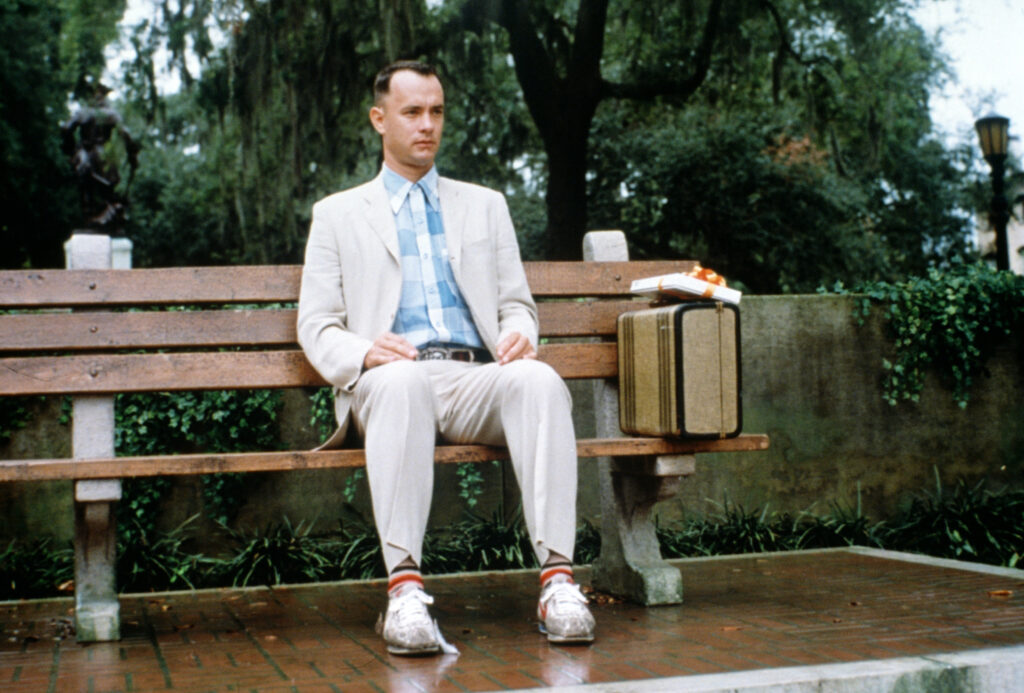
Forrest Gump’s famous line has become one of the most quoted phrases from the movie. Spoken by Tom Hanks’ character, it carries a message about the unpredictability of life and the many surprises it holds. The metaphor of a box of chocolates suggests that one cannot know what to expect, but the journey is what makes life worth living. It is a perfect line to use when contemplating the unexpected twists and turns life takes.
The simplicity and wisdom of the quote are what make it resonate. It highlights the beauty of uncertainty and the importance of embracing the unknown. The line has become synonymous with both a positive outlook on life and a reminder to accept whatever comes our way. It continues to be used by people who reflect on the unpredictability of their own experiences.
“To infinity and beyond!” – Toy Story (1995)
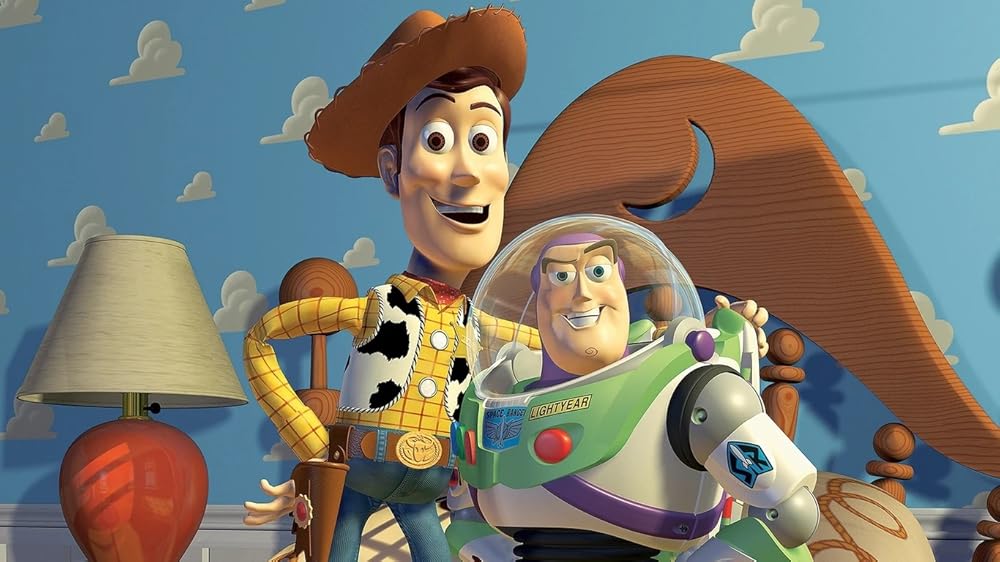
Buzz Lightyear’s catchphrase in Toy Story is more than just a fun quote, as it symbolizes boundless ambition and the limitless possibilities that lie ahead. It is a rallying cry for those who refuse to accept limits and aim for something greater. Over time, the line has come to represent a spirit of adventure and a willingness to push beyond the expected. Fans often use it when embarking on new challenges or aiming for their highest goals.
In the context of the movie, the phrase is used by Buzz as a demonstration of his unwavering confidence. The phrase’s popularity has ensured its continued use in everyday situations, often to express excitement or enthusiasm about new opportunities. It has become a symbol of perseverance and determination, particularly for those looking to exceed expectations. The line continues to inspire, especially among those seeking to break barriers in their own lives.
“Why so serious?” – The Dark Knight (2008)
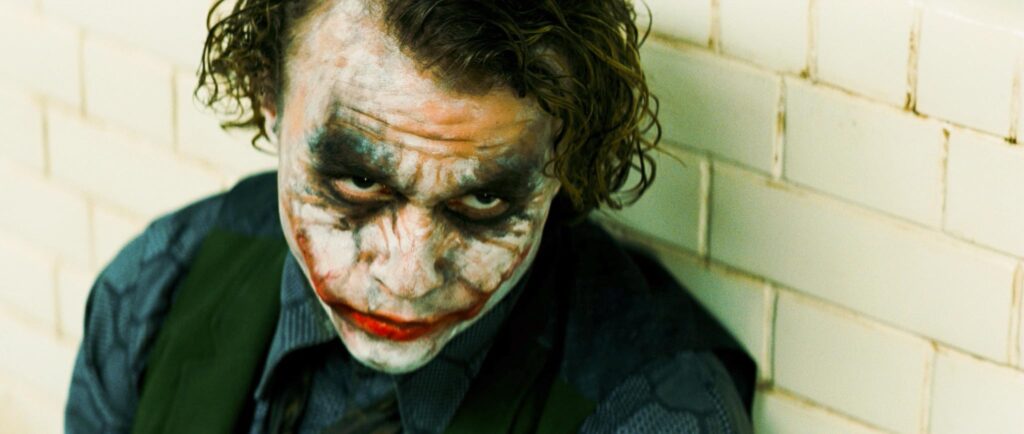
Heath Ledger’s portrayal of the Joker in The Dark Knight introduced one of the most chilling and memorable lines in film history. His question, “Why so serious?” has since become synonymous with unpredictable chaos and the questioning of societal norms. The line is often quoted when someone is acting too stiff or serious, encouraging them to loosen up or take things lightly. It remains a reminder of the Joker’s chaotic nature and the film’s darker themes.
The line is chilling because of the Joker’s eerie delivery and its contrast to the gravity of the situation in the film. It’s a perfect example of how a single line can capture a character’s essence. Fans of the movie often use the quote to provoke others to rethink overly serious attitudes or behaviors. The phrase stands as a symbol of rebellion and chaos in pop culture.
“I feel the need…the need for speed” – Top Gun (1986)
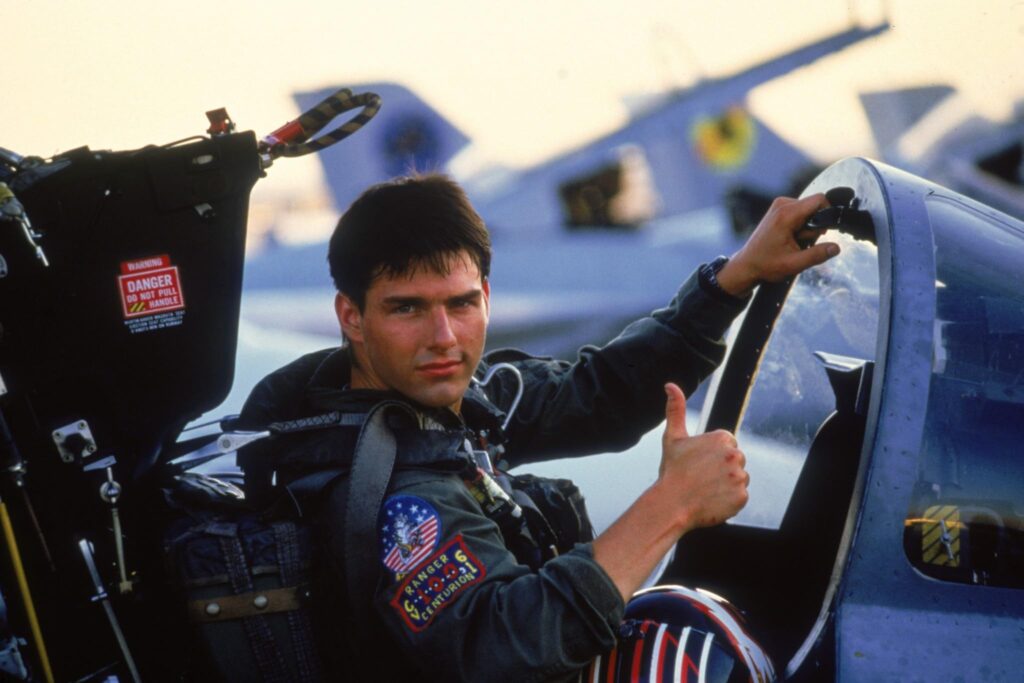
Tom Cruise’s character, Maverick, delivers this line with confidence and enthusiasm, making it one of the most iconic quotes in action movie history. The line has become a symbol of adrenaline and the excitement of living life in the fast lane. It captures the essence of Top Gun, where speed and daring define the characters’ lives. The quote is frequently used in casual settings, particularly when someone is eager to dive into an exciting or challenging activity.
The line perfectly encapsulates Maverick’s love for high-speed thrills and his desire to push the limits. Over time, it has been adopted by fans of Top Gun and sports enthusiasts alike. Whether used to describe racing, competitive events, or even simply taking on a bold challenge, it has become a rallying cry for those seeking an adrenaline rush. It remains a timeless reminder of the joy found in speed and excitement.
“I see dead people” – The Sixth Sense (1999)
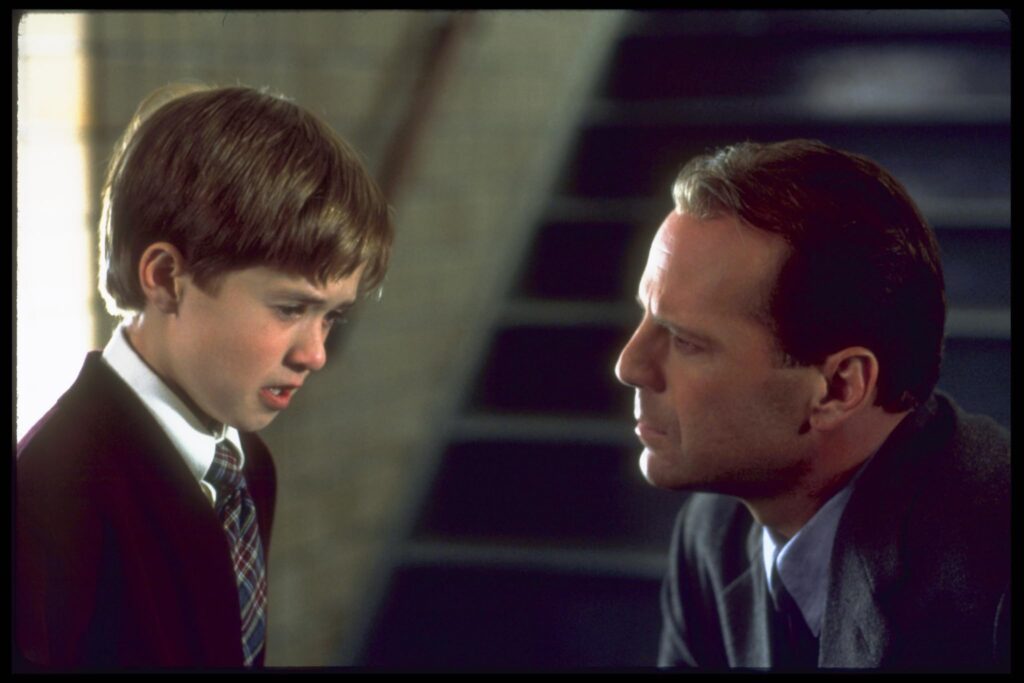
Bruce Willis’s character, Dr. Malcolm Crowe, is confronted by a young boy who says this chilling line in The Sixth Sense. It immediately became one of the most famous quotes in thriller history, capturing the eerie atmosphere of the film. The line perfectly captures the essence of the movie’s twist, where the boy’s ability to see spirits becomes a central plot point. It has been referenced in countless contexts, often used to describe moments of sudden realization or shocking discoveries.
The quote’s power lies in the innocence of the child’s delivery and the unexpected revelation it conveys. It is a phrase that has been adopted for humorous or dramatic effect in many situations. Fans of the movie continue to quote it to express moments of uncanny clarity or when confronted with the unexpected. The line remains a defining moment in film history.
“The stuff that dreams are made of” – The Maltese Falcon (1941)
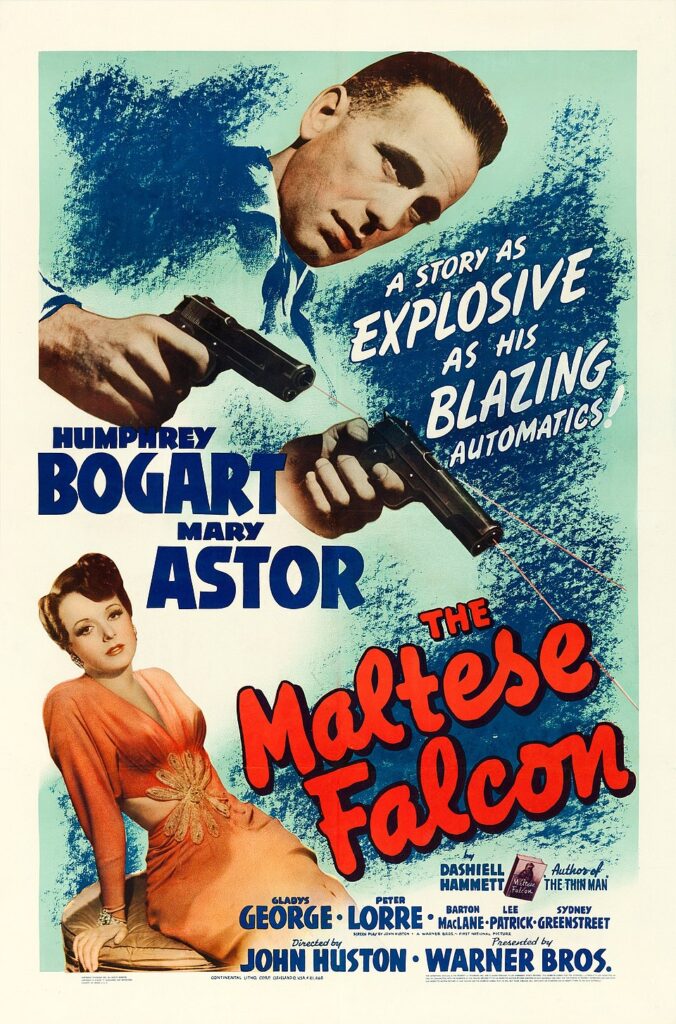
This line from The Maltese Falcon is one of the most enduring phrases in film history, spoken by Humphrey Bogart’s character, Sam Spade. It refers to the elusive and highly sought-after Maltese Falcon statue, which is the central element of the film’s mystery. The quote has since become a metaphor for something that is idealized or desired but often unattainable. It encapsulates the sense of longing and pursuit that drives many of the characters in the story.
Over the years, the phrase has been adopted in various contexts, particularly when something is considered the ultimate goal or prize. It is used to describe a rare opportunity, a dream realized, or something that seems too perfect to be true. The line is a timeless example of how film dialogue can take on a life of its own. It remains a part of pop culture and is often used to describe the pursuit of ambition or unattainable desires.
“Here’s looking at you, kid” – Casablanca (1942)
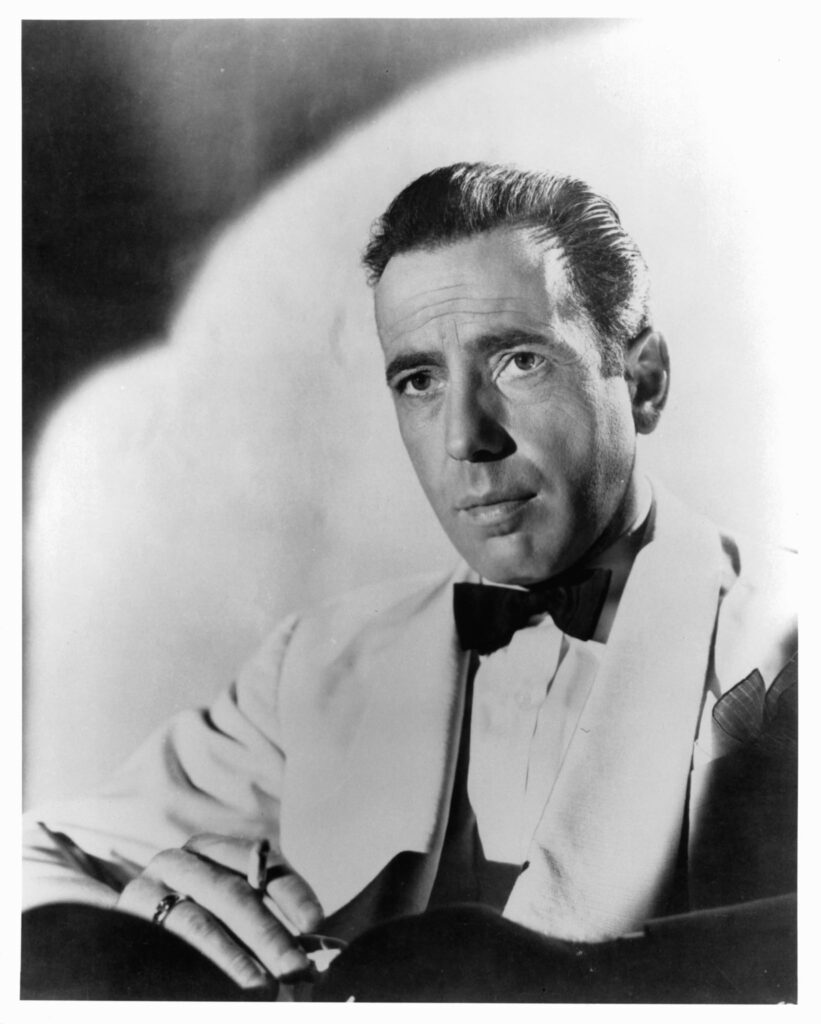
This tender line from Casablanca is one of the most memorable moments in cinematic history. Humphrey Bogart’s character, Rick Blaine, delivers the line to Ilsa (Ingrid Bergman) during a bittersweet farewell. The phrase has become synonymous with admiration, love, and a sense of nostalgia, often used to convey affection in a heartfelt way. It’s a line that carries a mix of tenderness and resignation, making it especially poignant.
The simplicity of the line, combined with the emotional weight of the moment, has given it enduring appeal. It has since been used in countless contexts, often when expressing a deep fondness for someone or something. Despite being delivered in a scene filled with loss, the quote has an uplifting, timeless quality. It remains a classic example of how a short line can hold great emotional depth.
“Nobody puts Baby in a corner” – Dirty Dancing (1987)
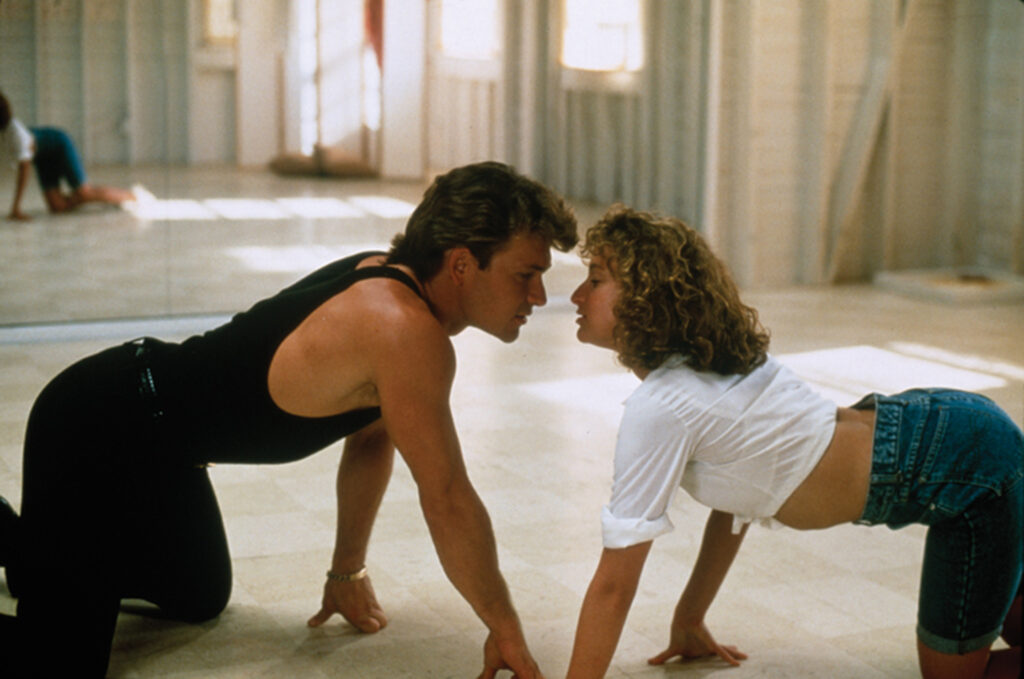
In Dirty Dancing, Patrick Swayze’s character, Johnny Castle, delivers this iconic line during the film’s climactic scene. The line has since become a powerful statement of defiance, symbolizing the moment when Baby (Jennifer Grey) steps into her own and refuses to be sidelined. It is a rallying cry for standing up for oneself, fighting for one’s place, and refusing to be overlooked. Fans often use it in moments of empowerment or when someone refuses to be confined to the background.
The line is more than just a memorable piece of dialogue, as it captures the essence of the film’s themes like self-discovery, breaking free from societal expectations, and standing up for love. Its place in pop culture has made it a go-to quote for expressing confidence and asserting one’s worth. It has been referenced in countless settings, from sports events to personal achievements. This one-liner has transcended the film and remains an empowering quote for many.
“You talking to me?” – Taxi Driver (1976)
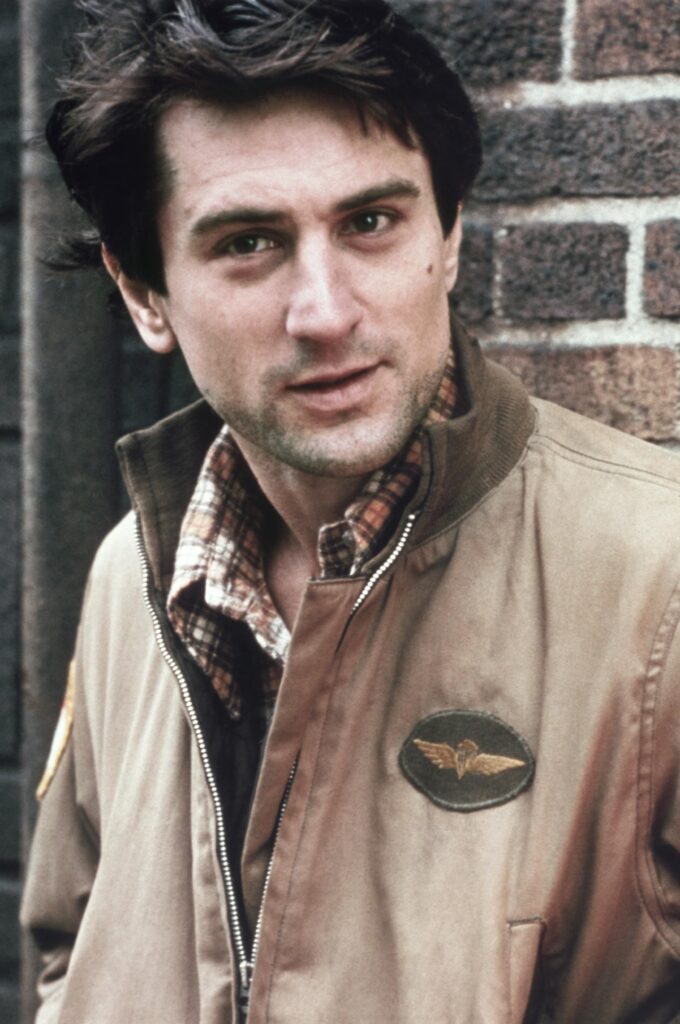
This line from Taxi Driver is one of the most iconic moments in Robert De Niro’s career. The scene is a tense moment in the film when De Niro’s character, Travis Bickle, questions his own reflection in the mirror, signaling his descent into isolation and madness. The quote has since become a staple of pop culture, often used humorously or sarcastically when someone feels challenged or misinterpreted. Its intensity and unpredictability make it instantly recognizable.
The line’s impact is amplified by De Niro’s delivery, which conveys both self-doubt and aggression. Over time, it has been used in a variety of contexts, often as a way to challenge someone or confront a situation head-on. Whether it is mimicked in jest or quoted seriously, the line remains a lasting part of cinematic history. It is a perfect example of how a seemingly simple line can have such lasting cultural relevance.
This article originally appeared on Avocadu.