
13 Movie Lines People Quote All the Time Without Knowing Where They Came From
We’ve all heard iconic movie lines repeated countless times, often without realizing their origins. These memorable quotes have found their way into everyday conversations, but many people don’t know where they first appeared or the context behind them. From misquotations to catchphrases used in completely different settings, these lines have become part of pop culture, adding humor or drama to our daily interactions.
This post may contain affiliate links, which helps keep this content free. Please read our disclosure for more info.
“Play it again, Sam.”

This famous quote is often misquoted as “Play it again, Sam,” but in reality, the line spoken by Ilsa in Casablanca (1942) is, “Play it, Sam. Play ‘As Time Goes By.’” Despite never actually saying the words “Play it again, Sam,” the line became widely associated with the film because of its emotional significance. The scene involves Ilsa asking Sam, the pianist, to play a song that holds great sentimental value to her and Rick, but the misquote gained traction as people began simplifying the request into a catchphrase. Over time, this line has come to symbolize the idea of revisiting the past, often used when someone is nostalgic about a moment or a memory.
The misquote continues to be part of everyday conversation, as it’s commonly used when people want something to be repeated, whether it’s a song, a memory, or even a joke. The line’s frequent usage reflects how powerful Casablanca is in popular culture, even to those who have never seen the film. The misquotation also ties into the theme of nostalgia, as people unknowingly link it to the idea of longing for moments that are long gone, much like Ilsa’s bittersweet wish to relive a past love. It’s a perfect example of how a piece of dialogue can become ingrained in language, even if the exact words were never actually spoken in the original scene.
“I coulda been a contender.”
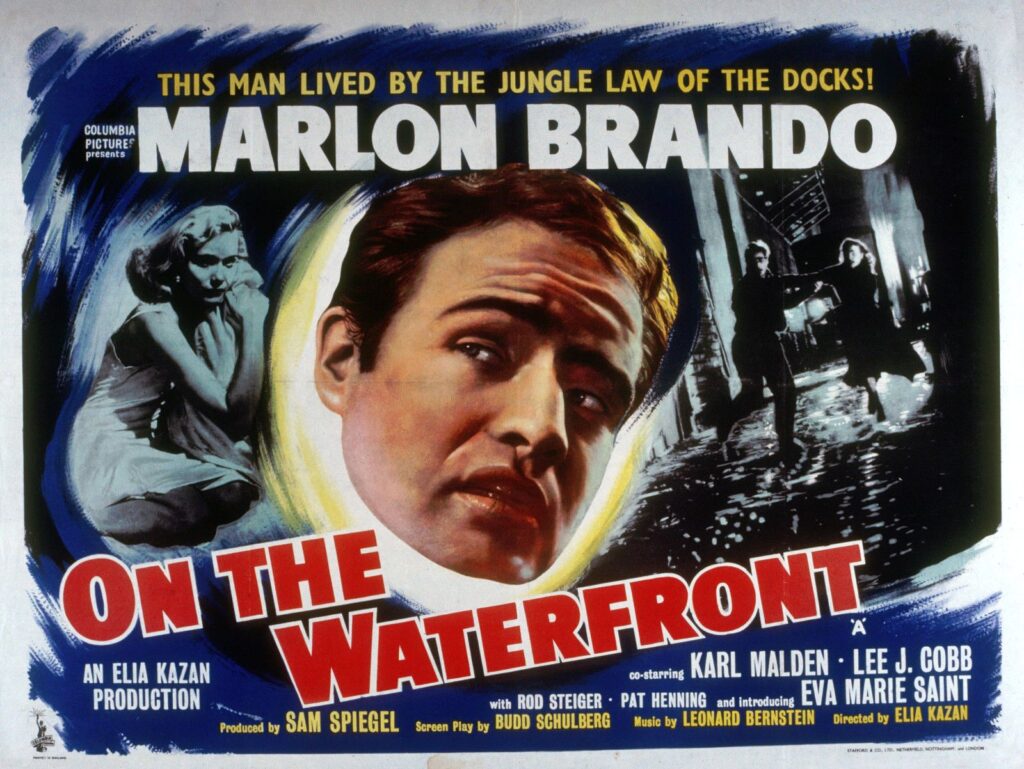
In On the Waterfront (1954), Marlon Brando’s character Terry Malloy delivers the line, “I coulda been a contender,” reflecting on his lost potential as a boxer. It is a poignant moment in the film, as Terry grapples with his failure to rise above his circumstances. While the exact line from the film is more complex, this quote has become shorthand for anyone lamenting a missed opportunity. It is often used in everyday conversation when people reflect on their own potential or how they feel they could have been more successful if things had gone differently. The misquote captures the frustration of unrealized dreams, which makes it so universally relatable.
People who quote the line typically don’t realize that the context is far more complex. Terry’s regret stems from being manipulated and losing the chance to live a life of dignity and self-respect, not just fame or success. The line has endured because it resonates deeply with anyone who feels like they’ve missed out on something big, whether it’s a job, a relationship, or an opportunity. The way it’s used in casual conversation often ignores the deeper themes of On the Waterfront, turning it into a simple way to express disappointment. This transformation from a complex cinematic moment into an easy-to-quote line is a testament to the power of great dialogue.
“Beam me up, Scotty.”
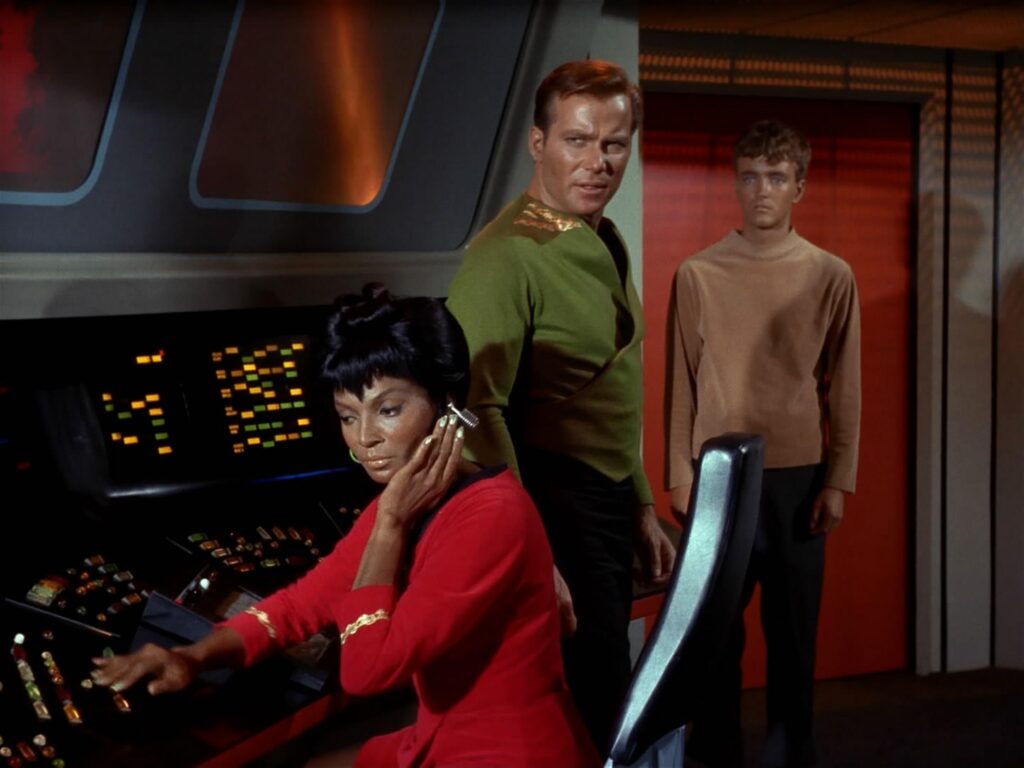
The iconic phrase “Beam me up, Scotty” is frequently associated with Star Trek (1966-1969), but it’s actually a line that never appears in the show. The closest lines are “Scotty, beam us up” or “Beam us up, Mr. Scott,” but the misquote has become synonymous with any situation where someone wants to escape. People often use it to express frustration with their current environment or to jokingly wish for a quick getaway. The phrase is recognizable to even those who have never seen Star Trek, and it taps into a universal feeling of wanting to leave a situation that’s uncomfortable or undesirable.
What’s fascinating about this quote is how it has evolved beyond its original context. The line from Star Trek is often used when someone feels trapped or overwhelmed by their current circumstances, and it’s a playful way to express a wish for escape. In Star Trek, the beaming process is a science fiction concept that allows characters to be transported from one place to another in the blink of an eye. The misquote, however, has turned into an everyday metaphor for any quick or dramatic escape from a difficult situation, transforming it from a niche reference to a commonly used phrase in modern language. The phrase’s widespread usage shows how a piece of popular culture can be repurposed and simplified for casual use, turning a fictional concept into something everyone can relate to.
“Frankly, my dear, I don’t give a damn.”
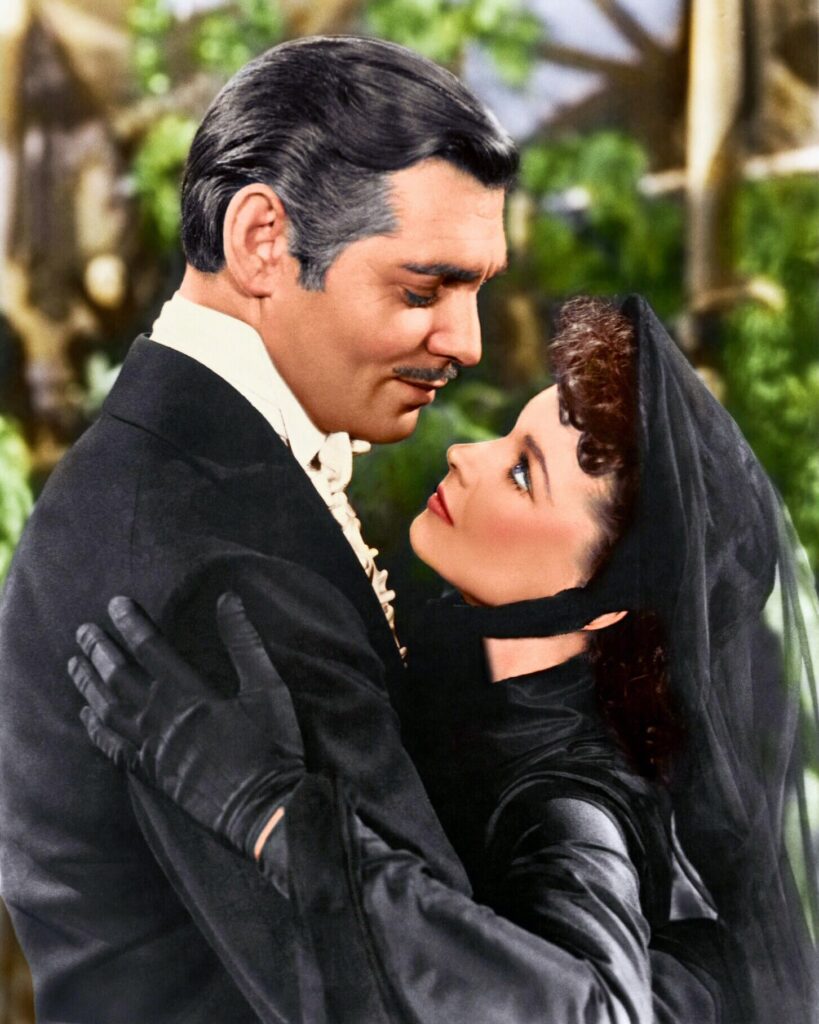
Spoken by Rhett Butler (Clark Gable) in Gone with the Wind (1939), this famous line marks a dramatic moment in film history. It occurs during the breakup between Rhett and Scarlett O’Hara (Vivien Leigh) and is one of the most iconic lines in cinema. The line is often quoted in situations where someone expresses total indifference or frustration with another person or situation. People who use the phrase are usually unaware of the emotional context in which it was delivered, often opting to use it flippantly to dismiss something or someone. The original line carries significant weight, marking the collapse of a complex and deeply emotional relationship, but in modern times, it is often used with little regard for its historical impact.
The quote’s frequent usage in popular culture has made it a shorthand for emotional detachment, and it has become a popular way of expressing indifference when faced with a problem or a person that no longer deserves attention. While people often forget the weight behind the words, the line has retained its power and continues to be part of everyday conversations. It reflects how a moment from a film, even one that was initially filled with raw emotion, can be repurposed and used in an entirely new context. This transformation is part of what makes the line so enduring; it captures a universal feeling in a way that can be easily applied to a wide range of scenarios.
“Here’s looking at you, kid.”
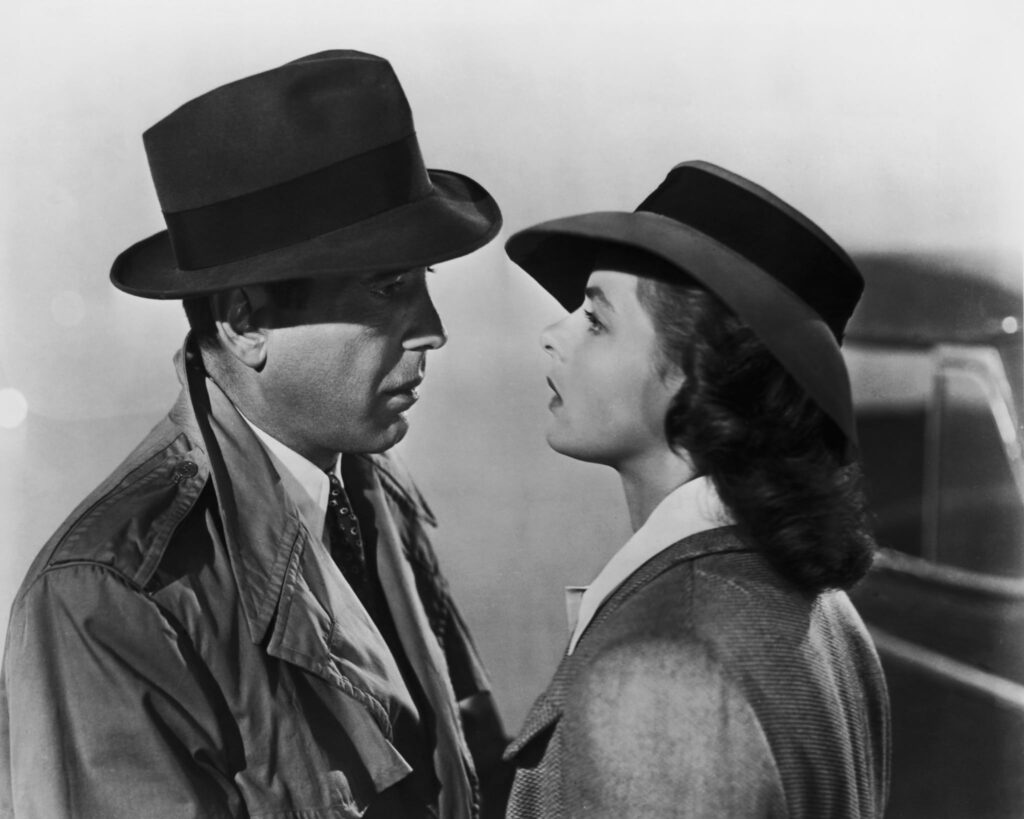
In Casablanca (1942), Humphrey Bogart’s character Rick Blaine delivers the line “Here’s looking at you, kid” to Ilsa (Ingrid Bergman) in a tender moment before parting ways. This line has become an iconic expression of affection and admiration, but many people who use it today don’t realize it comes from a much more complex scene. In the film, Rick is saying goodbye to Ilsa, acknowledging their love and the difficult circumstances that have kept them apart. The line’s enduring popularity comes from its simplicity and emotional resonance, but its meaning is often lost in casual conversation, where it’s used as a sweet or nostalgic way to show fondness.
The misquotation and casual usage of the line show how it has become synonymous with a moment of fond farewell or an expression of admiration. It’s often used when people want to acknowledge someone sentimentally, particularly in situations that may not be as dramatic as the one in Casablanca. This simplification of the line reflects how certain movie moments transcend their original context to become part of the common language. While the original context carries a deep sense of loss and love, the misquote is often used in lighter, less serious scenarios, showing how cultural icons evolve and adapt to fit different contexts over time.
“I’ll be back.”
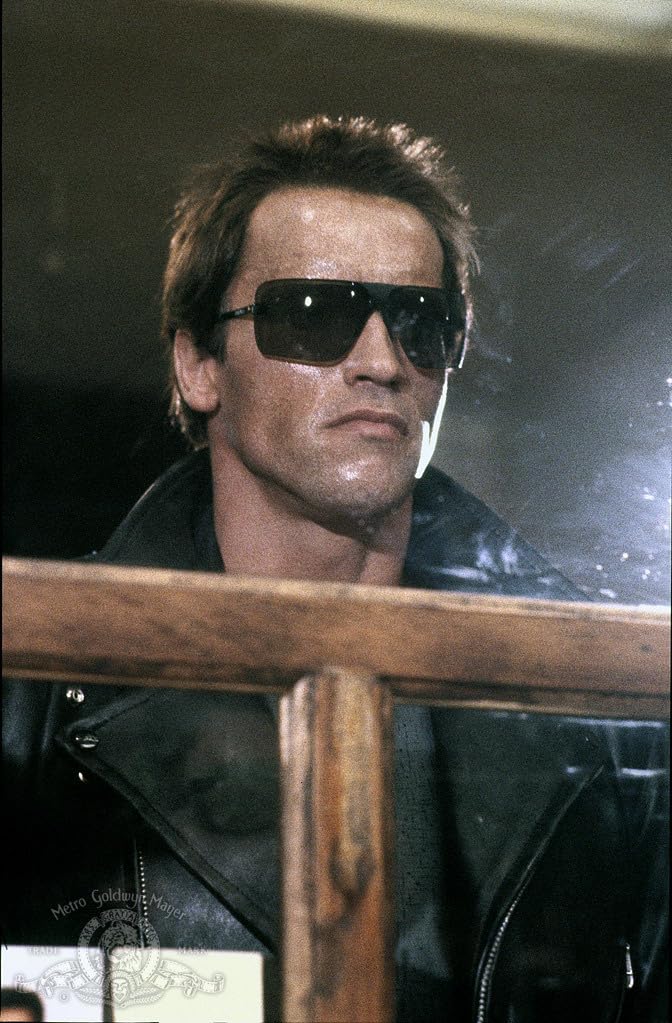
This line from The Terminator (1984) is one of Arnold Schwarzenegger’s most famous quotes, yet it is often repeated without any knowledge of the film’s context. In the movie, Schwarzenegger’s character, the Terminator, says “I’ll be back” before returning to wreak havoc in a police station. The line has become iconic, symbolizing an imminent return or a promise to come back, often used in casual settings. People use it in a joking manner to let others know they will return soon, but many do not realize that it is tied to a pivotal moment in a science fiction thriller, where it signals the beginning of a violent pursuit.
The quote’s enduring popularity shows how a simple, declarative statement can become synonymous with a dramatic, action-packed scene. It has transcended its original meaning and is now often used humorously, reflecting the influence The Terminator had on pop culture. While the original line is uttered with a chilling certainty in the film, its frequent casual use has watered down its menacing tone, turning it into a playful, sometimes comedic expression. This shift from a serious moment to a lighthearted reference demonstrates how movie lines can evolve and become detached from their original context.
“You can’t handle the truth!”
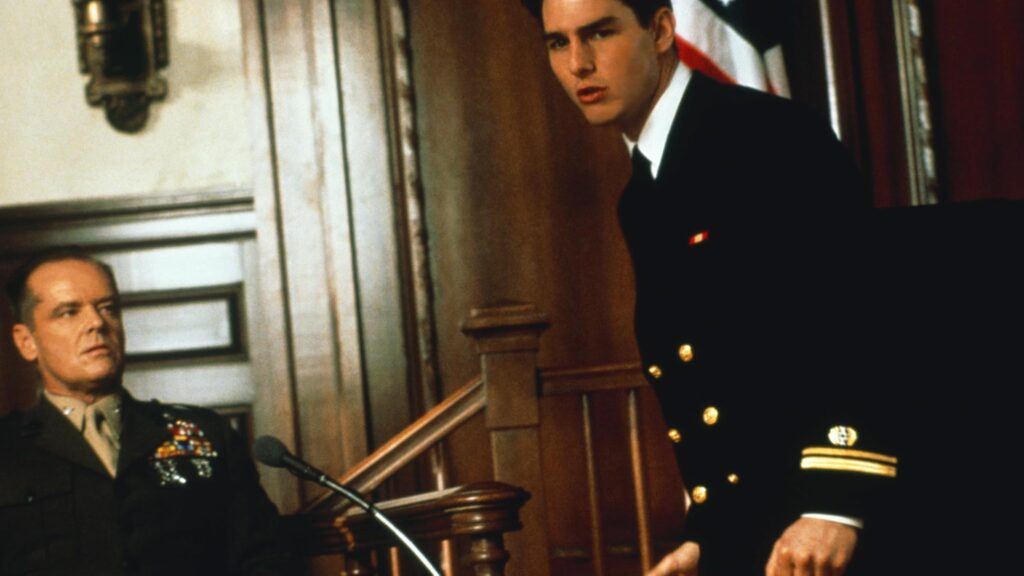
From A Few Good Men (1992), this powerful line is delivered by Colonel Jessup (Jack Nicholson) during a courtroom scene. The line has become synonymous with moments of confrontation, where someone demands an uncomfortable or inconvenient truth. Often quoted during heated debates or when someone is accused of being unable to handle a harsh reality, the quote is widely used, especially in situations where an individual is perceived to be in denial. Though people quote it frequently, they might not recognize the dramatic buildup that leads to this outburst in the film, where the truth is revealed in a tense courtroom exchange.
While the line itself is intense, its frequent use in casual conversations often strips it of the powerful emotions behind the moment. People might say “You can’t handle the truth!” in a lighthearted or sarcastic manner, using it to poke fun at someone’s reluctance to accept an inconvenient fact. Despite this casual usage, the original scene is filled with anger and frustration, capturing a climactic moment in the legal drama. This contrast between the film’s serious tone and the everyday usage of the line is part of what makes it so memorable; it taps into universal themes of truth, denial, and personal accountability, which people instinctively relate to in various situations.
“Life is like a box of chocolates.”
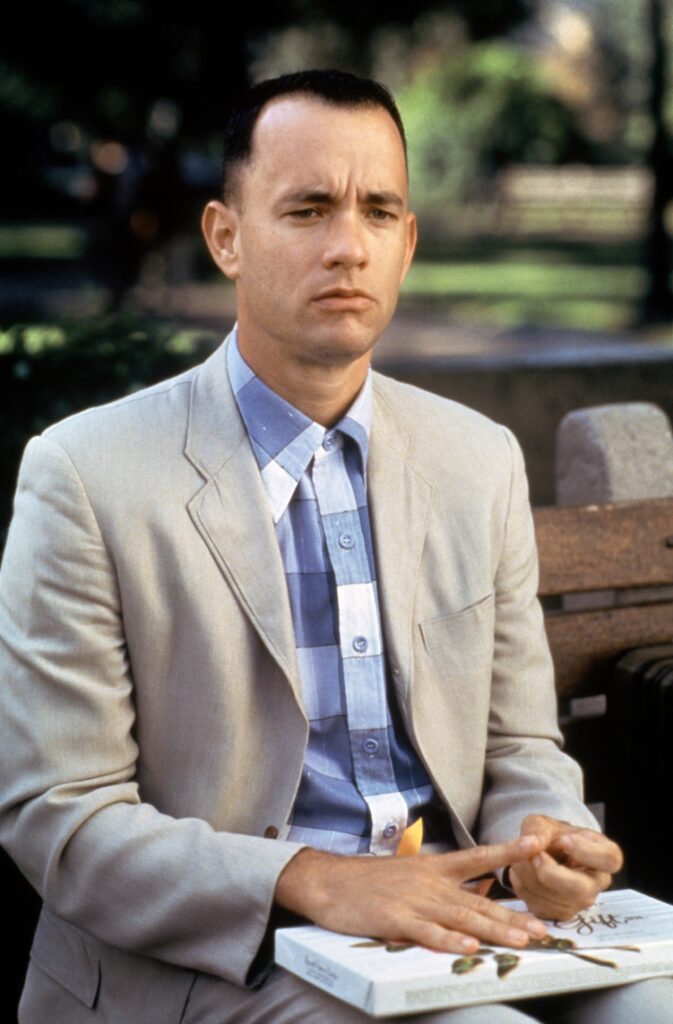
Forrest Gump (1994) is responsible for popularizing this quote, though many people misquote it as “Life is like a box of chocolates; you never know what you’re gonna get.” The actual line, spoken by Forrest (Tom Hanks), is “My mama always said, life was like a box of chocolates.” While this misquote has become one of the most commonly used movie lines, it’s often detached from the emotional context in the film. In Forrest Gump, the line is a reflection of Forrest’s mother’s wisdom and the unpredictability of life, which Forrest learns through his extraordinary and often unpredictable experiences.
The line is frequently used as a way to explain life’s uncertainties, often casually or philosophically. People quote it when they face an unknown future or when something unexpected happens, but they may not realize that in the film, it reflects a much deeper message about fate, chance, and the unpredictability of life. The simplicity of the line and its connection to Forrest’s childlike innocence have made it easy for audiences to adopt, even if they don’t fully grasp the weight of its original meaning. The misquote has endured because it perfectly encapsulates a universal truth: that life is full of surprises, and you can’t always control what comes your way.
“Do you feel lucky, punk?”
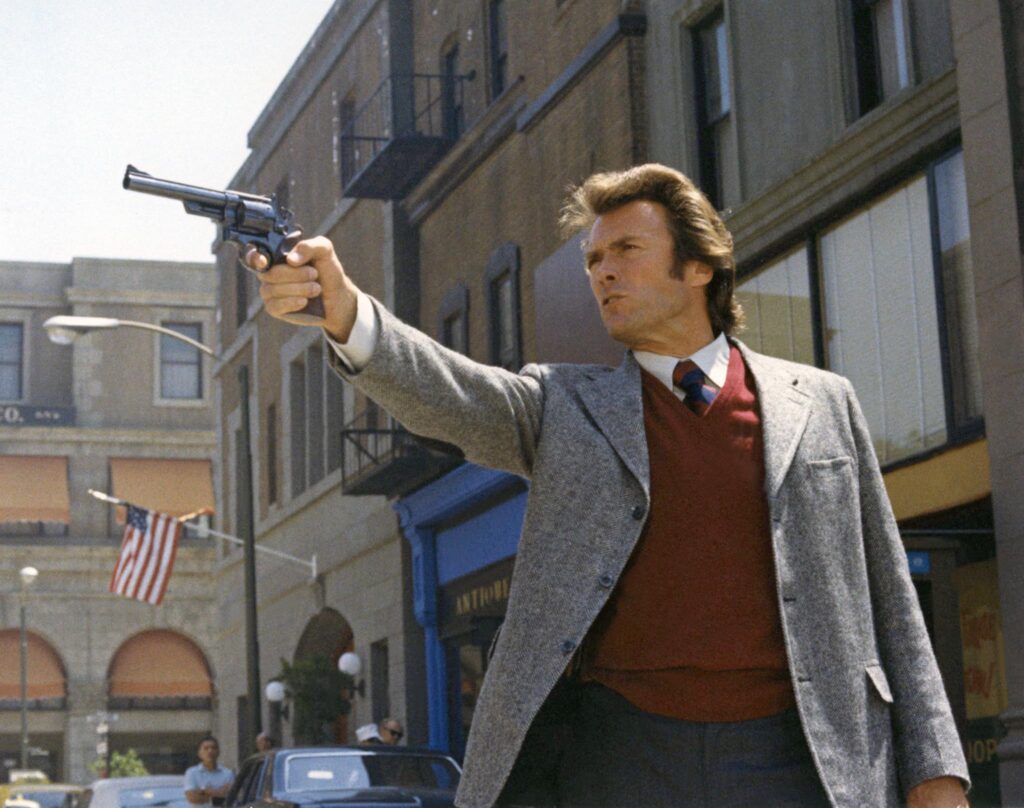
From Dirty Harry (1971), Clint Eastwood’s iconic line “Do you feel lucky, punk?” is often misquoted or misremembered as “Are you feeling lucky?” The line is delivered in a tense standoff between Harry Callahan and a criminal, where Callahan challenges the man to make a decision. The quote has become synonymous with moments of threat or confrontation, where someone is daring another to act in the face of danger. In everyday conversation, the line is often used as a rhetorical question, challenging someone’s confidence or bravery, though it is frequently stripped of its original intensity.
In the film, the line is loaded with suspense and is part of a larger theme about power, control, and morality. People who quote it in casual conversation often don’t realize how the line fits into Callahan’s character arc as a tough, no-nonsense cop who is willing to take extreme actions in the name of justice. The frequent use of the line in everyday situations shows how Dirty Harry’s influence has pervaded pop culture, where a simple challenge can take on a life of its own. The quote’s transformation from a threatening question to a playful remark reflects the way in which movie lines can evolve and become part of common vernacular.
“The force will be with you, always.”
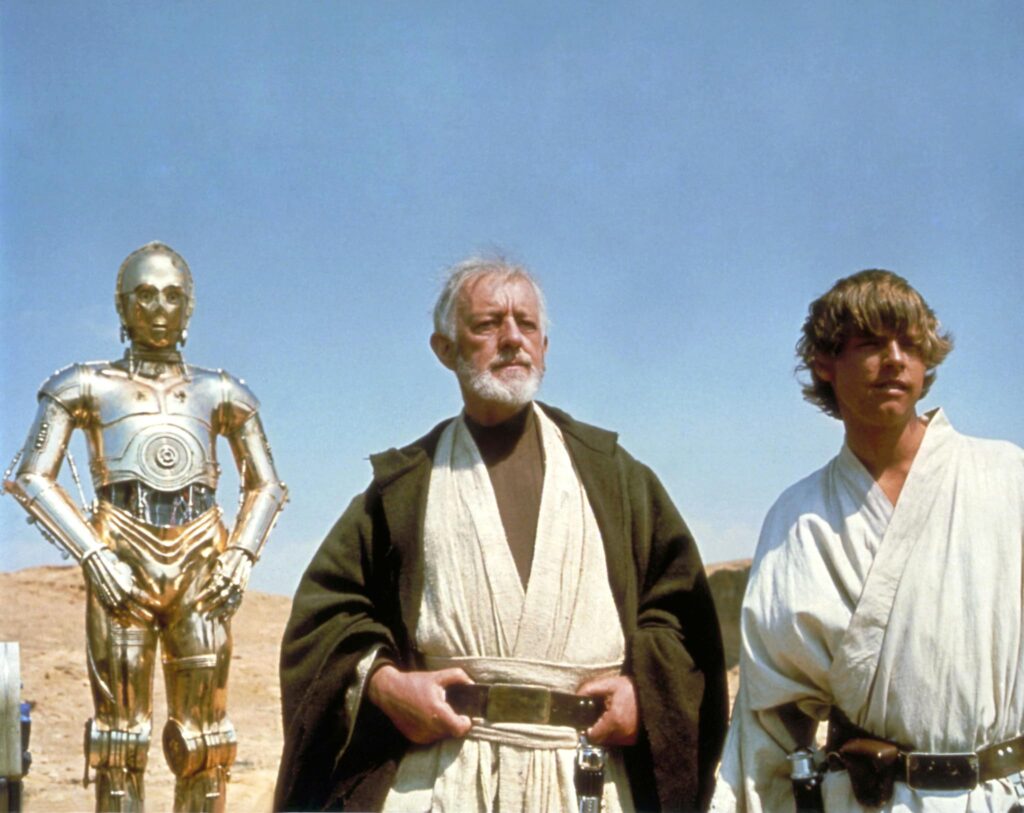
In Star Wars (1977), Obi-Wan Kenobi (Alec Guinness) imparts this line to Luke Skywalker as a way of comforting him and offering guidance before the final battle. While “May the Force be with you” is the more commonly quoted line, this version, which emphasizes the enduring power of the Force, has also become a significant part of the Star Wars lexicon. It is often used in casual conversation to offer encouragement, especially when someone is embarking on a challenging journey or endeavor. People who quote it frequently might not realize the spiritual and philosophical undertones tied to the original meaning of the Force in the film.
The line has become a source of inspiration for many, particularly in situations where someone is facing uncertainty or preparing for something difficult. It symbolizes hope, strength, and guidance, and is often quoted with a sense of camaraderie, much like the way Obi-Wan shares it with Luke. The continued use of the line, even by those who may not be familiar with the larger Star Wars mythology, reflects the cultural impact of the franchise and its ability to inspire with its themes of resilience and inner strength. Despite its simplicity, the line carries a sense of unity and support that people across generations have embraced.
“Here’s Johnny!”
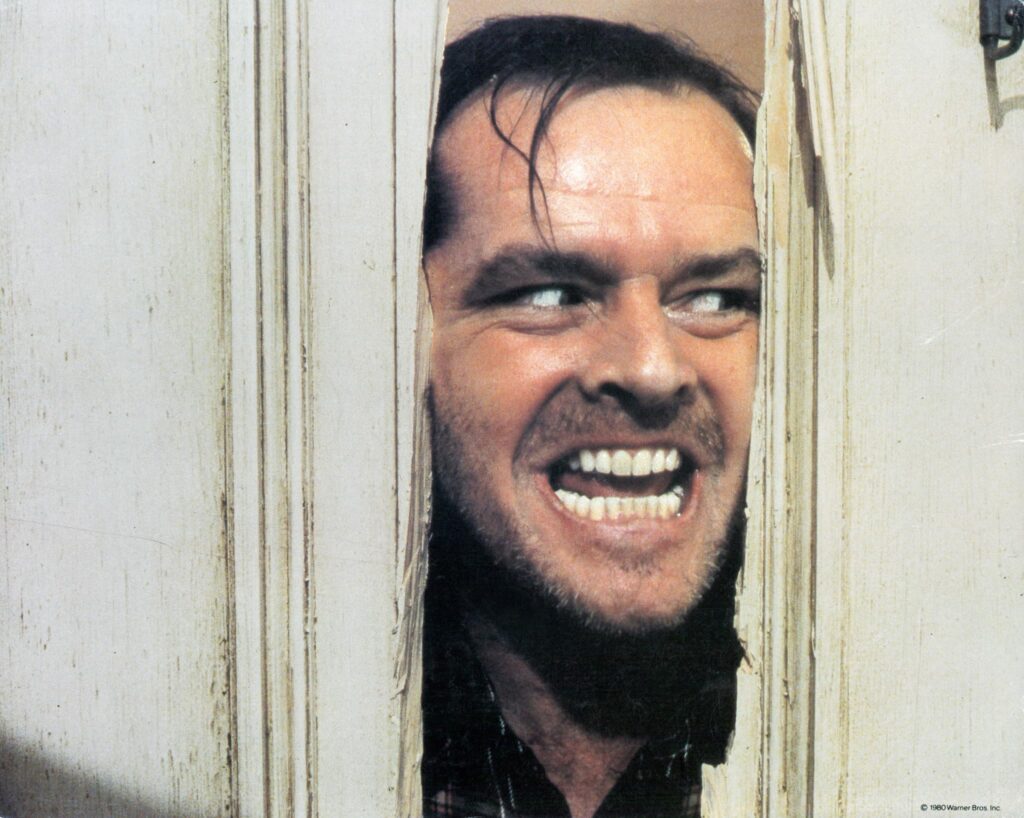
Jack Nicholson’s famous line from The Shining (1980) has been widely misquoted and parodied in popular culture, often in moments of intense excitement or chaos. The original line is delivered by Nicholson’s character, Jack Torrance, as he bursts through a door with an axe, signaling his descent into madness. The misquote “Here’s Johnny!” has become synonymous with unexpected or dramatic entrances. People often use it to announce their arrival, usually in a playful, over-the-top manner, without realizing its sinister origins in a horror film.
This line has become so ingrained in popular culture that it’s often said without any reference to the movie or its context. The dark, terrifying scene in The Shining contrasts sharply with its lighthearted usage today. Many quote the line without understanding the sense of dread and psychological horror that Nicholson’s character conveys in the film. The way it has evolved from a chilling outburst to a humorous catchphrase demonstrates how movie lines can lose their original context and be repurposed for completely different tones and situations.
“You talking to me?”
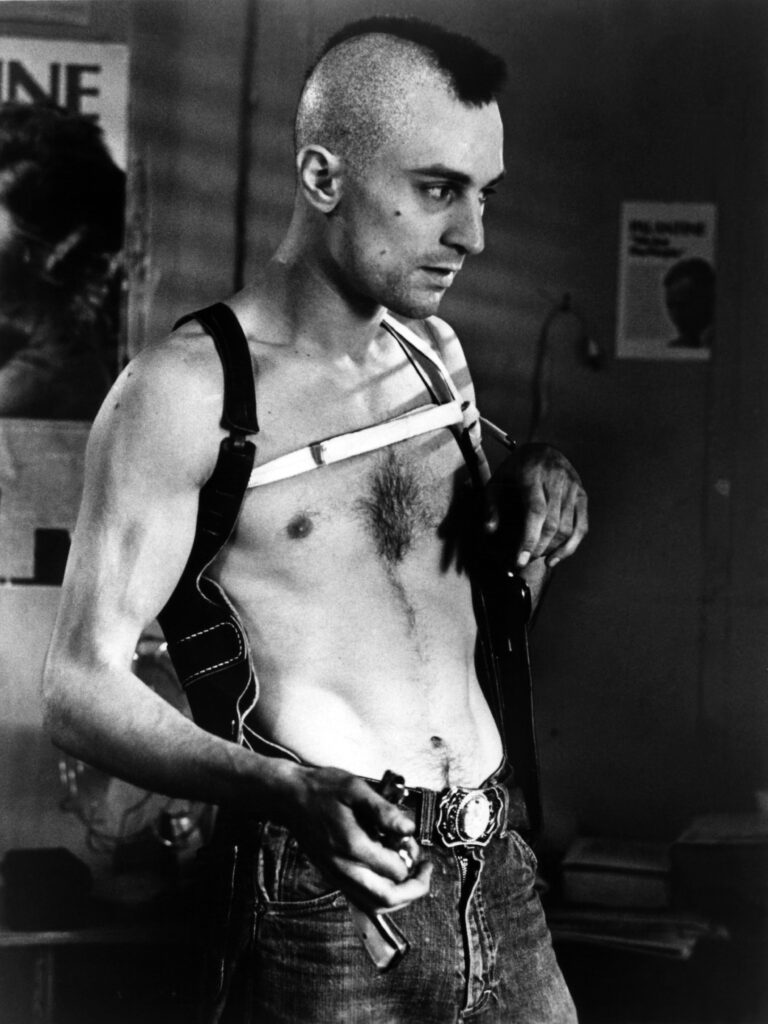
From Taxi Driver (1976), Robert De Niro’s famous line, “You talking to me?” is delivered by his character, Travis Bickle, during a moment of self-reflection in front of a mirror. The line is part of a larger monologue where Bickle confronts his growing alienation and frustration with society. In everyday life, this line is often quoted when someone feels challenged or misunderstood. It has become a shorthand for moments of confusion or defiance, but many people who quote it don’t realize the deeper psychological context in which it was originally spoken.
The line’s frequent use in casual conversation reflects its lasting impact on pop culture, where it has been parodied and referenced countless times. People use it when they feel the need to assert themselves or call attention to a particular situation, often with an exaggerated sense of confidence. However, the original context in Taxi Driver is much more introspective and unsettling, as Bickle grapples with his own mental state. This shift from a moment of isolation to a phrase of playful bravado highlights how movie lines can be distorted and take on new meanings over time.
“I see dead people.”
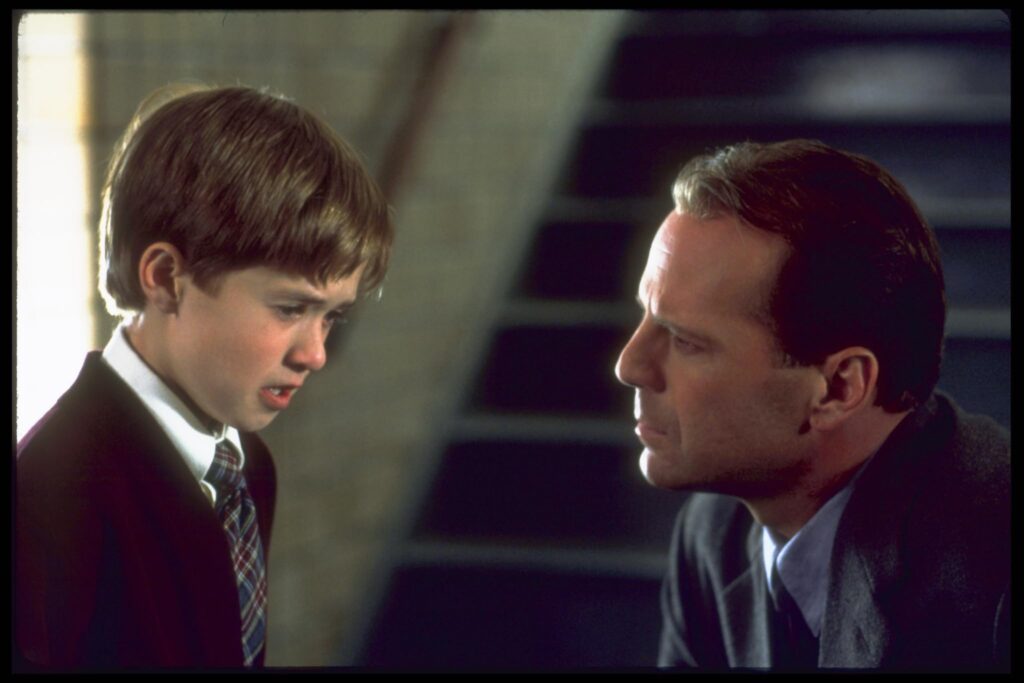
From The Sixth Sense (1999), this line is spoken by the young character Cole Sear (Haley Joel Osment) as he confides in Bruce Willis’ character, Dr. Malcolm Crowe. The line became widely quoted after the film’s release due to its shocking revelation and the twist ending. Many people quote it when they want to reference something mysterious, eerie, or inexplicable, often without knowing its origin in a psychological thriller about a boy who sees ghosts. The misquote typically occurs when someone is faced with something strange or out of the ordinary, and they use the line to playfully imply that something supernatural is happening.
The impact of this line is evident in how it has transcended its original context, becoming a part of the lexicon for describing strange or unexplainable occurrences. While in the film, the line is part of a critical plot point that reveals a major twist, it has become more of a comedic or exaggerated way to reference unexpected or spooky situations. This transformation from a tense, dramatic moment to a casual expression of surprise or curiosity demonstrates how movie lines can be reinterpreted for humor, even when their original context is filled with suspense and dread.
This article originally appeared on Avocadu.