
15 Most Valuable Pokémon Collectibles You Can Actually Display
Many Pokémon fans want pieces that look good on a shelf while still holding serious value. The right cards, figures, and display items can turn a simple bookcase or desk into a small gallery that makes you smile every time you walk by. You can mix nostalgia with smart choices so your display feels fun and still makes sense as a collection. So as you read, think about which items fit your style, your space, and your budget.
This post may contain affiliate links, which helps keep this content free. Please read our disclosure for more info.
Pikachu Illustrator card
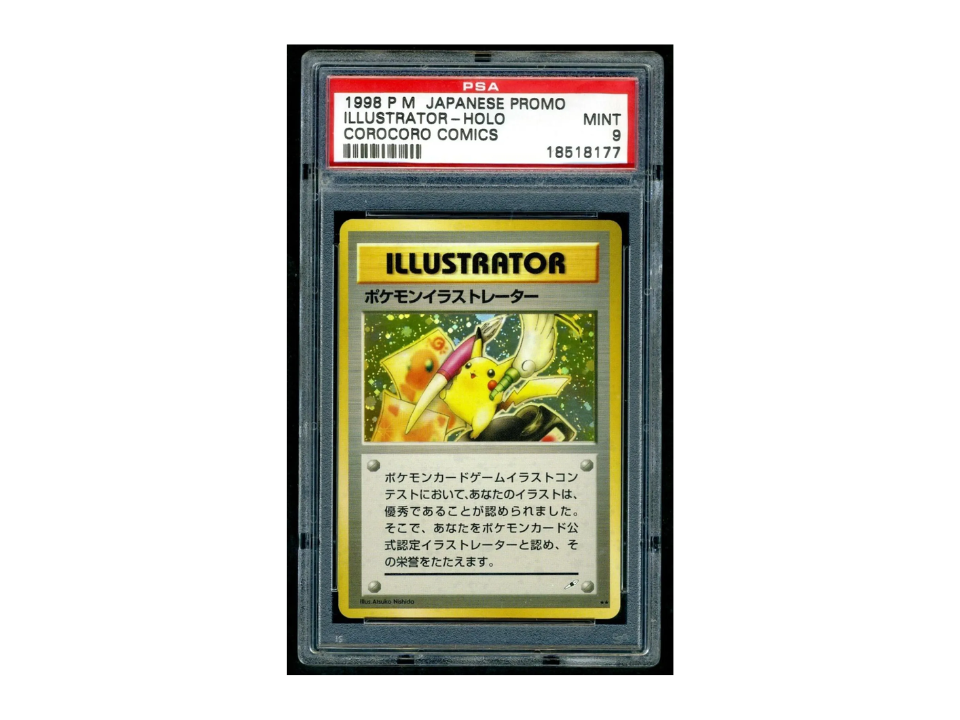
The Pikachu Illustrator promo first appeared in 1998 in Japan through a drawing contest run by CoroCoro Comic and printed by Media Factory. Very few copies ever reached collectors because only winners received this card. In today’s market high grade copies sell for around $5,000,000 or more when they appear at private sale. Collectors value it because of its extreme rarity and its unique connection to early Pokémon history. This card remains the most expensive Pokémon collectible on record.
This card’s playful art showing Pikachu with drawing tools gives it a friendly vibe that people enjoy seeing in person. Its tiny population stops many collectors from ever handling one, which keeps attention high. When reports of big sales come out, many outside the hobby notice it too. For serious fans this card often represents the peak of what you can own. That strong demand pushes its market value well above most other Pokémon items.
1st Edition Base Set Charizard Holo
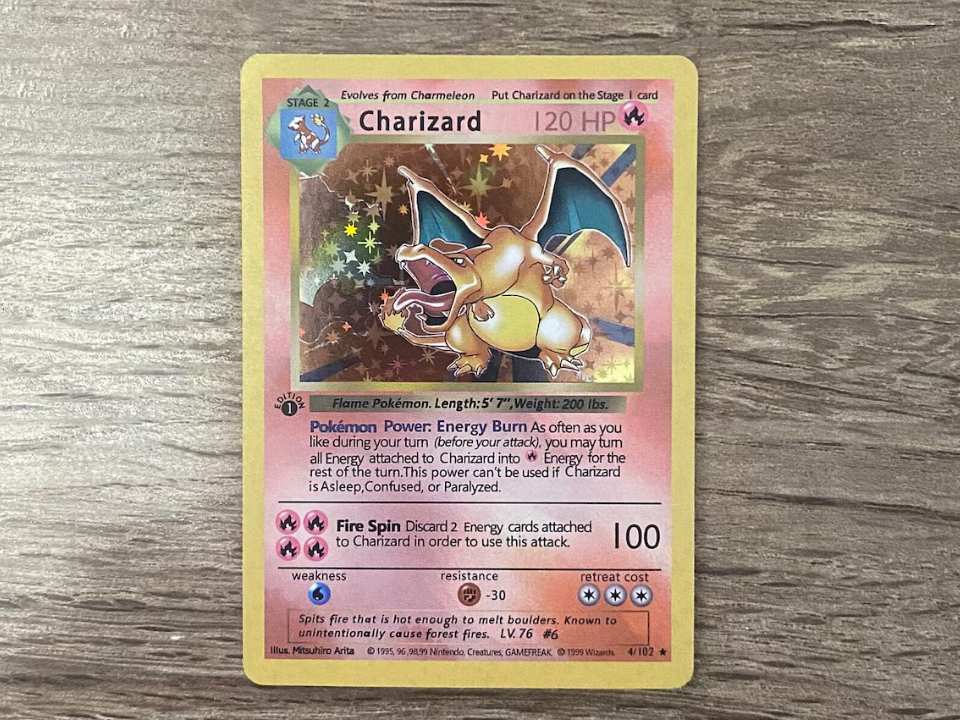
The 1st Edition Base Set Charizard holo was printed in 1999 by Wizards of the Coast as part of the first English Pokémon card set. It quickly became famous among players and collectors for its striking art and nostalgia appeal. At present mid grade copies often sell between $5,000 and $8,000. Graded copies in near perfect condition can reach around $100,000 or more at auction. People who collect vintage cards usually place this Charizard among their most desired items.
It holds value because it captures the early Pokémon craze that many fans remember from childhood. The holographic surface makes the dragon image really stand out when viewed in strong light. Because so many collectors want it, listing prices can rise when supply stays low. Publicized sales bring attention to this card regularly.
1st Edition Base Set Booster Box sealed
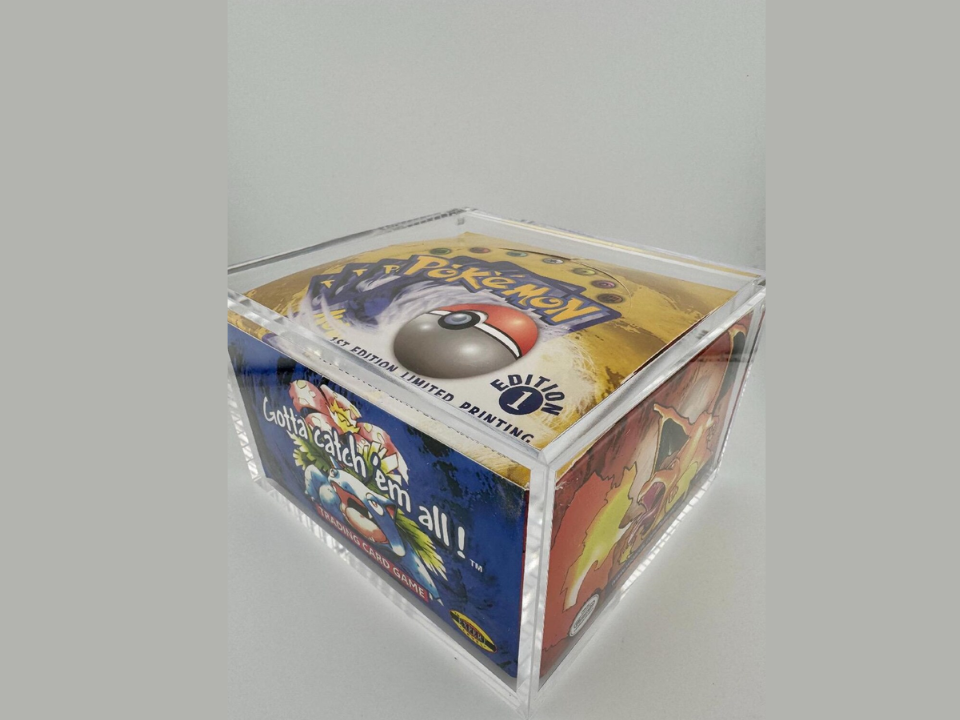
The 1st Edition Base Set booster box was released in 1999 by Wizards of the Coast with 36 unopened packs inside. Because most boxes were opened long ago, sealed examples are rare today. Current price estimates for sealed boxes sit around $89,000 and up, depending on condition. Boxes with perfect shrinkwrap and clean corners sometimes sell higher when buyers compete. For many collectors a sealed first edition box represents a complete slice of Pokémon history.
Collectors prize sealed boxes because they still hold all the original packs and potential inside. Seeing the classic Charizard art on the front can bring back memories of hunting for rare cards as a kid. When these boxes appear in listings or auctions they often attract strong interest quickly.
Kotobukiya ARTFX J Red with Pikachu 1-8 statue
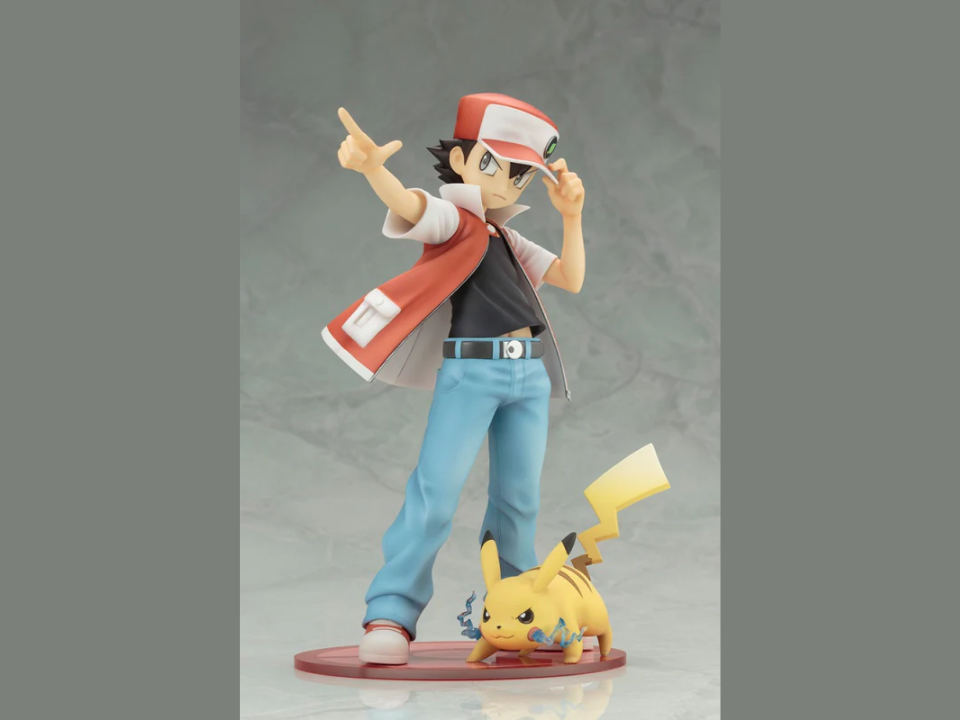
The Kotobukiya ARTFX J Red with Pikachu statue came out around 2018 as part of a figure series featuring classic Pokémon characters. It pairs the original trainer Red with Pikachu in a dynamic pose that many fans enjoy. Original retail prices were under $100, and sealed boxed examples often sell around $800 today. That makes it one of the more valued figures in the ARTFX J line. Many people like how well it captures nostalgic character design.
This figure gains appeal because Red represents the original trainer many fans remember from the earliest games. The sculpt quality and careful design draw attention from collectors of character figures. Secondary market values reflect interest from both figure collectors and Pokémon long timers. Listings for mint condition statues often attract attention quickly. For fans who enjoy nostalgic character figures this one stands out.
1998 University Magikarp Tamamushi Prize card
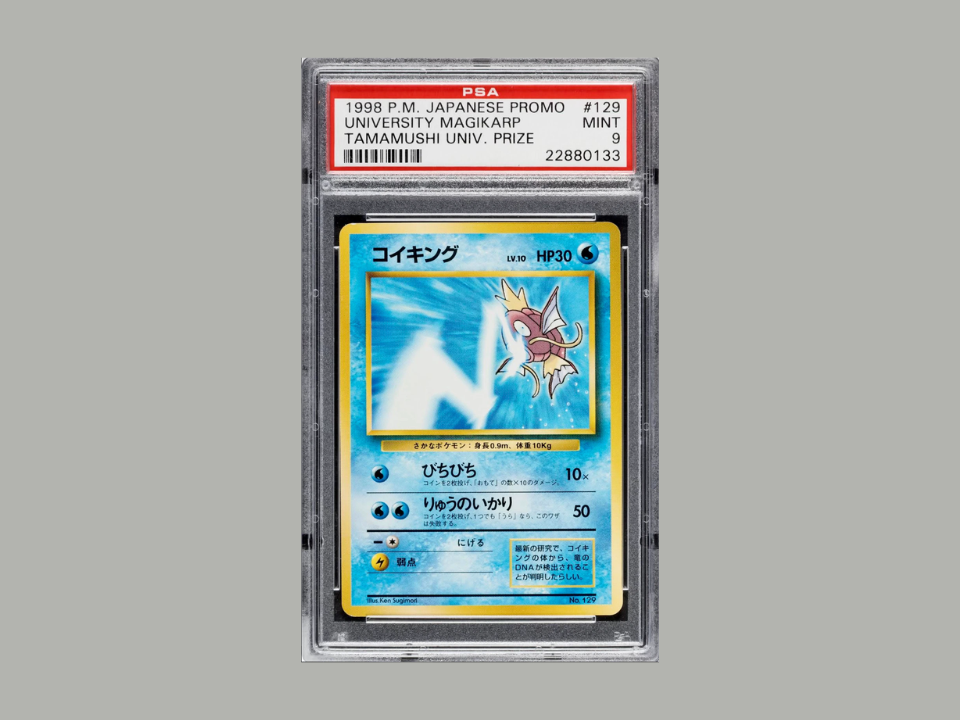
The University Magikarp Tamamushi Prize card came from a 1998 quiz style campaign in Japan run by Media Factory and The Pokémon Company. Only event participants received the card, which limited how many were ever made. Market guides show high grade copies selling from around $30,000 up to $70,000 or more. Because so few survive in strong condition, collectors see it as one of the rare vintage promos. Its light colored art and event background give it a fun flavor.
This card stands out because it comes from a unique event tied to strength and knowledge. It does not appear in normal sets, so most collectors must hunt for it. When it does show up at auction prices can climb quickly. Its story feels more personal than standard print cards. On the market today it remains one of the rarer promo pieces from Japan.
1997 Trophy Pikachu No. 1 Trainer card
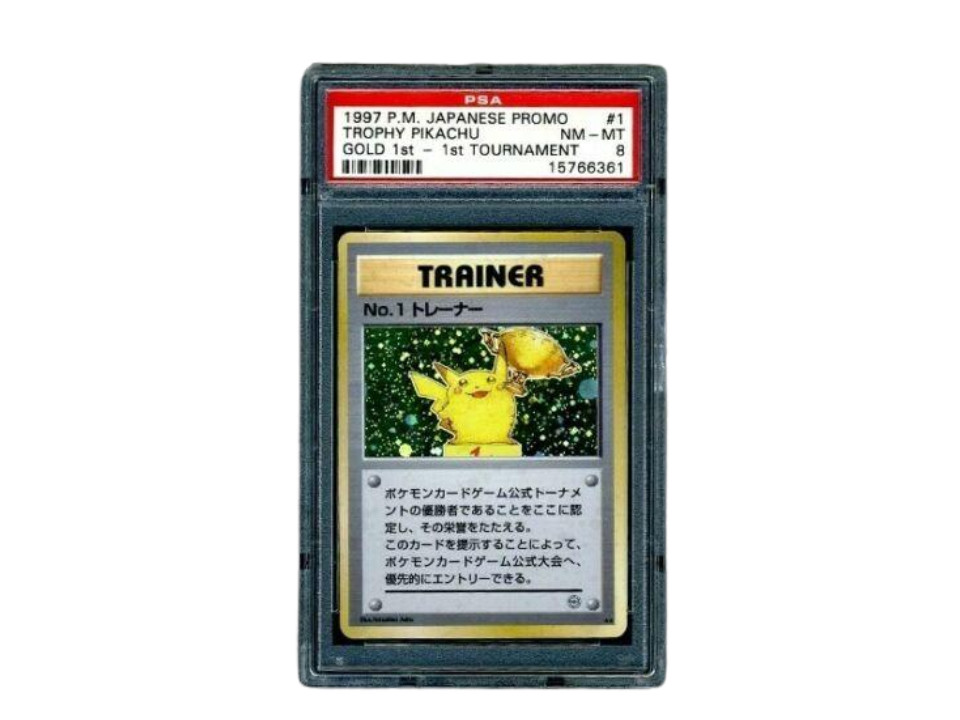
The Trophy Pikachu No. 1 Trainer card dates to 1997 tournament competitions in Japan, given only to top finishers and printed by The Pokémon Company. Because of the tiny number of originals, high grade examples have sold around $200,000 or more. Some private sales appear higher depending on condition and provenance. This places it among the most expensive tournament cards for the era. Fans of prize based items often speak of this card with reverence.
The Pikachu art shows it holding a trophy, which makes the card visually connected to achievement. When collectors discuss competition era pieces this one often appears early in the conversation. That narrative keeps interest alive whenever one is listed for sale.
2002 Neo Destiny Shining Charizard 1st Edition
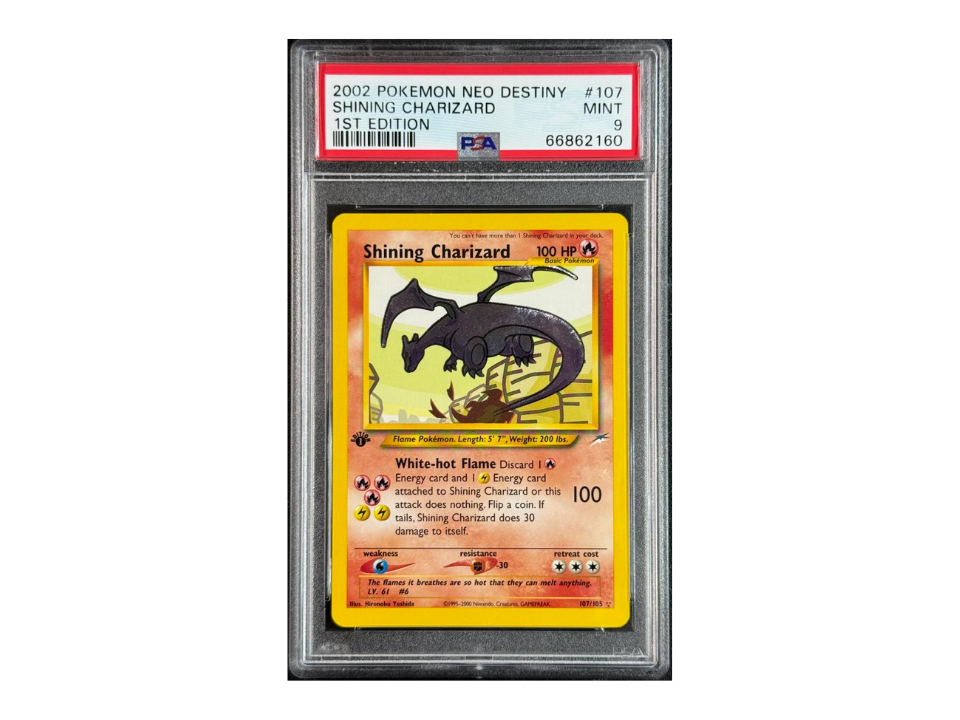
Shining Charizard from the 2002 Neo Destiny set was printed by Wizards of the Coast with a darker style and special shimmer. This card is rarer than many other Charizard prints because Shining variants were limited. Currently mid grade copies sell for a few thousand dollars in the market. Strong graded examples often sit near $20,000 or more. For collectors who like unusual variants this card stays in demand.
Collectors enjoy this Charizard because its design feels fresh compared to older versions. The darker motif draws the eye in a display next to other vintage cards. When strong condition copies appear on auction sites buyers often respond quickly. That steady interest supports consistent values around its current range.
Sideshow Collectibles Life Size Pikachu statue
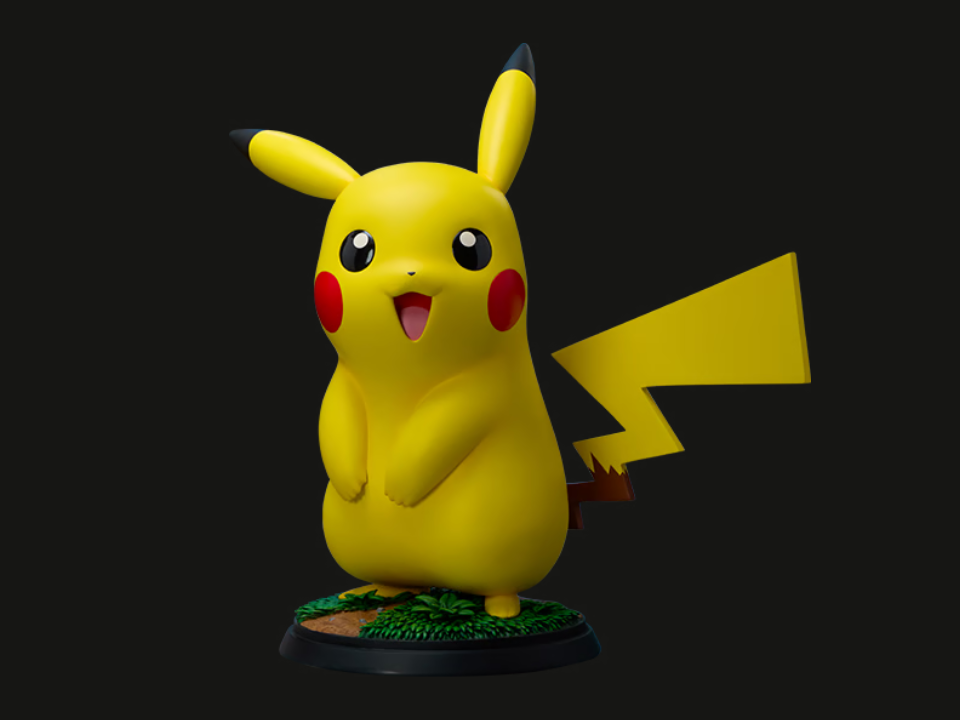
The Life Size Pikachu statue from Sideshow Collectibles was promoted in 2025 and made under official license in polystone. Standing about eighteen inches tall, it draws interest because of its size and faithful character design. Retail prices were near $500, and limited production often pushes resale prices above $1,000 in strong condition. For large figure pieces it holds notable value because of its official status and scale. Fans appreciate it as a showpiece figure that stands apart from smaller items.
Collectors enjoy seeing this statue in person because of its size and character likeness. Its official licensed nature keeps interest strong among people who focus on recognized pieces. When listings appear on second hand markets buyers often react quickly.
1998 Test Print Blastoise Gold Border
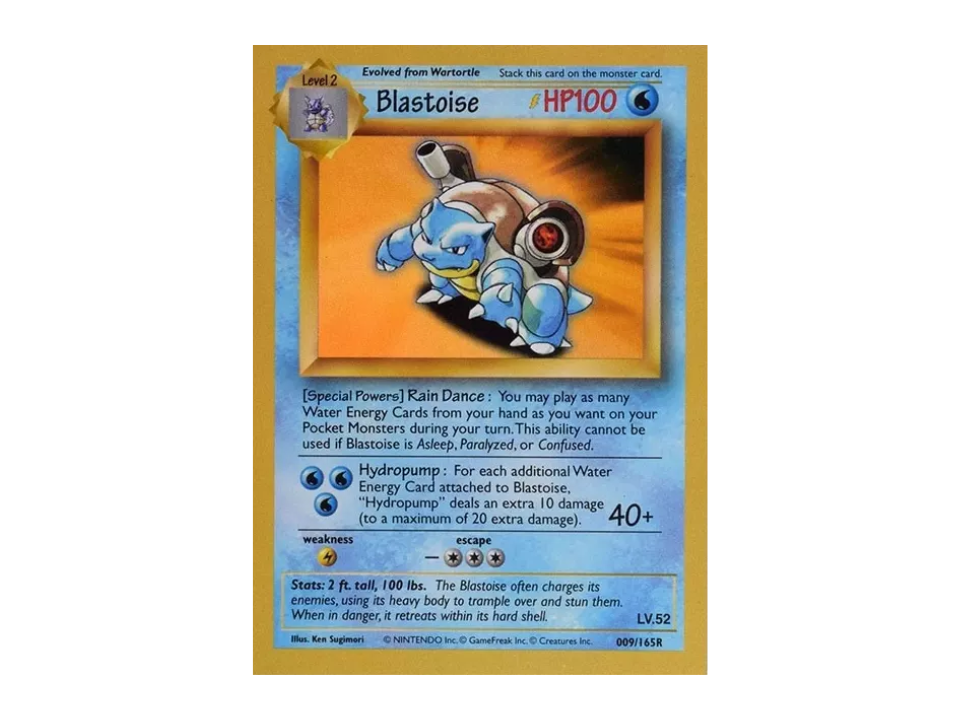
The 1998 Test Print Blastoise with a gold border came from early experimental prints by Wizards of the Coast while preparing the game for Western release. Only a handful of these test prints are known today. Reported strong graded examples have sold for above $200,000. Those numbers place it within the highest tiers of early Pokémon-related prints. Collectors who focus on early production history pay careful attention when one appears.
This Blastoise card feels different from normal issues because it was not part of a regular set release. Most collectors enjoy seeing the unusual mix of design traits and rarity. When strong copies show up they often attract intense interest. Auction results help maintain strong pricing in this category.
2017 Ishihara GX Black Star Promo
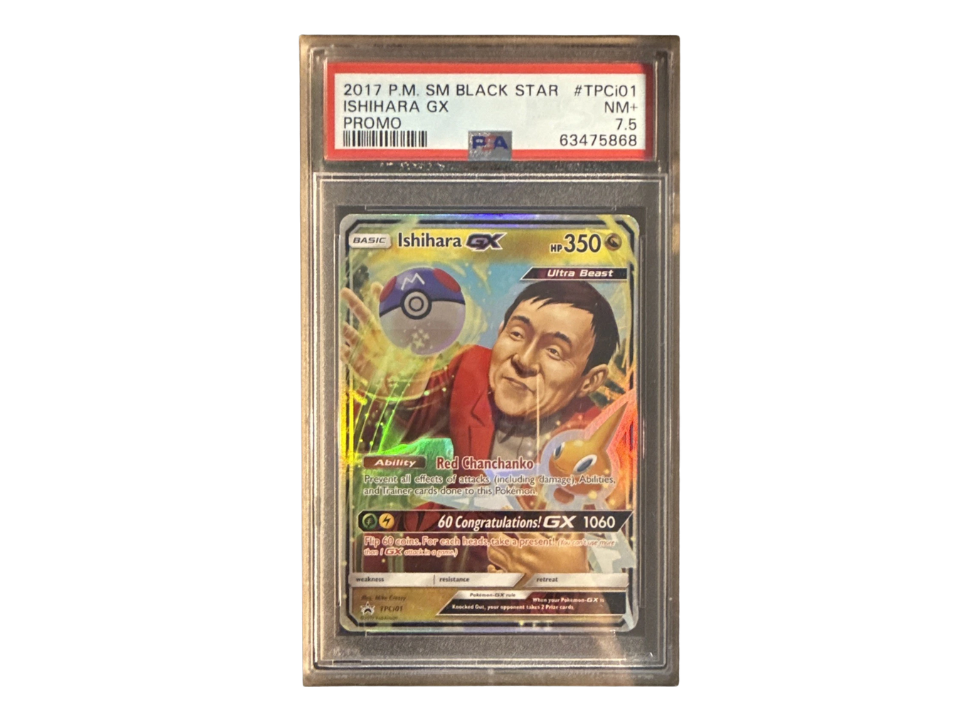
The Ishihara GX Black Star Promo was given to employees and insiders in 2017 to mark the 60th birthday of Pokémon Company president Tsunekazu Ishihara. Very few copies ever reached collectors because distribution stayed limited. Graded examples typically sell for over $20,000 today, and a signed copy has reached around $250,000. Many serious collectors of modern promos watch for this one. Its place in corporate Pokémon history gives it a unique identity.
Collectors find it striking because it shows the company president rather than a typical Pokémon creature or trainer. That connection appeals to people who follow brand milestones closely. When one appears at auction it often becomes a headline item. The rarity and strong sales keep interest alive in the collector community. In the current market it sits among the most notable modern Pokemon promos.
Snap Pikachu Japanese Promo
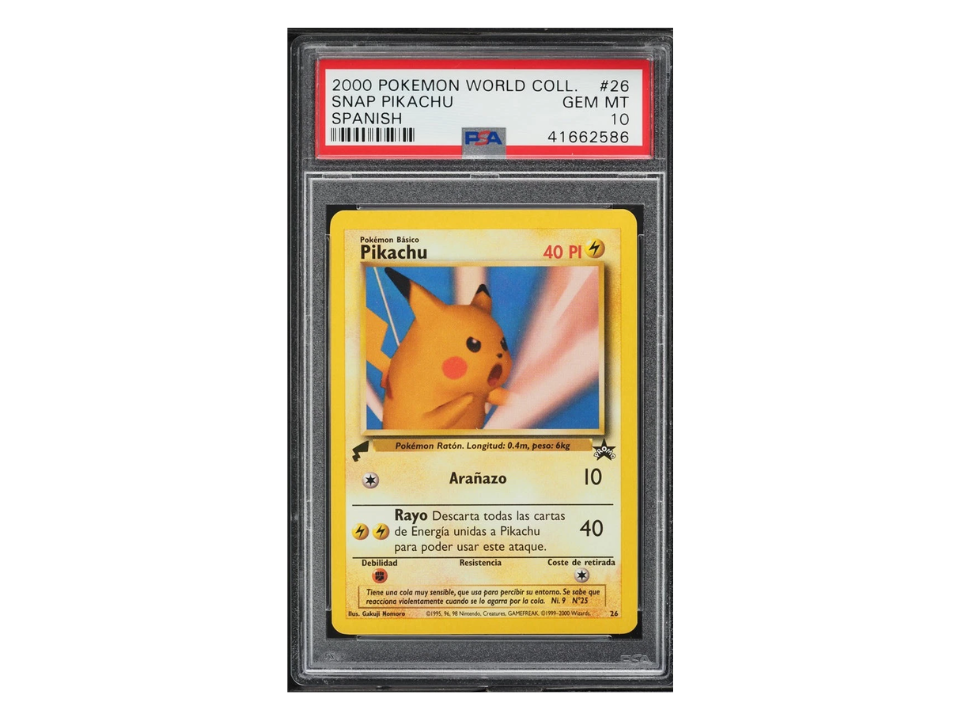
The Snap Pikachu Japanese promo came from contests tied to the Pokémon Snap game in Japan where players submitted screenshots. Only winners received these cards, limiting the original supply. Graded top examples often sell for around $5,000 in today’s market. That places it above many standard promos yet well below the highest trophy items. Collectors like it because it ties physical cards to the video game world.
This card resonates with people who remember the game and the contests that came with it. That connection gives it a nostalgic edge that collectors enjoy. Listings for strong condition copies often generate quick interest. People see it as a collectible that tells a fun early brand story. In the secondary market it remains consistently sought after.
1998 Kangaskhan Parent Child Trophy card
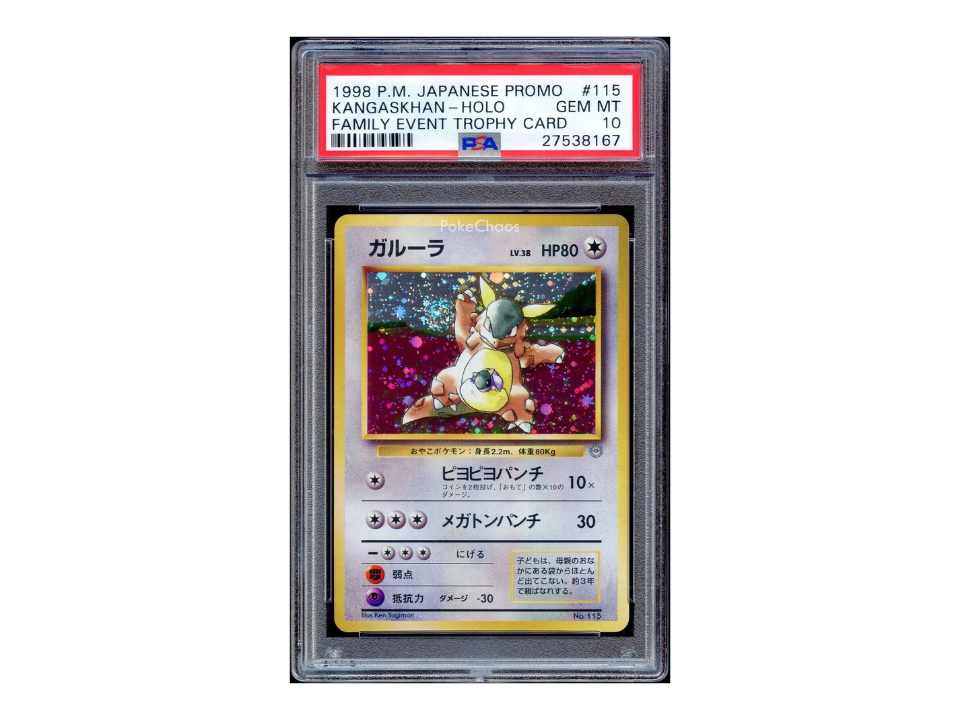
The 1998 Kangaskhan Parent Child Trophy card came from a special Japanese tournament where children and parents competed together as teams, issued by The Pokémon Company and Media Factory to winners. Because only a small number were handed out, graded copies have sold for around $150,000 or more on the current market. That price places it among the top trophy items for collectors who focus on rare event cards. Its story about family competition appeals to many fans.
The art shows Kangaskhan with the baby in its pouch, which reflects the parent child event format that created it. People who follow niche tournament items often name this card as a highlight from the late 1990s. Its scarce supply and strong dollar results make it stand out. Auction watchers pay attention when one appears because copies are so rare. In today’s market it remains one of the most celebrated non Pikachu trophy cards.
This article originally appeared on Avocadu.