
13 Most Faked Collector Car Details and How Buyers Spot Them
When it comes to buying collector cars, authenticity is key. Unfortunately, there are plenty of sellers who attempt to pass off cars with fake details to make them seem more valuable than they really are. These fakes can range from altered VIN numbers to reproduction parts that claim to be original. As a buyer, spotting these fakes can be tricky, but with a trained eye, you can learn to identify the signs. Knowing what to look for is essential to avoid paying top dollar for a car that isn’t as authentic as it seems. Whether you’re a seasoned collector or a first-time buyer, being aware of common fakes will help you make a more informed decision.
This post may contain affiliate links, which helps keep this content free. Please read our disclosure for more info.
The Fake VIN Plate
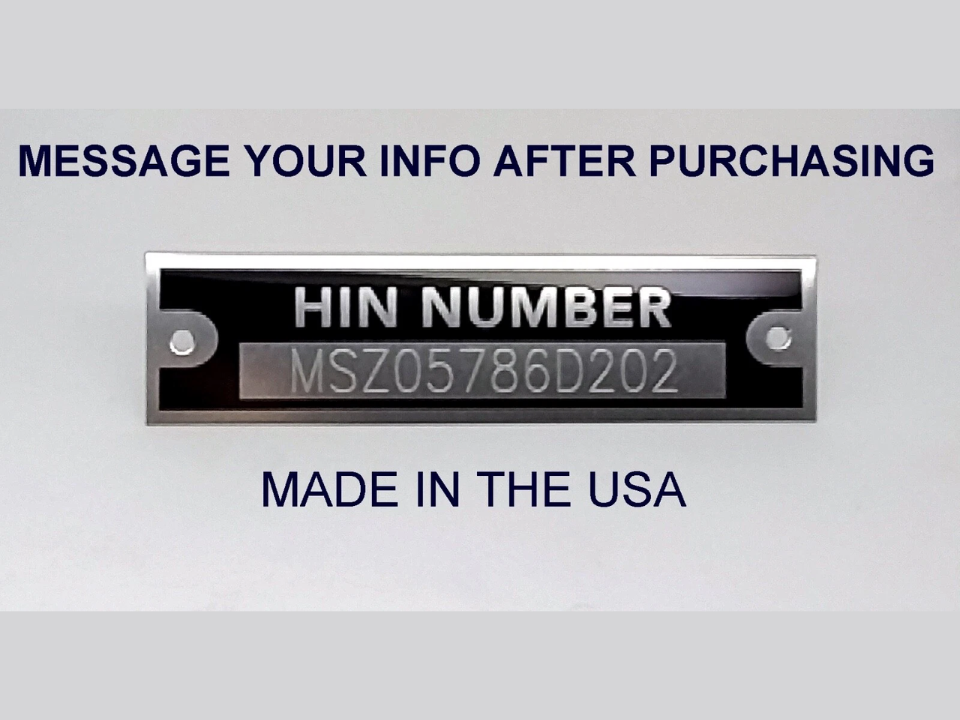
The Vehicle Identification Number (VIN) is essential for verifying the authenticity of a collector car. One common fake detail is a VIN plate that has been tampered with or replaced. Fraudsters often alter these plates or create entirely fake ones in an attempt to pass off stolen or altered vehicles as genuine. To spot a fake, examine the plate carefully, paying attention to the font, spacing, and rivets used to attach it.
Authentic VIN plates should match the documentation for the car and appear uniform without any signs of tampering. Any discrepancy in these details can be an indication of a fake VIN plate. For added verification, the VIN should also match other locations on the car, such as the engine block and transmission.
Reproduction Trim Parts
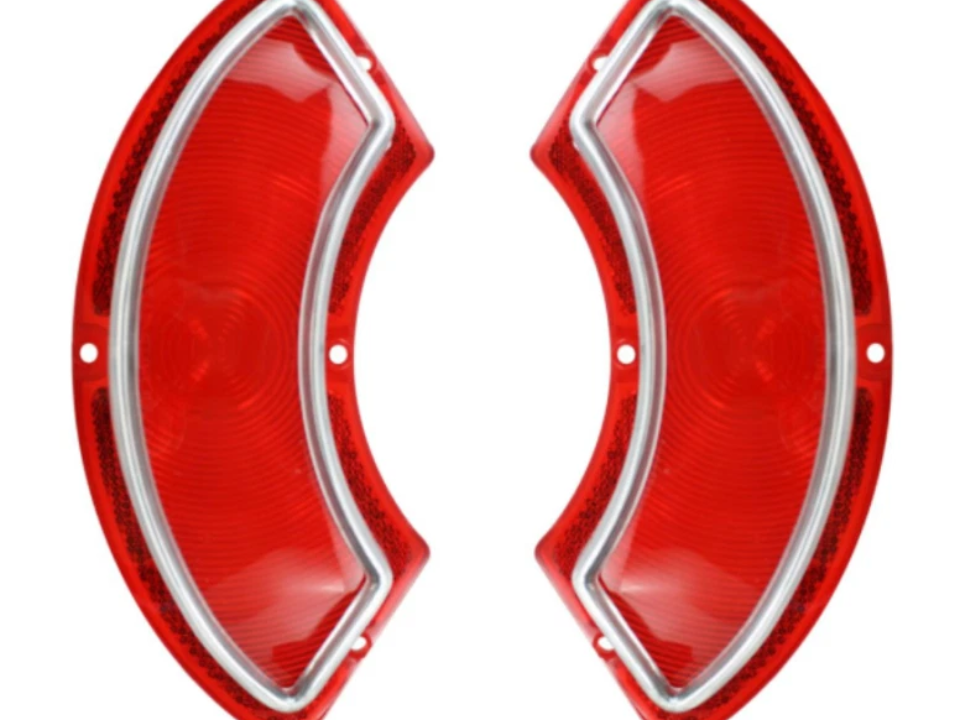
Collectors highly value original trim pieces, such as bumpers, grilles, and emblems. Fake trim parts are commonly used to pass off a car as original, especially in cases where the original parts are either too expensive or rare to find. These reproduction parts can sometimes look convincing, but they often lack the patina or quality of the original components.
Inspecting the finish, weight, and dimensions of the trim parts can help determine if they are authentic. In some cases, the font or logos might be incorrect or subtly different. Reproduction parts can lower the value of a collector car, especially if they are key features like badges or unique trim pieces.
Engine Number Mismatch
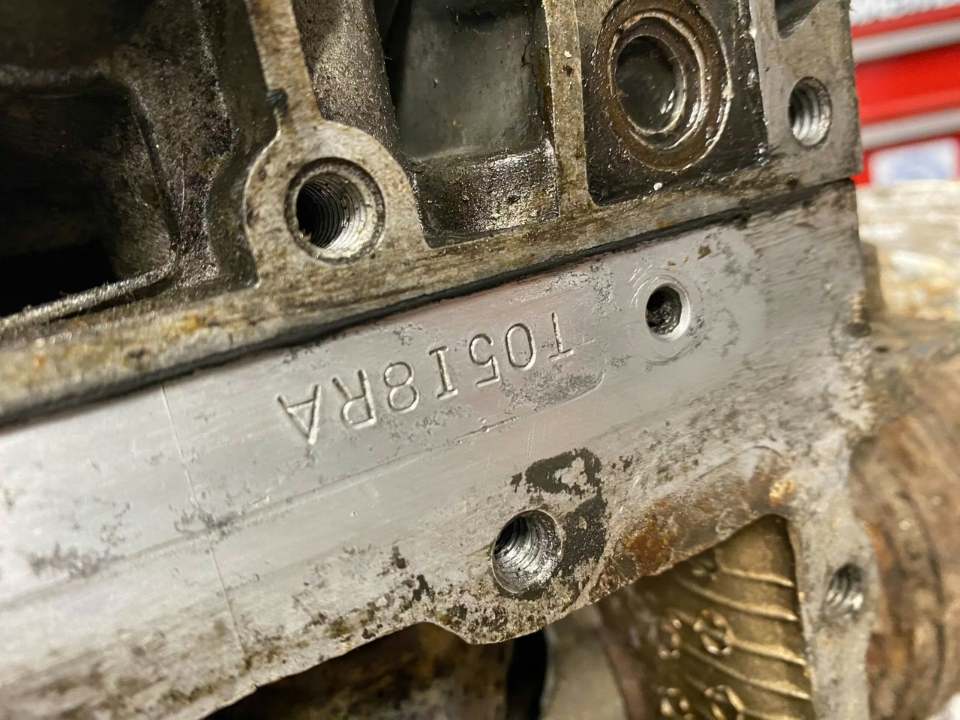
The engine number is an important detail for collectors because it confirms whether the engine is original to the car. Fake engine numbers can be stamped onto a replacement engine to make it appear original. To spot a fake, check the engine block closely for any signs of tampering or re-stamping.
The font and alignment of the engine number should match the documentation and the original vehicle details. An authentic engine number will not have any signs of grinding, re-stamping, or uneven fonts. If the engine number is not the one originally assigned to the car, it can reduce its market value by tens of thousands of dollars, particularly for high-value vehicles.
Incorrect Chassis Number
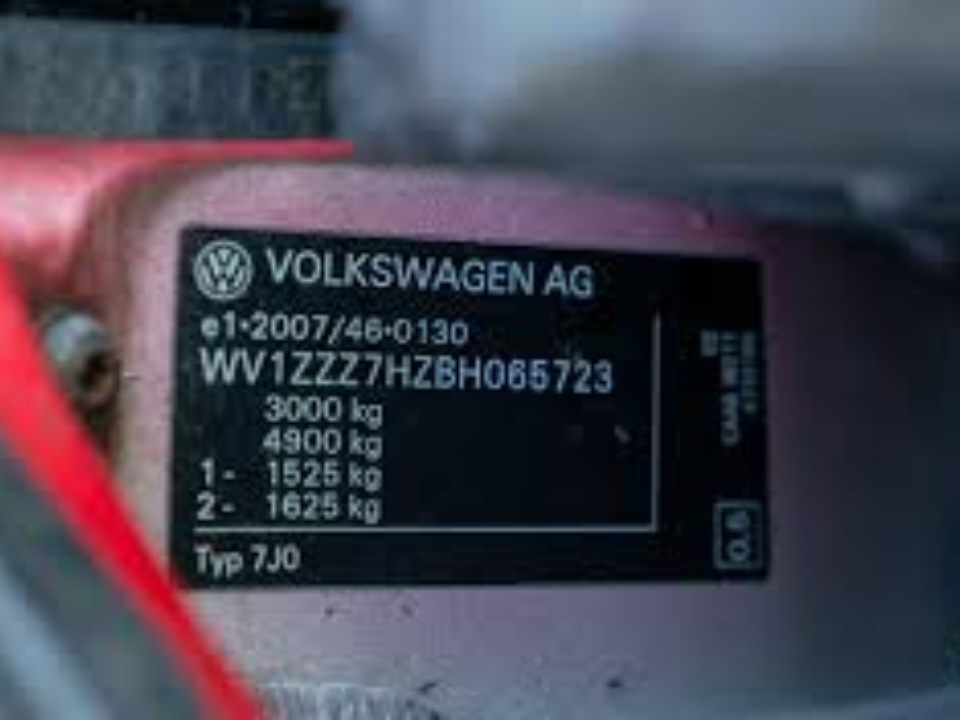
The chassis number is another critical detail for verifying a car’s authenticity. Fraudulent sellers may alter or fake chassis numbers to create a false history for the car. The chassis number is usually stamped into the frame of the vehicle, often in difficult-to-reach areas.
Carefully inspect the chassis number for any irregularities or signs of tampering, such as poorly aligned digits or mismatched font. Authentic chassis numbers are usually consistent with factory records and match the VIN and engine number.
Fake Documentation
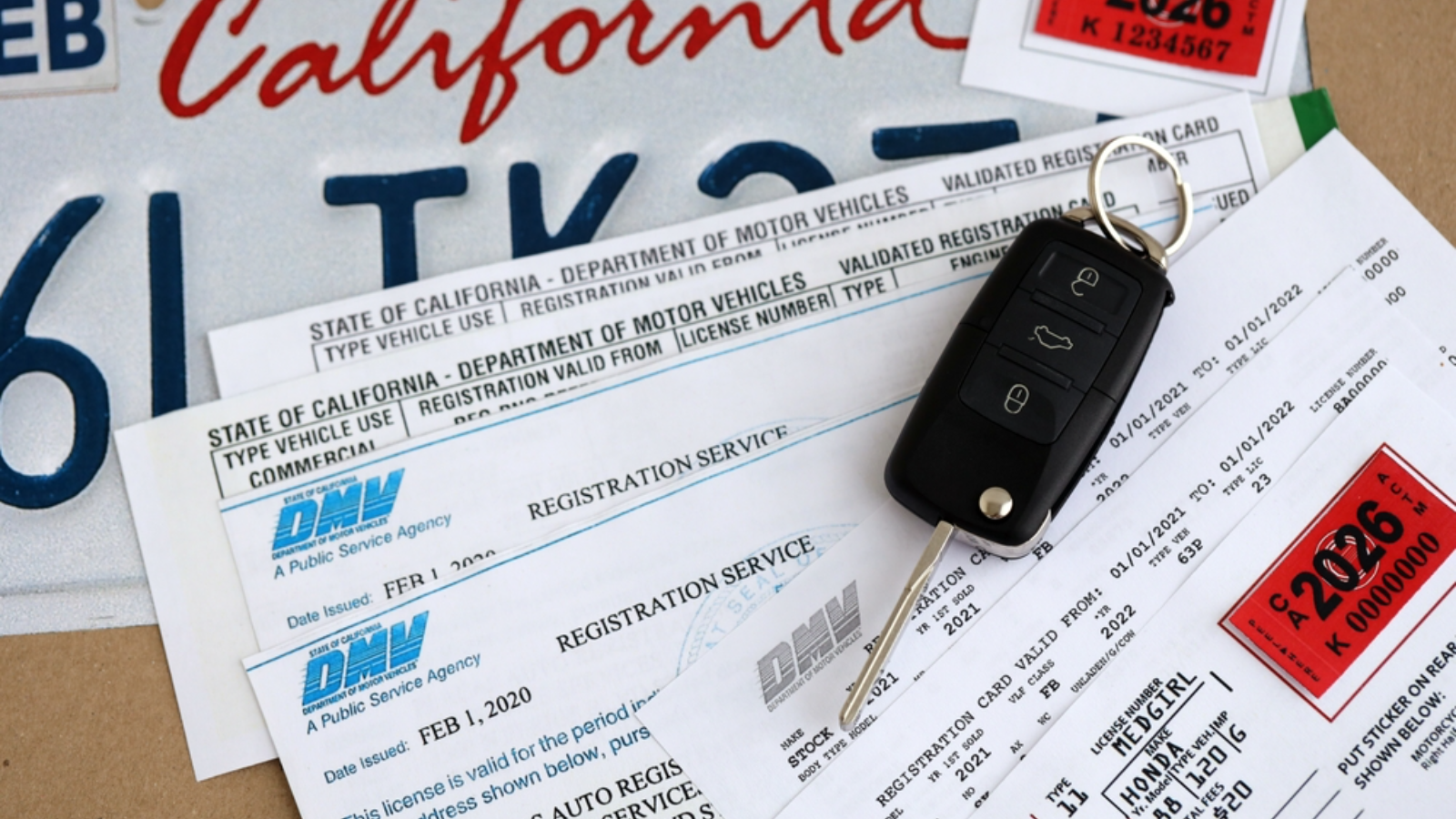
Documentation, including original titles, service records, and ownership history, is a major part of the value of a collector car. Fake documents are frequently used to create a false pedigree for a car. Common signs of fake paperwork include inconsistent fonts, poorly printed certificates, or the use of outdated logos.
When reviewing the documentation, compare the dates and signatures with other records from the period. Look for any red flags that may suggest that the paperwork has been altered or forged. Fake documentation can substantially reduce a car’s market value especially when it misrepresents the car’s provenance.
Altered Mileage
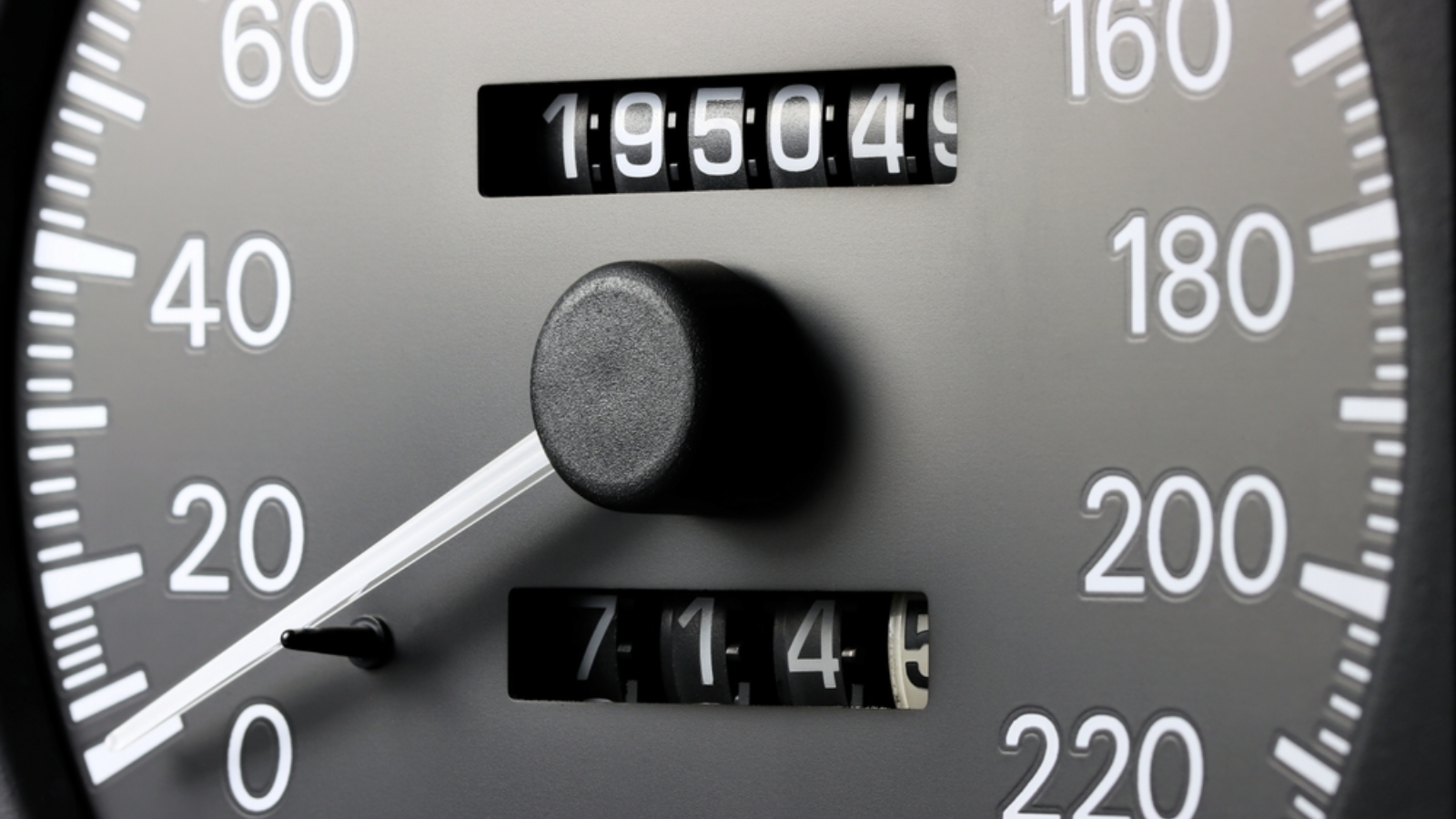
The mileage on a collector car plays a significant role in determining its value. Fraudsters often alter the odometer to reflect lower mileage than the car actually has, making the vehicle seem more desirable. To spot a fake, carefully inspect the odometer for any signs of tampering, such as scratched digits or discolored areas.
Additionally, examine the car’s wear and tear, as a low-mileage car should show minimal signs of use. Look for wear on the pedals, seat stitching, and steering wheel, as these parts tend to show more wear on high-mileage vehicles. Altered mileage can decrease the value of a car depending on the make and model.
Fake Paint Jobs
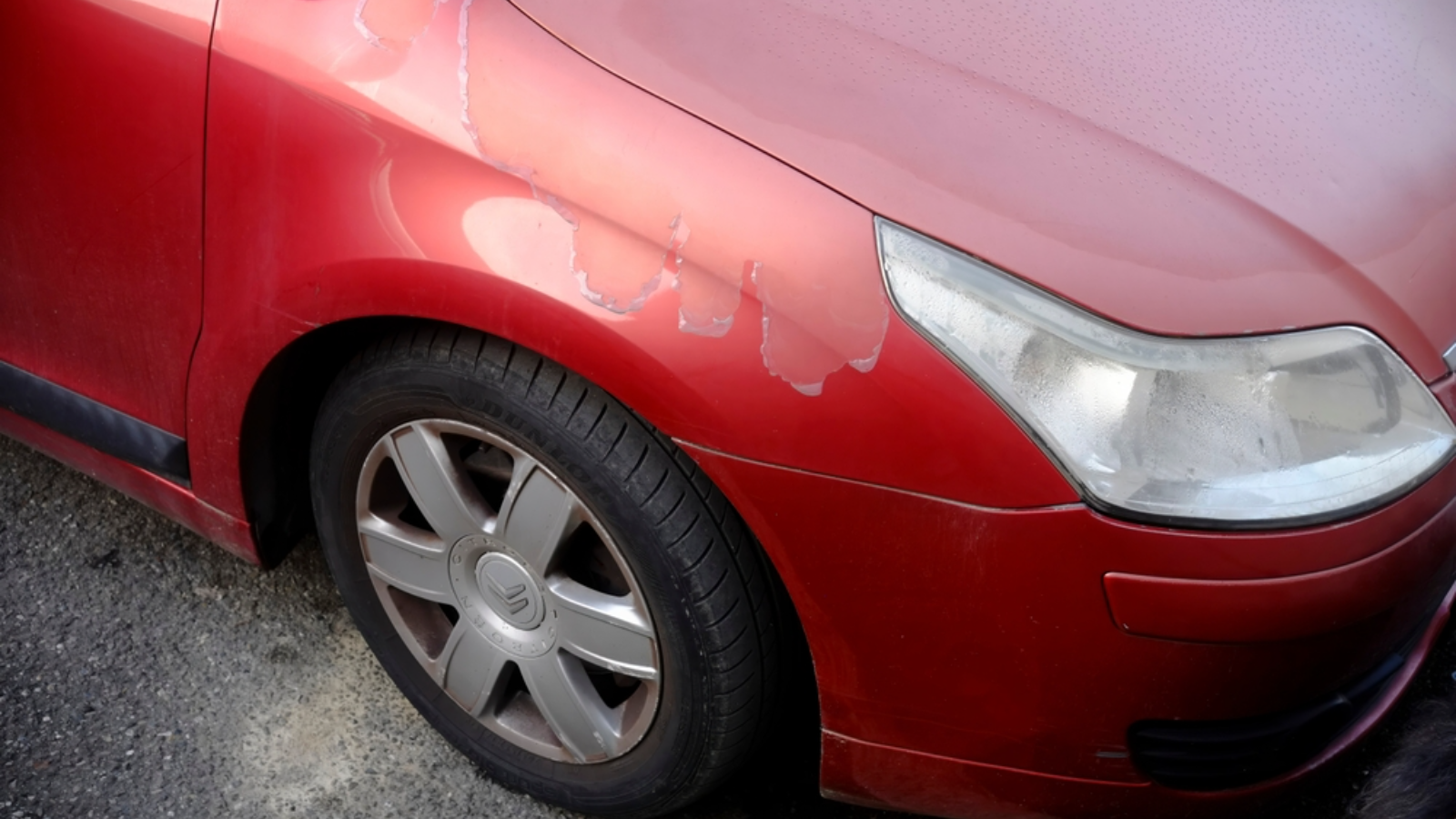
A fresh paint job can make a car look new again, but it’s often used to cover up bodywork or frame damage. Fake paint jobs are sometimes used to conceal a history of accidents or to make a car appear more valuable than it really is. To spot a fake paint job, closely inspect the paint for inconsistencies in texture, color, or finish.
You can also check for overspray in areas where paint shouldn’t reach, such as around trim or seals. If the car has been repainted, verify whether the color and finish are correct for that particular model and year. A car with a fake or improperly applied paint job can lose in value, depending on the quality of the paint and the severity of the hidden damage.
Counterfeit Carburetors
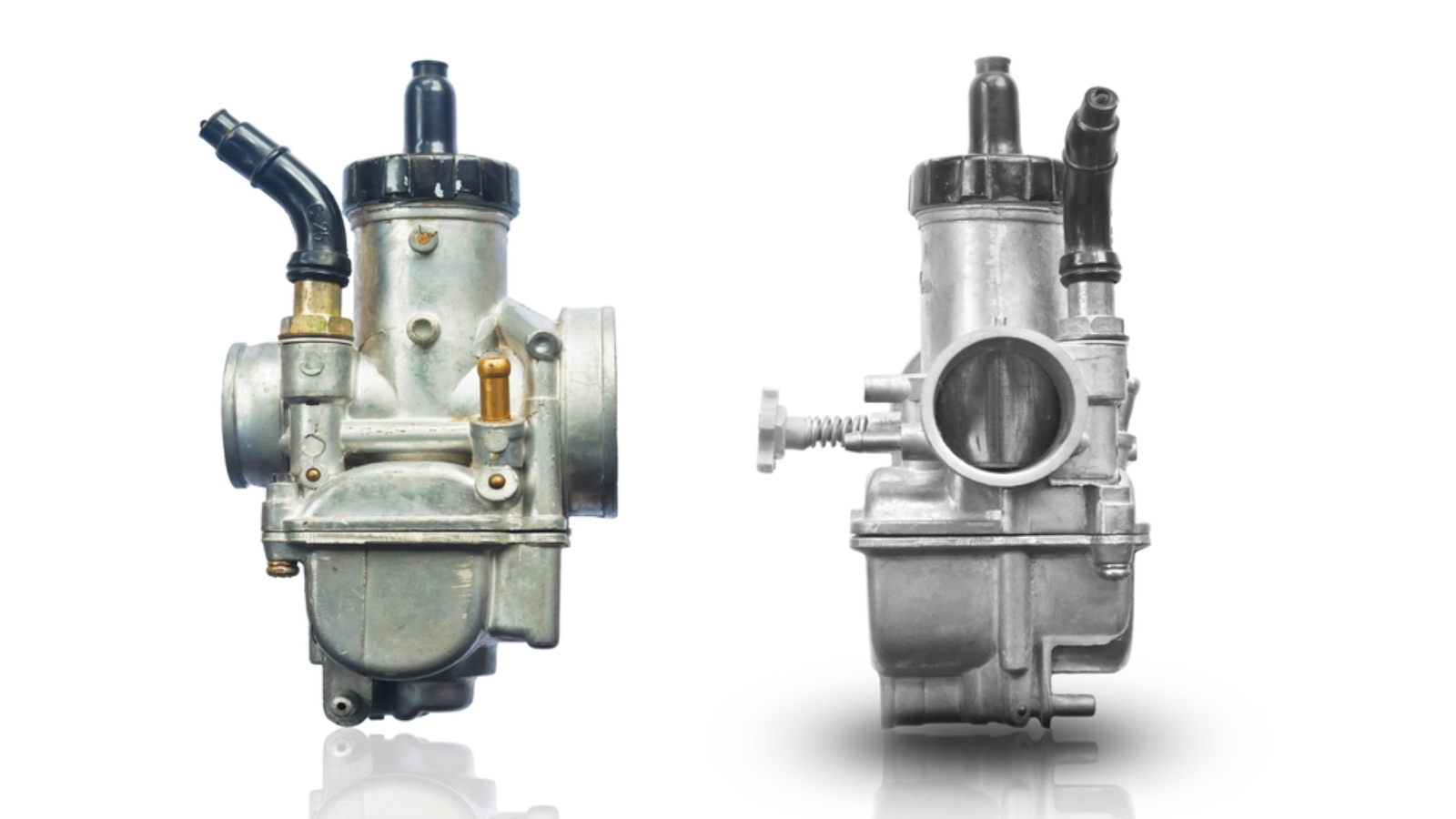
Some car owners and restorers install counterfeit or reproduction carburetors to replace the original parts, which can affect the car’s performance and authenticity. A counterfeit carburetor may look very similar to the original, but there will be subtle differences, such as incorrect markings, differences in the casting number, or inconsistent chrome finishes.
Original carburetors are highly prized by collectors because they are crucial for the car’s performance and originality. Inspect the carburetor closely and compare it with known examples for that model. A counterfeit carburetor can lower the value of a collector car especially if it affects the performance or originality of the car.
Phony Upholstery
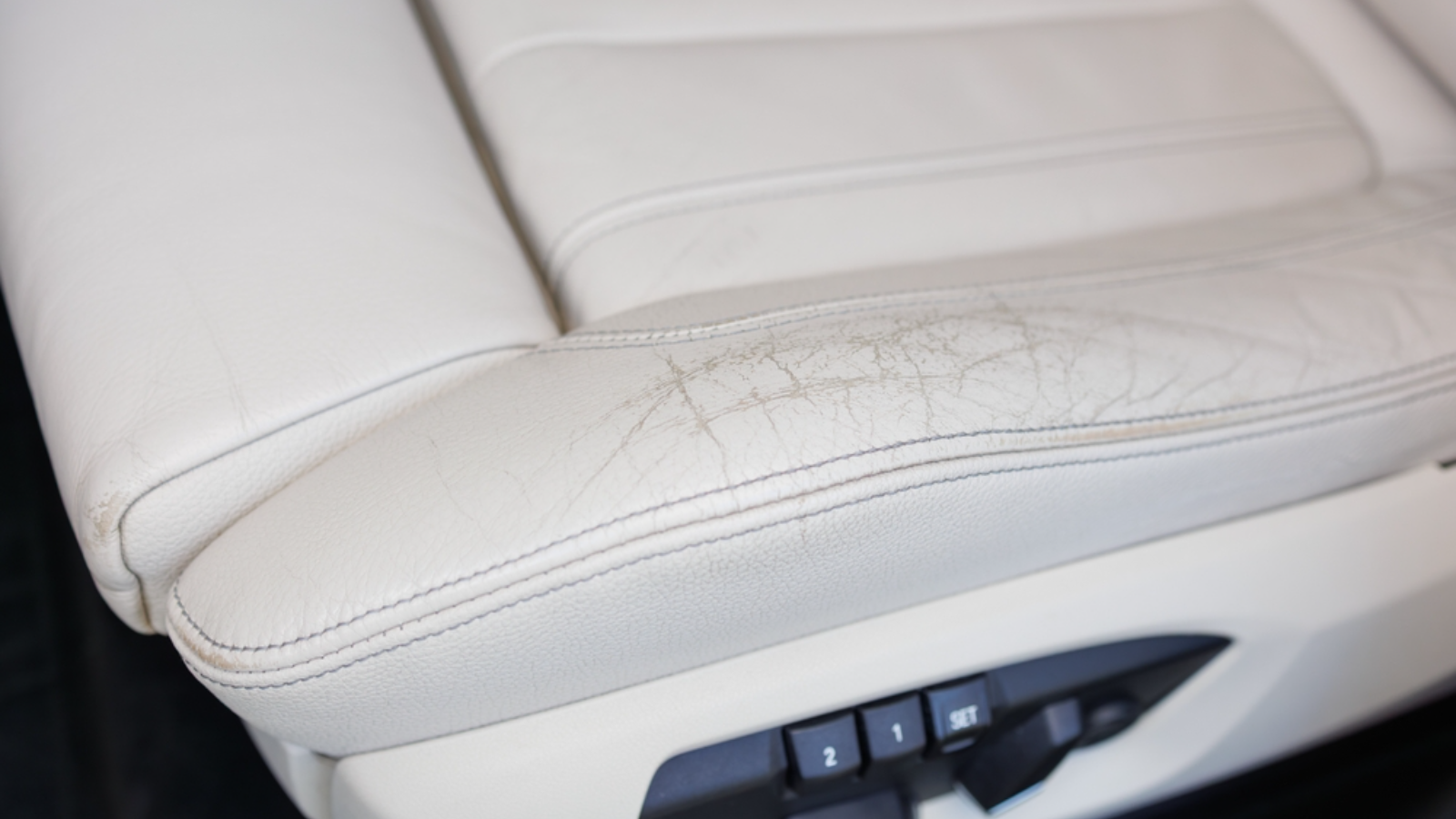
Another common fake detail is the upholstery. Some cars may have had their original seats replaced with reproduction or inferior materials that mimic the look of the original fabric or leather. Reproduction upholstery can often be spotted by examining the stitching, color, and texture.
Original upholstery should match the factory specifications and show signs of natural wear consistent with the age of the car. If the upholstery has been replaced with a low-quality material or inaccurate design, it can lower the value of the car by a significant amount.
Incorrect Engine Color
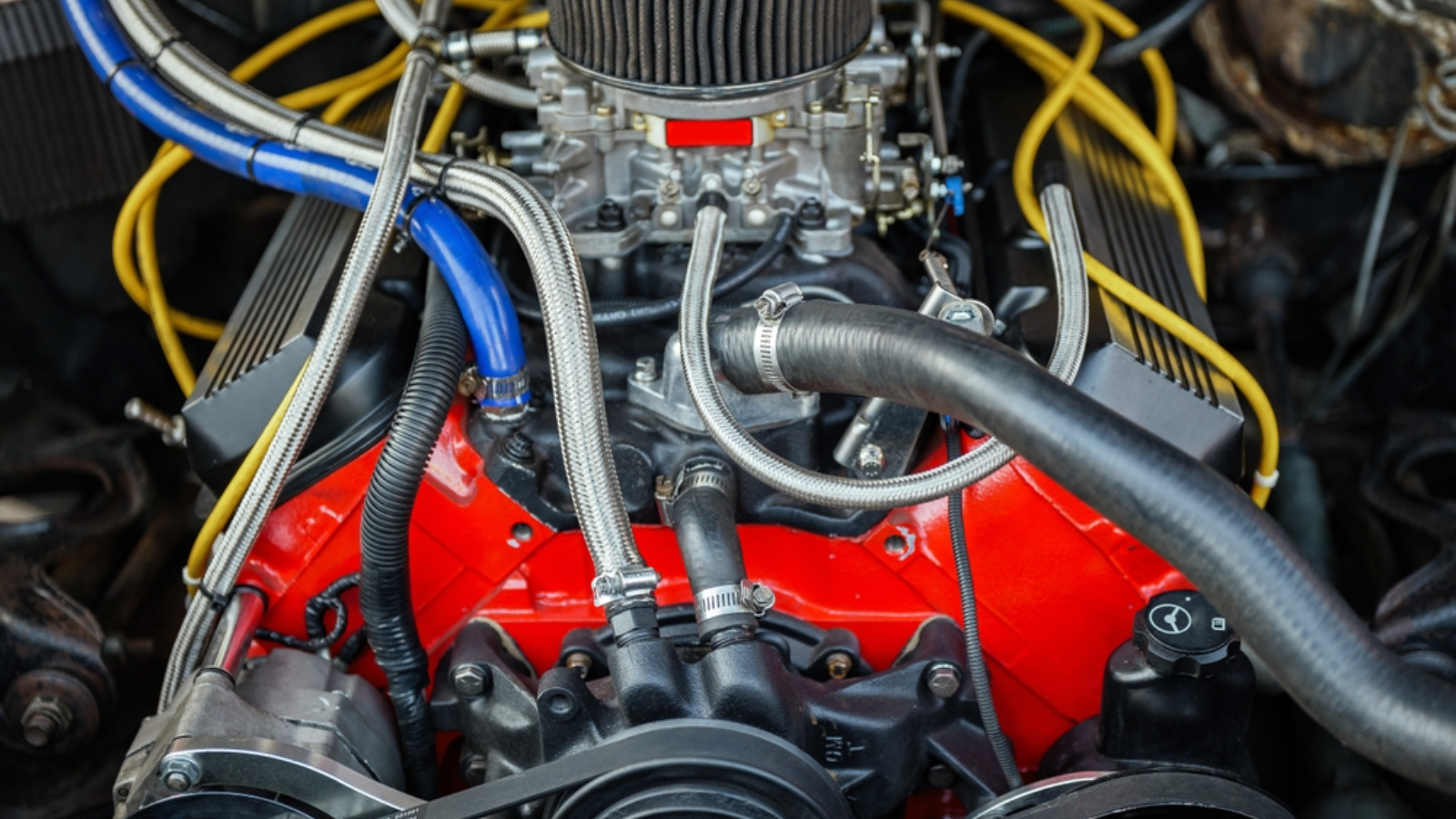
For certain collector cars, the color of the engine is an important factor in determining its authenticity. Some buyers may paint their engine to make it appear more desirable or to match the body color of the car. However, the engine color should match what was specified by the manufacturer during production.
If the engine color is off, it may indicate that the engine is not original or that it has been restored incorrectly. Always check the car’s original specifications to ensure the engine color is accurate. An incorrect engine color can reduce the car’s value depending on the car’s requirements for originality.
Reproduction Exhaust Systems
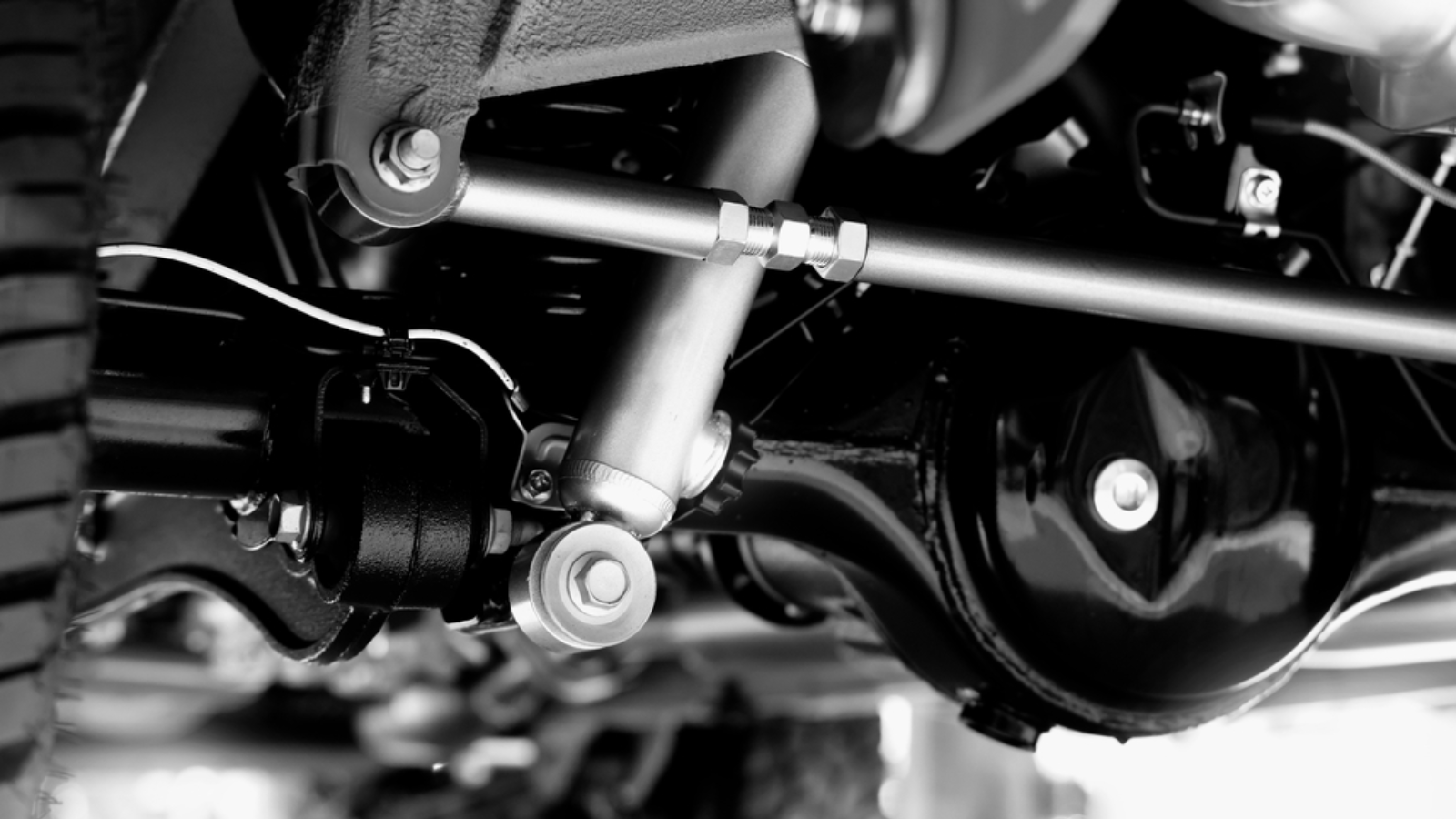
Exhaust systems, including headers and mufflers, are vital components of a collector car’s originality. Some sellers use reproduction exhaust systems to replace the originals, which may not match the factory specifications. To spot a fake exhaust system, check for differences in the shape, size, and finish of the parts.
Reproduction systems may not have the same markings or logos as the original components, and the material used may also differ. Authentic exhaust systems are important to collectors, as they contribute to both the performance and the value of the car. Reproduction exhaust systems can significantly reduce the value of a collector car by compromising its originality.
Misleading Service History
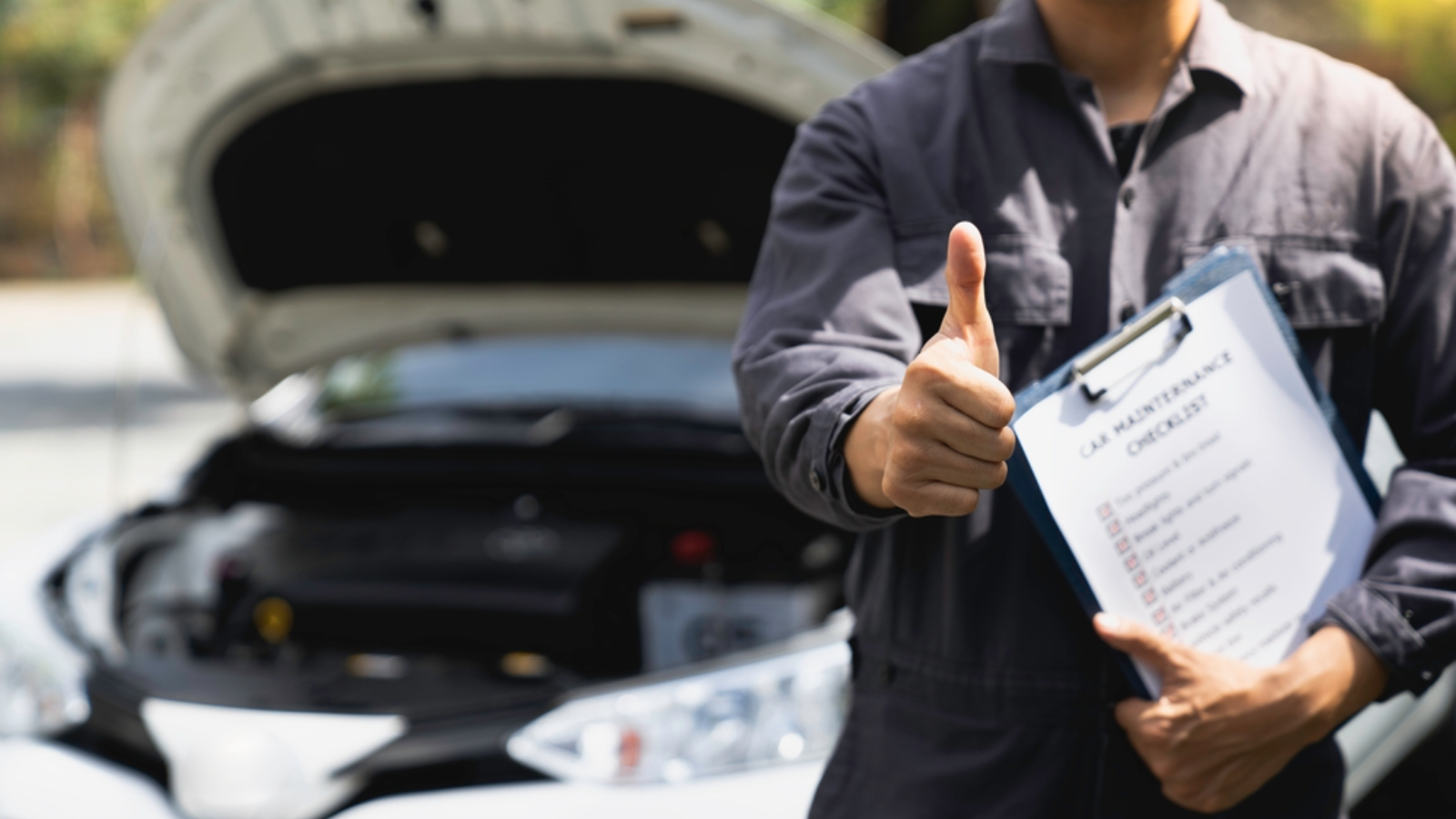
A complete and detailed service history plays a key role in determining a collector car’s value. Some fraudulent sellers may create fake service records or alter existing ones to make the car appear better maintained than it actually is. When evaluating service history, examine the dates, garages, and signatures for authenticity.
Cross-check the details with known service providers or past owners to verify the records. If the service history cannot be verified or appears to have been falsified, it could signal deeper issues with the car. A misleading service history can cause buyers to question the car’s overall condition, potentially decreasing its value.
Fake Steering Wheels

The steering wheel is another significant part of a collector car’s originality. Often, counterfeit steering wheels are used to replace the original components, particularly if the original part is rare or expensive. Fake steering wheels may look similar but often lack the correct material, stitching, or logo. Carefully inspect the steering wheel for authenticity by checking for correct patterns, finish, and logos.
An original steering wheel will generally have a higher quality of craftsmanship and finish. Replacing a genuine steering wheel with a reproduction or fake one can lower the value of a car, especially if it is a key feature of the model.
This article originally appeared on Avocadu.