
12 Misprint Stamps Whose Flaws Made Them Famous
Misprint stamps are the kind of collecting story that makes people stop and look twice, even if they have never owned an album. A tiny mistake in color, alignment, perforations, or overprints can turn an ordinary issue into something collectors talk about for decades. What makes these stamps so interesting is that the flaw is not just a defect, it is a snapshot of how printing really works when something goes wrong. Some errors are obvious right away, while others stay hidden until someone spots the difference under the right light or next to a normal copy. Values can climb fast when an error is rare, well documented, and backed by expert verification.
This post may contain affiliate links, which helps keep this content free. Please read our disclosure for more info.
1918 Inverted Jenny
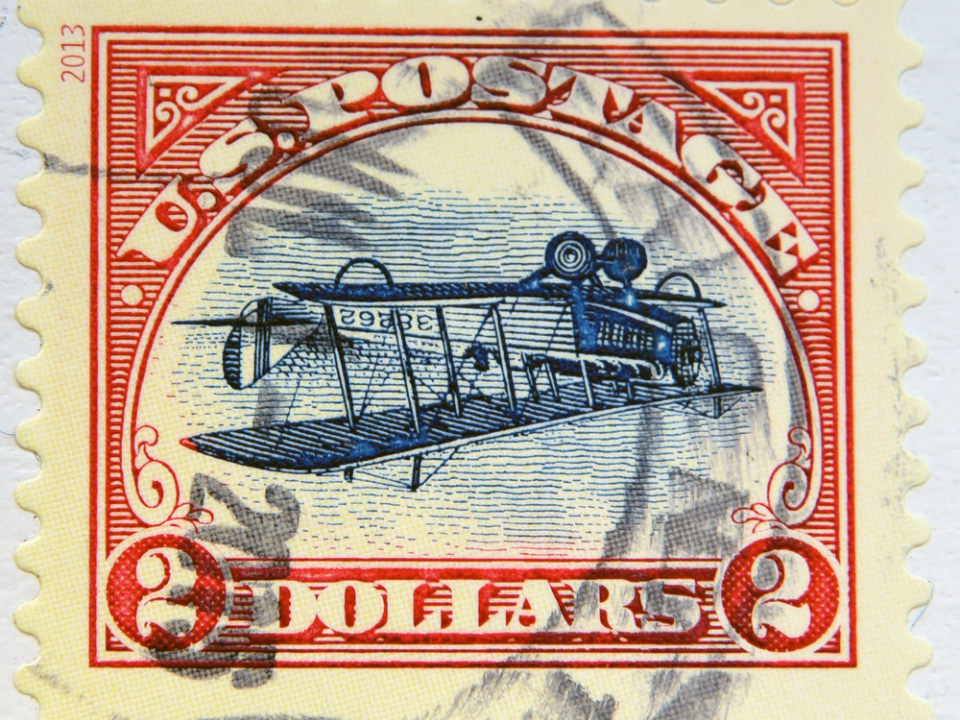
One of the most famous misprints in U.S. stamp history, the Inverted Jenny features an image of a biplane printed upside down. The mistake occurred when a sheet of stamps was fed into the press incorrectly, resulting in the plane’s image being printed in the wrong direction. The U.S. Postal Service released only a small number of these misprints, making them incredibly rare and valuable.
Known for its striking error, the Inverted Jenny is often regarded as the Holy Grail of U.S. stamp collecting. Only a few sheets were ever released, and the stamp is famous for its unique and easily recognizable flaw. It has been sold at auction for millions of dollars, making it one of the most valuable stamps in the world. Estimated market value: $1,000,000 to $2,000,000 depending on condition and rarity.
24 Cent Inverted Frame (1918)
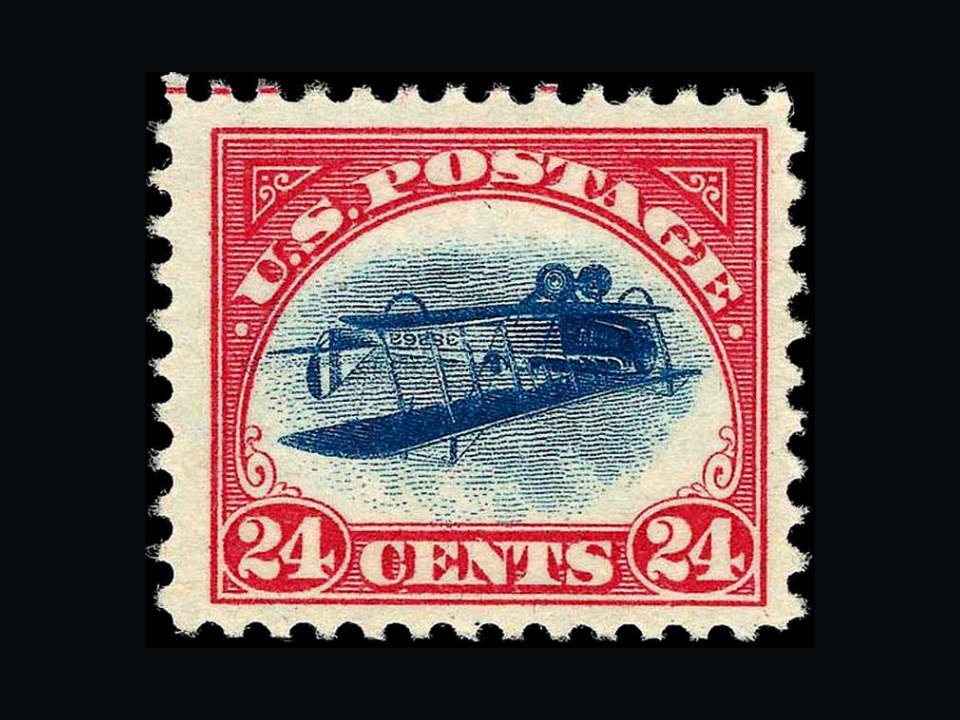
The 24-cent Inverted Frame stamp is another major U.S. misprint that occurred alongside the Inverted Jenny. In this case, the error involved an inverted frame around the plane, resulting in a drastically different appearance from the intended design. Only one block of four stamps with this error was confirmed to have been printed.
These stamps are highly sought after by collectors, not only due to their rarity but also because the flaw makes the stamp visually striking. With only a few examples in existence, this stamp has become an icon among misprint enthusiasts. It has consistently fetched impressive amounts at auction. Estimated market value: $250,000 to $1,000,000 depending on condition.
1868 The “Double Impression” 1 Cent Z Grill
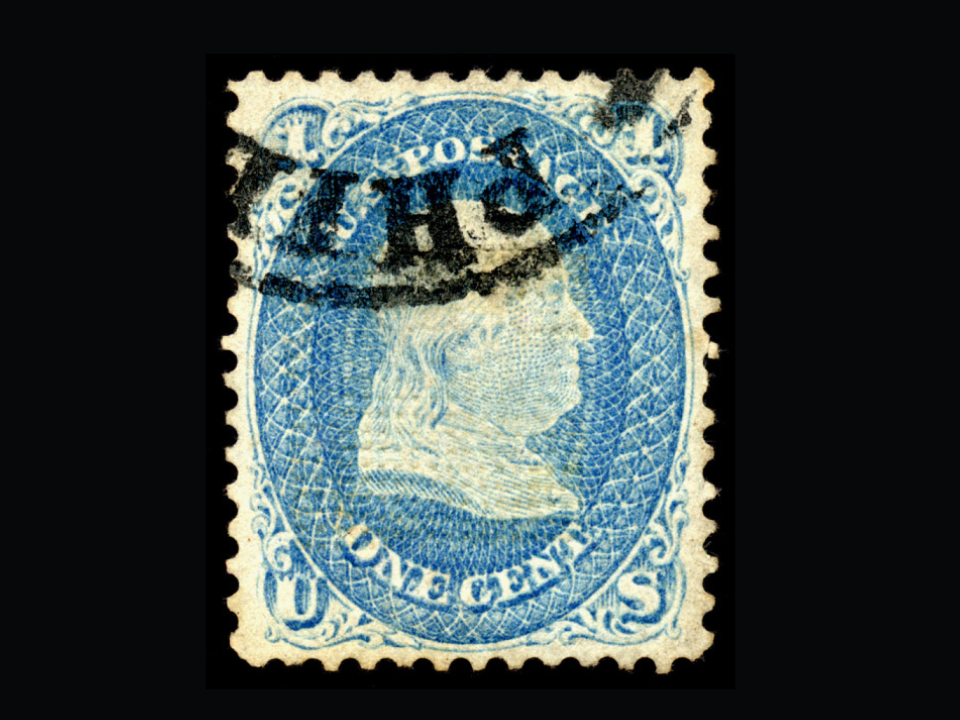
The 1 Cent Z Grill from 1868 is notorious for its “double impression” error, where the design was printed twice, creating a blurred, doubled effect. This particular flaw occurred when a sheet of stamps was run through the press a second time without proper alignment. The Z Grill is already a rare stamp, but this double impression makes it an especially desirable piece. Only a few of these misprints are known to exist, with some in better condition than others.
Due to its significant error, collectors will pay handsomely for this unique find, especially in premium condition. The Z Grill remains a coveted item among U.S. philatelists and has a fascinating backstory tied to the era’s postal system. Estimated market value: $2,000,000+ depending on quality and rarity.
1855 Treskilling Yellow
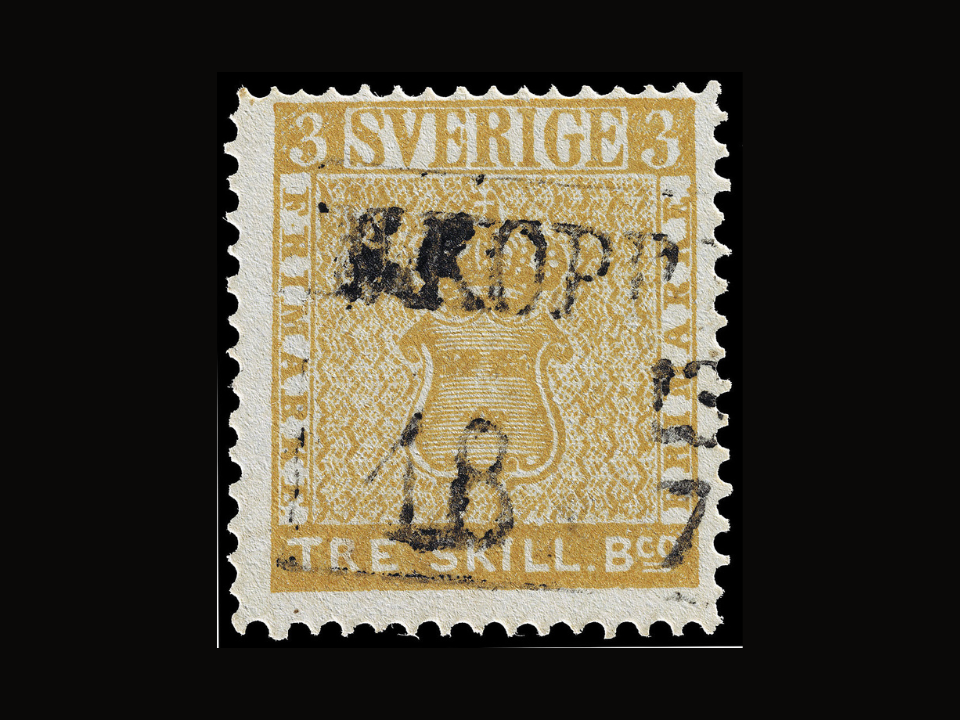
The 1855 Treskilling Yellow is one of the most famous stamp misprints in history. This Swedish stamp was originally intended to be green, but a batch of them was printed in yellow by mistake. The error was noticed almost immediately, and most of the yellow stamps were recalled, but a single example was accidentally left in circulation.
Its rarity and the unusual color make it a highly sought-after item for stamp collectors worldwide. The Treskilling Yellow holds the title of the most expensive stamp ever sold at auction, fetching a record price. Its story and history of being the only known surviving example contribute significantly to its legendary status in philatelic circles. Estimated market value: $10,000,000+ depending on condition and auction results.
2011 ‘Forever Statue of Liberty Stamp’
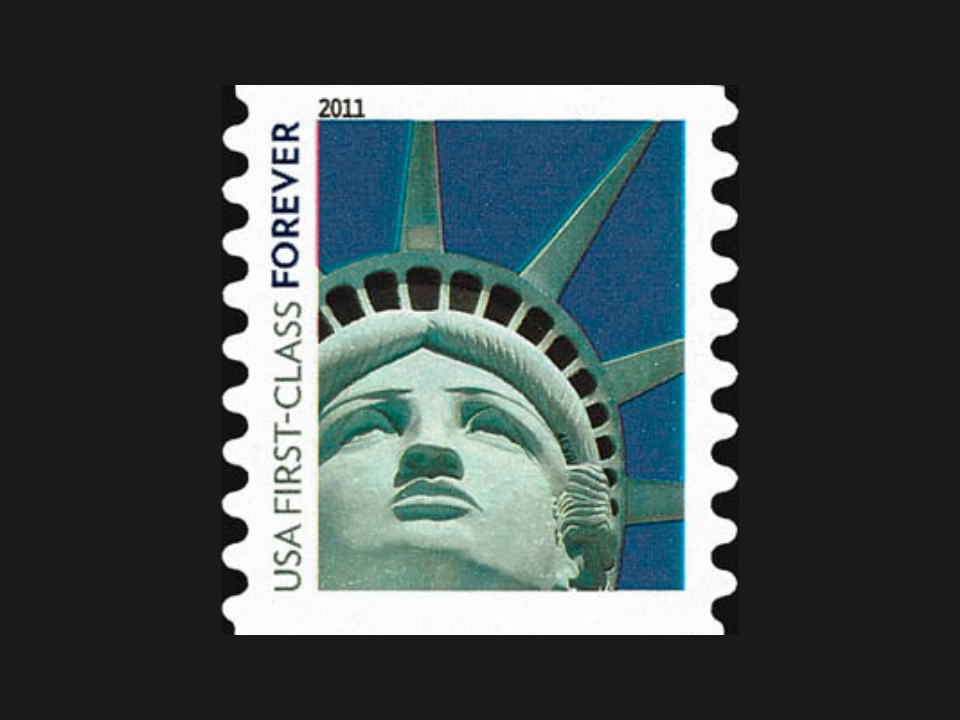
The 2011 “Forever Statue of Liberty” stamp is another noteworthy misprint. A batch of these stamps was released with a small but significant flaw in the color of the statue’s torch. The color of the flame was printed as a bright yellow instead of the intended golden hue. Although the error was not initially noticed, once discovered, the misprints became a popular item for collectors.
These stamps are now known for their small but distinctive color shift that sets them apart from the regular issue. The mistake was caught early, but some examples are still circulating, making them rare and highly sought after by collectors. Estimated market value: $100 to $500, depending on condition and rarity.
1850 Austria 9kr 5IIIa Paper Fold
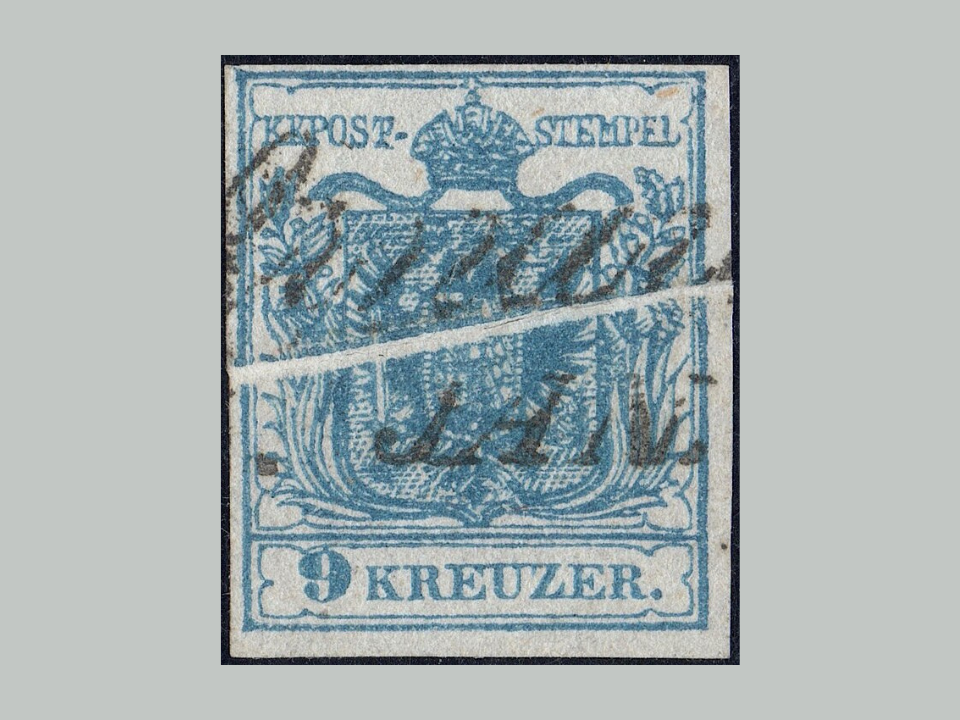
The 1850 Austria 9kr stamp features an interesting printing error known as a paper fold. This flaw occurred when the paper was folded during the printing process, causing a section of the stamp design to be missing or distorted. The 9kr 5IIIa is particularly sought after because the paper fold causes a very noticeable design error that is easy to spot. Many of these misprints were destroyed when discovered, making surviving examples quite rare.
The stamp is highly valued by collectors due to its connection to early postal history and the visual appeal of the error. The Austrian postal service rarely made these kinds of mistakes, making this stamp a unique piece for philatelic enthusiasts. Estimated market value: $10,000 to $50,000 depending on condition.
1917 5-Cent Value Error
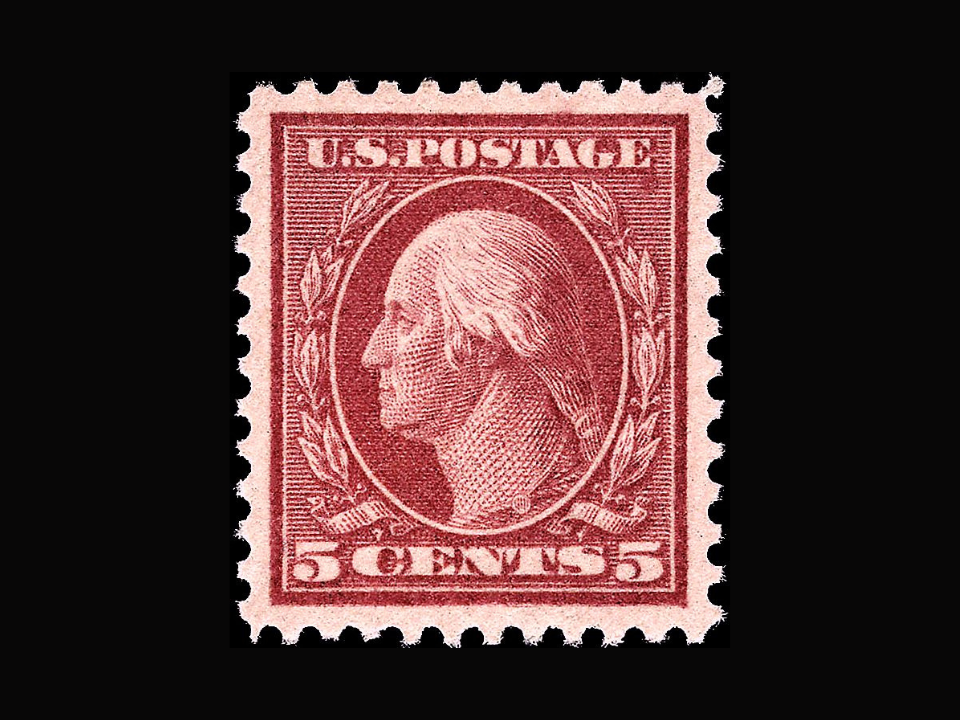
The 1917 5-cent stamp is notable for a major error in its printed value. During the production process, the 5-cent stamp was accidentally printed with an incorrect denomination, making it a significant misprint. The error created a stamp that was technically invalid for postage but highly valuable as a collector’s item.
As one of the more widely known errors of its time, the 1917 5-cent value error has been cataloged extensively. The stamp’s rarity, along with its unique flaw, has made it a staple of early 20th-century American philately. Though it was corrected quickly, a few examples remain in circulation, driving demand and price. Estimated market value: $1,000 to $50,000 depending on condition and rarity.
1922 6-Cent Color Error
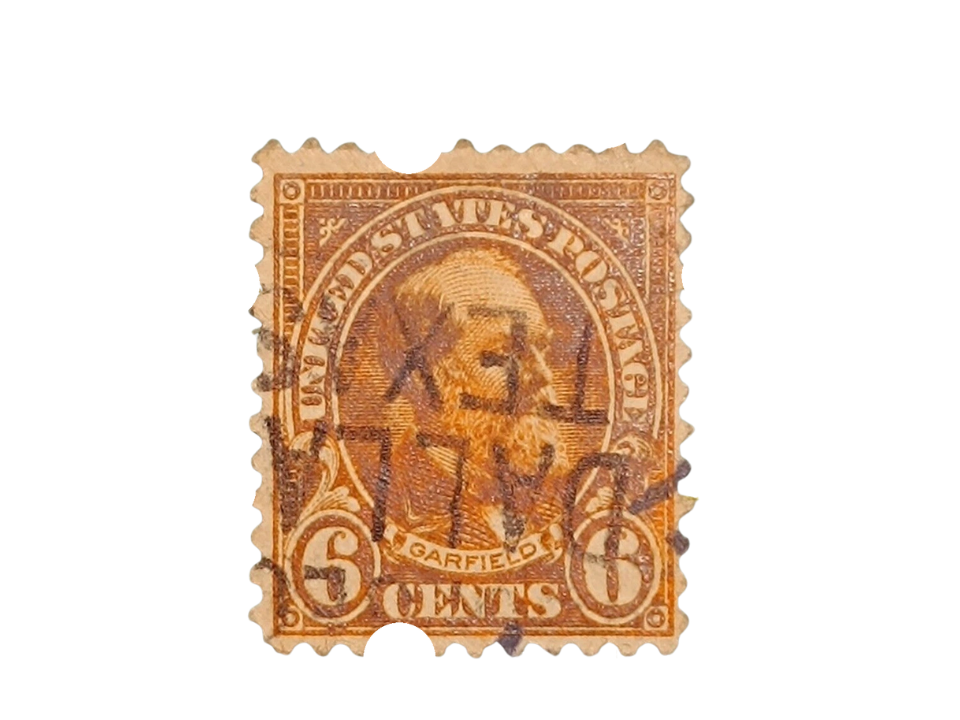
The 1922 6-cent color error happened when a batch of stamps was printed with the wrong color, making it a sought-after misprint. Intended to be printed in a reddish shade, the stamps were mistakenly printed in a bright orange color instead. The error was noticed and corrected quickly, but a few examples made it into circulation before the change was implemented.
These misprints are rare, and the color shift gives them a striking appearance that makes them easily recognizable. Known for its historical context and unusual color, the 1922 6-cent color error has become a collector’s item over time. The misprint is a well-documented example of early 20th-century printing mistakes. Estimated market value: $2,000 to $20,000 depending on condition.
1917 Washington 2-Cent Red Line Error
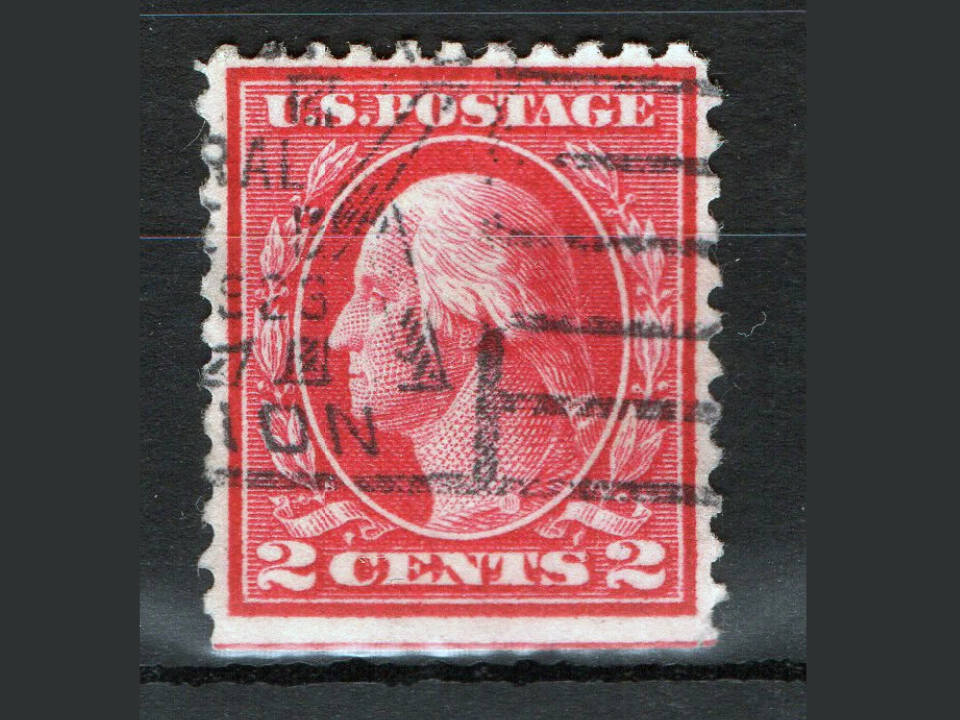
The 1917 Washington 2-cent stamp is famous for its red line error, where the red overprint was applied in the wrong position, making the design appear flawed. The red line, meant to be a secondary part of the design, was shifted off-center, creating a noticeable misalignment. This error occurred during the production process, and although it was discovered soon after release, a few stamps with the flaw survived.
The Washington 2-cent stamp is already popular among collectors, but the red line error adds extra value. Its historical significance, coupled with the visual appeal of the mistake, makes it a sought-after piece. Experts and collectors alike look for clear examples of the error, as condition and centering are critical. Estimated market value: $1,000 to $25,000 depending on condition.
1893 5-Cent Perforation Error
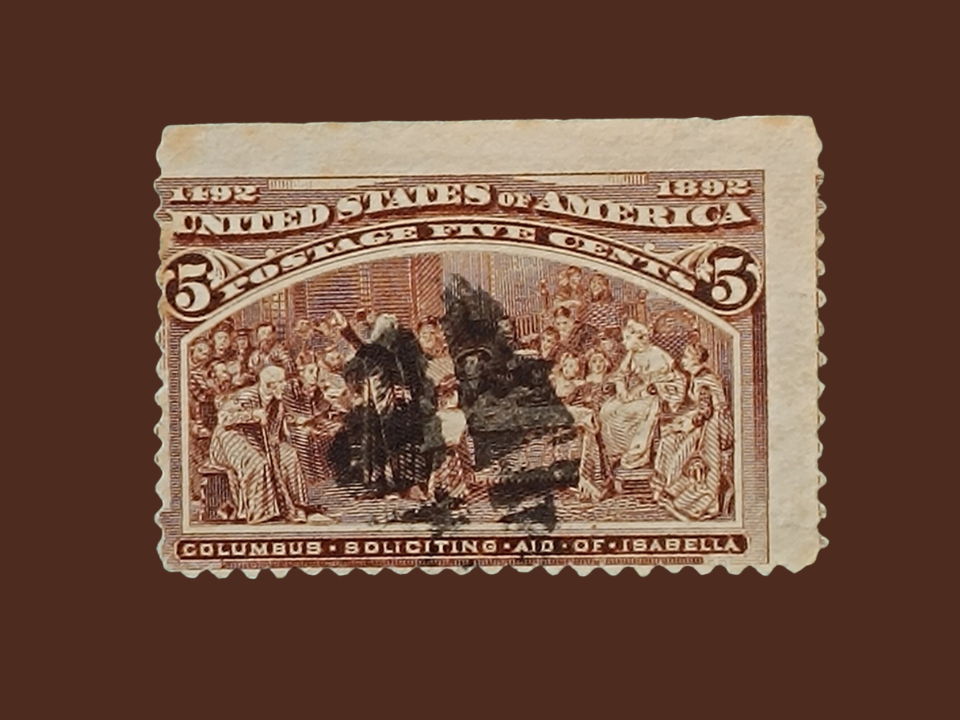
The 1893 5-cent stamp is one of the common misprints, featuring a perforation error. This flaw happened when the perforating machine misaligned, causing the perforations to run through part of the stamp’s design. Though the error was not particularly rare at first, the 1893 5-cent perforation error has since become a favorite for collectors due to its connection to the Columbian Exposition series. It is especially valued when it retains its full perforation pattern and has sharp, clear edges.
Although the stamp is not one of the highest-priced misprints, it is still highly regarded among early U.S. philatelic errors. The value is increased when the stamp is found in blocks or with multiple stamps showing the same perforation flaw. Estimated market value: $500 to $5,000 depending on condition and rarity.
1861 Washington 3-Cent Offset Print Error
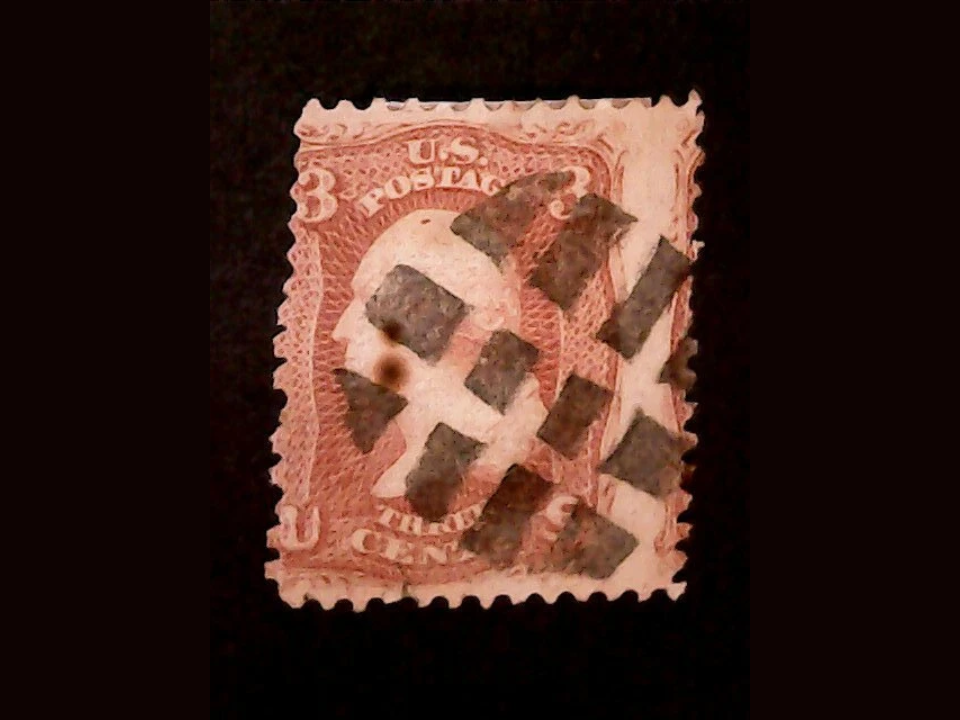
The 1861 Washington 3-cent stamp is famous for its offset printing error, where the ink was applied incorrectly during the printing process. This error caused parts of the design to appear as a blurred, ghost-like image. While offset printing mistakes were relatively common at the time, this particular example is highly sought after due to the combination of rarity and historical significance.
The 1861 series is already a favorite for collectors, and the offset print error makes the 3-cent stamp a standout piece. Collectors value these misprints because they show an early example of printing flaws in U.S. postal history. As with all early stamps, condition plays a major role in determining value. Estimated market value: $5,000 to $50,000 depending on condition and rarity.
1908 U.S. 2-Cent Washington Stamp with Dark Blue Tint
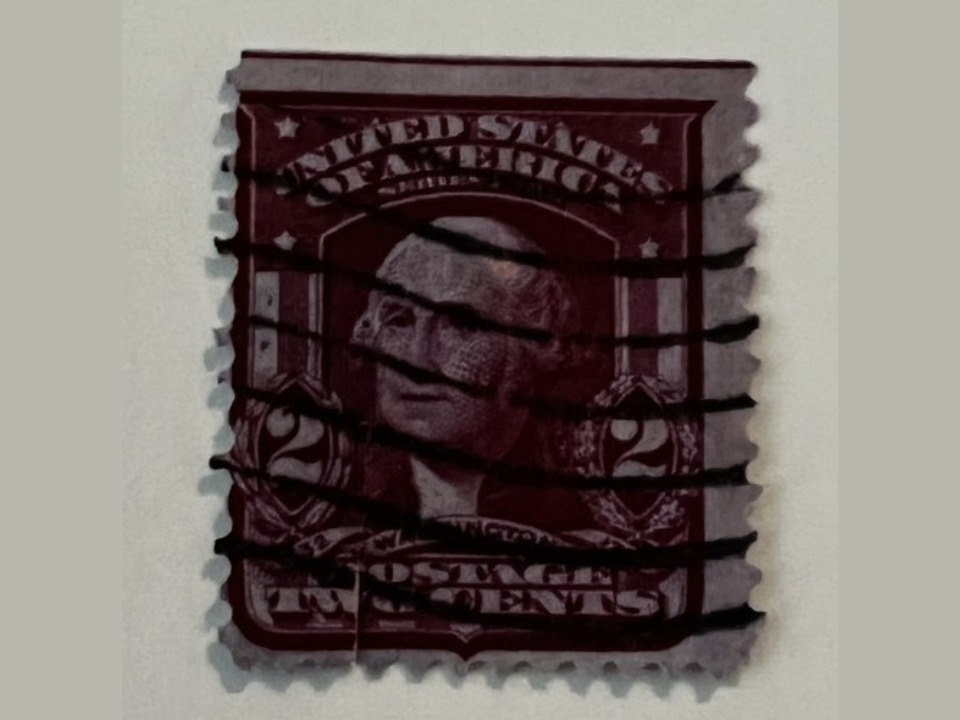
The 1908 U.S. 2-cent Washington stamp is known for its dark blue tint error, which was caused by a miscalculation in the ink mixture used during printing. The stamp was intended to have a lighter shade of blue, but the incorrect mixture caused the color to be much darker. This misprint was not caught immediately, allowing a small number of dark blue tints to be released into circulation.
Due to the high visibility of the mistake, it quickly gained the attention of collectors. As one of the most famous U.S. printing errors, this stamp has become a collector’s favorite for its striking appearance and rarity. While not the most expensive stamp on the market, it holds significant value for collectors of U.S. philatelic errors. Estimated market value: $1,000 to $25,000 depending on condition.