
10 Mid-Century Ashtrays That Collectors Pay Good Money For
Collectors of mid-century modern design often find themselves drawn to ashtrays from this iconic period. With their clean lines and creative use of materials, these pieces hold a unique charm that has stood the test of time. As with many vintage items, some of these ashtrays can be worth much more than you might expect. Whether you are a seasoned collector or just beginning, these mid-century treasures offer a fascinating glimpse into an era of design innovation.
This post may contain affiliate links, which helps keep this content free. Please read our disclosure for more info.
1960s Ceramic Atomic Boomerang Ashtray
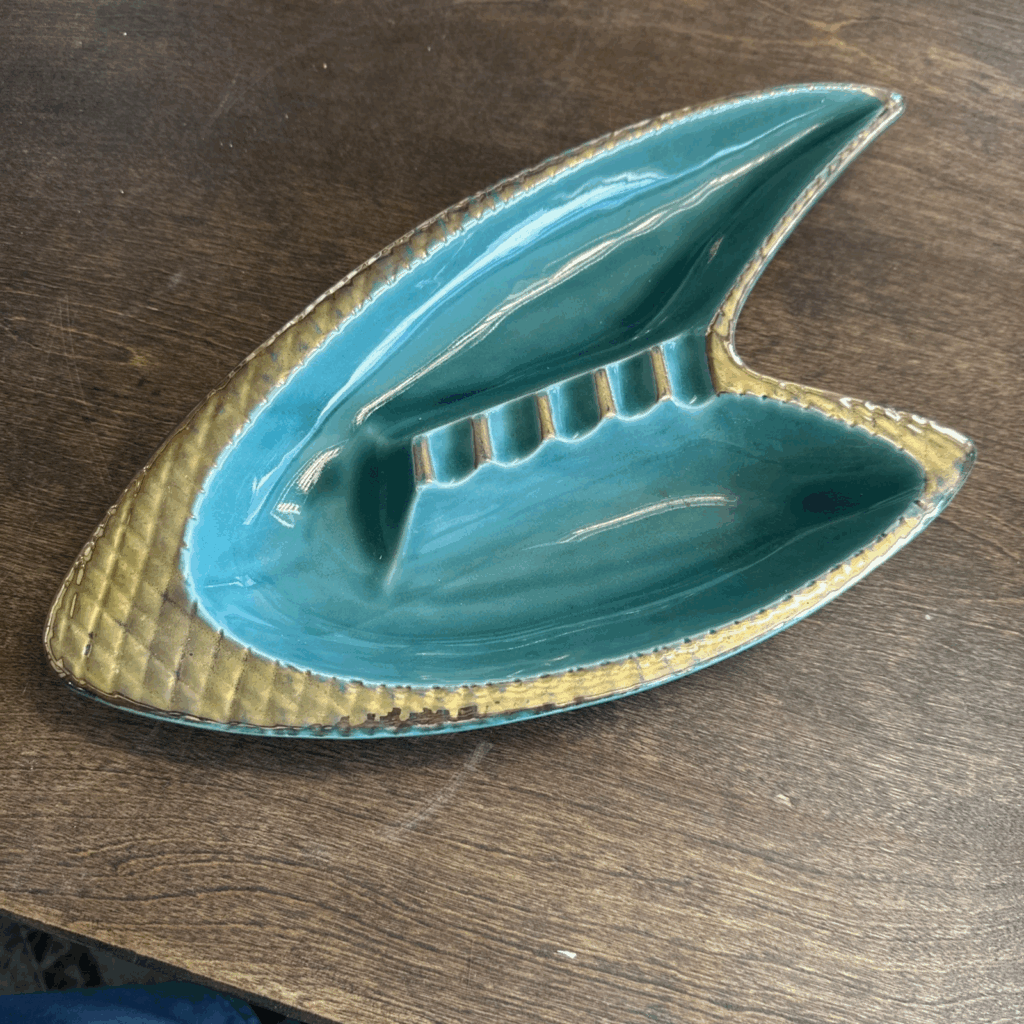
These ashtrays became popular in the 1960s when designers embraced unusual geometric and free-form shapes instead of conventional round forms. Their distinctive boomerang or abstract outline gives them that unmistakable mid-century vibe. Many are glazed in pastel or bold tones, sometimes with drip or speckled finishes. In recent online listings, similar ashtrays have sold for roughly $30 to $75 depending on condition. Their unique shape and the era they evoke make them attractive pieces for collectors looking for authentic mid-century style.
Collectors also value the fact that these were once everyday household items, now rare enough to double as decorative objects for display rather than function. The modest size helps them fit easily on a shelf or side table. As vintage furnishing trends grow, these ashtrays often draw interest from people seeking retro touches.
Mid-Century Glass Slab Cased Glass Ashtray
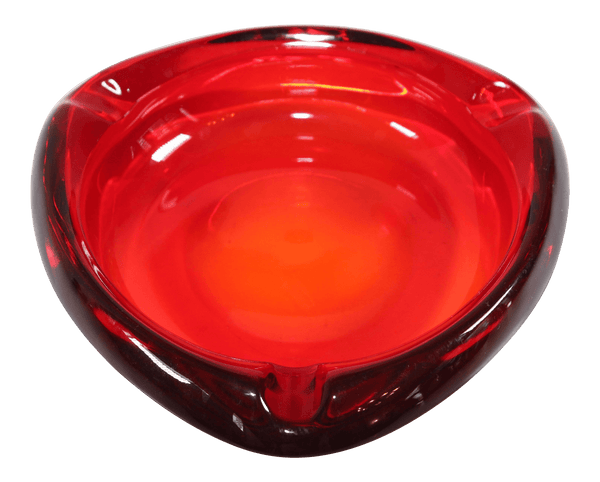
Some ashtrays from the 1950s and 1960s were made of layered glass (sometimes clear or colored) that gives them weight and a sense of artistry rather than mere utility. Their material and solid construction can feel more like small glass art pieces than functional ashtrays. Glass models like these occasionally appear on auction sites with asking prices from about $80 up to $270 when in very good condition.
Collectors who appreciate mid-century glass often value these pieces because they reflect the design sensibilities of their era – combining functionality with aesthetics. Even small flaws or irregularities may enhance their charm for some.
Ceramic Ashtray with Lava Drip Glaze
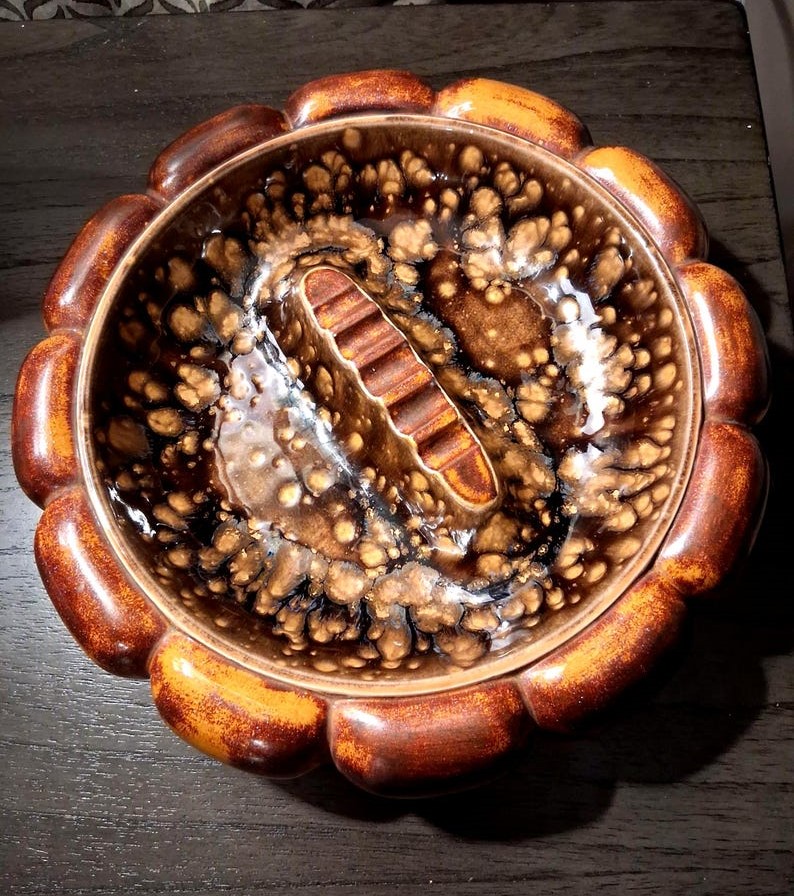
During the mid-century period, ceramic makers sometimes used a lava drip or drip glaze technique that produced unpredictable, organic drips and swirls in the finish. That glazing style combined with unusual shapes gives such ashtrays a very vintage appeal. Examples similar to those listed online can fetch around $35 to $70.
Collectors who appreciate mid-century pottery often value these pieces because they show the experimental spirit of post-war design, when mass-produced items began to mix with hand-made touches. Even small flaws or irregularities may enhance their charm for some.
Metal Ashtray from a 1950s-1960s Hotel or Nightclub
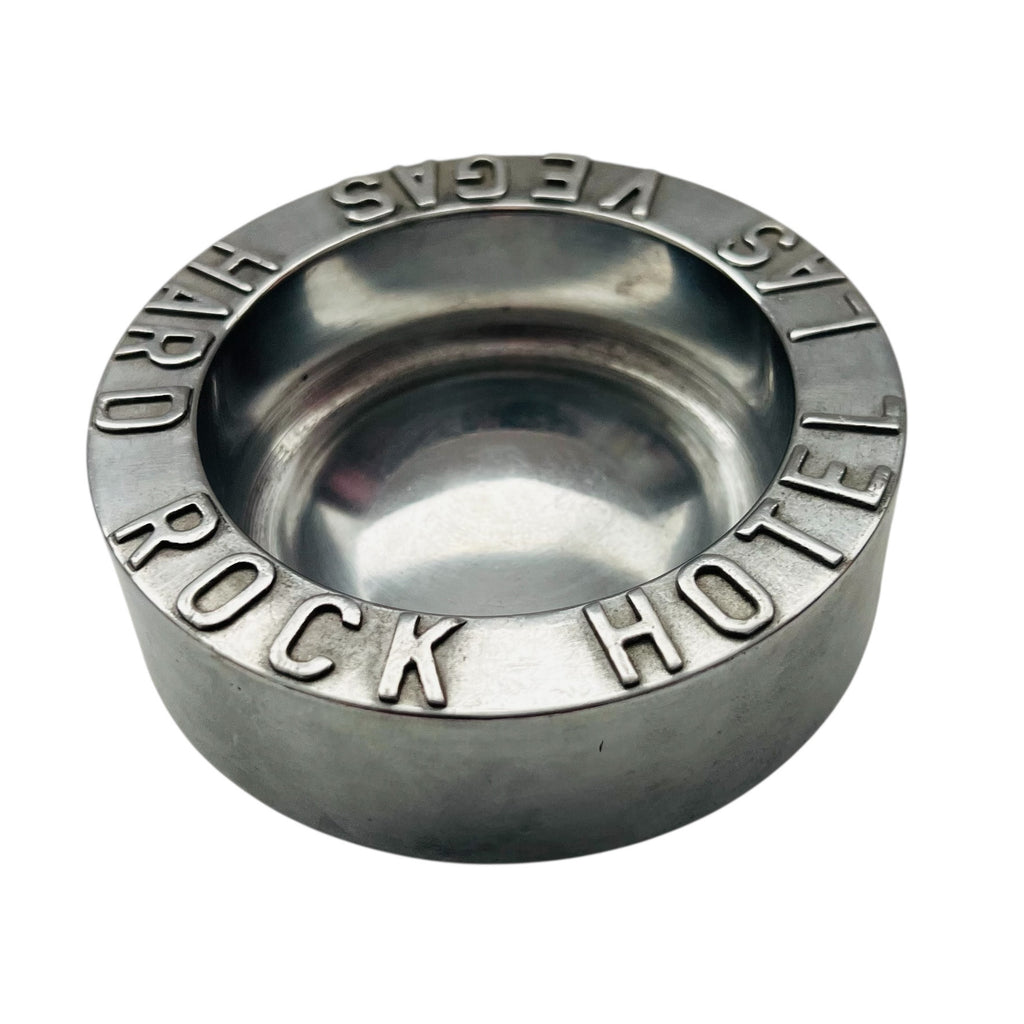
Some ashtrays were produced as souvenirs or advertising items, carrying logos or names of hotels, casinos, or nightclubs from the mid-century era. These pieces attract collectors because they capture a sense of place and social history – a snapshot of nightlife and travel in a bygone age. Collectors also value them for nostalgia and the story behind them.
Depending on rarity, condition, and the prestige of the establishment commemorated, these souvenir ashtrays can range in value from modest sums up to several hundreds of dollars. Their appeal lies in nostalgia and the story behind them.
Melamine or Plastic Stackable Ashtray
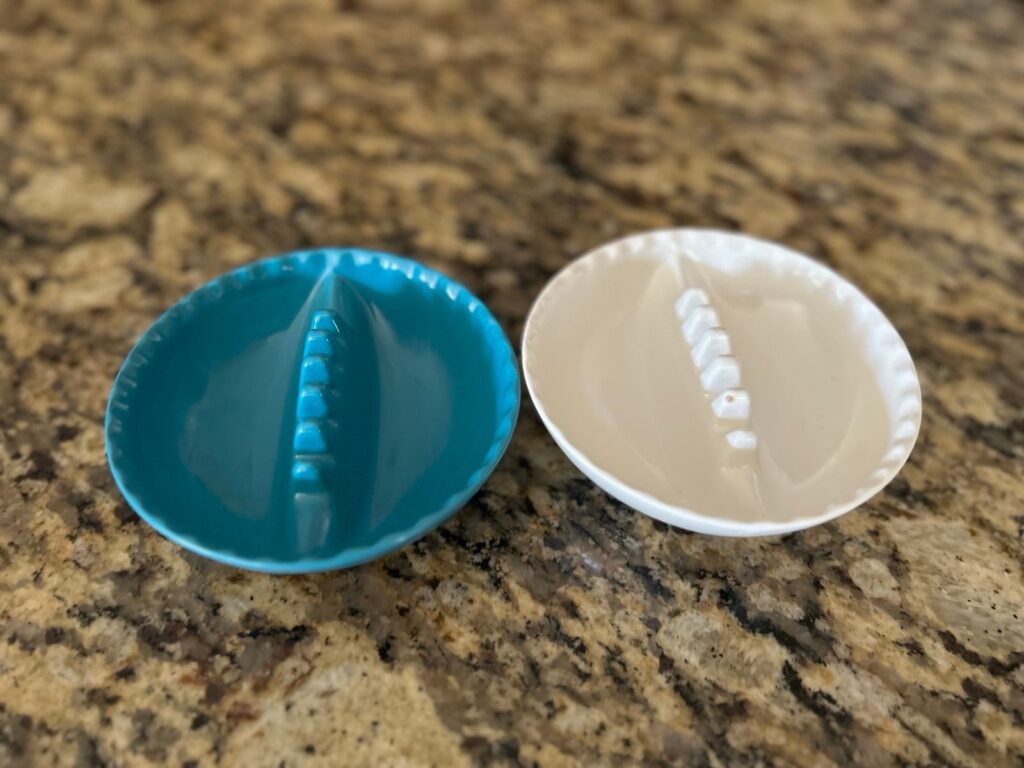
In the 1960s, some ashtrays were molded in plastic or melamine – these were inexpensive and stackable, designed for convenience. While many of these were discarded over time, those that remain in good condition have started to attract interest for retro interior decor.
Prices for these are often low relative to glass or metal ashtrays – common listings range around $15 to $30 – making them approachable for someone new to collecting vintage mid-century pieces. Their cheerful colors and lightweight build make them easy to display or repurpose as small trays for keys or trinkets.
Hand-Blown Art Glass Ashtray (Murano-Style or Similar, 1950s–1960s)
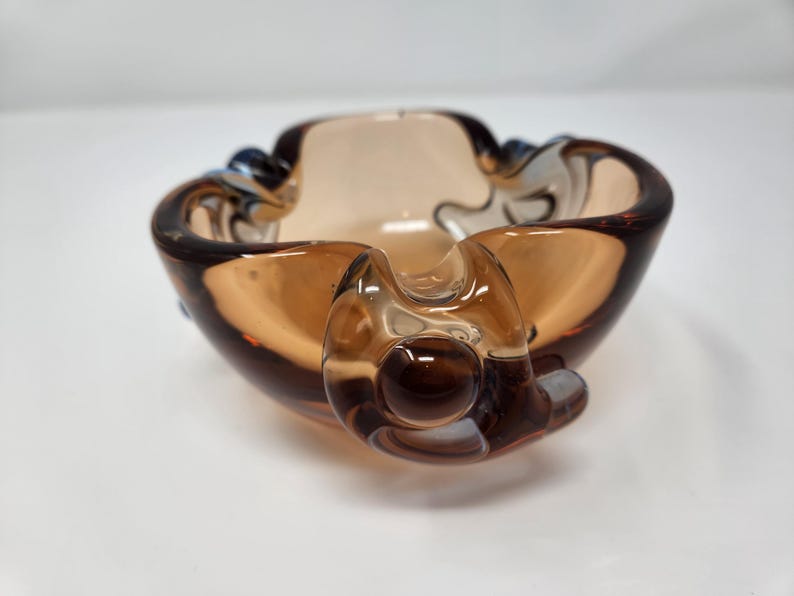
Some mid-century ashtrays were produced by glass studios or designers influenced by European glassmaking traditions. These ashtrays often offer colors, swirls, or organic shapes that set them apart from mass-produced items. Such pieces appear among the high end of collectible ashtrays.
Depending on quality, condition, and provenance, these ashtrays may sell for $150 up to several hundreds of dollars. Collectors drawn to mid-century glass art prize them for their beauty, craftsmanship, and link to a creative era.
Brass or Bronze Sculptural Ashtray (1950s–1960s)
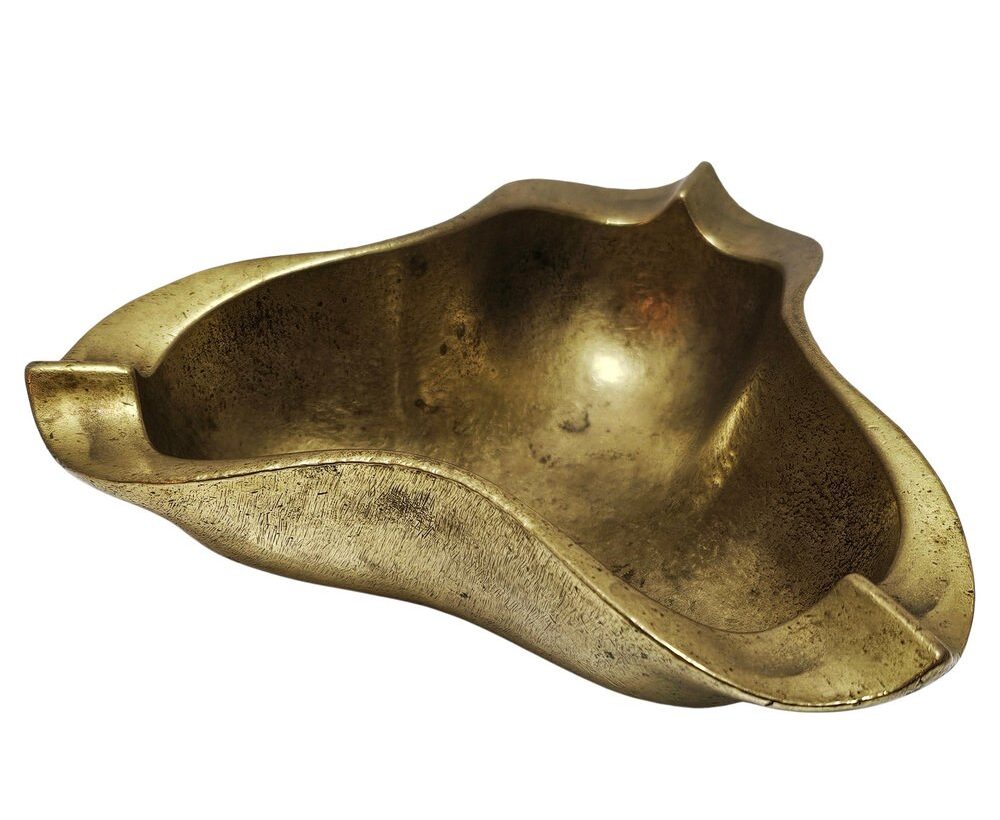
Metal ashtrays made of brass or bronze, sometimes featuring sculptural or decorative elements instead of plain utilitarian form, represent a collectible category for those who appreciate metalwork and vintage decor. As reported by collectors, some of these more ornate ashtrays are among the most sought-after pieces.
Values vary widely depending on design and condition. Simple metal ashtrays might trade for $25 to $50, while rare or distinct sculptural models could sell for $100 or more. Their weight, durability, and decorative presence make them lasting conversation pieces in a vintage-themed room.
Cut-Crystal or Pressed Glass Ashtray from the 1950s
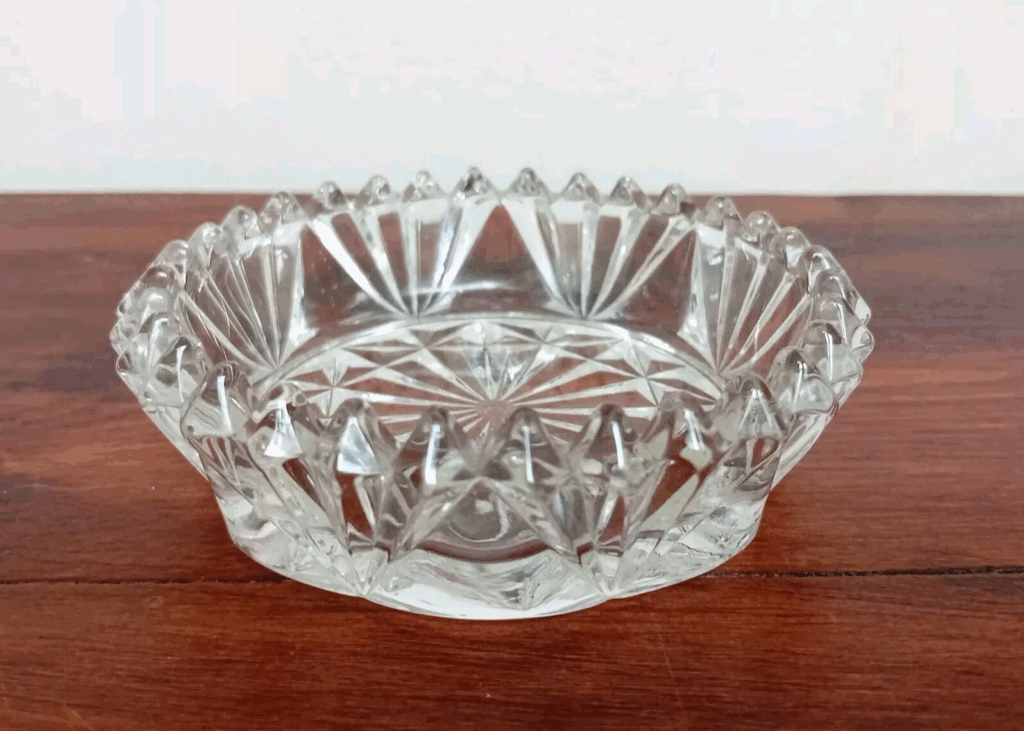
Even though cut-crystal ashtrays are more often associated with earlier eras, some pressed glass versions from the 1950s carry mid-century sensibilities. They offered a touch of elegance in a time when home entertaining and cocktail culture were on the rise. Collectors of mid-century glass often value them for their beauty and craftsmanship.
When intact and free of chips, these ashtrays sometimes trade in the price range of $50 to $150. Their reflective surfaces and weight give them presence on a coffee table or bar cart even today.
Sculptural Novelty Ashtray (Animal or Figurative Form, 1950s–1960s)
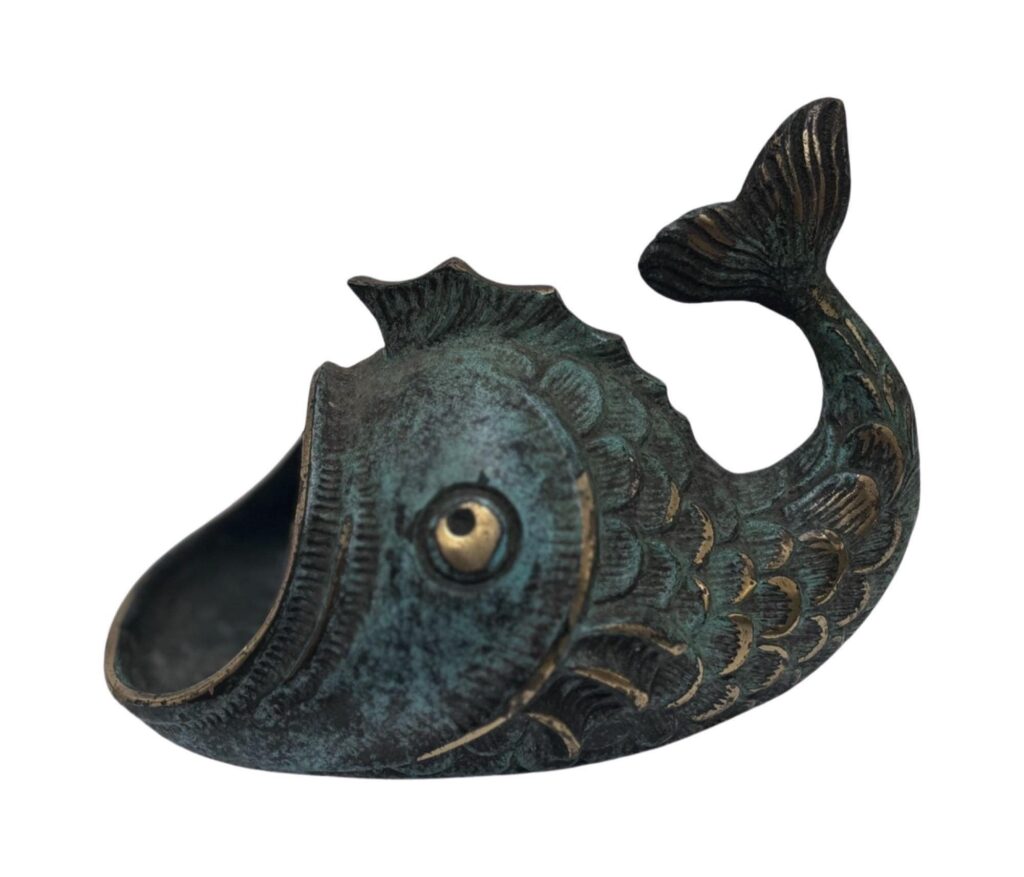
During the mid-century, some ashtrays were shaped as animals, abstract forms, or figurative motifs – sometimes playful, sometimes artistic. Such creative forms catch the eye of both vintage collectors and retro decor lovers. These kinds of ashtrays are often singled out in articles about collectible smoking accessories.
Depending on how rare the design is and condition, values can range widely – from modest $20–40 to several hundred dollars for particularly unique or well-preserved examples. Their uniqueness tends to draw buyers who want conversation pieces.
Heavy Footed or Pedestal-Style Ashtray from the 1950s-1960s
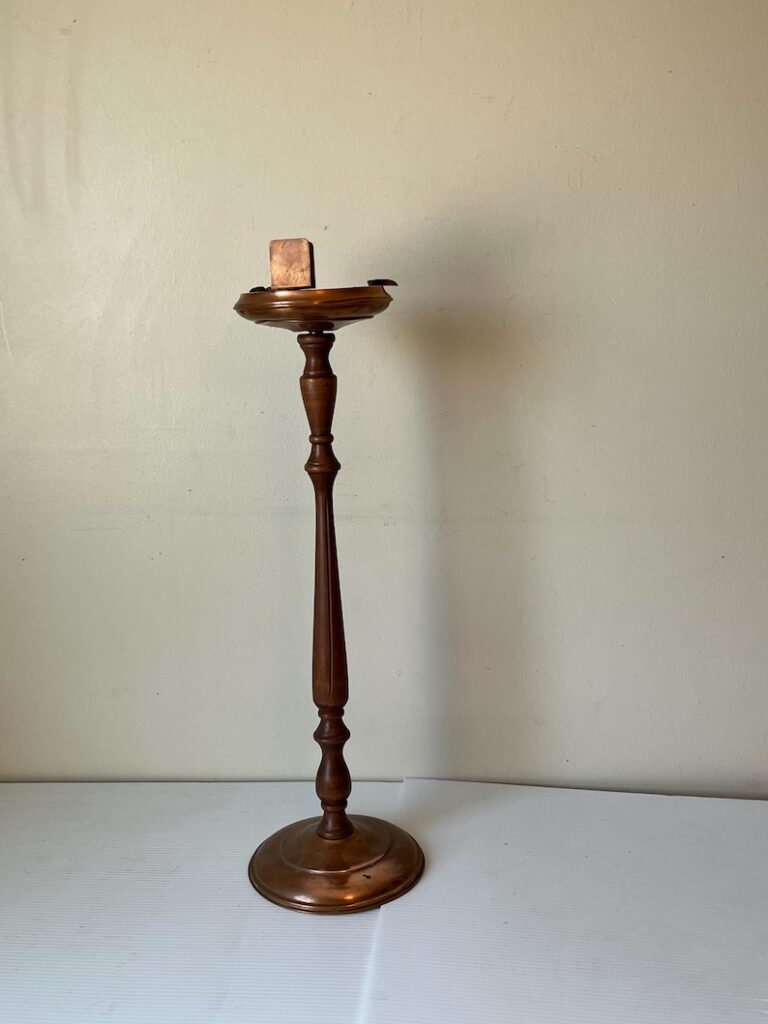
Some mid-century ashtrays were designed with feet or pedestal bases rather than flat bottoms, giving them a slightly elevated or decorative stance. This design element makes them look more intentional – partly functional, partly decorative objects for a table or shelf. Collectors who enjoy pieces that double as decor are often drawn to footed examples.
When in good condition, a footed ashtray might fetch around $50 to $100. Their distinct silhouette allows them to blend in with other vintage furniture or accent pieces rather than vanish among clutter.
This article originally appeared on Avocadu.