
13 Micro Rituals That Make Sleep Come Easier Every Night
A restful night of sleep can be hard to come by, but small changes can make a big difference. Micro rituals are simple habits that can help prepare your mind and body for rest. By incorporating these routines, you can create a calm environment that promotes relaxation. Consider giving these techniques a try to see how they can improve your nightly sleep. These small adjustments may be all you need to start feeling more rested each morning.
This post may contain affiliate links, which helps keep this content free. Please read our disclosure for more info.
Create a Sleep-Inducing Environment

One of the most effective micro rituals for better sleep is to create a calming environment in your bedroom. The atmosphere of your sleep space plays a major role in your ability to relax and rest. Start by making sure the room is quiet, cool, and dark. You can adjust the temperature to a level that is comfortable for you, often between 60 to 67 degrees Fahrenheit, which research shows is ideal for sleep.
Additionally, removing distractions like electronics or bright lights can help signal to your brain that it is time to wind down. Consider using blackout curtains or an eye mask to eliminate outside light. A quiet, dark environment helps regulate your body’s natural sleep cycle. These small changes can set the stage for a more restful and uninterrupted night of sleep.
Practice Deep Breathing

Deep breathing exercises are a powerful micro ritual that can calm your nervous system and prepare your body for sleep. By focusing on your breath, you activate the parasympathetic nervous system, which promotes relaxation. Try the 4-7-8 method, where you inhale for four seconds, hold for seven seconds, and exhale for eight seconds. This simple technique helps lower stress levels and eases the transition into sleep.
Incorporating deep breathing into your nighttime routine can quickly lower your heart rate and blood pressure. You may find that by taking just a few minutes to focus on your breath, you feel more grounded and less anxious. These few minutes can create a sense of peace that helps prepare your body for rest. This ritual can be particularly helpful if you struggle with racing thoughts before bed.
Set a Consistent Bedtime

One of the simplest and most effective micro rituals is establishing a consistent bedtime. Going to bed at the same time every night helps regulate your body’s internal clock, making it easier to fall asleep and wake up. This consistency signals to your body that it is time to rest, and it begins to prepare for sleep naturally. In addition, a regular bedtime improves the quality of sleep, as your body becomes more attuned to the routine.
Stick to this bedtime, even on weekends, to help maintain your body’s rhythm. Over time, you may notice that falling asleep becomes quicker, and waking up in the morning feels more natural. Consistency is key in retraining your body for optimal rest. A stable bedtime helps solidify your body’s sleep-wake cycle, contributing to better sleep night after night.
Limit Screen Time Before Bed

Reducing screen time in the hour leading up to bed is a micro ritual that can have a big impact on the quality of your sleep. The blue light emitted by phones, tablets, and computers interferes with your body’s production of melatonin, a hormone that regulates sleep. By setting aside your devices at least 30 minutes before sleep, you allow your body to naturally begin winding down. This simple habit signals to your brain that it is time to shift gears from daytime activity to nighttime rest.
Instead of scrolling through your phone or watching television, try reading a book or practicing relaxation techniques. Engaging in a non-stimulating activity helps prepare your mind for rest. By cutting out screen time before bed, you are helping to create an environment more conducive to falling asleep. This ritual helps your body produce melatonin and relax into a peaceful sleep.
Try a Warm Bath or Shower
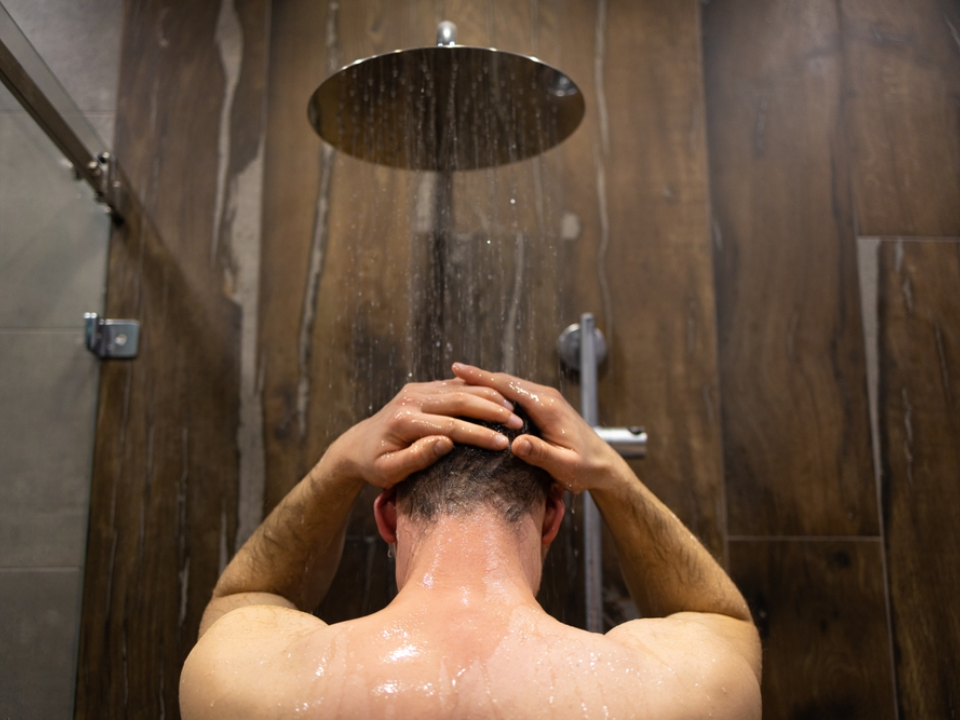
A warm bath or shower can be a soothing micro ritual to incorporate into your bedtime routine. The warm water helps to raise your body temperature, which then drops once you exit, signaling to your body that it is time to sleep. This drop in body temperature mimics the natural cooling that occurs when you fall asleep. A relaxing bath with calming scents like lavender can further enhance the sleep-inducing benefits.
Not only does this ritual relax the body, but it also clears the mind, making it easier to disconnect from the stresses of the day. The act of immersing yourself in water allows your body to unwind both physically and mentally. Whether you prefer a hot bath or a warm shower, this ritual can create a sense of comfort that prepares you for a restful night’s sleep. It is an easy and relaxing way to signal your body that the day is over and sleep is on its way.
Limit Caffeine Intake in the Evening

A common micro ritual that can improve sleep is to limit caffeine intake in the hours before bed. Caffeine is a stimulant that can stay in your system for several hours, disrupting your ability to fall asleep. To prevent this, aim to avoid caffeinated beverages in the afternoon and evening. A general rule is to stop drinking coffee or tea at least six hours before bedtime.
Switching to caffeine-free alternatives like herbal tea or water in the evening can be a helpful way to ease into bedtime. This ritual can prevent the stimulating effects of caffeine from interfering with your sleep cycle. By keeping caffeine consumption to the morning or early afternoon, you allow your body to naturally wind down in the evening. This simple adjustment can have a noticeable impact on how quickly and easily you fall asleep.
Incorporate Relaxing Scents

Certain scents can trigger relaxation and help your body prepare for sleep. Using essential oils like lavender, chamomile, or sandalwood in your bedroom can create a calming atmosphere. Simply diffusing these oils or applying them to your pillow can signal to your mind that it is time to relax. Aromatherapy can be an easy and effective way to enhance your sleep environment.
In addition to essential oils, a scented candle or linen spray can provide a similar effect. The relaxing properties of these scents help reduce anxiety and prepare your body for rest. Incorporating calming scents into your bedtime routine is a simple ritual that promotes relaxation. This small change can significantly improve the quality of your sleep.
Use Relaxing Music or White Noise

Listening to relaxing music or white noise before bed can be an excellent micro ritual to ease into sleep. Gentle music or nature sounds can create a soothing environment that signals your body to relax. If you live in a noisy area, a white noise machine or a fan can help drown out background sounds. The steady sound can help prevent disruptions, allowing you to fall into a deeper sleep more easily.
White noise and calming music also have the added benefit of reducing stress levels, which is a common barrier to sleep. By creating an auditory environment that promotes relaxation, you can calm your mind and prepare your body for rest. This micro ritual is easy to incorporate into your nightly routine and can greatly improve the quality of your sleep. Try different sounds to see which one helps you relax the most.
Read a Book

Reading a book before bed is another relaxing micro ritual that can help ease you into sleep. Engaging with a good story can distract your mind from daily stress and prepare it for rest. Opt for books that are calming or light in nature, as this helps prevent overstimulation. Avoid reading on screens, as the blue light can interfere with your body’s ability to relax.
Reading is a great way to transition from the busyness of the day to a more relaxed state. A few chapters of a book can help slow your thoughts and create a routine that your body recognizes as bedtime. It can be an enjoyable way to wind down and let go of the stress of the day. This ritual can be both comforting and relaxing, making it easier to drift off to sleep.
Hydrate, But Do Not Overdo It

Staying hydrated is important for overall health, but drinking too much water right before bed can lead to disruptions during the night. A good micro ritual is to hydrate earlier in the evening and avoid excessive drinking in the hour or two leading up to sleep. This helps prevent the need to wake up for bathroom trips, which can interrupt your sleep cycle.
Drinking a glass of water or a caffeine-free beverage earlier in the evening ensures that you are well-hydrated without the risk of waking up. A small, balanced amount of hydration can also help maintain a comfortable body temperature during sleep. Keep in mind that it is all about balance, as staying hydrated promotes better sleep without making you uncomfortable. It is an easy adjustment that can lead to fewer disturbances during the night.
Avoid Naps Late in the Day

Napping is a great way to recharge during the day, but it is important to avoid naps that are too late. Napping in the late afternoon or evening can make it difficult to fall asleep at night. A good rule is to limit naps to earlier in the day, ideally before 3 PM. Short naps of 20 to 30 minutes are the most beneficial, as they provide energy without interfering with nighttime rest.
If you find yourself feeling tired later in the day, consider other ways to recharge, such as a brief walk or a cup of herbal tea. By avoiding late-afternoon naps, you help maintain your body’s natural sleep-wake cycle. This micro ritual can improve your sleep quality and help you fall asleep more easily at night. It is a simple adjustment that can make a significant difference in how well you rest.
Use a Sleep Journal

A sleep journal is a useful tool for tracking patterns that may be affecting your sleep. By writing down your thoughts before bed, you release any lingering stress or worries. This ritual helps clear your mind, making it easier to relax. In your journal, you can also note any habits that may be helping or hindering your sleep.
In addition to clearing your mind, keeping a sleep journal allows you to identify any factors that affect your sleep quality. It can help you see connections between your daily routine and your sleep patterns. This micro ritual provides a mental release and helps establish a sense of control over your sleep. A few minutes of journaling can be a powerful tool for better rest.
Limit Alcohol Intake Before Bed

While alcohol may seem like a relaxing way to unwind, it can actually disrupt your sleep patterns. Drinking alcohol close to bedtime can make it harder to stay asleep, as it often leads to frequent awakenings throughout the night. To improve your sleep, try limiting alcohol intake to earlier in the evening. Drinking too much too close to bed can prevent you from reaching the deeper, more restorative stages of sleep.
If you enjoy a drink at night, consider stopping an hour or two before sleep to minimize its effects. This small adjustment can help your body enter sleep more naturally and stay asleep longer. By cutting back on alcohol before bed, you can enjoy a more restful, uninterrupted night. It is a simple ritual that makes a significant impact on the quality of your sleep.
This article originally appeared on Avocadu.