
18 March Trips for Waterfall Views When Rivers Run High
March is a lovely time to chase waterfalls, especially when winter rain and melting snow give rivers extra force. The views feel bigger, the sound carries farther, and even short walks can lead to a scene that feels worth the trip. This is the season when mist hangs in the air, cliffs look fresh and green, and the water has a real sense of motion. Some spots are easy roadside stops, while others turn into peaceful day hikes with one striking view after another.
This post may contain affiliate links, which helps keep this content free. Please read our disclosure for more info.
Yosemite Falls in Yosemite Valley, California
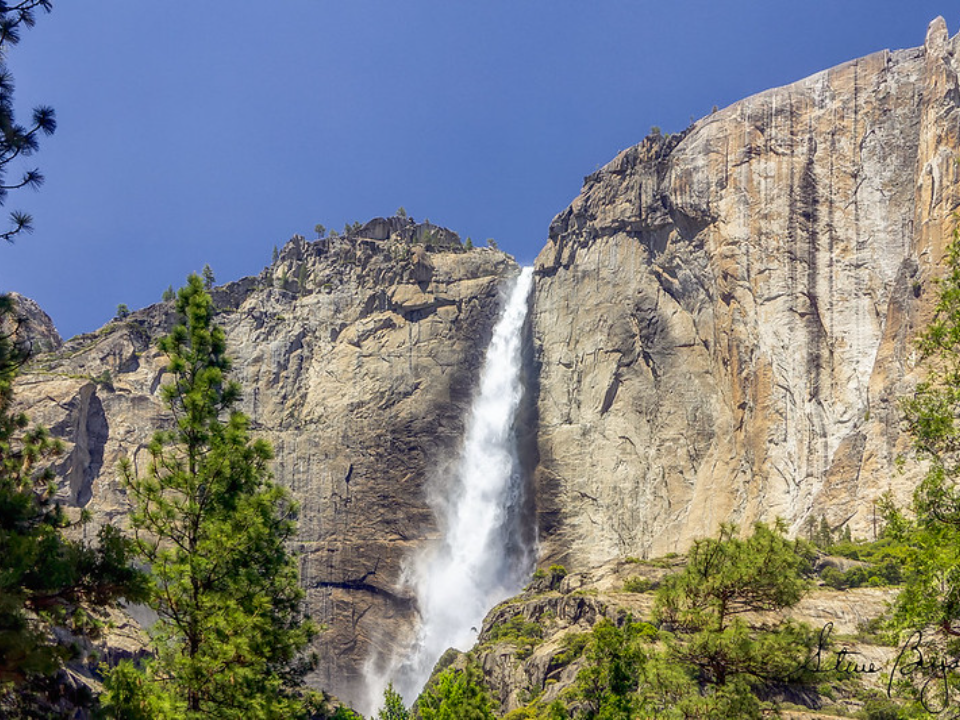
Yosemite Falls in Yosemite Valley is one of the strongest March picks when you want a waterfall trip built around serious runoff. Spring is the best time to see Yosemite waterfalls, and March is part of the stretch when melting snow starts filling streams and rivers fast.
That gives the valley a louder, wilder feel than it has later in the dry season. You do not have to be a hard core hiker to enjoy it, which makes this a good choice for a relaxed getaway with huge payoff. The views stay memorable even from easy valley stops, and the granite walls make the water look even bigger. Weather can swing from sunny to cold and wet, so layers matter in March. For a trip where the waterfall is the main event from the moment you arrive, Yosemite fits the brief very well.
Multnomah Falls in the Columbia River Gorge, Oregon
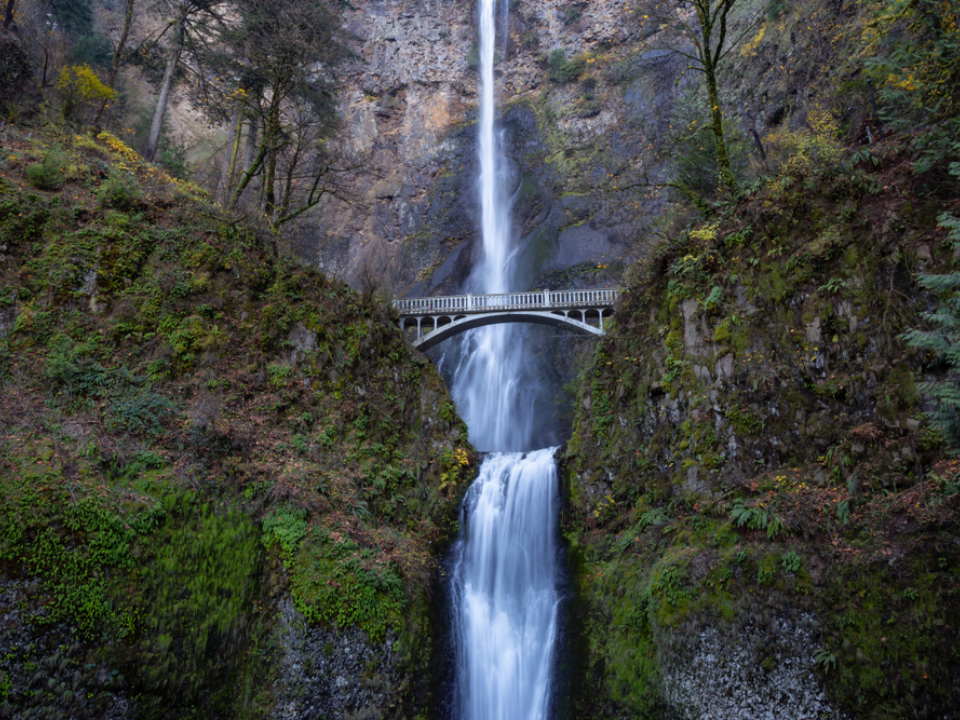
Multnomah Falls in the Columbia River Gorge near Portland is a good match for March because the Gorge is packed with waterfalls and spring is one of the strongest times for flowing water. The Columbia River Gorge has the highest concentration of waterfalls in North America, and Multnomah is its best-known stop. Multnomah Falls is one of the tallest year-round waterfalls in the country, so you are not gambling on a weak trickle.
In March, you also miss the summer timed permit season that usually begins near the end of May. That makes this a handy choice for a quick city plus nature trip with less planning stress. The bridge view gives you the full vertical sweep, while the base area lets you feel the spray and hear the drop. When you want a waterfall trip with easy access and a strong chance of full water, this one earns a place near the top.
South Falls in Silver Falls State Park, Oregon
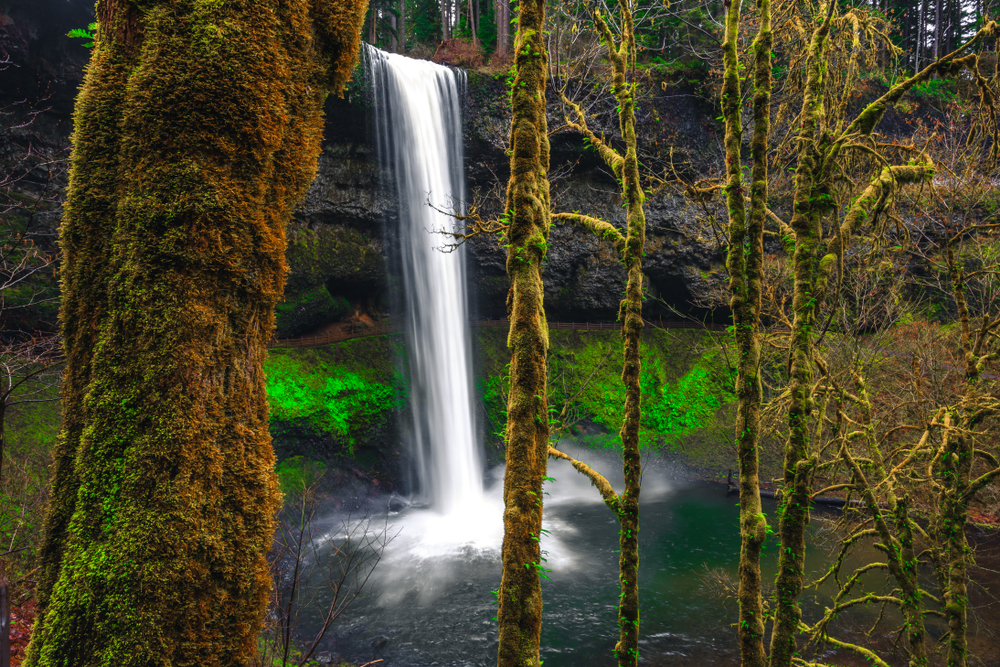
South Falls in Silver Falls State Park near Silverton gives you the kind of March outing where the walk itself feels soaked in water the whole way through. The Trail of Ten Falls is a 5-mile waterfall loop, and the park is known for a long string of major falls along Silver Creek. That means you are not traveling for one quick stop and then leaving. The star here is South Falls, where the path passes behind the curtain of water and turns the view into something almost theatrical.
It is a good fit for March because cool weather and wet ground match the setting, and the whole park tends to feel green, misty, and alive. This trip works best for someone who wants a fuller day on foot rather than a single roadside overlook. Check Park alerts before you go, since some trail sections are currently closed, but even with that caveat Silver Falls is still one of Oregon’s best waterfall bases.
Deep Creek Waterfalls Loop near Bryson City, North Carolina
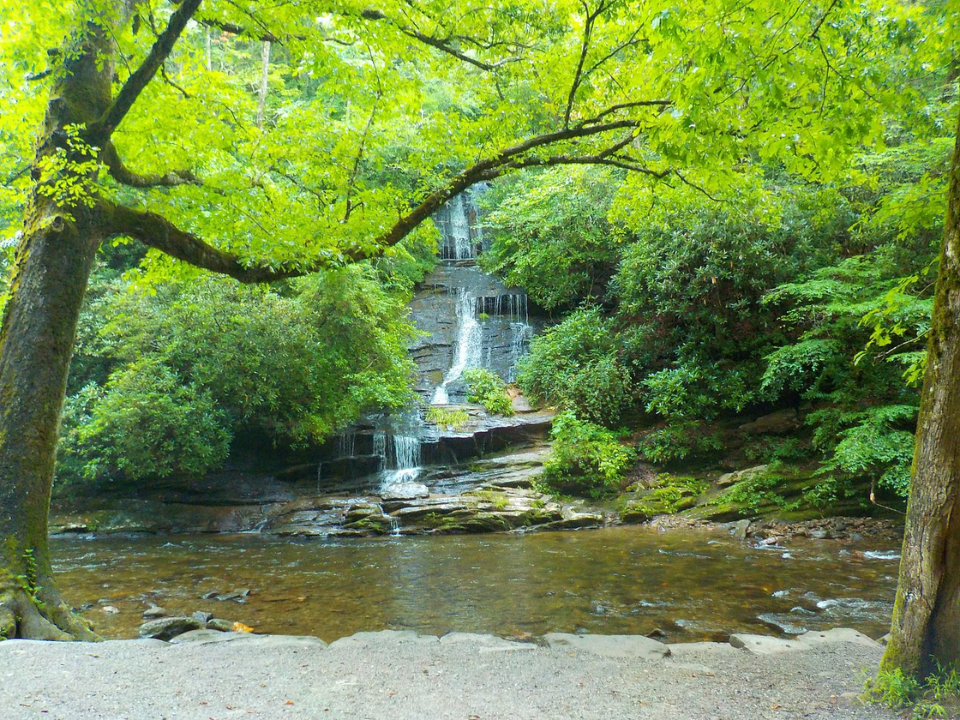
Deep Creek, just north of Bryson City in Great Smoky Mountains National Park, is an easy one to like in March when streams are lively and the forest still feels calm. The Smokies have abundant rainfall and steep elevation drops, which is exactly why waterfalls are such a major draw here. In the Deep Creek area, a short loop can take you to Juney Whank Falls, Indian Creek Falls, and Tom Branch Falls in one outing. That setup makes the trip feel generous without forcing a full day of steep climbing.
In March, the cooler air makes the walking easier while the water still has real force. Bryson City also gives you a practical base with simple access to the park. If you want one trip where you can see several good waterfalls without burning yourself out, Deep Creek is a very easy yes.
Dry Falls in Highlands, North Carolina
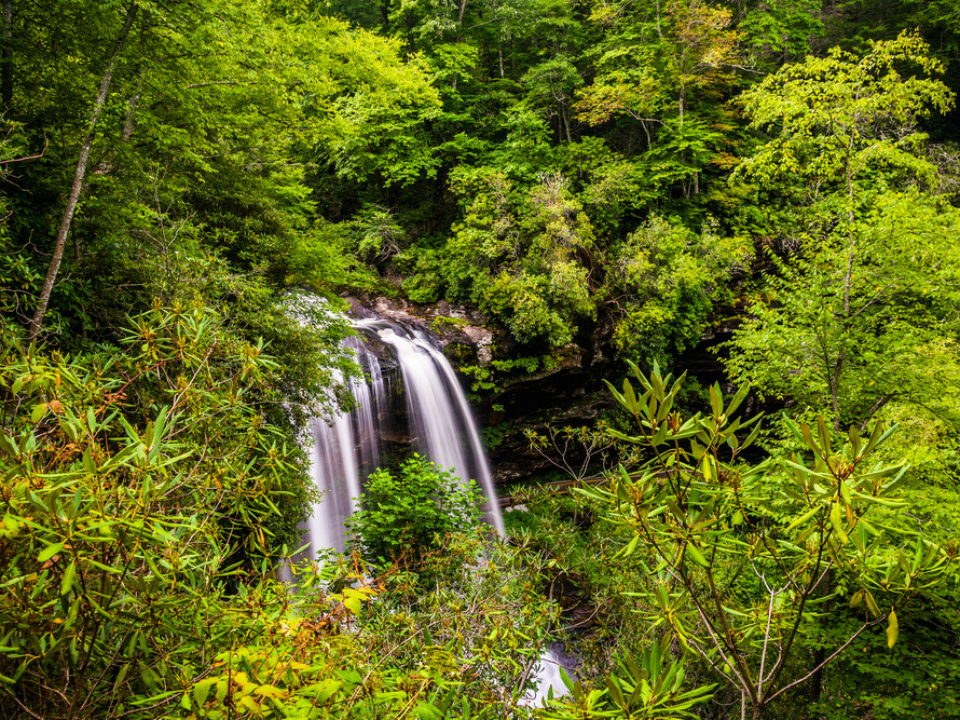
Dry Falls near Highlands, North Carolina, is a strong March choice when you want a dramatic waterfall without a demanding hike. This 75-foot waterfall sits in Cullasaja Gorge along Highway 64, has accessible overlook and a trail that goes right behind the water.
That behind the falls angle is what makes the stop feel bigger than its short walk suggests. It is the sort of place that works well on a mountain road trip where you want several easy scenic breaks in one day. A cool March day suits a place like this. Bring a rain shell even on a calm day because the spray can reach you fast. For travelers who want waterfall drama with low effort, Dry Falls is one of the cleanest picks on the list.
Whiteoak Falls in Shenandoah National Park, Virginia
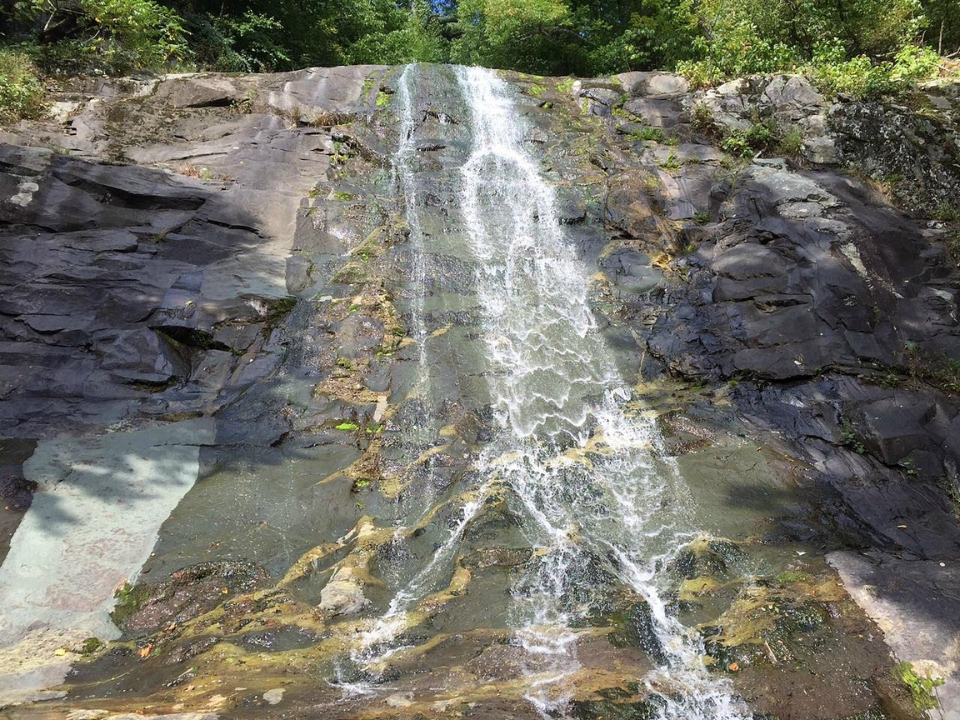
Whiteoak Falls in Shenandoah National Park makes sense for a March trip because spring is when Shenandoah’s waterfall country really starts to wake up. The park describes Shenandoah as a place full of cascading waterfalls, and Whiteoak Canyon is one of the best known ways to experience that side of it. From the Whiteoak Canyon parking area, you can choose the upper falls option or an easier hike to the lower falls and cascades. That flexibility is useful in March, when trail conditions and energy levels can vary from day to day.
The sound of water is a huge part of this trip, since the canyon keeps feeding you one rush after another as you move along. It is a better pick for people who like a bit of effort but still want a very clear payoff. For travelers on the East Coast who want spring water without a long flight, Whiteoak Falls is a very good call.
Wailua Falls near Lihue, Kauai
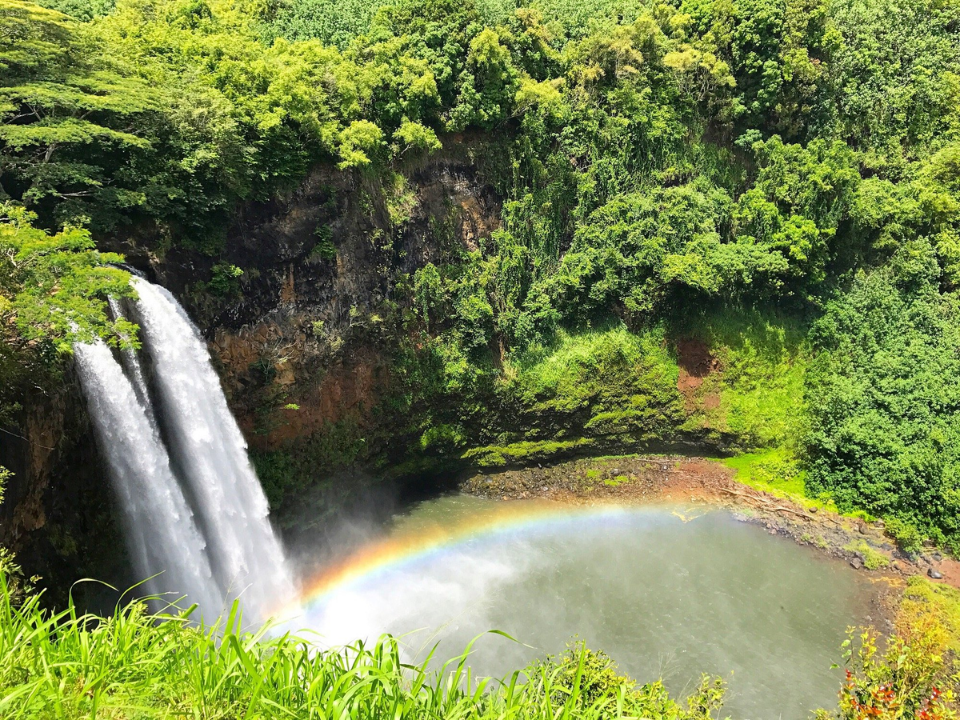
Wailua Falls just north of Lihue on Kauai is a great pick when you want your March waterfall trip to come with warm air, tropical green hills, and very little walking. The falls sit at the south end of the Wailua River and drop in two streams below the overlook. The look of the fall’s changes with rainfall farther up in the mountains, which is part of why the view can feel so lively.
This is a good option for travelers who want strong waterfall scenery without committing to a long muddy trail. You can pair it with other east side stops and still keep the day relaxed. The ease of access is a major plus if you are traveling with family or mixing waterfall time with beach time. For a March trip that trades hiking mileage for a clean, open view, Wailua Falls works very well.
Shoshone Falls in Twin Falls, Idaho
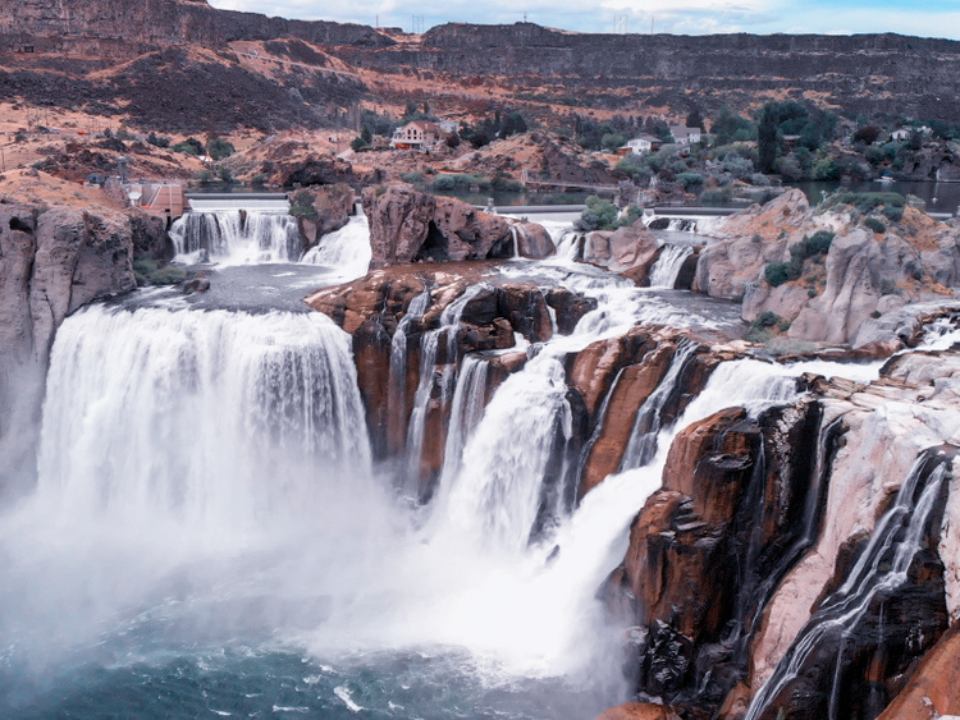
Shoshone Falls near Twin Falls is one of the clearest March picks because the city says spring is the best time to see it. In a typical year, spring flow peaks around 10,000 to 12,000 cubic feet per second, and heavier snow years can push it much higher. That kind of timing makes a March trip feel well chosen.
The falls stand about 212 feet tall and spread about 900 feet wide, so the whole scene feels huge even before the water reaches its spring peak. The basalt canyon around it gives the stop a raw, open look that suits the force of the river. This is a very good choice for travelers who want a major waterfall without a long hike. If your March trip is all about loud water and wide canyon views, Shoshone Falls deserves a spot on the list.
Snoqualmie Falls in Snoqualmie, Washington
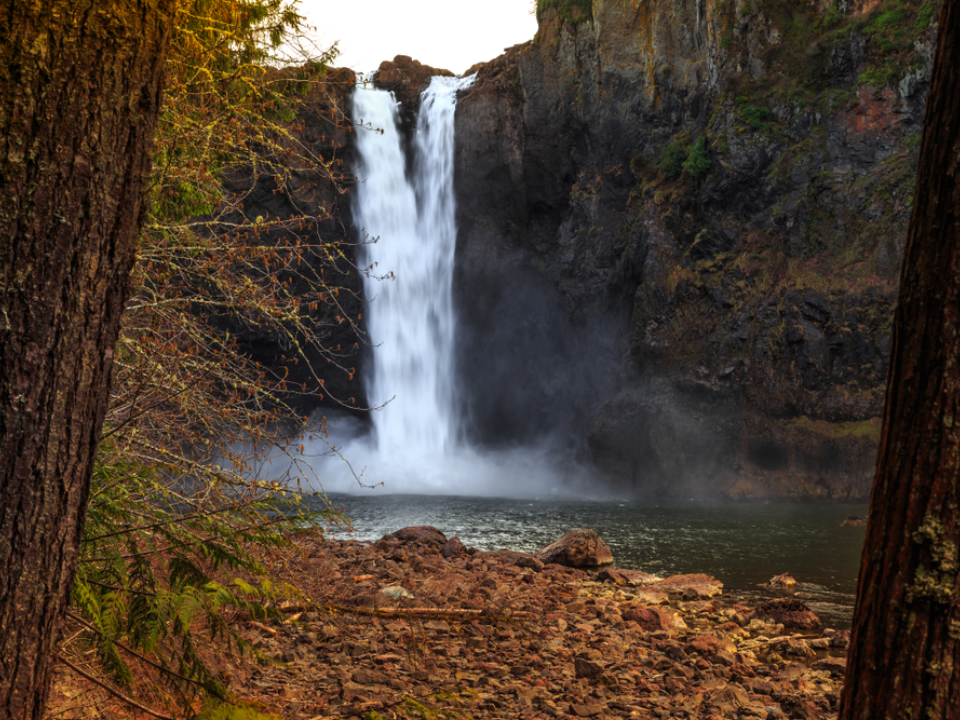
Snoqualmie Falls near the town of Snoqualmie works very well for March because Western Washington is still deep in its wet stretch, and the falls already have a strong reputation for high water after rain. The waterfall is 270 feet tall, while the drops at 268 feet over granite cliffs and holds deep cultural meaning for the Snoqualmie Tribe.
You get a lot of payoff with very little trouble here, since the observation decks are open year round. There is also a family friendly trail down to the lower viewpoint, so you can make the stop as short or as full as you want. The spray and river noise do a lot of the work for you on a gray March day. This is a good pick for a short trip from Seattle or for a longer waterfall loop across the state. When you want a waterfall that feels big right away, Snoqualmie makes that easy.
ʻAkaka Falls in ʻAkaka Falls State Park, Hawaiʻi Island
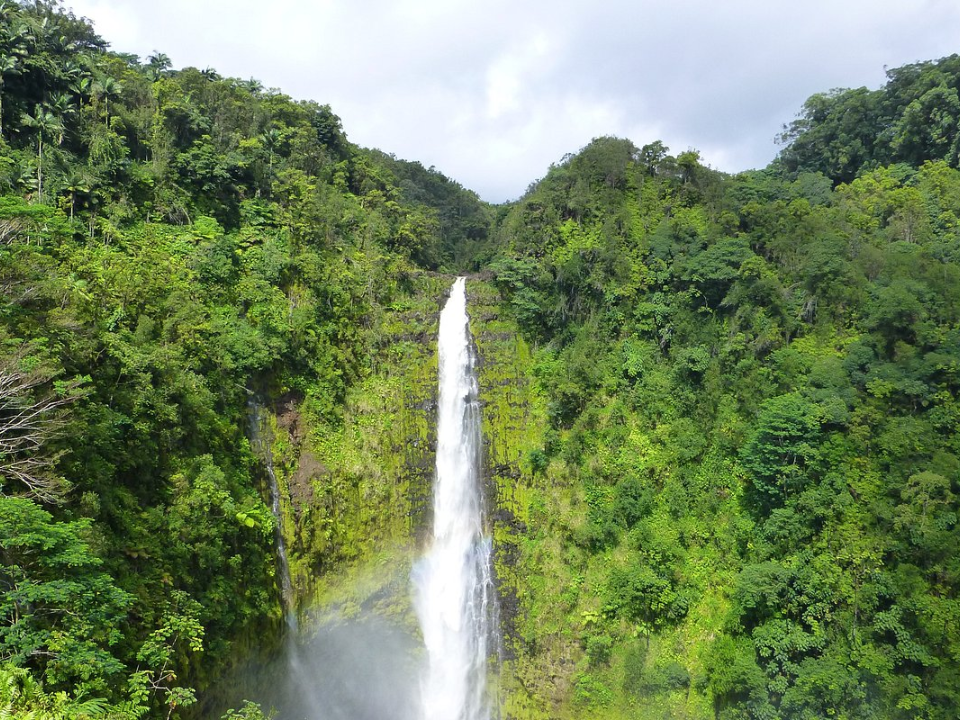
ʻAkaka Falls near Honomu gives this list a warm weather option that still delivers real waterfall drama. Hawaiʻi State Parks says the self-guided walk is a 0.4-mile loop through lush vegetation with views of both Kahuna Falls and ʻAkaka Falls. The main drop plunges 442 feet into a stream cut gorge, and the paved loop usually takes less than an hour. That makes it a very easy stop to work into a March Day on the Hilo side of the island.
You still get the feeling of heavy green growth and deep water without needing a demanding hike. The short path and big payoff make it a useful choice for families, mixed age groups, or anyone trying to keep the day relaxed. If you want March waterfall scenery with tropical air instead of mountain cold, ʻAkaka Falls fits nicely.
Burney Falls in McArthur Burney Falls Memorial State Park, California
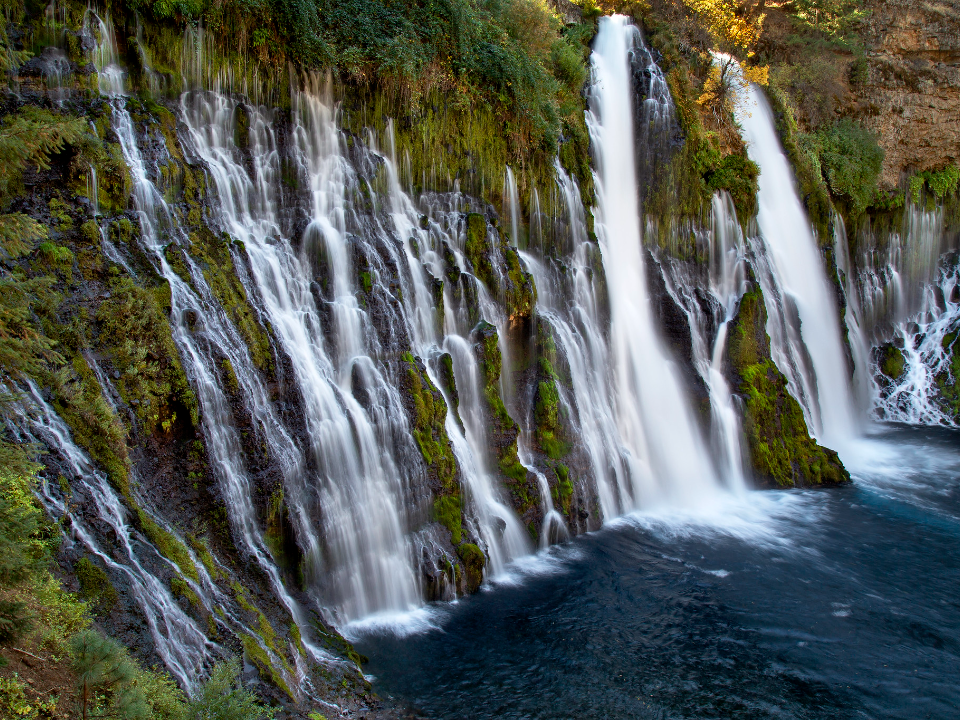
Burney Falls near the town of Burney is a strong March choice because it does not depend on one short runoff window to look good. The main drop is 129 feet tall, and extra water pours from springs into a mist filled basin below. That spring fed character helps the waterfall keep a full, lively look even when other places go flat.
In March, the cool air and wet ground match the mood of the place very well. The setting feels darker, greener, and more dramatic than it does in the drier parts of the year. This is a good pick for travelers who want a Northern California waterfall stop with less guesswork about water levels. For a March trip built around steady flow and easy visual payoff, Burney Falls is a very safe bet.
Devil’s Throat in Iguazu National Park, Puerto Iguazu, Argentina
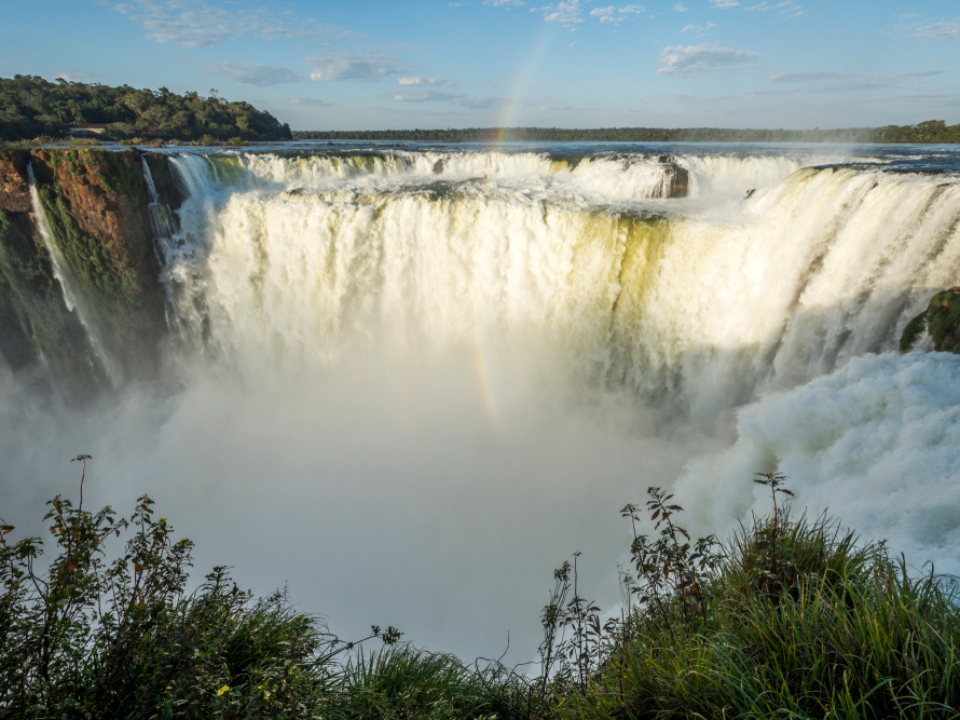
Devil’s Throat in Iguazu National Park near Puerto Iguazu is the place to go when you want a waterfall trip that feels almost oversized in every way. The park has more than 275 waterfalls, and Devil’s Throat is the most powerful section with the biggest water volume. The same tourism material says the Devil’s Throat trail is a 1,100-meter walkway without stairs, so the approach is easier than the noise and mist at the end might suggest.
Puerto Iguazu also has a tropical climate, and the tourism board recommends a waterproof jacket because rain is always a possibility. That weather pattern suits this kind of trip, since the whole appeal is water, humidity, roar, and spray. This is less about a quiet woodland walk and more about standing next to pure force. If your ideal March getaway leans huge, loud, and unforgettable, Iguazu belongs high on your list.
Veliki Slap in Plitvice Lakes National Park, Croatia
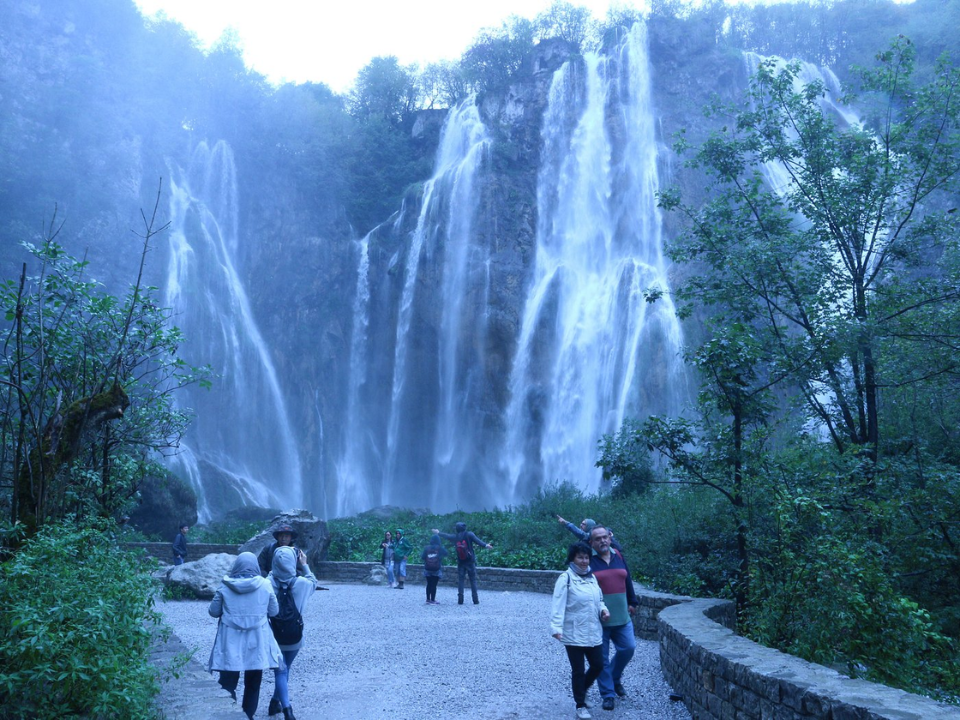
Veliki Slap at Plitvice Lakes National Park in Croatia is a beautiful March pick for travelers who want waterfall views mixed with boardwalk walks and pale spring light. The Great Waterfall is the highest waterfall in both Plitvice and Croatia, and it is a sight you can fully enjoy in spring. Routes from Entrance 1 or Entrance 2 lead through the Lower Lakes to viewpoints, bridges, and waterfall sections, which makes planning the day fairly easy.
March can feel quiet and cool here, and that suits the setting well. Instead of one single lookout, you get water at different heights and angles all through the visit. The whole place feels less like one waterfall stop and more like a long scenic sequence. For travelers who want their March trip to mix gentle walking with nonstop water views, Veliki Slap is a very strong choice.
Seljalandsfoss near Hvolsvollur, South Iceland
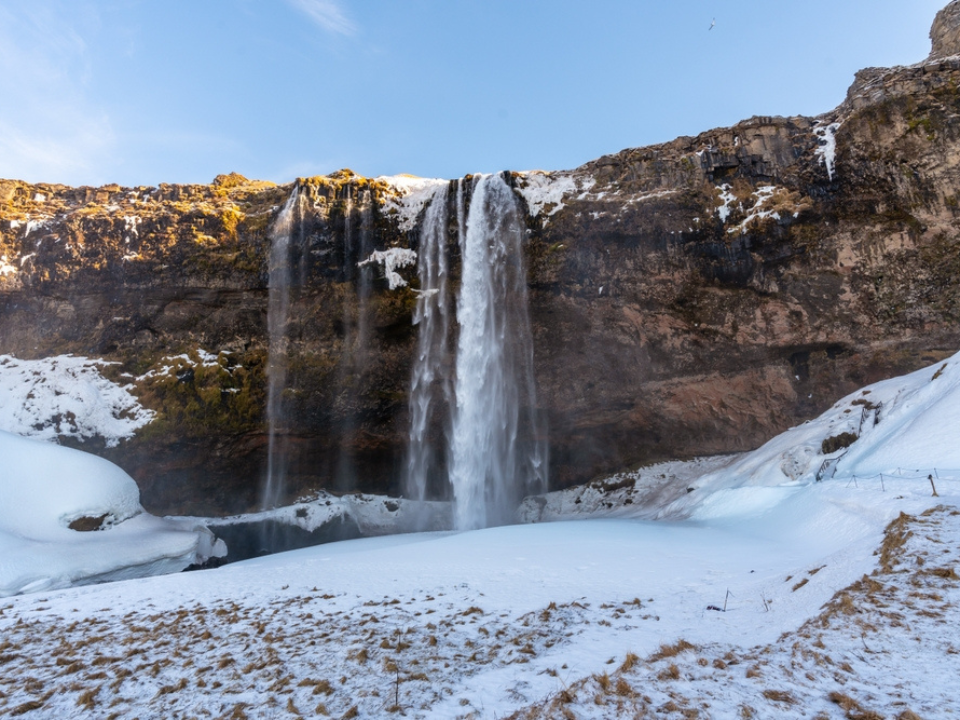
Seljalandsfoss near Hvolsvollur on Iceland’s South Coast is one of the easiest March waterfall trips to picture because the stop is right off the Ring Road and the waterfall itself is unusually interactive. The Seljalandsfoss is about 60 meters high and has a footpath behind the falls at the base of the cliff. That path changes the whole feel of the stop, since you are not just looking at the water from in front of it.
You feel the mist, hear the drop from multiple angles, and get a sense of the cliff wall at the same time. It works especially well on a March road trip because it does not ask for a major hike or a complex plan. You just need waterproof layers and a little patience with weather. For travelers who want a waterfall stop that feels iconic and easy to fit into a longer Iceland route, Seljalandsfoss is a very good match.
Whitewater Falls in Nantahala National Forest, North Carolina
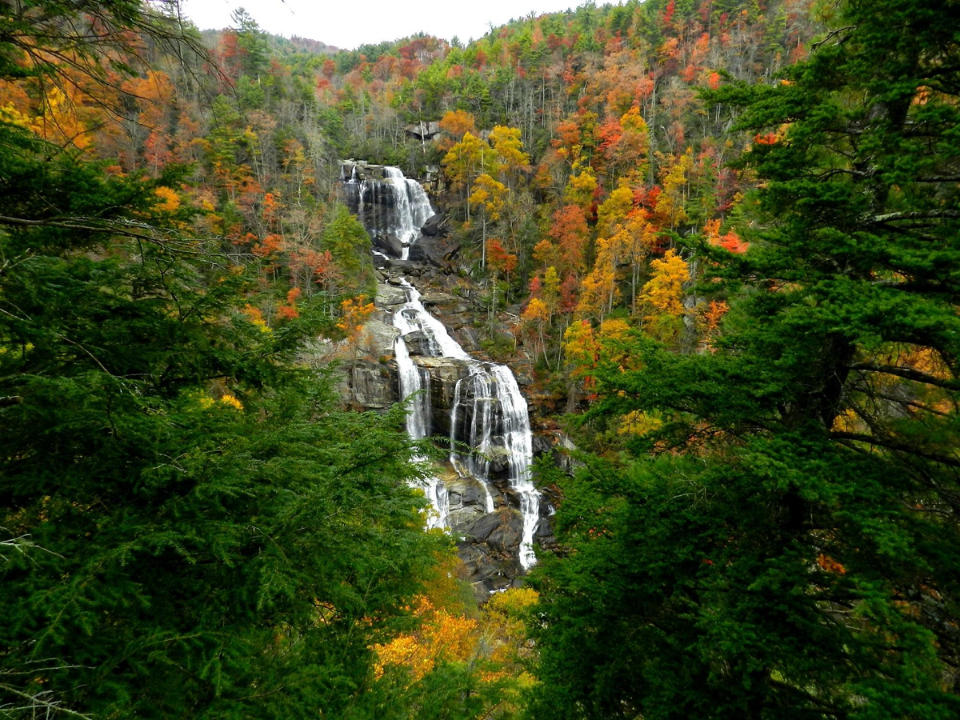
Whitewater Falls near the North Carolina and South Carolina line is a very good March pick for anyone who likes mountain water with a wilder feel. The Upper Whitewater Falls has a 411-foot plunge, making it the highest waterfall east of the Rockies. That alone gives the stop real weight, but the setting does a lot too. The overlook offers a wide view of the full drop, while the trail down toward the river gives a closer look for people who want more than a quick stop.
March works nicely here because the air is cool, the woods are still open, and the waterfall gets to stay the star of the whole scene. This trip feels a little more tucked away than the larger tourist stops on the list. For a March outing with mountain scale and a quieter setting, Whitewater Falls is a strong call.
High Force in Forest in Teesdale, County Durham
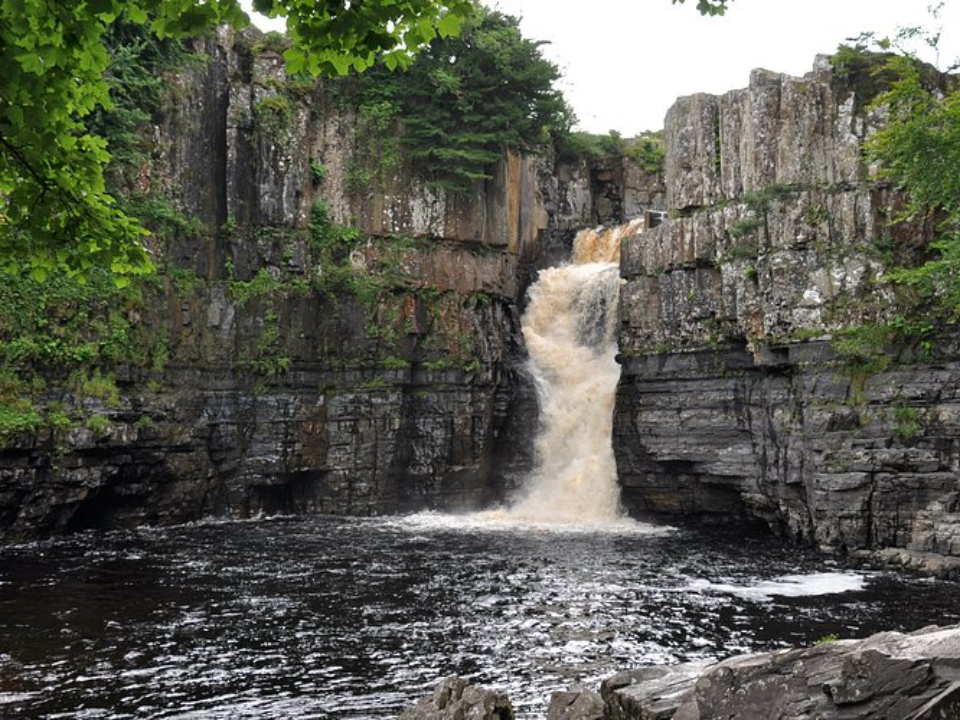
High Force in County Durham is a good March choice for travelers who want a British waterfall to stop with real river power and an easy walking setup. The falls drop 21 meters and rank among the biggest waterfalls in the UK. The route from the estate side is short enough for a relaxed outing, and there is also an accessible option for a waterfall view.
A cool March Day suits this place well because the woods, rock walls, and churning River Tees all feel sharper in that weather. This is less about tropical green or towering height and more about the weight and speed of the river itself. It works well for a short countryside break, especially if you like older stone villages and moorland drives around the visit. If your March trip leans cool, gray, and full of river noise, High Force is a very solid pick.
Skogafoss in Skógar, South Iceland
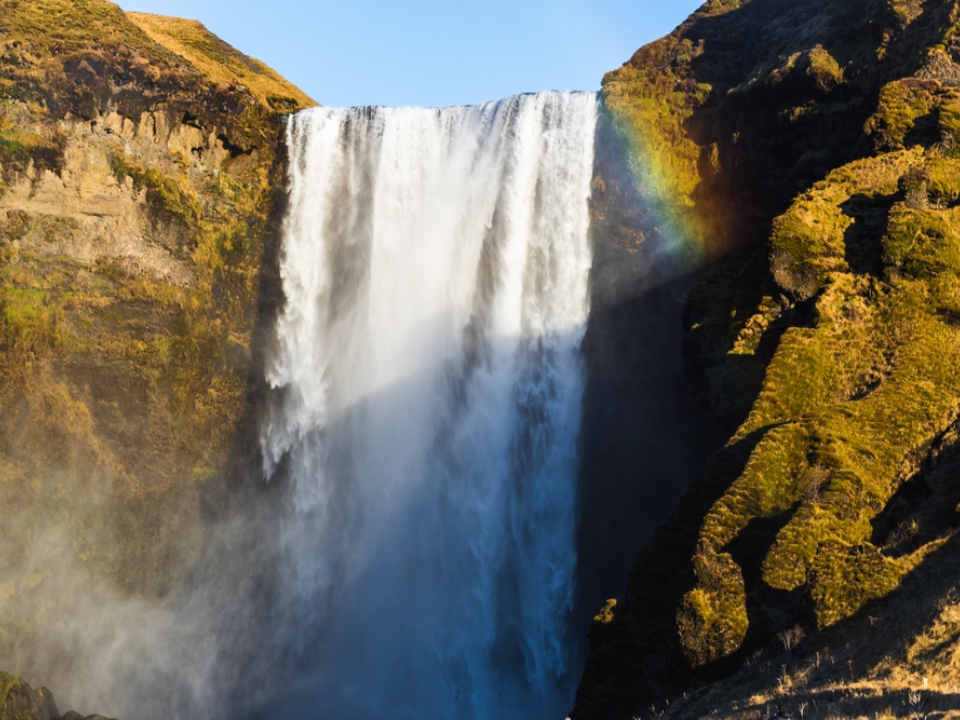
Skogafoss in the village of Skógar is one of the easiest March waterfalls stop to picture because it sits right along Iceland’s South Coast route and feels huge the moment you step out of the car. The waterfall is 60 meters high, and it’s among the largest waterfalls in the country with a broad curtain of water. The spray is strong enough that rainbows are common when the light cooperates, which adds a lot to the stop without any extra work from you.
March suits this place because the weather still feels raw, the cliffs still look stark, and the waterfall itself already has serious force. You do not need a long trail to feel like you have seen something major. It works well as a main destination or as one piece of a bigger road trip between Reykjavík and Vík. If your ideal March stop is cold, loud, and very easy to reach, Skogafoss belongs on your route.
Barron Falls in Barron Gorge National Park, Queensland
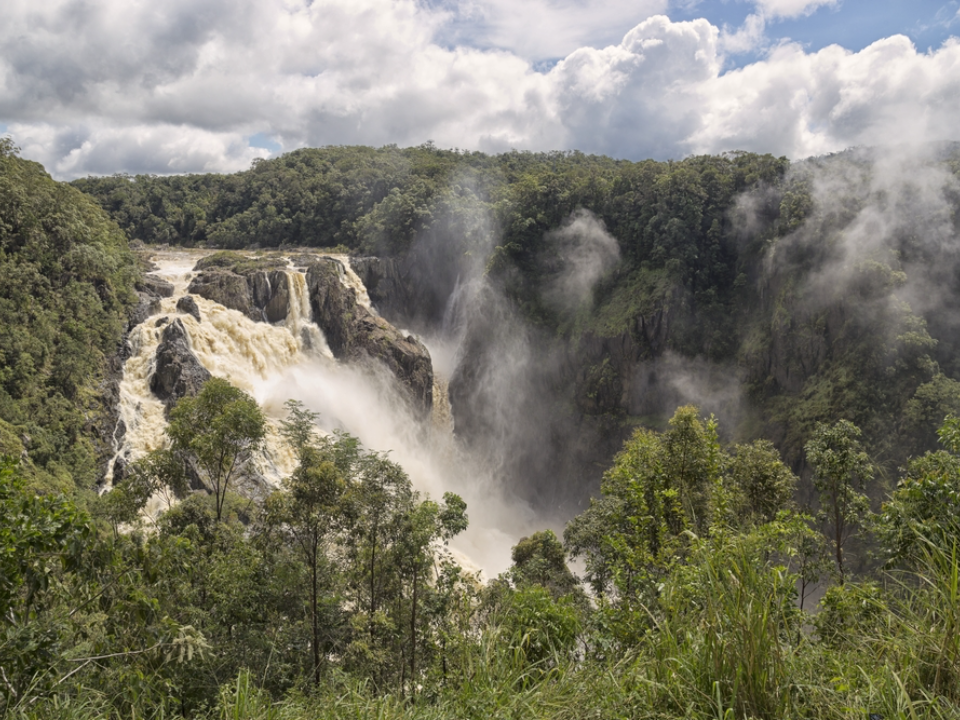
Barron Falls near Kuranda is one of the best warm weather answers for a March waterfall trip. Summer and autumn rainfall keeps the rainforest green and the waterfalls full, and the falls are at their strongest after heavy summer or autumn downpours. That lines up well with March in this part of Australia.
The Din Din Barron Falls lookout track is an elevated walkway through rainforest, and the regional tourism page notes that it is wheelchair accessible. So, you get the feeling of deep tropical forest and big water without taking on a hard hike. The gorge itself adds a lot to the stop, since the cliffs and mist make the waterfall feel larger than one single drop. For a March trip where wet season energy is still hanging in the air, Barron Falls makes a lot of sense.
This article originally appeared on Avocadu.