
12 Makeup Brush Cleaners And Sponge Soaps That Keep Tools Fresh
Clean brushes and sponges make makeup look better and help your tools last longer. This list covers brush cleaners and sponge soaps that cut through buildup fast and rinse out clean. If you wash your tools once or twice a week, you will notice a big difference.
This post may contain affiliate links, which helps keep this content free. Please read our disclosure for more info.
Cinema Secrets Makeup Brush Cleaner
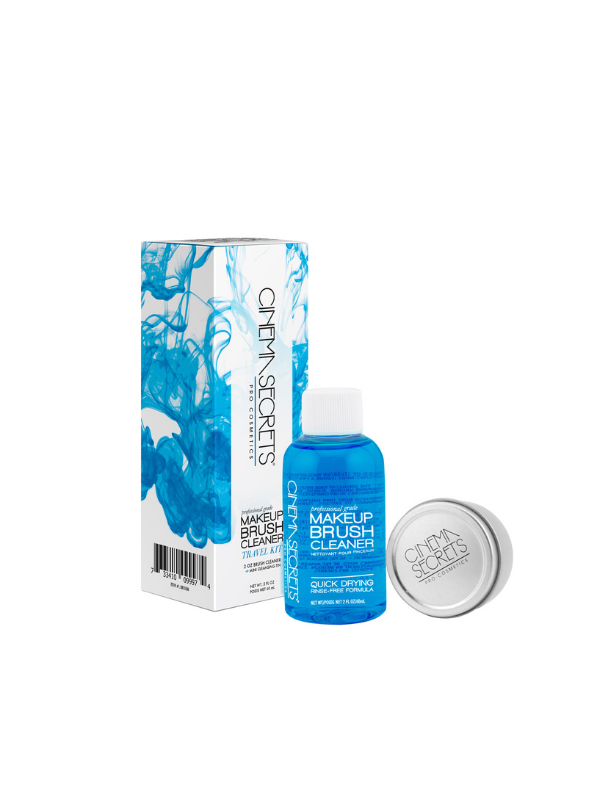
This liquid cleaner is popular for quick brush refreshes when you do not have time for a full wash. You dip the brush tips briefly, then wipe on a paper towel until the color stops transferring. It works especially well on dense face brushes that hold onto foundation and cream blush. The smell is strong, so opening a window makes the whole process nicer.
Because it is alcohol-based, it is best for spot cleaning and not for soaking brushes overnight. Natural hair brushes can feel a little dry if you use it every day, so a gentle soap wash now and then keeps them feeling soft. If your brush has a glued ferrule, keep liquid away from the metal seam to avoid loosening over time. Let brushes air-dry flat before you put them back in a cup.
Beautyblender Blendercleanser Solid
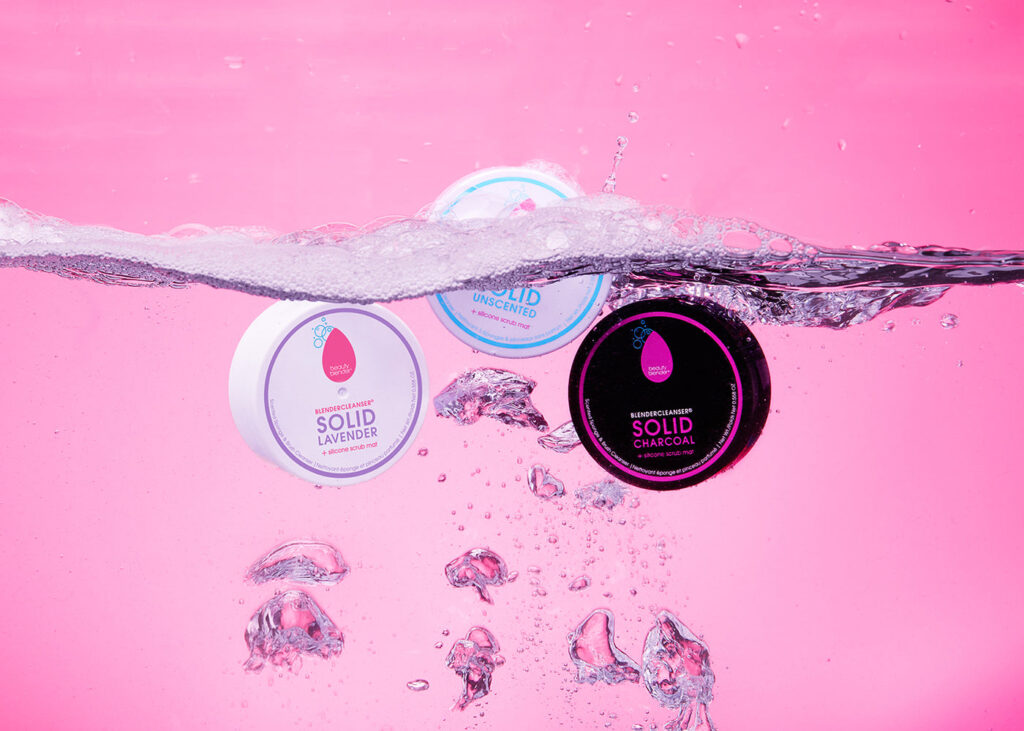
This solid soap is easy to use and travels well since it is not messy in a bag. Wet your sponge or brush, swirl it on the bar, then squeeze and rinse until the water runs clear. It makes a rich lather that lifts tinted base products and sunscreen. The bar lasts a long time if you keep it dry between washes.
For sponges, a few short wash cycles work better than one long scrub session. If you have stubborn stains, let the sponge sit with suds on it for a few minutes before rinsing again. Keep the soap in a vented dish so it does not get soft and mushy. A quick towel squeeze pulls out extra water so your sponge dries faster.
Beautyblender Blendercleanser Liquid
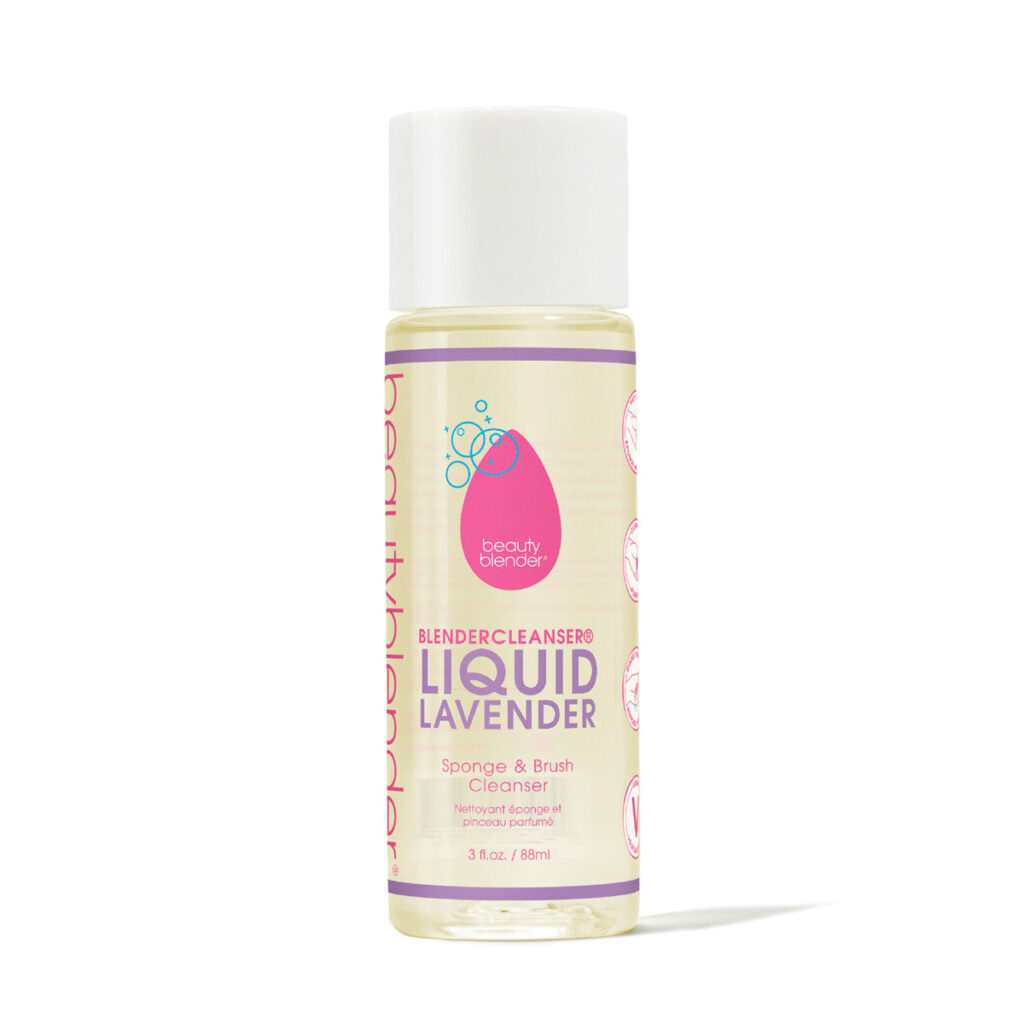
This liquid version is handy when you want to measure a small amount into a bowl or your palm. It spreads quickly through bristles and sponge pores, so you do not need a lot. The texture feels gentle, which is nice for frequent washing. It rinses clean without leaving a slick film behind.
If you clean multiple tools at once, add a few drops to warm water and swish brushes around before your main wash. Sponges can drink up cleanser, so start small and add more only if needed. Rinse longer than you think you should, since leftover soap can make makeup apply patchy. Set everything on a clean towel with space around each tool to dry.
Sigma Beauty SigMagic Brushampoo Solid Cleanser
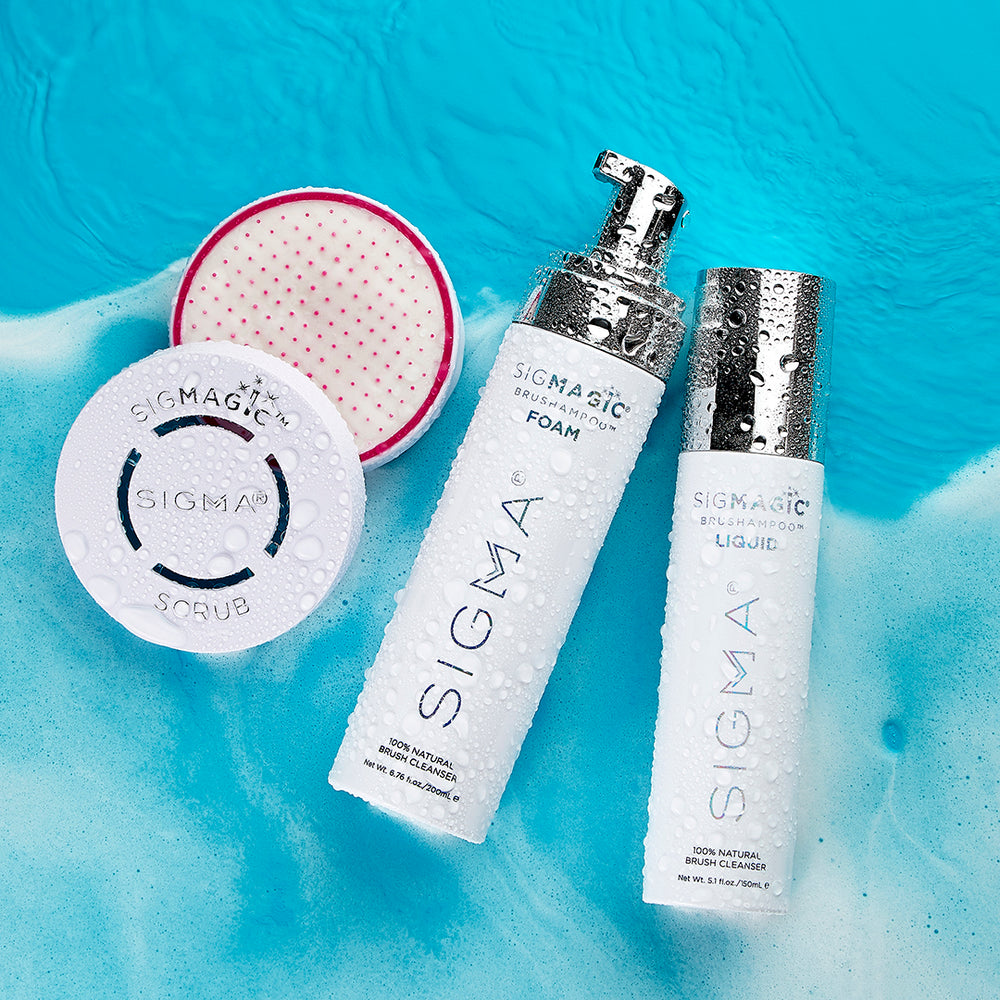
This solid cleanser is made for brush washing, so it works well on both synthetics and natural hair. You wet the brush, rub it on the soap, then work the lather through with gentle strokes. It breaks up oily buildup from concealer and cream bronzer without a lot of pressure. The scent is light and not distracting.
The best way to use it is to keep your motions smooth, like you are painting on a flat surface. If you mash the bristles straight down, brushes can splay over time, especially fluffy ones. Rinse with the brush pointing downward so water does not run into the handle. After rinsing, reshape the brush head with your fingers and lay it flat to dry.
Sigma Beauty Brushampoo Liquid
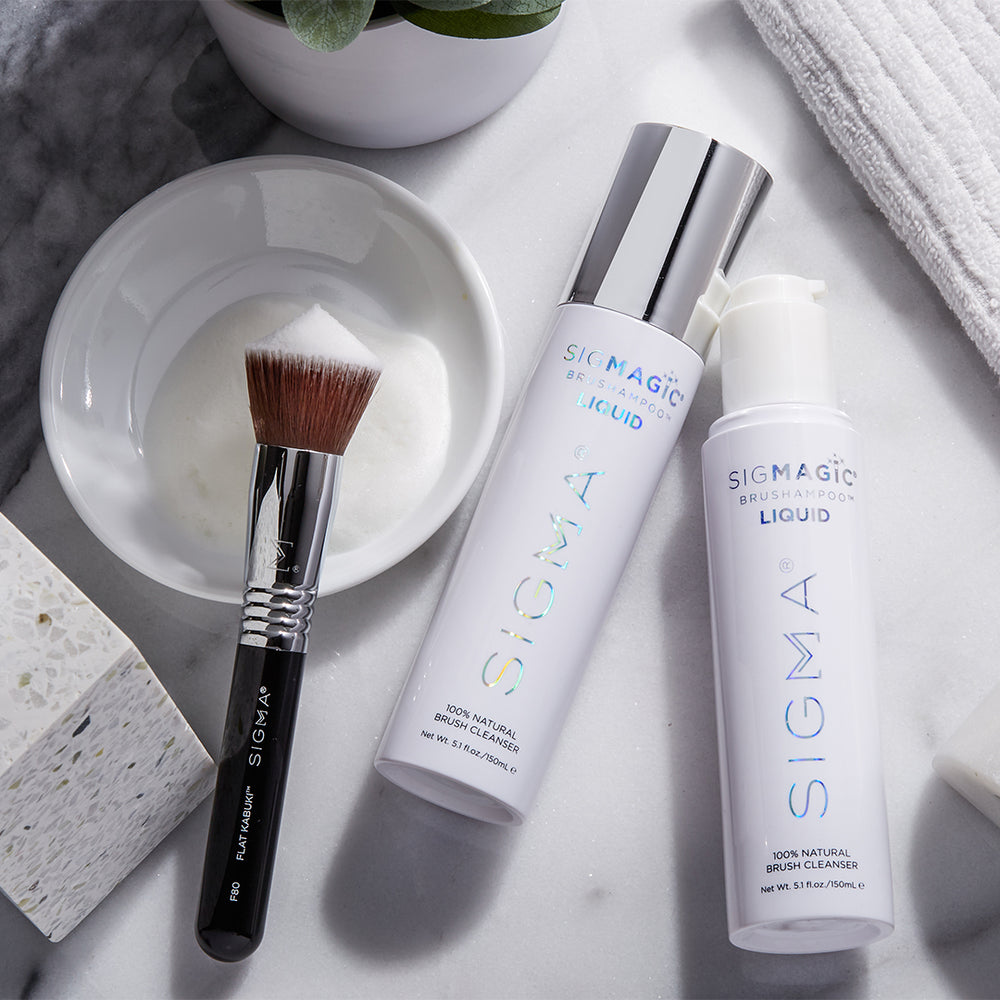
This liquid cleanser is a good choice when you want something quick that still feels like a real wash. It foams up easily, so it is simple to spread through big powder brushes. The cleanser cuts through product rings near the base of the bristles with a little massaging. It rinses out clean, which keeps brushes from feeling stiff.
If you are washing a full set, line your brushes up by size so you can move through them without forgetting any. Use lukewarm water, since very hot water can weaken brush glue. For stubborn pigment, do two shorter washes instead of scrubbing hard in one go. When you finish, gently squeeze the bristles in a towel to remove water, then let them dry overnight.
Dr. Bronner’s Pure-Castile Liquid Soap
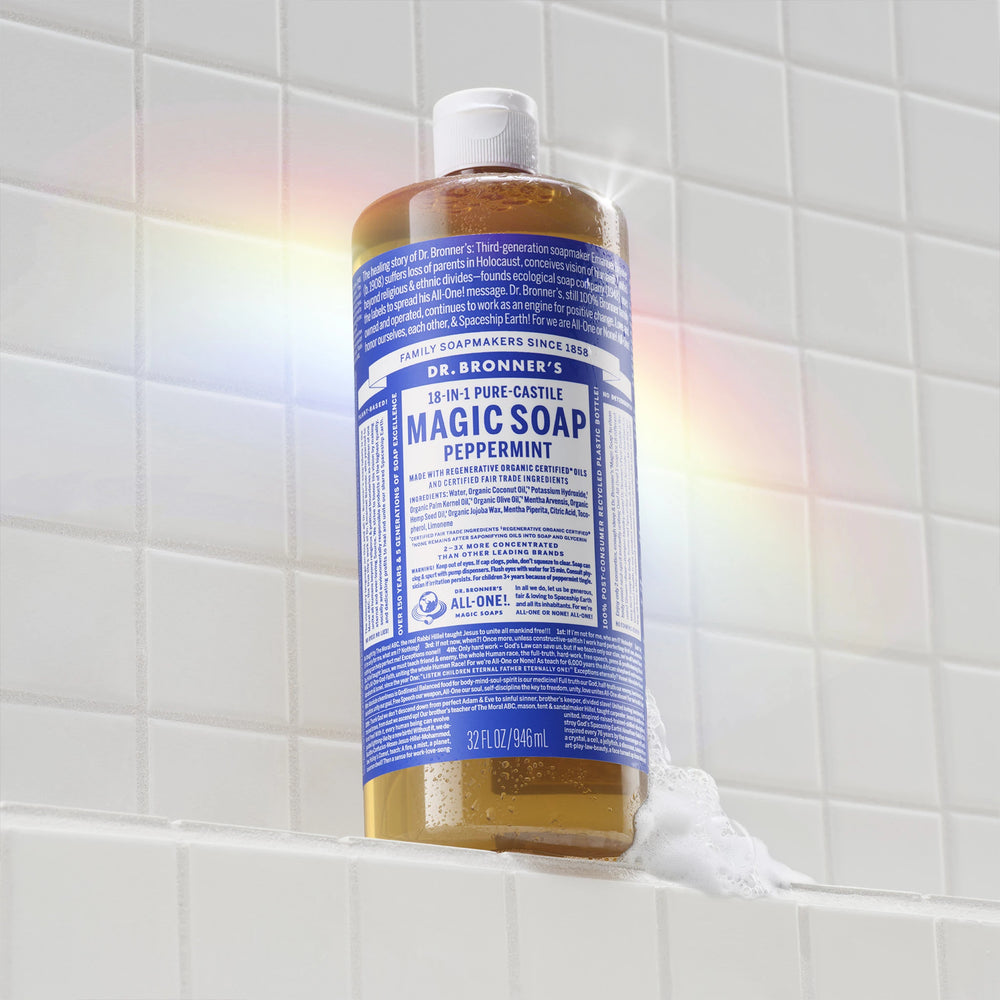
This soap is a multipurpose option that many people already have at home. It is strong, so a few drops is usually enough for a full brush wash. It works well on synthetic brushes that handle thicker soaps without feeling rough. The soap rinses away clean when you use enough water.
Because it is concentrated, too much can leave brushes feeling squeaky and dry. Mix a small amount with water in a cup first, then dip brushes into the diluted mix. Sponges can hold onto the soap, so rinse extra well and squeeze repeatedly until there are no bubbles. If you use the peppermint version, keep it away from your eyes because it can sting.
Zote Laundry Soap Bar
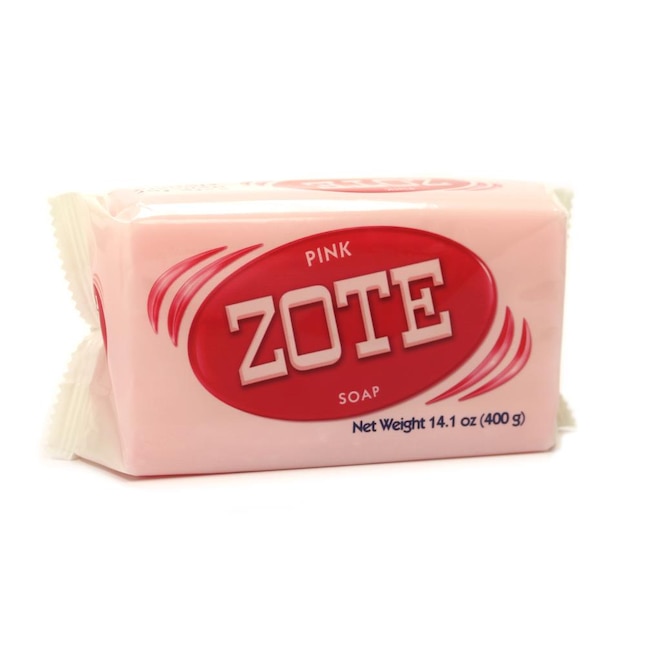
This classic bar is a budget pick that can remove heavy base makeup fast. Wet the brush or sponge, rub it on the bar, then work the suds through with your hands. It is especially good for tools used with long-wear foundation and full-coverage concealer. The bar is large, so it lasts a long time.
The scent can be strong, so rinsing thoroughly matters. If you have sensitive skin, rinse and rinse again so no residue stays in the sponge. For brushes, keep the lather on the bristles only and avoid soaking the handle area. Store the bar somewhere dry, since it can soften if it sits in water.
The Masters Brush Cleaner and Preserver
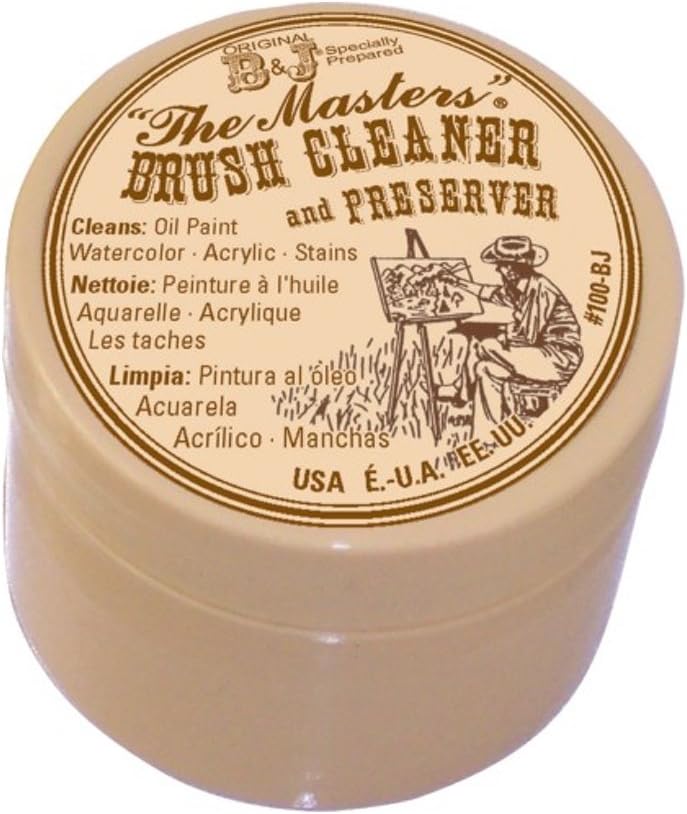
This soap is often used for artist brushes, and it is great for makeup brushes too. It creates a creamy lather that lifts pigment and oils without needing harsh scrubbing. Many people like it for natural hair brushes because it leaves them feeling conditioned. The small tub is easy to store near a sink.
To use it, wet the brush, swirl gently on the soap, then rinse and repeat until the foam stays white. After rinsing, you can smooth the bristles into shape with a light pinch. If a brush has become scratchy, regular gentle washing with this can make it feel softer over time. Let brushes dry flat, and keep them out of direct sun while drying.
Da Vinci Brush Soap
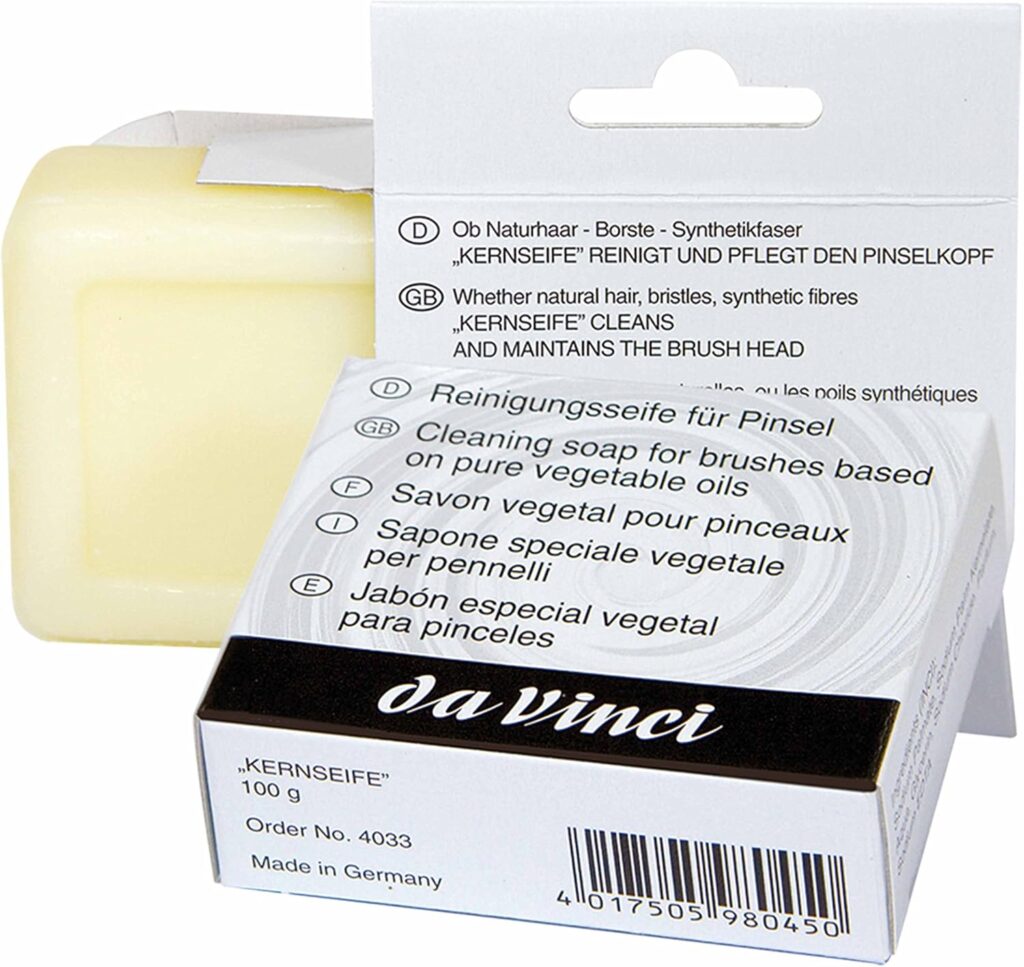
This soap is designed with brush care in mind, so it is a solid choice for higher-end brushes. The lather feels mild, but it still removes oily residue from cream products. It is especially nice for soft natural hair brushes that you want to treat gently. It rinses clean without leaving a perfume-heavy smell.
Work the cleanser through the brush head with small circular motions in your palm. Rinse with the brush pointing down, and keep water away from the ferrule seam. If you wash often, you will usually only need one round, but deeper makeup days might take two. Afterward, reshape and let the brush dry completely before storing it upright.
Parian Spirit Brush Cleaner
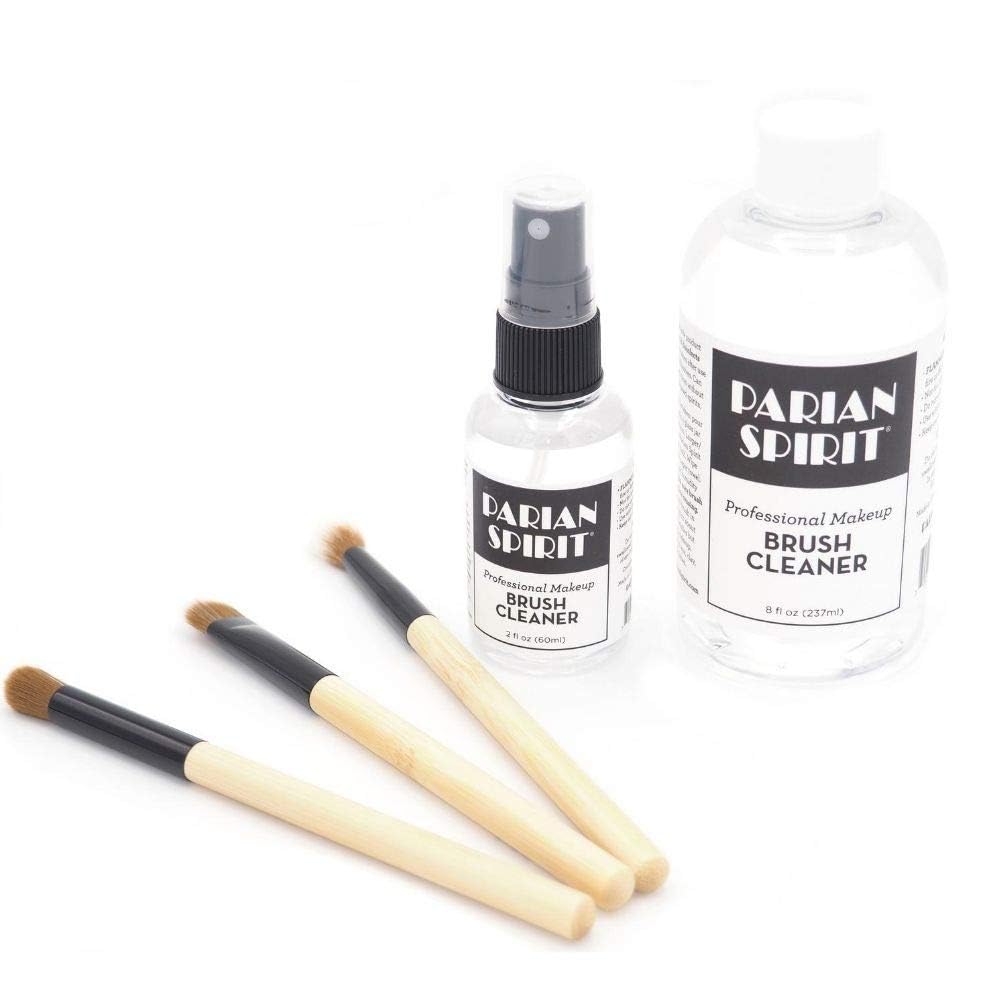
This cleaner is often used for natural hair brushes because it breaks down makeup quickly. It is useful when you want brushes dry and ready sooner, since it evaporates faster than soap and water. A quick dip and wipe can remove powder shadows and blush in seconds. The scent is noticeable, so ventilation makes a difference.
It is best for quick cleanups rather than deep cleaning a week of foundation buildup. If you have very sensitive skin, do a full rinse wash sometimes so no cleaner remains in the bristles. Avoid soaking the brush head for long periods, since repeated exposure can dry bristles out. Let brushes sit flat for a bit after wiping so any remaining moisture can air out.
Daiso Puff and Sponge Cleaner
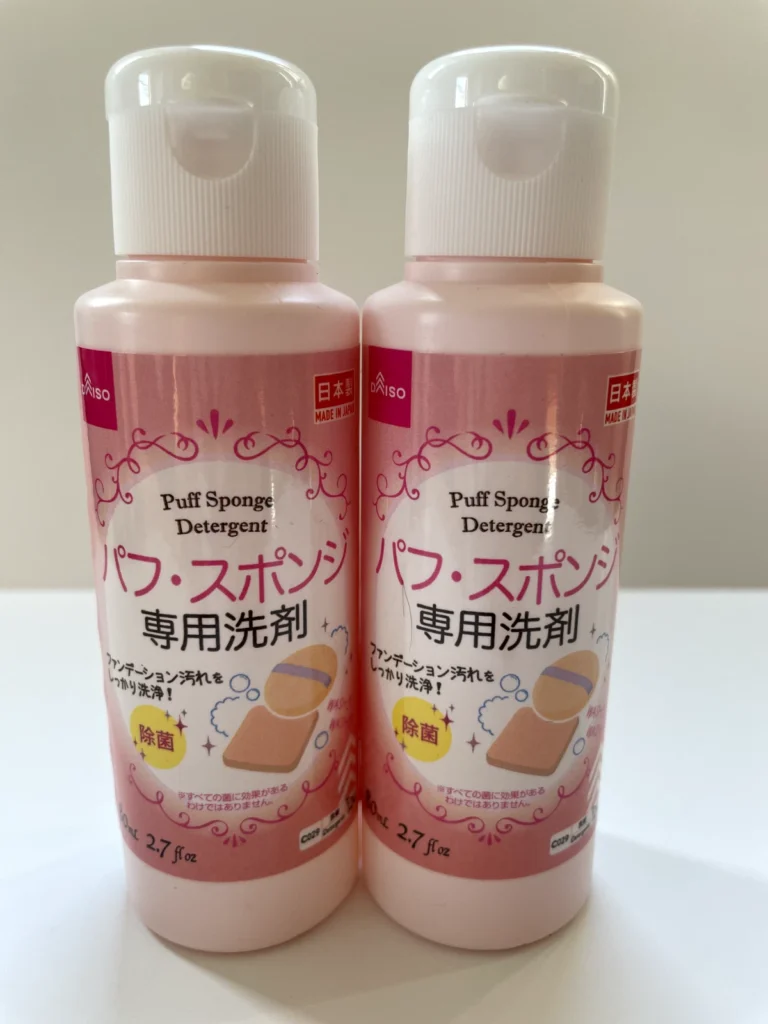
This cleanser is made for cosmetic sponges, and it does a good job on cushion puffs and makeup wedges too. You apply a small amount, add water, then squeeze until the foam pulls out the old makeup. It is satisfying to watch the water change color as product releases. The bottle is small and easy to stash in a drawer.
For stained sponges, massage the cleanser into the dirtiest spots first, then do a full rinse cycle. If the sponge still looks tinted but the water runs clear, it is usually clean enough for use. Rinse slowly and keep squeezing, since quick rinsing can trap soap inside. Set sponges in a place with airflow so they dry fully before the next use.
e.l.f. Brush Shampoo
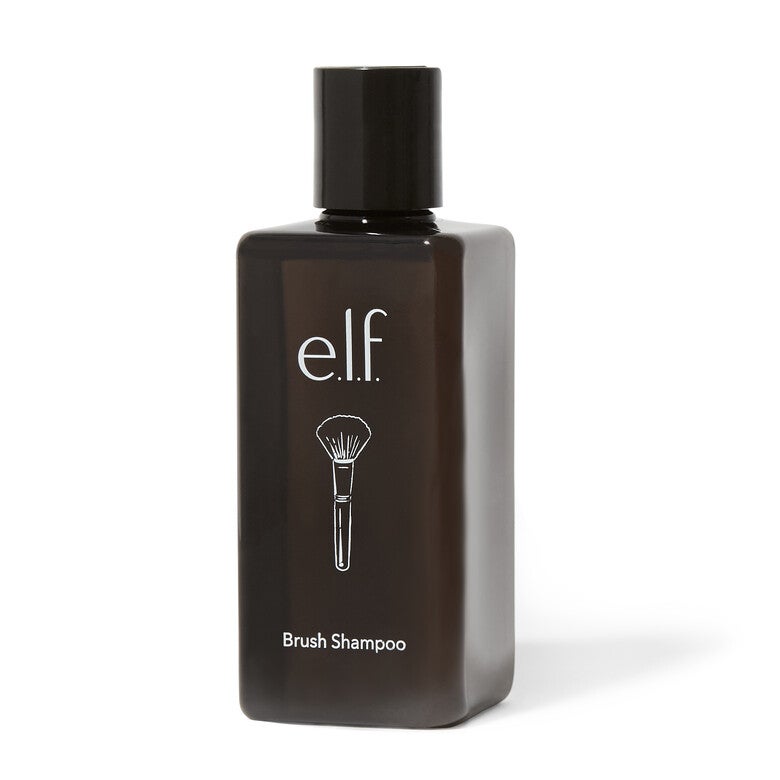
This is an easy, no-fuss shampoo that works well for regular brush washing. The formula lathers quickly and rinses away without much effort. It is a good option for both eye brushes and larger face brushes, especially if you clean them often. The scent is mild and does not linger on tools.
Use a small amount and add water gradually so you can control the suds. If you wash eye brushes, pay extra attention to rinsing since leftover soap can irritate eyes. For dense brushes, work cleanser into the center of the brush head with your fingers, then rinse until the water stays clear. Lay brushes flat on a towel with the heads hanging slightly off the edge so air can circulate.
This article originally appeared on Avocadu.