
10 Magazine Covers With Risky Designs That Time Proved Right
Some magazine covers dared to challenge conventional design, making bold moves that raised questions. Initially, their riskiness may have seemed questionable, but history tells a different story. These covers have proven to be ahead of their time, standing strong in their creativity.
This post may contain affiliate links, which helps keep this content free. Please read our disclosure for more info.
TIME Magazine – Is God Dead?
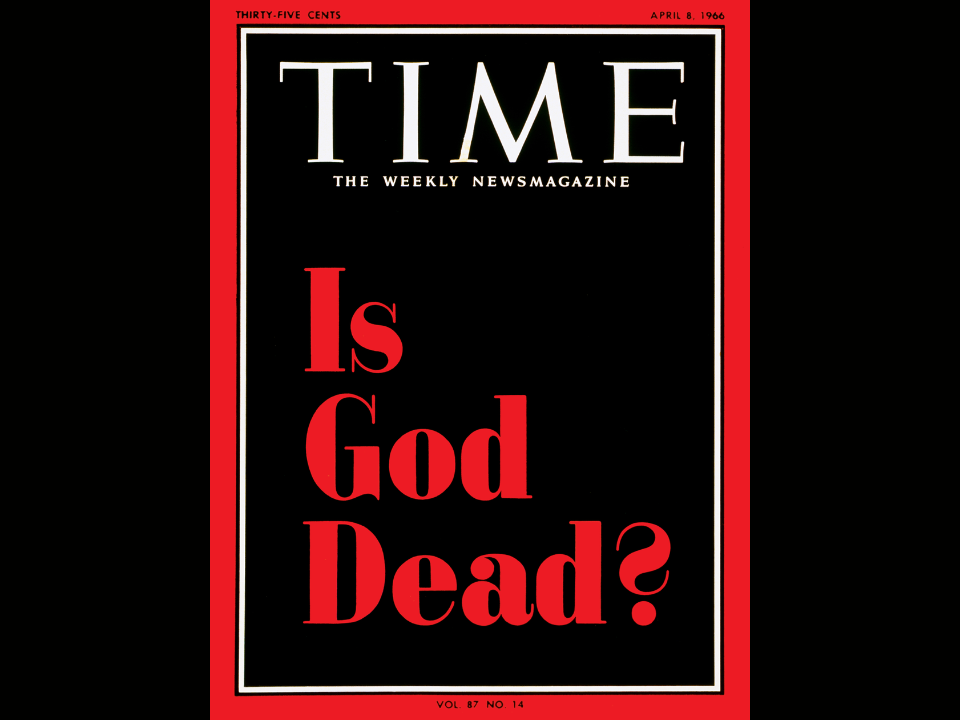
In 1966, TIME magazine released an iconic cover that boldly asked, Is God Dead?. This cover was released during a period of social upheaval, with Time pushing the boundaries of its traditional format. The design showed a stark, simple black background with white text and an image of a cross, which many viewed as controversial for its time. This cover sparked intense conversation about religion and society and is now considered a powerful statement in TIME‘s history.
Today, this cover holds significant historical value, with prices for original issues ranging from $50 to $150 depending on condition. The daring concept was met with mixed reactions initially, but as time passed, it became a defining example of how magazines can drive cultural discussions. Its value today reflects both its historical significance and the bold risk TIME took in challenging societal norms.
Vanity Fair – Caitlyn Jenner
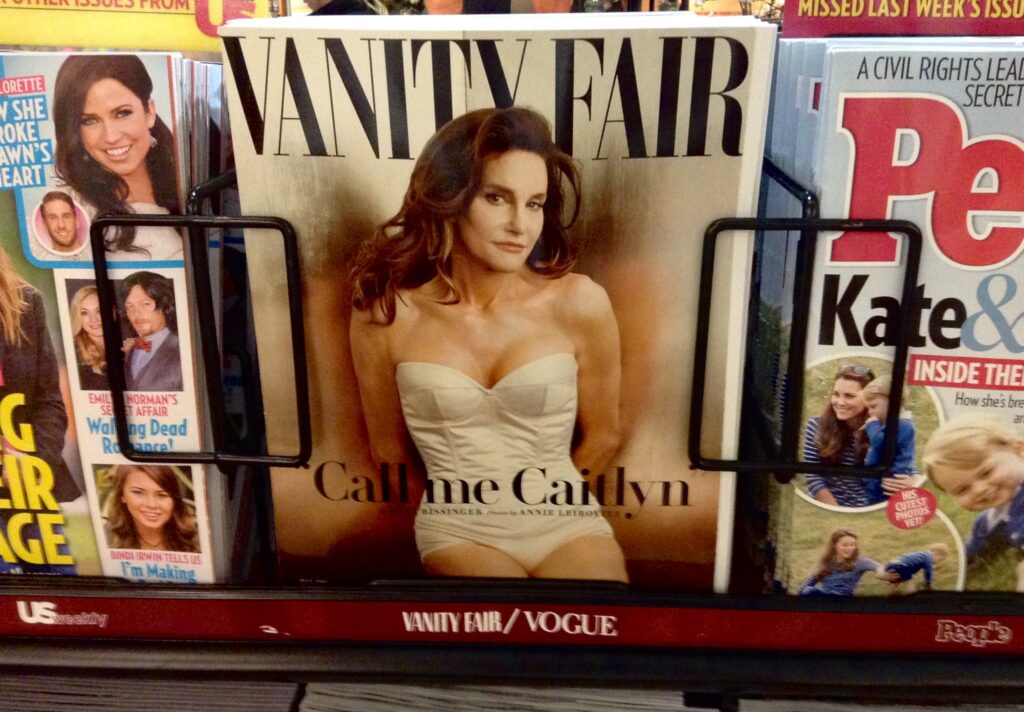
In 2015, Vanity Fair released a groundbreaking cover featuring Caitlyn Jenner, marking her transition from Bruce Jenner to Caitlyn. The cover featured a stunning photograph by Annie Leibovitz, showing Jenner in a corset, embodying her transformation. The image was bold not only in its design but also in its message, as it was one of the first mainstream publications to address transgender identity so openly. The cover immediately sparked both praise and criticism, with many calling it a courageous step forward for transgender visibility.
Today, the cover is considered a historic moment in LGBT representation, with original issues selling for upwards of $100. The risky design challenged traditional notions of gender and celebrity, making it a defining piece in Vanity Fair ‘s legacy. It continues to resonate in discussions about gender identity and media representation, cementing its place in magazine history.
National Geographic – Afghan Girl

The famous National Geographic cover of 1985 featured a haunting portrait of Sharbat Gula, an Afghan refugee, with striking green eyes. The image, captured by photographer Steve McCurry, became one of the most recognized magazine covers in history. Its risky design involved using a powerful, close-up photograph of a young girl who had faced unimaginable hardship, without much background context. The cover raised awareness about the plight of refugees but also highlighted the raw human emotion behind global crises.
This cover is now widely considered one of the most iconic magazine images ever. Prices for original issues with this cover can reach up to $300 due to its historical significance. The image of Gula’s piercing eyes has become synonymous with the impact of photography in bringing attention to human rights and global issues, further solidifying its place in National Geographic‘s legacy.
Vogue – The Supermodel Issue
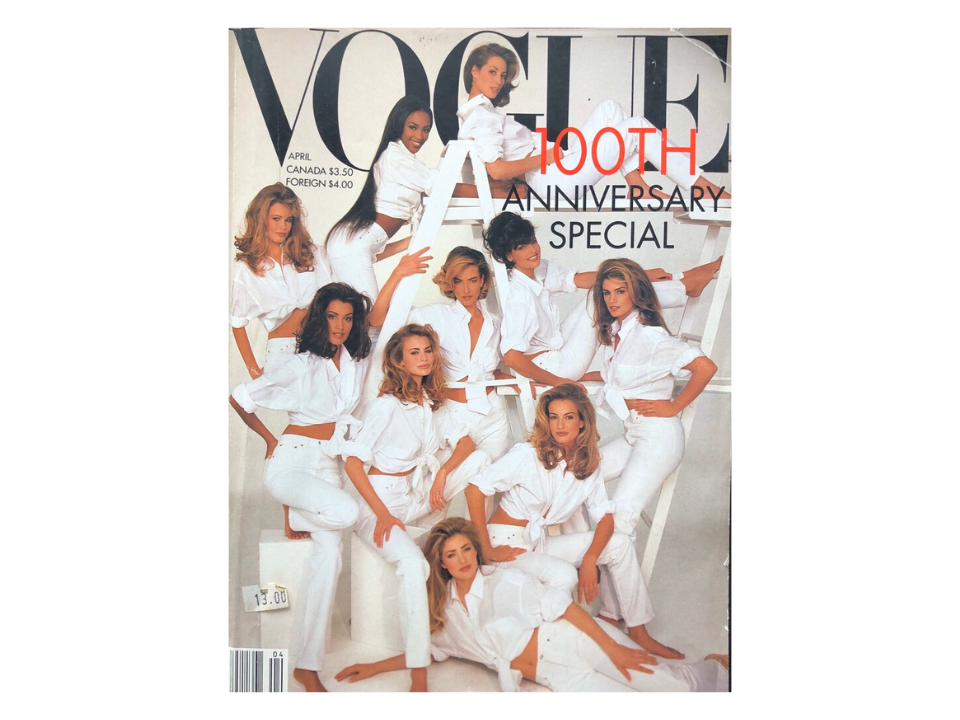
In 1992, Vogue magazine released a daring cover featuring a group of the world’s top supermodels, including Naomi Campbell, Cindy Crawford, and Christy Turlington. The cover broke with tradition by featuring multiple women instead of focusing on one star. The design was risky because it represented a shift towards group representation and away from the lone model on magazine covers. The edition was a game-changer for Vogue, as it celebrated the diversity and power of the supermodel era.
This cover is considered a defining moment in fashion publishing, with current prices for original issues ranging from $50 to $100. It captured the essence of the 1990s fashion industry, symbolizing empowerment and the collaborative spirit of top models. Over time, it has become a nostalgic reflection of one of the most influential fashion eras, further solidifying its value in collectors’ circles.
Esquire – Muhammad Ali
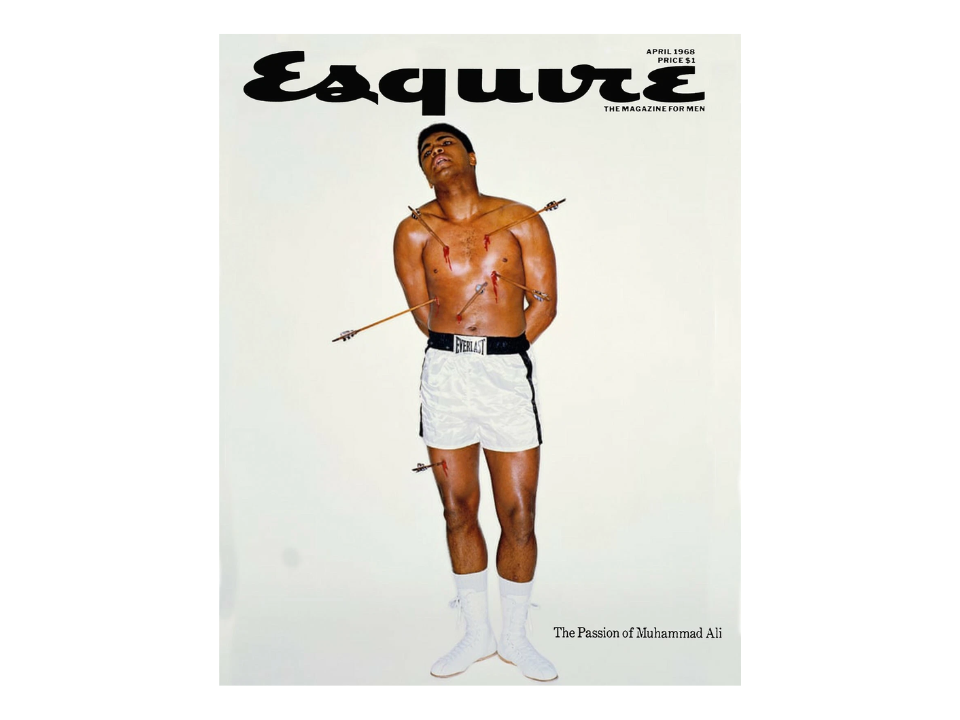
In 1968, Esquire magazine released a controversial cover featuring Muhammad Ali, showcasing his brash persona and his famous Louisville Lip phrase. The image captured Ali in a confrontational pose, with his defiant expression challenging societal norms of the time. His outspoken nature and resistance to the Vietnam War made the cover a bold statement that many found provocative. At the time, the cover sparked heated debate about race, politics, and the role of athletes in activism.
Today, this issue is valued for its portrayal of Ali as not only a sports icon but also a cultural and political figure. The estimated value for original issues can range from $75 to $200, depending on condition. The cover stands as a powerful example of how sports media intersected with social movements, with Ali’s image continuing to inspire generations of activists and athletes alike.
TIME – The Death of Princess Diana
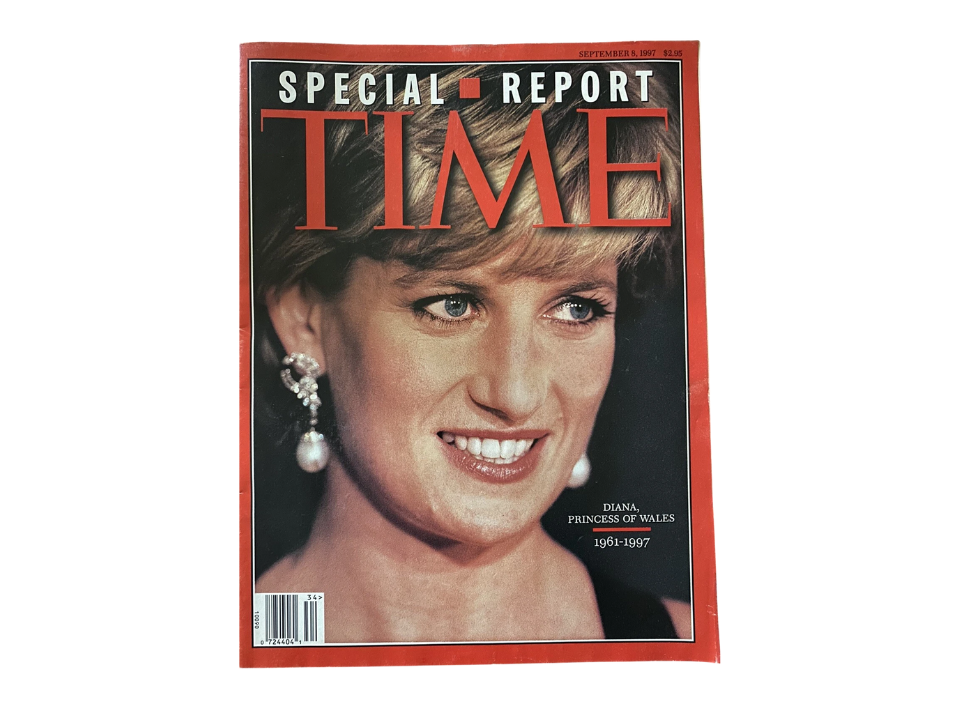
When Princess Diana tragically passed away in 1997, TIME magazine released a cover that captured the grief of the moment with a simple yet powerful image of Diana. The cover, which depicted her face with a somber expression, was a departure from traditional royal depictions. The risky design involved addressing the emotional impact of her death in a straightforward, raw manner, without relying on royal pomp or tradition. It was a poignant reflection of Diana’s lasting connection with the public.
This cover is now regarded as one of TIME‘s most memorable and significant issues. Its value today can range from $50 to $100 for an original copy. The cover’s design broke away from convention, reflecting how Diana’s death impacted not only Britain but the entire world, making it a key historical document in modern media.
Life Magazine – The First Moon Landing
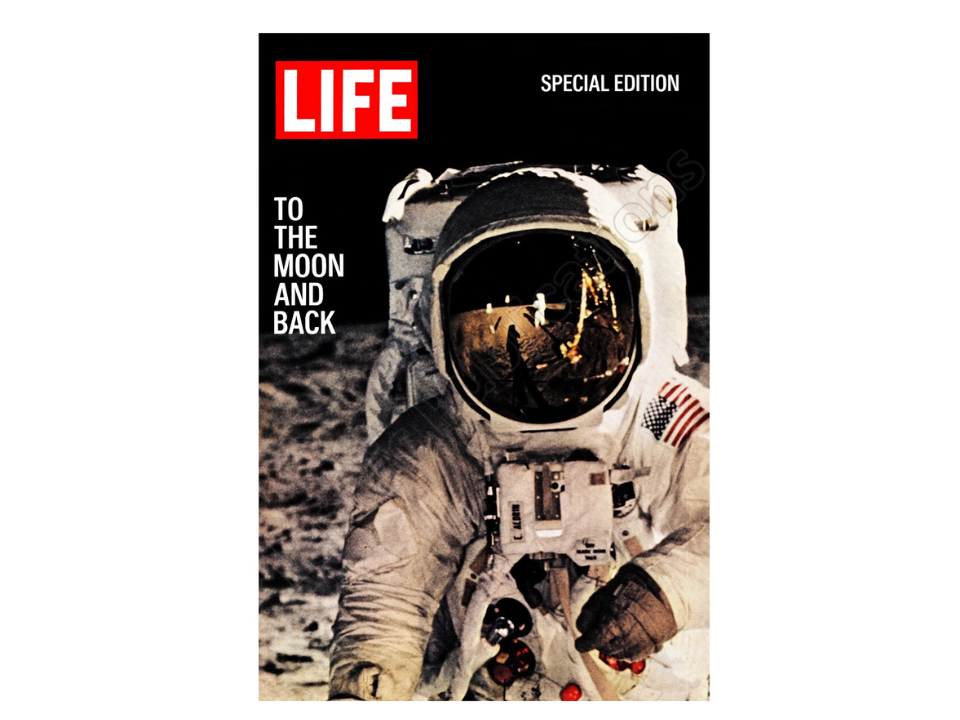
When Life Magazine published its iconic cover on the first moon landing in 1969, it featured a stunning photo of Neil Armstrong’s boot making contact with the lunar surface. This historic moment was captured in full color, giving readers a chance to experience the event as if they were on the moon themselves. The design was risky because it was one of the first publications to cover the event so boldly, with such a visual representation of an unprecedented achievement. The cover was part of Life‘s efforts to document the cultural and historical significance of space exploration.
The cover has become a symbol of human achievement, with original issues often valued between $100 to $300 depending on condition. Its historical importance, coupled with the groundbreaking nature of the moon landing, has made it a sought-after collector’s item. As time passes, the value of these original issues continues to rise, as they serve as reminders of one of humanity’s greatest milestones.
Life Magazine – JFK Jr. Salutes His Father
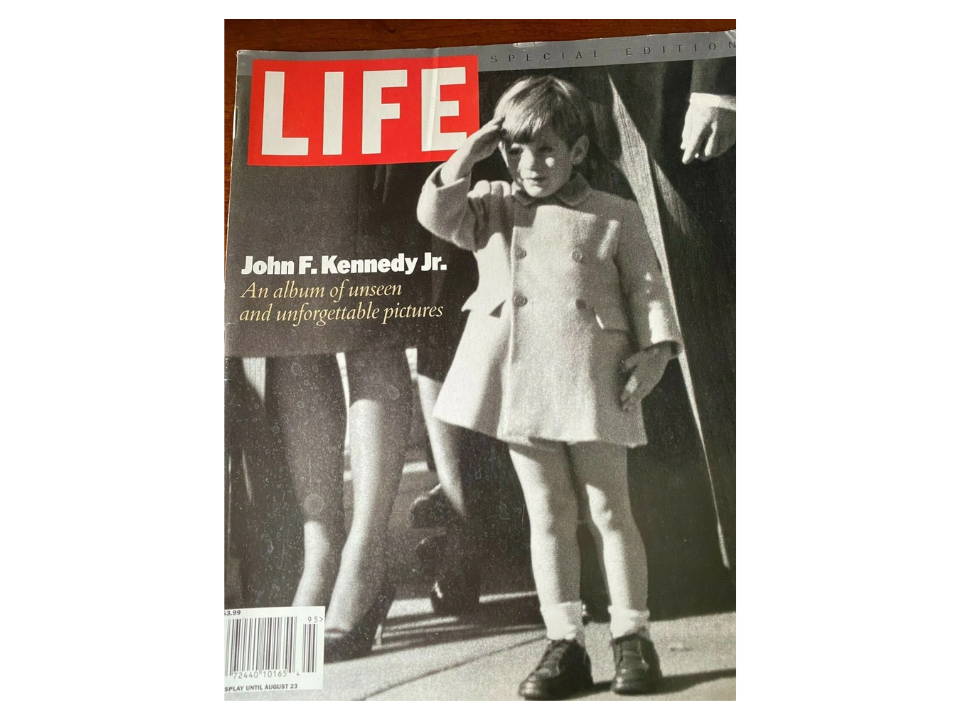
In 1963, Life magazine published a somber and emotional cover featuring John F. Kennedy Jr. saluting his father’s coffin during the state funeral of President John F. Kennedy. This image captured a heartbreaking moment, making it one of the most memorable and emotional covers in magazine history. The design was risky due to its heavy emotional tone and stark portrayal of loss. At the time, many questioned whether such a raw image would be well-received, but it became an enduring symbol of a nation’s grief.
Today, this cover is highly valued by collectors, with original issues typically priced between $100 and $250. The photograph encapsulates a moment in history that was seen as both personal and political, marking it as a crucial piece of American history. Its continued relevance in American culture has made it an essential item for collectors and historians alike.
Time Magazine – Man of the Year The Computer
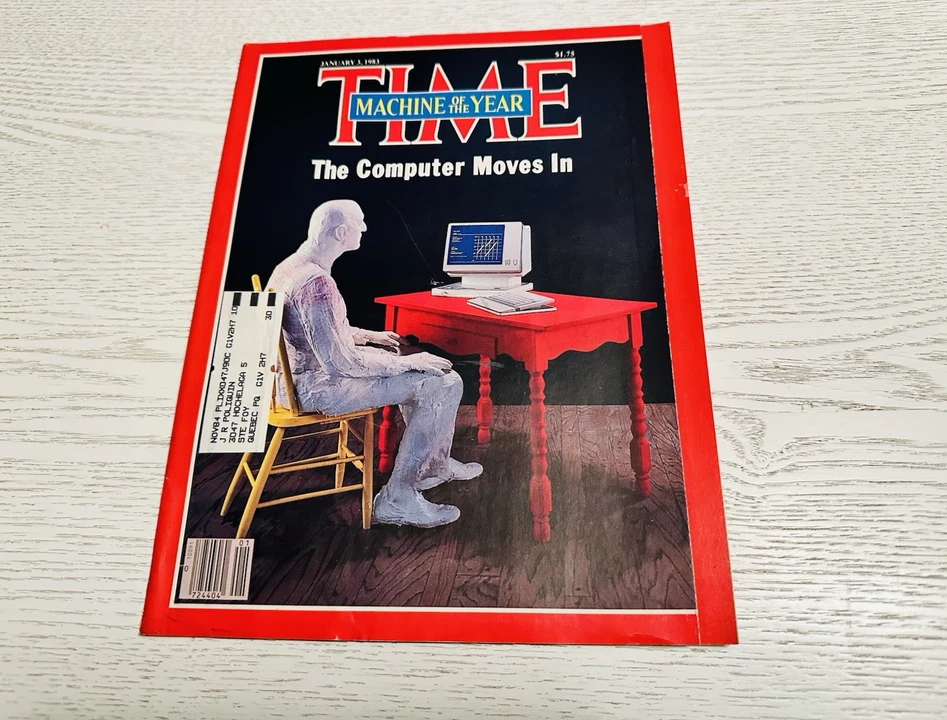
In 1982, Time made a striking choice by naming The Computer as its Man of the Year, featuring an image of a glowing computer with human-like eyes. This cover was seen as unusual because Time traditionally selected people, not machines, for this honor. The design highlighted how technology was becoming central to society, reflecting a shift few publications were ready to show. Today, original copies with this cover can sell for around $20 to $60, with higher values for well-preserved copies.
This issue became significant as computers moved from obscure tools to household names. The cover’s message was clear that technology was shaping culture in powerful ways. At the time, some readers questioned the choice, but the decades that followed confirmed its relevance. The magazine’s willingness to highlight a nonhuman figure was seen as visionary in hindsight.
Vogue – The First Black Model on Vogue
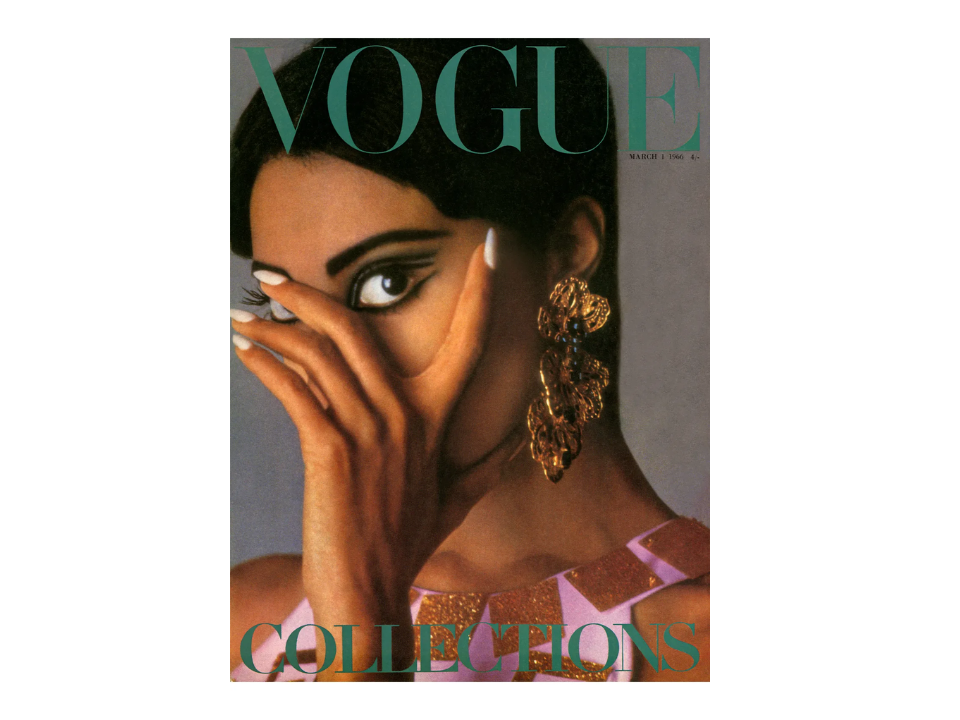
In 1966, Vogue made history by featuring the first Black model, Donyale Luna, on its cover. At the time, the fashion industry was predominantly white, and Vogue took a bold step in showcasing Luna’s groundbreaking beauty. The design featured Luna’s striking features, making a powerful statement about inclusion and diversity. Today, this cover is a valuable collectible, with original issues fetching between $100 to $300.
This cover is celebrated for challenging the fashion norms of the time and becoming a defining moment for racial representation in the industry. As time passed, the cover came to symbolize the gradual shift towards diversity in high fashion. Luna’s image on Vogue continues to hold significance for breaking racial barriers in fashion media. Collectors view it as a historic milestone in the fight for inclusivity in mainstream magazines.
This article originally appeared on Avocadu.