
15 Low Maintenance Plants That Thrive in Winter
While the winter chill affects many plants, there are several that will thrive even in the coldest months. These low-maintenance options require little attention, making them perfect for busy individuals. Whether you are an experienced gardener or just starting, these plants are simple to care for. They will brighten up your space while adding a touch of nature.
This post may contain affiliate links, which helps keep this content free. Please read our disclosure for more info.
Snake Plant (Sansevieria)
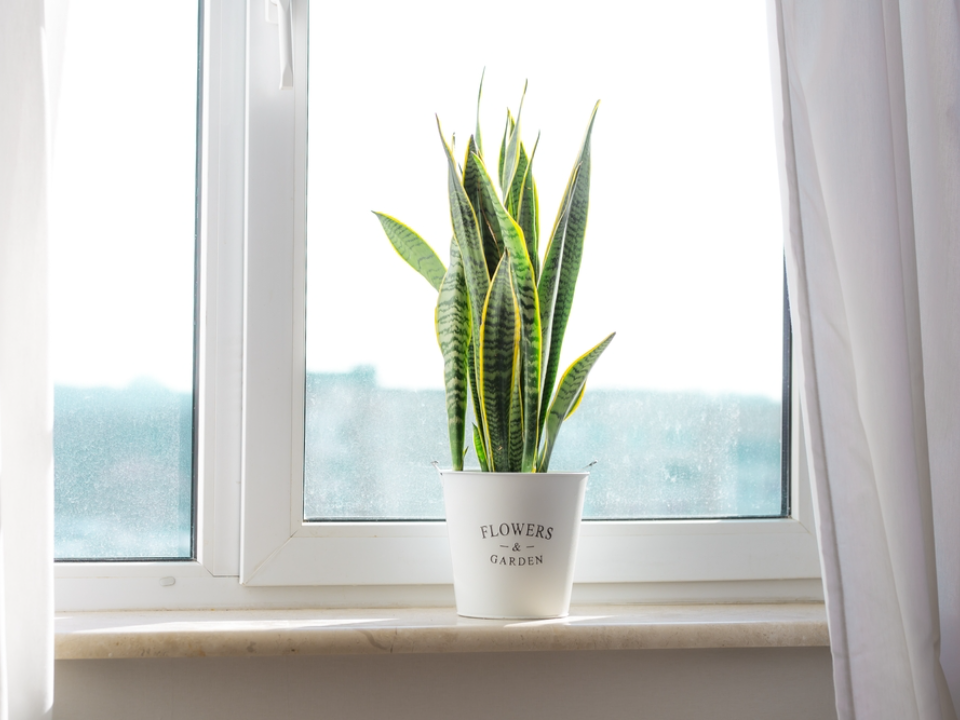
The snake plant is one of the easiest plants to care for, making it ideal for winter. This plant tolerates low light and irregular watering, which makes it a perfect fit for the colder months. Its upright leaves can survive in both dry and cold conditions, making it adaptable to winter’s chilly air. It is known to filter indoor air, which can be especially beneficial during the winter when windows are often closed.
Snake plants require very little attention to flourish. They thrive in indirect light and can go weeks without needing water. This hardy plant is ideal for those who may forget about regular plant care during busy winter months. Its striking, sword-like leaves also add a modern touch to any room while requiring minimal upkeep.
Pothos (Epipremnum aureum)
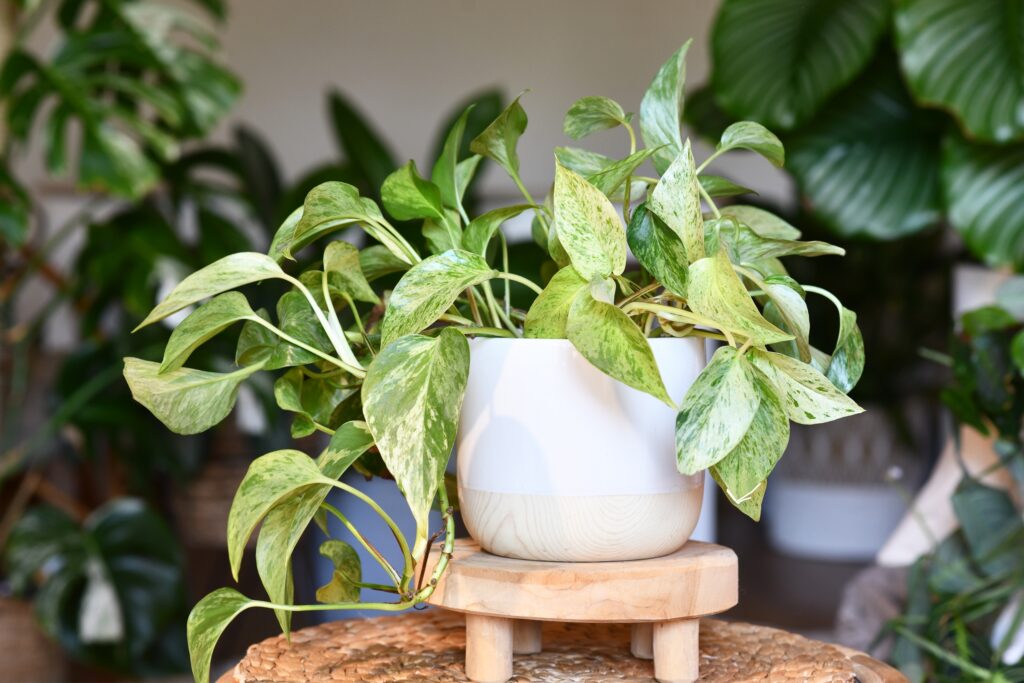
Pothos is another excellent option for winter, known for its resilience and ease of care. It can thrive in a range of lighting conditions, from bright to low light, which is perfect for indoor spaces during the winter months. The trailing vines make it a popular choice for hanging baskets or high shelves, where it can freely cascade down. Pothos also tolerates irregular watering, making it forgiving if you forget to water it during the busy season.
This plant is ideal for anyone who wants a low-maintenance option with a bit of greenery to liven up a space. Pothos can grow in temperatures as low as 50°F or 10°C, so it is well-suited for cooler winter conditions. Its ability to adapt to various environments, along with its hardiness, ensures it will thrive in the colder months. With minimal care, it can grow long vines, adding beauty to your indoor decor.
ZZ Plant (Zamioculcas zamiifolia)
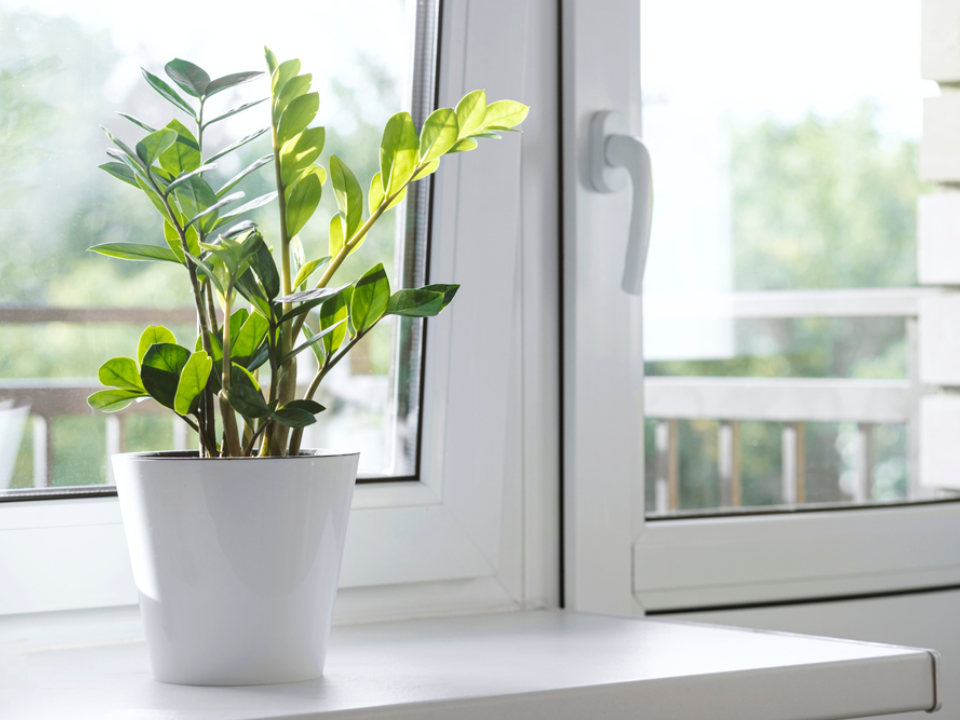
The ZZ plant is an incredibly resilient houseplant that thrives even in the coldest months. It requires very little water and can survive in low light, making it perfect for winter when natural sunlight can be scarce. This plant is also drought-tolerant, which means it can handle periods of neglect, making it ideal for those who are away on winter vacations. Its glossy, dark green leaves add a touch of elegance to any space.
During winter, the ZZ plant benefits from the lower humidity levels, as it is accustomed to dry conditions. It is not fussy about temperature fluctuations, as long as it is kept away from cold drafts. A great feature of the ZZ plant is its slow growth, which means it does not require frequent repotting. Its low maintenance and hardiness make it a great plant for any home during the colder months.
Spider Plant (Chlorophytum comosum)
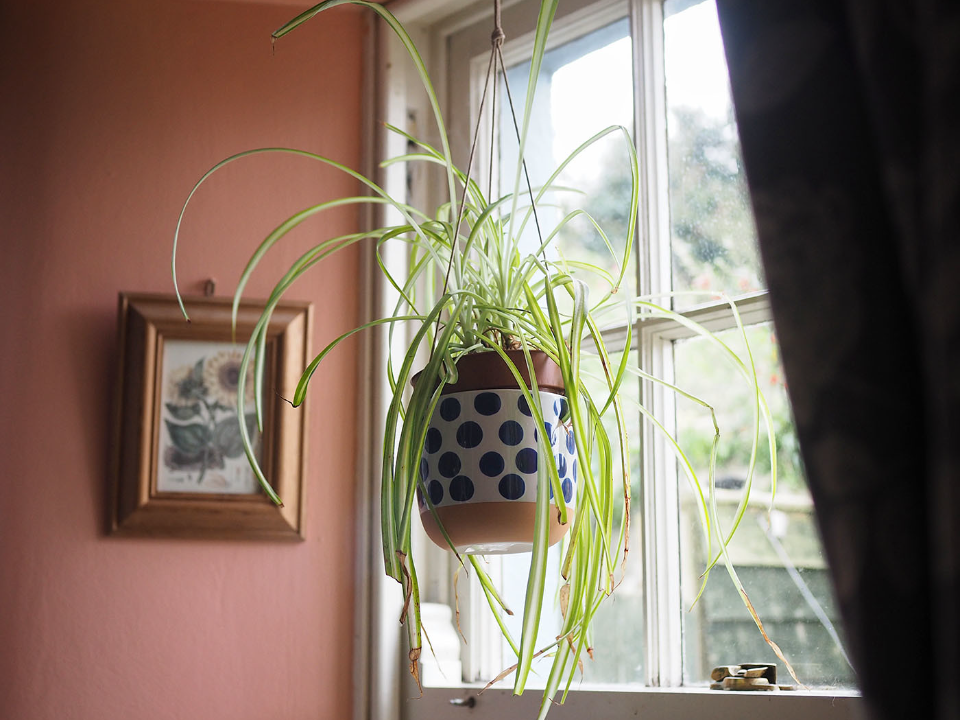
The spider plant is known for its ability to thrive in a variety of conditions, including the cooler winter months. It prefers indirect light, which is easier to provide during winter when sunlight is softer. This plant is not overly demanding when it comes to water, and it can tolerate dry soil for a few days. During winter, it may even produce baby “spiders” or pups, which can be easily propagated.
Spider plants are perfect for anyone looking for a low-maintenance addition to their home. They grow well in temperatures ranging from 60°F to 75°F, so the typical indoor temperatures during winter are ideal. These plants also purify the air, making them a great choice for maintaining a fresh atmosphere in your home. With just occasional watering, the spider plant will continue to thrive in the winter months.
Aloe Vera
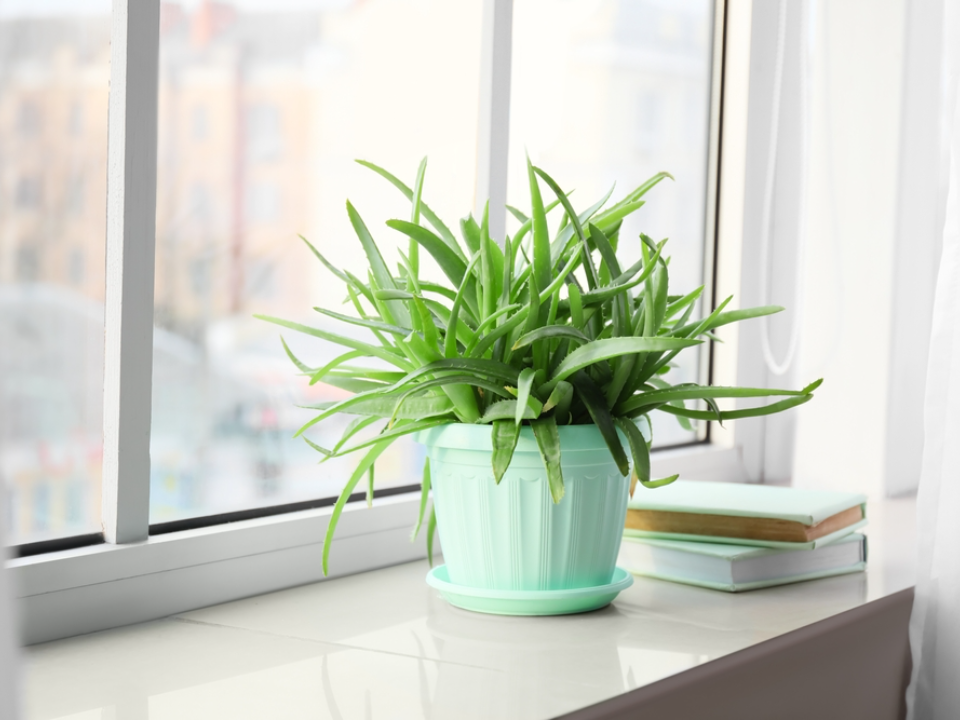
Aloe vera is a hardy succulent that thrives in winter with minimal care. It requires bright, indirect light to stay healthy, making it well-suited for winter’s limited sunlight. This plant is drought-tolerant, so it can survive long periods without water, which is ideal for winter, when overwatering is a common mistake. Aloe vera is also known for its healing properties, making it a beneficial plant to have on hand.
Winter conditions do not bother aloe vera, as it is adapted to dry, arid environments. It thrives in well-draining soil, and its need for infrequent watering makes it an ideal choice for people with busy schedules. Aloe vera can tolerate the dry indoor air that often accompanies winter heating. Its versatility and ease of care make it a valuable addition to any home during the colder months.
Peace Lily (Spathiphyllum)
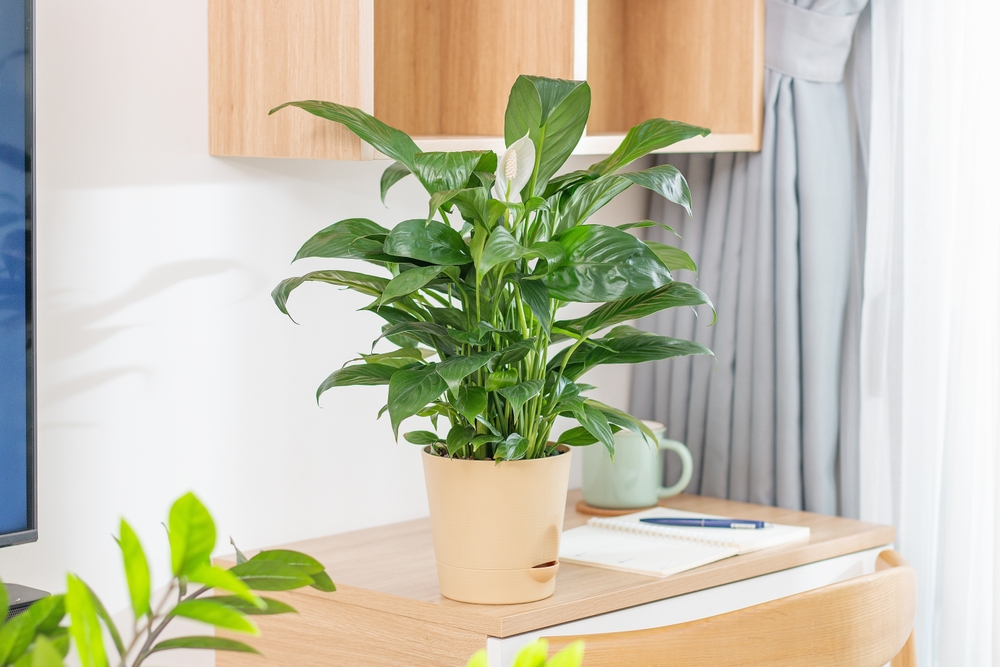
Peace lilies are hardy plants that thrive in low light and cool temperatures, making them perfect for winter. They require only occasional watering, which means they are relatively low-maintenance during the colder months. Peace lilies are also known for their air-purifying properties, making them an excellent choice for homes with closed windows. Their elegant white flowers provide a lovely contrast against their glossy green leaves.
During winter, peace lilies can benefit from the humidity often present in homes due to heating systems. They can handle a bit of neglect when it comes to watering, but it is best to avoid letting them sit in water. These plants appreciate moderate temperatures and can thrive in areas that are slightly cooler than typical room temperature. Peace lilies bring a sense of calm and elegance, making them an ideal addition to your home during the winter season.
Rubber Plant (Ficus elastica)
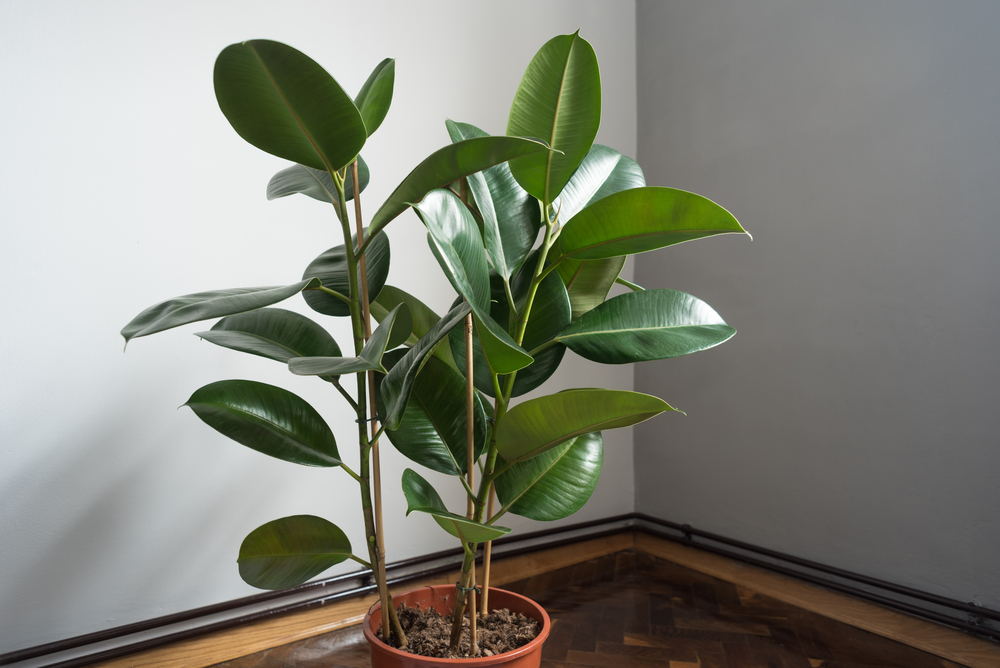
Rubber plants are perfect for those seeking a low-maintenance option for winter. They thrive in bright, indirect light and can tolerate lower light levels during the shorter days of winter. This plant only requires occasional watering, making it an excellent choice for people who may not always remember to water their plants regularly. Its large, glossy leaves add a bold touch to any room during the winter months.
While rubber plants prefer warmer temperatures, they are adaptable to the mild indoor conditions typically found in winter. They are not overly sensitive to humidity changes, which makes them suitable for homes with central heating. These plants are slow-growers, meaning they do not require frequent repotting or maintenance. With minimal care, rubber plants will continue to add lush greenery to your home throughout the winter.
Jade Plant (Crassula ovata)
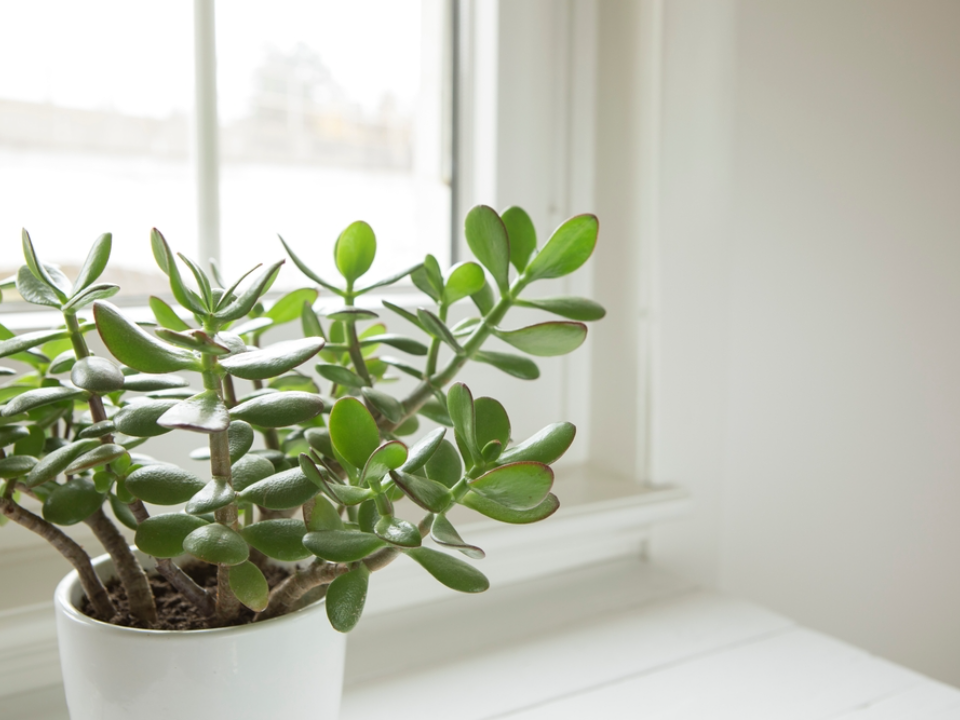
The jade plant is a perfect addition to any home during the winter months due to its low-maintenance nature. This succulent is drought-tolerant, requiring very little water, which makes it ideal for colder months when overwatering is a concern. It thrives in bright, indirect light, which is easily achievable in most homes during the winter. Jade plants are also known for their thick, fleshy leaves, which store water to survive dry periods.
Jade plants can tolerate temperatures as low as 50°F or 10°C, making them adaptable to winter indoor conditions. They prefer well-draining soil and should not be overwatered, especially during the colder months. Their slow growth means they do not require frequent care or repotting. With minimal attention, jade plants will continue to thrive throughout the winter, adding a touch of greenery to your home.
Christmas Cactus (Schlumbergera)
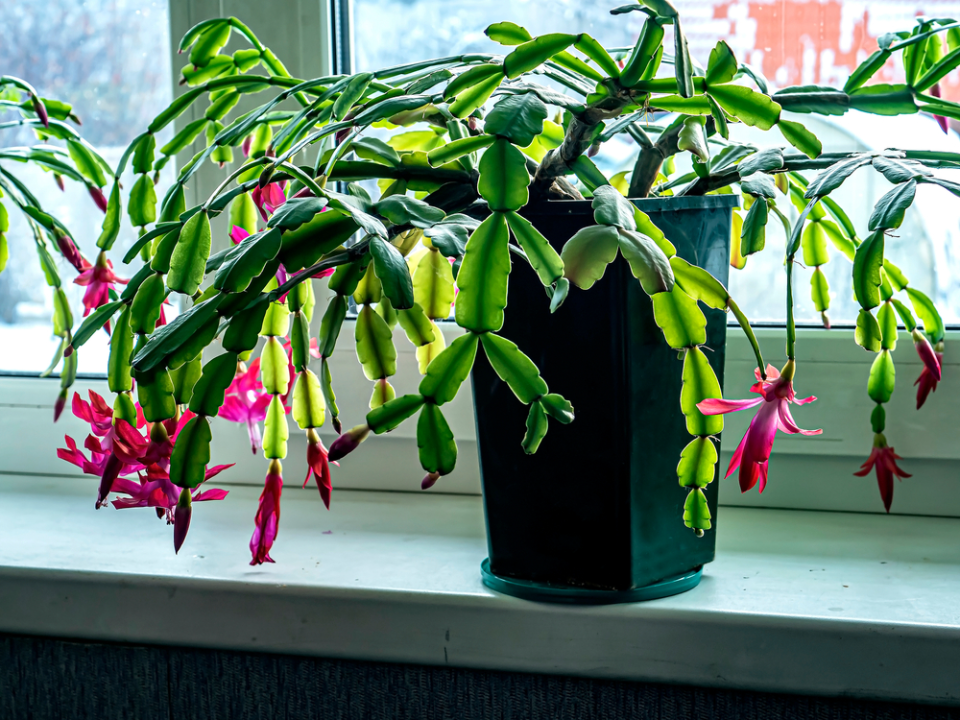
The Christmas cactus is a popular plant during the winter months, known for its vibrant flowers that bloom around the holiday season. This plant prefers indirect light, which is perfect for the lower light conditions that often come with winter. It thrives in cooler temperatures, making it well-suited for the season. The Christmas cactus is a low-maintenance option that requires only occasional watering during winter.
This plant’s ability to bloom in winter is one of its most appealing features. It does not need constant attention, but it does appreciate a bit of humidity, which can be found in many homes during the winter months. Christmas cacti can grow well in temperatures between 60°F and 70°F, which aligns with typical indoor conditions. With minimal care, this plant will provide you with beautiful, festive blooms to enjoy all season long.
English Ivy (Hedera helix)
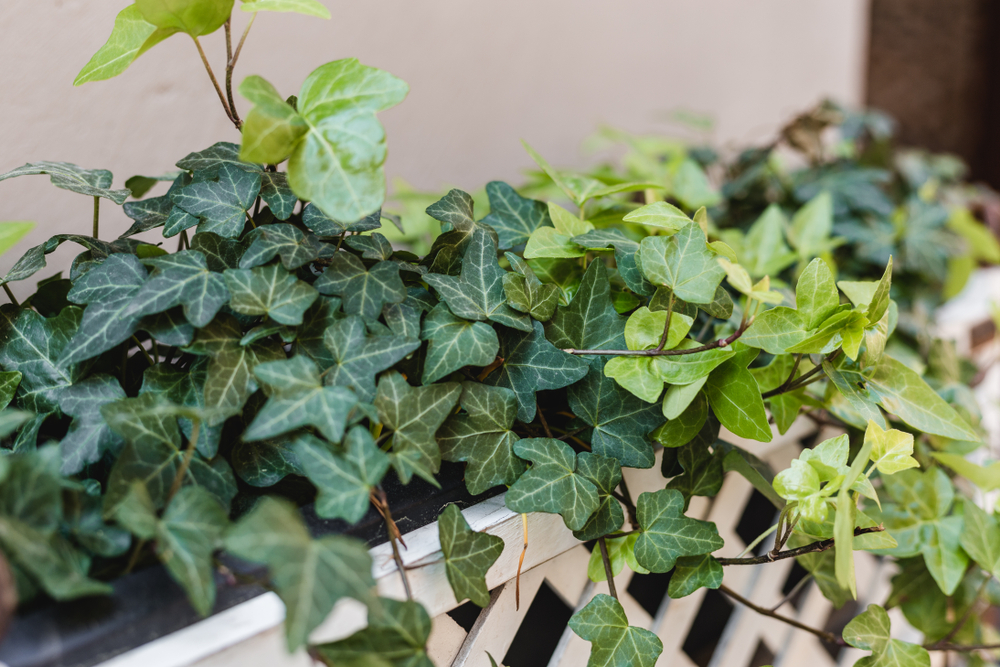
English ivy is a versatile plant that thrives in winter with very little care. It can tolerate a wide range of light conditions, from low light to indirect sunlight, making it ideal for indoor spaces during the winter months. English ivy is known for its ability to grow quickly, and it does well with minimal watering. It is perfect for adding a touch of greenery to bookshelves, mantels, or hanging baskets.
This plant adapts well to colder temperatures and can even tolerate the dry indoor air that is often present during winter. English ivy benefits from occasional misting to increase humidity, but it is otherwise low-maintenance. It does not require frequent pruning, making it a great choice for those with busy schedules. Its hardy nature makes it an excellent winter plant that will continue to thrive with minimal effort.
Cast-iron Plant (Aspidistra elatior)
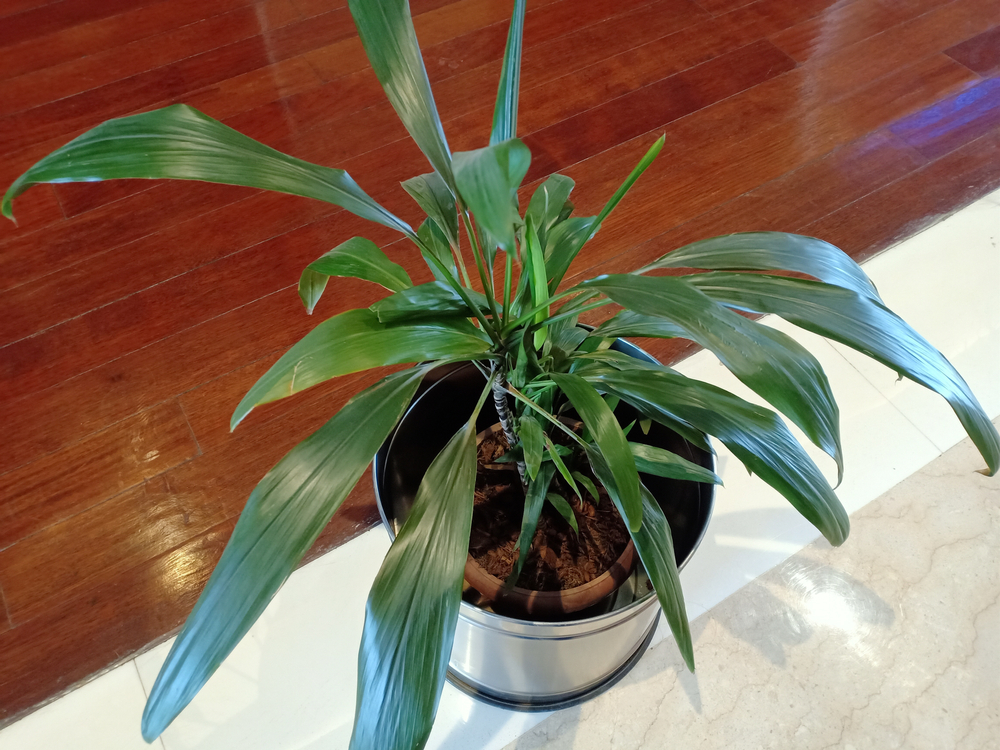
The cast-iron plant is known for its toughness and ability to thrive in a variety of conditions, including winter. It requires very little light, making it perfect for rooms that do not get much natural sunlight during the colder months. This plant is drought-tolerant, so it does not need frequent watering. Its broad, dark green leaves bring a refreshing burst of color to any room during winter.
The cast-iron plant is ideal for those who want a reliable and easy-to-care-for option during winter. It can survive in temperatures as low as 40°F or 4°C, making it adaptable to cooler indoor conditions. This plant grows slowly, so it does not require regular pruning or repotting. Its resilience and low-maintenance nature make it a favorite among plant owners who want minimal fuss during the winter season.
Fiddle Leaf Fig (Ficus lyrata)
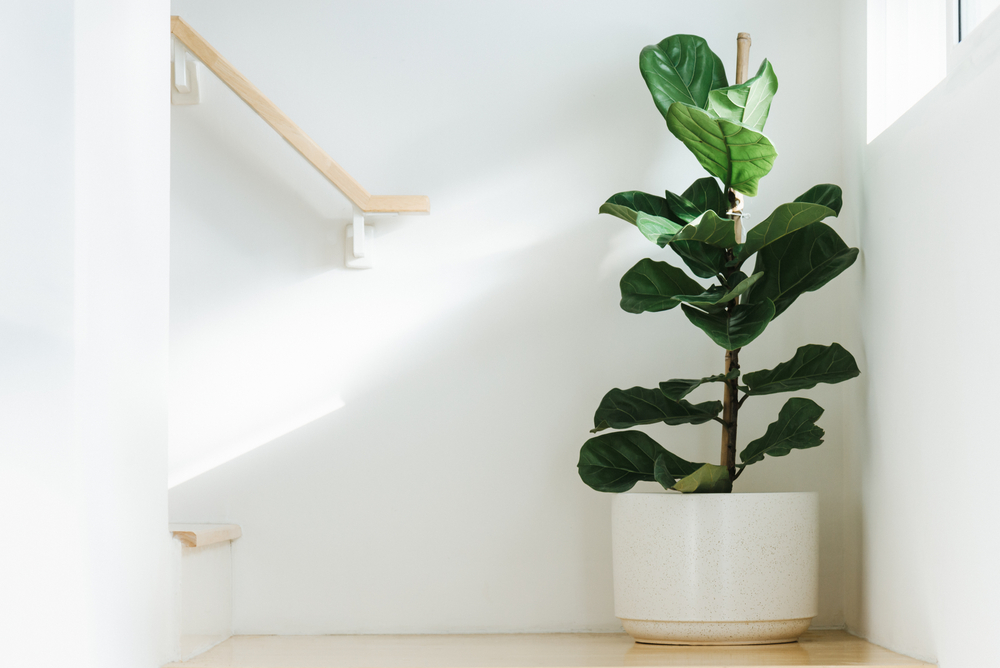
The fiddle leaf fig is a stunning plant known for its large, glossy leaves, and it is quite hardy during the winter months. It thrives in bright, indirect light, which is perfect for the shorter days of winter. While it does require some attention to watering, it can go without water for a little longer during the colder months. The fiddle leaf fig is an excellent choice for those who want a bold plant to liven up their space during winter.
This plant prefers moderate temperatures, which are easily maintained indoors during the winter months. Fiddle leaf figs do not require high humidity, so they are well-suited for the dry air that comes with heating systems in the winter. They grow slowly, which means they do not need frequent repotting. With minimal care, the fiddle leaf fig will continue to thrive and add a touch of elegance to your home.
Lavender (Lavandula angustifolia)
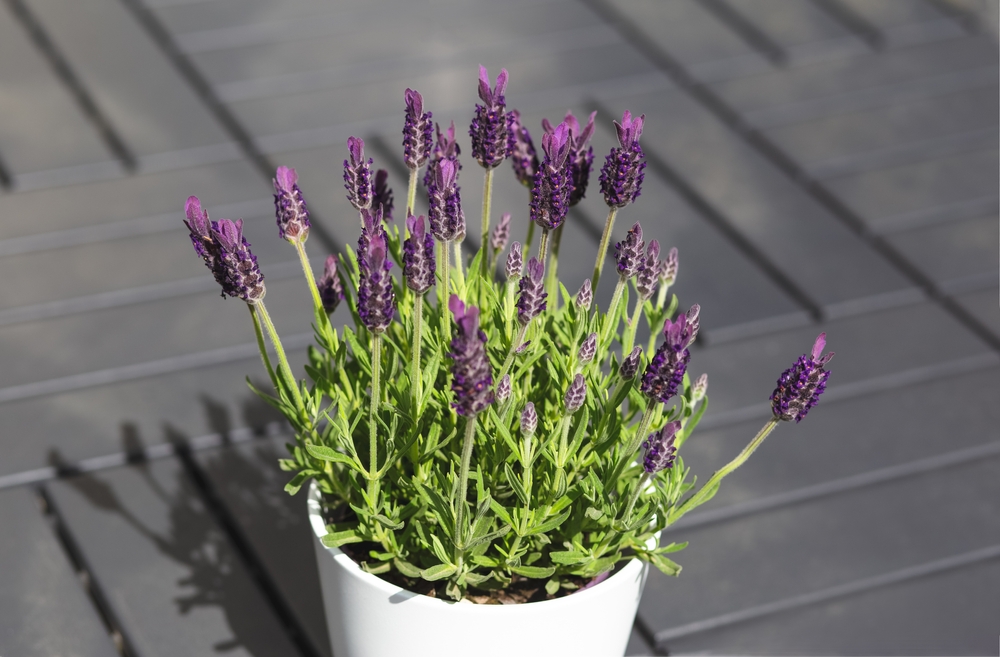
Lavender is a hardy plant that can thrive in winter with the right care. It prefers full sunlight, which can be harder to provide in the winter months, but it can adapt to the lower levels of light. Lavender is drought-tolerant, which means it does not need frequent watering. This makes it ideal for the colder months when overwatering is a concern.
Lavender grows well in temperatures between 40°F and 50°F or 4°C to 10°C, so it is well-suited for cooler indoor conditions. It also helps to keep lavender in a dry location, as excessive humidity can lead to root rot. The calming fragrance of lavender can help bring a soothing atmosphere to your home, especially during the cold winter months. With the proper care, lavender will continue to thrive and add beauty to your indoor space.
Dracaena
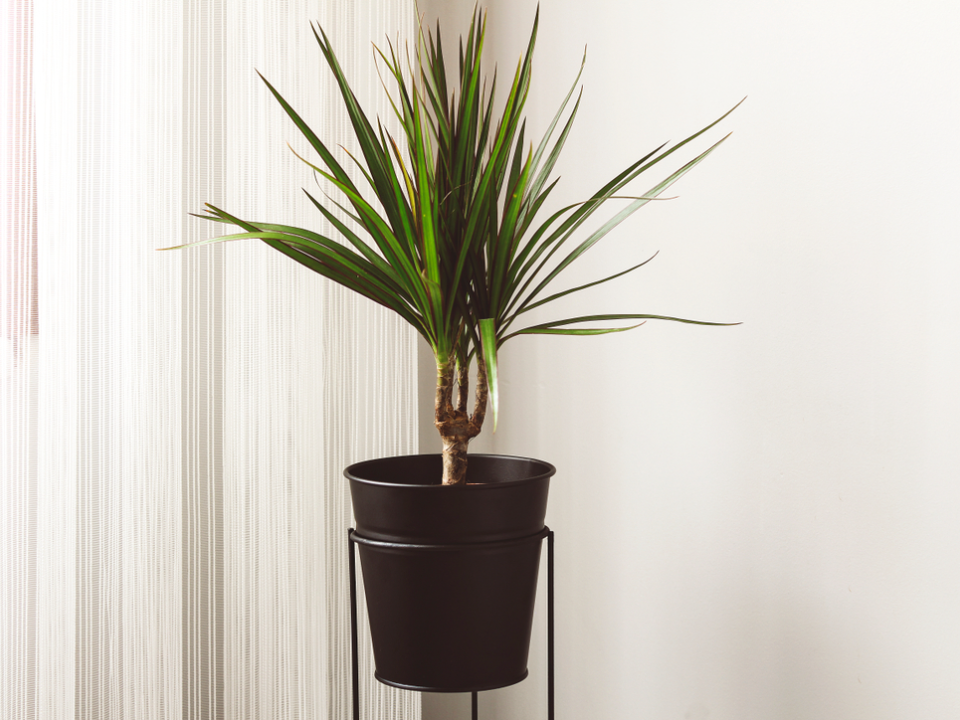
Dracaena is a hardy and low-maintenance plant that does well in indoor environments during winter. It thrives in low light and can tolerate the dry air that often accompanies winter heating. Dracaenas are also very tolerant of irregular watering, which is ideal during winter when it is easy to forget about your plants. Their long, slender leaves make them an attractive addition to any room.
This plant prefers moderate temperatures, making it well-suited for the typical indoor conditions during winter. Dracaenas can survive in temperatures as low as 50°F or 10°C, but they should be kept away from drafts. With minimal care, dracaenas will thrive in winter, bringing beauty and freshness to your indoor space. Their ability to adapt to lower light levels makes them ideal for homes with limited sunlight.
Cactus (Various species)
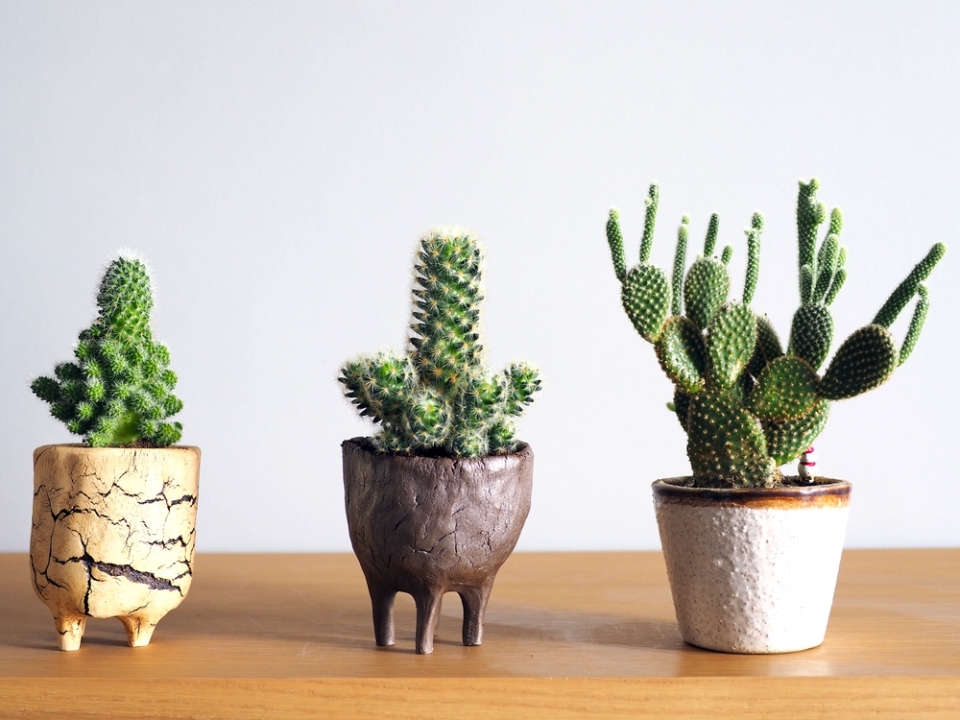
Cacti are known for their resilience and ability to thrive in dry, low-humidity environments. They are perfect for the winter months when the air is drier due to heating systems. Most cactus species require very little water, and they can survive long periods of neglect, making them a great option for busy individuals. Their unique shapes and textures add an interesting touch to any room.
Cacti prefer bright light, which is easier to provide during the winter months. While they are typically associated with desert conditions, cacti can also thrive in indoor environments with proper care. They are slow-growers, so they do not require frequent repotting or maintenance. Cacti are a great choice for anyone who wants an easy-to-care-for plant that adds character and charm to their home during the winter.
This article originally appeared on Avocadu.