
13 Low Light Plants That Still Look Good in Winter
With winter’s shorter days and reduced light, many plants struggle to thrive. However, certain plants are perfectly suited for these conditions, staying lush and vibrant even in low light. These plants will help you create a peaceful, green sanctuary during the colder months. If you are seeking an easy way to refresh your space, look no further.
This post may contain affiliate links, which helps keep this content free. Please read our disclosure for more info.
Snake Plant (Sansevieria)
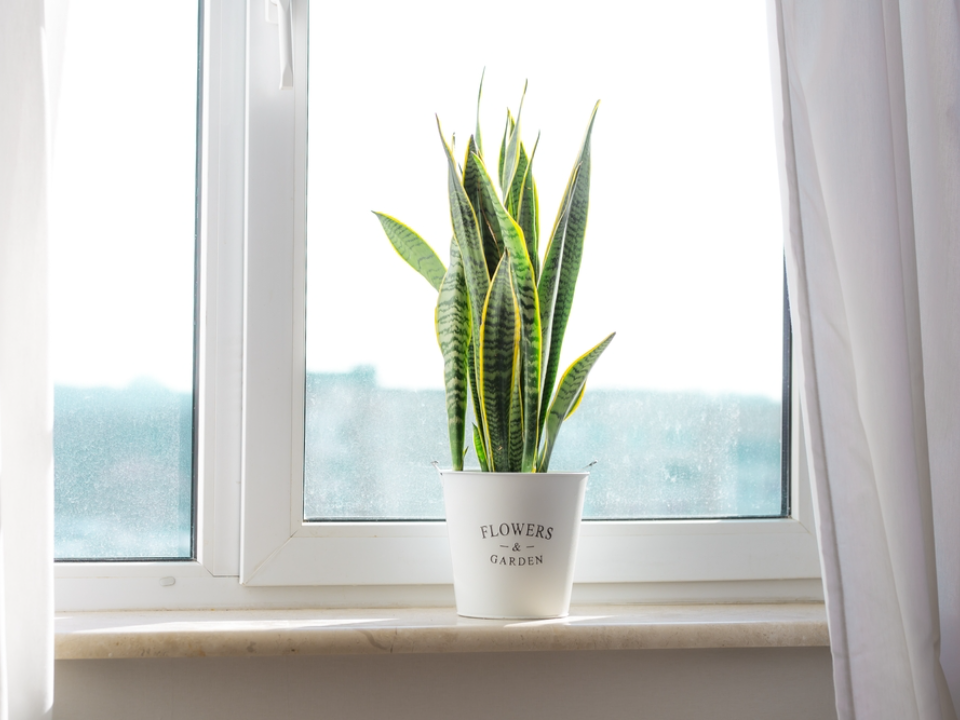
Snake plants are popular choices for spaces that receive limited sunlight. Their upright, sword-like leaves add architectural interest and help define a corner or tabletop without requiring bright light. These plants tolerate dry indoor air and irregular watering, which many gardeners appreciate during winter months. They do best when allowed to dry out between waterings, avoiding soggy conditions that can harm roots. Even in dimmer rooms, snake plants maintain their deep green color and vertical growth, making them ideal for winter corners.
This plant is also known for its air-purifying qualities, filtering common toxins from indoor air. It is tolerant of a broad range of indoor temperatures, though it prefers stable warmth rather than cold drafts. Potted snake plants can vary in size, so you can choose a compact form for shelves or a larger one for the floor. With minimal pruning or attention needed, this plant remains attractive through winter and beyond.
ZZ Plant (Zamioculcas zamiifolia)
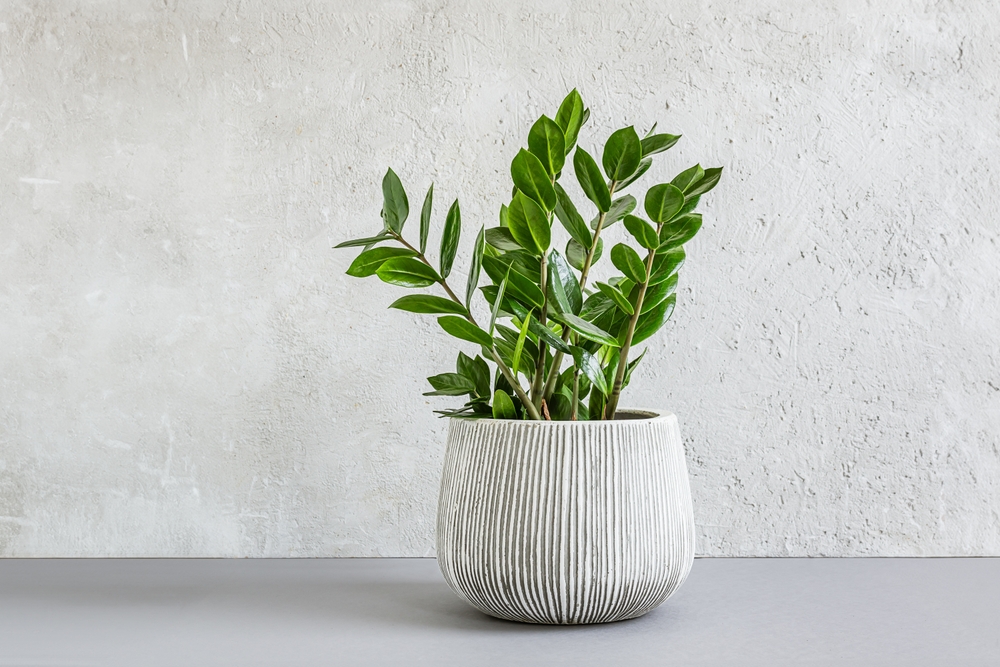
The ZZ plant has glossy, dark green leaves that bring a lively feel to indoor spaces with little natural light. Its thick, water-storing stems make it exceptionally drought tolerant, which suits winter conditions where watering routines often slow down. This plant thrives even if you forget occasional care, as long as it receives soft light and well-drained soil. While it appreciates some light, it does not need bright sunshine to remain full and healthy.
ZZ plants are slow growers, so they rarely outgrow their space, yet they still make an impact with their structured form. Leaves remain shiny, resisting dullness that can happen in winter environments with low light. They are best kept out of direct sunlight, which can scorch foliage, but they perform well near shaded windows or under artificial light. This plant makes a refined addition to living rooms or offices seeking greenery without fuss.
Pothos (Epipremnum aureum)
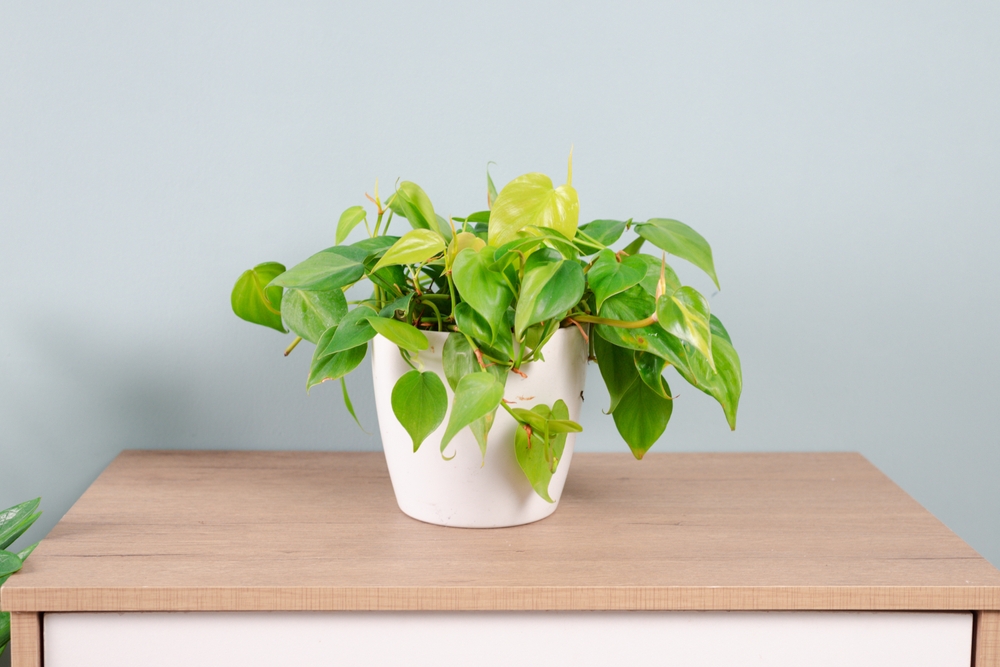
Pothos are trailing vines with heart-shaped leaves that maintain their appeal even in subdued light. They are among the most adaptable houseplants, able to grow in darker rooms where other plants struggle. Gardeners enjoy how pothos can be trained around shelves or cascading from hanging baskets, adding movement to interior displays. Although growth slows in winter, the leaves remain rich in color and lush to the touch.
Caring for pothos requires letting the soil dry slightly between waterings, which helps avoid root problems. This plant tolerates a range of indoor temperatures and benefits from occasional trimming to keep vines full. Varieties with variegated patterns offer visual interest that brightens a dim space. If you are looking to soften a cold corner, pothos vines can make a gentle, leafy statement that persists through winter.
Chinese Evergreen (Aglaonema)

Chinese evergreens are admired for their striking leaf patterns, which include silver, green, pink, or red hues. These plants are perfectly suited for low-light interiors, where their colorful foliage continues to draw the eye. They prefer moderate watering and do not perform well when soil is constantly wet, so letting the top layer dry between waterings is best. Chinese evergreens remain lush in winter and can handle indoor temperatures that vary slightly with heating cycles.
Newer varieties offer a range of decorative leaf shapes and colors, which adds personality to low light areas. Their growth habit is typically upright and compact, so they work well on side tables or plant stands. Chinese evergreens can handle some humidity changes, though they appreciate stable indoor conditions. Their attractive leaves make them a favorite in rooms that might feel dull without greenery.
Peace Lily (Spathiphyllum)
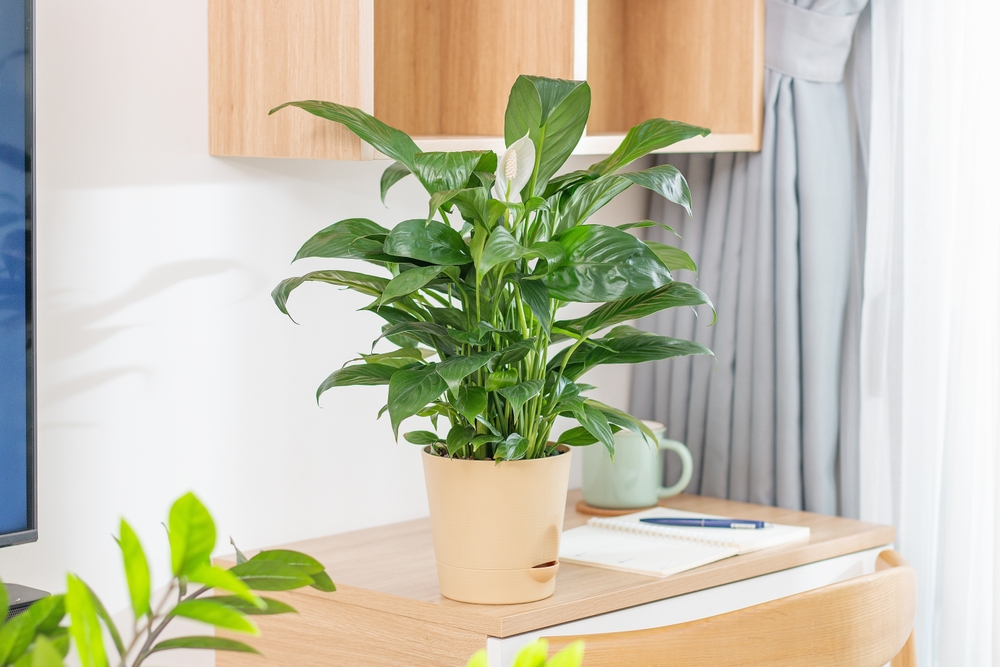
Peace lilies are elegant plants recognized for their glossy leaves and occasional white blooms, even when sunlight is minimal. They prefer indirect light, making them ideal for spaces far from bright windows. These plants signal you when they need water by letting leaves droop slightly, which helps you adjust care. Peace lilies also help refresh air around them, making indoor rooms feel cleaner and more inviting.
Keep peace lilies away from cold drafts or heaters, which can stress them during winter. Although they can flower indoors, blooms might be less frequent in dim conditions, but the foliage remains striking. Their gentle arching leaves create a calming presence in living areas or bedrooms. A peace lily can bring a classic touch of elegance to winter interiors that lack strong sunlight.
Spider Plant (Chlorophytum comosum)
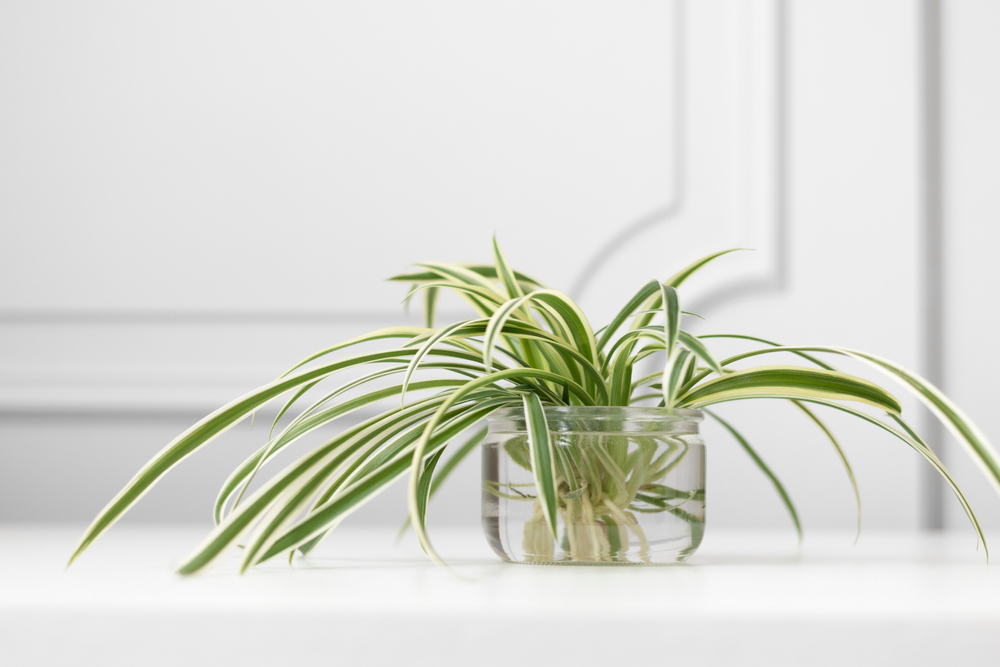
Spider plants are recognizable by their long, arching leaves and small plantlets that dangle like green ribbons. These plants handle low light conditions well, making them reliable choices for winter rooms. They appreciate regular watering, keeping the soil slightly moist without being soggy. Spider plants also adapt to artificial light, which helps when daylight hours are short.
The appearance of tiny new plantlets gives spider plants a dynamic look, adding a playful element to shelves or desktop spaces. They are known for their ability to help cleanse indoor air, which contributes to a fresher atmosphere. Spider plants thrive in average indoor temperatures and can be moved without stress. For gardeners wanting low-light greenery that feels lively, this plant delivers gentle foliage beauty through winter.
Parlor Palm (Chamaedorea elegans)
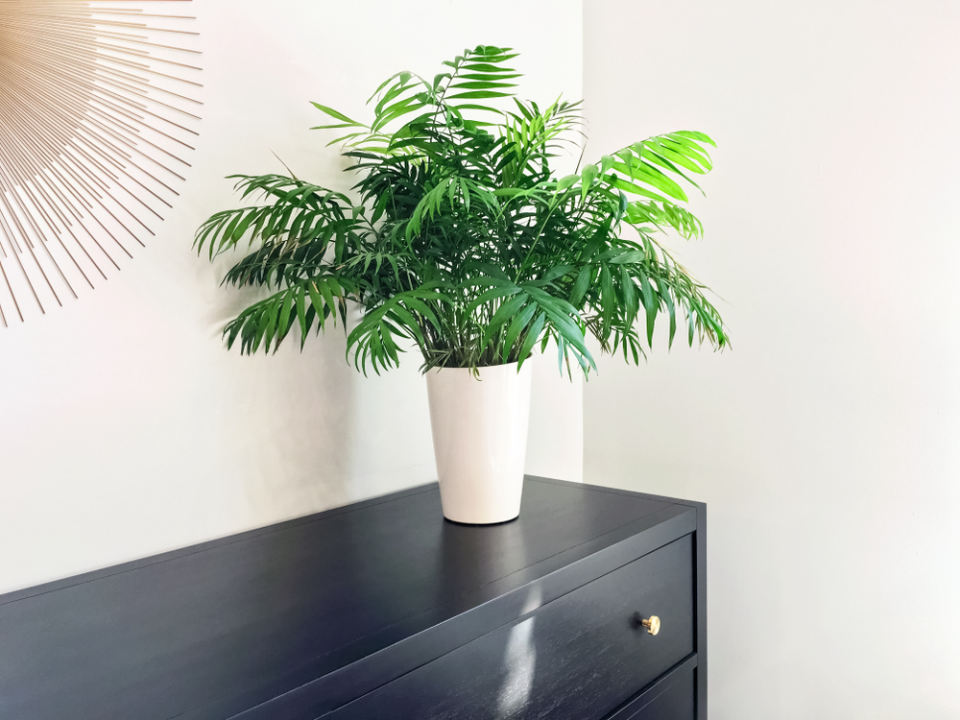
The parlor palm has slender green fronds that remain graceful in low light spaces. It was popular in older homes for its ability to survive in shaded and cooler rooms, making it a classic houseplant choice. These palms do well in moderate moisture without frequent watering and prefer shaded corners away from direct sunlight. The soft feather-like foliage brings a sense of tranquility to interior rooms throughout the year.
This plant is suitable for tabletops or floors, offering a tropical feel without needing bright sun. Parlor palms grow slowly, so they seldom require repotting during winter. Their bushy leaves help fill empty spaces and soften room edges. With basic care, they remain a dependable companion in low light seasons.
Cast Iron Plant (Aspidistra elatior)
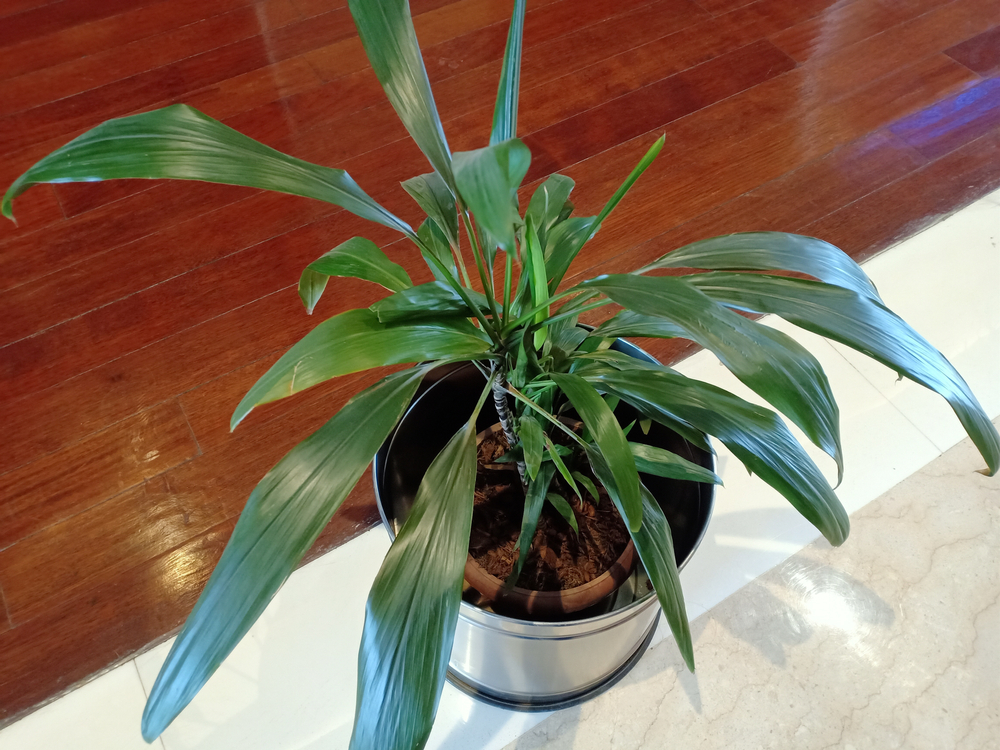
The cast iron plant has earned its name because of its ability to endure tough conditions, including low light. Its deep green leaves form a lush clump that makes a bold statement in shaded areas of a home. This plant tolerates a range of temperatures and does not mind if you forget occasional waterings. It will continue to display deep foliage even when sunlight is limited during winter.
Cast iron plants grow slowly, but their consistent greenery adds presence to low-lit spaces. They prefer well-drained soil that is allowed to dry slightly on top between waterings. Its simple leaves make it a great match for many room styles, from traditional to modern. For gardeners who value enduring foliage over dramatic blooms, this plant remains appealing through darker months.
Philodendron (Philodendron spp.)
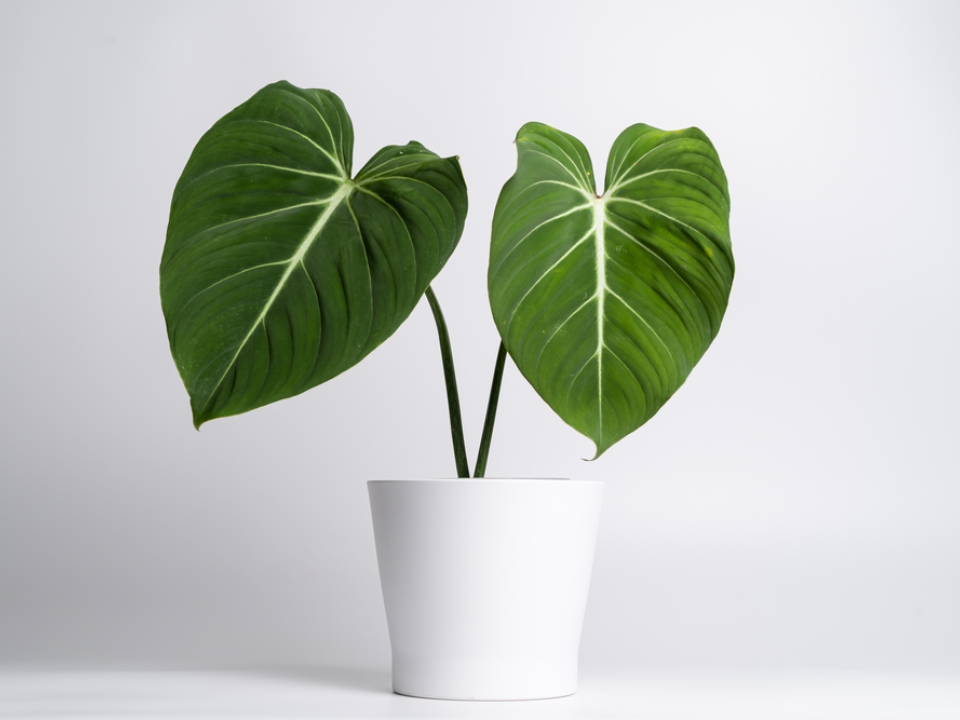
Philodendrons are known for their heart-shaped leaves and ease of placement in a wide range of indoor settings. Many varieties handle low light well, including climbing and bush forms that adapt to shelves or hanging baskets. These plants grow steadily with moderate watering, and their deep green foliage stays attractive during winter. They prefer well-aerated soil, allowing roots to breathe even when light is lower.
Gardeners often choose philodendrons for offices or living rooms where windows face away from direct sunshine. Their lush leaves add a tropical vibe that brightens subdued spaces. With occasional trimming of older leaves, they can remain full and shapely. This versatility helps them remain a popular choice among indoor plant lovers.
English Ivy (Hedera helix)
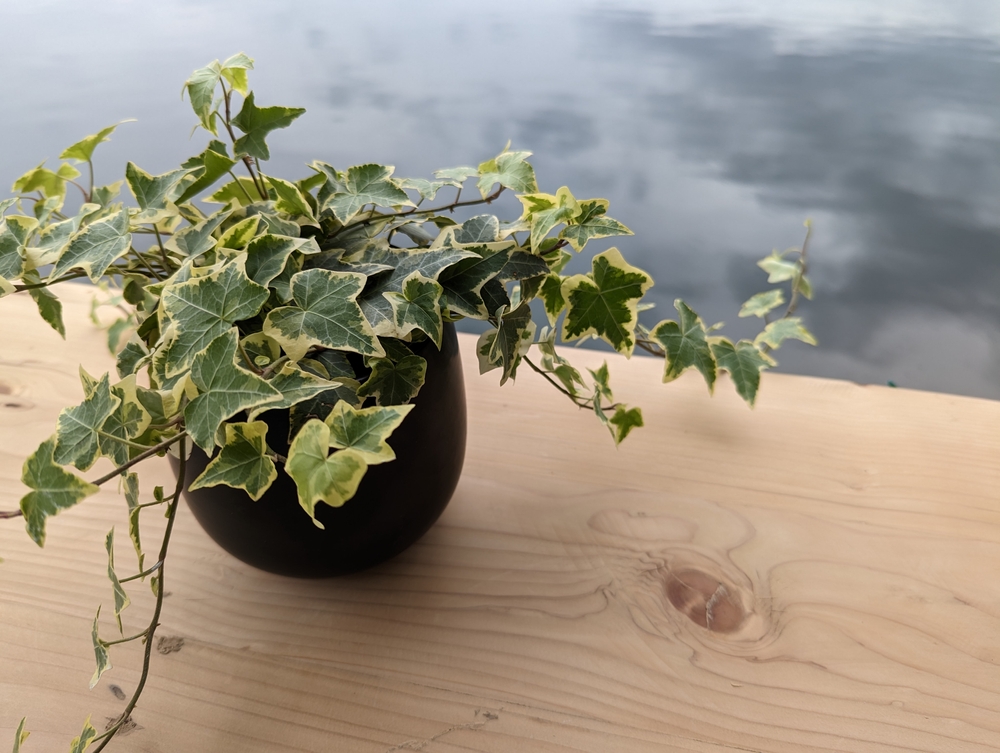
English ivy has trailing vines with lobed leaves that work well in hanging baskets or as a climbing plant on moss poles. It is known for performing adequately in low light, making it a great choice for dim hallways or offices. This plant prefers evenly moist soil without being waterlogged, which helps avoid root issues. During winter, its trailing form adds visual motion to otherwise still interiors.
English ivy’s classic leaf shape brings a traditional feel to indoor spaces. It can be trained along supports to fill vertical space or left to spill over planters. It does best with occasional misting to keep humidity balanced. For lovers of trailing vines, this plant remains striking in shaded areas.
Maidenhair Fern (Adiantum spp.)
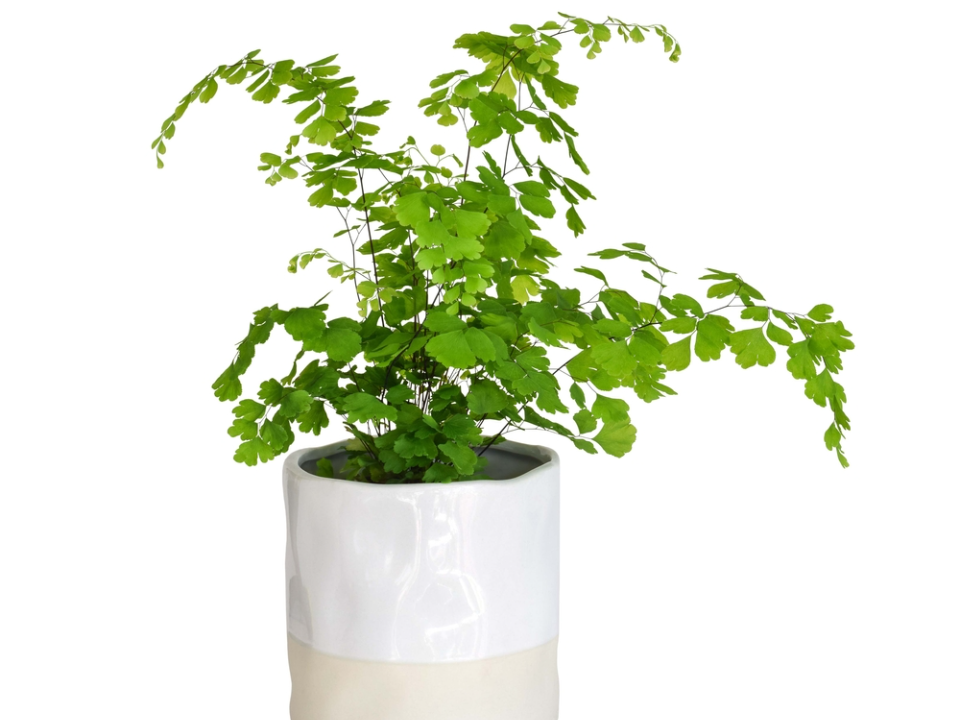
Maidenhair ferns have delicate, feathery fronds that give them a soft presence in any room. These ferns enjoy lower light and cooler environments similar to their woodland origins. They need consistently moist soil and good drainage to prevent root issues. During winter, they do best in spaces where temperatures do not fluctuate wildly.
The unique texture of their leaves helps break up more rigid foliage forms in plant collections. Their lacy fronds add a whispering sense of movement to shelves or stands. With regular care of moisture and air circulation, they stay fresh through darker months. These ferns bring a refined, leafy charm where light is limited.
Jade Plant (Crassula ovata)
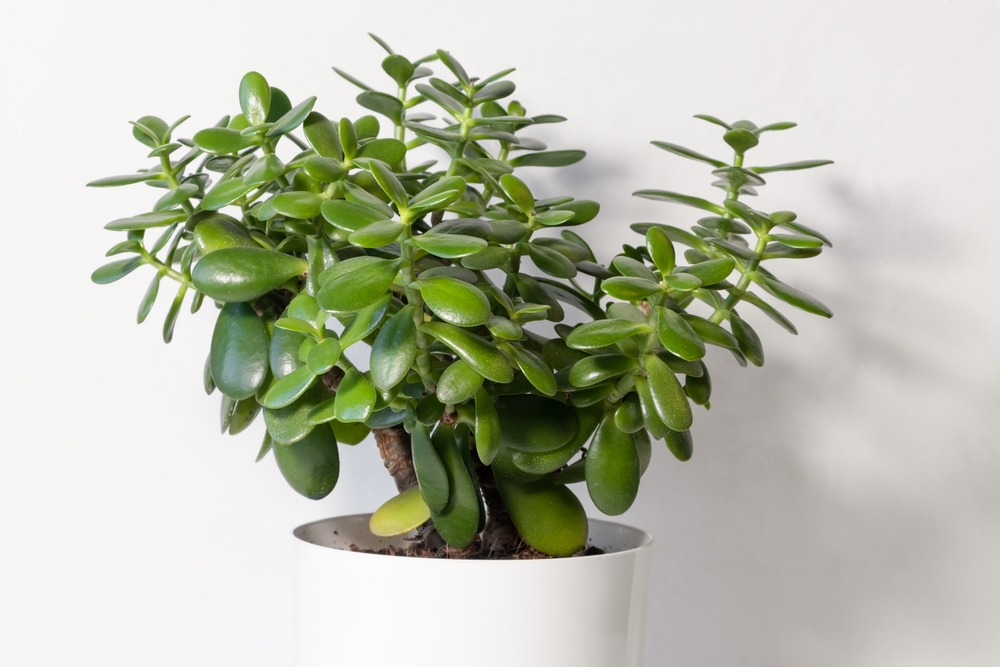
Jade plants are succulent houseplants with thick, rounded leaves that store water, allowing them to withstand dry indoor air. While they prefer brighter light, they can handle lower light environments if given time to adjust. Their branching stems form a pleasing structure that stays green and firm in winter rooms away from direct sunshine. These plants require minimal watering, making them forgiving for gardeners who might forget a session or two.
Jade plants bring a sculptural presence that mixes well with other foliage. Their small pink or white flowers may appear in spring when light becomes more plentiful. They prefer neutral to warm indoor temperatures, which suits typical heated interiors. With sturdy leaves and slow growth, jades remain steadfast companions in dim light spaces.
Philodendron Brasil (variety of Philodendron)
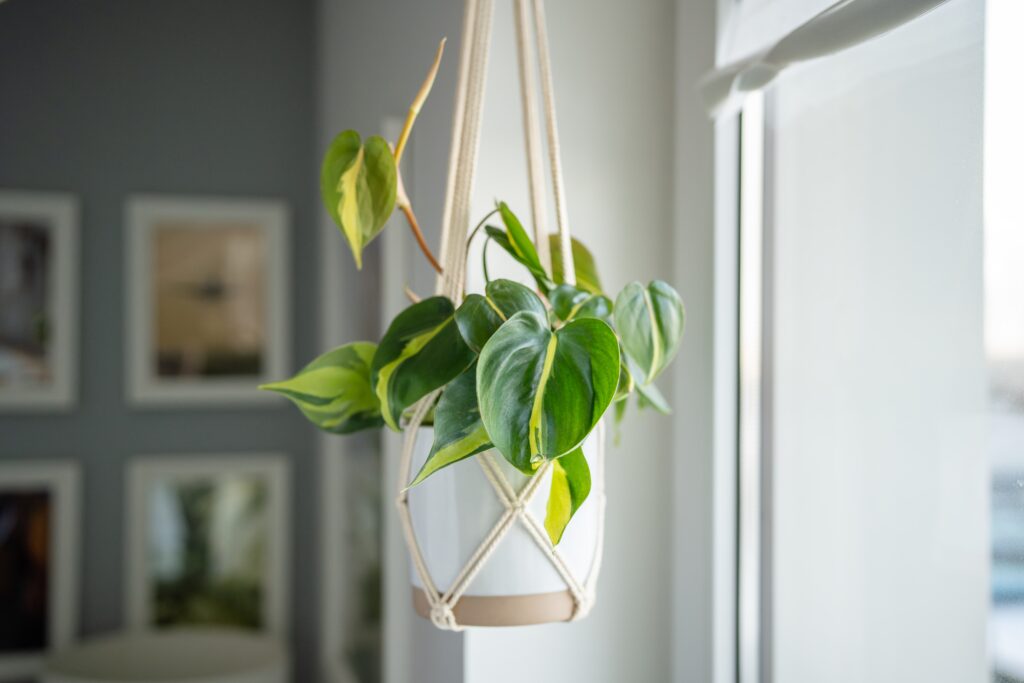
Philodendron Brasil offers striking yellow and green leaves that brighten low light corners. Its variegated foliage adds a splash of color that contrasts with darker spaces lacking direct light. This variety spreads as vines or trails over planters, making it ideal for shelves and elevated spots. Water moderately, letting the top layer of soil become slightly dry before watering again.
Its striking pattern remains visible even with less light, which helps it stand out among mostly green plants. This plant thrives in average home temperatures and does not demand constant attention. Removing any dull or faded leaves keeps it looking fresh during winter months. Philodendron Brasil brings visual intrigue to peaceful low-light spaces.
This article originally appeared on Avocadu.