
12 Low Impact Cardio Ideas For February That Don’t Hurt Your Knees
February can make it harder to stay active, especially if your knees get sore with high impact moves. These low impact cardio ideas keep things gentle while still helping you warm up, move more, and lift your mood. You can do many of them indoors on cold or rainy days, and a few work outside when the weather is calm.
This post may contain affiliate links, which helps keep this content free. Please read our disclosure for more info.
Indoor walking workouts
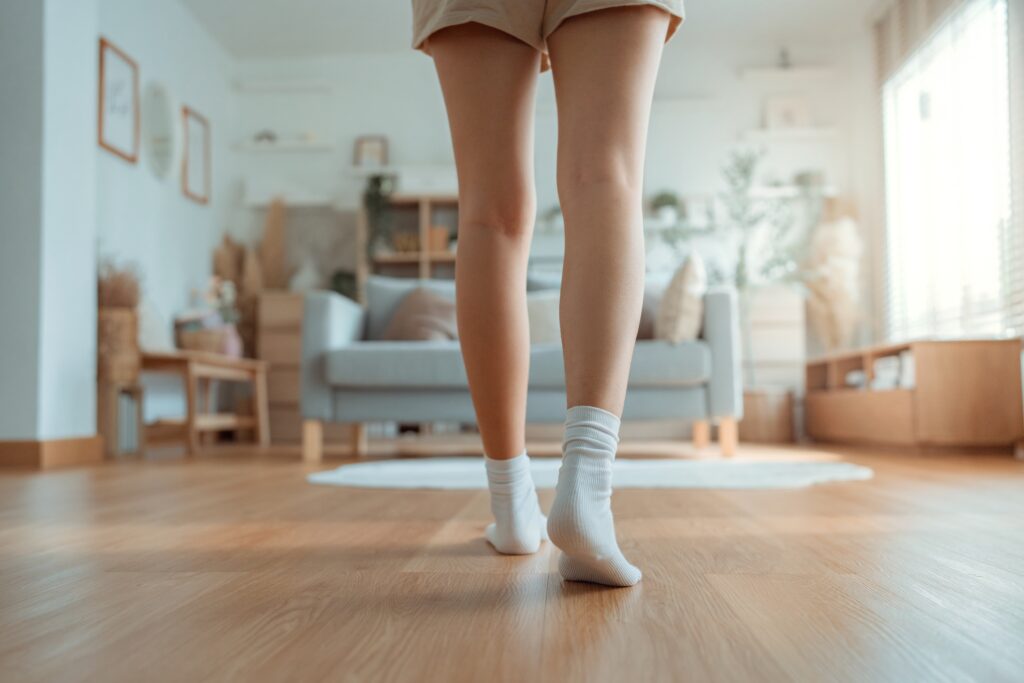
Indoor walking is a simple way to get your heart rate up without pounding your knees. In February, it works well when sidewalks are slick or the air feels too cold. Put on a playlist and walk laps through your home, down a hallway, or around a large room. If you want a little more challenge, add gentle arm swings and focus on steady breathing.
Start with five to ten minutes and see how your knees feel that day. Short bursts can feel better than one long session, so try two or three mini walks. A supportive pair of shoes can make a big difference on hard floors. Keep your steps light and quiet, and slow down anytime your joints feel grumpy.
Treadmill walking on a slight incline
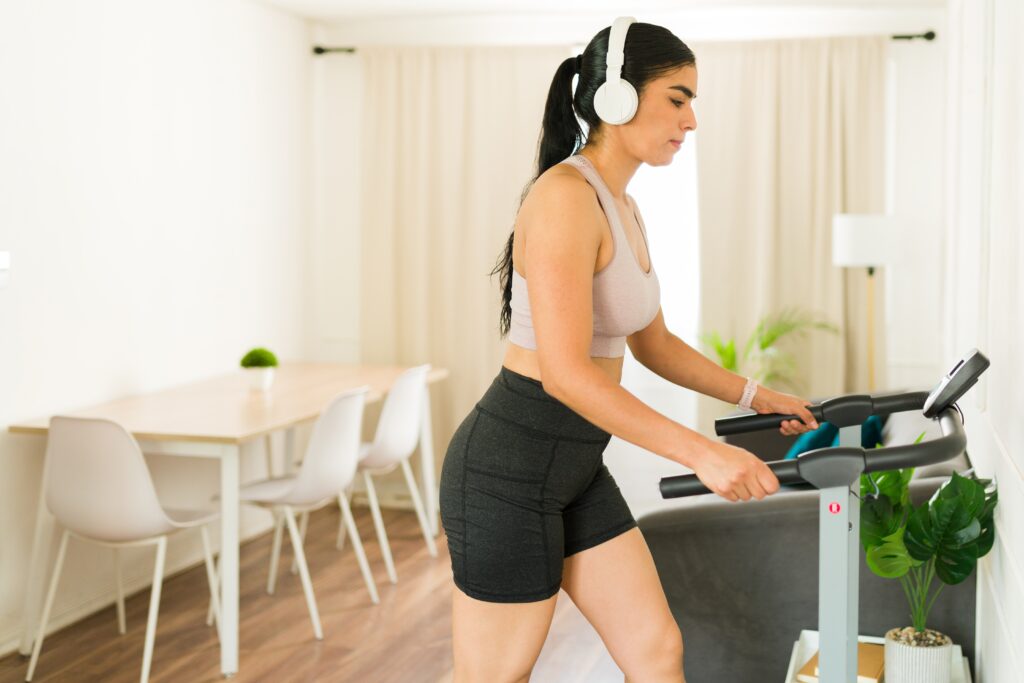
A treadmill is helpful in winter because you control the surface and the pace. A small incline can wake up your glutes and hamstrings, which often takes pressure off your knees. Keep the incline low and think of it as a gentle hill, not a climb. Hold the rails only if you need balance, since leaning can change your form.
Begin at an easy speed and let your body warm up before you change anything. If your knees feel sensitive, shorten your stride and land softly. Try intervals like two minutes comfortable, then one minute a little faster, and repeat. Finish with a few slower minutes so you cool down without stopping suddenly.
Recumbent bike rides
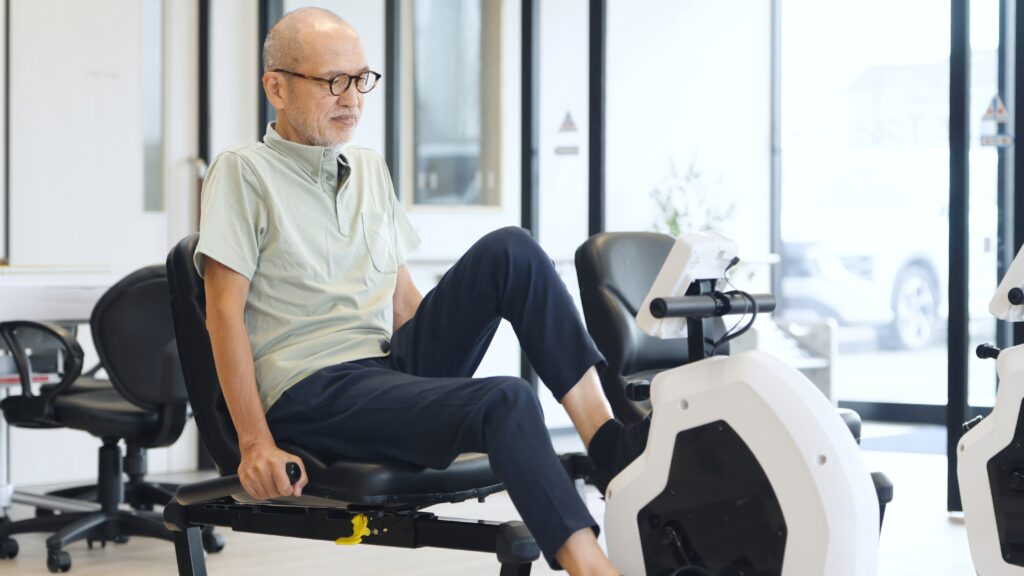
Recumbent bikes are great when you want cardio with a supported seat and backrest. The reclined position takes pressure off your joints and lets you focus on smooth pedaling. In February, it is also a cozy option when you would rather be indoors. Keep resistance low at first and aim for a steady, easy rhythm.
Adjust the seat so your knee stays slightly bent at the bottom of each pedal stroke. If the seat is too far away, your legs reach and your knees can feel it. Mix in short changes in speed to keep things interesting without adding impact. A towel and a water bottle nearby helps you stay comfortable and keep going.
Stationary bike with very low resistance
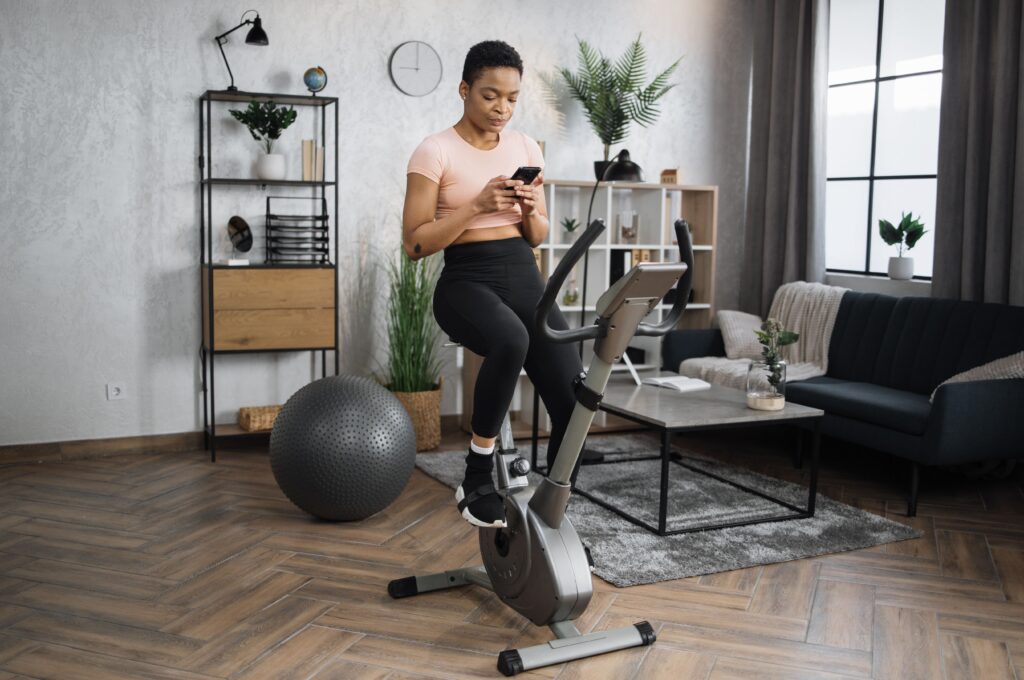
An upright stationary bike can be knee friendly when resistance stays light and your pedaling stays smooth. It is a good pick for a quick session on a cold day. Keep your shoulders relaxed and your grip loose so your upper body does not tense up. Think about circles with your feet rather than pushing down hard.
Seat height matters here, so set it high enough that you are not squatting with each pedal. If your knees track inward, slow down and press your knees gently outward in line with your toes. Try a simple pattern like three minutes easy, one minute slightly quicker, then back to easy. Stop if you feel sharp pain, and choose a gentler pace next time.
Elliptical at an easy pace
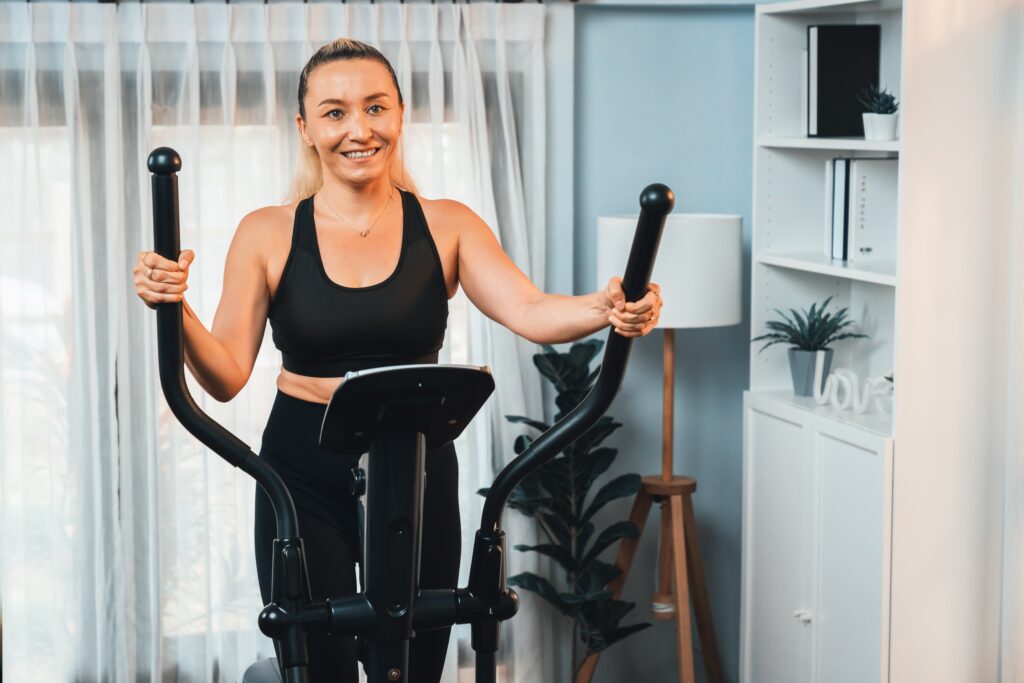
The elliptical gives you a flowing motion that can feel kinder than jogging. Your feet stay on the pedals, so there is no pounding on the joints. Keep the resistance and incline low so it stays comfortable for your knees. Lightly hold the handles or use the moving arms if that feels good for your shoulders.
Start slow for a few minutes and let your hips loosen up. If your knees complain, shorten your range and keep your feet flat on the pedals. Some days, going backward at a very easy pace can shift the muscle work and feel better. Step off slowly at the end, then walk around for a minute so your legs do not feel stiff.
Pool walking in the shallow end

Pool walking is one of the gentlest ways to get cardio, because water supports your body weight. The resistance of the water still makes your muscles work, even at a slow pace. In February, an indoor pool can feel like a warm break from winter weather. Walk forward, then sideways, and keep your steps controlled.
Use the wall for balance if you need it, especially when you change direction. Keep your core engaged and stand tall, since slouching can strain your lower back. If your knees feel good, add a few minutes of faster walking, then return to easy steps. Dry off well and change into warm clothes quickly so you do not get chilled afterward.
Water aerobics classes
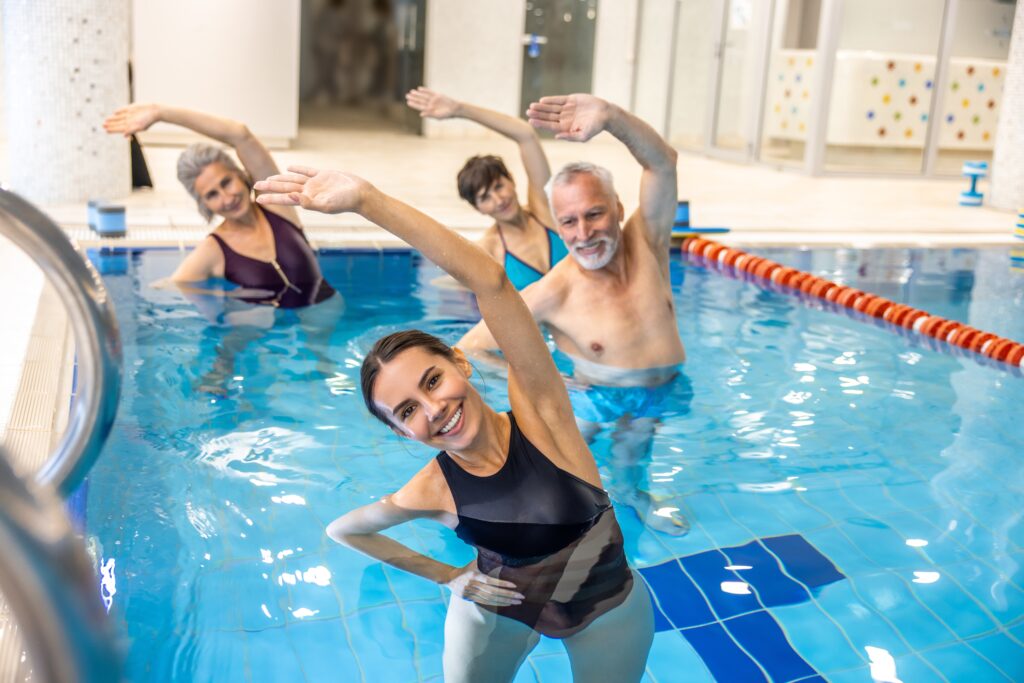
Water aerobics is fun cardio that keeps impact low and adds gentle resistance. The moves look simple, but the water makes them feel more challenging in a good way. February is a nice time for it because the class keeps you consistent and you stay indoors. Most classes let you work at your own pace, so you can keep it comfortable for your knees.
Pick smaller ranges of motion if a move feels too deep in the knee. You can also stay closer to the wall so you feel steady and relaxed. Look for classes that use foam dumbbells or noodles, since those add variety without stressing joints. After class, do a slow walk in the water for a minute to cool down before you get out.
Rowing machine with short, easy intervals
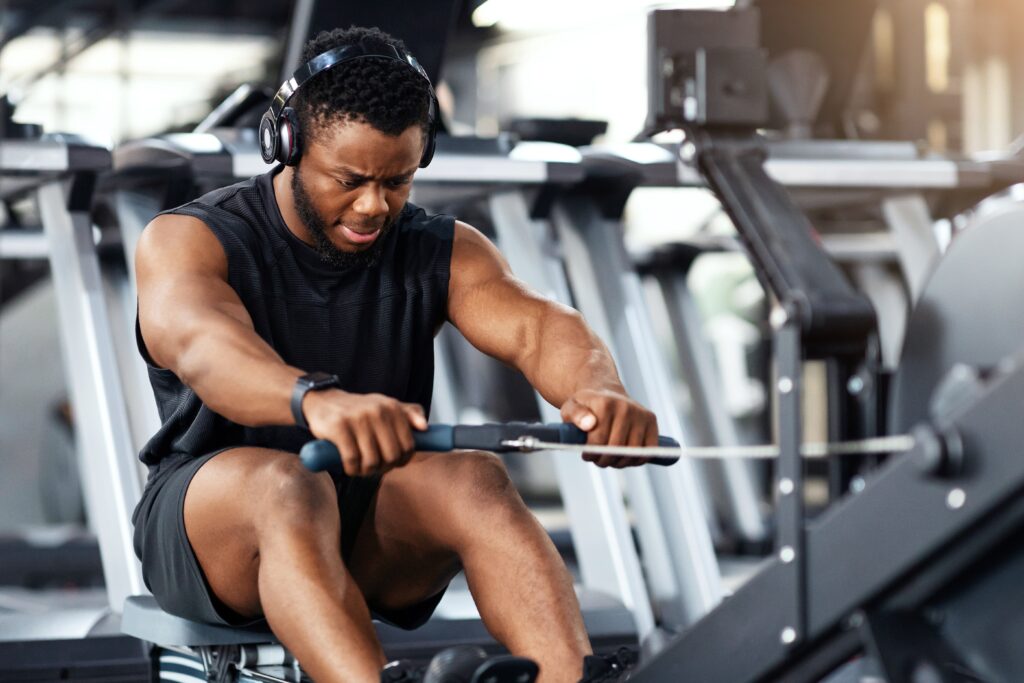
Rowing can be low impact when you keep the stroke smooth and the intensity moderate. It uses legs, core, and arms, which spreads the work across your body. Keep the damper setting low to medium so it does not feel like dragging a heavy load. Focus on posture first, since rounded shoulders can make it uncomfortable fast.
Begin with a few minutes of easy strokes, then try short intervals like 30 seconds steady and 60 seconds easy. Keep your shins closer to vertical at the front of the stroke so your knees do not compress too much. Drive through your heels and think about pushing the machine away from you. If your knees feel cranky, shorten the slide and keep the stroke compact.
Seated cardio circuits with light arm moves
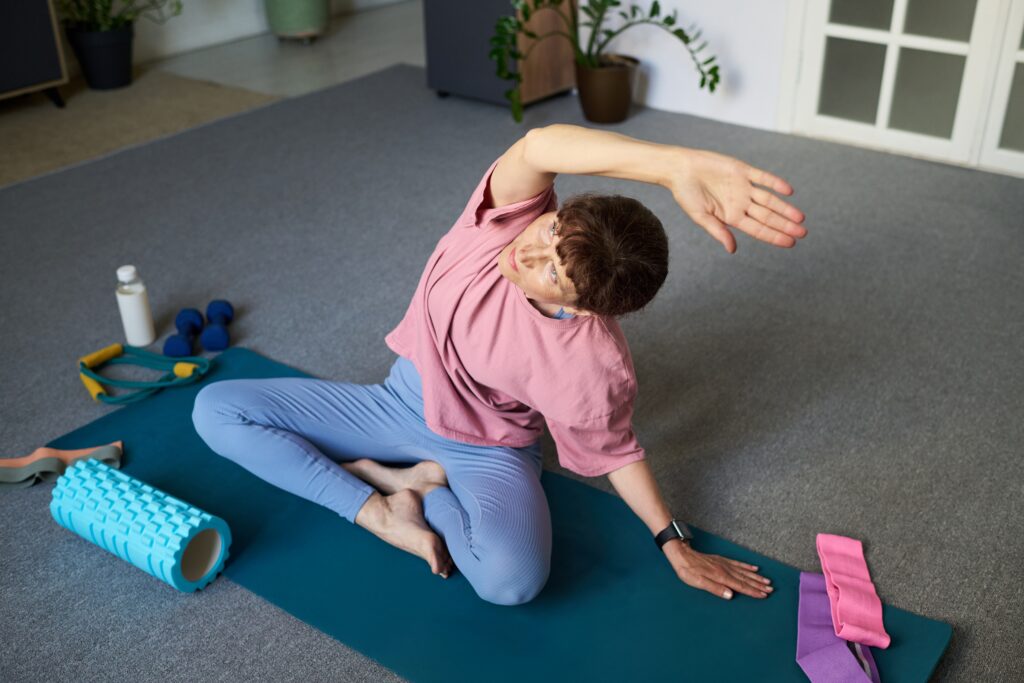
Seated cardio is a solid option on days when standing feels rough on your knees. You can raise your heart rate with quick arm patterns, punches, and overhead reaches. Choose a sturdy chair and sit tall with both feet planted. Keep the movements controlled so your shoulders feel good too.
Set a simple circuit like 30 seconds of fast arms, 30 seconds of easy marching feet, then repeat. If your hip flexors get tired, focus more on the arms and less on lifting your knees. Light hand weights are optional, but you can also use water bottles. Finish with slow shoulder rolls and a few deep breaths so your body settles.
Easy dance breaks with small steps
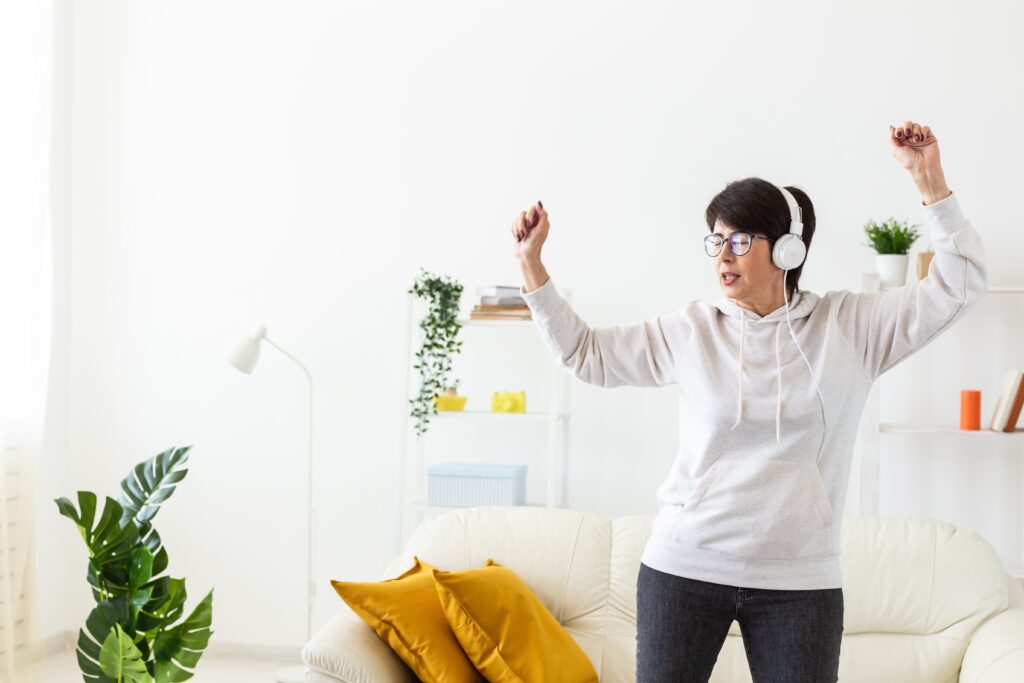
Dancing does not need big jumps to feel like cardio. In winter, it is a mood lifter and a good way to shake off the indoor slump. Keep your steps small and stay mostly in one spot so your knees do not twist. Side steps, step touches, and gentle sways can be plenty.
Choose songs you like and aim for a steady groove rather than a fast pace. If you want more challenge, add light arm reaches and a bit more range through your hips. Turn your whole body instead of twisting at the knee when you change direction. When you finish, walk around slowly for a minute so you cool down smoothly.
Light kickboard flutter in the pool
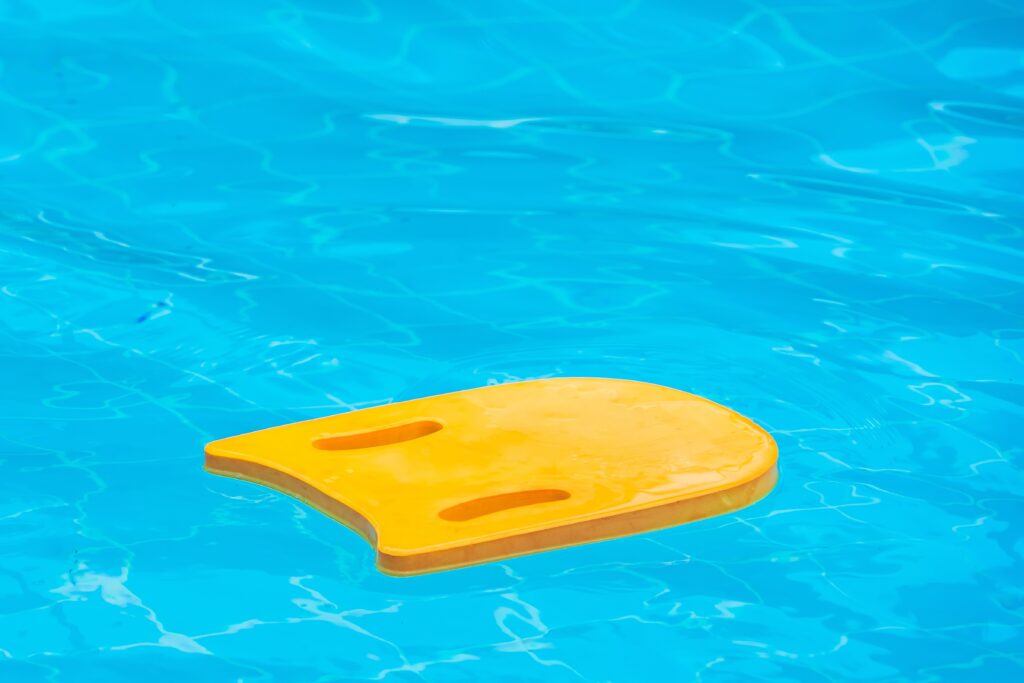
A kickboard session can be gentle when you keep the kicks small and steady. Water supports you, and the board helps you stay relaxed in the upper body. Use a flutter kick that comes from the hips rather than bending hard at the knees. In February, an indoor pool makes this feel warm and comfortable.
Start with short distances and rest when your legs feel tired. If your knees do not like kicking, try holding the board and doing a gentle leg scissor with minimal bend. You can also alternate one lap kicking and one lap easy swimming. Stretch your calves and hips after, since they can tighten from kicking in cooler weather.
Beginner rebounder bouncing with feet staying down
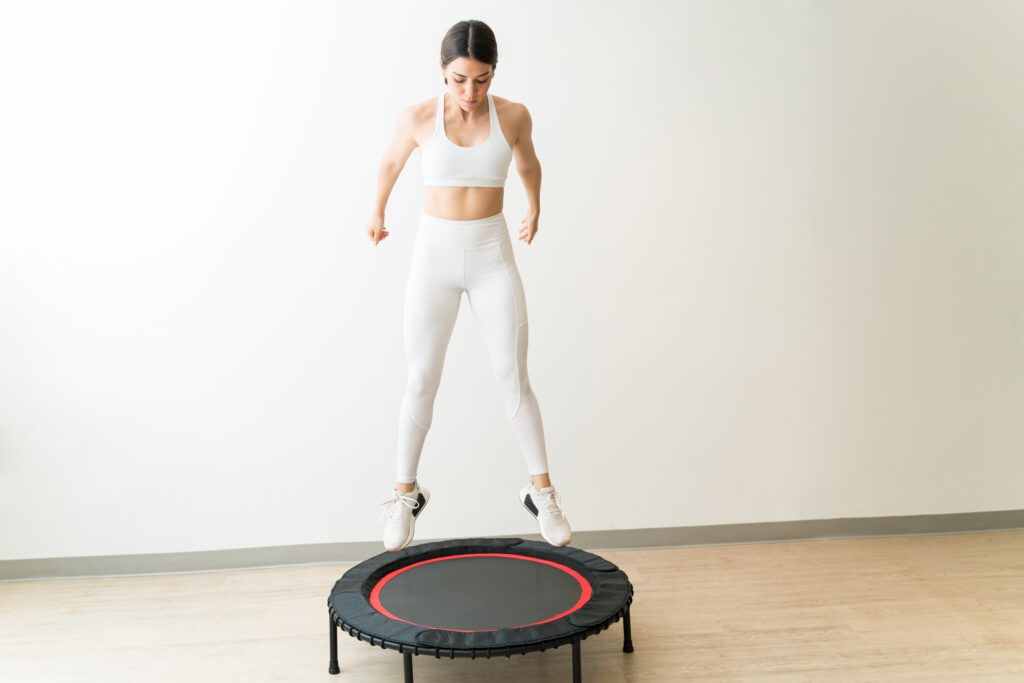
A rebounder can be low impact when you keep your feet on the mat and do a soft bounce. Think of it as gentle pulsing, not jumping. The surface cushions you more than a hard floor, which many knees prefer. Keep your knees slightly bent and your core engaged for stability.
Hold a wall or a bar if balance feels wobbly at first. Start with one to two minutes and build slowly, since it can be sneaky cardio. If your knees complain, reduce the bounce and try a simple weight shift side to side on the mat. A few minutes can be enough, especially on a cold February day when you want a quick, cozy session indoors.
This article originally appeared on Avocadu.