
18 Low Growing Spring Plants That Work as Ground Cover
Spring is the perfect time to refresh your garden with plants that can add beauty and function to your outdoor space. Low growing ground covers are an excellent choice for those looking to fill in bare spots, prevent weeds, and create a lush, colorful landscape. These plants work well in a variety of settings, from shaded areas to sunny spots, and many even offer the added benefit of seasonal blooms. They spread easily, providing a soft, carpet-like look that can help define garden beds and borders. With the right selection, you can enjoy a low-maintenance garden that stays green and vibrant year-round.
This post may contain affiliate links, which helps keep this content free. Please read our disclosure for more info.
Creeping Phlox
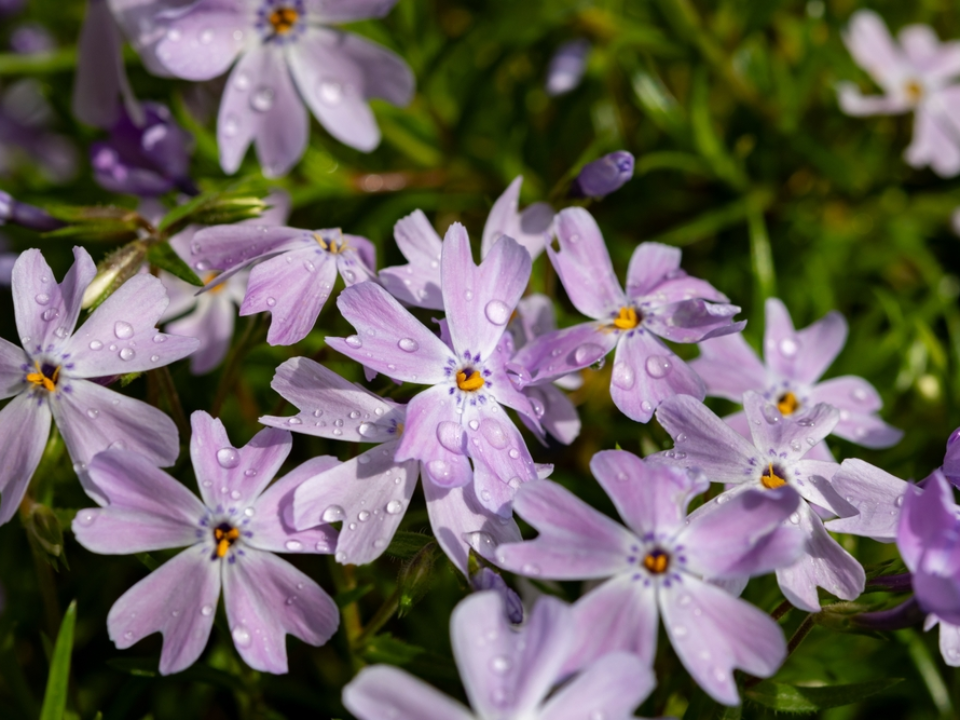
Creeping phlox is one of the prettiest spring ground covers for filling sunny spots with a thick carpet of color. It stays low to the soil and usually grows around 4 to 6 inches tall, so it does not look messy or overgrown. In spring, it covers itself with pink, white, purple, or blue flowers that can nearly hide the leaves.
This plant spreads outward over time, which makes it useful along borders, slopes, and rock gardens. It likes well drained soil and does best where it gets plenty of sun during the day. Once established, it can handle short dry spells better than many other flowering ground covers. If you want a plant that gives a big spring show without taking up much height, creeping phlox is a very good pick.
Ajuga
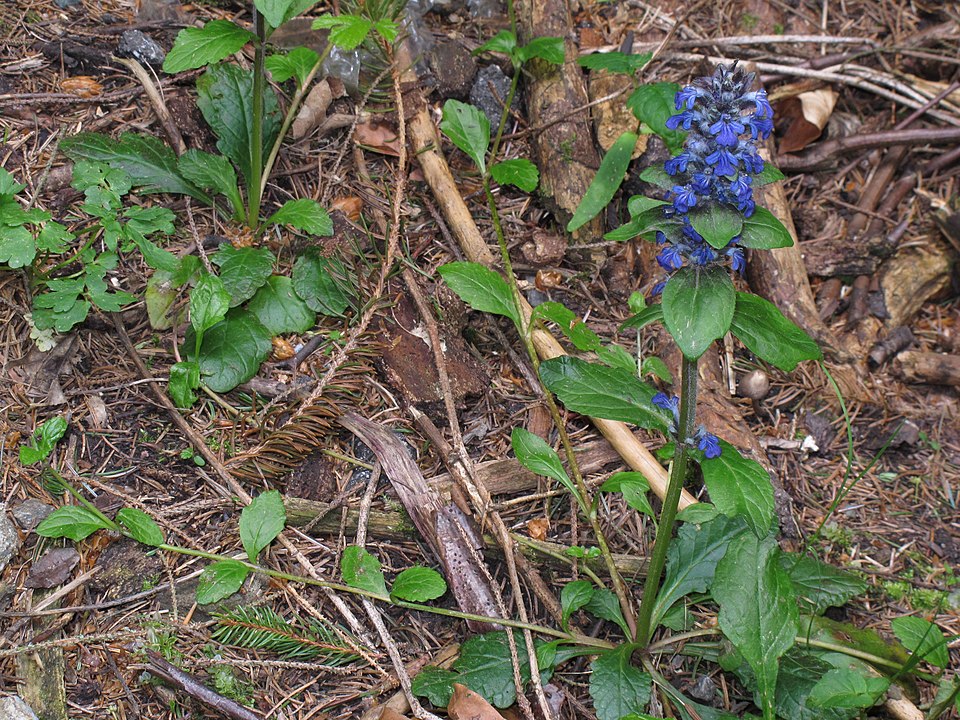
Ajuga is a low growing plant with glossy leaves that can form a thick mat across open soil. Many kinds have deep green, bronze, or purple toned foliage, which gives the area some interest even before the flowers appear. In spring, short spikes of blue, purple, or pink blooms rise above the leaves and add a fresh burst of color. It grows well in part shade and can also do nicely in areas that get gentle morning sun.
Ajuga is useful under trees or along paths where taller plants would feel out of place. Because it spreads by runners, it can cover bare patches fairly well once it settles in. Gardeners who want a ground cover for a partly shaded area often like ajuga because it fills in fast and looks full.
Sweet Alyssum
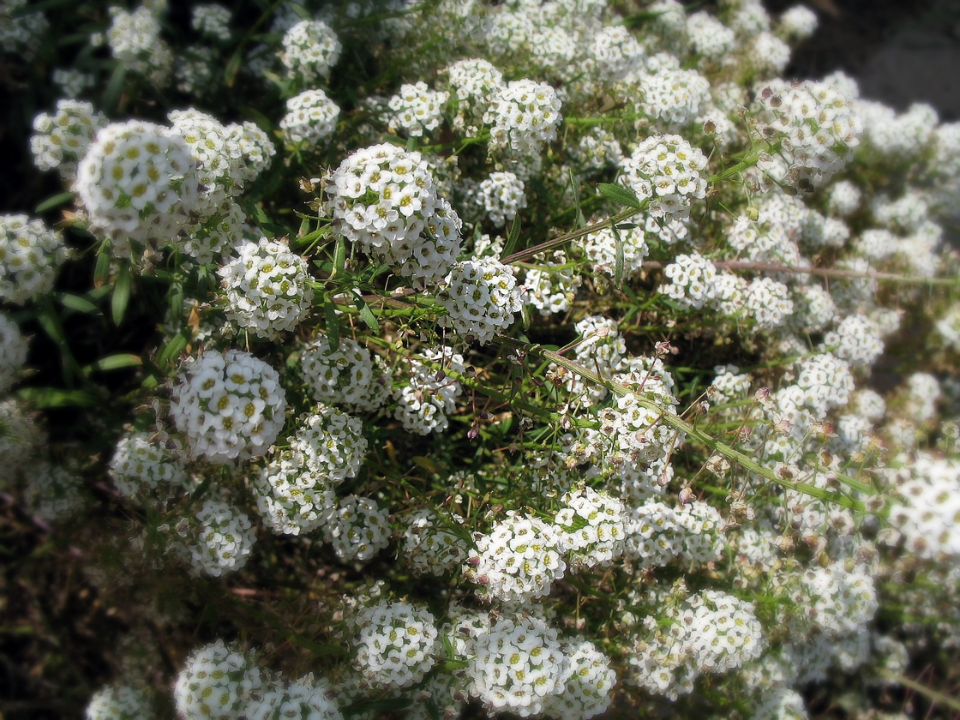
Sweet alyssum is a soft, low plant that brings small flowers and a light honey like scent to the garden in spring. It usually stays short and mounded, which helps it work well along edges, in beds, and between stepping stones. The flowers are often white, though purple and pink kinds are easy to find too.
This plant can soften the look of hard lines in a garden because it has a gentle, airy habit even while staying close to the ground. It likes full sun to light shade and does best in soil that drains well after rain. In mild places, it may keep blooming for a long stretch if trimmed lightly after the first flush. Sweet alyssum is a nice choice if you want something low, cheerful, and easy to tuck into open spaces.
Candytuft

Candytuft forms a neat, evergreen mound that stays low and spreads wide enough to act as a tidy ground cover. In spring, it gets covered in clusters of white flowers that stand out clearly against the dark green leaves. The blooms give garden beds a fresh and clean look at a time when many plants are just waking up.
Candytuft does best in full sun and likes soil that does not stay soggy for long. It is especially nice near stone borders, slopes, and raised beds where the stems can spill a little over the edge. Since the plant keeps its leaves for much of the year in many places, it still gives the area some shape after flowering ends. This is a good option for gardeners who want a low plant with a simple and polished look.
Creeping Thyme
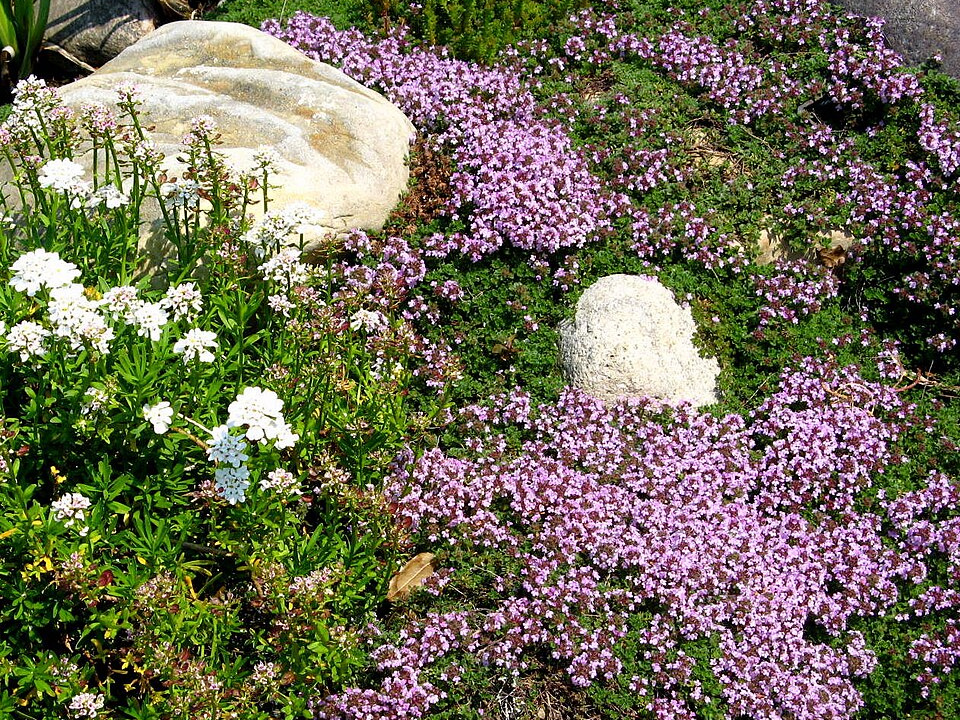
Creeping thyme is a useful ground cover for sunny places where you want both beauty and a light herbal scent. It stays very low, often just a few inches tall, and spreads into a dense mat over time. In spring and early summer, it produces tiny flowers in shades of pink, purple, or lavender that draw bees into the garden.
The small leaves give it a fine texture, which looks especially good between pavers or near gravel paths. It likes dry to average soil and usually performs best when the roots are not sitting in wet ground. Once it settles in, it can handle heat and some foot traffic better than many flowering ground covers. Creeping thyme is a solid pick for gardeners who want a low plant that looks pretty and smells pleasant when brushed.
Basket of Gold
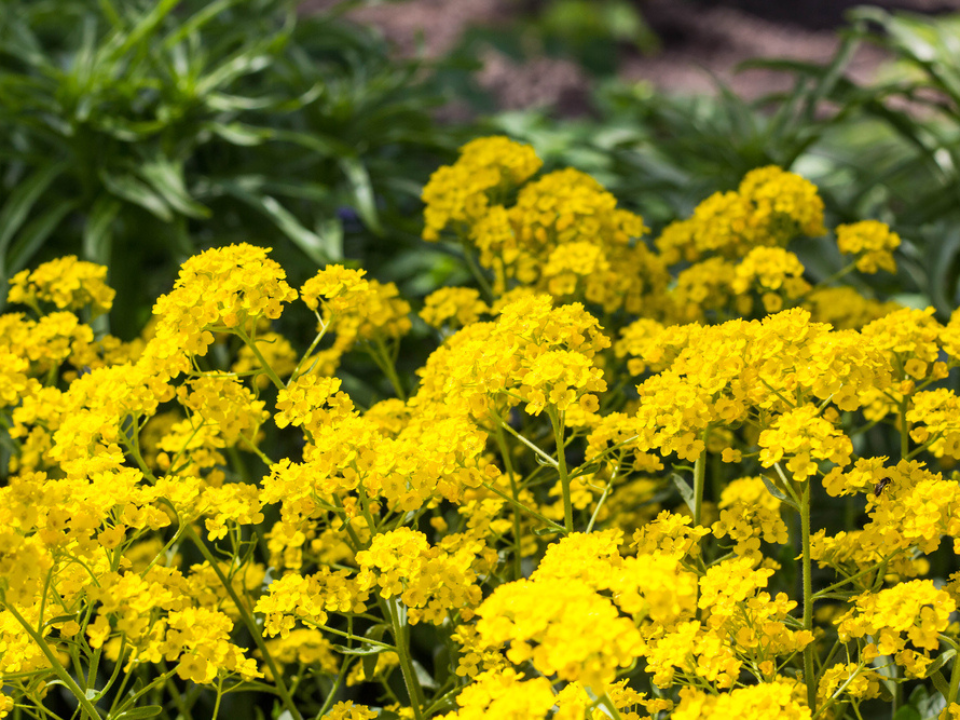
Basket of gold is known for its bright yellow flowers that blanket the plant in spring. It has a low, spreading habit and gray green foliage that keeps it attractive even after the flowers fade. This plant looks especially nice spilling over walls, edging paths, or filling sunny rocky spots.
It likes full sun and sharp drainage, so it is a good fit for drier parts of the yard. The cheerful blooms can make a dull area feel much more lively after winter. Basket of gold does not usually need much fuss once it has settled into a spot it likes. If you want a spring ground cover with warm color and a low tidy shape, this one is worth a look.
Blue Star Creeper
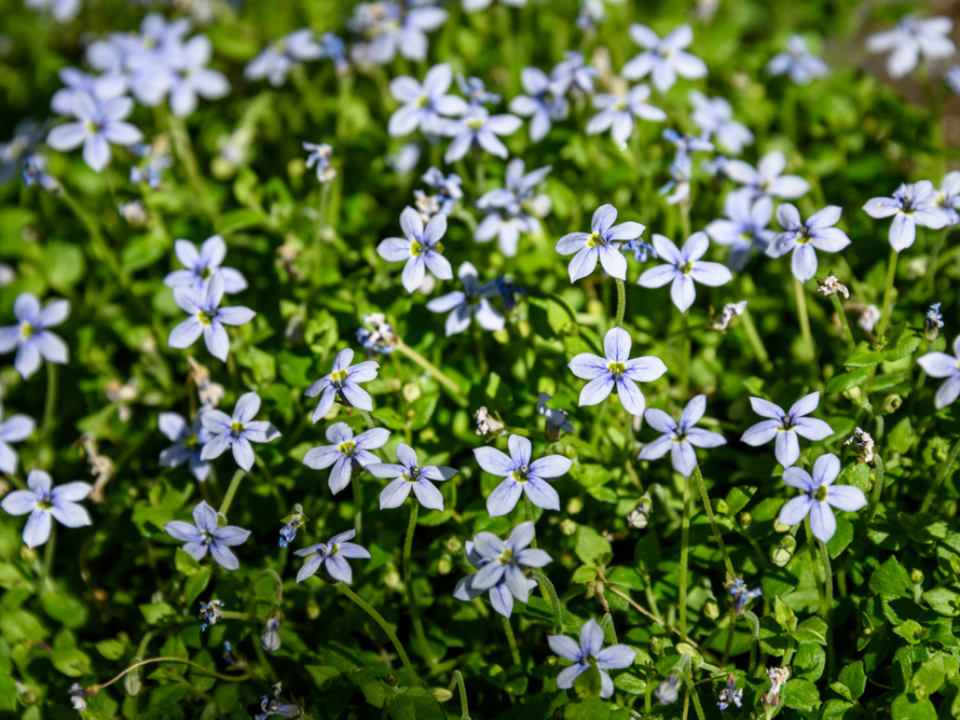
Blue star creeper is a very low plant that spreads into a soft green mat dotted with pale blue star shaped flowers. It stays close to the soil, which makes it useful between stepping stones and in front of borders. The tiny flowers show up in spring and can continue on and off when the weather stays pleasant. It does best in full sun to part shade and likes soil that stays lightly moist without turning muddy.
The leaves are small and neat, so the plant has a gentle and fine textured look. Because it spreads gradually, it can help cover open ground without making the area feel crowded. Blue star creeper is a nice choice for gardeners who want a low flowering cover with a delicate look.
Aubriet
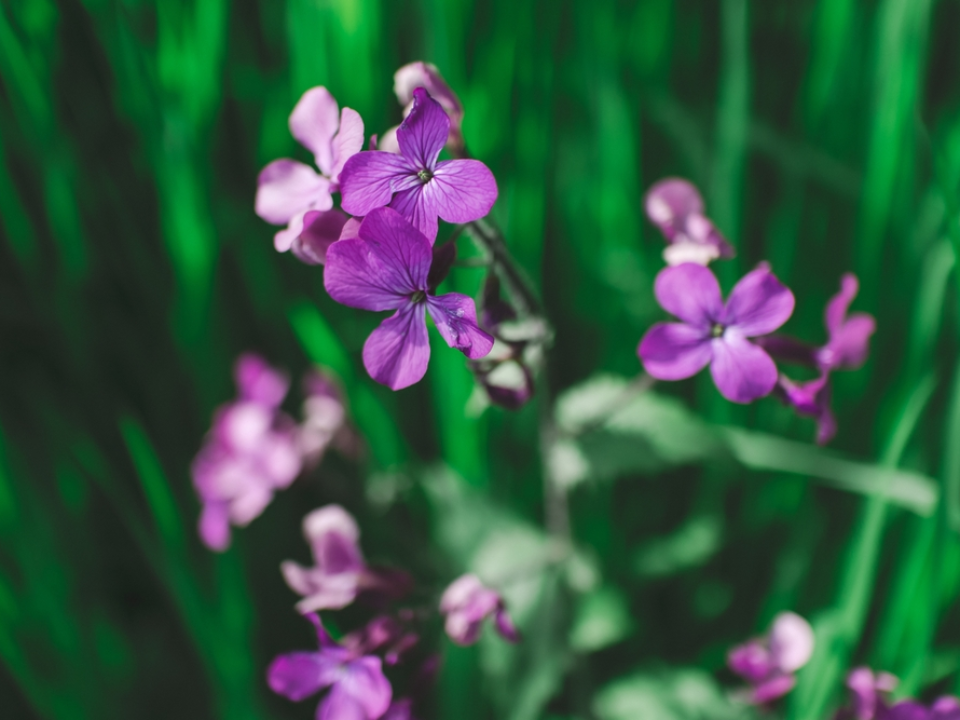
Aubrieta is a trailing spring bloomer that stays low and creates a colorful blanket over the soil or along stone edges. Its flowers usually come in purple, violet, pink, or blue shades and can cover much of the plant at bloom time. The foliage remains low and compact, which helps it work well in rock gardens and sunny borders.
This plant enjoys full sun and well-drained soil, especially in places where wet winter soil is not a problem. Aubrieta is often used where a gardener wants color to spill over a wall or soften the edge of a path. It has a cheerful look in spring and pairs nicely with other small alpine style plants. For a low ground cover with strong spring color, aubrieta is a very appealing option.
Lamium

Lamium is a shade friendly ground cover that grows low and spreads into a broad patch over time. Its leaves often have silver markings, which make the plant look attractive even when it is not in bloom. In spring, it produces small, hooded flowers in pink, purple, or white, depending on the kind.
Lamium works especially well in spots where grass struggles, such as under shrubs or in a bed with filtered light. It likes soil that holds some moisture, though it should still drain well enough after watering or rain. The stems root as they spread, which helps the plant fill in open ground with a soft layered look. Gardeners who need a low plant for bright shade often find lamium very useful.
Mazu
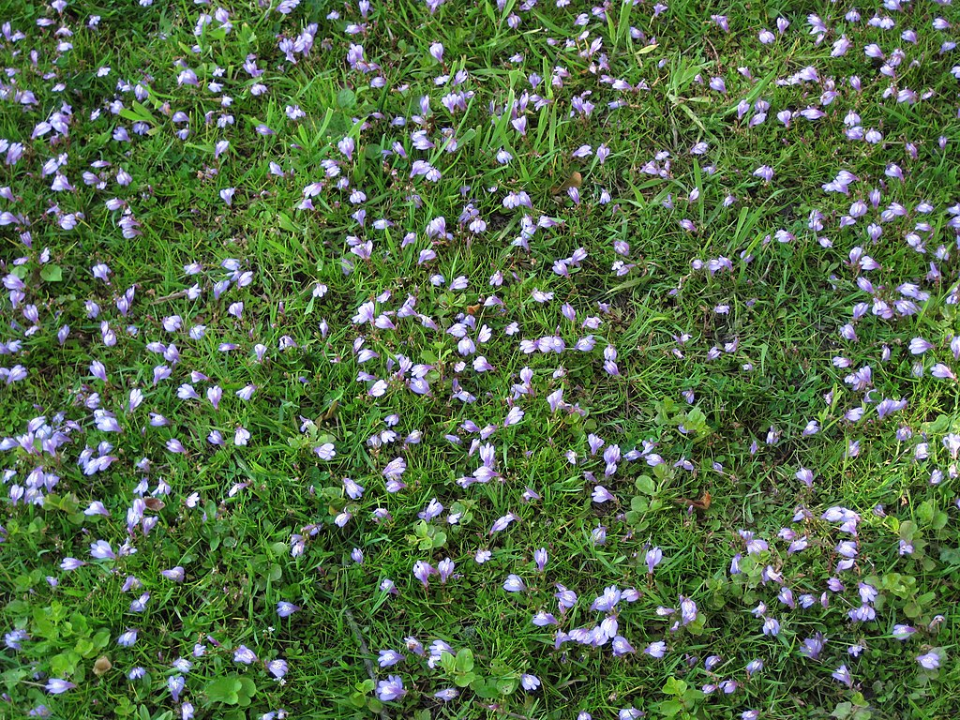
Mazus is a low spreading plant that can make a tight green carpet in spring and early summer. It usually stays just a few inches tall, so it is a good fit for the front of beds and the spaces between steppingstones. The flowers are small but eye catching, often purple or blue with white and yellow markings. Mazus likes moist soil more than some other ground covers, which makes it handy for areas that do not dry out too fast.
It grows well in full sun or part shade, depending on how warm the area gets. Because it hugs the ground so closely, it helps bare soil look full without blocking the view of nearby plants. If you want a low ground cover for a cooler or slightly damper part of the yard, mazus can be a very nice choice.
Strawberry Begonia
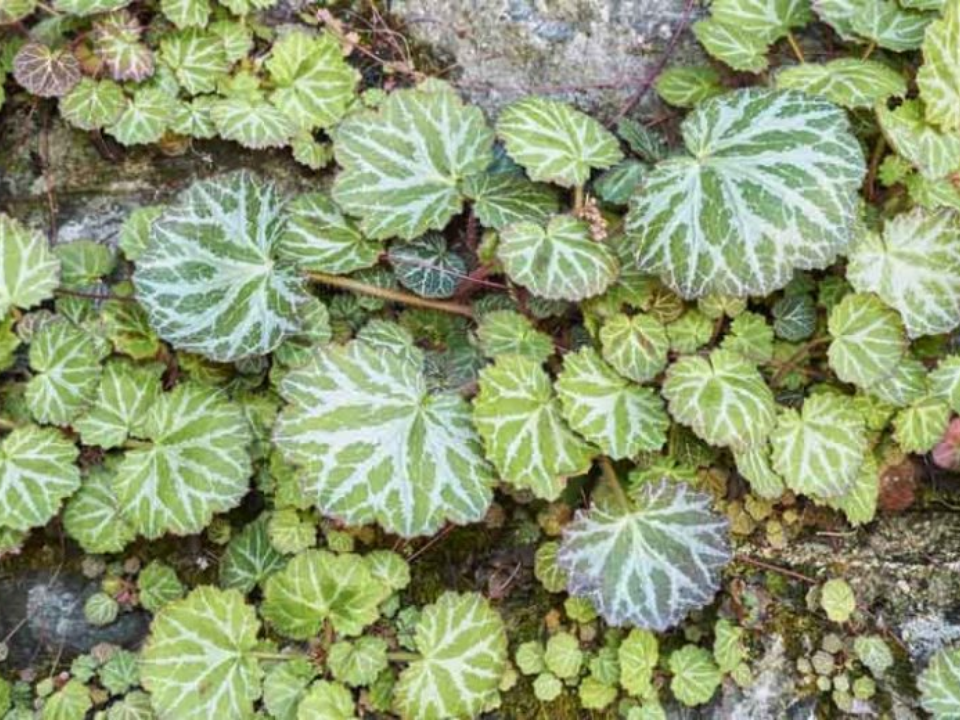
Strawberry begonia is a lovely ground cover that features round, dark green leaves with red veins. It stays low to the ground, forming a dense mat that works well for filling gaps or covering larger areas. The plant produces small white or pink flowers in spring, adding a soft touch of color. While it thrives in partial to full shade, it can also tolerate some direct sun if the soil is kept moist.
This plant spreads by runners, making it a great option for filling in empty spaces under trees or around shaded garden beds. Strawberry begonia does best in soil that is rich in organic matter and well-drained. If you want an attractive, low-maintenance ground cover with a unique look, this plant is a great choice.
Ground Morning Glory
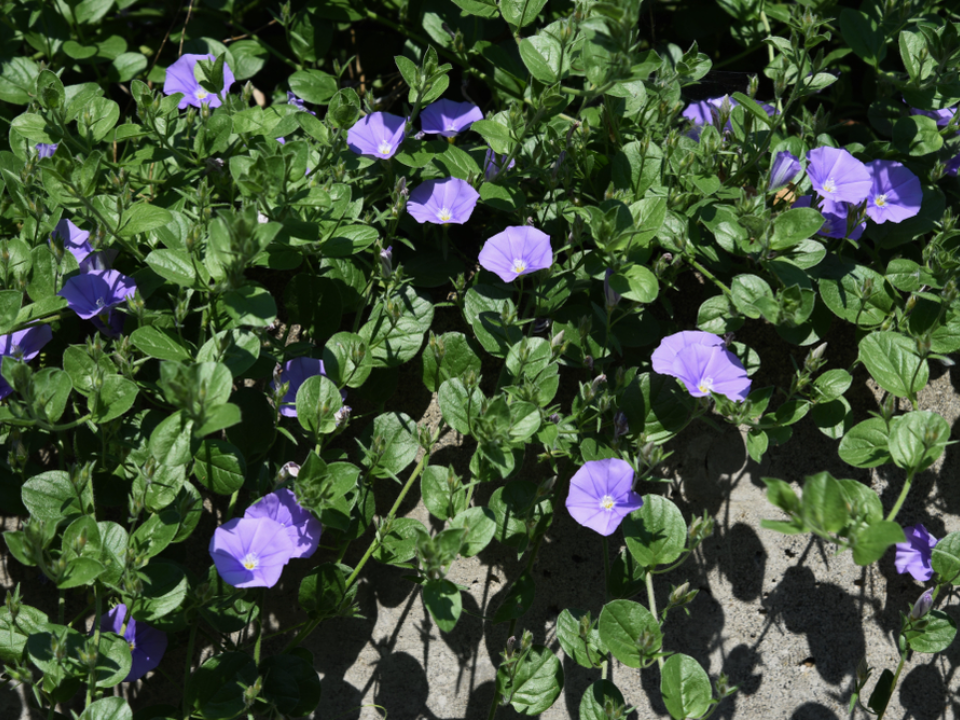
Ground morning glory is a fast-growing, low-spreading plant that is perfect for quickly filling in spaces in the garden. With its soft green foliage and bright blue trumpet-shaped flowers in spring, it makes a beautiful addition to sunny areas. It grows to a height of about 4 to 6 inches, but it can spread over a large area due to its creeping habit. Ground morning glory thrives in full sun and well-drained soil, making it perfect for sunny slopes or ground-level plantings.
Once established, it requires little care and can handle occasional drought. This plant works particularly well when planted on slopes where other plants may struggle to take hold. If you are looking for a hardy ground cover with vibrant spring blooms, ground morning glory is a great option.
Dead Nettle
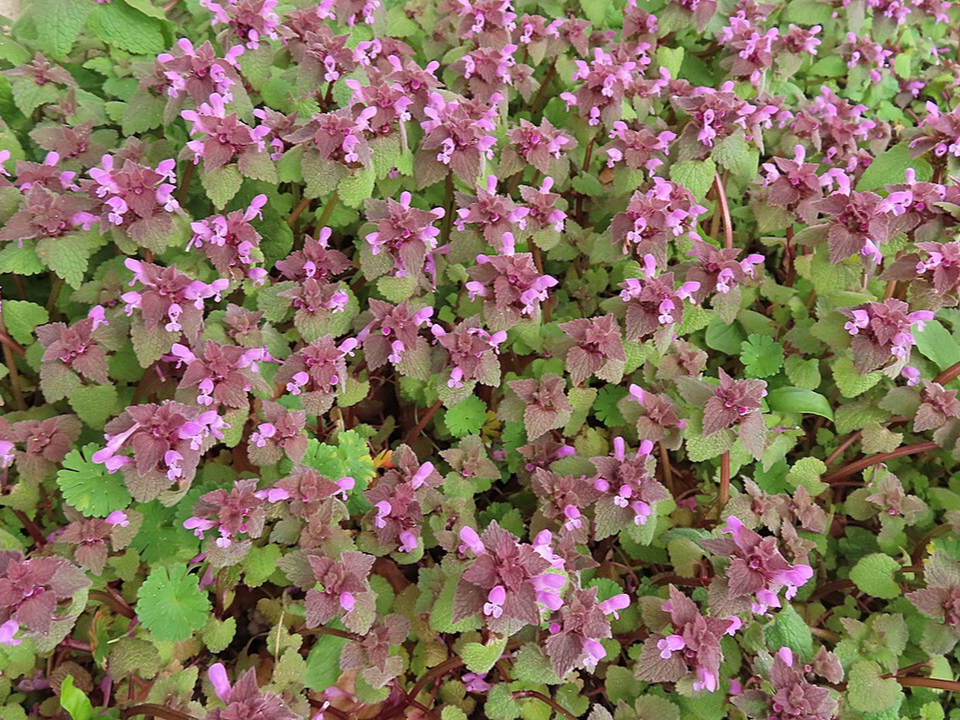
Dead nettle is a perennial ground cover that thrives in shady spots where many other plants might struggle. With its bright green leaves and colorful pink, purple, or white flowers in the spring, it adds beauty and interest to shaded areas. This plant has a low-growing habit, often staying only 6 to 8 inches tall, and spreads slowly by runners, which helps fill in areas with bare soil.
Dead nettle performs best in soil that is well-drained but retains some moisture. It is great for planting under trees or in shaded garden beds, where it will stay neat and dense. Once established, this ground cover can easily withstand light foot traffic and drought. For gardeners looking for an easy-to-care-for ground cover in shaded areas, dead nettle is an excellent choice.
Vinca Minor
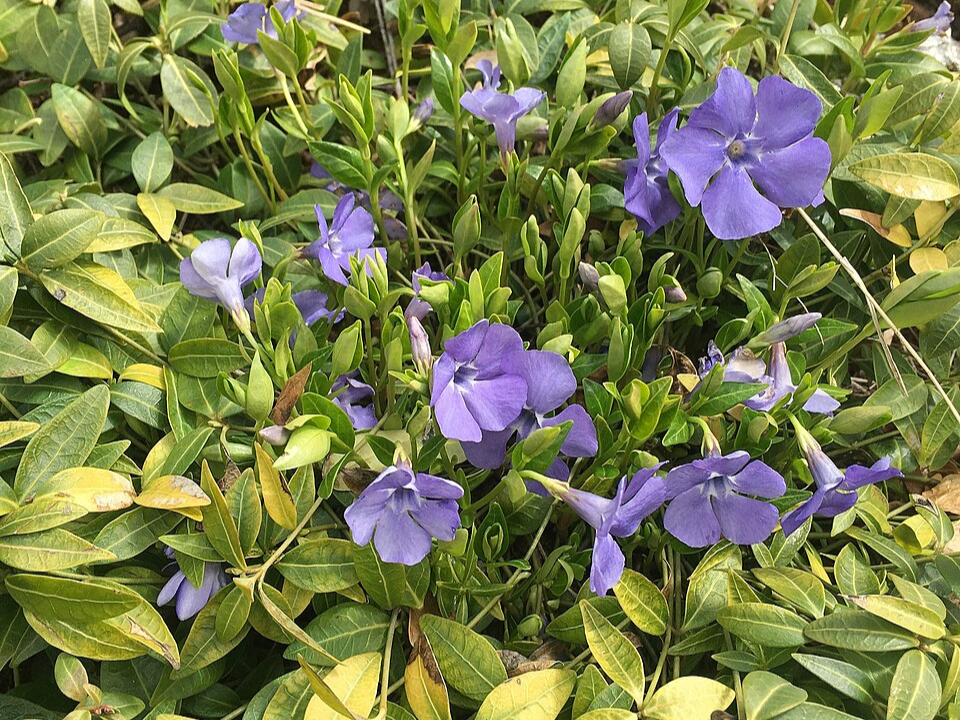
Vinca minor, also known as lesser periwinkle, is a popular ground cover that grows well in both sun and shade. This low-growing plant typically reaches a height of 4 to 6 inches, making it ideal for filling in ground-level spaces. In the spring, it blooms with attractive blue, purple, or white flowers that provide a nice contrast to its evergreen foliage.
Vinca minor spreads through creeping stems that root along the ground, forming a thick, dense carpet. It works especially well in shady spots where grass may struggle to grow, such as under trees or along fences. This ground cover is also fairly drought-tolerant once established, making it easy to maintain. If you are looking for a versatile and low-maintenance plant, vinca minor is a solid choice for your garden.
Woolly Thym
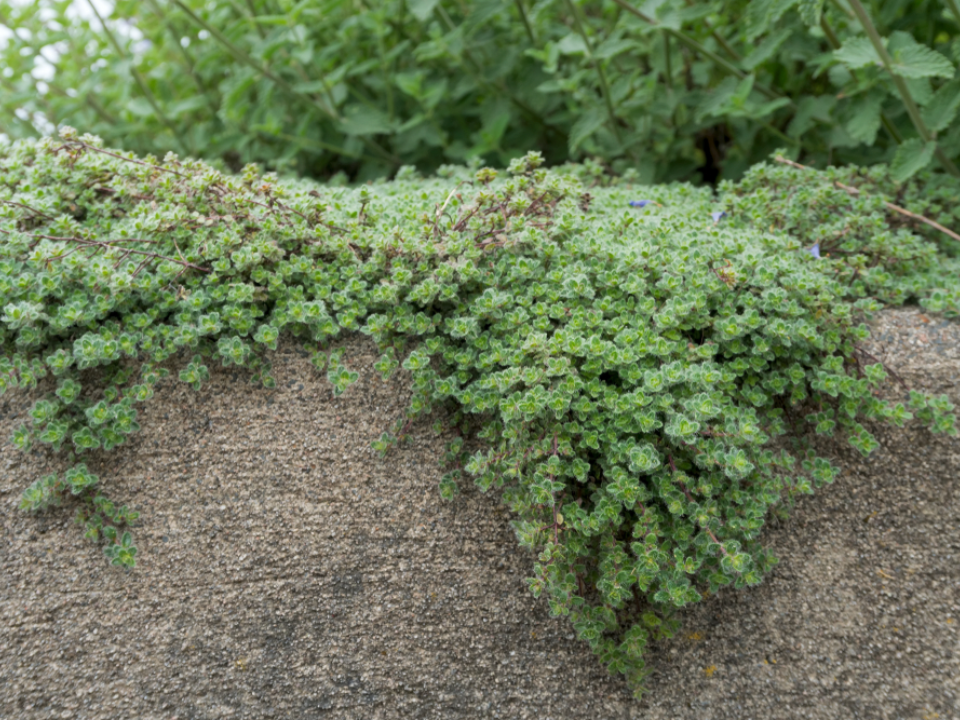
Woolly thyme is a low-growing, evergreen herb that forms a soft, dense mat, making it an ideal ground cover for sunny spots. The plant has small, rounded gray-green leaves and produces clusters of pink or purple flowers in late spring. Woolly thyme stays low to the ground, rarely exceeding 2 to 3 inches in height, which makes it perfect for filling in between steppingstones or along edges of flower beds.
It thrives in dry, well-drained soil and can tolerate moderate foot traffic, which makes it a good option for paths and walkways. Once established, woolly thyme is drought-tolerant and requires little maintenance. It also gives off a pleasant fragrance when stepped on, adding an extra sensory benefit to your garden. Woolly thyme is a great choice for gardeners looking for a fragrant, low-maintenance ground cover.
Hosta
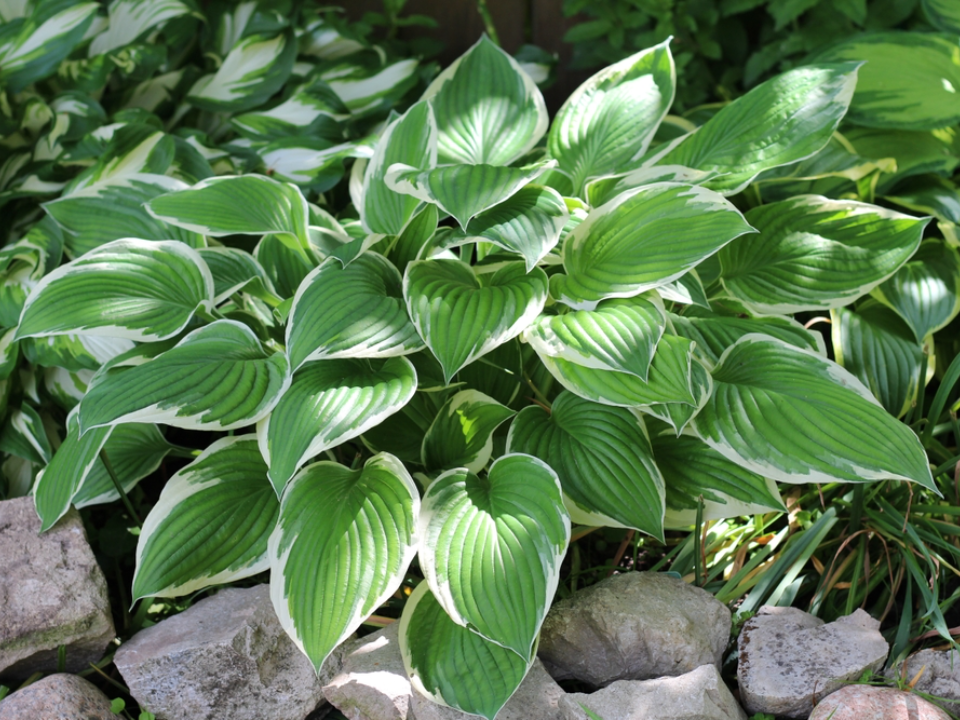
While hosta is typically known for its large, decorative leaves, some varieties make excellent ground covers in shaded areas. Hostas come in various colors and patterns, including green, yellow, and blue foliage with different variegation. These plants are ideal for low-light areas, such as the shade under trees or along the north side of buildings.
Although hostas do not bloom extensively in spring, their foliage adds texture and depth to the garden. They can spread over time, forming dense clumps that provide ground coverage and suppress weeds. Hostas are also known for their tolerance to dry soil once established, making them a low-maintenance option for shaded areas. If you need a sturdy ground cover in shady spots, hostas can be an excellent option.
Wintercreeper
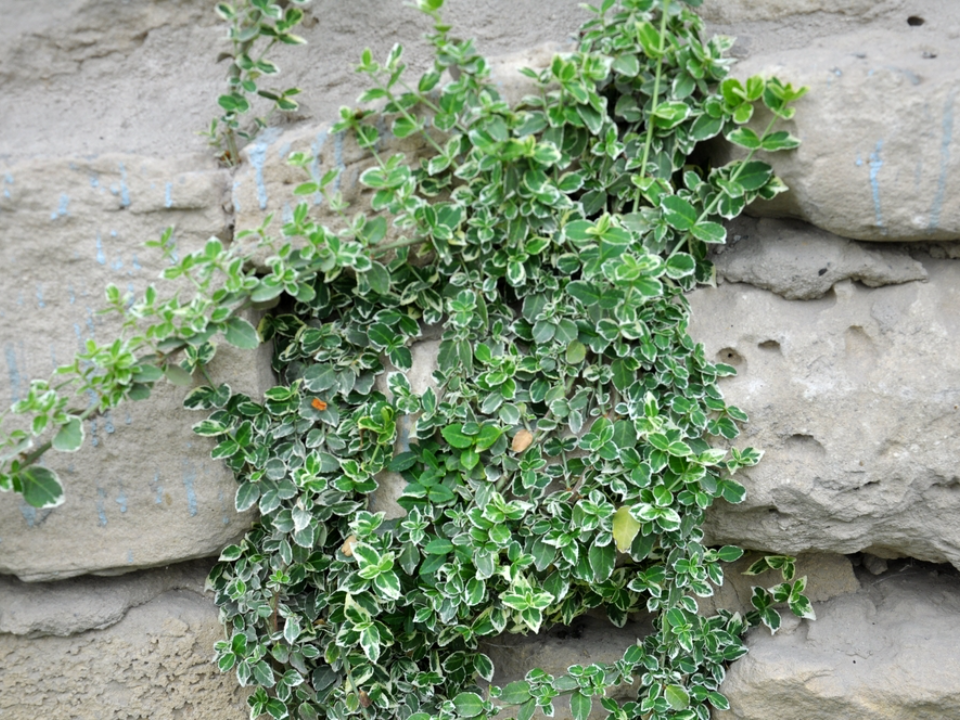
Wintercreeper is a hardy evergreen ground cover that provides year-round interest in the garden. Its variegated leaves, which come in shades of green, yellow, and white, make it an attractive choice for filling in gaps in shady areas. In spring, wintercreeper produces small, inconspicuous flowers, but it is primarily valued for its dense foliage.
It is adaptable to a variety of soil types and can thrive in both full sun and partial shade. Wintercreeper is often used for erosion control on slopes or as a filler between other plants in garden beds. Once established, it requires little maintenance and can tolerate drought conditions. This plant is a great option if you need a reliable, evergreen ground cover.
Irish Moss
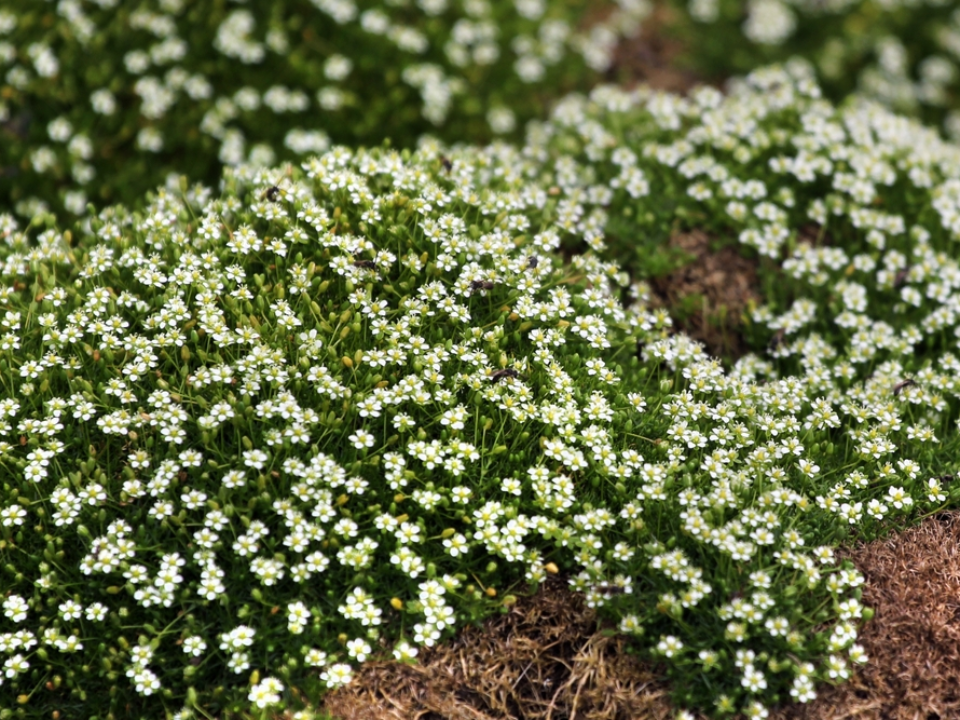
Irish moss is a dense, low-growing plant that forms a thick, lush carpet of green. It is an ideal ground cover for moist, shaded areas where other plants may struggle. In spring, it produces tiny white flowers that add a touch of brightness to the foliage. Irish moss thrives in well-drained, moist soil and works best in areas with partial to full shade.
It grows to about 2 to 3 inches in height and spreads easily over time. This plant is often used in rock gardens or along paths and is perfect for filling in areas that require a soft, green cover. If you need a low-maintenance, low-growing plant that adds a touch of color and texture, Irish moss is a great choice.
This article originally appeared on Avocadu.