
11 Low Effort Mulch Moves That Protect Roots Until Spring
If your beds look tired right now, mulch is one of the easiest ways to support your plants through the last stretch of cold weather. It helps hold in moisture, softens sudden chills, and keeps roots from being exposed. Most of these ideas use what you already have on hand. Once you start, you can finish a lot faster than you think.
This post may contain affiliate links, which helps keep this content free. Please read our disclosure for more info.
Patch bare soil where mulch blew away
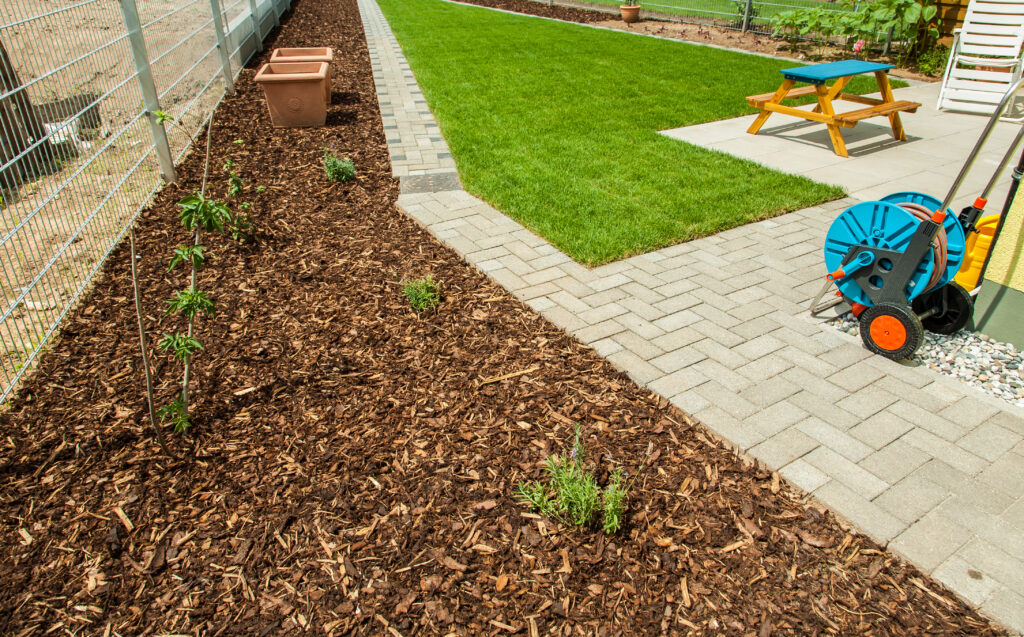
After a windy week, mulch can slide off the bed edges and leave bare soil that chills fast at night. Take a slow walk and look for places where you can see exposed dirt, pale roots, or a crusty surface that dries out quickly. Use your hands, a small rake, or even a dustpan to pull the mulch back into an even layer without digging into the soil. This simple reset helps the root zone stay more even through those late winter temperature swings.
Aiming for about 2 to 3 inches of mulch usually gives good coverage while still letting water move through. If you need to add more material, sprinkle it in thin passes so you do not bury crowns or smother low plants. Keep a small gap around stems and trunks so moisture does not sit against tender bark. When you finish, lightly pat the surface so it settles and stays put during the next gusty day.
Keep tree trunks and shrub stems clear
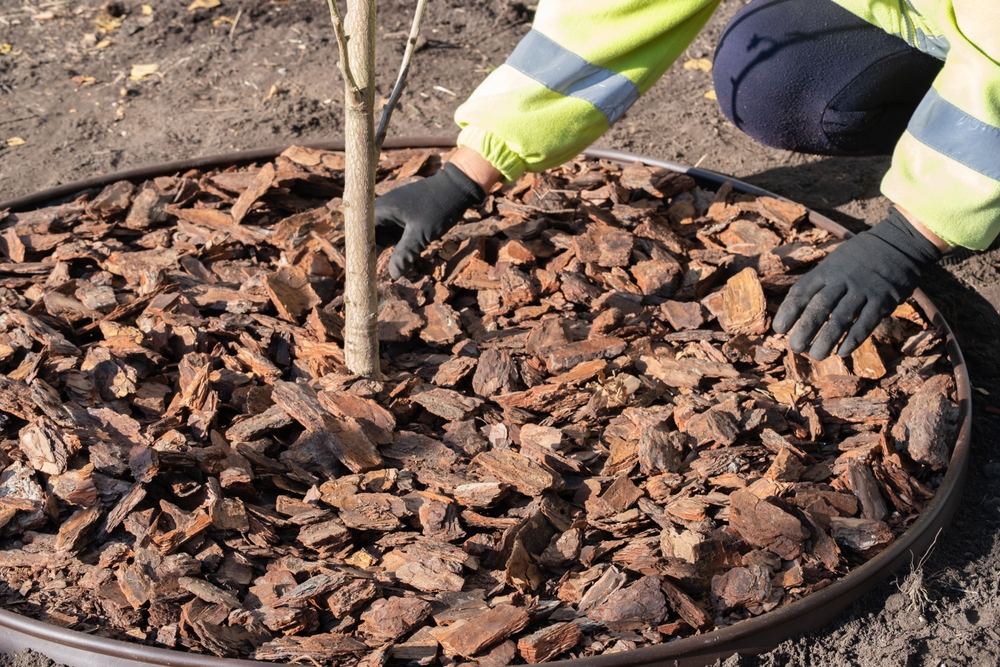
Mulch stacked high against a trunk can keep bark damp, and damp bark is more likely to crack, soften, or attract problems. A quick fix is to pull mulch away so it sits like a donut around the plant rather than a mound touching the stem. This helps the trunk flare stay visible, which is a good sign that you are not burying the base. It also makes it easier to spot gnaw marks or damage early.
Leave a gap of about 3 to 6 inches around the trunk, depending on the plant size, then spread mulch outward to cover the root area. If you see surface roots, cover them lightly, but keep the trunk itself clean and dry. In late winter, this gap also helps bark warm and dry during sunny afternoons, which can reduce stress from freeze and thaw. A tidy ring looks neat, but the real benefit is healthier bark and fewer spring headaches.
Fluff mulch that has matted down

Winter rain and snow can press mulch into a dense sheet that holds too much moisture right at the soil surface. When mulch mats are used, oxygen moves more slowly, and shallow roots can sit in cold, wet conditions longer than they should. Use a hand rake to gently lift and loosen the top layer so it looks airy and crumbly rather than packed. You are not trying to turn the soil, as you are just giving the mulch layer a lighter texture.
Pick a day when the mulch is not frozen, and the ground is not muddy, so you do not compact the soil while you work. If you spot moldy clumps, break them apart and spread them thinly so they can dry, since mold often shows up where airflow is low. While you fluff, check around stems and pull mulch back if it is touching soft plant tissue. This quick step can help roots stay calmer and reduce the soggy feel many beds get before spring.
Add a thin top coat of shredded leaves
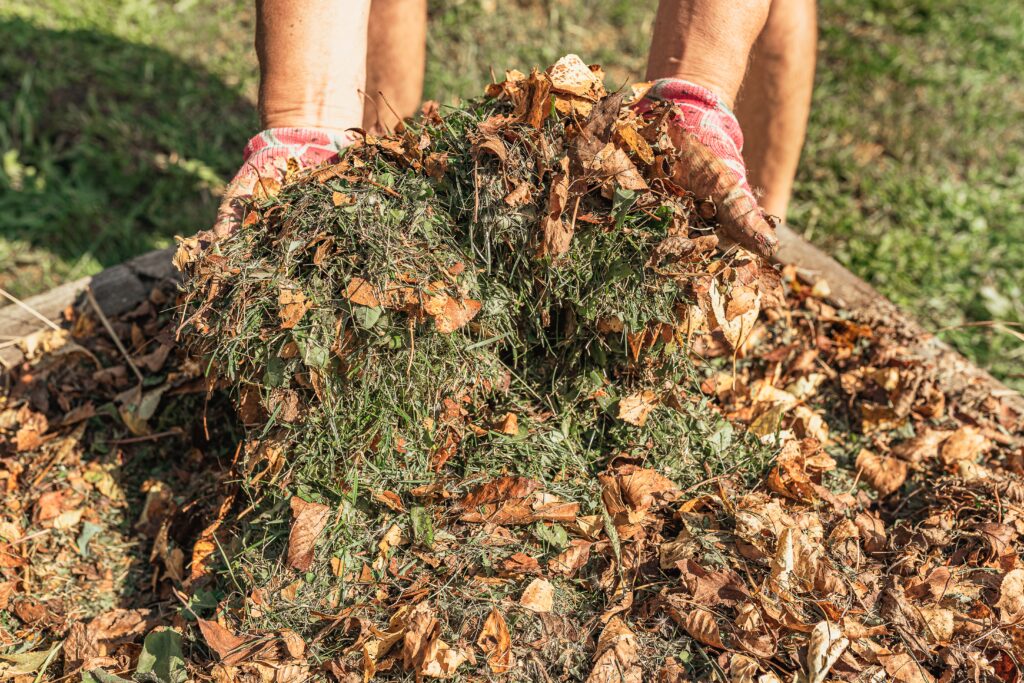
Shredded leaves make an easy late winter cover because they slip into gaps and settle over soil without a lot of effort. If you have a mower, run over dry leaves once or twice, or crush them in a bag if you only need a small amount. Spread them over beds where soil is showing, especially around plants with shallow roots that sit close to the surface. This adds a soft layer that helps with moisture hold and reduces sudden chilling when the temperature drops at night.
Keep the leaf layer loose at about 1 to 2 inches, since leaves compress quickly once they get damp. Pull leaves away from crowns and woody stems so the center of the plant does not stay wet. If wind is a problem, mist the leaves lightly or lay a few small twigs on top to keep them from drifting. By spring, many leaves will start breaking down and can be mixed into the bed surface during your normal cleanup.
Water first, then replace mulch during dry winter weeks

In some places, late winter is dry and windy, and roots can dry out even when the air feels cold. When the ground is not frozen and the soil feels dusty a few inches down, a slow soak can make a real difference. Water in the middle of the day so moisture has time to sink in before temperatures drop again. After watering, pull mulch back into place over the damp soil to help the moisture stay put.
Focus on shrubs, newly planted perennials, and beds under eaves where rain does not reach well. Skip watering if the soil is frozen solid or if water is already pooling, since soggy soil can cause problems of its own. Keep mulch off the base of plants so the crown area can dry, even while the root zone stays protected. This simple routine often helps plants come out of winter with fewer dry tips and less early spring stress.
Use pine needles around acid-loving plants
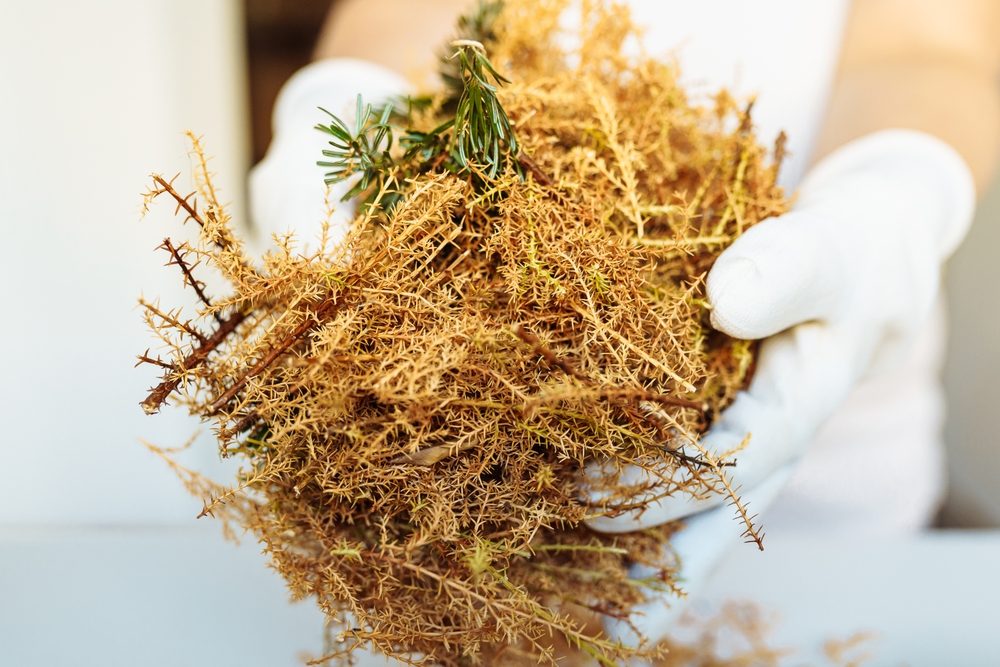
Pine needles are light, easy to handle, and they tend to stay in place because the needles hook together. Plants like blueberries, azaleas, and rhododendrons often do well with this type of mulch since it lets water pass through while still covering the soil. Spread needles in a loose blanket over the root area, especially where fine feeder roots sit close to the surface. The result is a layer that stays airy, which helps avoid the soggy, packed feel some mulches get in late winter.
Aim for about 2 to 3 inches deep, then check after a big rain to see if the layer shifted. Keep the needles away from the main stem so the base stays dry and you can still see the trunk flare. If needles are very dry and windy weather is expected, mist them lightly to help them settle. Pine needles also look tidy through winter, which makes the bed feel cared for even before spring growth starts.
Reuse and relevel old mulch instead of adding new
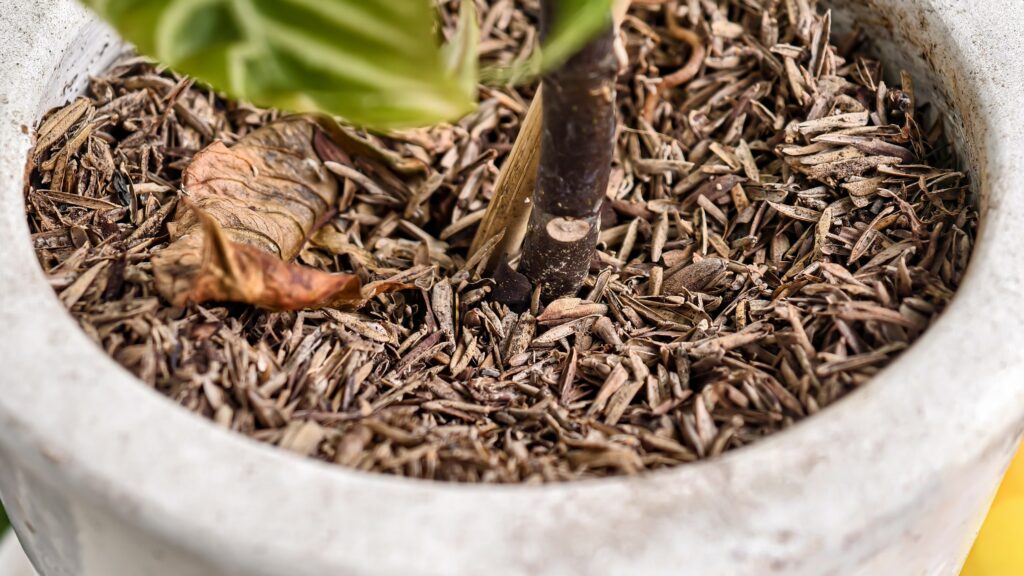
Old mulch still works as a soil cover as long as it has not broken down into a slimy layer. Rake it back from paths and bed edges and spread it evenly over thin spots where soil shows through. This is especially useful around shrubs and perennials where you want protection but do not want to disturb roots by digging. Releveling what you already have can take just minutes and still makes a clear difference in root comfort.
If you find sections that smell sour or look mushy, scoop those aside and use the healthier mulch from other parts of the bed. You can stretch thin mulch by mixing in shredded leaves or a small amount of straw, which helps keep the layer airy. Keep the thickness steady rather than deep, since thick piles can hold too much moisture near plant bases. A quick relevel now also makes spring weeding and cleanup easier because the bed surface stays covered.
Add compost under mulch as a quiet soil refresh

A thin layer of compost under your mulch can support soil life without disturbing roots at a time when plants are still resting. Spread compost first, then pull the mulch back over it so the compost stays covered and does not dry out too fast. This works well in perennial beds, around shrubs, and anywhere you want a gentle soil improvement without digging. It is a simple way to prepare the bed for spring growth while keeping the root zone protected.
Keep compost to about half an inch to one inch so it stays neat and does not crust into a hard layer. As you spread, keep compost away from stems and crowns, just like you do with mulch, so the base of the plant stays dry. After you replace the mulch, the compost will stay slightly warmer and more moist, which helps it break down in place. By spring, the bed surface often feels softer and easier to work, and plants may settle in faster once growth starts.
Widen the mulch circle around young plants

New shrubs and young perennials have smaller root systems, so they feel soil stress faster than older plants. Give them a wider mulch circle that extends beyond the planting hole, since roots often spread outward before they go deep. This wider cover helps keep moisture steadier and reduces sudden soil temperature changes near tender new roots. It also helps cut down early weeds that compete for water when spring starts warming up.
Use about 2 to 3 inches of mulch, then check that the plant base is still clear so bark and stems are not kept damp. If the plant is grafted, such as many roses and some fruit trees, keep the graft area visible and free of mulch buildup. After heavy rain, check that mulch has not washed into a mound around the stem, especially on slopes. This small habit can help a young plant settle through the last part of winter with less stress.
Mulch the soil surface in pots and planters
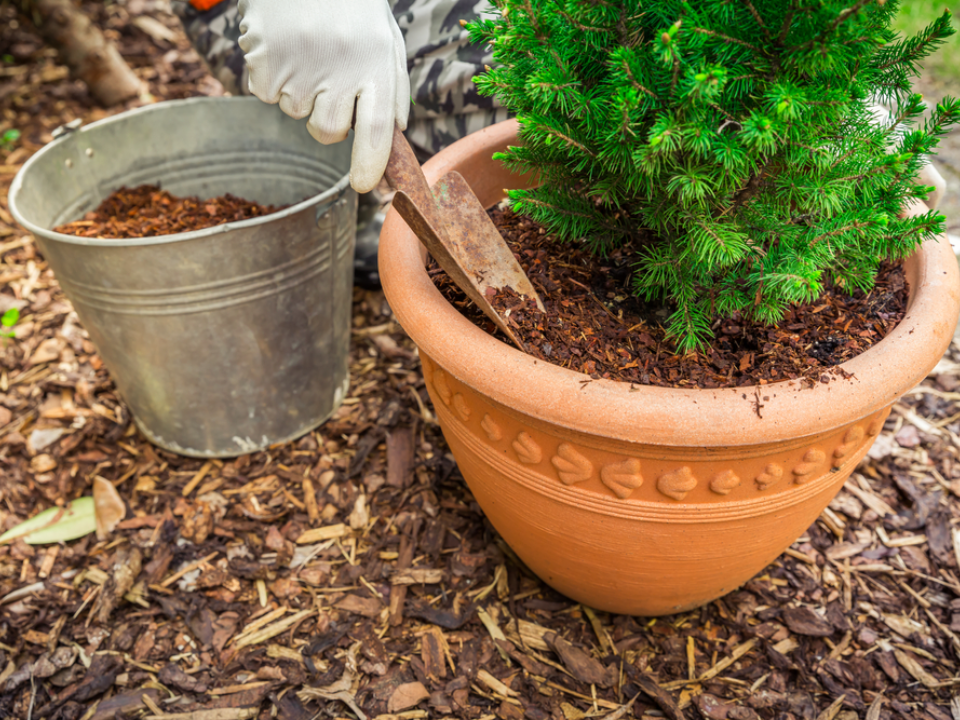
Containers warm and cool faster than beds, which means roots in pots can take bigger temperature swings during late winter. Add a thin layer of mulch over the pot surface to slow drying and to soften those quick changes when cold nights follow sunny days. Leave a small open space around the plant stem so the base stays dry and you can spot any soft growth early. This is especially helpful for hardy herbs, small shrubs, and perennials overwintering in containers.
Grouping pots together near a wall can add extra protection by cutting wind, and you can also tuck mulch around the outside of pots to help insulate them. Make sure drainage holes stay clear so water does not collect at the bottom, since wet soil in a cold pot can harm roots. If the potting mix has sunk, top it up first, then add mulch, so roots are not left exposed. When spring arrives, you can pull back some mulch so the soil surface warms a bit faster, while still keeping coverage over the root area.
Plan your spring mulch pullback now
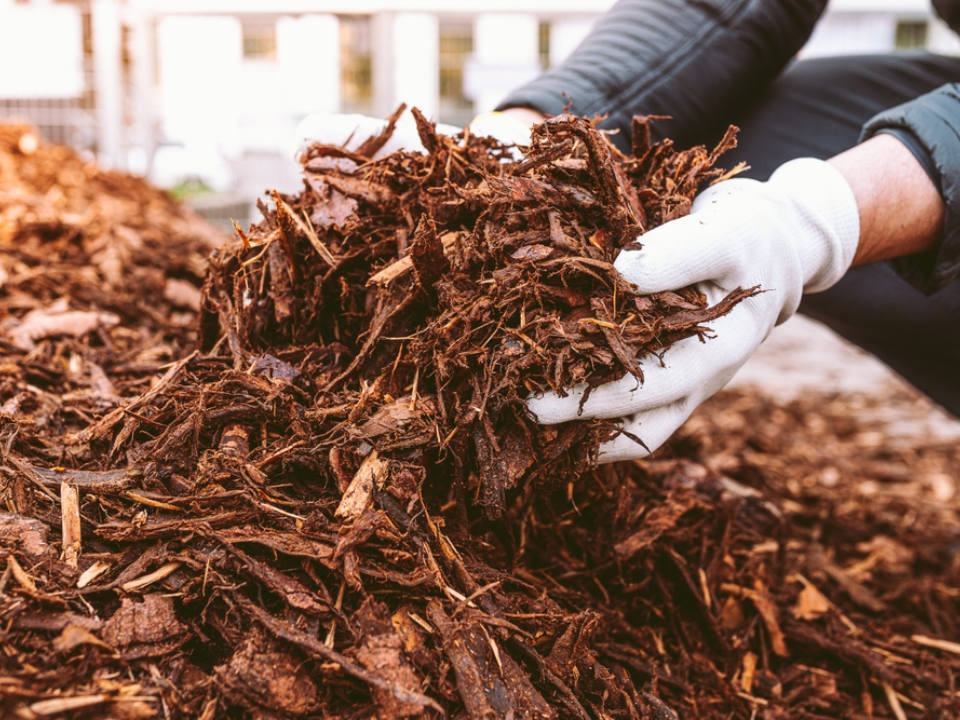
A common late winter mistake is leaving mulch piled up too long once warmer days arrive, which can keep crowns damp and slow new growth. Mark plants that need early crown clearance, like iris, peony, and lavender, with small stakes so you remember where they are when growth starts. This keeps spring cleanup calmer because you are not guessing under a thick layer of mulch. It also helps if you have bulbs and small perennials that are easy to cover and forget.
When spring temperatures start to settle, pull mulch back gradually rather than removing it all at once, since roots still benefit from coverage during chilly nights. Keep the mulch over the root zone while opening up the center of clumping perennials so new shoots have room and light. If a late cold snap arrives, you can slide mulch back toward the roots for a night or two without burying crowns. This gentle back and forth helps plants wake up cleanly while still keeping roots protected through the last stretch of winter.
This article originally appeared on Avocadu.