
10 Low Effort Money Moves That Quietly Protect Your Budget
Money management does not always have to be complicated. A few straightforward habits can go a long way in protecting your budget. With just a little effort, you can safeguard your finances without even realizing it. These easy money moves are designed to help you keep track of spending while improving your overall financial security. Start making these simple changes today and watch your budget stay on track.
This post may contain affiliate links, which helps keep this content free. Please read our disclosure for more info.
Set Up Automatic Bill Payments

Setting up automatic payments for bills is one of the easiest ways to ensure you avoid late fees. By scheduling payments, you no longer have to worry about forgetting due dates. This move helps maintain a smooth flow of finances without extra effort each month. Just ensure that your bank account has enough funds to cover the bills to avoid overdrafts.
Automatic payments are especially useful for regular expenses like utilities, subscriptions, or loans. Once set up, this system works in the background, keeping your budget on track without requiring constant attention. It is a simple action that saves both time and money, making it an excellent addition to any financial routine.
Use Cash Back or Reward Programs

Taking advantage of cash-back or reward programs on credit cards and shopping apps is an easy way to save money. Many programs offer cashback for everyday purchases, which can quickly add up over time. You can even stack rewards with special offers, earning more for items you were already going to buy. This helps protect your budget by allowing you to get something back from your spending.
It is important to track the reward programs you are enrolled in to maximize their benefits. While some cards charge an annual fee, the cash-back return often outweighs the cost, especially if you use the card frequently. Using these programs for regular purchases helps you recoup money, making it a low-effort way to pad your budget.
Track Your Subscriptions

Subscriptions can sneak up on you if you are not careful. Regularly reviewing your active subscriptions allows you to identify those you no longer need or use. Canceling unwanted subscriptions will immediately free up money each month. This move requires only a small amount of time to track down and manage, but the savings are significant.
Many people sign up for free trials that convert into paid subscriptions, often forgetting to cancel them. By periodically reviewing your subscriptions, you can make sure you are only paying for what you actually use. This proactive step helps protect your budget from unnecessary charges that can easily be overlooked.
Review Your Bank Fees Regularly

Reviewing your bank account fees can reveal small charges that add up over time. Some banks offer ways to avoid fees, such as by maintaining a minimum balance or using in-network ATMs. Identifying and avoiding unnecessary charges is a simple way to save money each month. By checking your account statements regularly, you can ensure you are not losing money due to overlooked fees.
Many banks also offer fee waivers if you meet certain conditions, like enrolling in direct deposit. Taking a few minutes to review your bank accounts can help you identify opportunities to avoid fees. With just a little effort, you can eliminate extra costs and keep your budget intact.
Shop During Sales and Use Coupons

Taking advantage of sales and using coupons is an easy way to reduce your spending without much effort. Many stores offer regular discounts, and websites often list available coupons for specific retailers. By planning your purchases around these sales, you can save money on items you were already planning to buy. These discounts do not require significant time or effort but can have a noticeable impact on your budget.
It is important to avoid the temptation to buy unnecessary items just because they are on sale. Focus on using coupons and shopping during sales for things you genuinely need. This strategy can help stretch your budget and protect you from impulse buying.
Set Up a Simple Budgeting System

Creating a simple budgeting system is one of the most effective ways to keep track of your finances. You do not need to be overly detailed, as you can just categorize your income and expenses into broad groups. By understanding where your money is going, you can make informed decisions about where to cut back. This system helps you stay on top of your finances without needing constant adjustments.
There are several easy-to-use apps that automatically track your spending, making budgeting a simple task. A clear overview of your finances can highlight areas where you might be overspending. This small effort to budget consistently can save you money in the long run.
Set Up an Emergency Fund
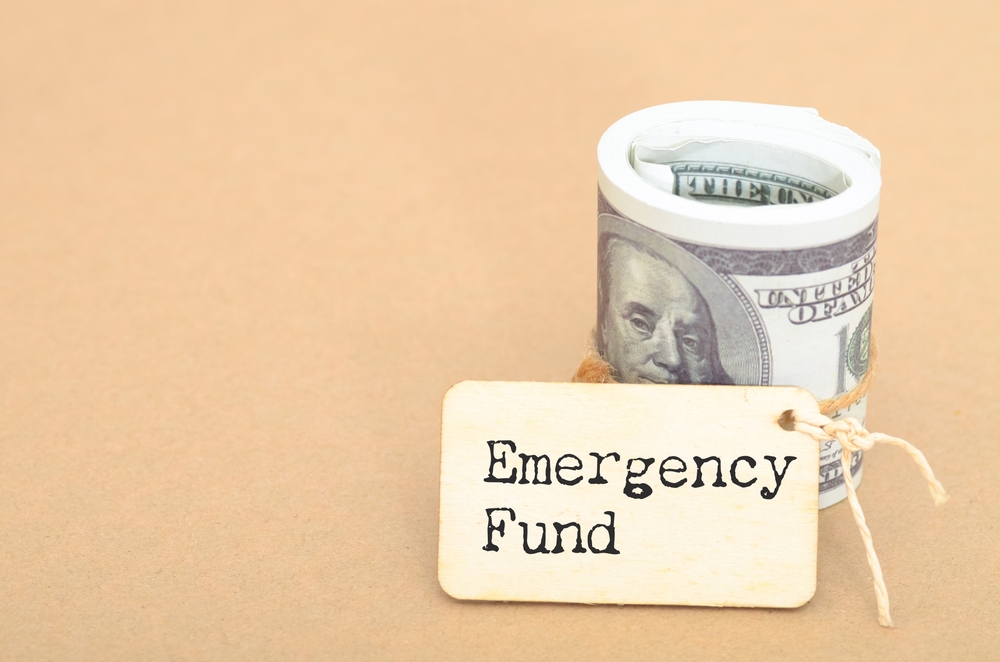
An emergency fund helps protect your budget when unexpected costs arise. Setting aside just a small amount each month can provide a financial cushion when you need it most. Having this safety net means you are less likely to dip into your regular budget or use credit cards for unexpected expenses. It is a simple way to avoid financial strain during tough times.
Start by setting a realistic savings goal for your emergency fund. Once you have a fund in place, you will feel more secure knowing you have backup money for emergencies. This move requires minimal effort but gives you peace of mind knowing you are financially prepared for the unexpected.
Use a Shopping List to Avoid Impulse Buys

One of the easiest ways to protect your budget is by sticking to a shopping list. Planning your purchases ahead of time helps you avoid buying things on a whim. By only buying what is on your list, you reduce the chances of overspending and purchasing items that you do not need. It is a simple strategy that keeps your finances in check without much extra work.
Before heading out, make a list based on what you truly need. Whether it is for groceries or household supplies, sticking to the list is a simple move that prevents unnecessary spending. This effort requires minimal time and provides an instant benefit to your budget.
Use Energy-Efficient Appliances
Switching to energy-efficient appliances is a smart, low-effort move that saves money on utility bills. Appliances with an Energy Star rating use less electricity, which translates to lower monthly bills. The upfront cost might be slightly higher, but the long-term savings are well worth it. These appliances also help reduce your overall environmental impact.
Look for opportunities to replace outdated appliances with newer, energy-efficient models. This move can also increase the value of your home if you decide to sell. It is a simple change that makes a big difference to your finances and reduces your energy consumption.
Review Your Insurance Policies

Regularly reviewing your insurance policies helps ensure you are not paying for unnecessary coverage. As life changes, so do your insurance needs. Taking the time to adjust your coverage can lower premiums and prevent overspending. This simple action protects your budget while ensuring you have the right coverage for your current situation.
Whether it is for car, home, or health insurance, keeping your policies up to date is essential. Many insurance providers offer discounts for bundling multiple policies or for long-term customers. Regular reviews allow you to catch any discrepancies or unnecessary charges before they affect your finances.
This article originally appeared on Avocadu.