
13 Low Effort Backyard Wildlife Helps for Late Winter
With the winter chill still lingering, wildlife in your backyard may need a bit of help to stay comfortable. Fortunately, offering support does not have to be complicated. Easy changes can make a big difference, whether it’s offering food or creating places for shelter. These small actions will help your backyard become a sanctuary for creatures during these cold months. Let’s take a look at a few simple ways to lend a hand.
This post may contain affiliate links, which helps keep this content free. Please read our disclosure for more info.
Provide Bird Feeders with High-Energy Foods
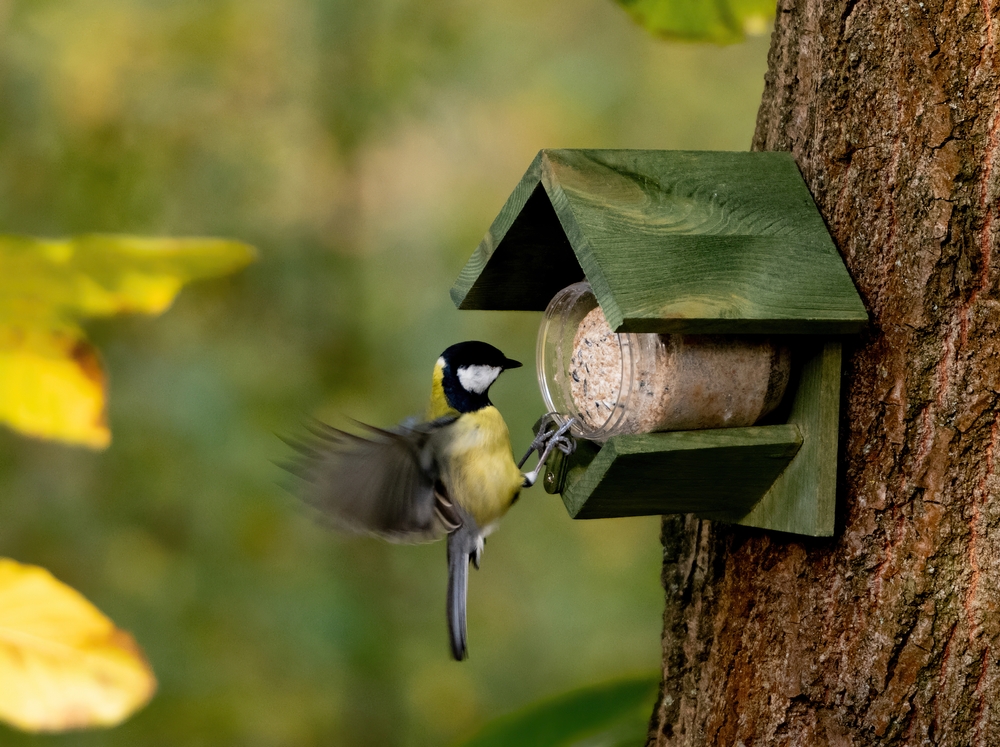
Birds struggle to find sufficient food during late winter, especially when natural sources like berries and insects are scarce. By offering bird feeders stocked with high-energy foods such as sunflower seeds, suet, and peanuts, you can help birds keep up their strength. These foods are particularly beneficial for birds like chickadees, woodpeckers, and finches, who need extra calories to survive the colder months. Make sure to clean your bird feeders regularly to prevent mold buildup, which can cause illnesses among the birds.
A well-maintained bird feeder can provide a constant source of nutrition for the birds, helping them survive until spring. By placing feeders in sheltered spots, like near bushes or trees, you can ensure that birds are protected from the elements while they feed. Watching birds come to your backyard can be a delightful experience for nature lovers, especially when they are drawn to your efforts. This small but effective addition to your backyard can make a big difference for local wildlife, and it requires minimal upkeep.
Leave Fallen Leaves for Insects
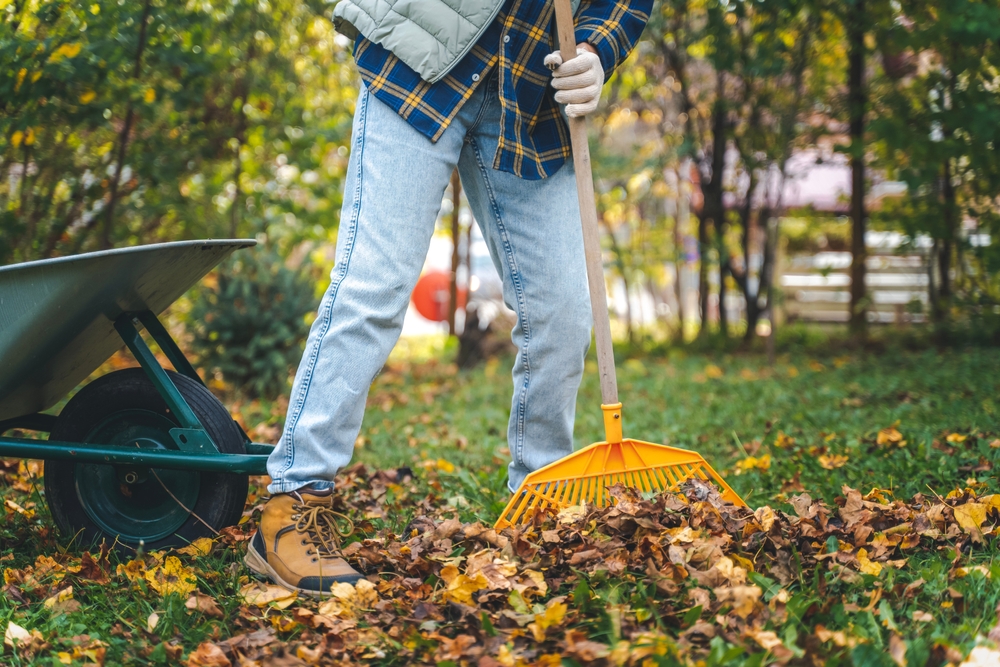
Insects are a crucial part of the food chain, and many overwinter in piles of fallen leaves. Instead of raking up all the leaves in your yard, leave a small portion of them undisturbed. These piles provide shelter for insects like beetles, caterpillars, and ants, offering them a safe space to wait out the cold months. As the weather warms, many of these insects will emerge, serving as an important food source for birds and small mammals.
Allowing leaves to accumulate also helps enrich the soil as they decompose, benefiting your garden in the long run. This practice not only supports local wildlife but also reduces the amount of yard waste you have to manage. It’s a low-maintenance solution that adds to the biodiversity of your backyard, creating a more balanced and thriving environment for all kinds of creatures. Over time, these simple changes can help foster a healthier, more resilient ecosystem.
Create a Water Source for Wildlife
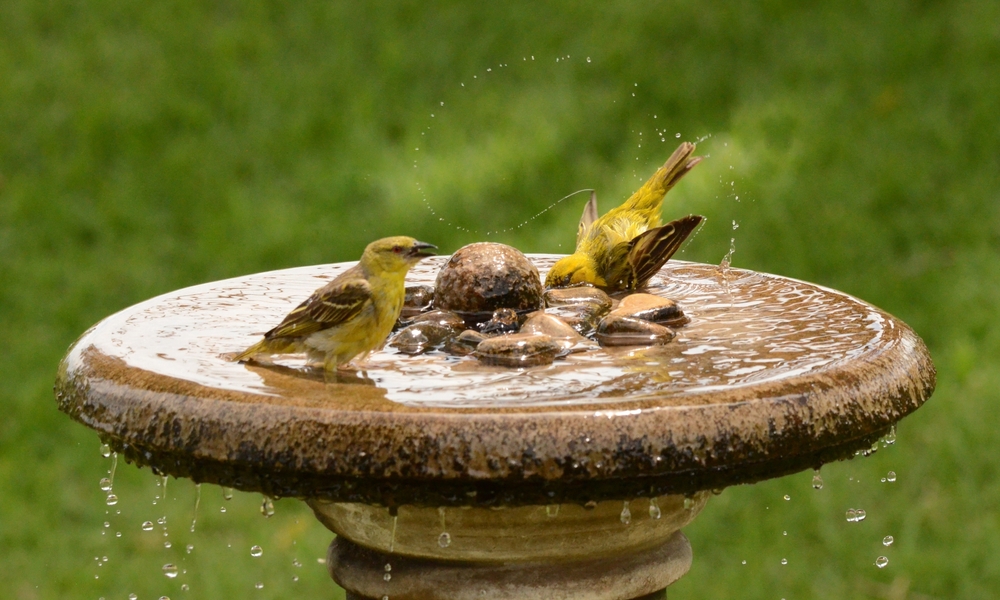
Access to clean, fresh water is essential for wildlife, particularly during late winter when natural sources may be frozen. Setting up a birdbath or shallow dish filled with water provides a vital resource for birds, mammals, and even insects. To keep the water from freezing overnight, you can place the water dish in a sunny spot or use a small, solar-powered fountain to keep the water moving. This small addition to your backyard can help animals stay hydrated as they deal with the harsh conditions.
Water sources also attract a variety of creatures, including birds, squirrels, and hedgehogs. Make sure to clean the dish regularly to avoid mold or bacteria buildup, which can harm the animals. By providing water, you not only help the animals survive the winter, but you also create an inviting space for wildlife to thrive in your yard. This is one of the easiest and most effective ways to offer support to wildlife, and it requires minimal effort on your part.
Plant Native Shrubs for Shelter
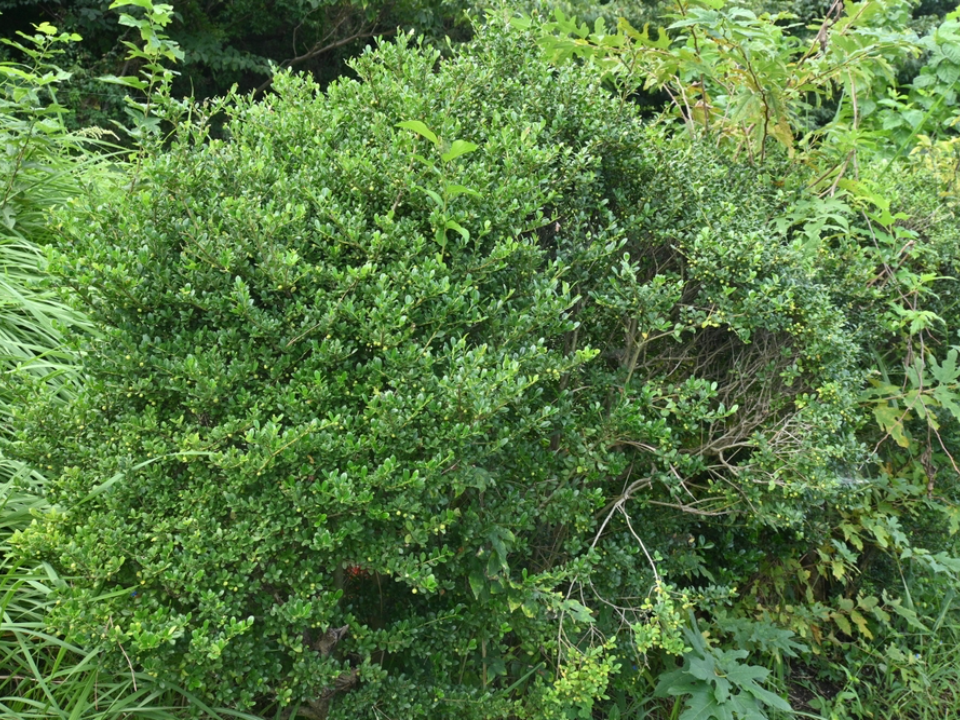
Native shrubs are an excellent way to provide natural shelter for wildlife in your backyard. Many birds and small mammals rely on these plants for both cover and food. By planting native species, such as holly, elderberry, and serviceberry, you can offer a year-round sanctuary for creatures in need. In late winter, the shrubs can serve as hiding places from predators, as well as a windbreak that protects animals from harsh conditions. Additionally, many of these plants provide berries, seeds, or nectar when wildlife needs them most.
Native plants are well-suited to the local environment, requiring less water and maintenance than non-native species. Over time, they can create a lush, multi-layered habitat that supports a wide range of wildlife, from insects to birds and small mammals. Whether you are looking to create a wildlife-friendly garden or simply want to add some greenery to your backyard, planting native shrubs is a simple and effective way to help. With minimal effort, you can transform your backyard into a safe and welcoming space for local wildlife.
Build a Small Rock Pile for Insects and Reptiles
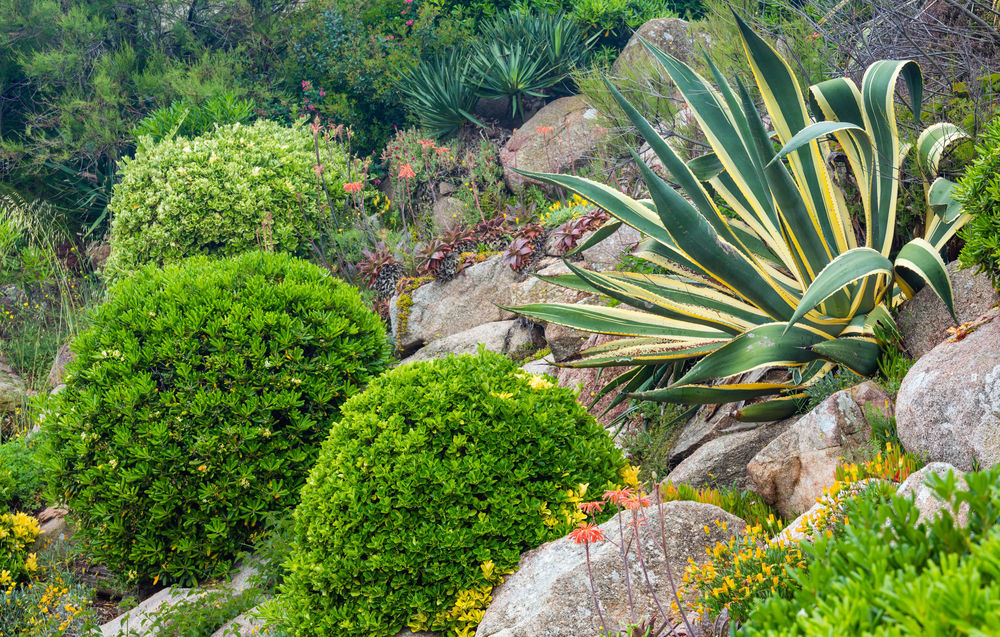
A small rock pile can provide a sheltered space for insects, reptiles, and even amphibians. The rocks absorb heat during the day and release it at night, creating a warm microhabitat that reptiles like lizards, snakes, and frogs can use to stay warm in late winter. The pile should be made of loosely stacked rocks, with spaces between them for animals to crawl in and out. Positioning the rock pile in a sunny spot can help maximize the heat absorbed by the stones.
This small addition to your yard serves as a natural refuge for a variety of creatures. It’s particularly beneficial for cold-blooded animals, who rely on external heat sources to regulate their body temperature. Creating a rock pile requires very little effort but provides an essential resource for your backyard wildlife. The added warmth also encourages biodiversity, making your yard a more attractive place for insects, reptiles, and even birds.
Offer a Pile of Twigs for Nesting
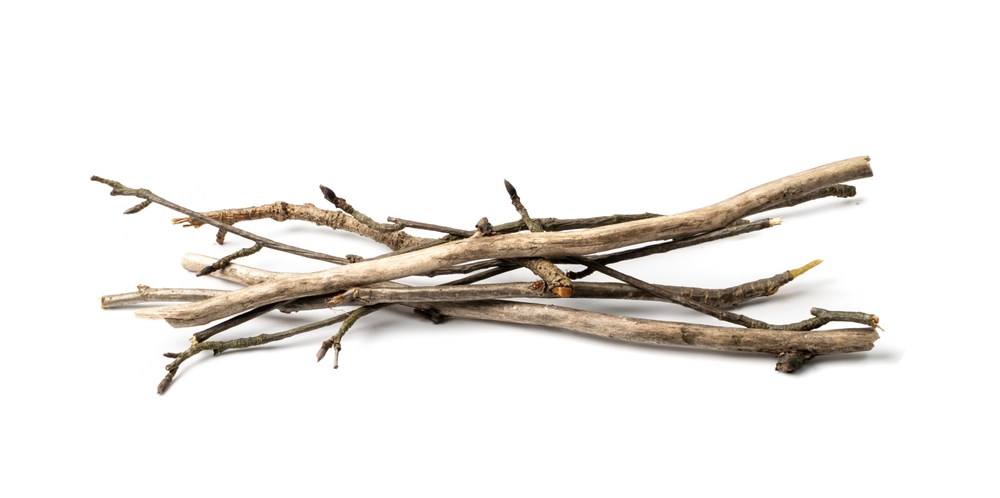
Small animals, especially birds, often need twigs and sticks to build their nests. By placing a pile of twigs in a quiet corner of your yard, you provide them with easy access to natural building materials. Twigs are essential for many species, including sparrows, robins, and squirrels, as they use them to build sturdy nests that protect their young. The pile doesn’t need to be large, as just a small stack of branches can do the trick.
This simple action helps wildlife prepare for the upcoming breeding season without requiring much effort. The pile should be placed away from busy areas of your yard, where animals can gather materials undisturbed. Over time, this small addition will become a valuable resource for birds and small mammals looking to raise their families. It’s a small but meaningful gesture that makes your yard a safer and more welcoming place for wildlife.
Install a Bat House
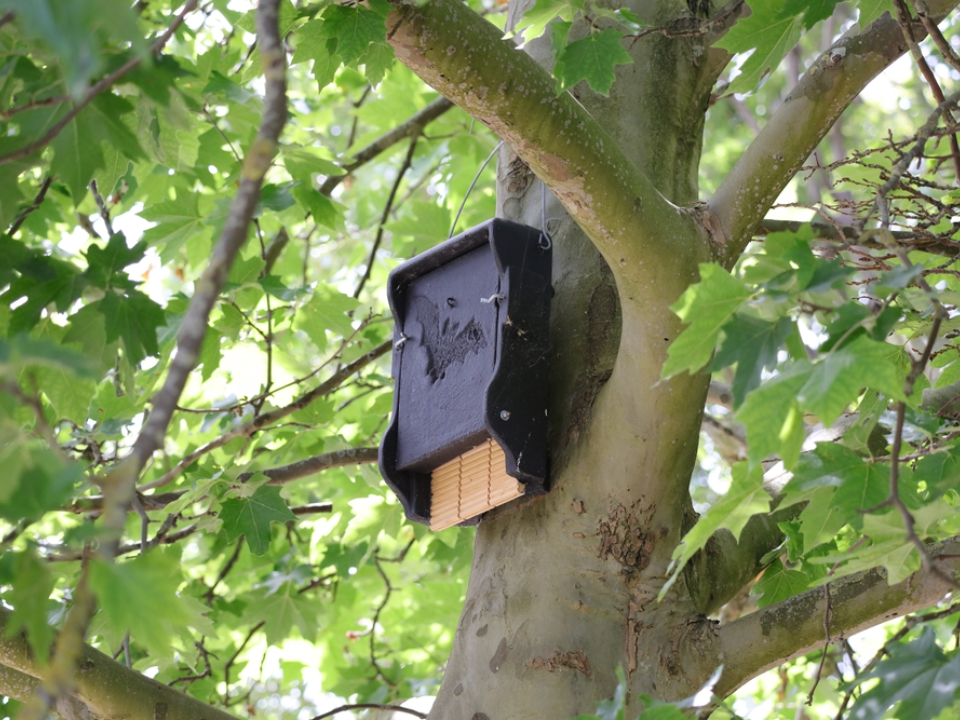
Bats are natural pest controllers, and offering them a safe place to roost is a great way to help local wildlife. Bat houses can be mounted on a tree, fence post, or shed to provide bats with shelter during the winter months. These flying mammals feed on insects, including mosquitoes, moths, and beetles, making them highly beneficial to have around. Bat houses are relatively simple to install and can be purchased or even built with a few basic materials.
Once the weather warms up, bats will return to your backyard, where they will continue their role in controlling the insect population. Installing a bat house is a low-maintenance way to provide a home for these helpful creatures. Bats tend to roost in colonies, so if you’re lucky, you might attract multiple bats to your bat house. It’s a great way to enhance biodiversity in your backyard and provide a valuable resource to the environment.
Set Up a Simple Compost Bin
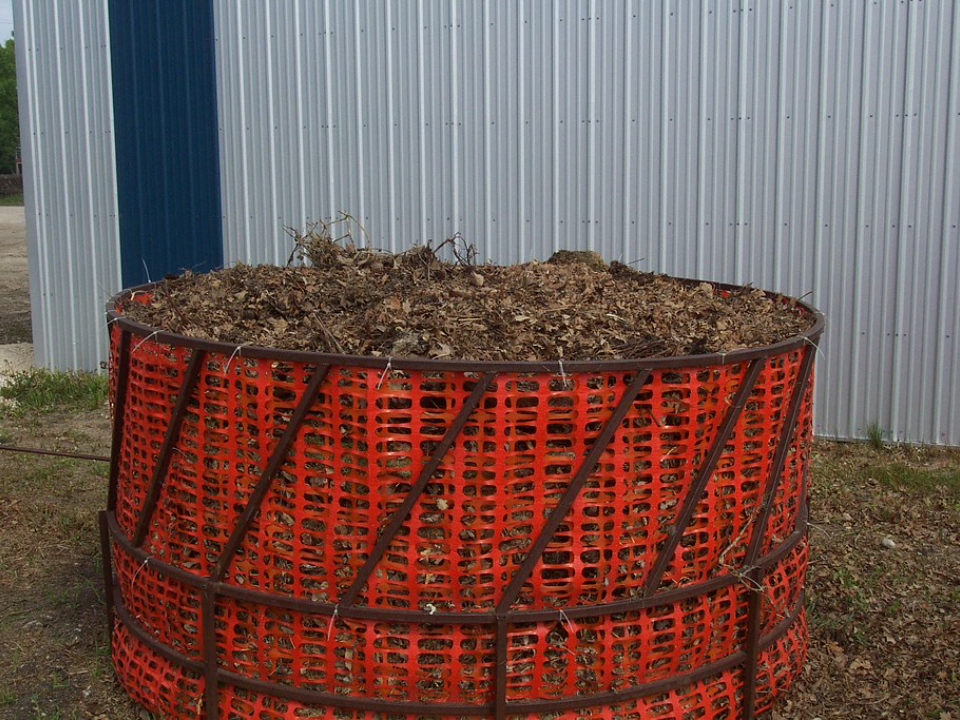
Composting organic waste provides both a valuable resource for your garden and a home for many backyard creatures. Insects, worms, and small mammals like raccoons can thrive in the rich, decomposing materials found in a compost bin. By keeping your compost bin in a quiet area of your yard, you offer wildlife a safe place to find food and shelter. It’s a great way to recycle yard waste while supporting the local ecosystem.
Composting also helps improve the quality of your soil, making it easier to grow healthy plants in the future. The heat from the decomposing organic material can provide warmth for insects during the colder months, encouraging biodiversity in your yard. Setting up a compost bin is simple and requires little maintenance, making it an ideal solution for environmentally conscious gardeners. Plus, it’s a great way to reduce waste while supporting wildlife.
Leave Leaf Piles for Small Mammals
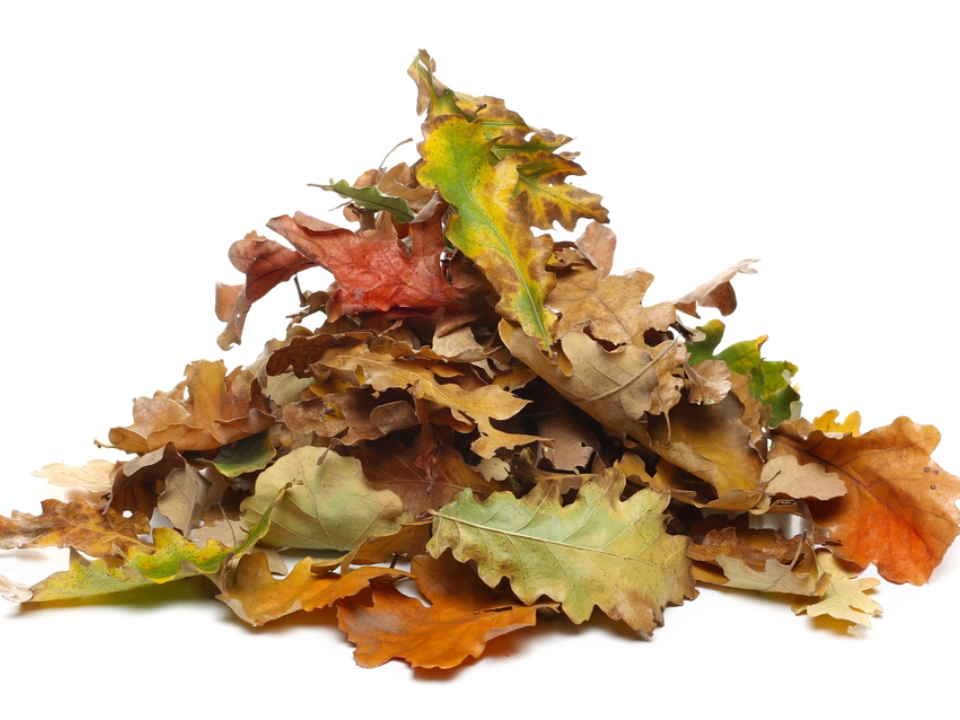
Leaving piles of leaves in a corner of your yard provides shelter for small mammals like rabbits, squirrels, and hedgehogs. These animals use the leaves to create a warm, insulated space where they can rest and hide from predators. As the leaves break down, they also add nutrients to the soil, improving the overall health of your garden. This simple act creates a natural habitat for wildlife during the winter months.
Leaf piles can also serve as a food source for creatures that feed on insects and fungi. When you leave your leaves in place, you support a wide range of creatures in your yard. It’s a low-effort way to make a big impact on your local ecosystem. Over time, this natural practice can help create a thriving wildlife-friendly environment.
Maintain a Wildlife-Friendly Garden Design
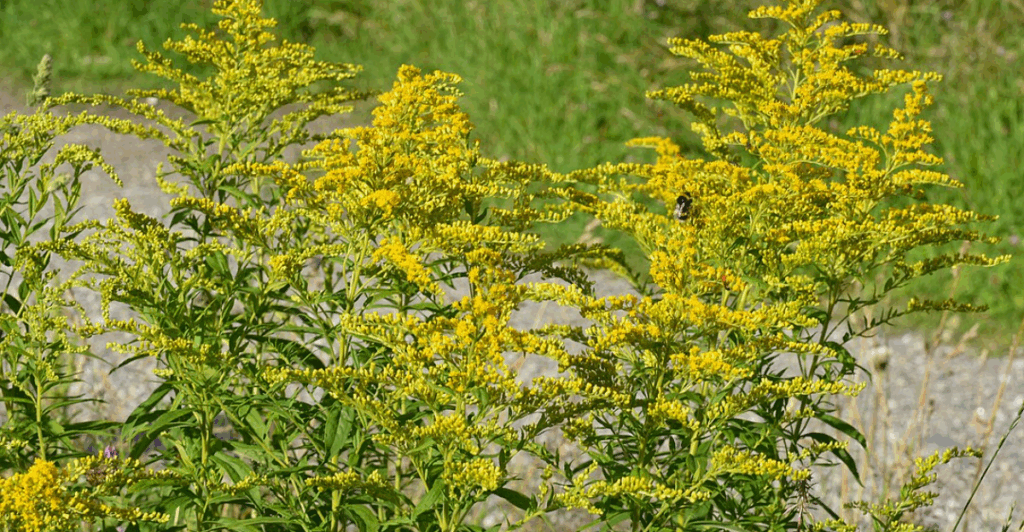
A wildlife-friendly garden design doesn’t require much work but can have a big impact on the animals living in your backyard. By choosing native plants that support local wildlife, you can create an inviting space without much upkeep. Native plants like echinacea, asters, and coneflowers provide food and shelter for a wide variety of animals. They also tend to be drought-tolerant and low-maintenance, reducing the need for regular watering and fertilization.
Designing your garden with wildlife in mind also promotes biodiversity, supporting a healthy ecosystem. By planting a mix of flowers, shrubs, and trees, you provide food, nesting sites, and shelter for wildlife. This sustainable approach creates a balanced environment that benefits both plants and animals, without requiring much time or effort. The best part is that a wildlife-friendly garden often looks beautiful and thrives with minimal intervention.
Use a Mulch Pile for Protection
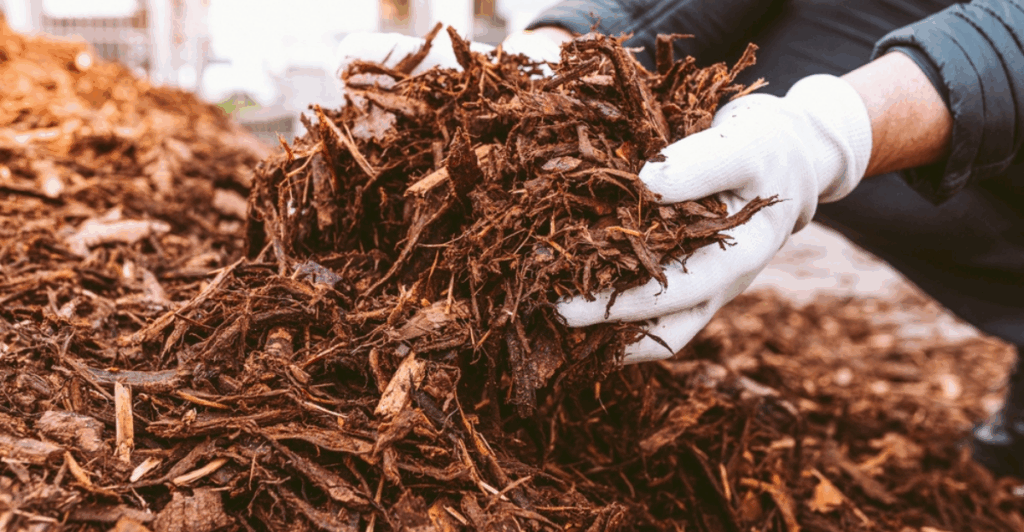
A mulch pile provides insulation and protection for insects, small mammals, and birds during the colder months. The mulch helps maintain a stable temperature in the soil, keeping it warmer for animals seeking refuge. You can use organic materials like straw, leaves, or wood chips to create a natural shelter. Positioning the mulch pile in a quiet, sheltered spot will make it a safe haven for wildlife.
Over time, the mulch will break down and enrich the soil, making your garden healthier. Small mammals like hedgehogs or voles often use mulch piles as a hiding place, while insects use the pile as a breeding ground. By offering a mulch pile, you create a safe and comfortable space for a wide variety of creatures. This low-maintenance solution benefits both your garden and the wildlife that depends on it.
Build a Simple Hedgehog House
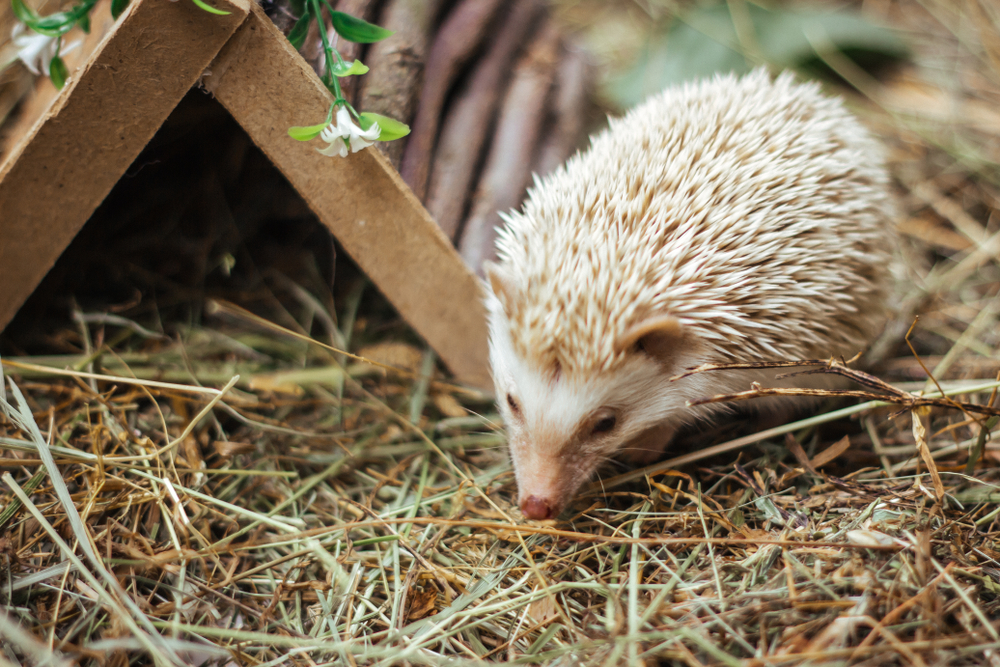
Hedgehogs are nocturnal creatures that need safe places to rest during the winter months. Building a simple hedgehog house is a great way to help these animals during late winter. You can easily create a shelter using natural materials like wood or a plastic container with small holes for ventilation. The house should be placed in a quiet, shaded part of your yard where the hedgehogs can sleep undisturbed.
Hedgehogs are beneficial for gardens, as they eat pests like slugs and insects. Offering them a shelter is a simple and effective way to support local wildlife. As hedgehogs are increasingly at risk due to habitat loss, providing a home for them in your backyard can make a big difference. These houses are easy to build and require little maintenance, making them a perfect low-effort wildlife solution.
Create a Pollinator-Friendly Environment

Late winter is a tough time for pollinators, but you can help by creating a pollinator-friendly environment. Planting early-blooming flowers or leaving a few patches of wildflowers will offer them a food source once the temperatures start to rise. You can also add a bee hotel or butterfly house to provide shelter for these crucial creatures. Pollinators like bees and butterflies are essential for your garden, and helping them through late winter will improve your yard’s biodiversity.
Creating a pollinator-friendly environment is a simple, low-maintenance way to support local wildlife. It encourages the return of pollinators in spring, which will help your plants thrive. These small actions can make a big difference in the health of your yard and the local ecosystem. Plus, they offer a great opportunity to observe these fascinating creatures as they return to your backyard.
This article originally appeared on Avocadu.