
14 Living Fossil Species That Look Like They Belong in Another Era
Some creatures seem to have stepped right out of a time long past, holding on to ancient traits that connect them to a world long gone. These living fossils, as they are often called, carry a sense of history in their appearance and behavior, offering us a glimpse into the Earth’s distant past. Whether it’s a fish that looks like it’s still waiting to evolve or a tree that has stood the test of millions of years, these species remind us that the planet’s evolutionary journey is far from over. They’ve managed to survive through massive changes in climate, landscape, and ecosystems. Observing them can feel like taking a step back in time. With their unique forms and behaviors, these living fossils are like time capsules, preserving pieces of history we may never fully understand.
This post may contain affiliate links, which helps keep this content free. Please read our disclosure for more info.
Coelacanth
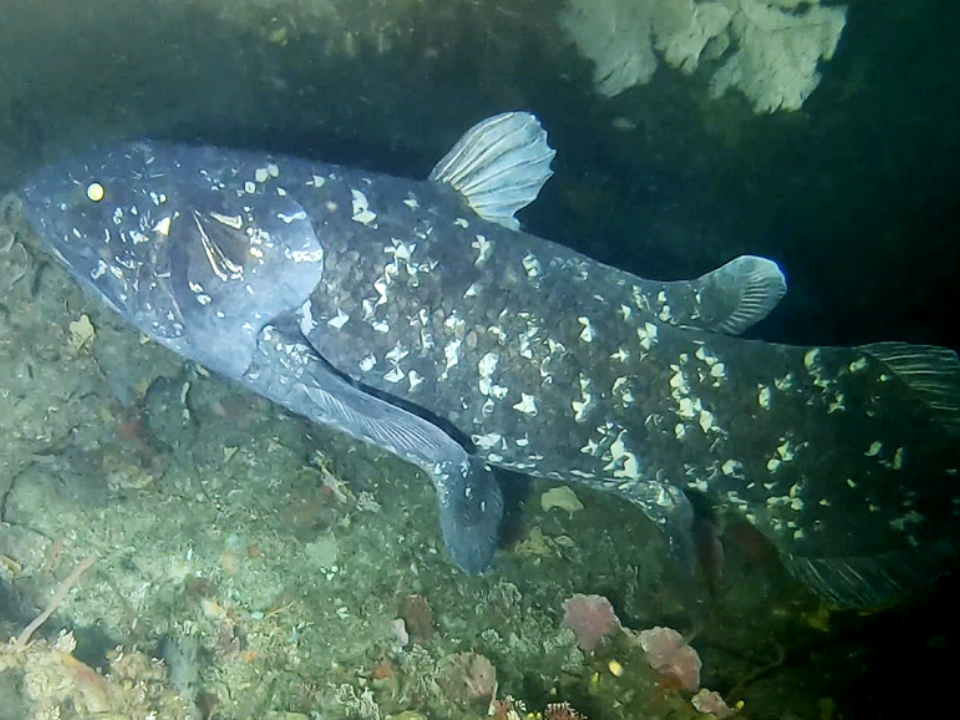
The coelacanth is an ancient deep-sea fish, once considered extinct until a living specimen was discovered off the coast of South Africa in 1938. This fish’s lobed fins and muscular structure resemble the limbs of early land-dwelling animals, making it a significant subject in studies of vertebrate evolution. The coelacanth’s body is covered in thick scales, which are darker and smoother compared to most modern fish.
It inhabits the deep waters of the Indian Ocean, where it lives in relative isolation. The fish’s slow growth and low reproductive rate contribute to its rarity. For decades, it was known only from fossils, giving it the status of a “living fossil.” A glimpse of this creature offers a view into a past when creatures were just beginning to adapt to life on land.
Horseshoe Crab
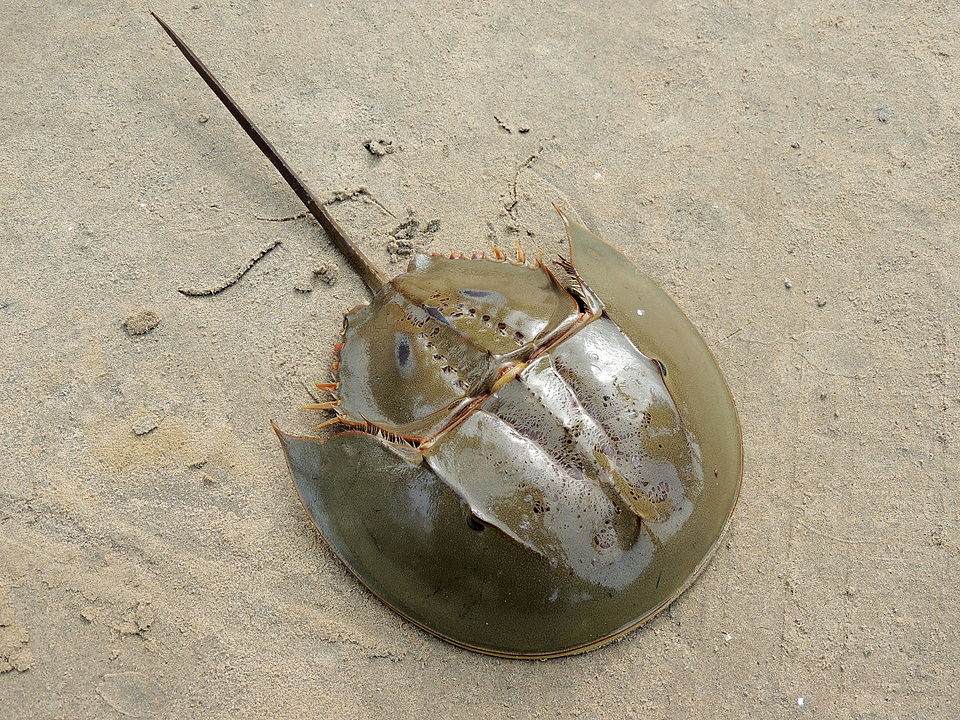
Horseshoe crabs are marine arthropods that have been around for over 450 million years. Their hard, dome-shaped shell and long tail spine make them resemble ancient armored creatures. These crabs play an important role in ecosystems, especially during the spawning season when they are abundant on the shores of the Gulf of Mexico and parts of Asia.
Their blue blood is of particular interest because it contains a unique substance that can detect bacterial endotoxins, making it invaluable in medical testing. Horseshoe crabs have survived numerous mass extinction events, highlighting their resilience. Despite their name, they are more closely related to spiders and scorpions than true crabs. Watching a horseshoe crab crawl slowly along the shore brings to mind a creature that has witnessed countless changes in the world.
Nautilus
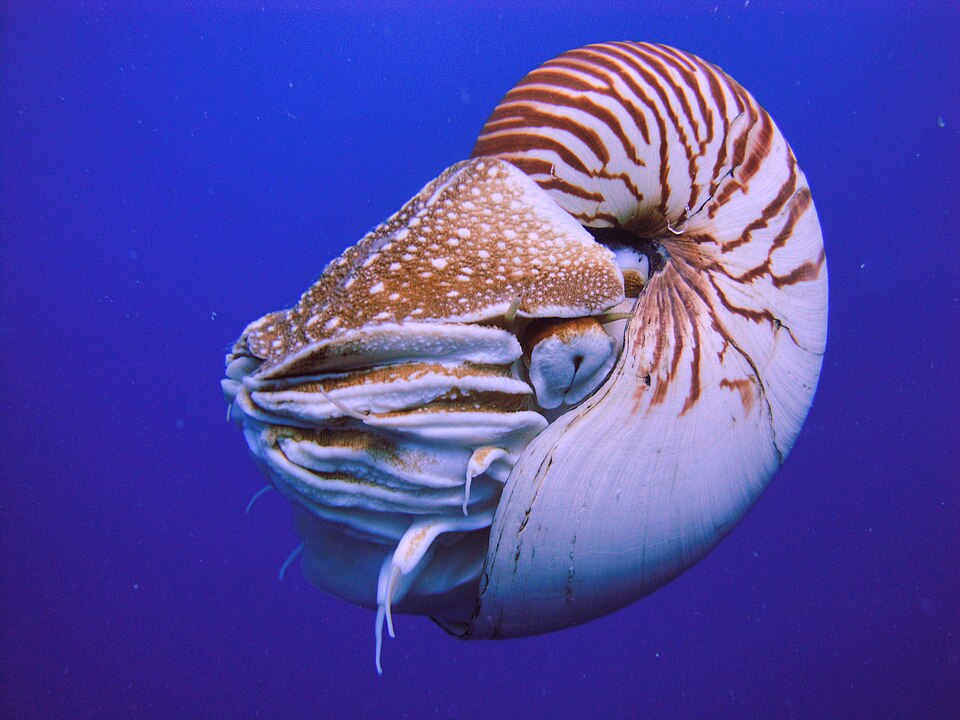
The nautilus is an ocean-dwelling creature that has remained largely unchanged for millions of years. It has a distinctive spiral-shaped shell that houses its soft, sensitive body. Inside the shell, the nautilus uses gas-filled chambers to adjust its buoyancy, allowing it to move up and down in the water.
This ancient mollusk is often referred to as the “living fossil” of the cephalopods due to its appearance and structure, which links it to some of the earliest creatures in the ocean. Nautiluses inhabit the deep waters of the Indo-Pacific and emerge during the night to hunt for food. Their slow movements and elegant shell have made them iconic symbols of the ocean’s ancient past. Observing the nautilus offers a glimpse into a time long before the rise of modern marine life.
Tuatara
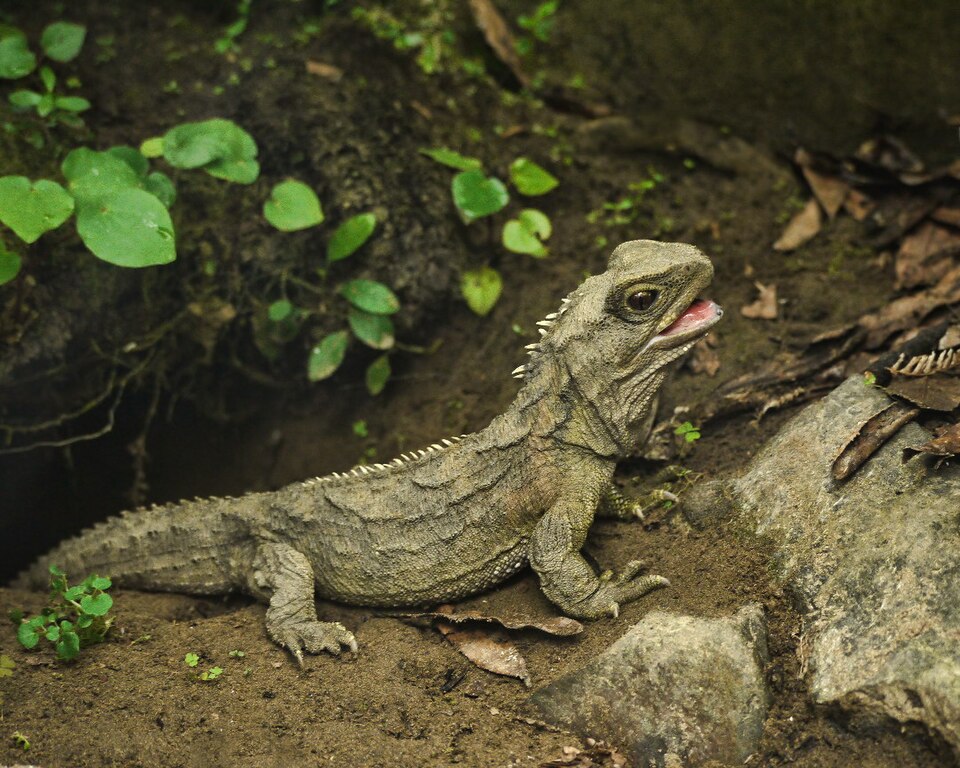
The tuatara is a reptile found only in New Zealand, a living testament to the age of the dinosaurs. It has a distinctive, spiny appearance with sharp, keeled scales running down its back. Unlike most reptiles, the tuatara has a third “parietal” eye, a light-sensitive organ located on top of its head, which helps regulate its circadian rhythms.
This species has an extremely slow metabolism and can live for over 100 years, making it one of the longest-living reptiles. Its body structure and slow movements make it resemble ancient reptiles from a time long before the rise of modern reptiles. The tuatara is highly specialized, spending much of its life in burrows or under rocks, far from human activity. Its continued existence on remote islands feels like an echo from a distant, forgotten age of reptilian life.
Lungfish
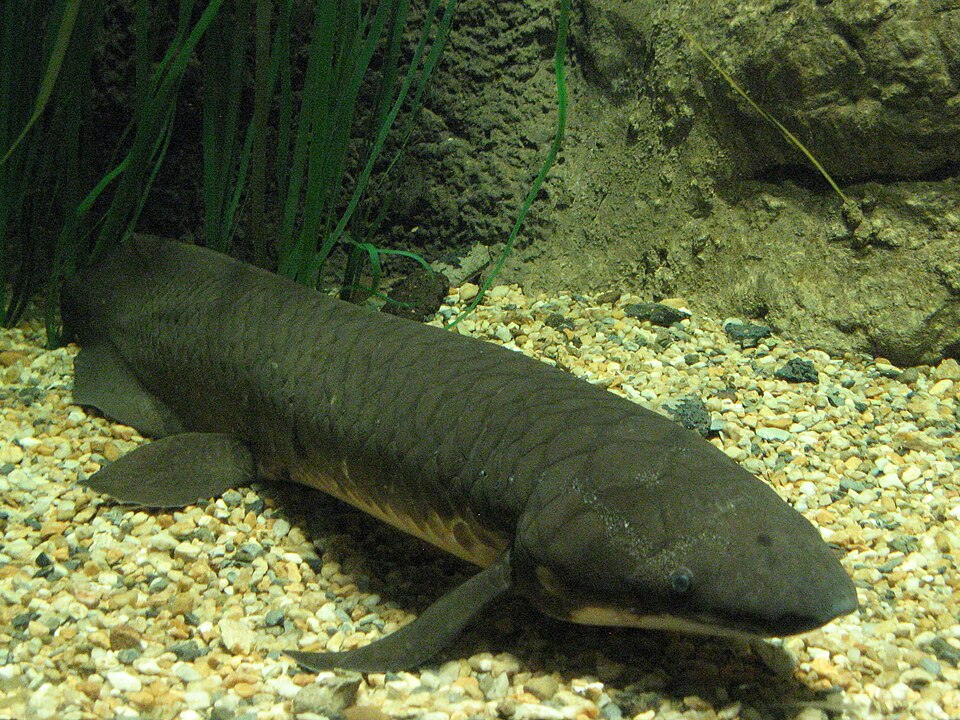
Lungfish are fascinating creatures that bridge the gap between aquatic and terrestrial life. They have evolved to breathe both through gills and lungs, which allows them to survive in environments with fluctuating water levels. During dry seasons, some species burrow into mud and enter a state of dormancy, surviving for months without water.
Lungfish are known for their fleshy, lobe-like fins, which give them a unique appearance compared to most fish. These fins are thought to be precursors to the limbs of land-dwelling vertebrates. Found in parts of Africa, South America, and Australia, lungfish are considered living fossils because they retain traits from a time when vertebrates were making the transition from water to land. Their slow movements and ancient design give them the feel of a creature from a bygone era.
Sturgeon
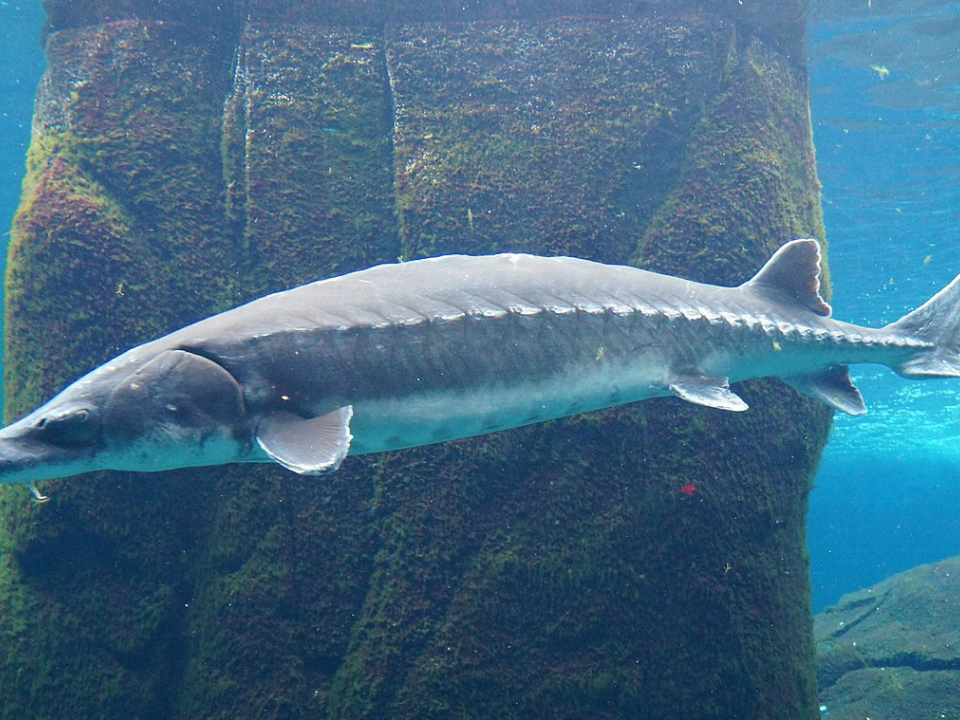
Sturgeons are among the oldest living fish species, dating back over 200 million years. These massive fish have a streamlined body with bony plates along their back, giving them a prehistoric appearance. Sturgeons are known for their slow growth and long lifespan, with some species living over 100 years.
They are bottom-feeding fish that prefer murky waters where they use their sensitive barbels to locate food. Sturgeon are most famous for producing caviar, which has led to overfishing in some areas. Their slow, graceful movements through rivers and lakes make them feel like ancient guardians of the waters. The shape and texture of sturgeon, along with their quiet nature, remind us of an era when giant fish ruled the waters.
Velvet Worm
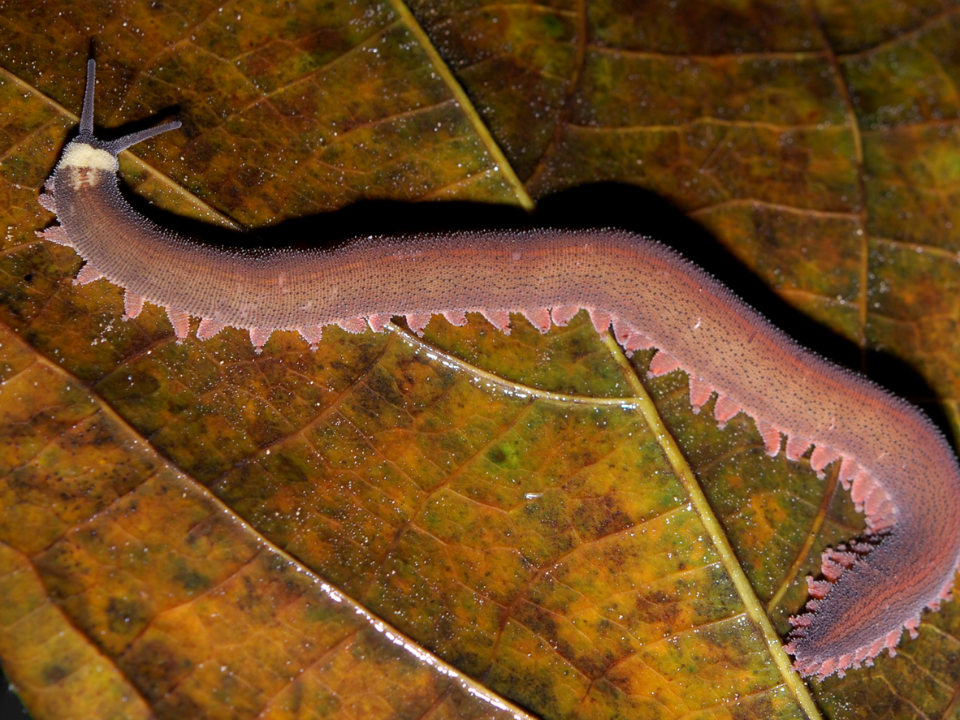
Velvet worms are slow-moving creatures with soft, velvety bodies and many short, stubby legs. They are often called “living fossils” due to their ancient lineage that dates back over 500 million years. Velvet worms are found in humid, forested areas, where they use sticky, glue-like saliva to capture their prey.
This primitive method of hunting sets them apart from many other modern animals. Their body structure, with its segmented legs and soft exoskeleton, suggests a very early form of life. Velvet worms have changed little over millions of years, making them a living connection to the distant past. Their strange, slow movements and unique hunting style make them appear as if they belong to a world long gone.
Shoebill
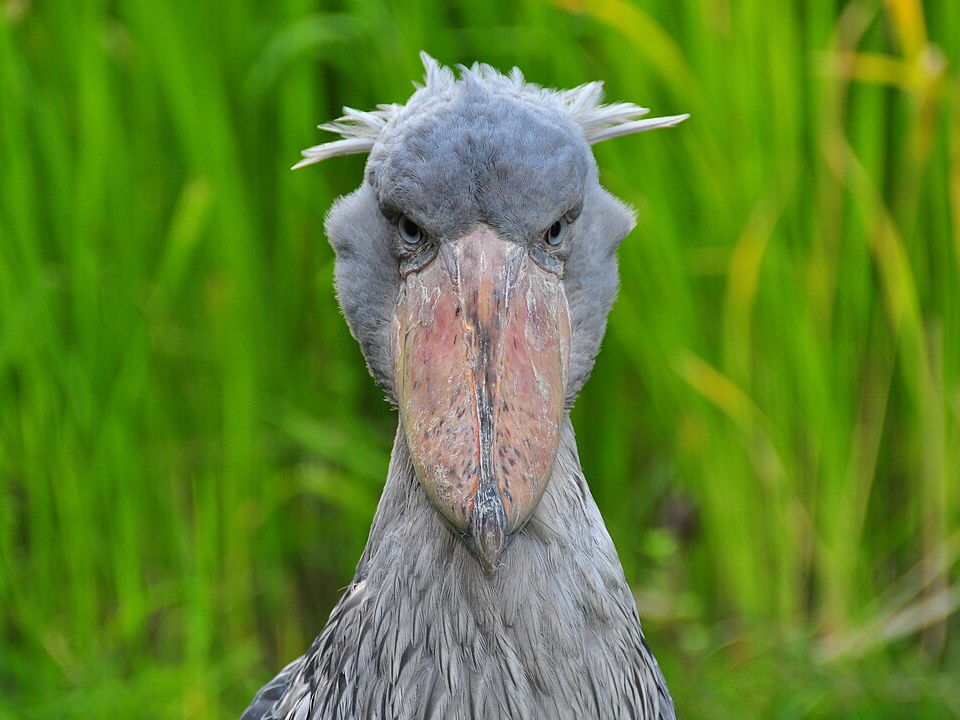
The shoebill is a large, prehistoric-looking bird with a massive beak that resembles a wooden shoe. This bird stands tall and still for long periods, scanning the waters for prey. Its beak is capable of catching large fish and even small crocodiles, giving it the appearance of a fierce predator from a bygone era.
Shoebills live in the swamps and wetlands of Central and East Africa, where they are known for their slow, deliberate movements. Their size and posture make them look like a creature from the time of dinosaurs, and their presence in remote regions only adds to their ancient feel. The shoebill’s piercing gaze and slow movements are a reminder of the birds that once roamed the Earth in ancient times.
Platypus
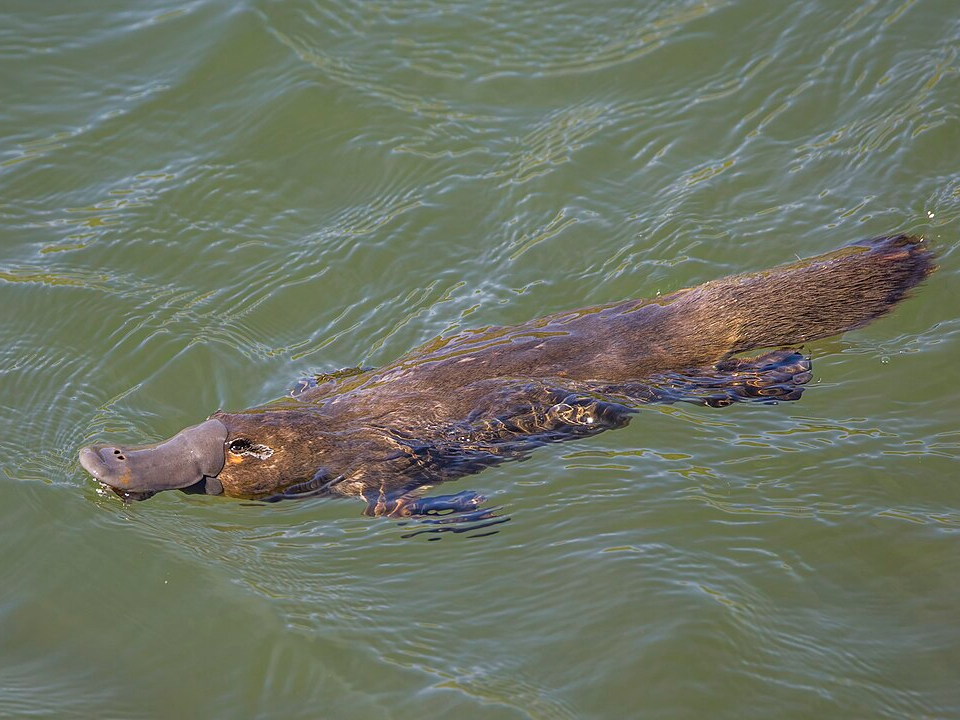
The platypus is an unusual mammal that lays eggs, a characteristic that sets it apart from all other living mammals. It has a duck-like bill, webbed feet, and a beaver-like tail, creating a bizarre mixture of features that seem almost out of place in the modern world. Platypuses are primarily nocturnal and spend most of their time hunting for food in the water.
They use electrical signals to detect prey, which is a method similar to some fish. The platypus’s ability to adapt to different environments, from rivers to streams, shows a unique evolutionary path. Despite being one of the few egg-laying mammals, the platypus has adapted to life in the modern world. Its combination of traits feels like a link between ancient and contemporary mammals.
Alligator Gar
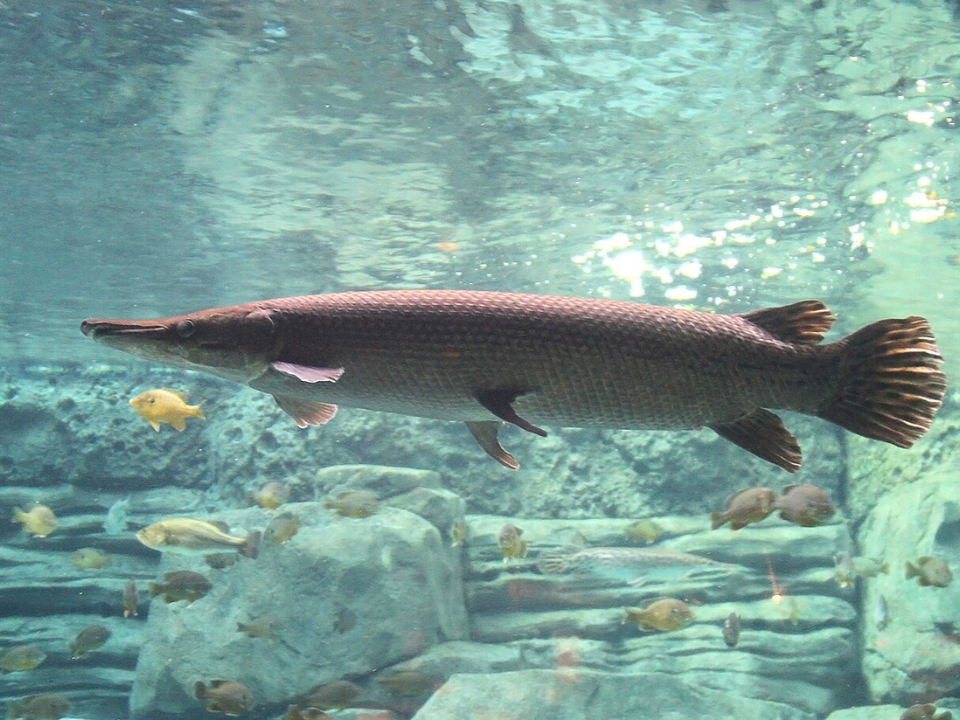
The alligator gar is a massive fish with a long, narrow snout and sharp teeth that resemble an alligator’s. This fish is one of the largest in North America and can grow up to ten feet in length. Alligator gars are found in rivers and lakes, where they swim slowly and hunt for prey like fish and small mammals.
They have a unique adaptation that allows them to breathe air, making them more resilient to low-oxygen environments. The size and structure of the alligator gar, along with its slow movements, make it appear like a relic from an earlier era of aquatic life. Despite their ancient appearance, these fish are still common in certain parts of the United States. Their survival over millions of years makes them a link to the distant past.
Lamprey
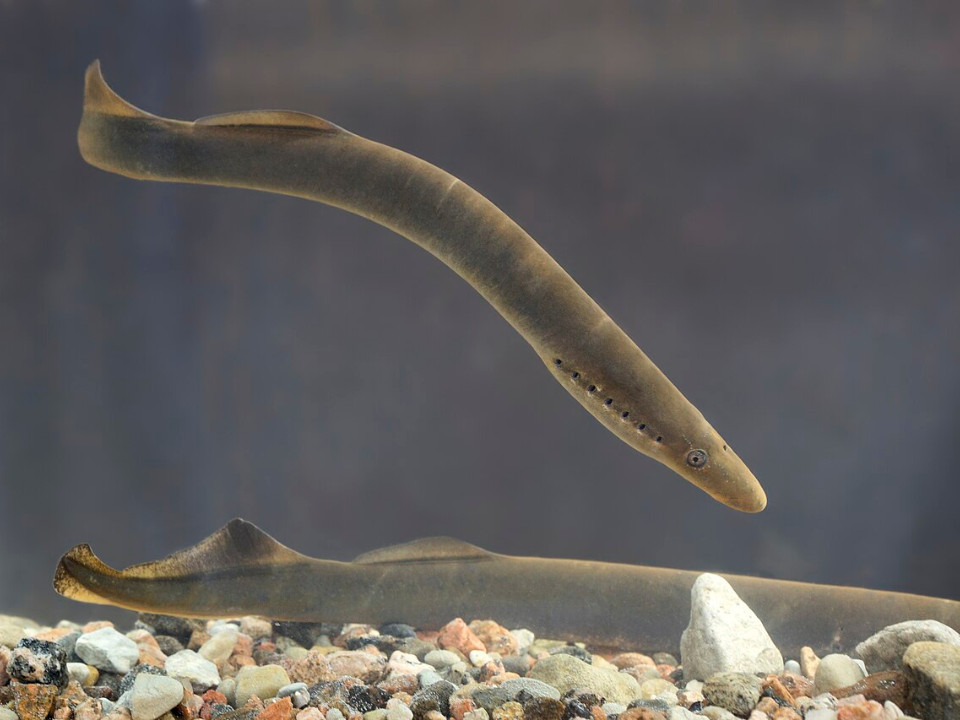
Lampreys are eel-like creatures with a round, sucker-like mouth lined with sharp teeth that they use to latch onto fish. They are parasitic by nature, feeding on the blood of other fish species. Lampreys are found in both freshwater and saltwater environments, and their life cycle includes both stages of parasitism and non-feeding periods.
The lack of jaws sets them apart from most vertebrates, and their structure is reminiscent of some of the earliest vertebrate ancestors. These creatures have existed for hundreds of millions of years, and their primitive features make them seem like an animal from a distant, ancient era. Their simple but effective feeding method and appearance highlight the evolutionary path they have taken since ancient times.
Echidna
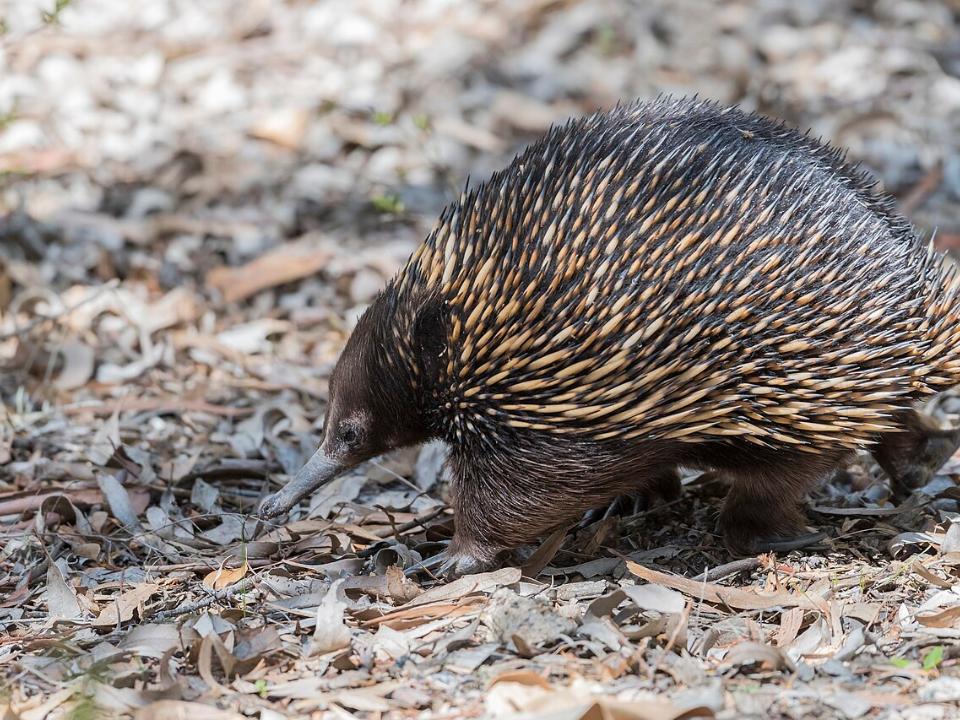
Echidnas are spiny mammals with a unique set of features that make them seem like relics from the past. They have a body covered with stiff spines and use their long, sticky tongues to collect ants and termites. Unlike most mammals, echidnas lay eggs, which places them in a rare group of egg-laying mammals known as monotremes.
They are solitary creatures that spend much of their time burrowing in the ground or under vegetation to escape predators. Despite their odd appearance, echidnas are excellent climbers and can use their claws to dig through the earth with ease. Their survival as one of only five species of monotreme makes them an ancient survivor in the modern world.
Goblin Shark
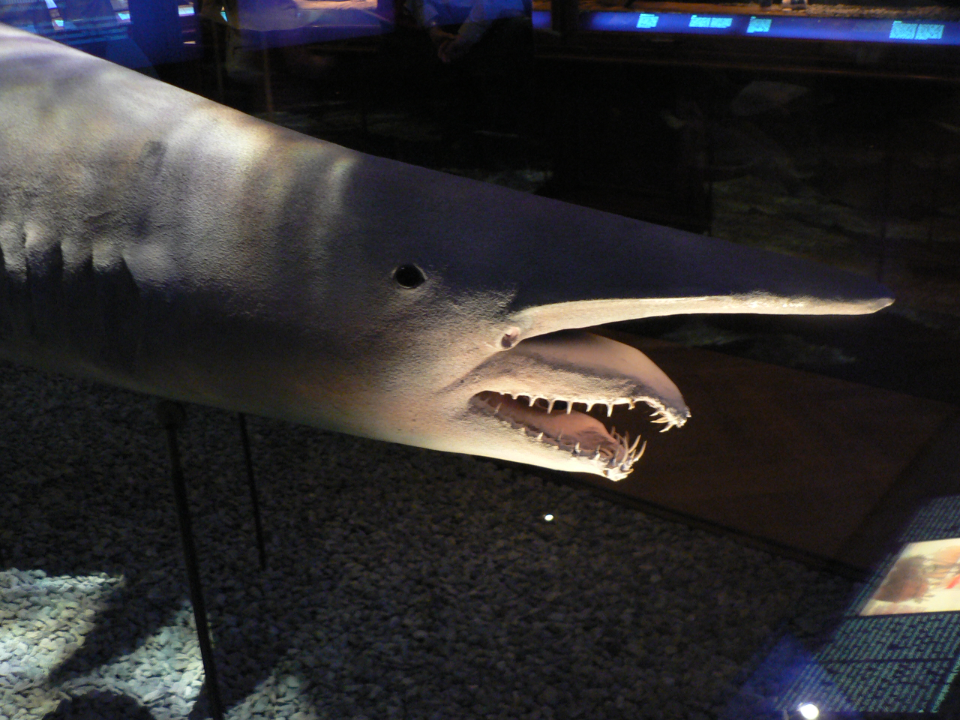
The goblin shark has an elongated snout and retractable jaws that allow it to catch prey with lightning speed. Its unique physical features and pale color make it look like a creature from the depths of the ocean’s history. Goblin sharks live in deep, dark waters and are rarely seen by humans. They use their keen sense of smell to locate food in the deep sea.
The shark’s slow movements and unusual feeding method make it an intriguing species. Their continued existence in such extreme conditions underscores their ancient lineage. Seeing one in the wild feels like witnessing a deep-sea predator that has remained unchanged for eons.
Hoatzin
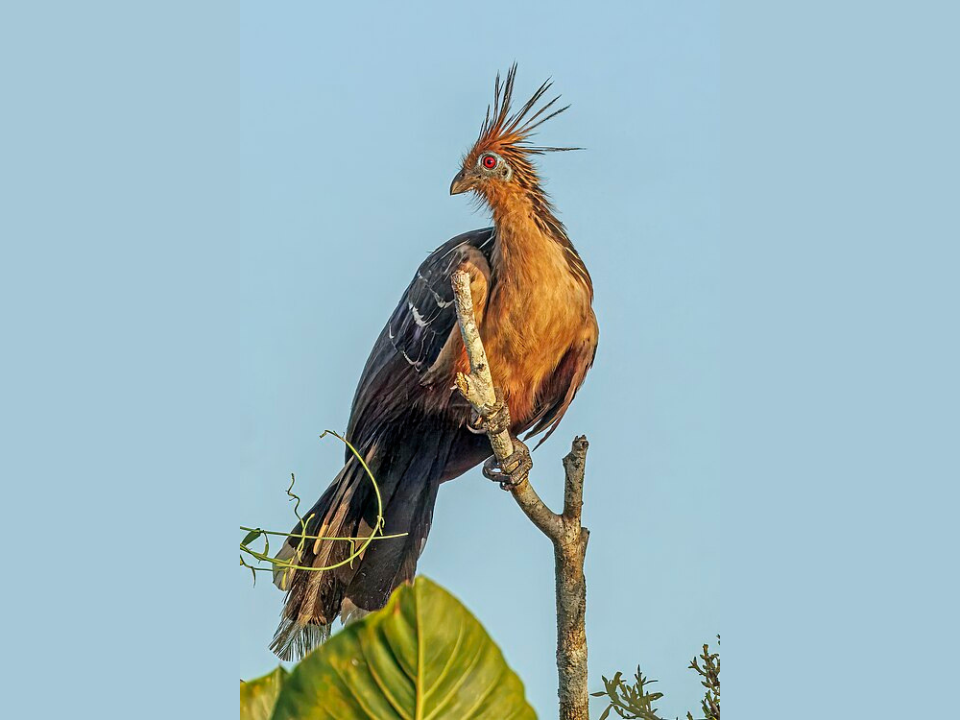
The hoatzin is a bird found in the rainforests of South America. It is known for its distinctive, clawed wings, which young hoatzins use to climb trees before they can fly. The hoatzin’s diet consists primarily of leaves, and its digestive system works like that of a cow, fermenting plant material in its stomach.
The bird has a strong, pungent odor due to this unique method of digestion. Hoatzins are often found near water and are usually seen in small groups. The unusual features of this bird, along with its ancient digestive system, make it appear out of place in modern ecosystems. Watching a hoatzin climb with its clawed wings feels like stepping into a time when birds were still evolving from ancient ancestors.
This article originally appeared on Avocadu.