
13 Late Winter Wildlife Trips in the U.S. Where Animals Are Easier to Spot
For wildlife enthusiasts, late winter is a season of opportunity, with many animals becoming more visible. This is the perfect time to plan a trip to places where wildlife sightings are abundant. Whether you’re interested in watching birds soar or spotting larger mammals, winter brings unique chances for observation. These locations across the U.S. make it easier to witness wildlife in their habitats during this time of year.
This post may contain affiliate links, which helps keep this content free. Please read our disclosure for more info.
Yellowstone National Park, Wyoming
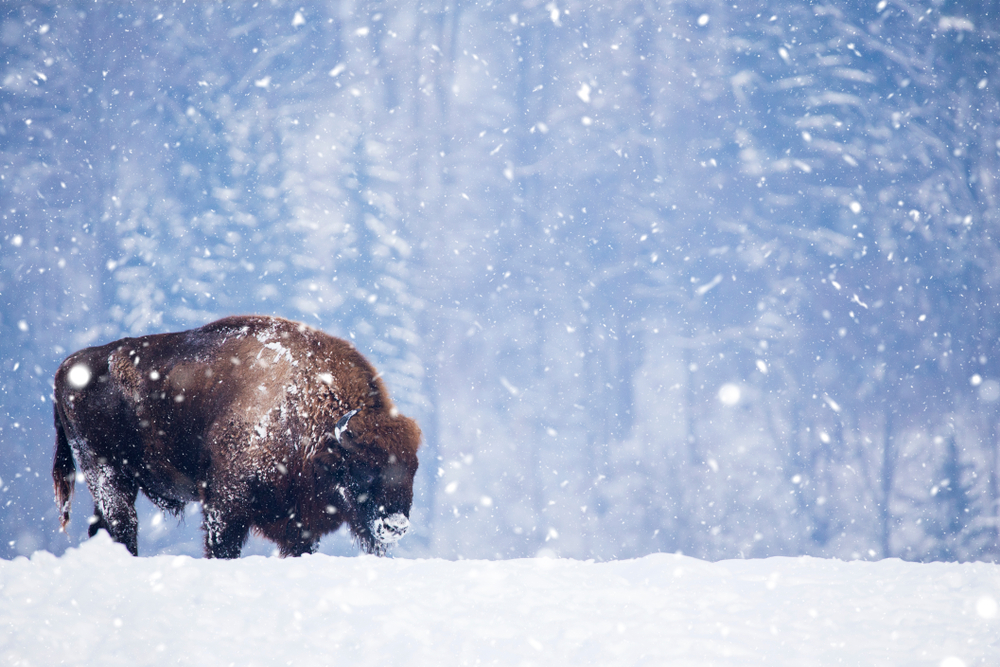
Yellowstone National Park is an iconic destination for winter wildlife watching. The park’s winter months offer a chance to spot wolves, elk, and bison as they roam the snowy landscape. While many visitors tend to visit in summer, the quiet winter months allow for more peaceful animal sightings. Guides often lead snowshoeing and snowmobile tours, which provide an excellent way to access remote areas where wildlife thrives.
The park’s geothermal features and steaming hot springs create a striking contrast against the cold winter air. During this season, bison can be spotted grazing in the snow, while wolves often make their presence known in the more isolated parts of the park. The quiet surroundings make it easier to hear the sounds of animals, creating a truly immersive experience. Winter is a great time to visit for those seeking to witness nature in its rawest form.
Everglades National Park, Florida
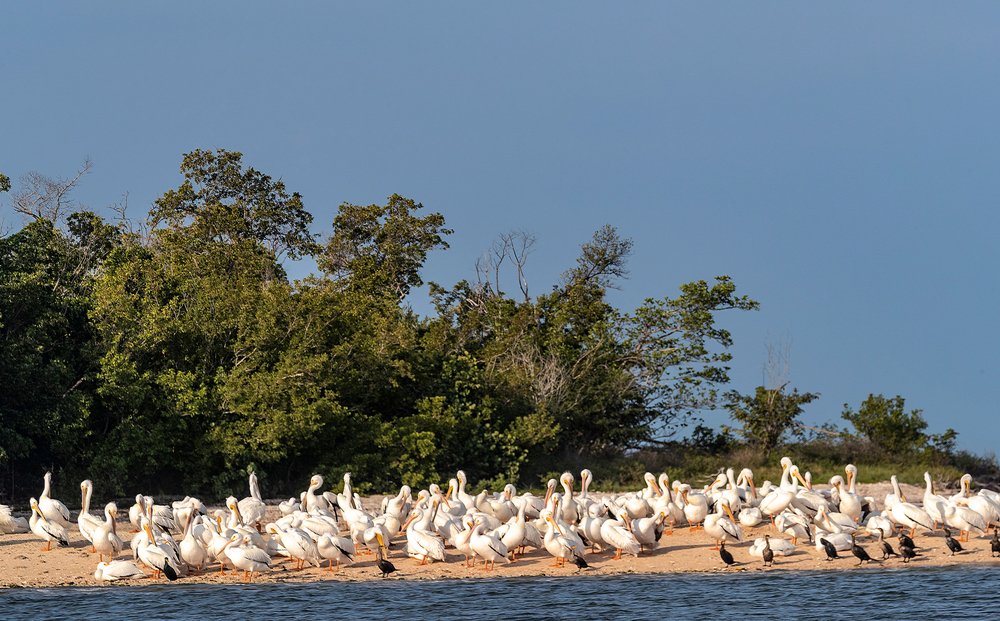
In late winter, the Everglades National Park becomes a prime location for spotting wildlife in the U.S. The cooler temperatures make the animals more active and easier to spot. You can find everything from alligators lounging in the sun to birds like herons and egrets making their way through the wetlands. The park’s subtropical ecosystem is home to a variety of species that thrive during these cooler months.
The Everglades also offer opportunities to spot panthers, a rare species that are harder to find in other seasons. Wildlife tours by boat or kayak provide an intimate way to see these animals in their natural habitat. Winter months bring fewer mosquitoes, allowing for a more comfortable experience while exploring the park. It’s the perfect time for those looking to observe both aquatic and land animals in the same outing.
Grand Teton National Park, Wyoming
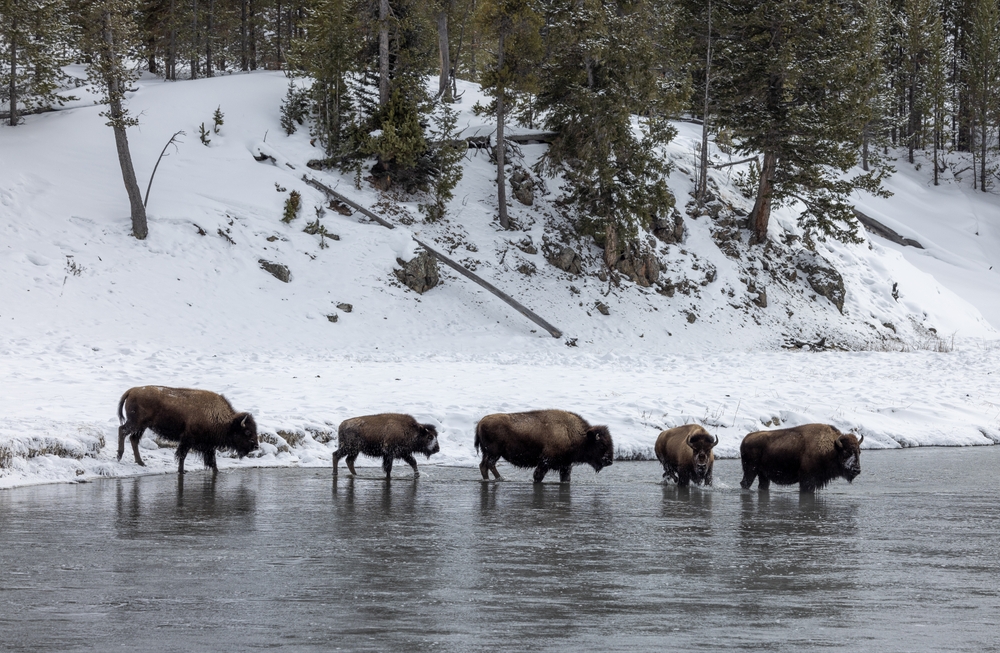
Located just south of Yellowstone, Grand Teton National Park is another winter wildlife gem. During the colder months, it’s easier to spot mule deer, moose, and bighorn sheep as they move through the park. Snow covers the vast landscapes, making animal tracks easy to follow and offering an excellent opportunity for photographers and wildlife enthusiasts alike. The winter landscape provides breathtaking views of the Teton Range, with wildlife sightings adding to the charm.
Snowshoeing and cross-country skiing are popular activities in the park, offering ways to see the animals without disturbing them. While the winter season can bring harsh conditions, the beauty of the surroundings makes it well worth the effort. The park’s remote locations also provide a quieter experience than busier summer months. For those who enjoy a rugged winter adventure, Grand Teton is a must-visit for animal sightings.
Acadia National Park, Maine
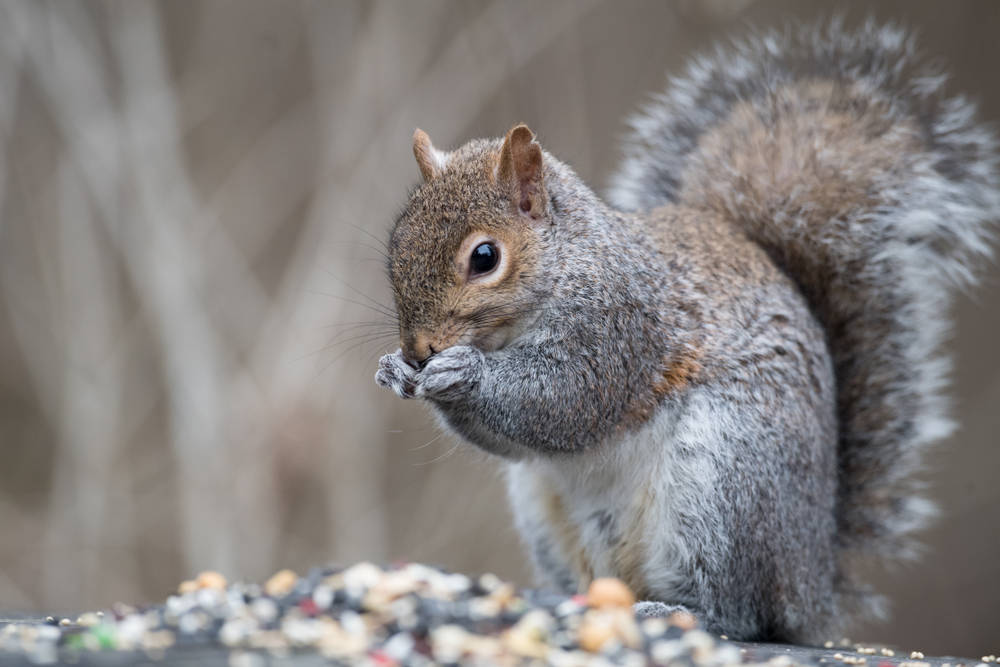
Acadia National Park offers a unique winter experience where wildlife is more visible due to the lower temperatures. Late winter is a prime time to see white-tailed deer and wild turkeys, as they forage along the park’s trails. The crisp air and clear skies make for an excellent viewing experience, especially along the park’s coastal areas. Acadia’s quiet nature during winter months gives visitors a chance to observe the animals without much disturbance.
The park’s variety of ecosystems, from coastal areas to forests, supports a wide range of wildlife. Visitors can also spot seals and seabirds along the shorelines, with fewer crowds making it easier to get a closer look. Winter is also a great time to enjoy cross-country skiing or snowshoeing, which offers a peaceful way to explore the park while keeping an eye out for animals. Whether you’re looking to spot birds or larger mammals, Acadia offers diverse wildlife opportunities in the winter.
San Juan Islands, Washington
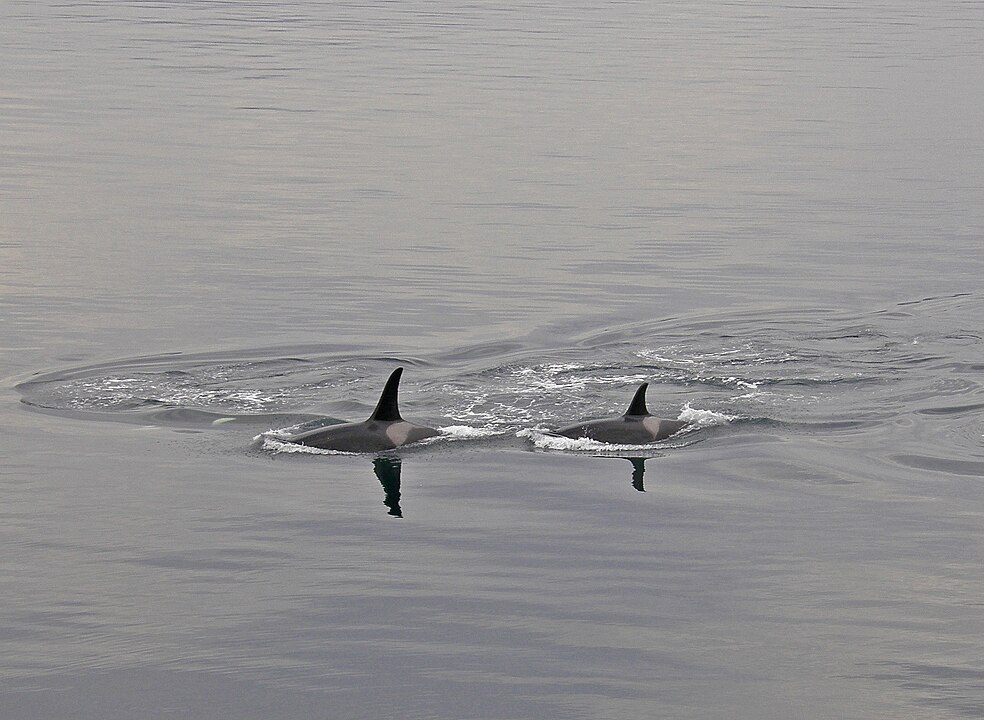
The San Juan Islands, located in Washington, are a top destination for late winter wildlife watching, particularly for orcas. From January through March, orcas migrate through the waters around the islands, offering a rare opportunity to witness these magnificent creatures. Many tour operators offer boat excursions specifically for whale watching during this time. The islands’ waters are also home to harbor seals and sea lions, which can be spotted basking on rocks or swimming near the shore.
The winter months provide clearer views of the wildlife, as the cooler weather helps reduce the chances of fog. Visitors can also spot various seabirds, including puffins, which make their home on the islands. The islands’ relatively remote location adds to the charm, allowing visitors to enjoy the tranquility of the landscape while observing the wildlife. For those looking to see orcas up close, the San Juan Islands are one of the best places in the U.S. to do so.
Great Smoky Mountains National Park, Tennessee/North Carolina
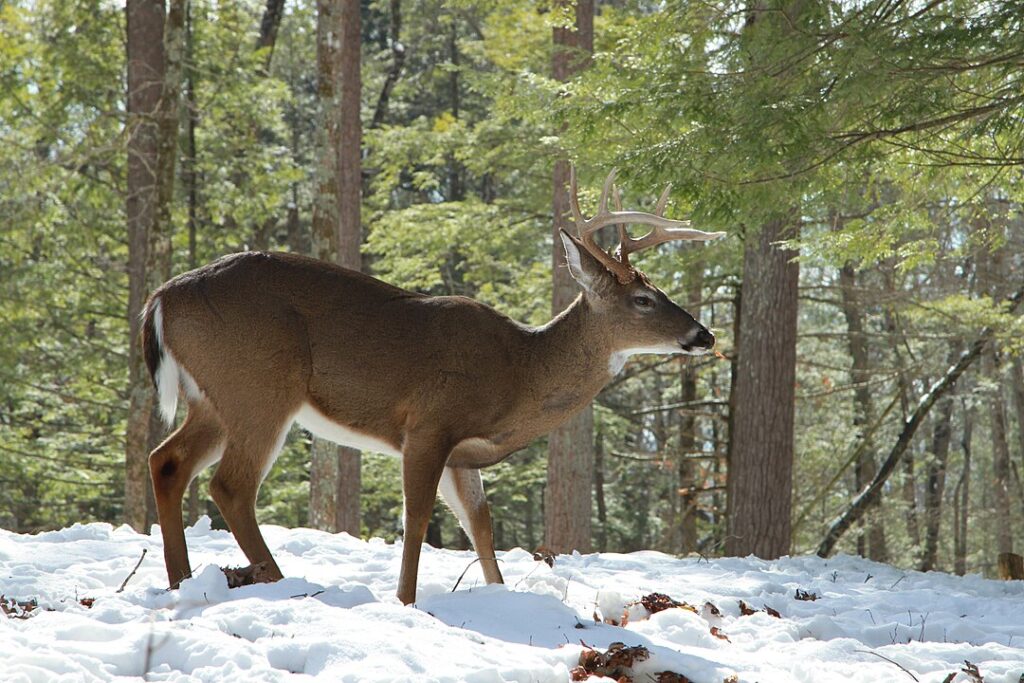
The Great Smoky Mountains offer a different kind of late winter wildlife experience. The park’s diverse habitats make it home to a variety of animals, such as deer, wild turkeys, and even black bears during the winter months. The snow-covered peaks and valleys provide an ideal backdrop for spotting these animals, especially on the lower-elevation trails. Winter brings fewer visitors, allowing for a more peaceful experience as you observe the animals in their natural environment.
Though it can be colder during this time, the quieter season also means that animals are more visible. Visitors can enjoy winter hikes along the park’s vast network of trails, with opportunities to catch sight of animals feeding or resting. The park’s rich biodiversity, combined with its scenic views, makes it a perfect spot for winter wildlife enthusiasts. The Great Smoky Mountains provide ample opportunities to spot a range of species without the crowds of summer.
Denali National Park, Alaska
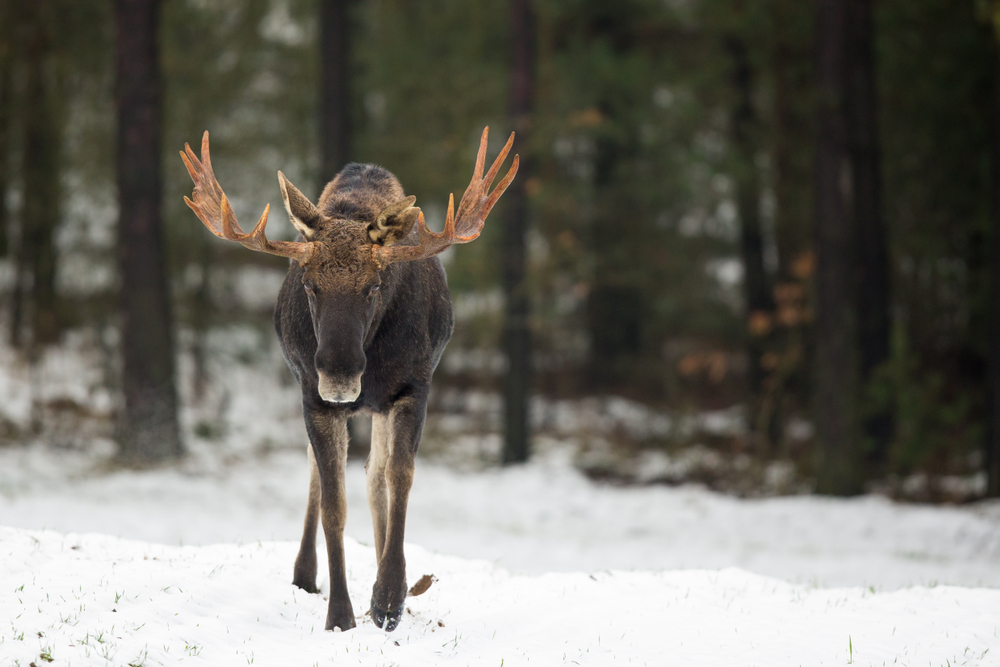
Denali National Park in Alaska is a fantastic winter destination for spotting wildlife, especially for those who enjoy a challenge. The park’s vast, snowy landscape is home to a variety of animals, including moose, caribou, and wolves. These animals are often easier to spot in late winter as they search for food in the harsh conditions. Visitors to Denali can join guided winter tours to see the park’s wildlife while learning about the history and challenges of surviving in such a remote and rugged environment.
Winter in Denali means fewer tourists, providing a more intimate wildlife experience. The park’s serene and quiet atmosphere allows for better observation of animals in their natural habitats. It’s a great destination for adventurous travelers who want to experience wildlife in one of the most remote and rugged parts of the U.S. If you’re seeking a winter adventure in the Alaskan wilderness, Denali offers some of the best wildlife opportunities in the country.
Theodore Roosevelt National Park, North Dakota
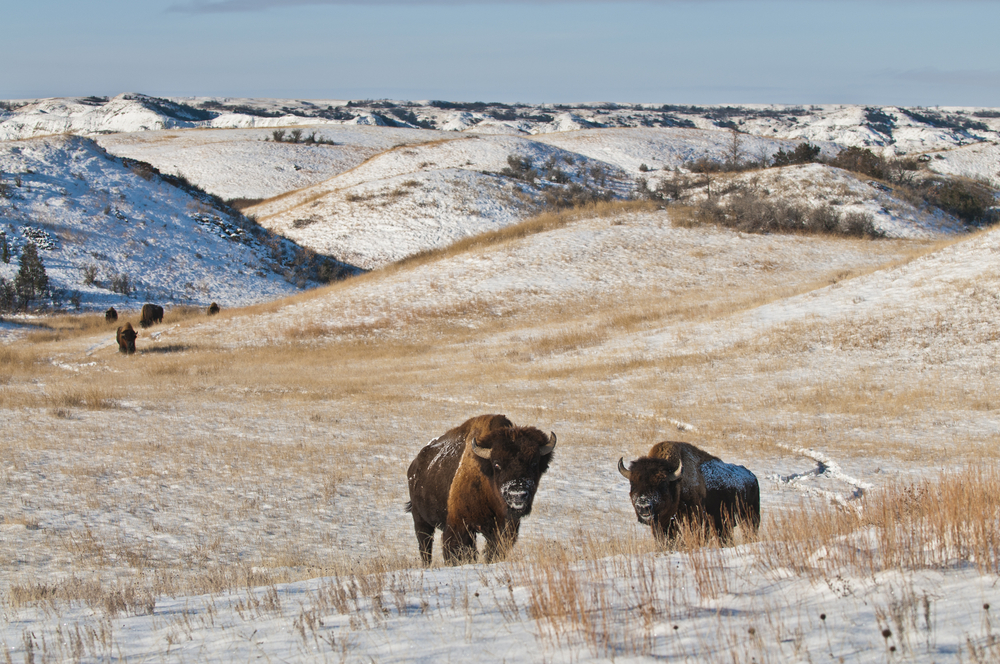
Theodore Roosevelt National Park offers one of the best late winter wildlife experiences in the northern U.S. The park’s rolling hills and river valleys are home to bison, elk, and prairie dogs. Winter provides a unique opportunity to view these animals as they forage for food or move through the park’s snowy landscape. The park’s remote location also means fewer visitors, allowing for better animal sightings.
Snowshoeing and cross-country skiing are popular activities during the winter months, offering a peaceful way to explore the park while keeping an eye out for wildlife. The park’s rugged terrain, combined with the wildlife that thrives in it, provides an authentic experience for nature lovers. With its open skies and stark winter beauty, Theodore Roosevelt National Park is an ideal destination for late winter wildlife viewing. Whether you’re spotting bison or birdwatching, the park’s wildlife is sure to impress.
Joshua Tree National Park, California
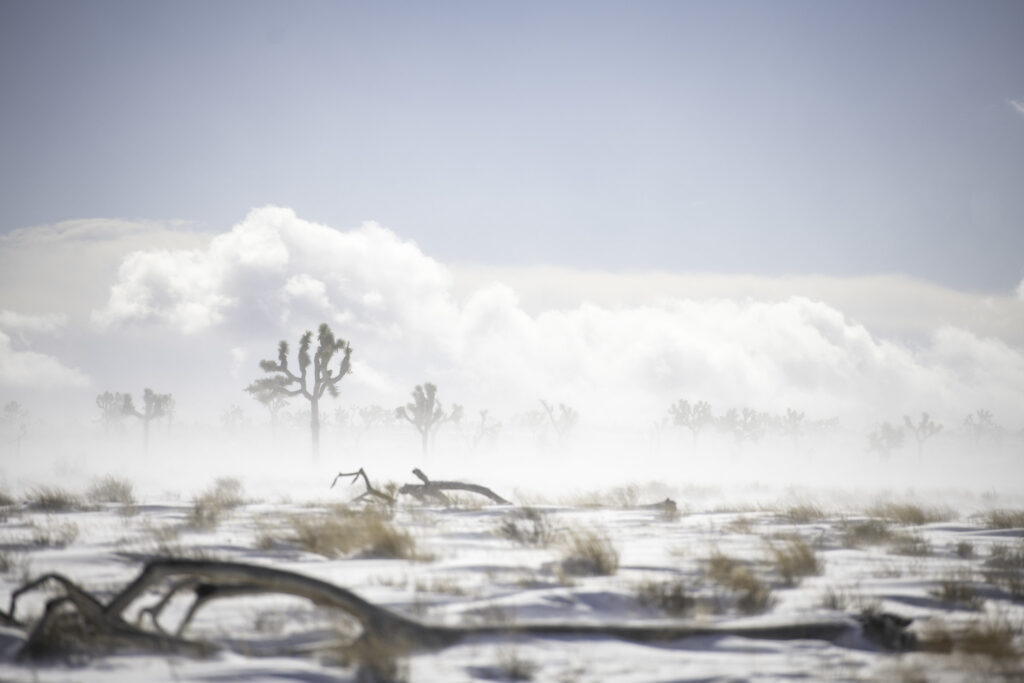
While many associate Joshua Tree National Park with desert landscapes, it’s also home to an interesting array of wildlife during the late winter. Coyotes, bighorn sheep, and desert tortoises are often more visible during this time of year. The cooler temperatures bring these animals out of hiding, making them easier to spot. The park’s unique mix of desert and mountainous terrain makes for an exciting adventure for wildlife enthusiasts.
Late winter also offers the chance to see birds of prey, such as golden eagles and red-tailed hawks. These birds are more active during this season, often soaring high above the park’s iconic Joshua trees. The clear skies and crisp air make it the ideal time for hiking and wildlife watching. For those seeking to experience the desert’s wildlife in a quieter season, Joshua Tree National Park is an excellent choice.
Shenandoah National Park, Virginia
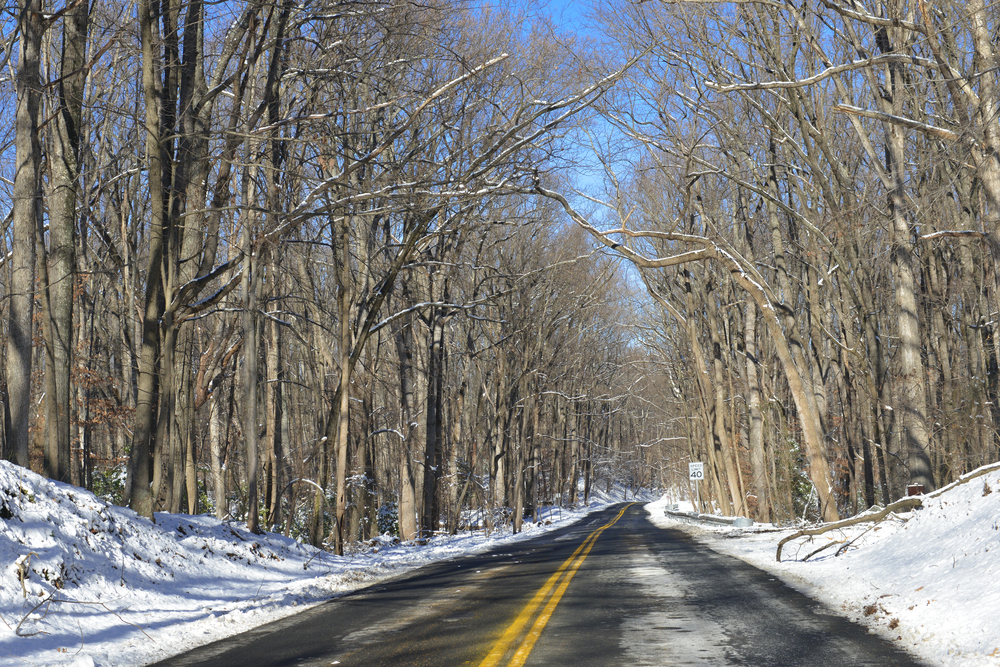
Shenandoah National Park in Virginia provides a scenic and tranquil setting for wildlife watching during late winter. The park is home to white-tailed deer, black bears, and red foxes, all of which are more active during the cooler months. The park’s extensive trail system allows visitors to explore different habitats, giving them the chance to spot animals in various settings. With fewer visitors during this time of year, animal sightings are often more frequent.
The park’s quiet beauty during the winter months offers a chance to enjoy the outdoors without the usual summer crowds. Hikers can explore areas known for higher concentrations of wildlife, and winter months also bring the opportunity to see migratory birds. Whether you’re hiking along the Appalachian Trail or simply exploring the park’s winding roads, Shenandoah is a great place to spot wildlife in the winter. Its combination of wildlife and beautiful winter landscapes makes it a must-visit.
Great Sand Dunes National Park, Colorado
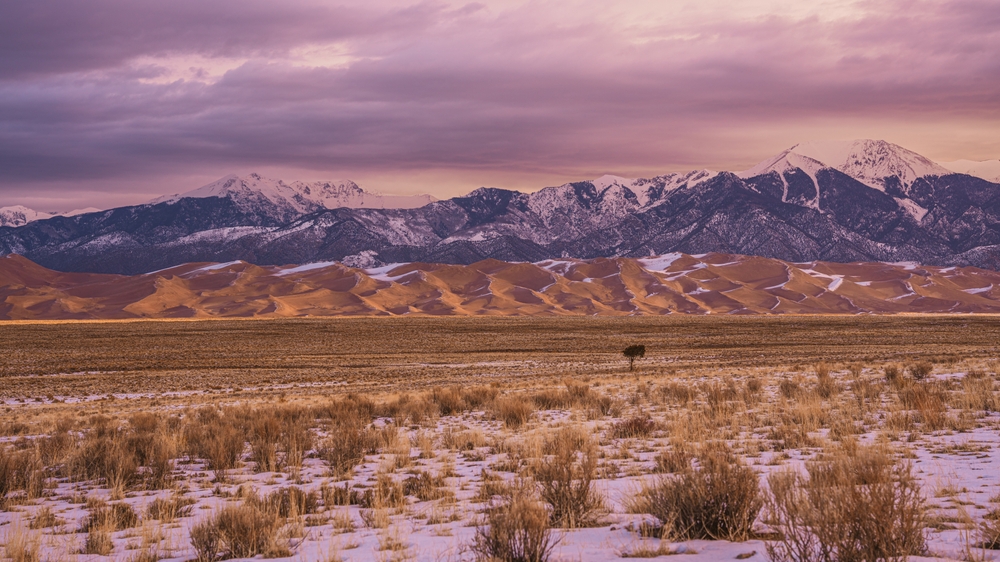
Great Sand Dunes National Park is a unique winter wildlife destination, offering a chance to see animals against the backdrop of vast sand dunes and snowy peaks. Mule deer, elk, and pronghorn are commonly seen during the late winter months as they move through the park in search of food. The park’s diverse landscapes, including grasslands, wetlands, and dunes, provide a variety of habitats for wildlife. The winter months bring a quieter experience, allowing for better sightings of these animals.
The striking dunes, covered in snow, create a surreal setting for wildlife watching. The park is also home to a number of bird species, such as hawks and owls, which are more active during the winter months. Snowshoeing and cross-country skiing are popular activities, offering an exciting way to explore the park’s unique terrain. Whether you’re interested in wildlife or simply soaking in the beauty of the sand dunes, Great Sand Dunes National Park offers a memorable winter adventure.
Lassen Volcanic National Park, California
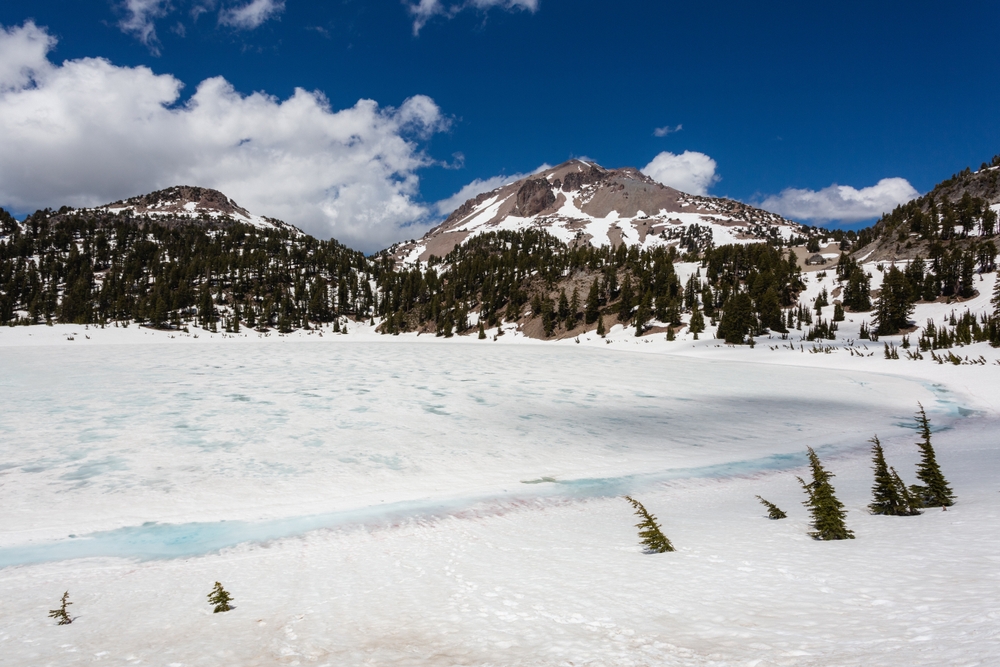
Lassen Volcanic National Park offers a stunning winter setting for wildlife watchers. The park is home to a variety of species, including mule deer, black bears, and golden eagles. During the late winter months, these animals are more visible as they venture into lower elevations in search of food. The volcanic landscape provides a dramatic backdrop, with steaming fumaroles and snow-covered peaks adding to the park’s allure.
Lassen is known for its geothermal features, which attract both wildlife and visitors. Winter brings fewer tourists to the park, giving wildlife watchers the chance to experience the park in a quieter setting. Snowshoeing and cross-country skiing are popular winter activities, providing access to areas where animals are often spotted. The park offers a unique blend of natural beauty and wildlife viewing opportunities, making it a great winter destination.
Mount Rainier National Park, Washington
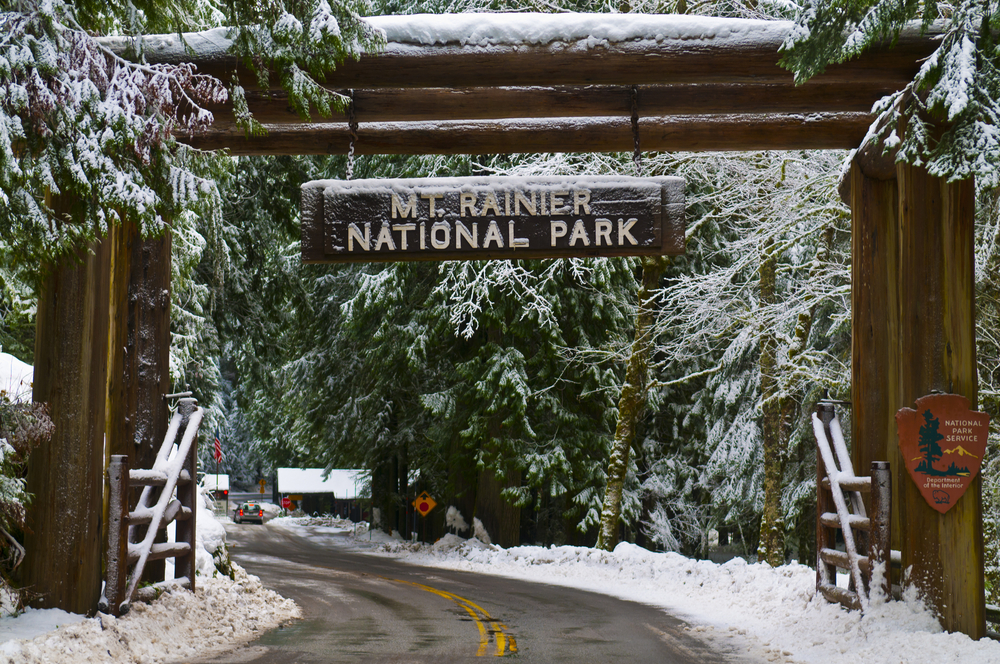
Mount Rainier National Park offers breathtaking winter views and prime wildlife spotting opportunities. The park is home to a variety of species, including elk, deer, and mountain goats. These animals are often easier to spot during the winter months, especially in lower elevation areas. The park’s snow-covered landscapes and towering trees make for a picturesque setting while watching wildlife in action.
The winter months bring fewer visitors to the park, allowing for a more peaceful wildlife experience. Visitors can hike, snowshoe, or take part in ranger-led programs to learn more about the park’s wildlife. The chance to spot animals against the backdrop of Mount Rainier’s glaciers and peaks makes for a truly unique experience. Whether you’re an avid wildlife enthusiast or just looking for a winter adventure, Mount Rainier National Park is a must-see.
This article originally appeared on Avocadu.