
12 Late Winter Southern Road Trips with Mild Weather and Big Historic Sites
Looking for the perfect road trip this late winter? The Southern United States offers mild temperatures and a wealth of historic sites, making it an ideal time to explore. From the charming streets of Savannah to the Civil Rights landmarks in Alabama, these destinations provide both comfort and rich history. Whether you’re interested in colonial architecture or scenic coastal views, these trips offer a unique way to experience the South’s storied past. Grab your keys and head out for an unforgettable adventure through iconic Southern landmarks.
This post may contain affiliate links, which helps keep this content free. Please read our disclosure for more info.
Savannah, Georgia
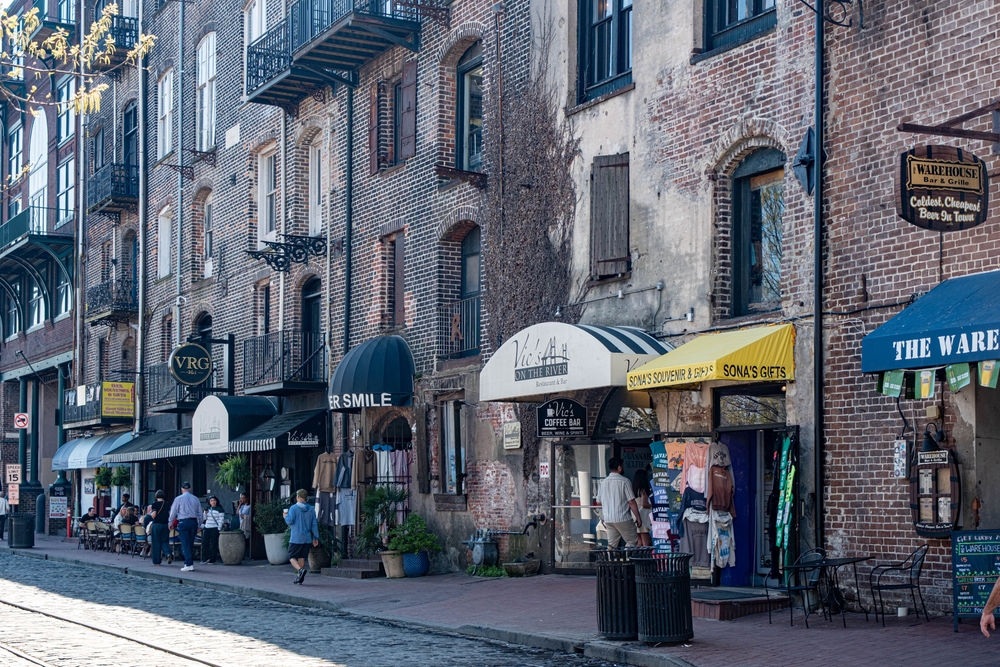
Late winter in Savannah offers mild temperatures in the 50s and 60s, creating the perfect environment for exploring its captivating history. The city’s scenic streets, lined with oak trees draped in Spanish moss, give visitors a glimpse into its past, with well-preserved antebellum buildings and cobblestone squares. You can explore historical sites like the Colonial Park Cemetery, which dates back to 1750, and the Savannah History Museum, housed in the old depot. Notably, Savannah is one of the oldest cities in the United States, and it offers numerous museums, including the Owens-Thomas House and Slave Quarters, where you can learn about the darker aspects of its history.
Walk through the iconic squares of the historic district, such as Chippewa Square, made famous by the movie Forrest Gump. Forsyth Park, with its beautiful fountains and gardens, is an ideal spot to relax after a day of sightseeing. River Street offers a perfect mix of shopping and dining, with historic buildings that once served as warehouses now housing galleries, shops, and restaurants. In the comfortable weather of February and March, Savannah provides a quiet and immersive experience, making it the perfect time to visit this charming, historic city.
Charleston, South Carolina
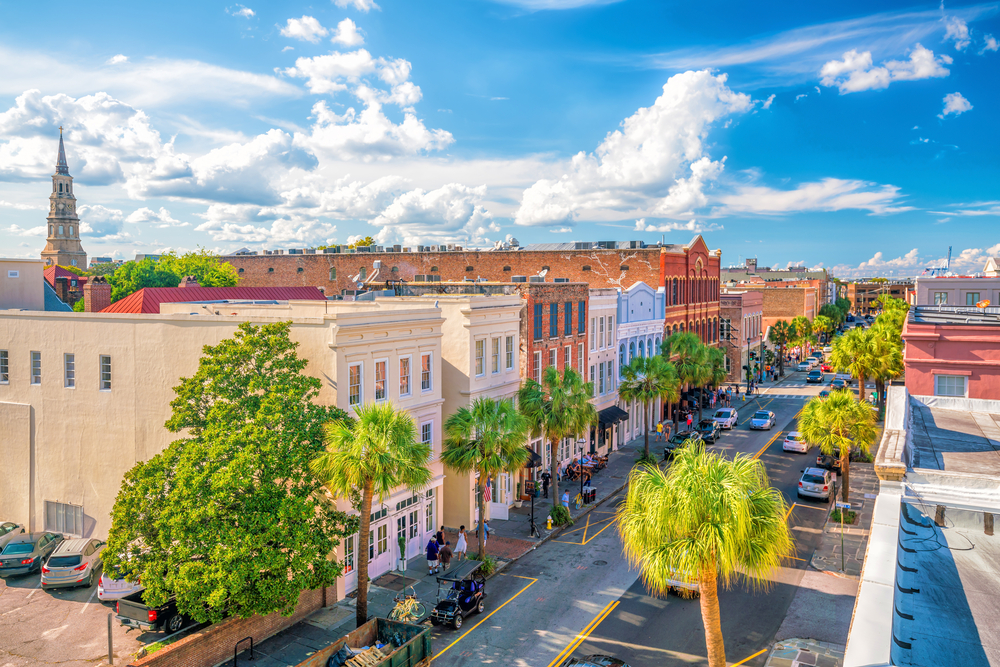
Charleston, with its mild winter weather, offers a fantastic opportunity to experience Southern history in comfort. Known for its well-preserved colonial architecture, the city features magnificent homes along the Battery and cobblestone streets in the French Quarter. The historic district is full of landmarks, including the Old Exchange and Provost Dungeon, where colonial leaders gathered, and the Nathaniel Russell House, a stunning example of Charleston’s antebellum architecture. History lovers can also visit Fort Sumter, where the first shots of the Civil War were fired, now accessible by ferry.
The city is also home to lush gardens and grand plantations. Middleton Place, with its beautiful gardens and historic house, is a great example of the Lowcountry’s plantation history. The Charleston City Market, which dates back to the 1800s, provides a lively atmosphere with a mix of handmade goods and historic charm. With February and March temperatures averaging in the mid-60s, you can stroll through the picturesque streets and visit historic landmarks comfortably, making it the perfect time to experience Charleston’s rich heritage.
Montgomery, Alabama
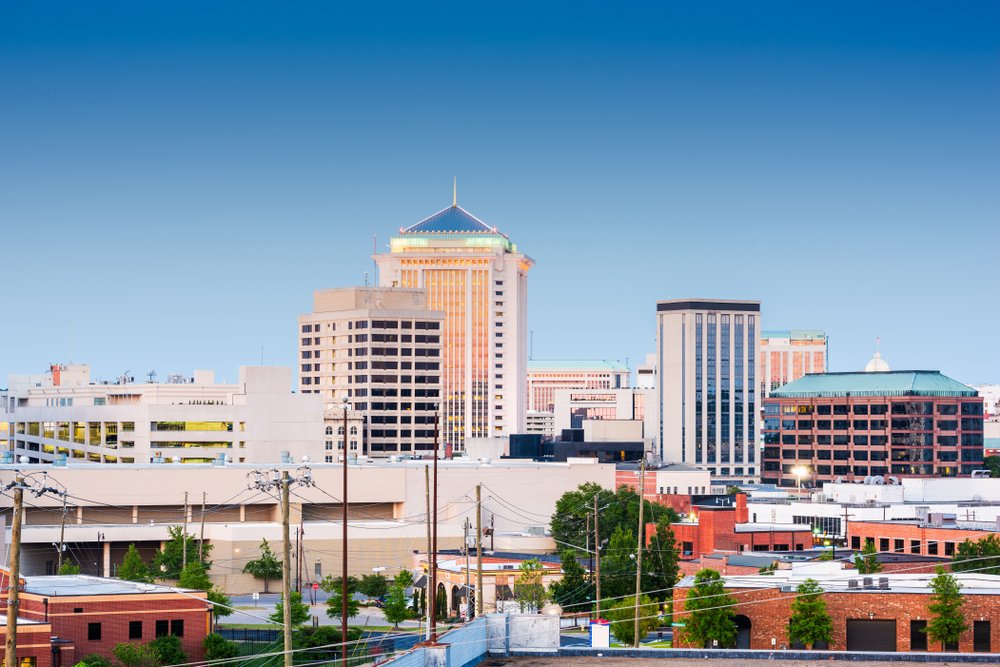
Montgomery, Alabama, holds an essential place in the history of the Civil Rights Movement, and late winter provides a comfortable climate for exploring this city’s significant landmarks. Start at the Rosa Parks Museum, which commemorates the day in 1955 when Parks, an African-American woman, refused to give up her seat to a white man, sparking the Montgomery Bus Boycott. Not far from there, the Legacy Museum provides an in-depth look at the history of racial injustice in America, with powerful exhibits highlighting the struggles for equality. Montgomery was also home to Dr. Martin Luther King Jr. during his leadership of the bus boycott, and his legacy can be explored at the Dexter Avenue King Memorial Baptist Church, where he preached.
Other important stops include the Civil Rights Memorial, which honors those who died in the fight for racial equality, and the National Memorial for Peace and Justice, which commemorates the history of lynching in the United States. The city’s mild temperatures in late winter make it an ideal time to explore its important history without the heat and humidity of summer. Walking through these profound historical sites, you can truly understand Montgomery’s pivotal role in the fight for civil rights in America.
New Orleans, Louisiana
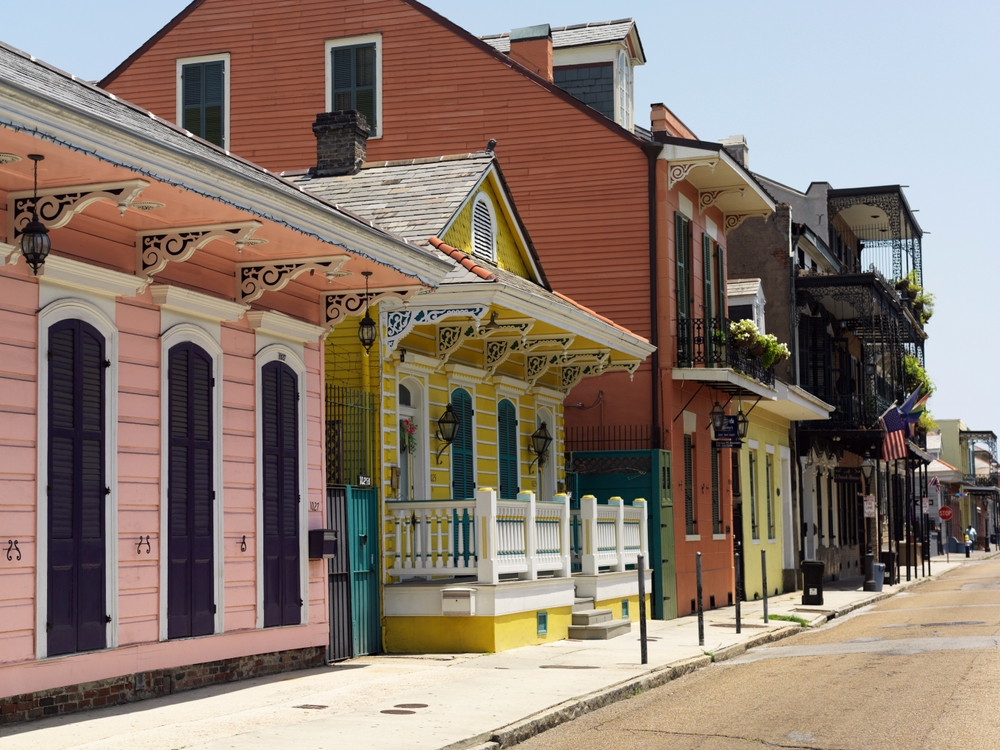
New Orleans is known for its vibrant culture, music, and history, and the city’s mild late winter weather makes it the perfect time to experience all it has to offer. The French Quarter, the oldest neighborhood in the city, is filled with French colonial buildings, ironwork balconies, and historic churches. St. Louis Cathedral, the oldest continuously active Roman Catholic cathedral in the United States, is a must-see, as is Jackson Square, which has been the site of political events and public gatherings for centuries. The city’s rich Creole and French heritage is reflected in its museums, such as the National WWII Museum, a powerful tribute to the soldiers who fought during the Second World War.
Take a stroll through the Garden District, famous for its antebellum mansions, or learn about the roots of jazz at the New Orleans Jazz National Historical Park. The cooler temperatures of February and March are ideal for taking in the city’s stunning architecture and culture. The Mardi Gras celebrations during this period add another layer of excitement, but without the overwhelming summer heat. Whether you’re indulging in delicious beignets or enjoying live jazz on Frenchmen Street, New Orleans provides an unforgettable experience steeped in history.
Florida Keys, Florida
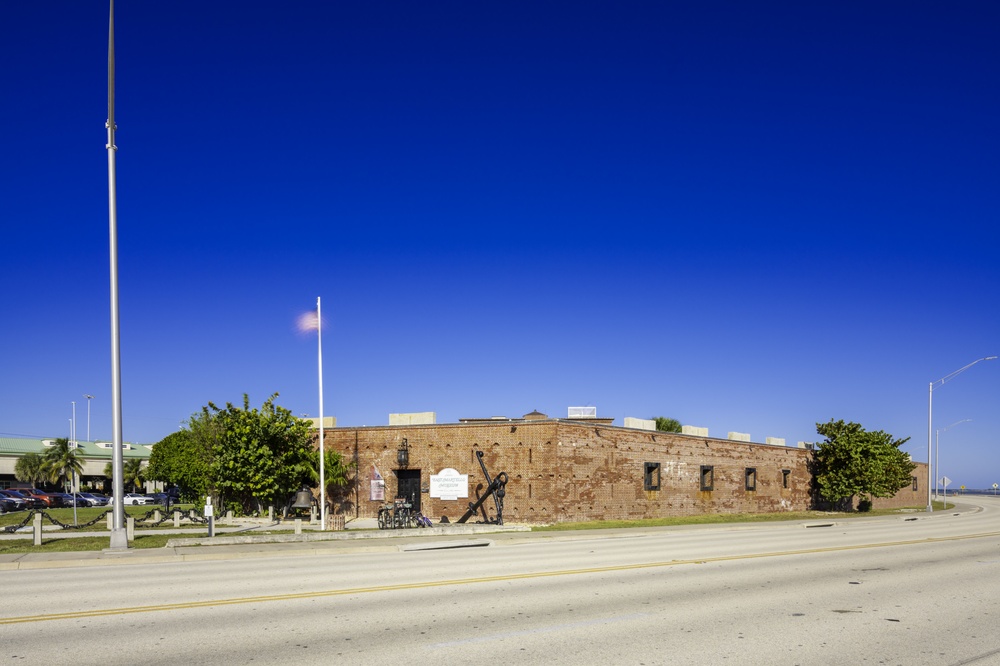
The Florida Keys offer a sunny and warm late winter escape, with comfortable temperatures perfect for road-tripping through this scenic archipelago. From Key Largo to Key West, this route is filled with historic sites and natural beauty. Key West is home to the Ernest Hemingway Home and Museum, where the iconic author lived in the 1930s and wrote some of his most famous works. The Old Town Key West area also features historic homes, galleries, and the Southernmost Point Buoy, marking the southernmost point of the continental United States.
Along the way, the Keys’ colorful history unfolds through landmarks like the Islander Watersports Museum in Key Largo and the Key West Lighthouse, which offers panoramic views of the island. For a more relaxed experience, visit the John Pennekamp Coral Reef State Park, where you can explore underwater coral reefs that have been preserved for over 50 years. The Florida Keys’ unique blend of tropical beauty and history makes it a perfect winter destination, where you can comfortably enjoy both outdoor adventures and historical discoveries.
San Antonio, Texas
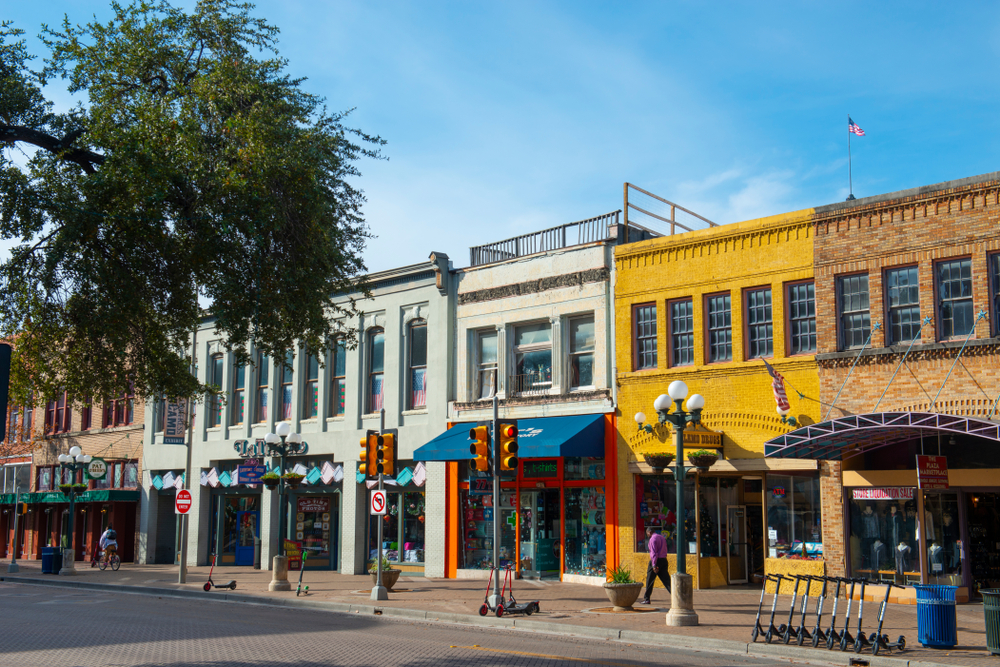
San Antonio’s mild late winter temperatures make it an excellent time to explore its rich history, particularly the historic Alamo. The Alamo, a symbol of Texas independence, is one of the most iconic landmarks in the United States. The Alamo’s museum houses artifacts and exhibits that tell the story of the 1836 battle where a small group of Texans made a heroic stand against Mexican forces. Nearby, the San Fernando Cathedral, one of the oldest continuously active Catholic churches in the country, offers another glimpse into the city’s deep historical roots.
In addition to the Alamo, the San Antonio Missions National Historical Park preserves the city’s colonial past, with four 18th-century Spanish missions spread out along the San Antonio River. The River Walk, a series of walkways along the San Antonio River, provides a scenic and relaxing spot to enjoy a meal, take a boat tour, or shop. Whether exploring the missions or learning about the history of Texas’s fight for independence, San Antonio offers both rich history and beautiful mild weather in February and March.
Asheville, North Carolina
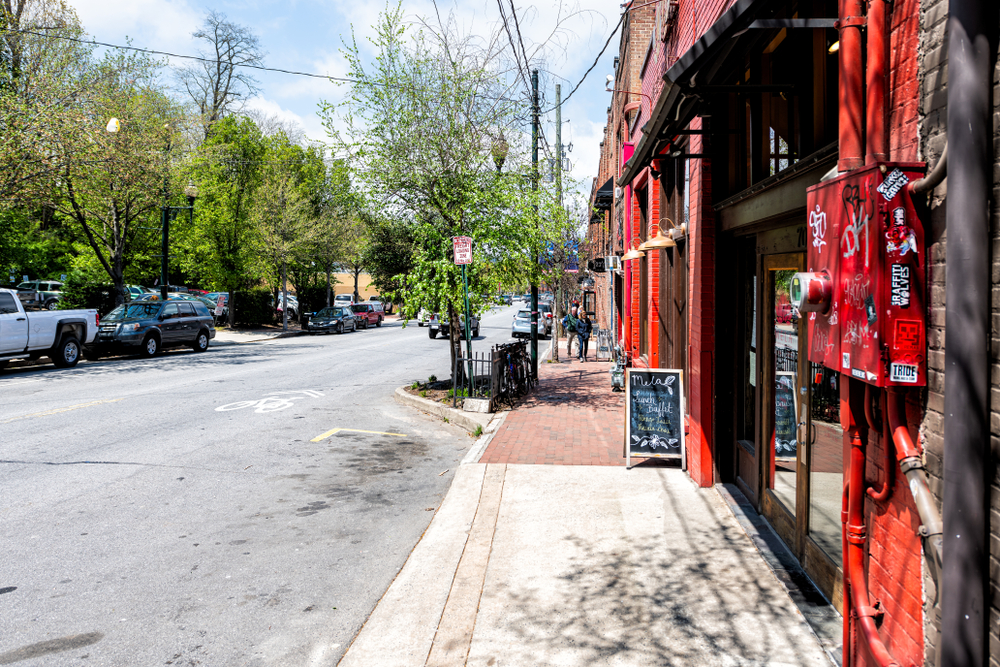
Asheville, known for its artsy vibe and stunning mountain views, offers a mild winter climate, perfect for enjoying both history and nature. The Biltmore Estate, America’s largest privately-owned home, is a must-visit for history lovers. Built by George Washington Vanderbilt II, the estate’s grand architecture and extensive gardens reflect the Gilded Age’s opulence. The estate’s historical significance is enhanced by its ties to the Industrial Revolution, and you can explore its art collection, ornate rooms, and expansive grounds.
Asheville’s downtown area is also home to a wealth of historic architecture and vibrant arts. Visit the Thomas Wolfe Memorial, a tribute to the famed author, or take a walk along the historic Montford District, which features beautiful examples of Victorian architecture. With the Blue Ridge Parkway nearby, the city offers plenty of opportunities to explore the natural beauty of the Appalachian Mountains as well, with the mild late winter weather allowing for comfortable outdoor adventures.
St. Augustine, Florida
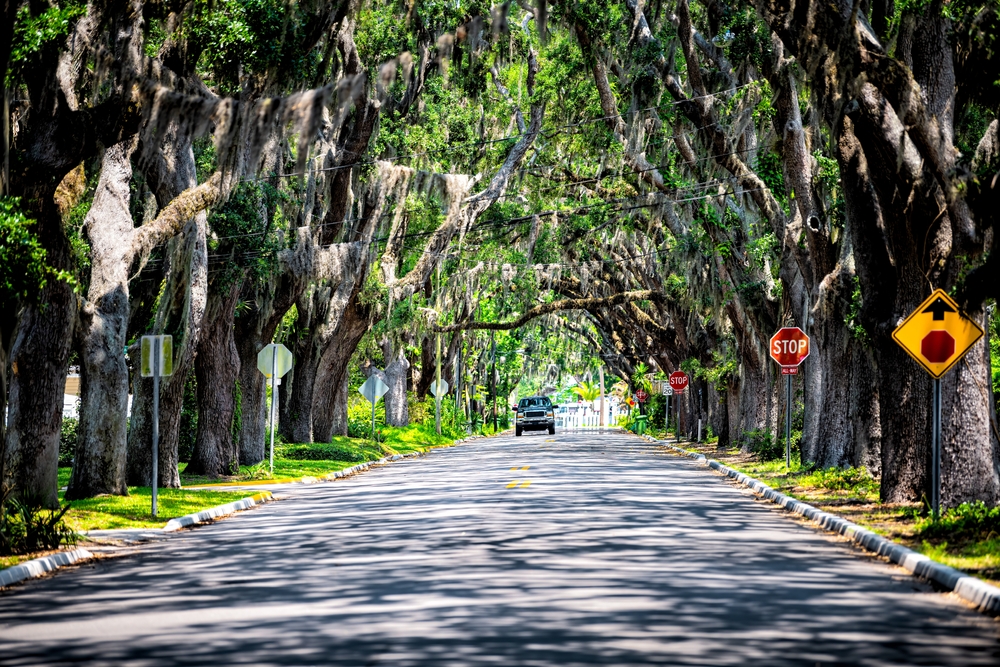
St. Augustine is the oldest continuously inhabited European-established settlement in the continental United States, and its mild winter weather makes it the perfect time to explore its rich history. The Castillo de San Marcos, a 17th-century fort, stands as one of the city’s most iconic landmarks and offers stunning views of the water. St. Augustine is known for its well-preserved colonial architecture, and you can visit the historic district to see landmarks like the Cathedral Basilica of St. Augustine and the Oldest Wooden Schoolhouse.
The Lightner Museum, housed in a former hotel, displays an impressive collection of Victorian-era artifacts, while the St. Augustine Lighthouse offers a glimpse into the city’s maritime history. Whether you’re strolling down St. George Street or learning about the city’s role in the Spanish colonial empire, St. Augustine offers a compelling combination of history, architecture, and comfortable winter weather.
Memphis, Tennessee
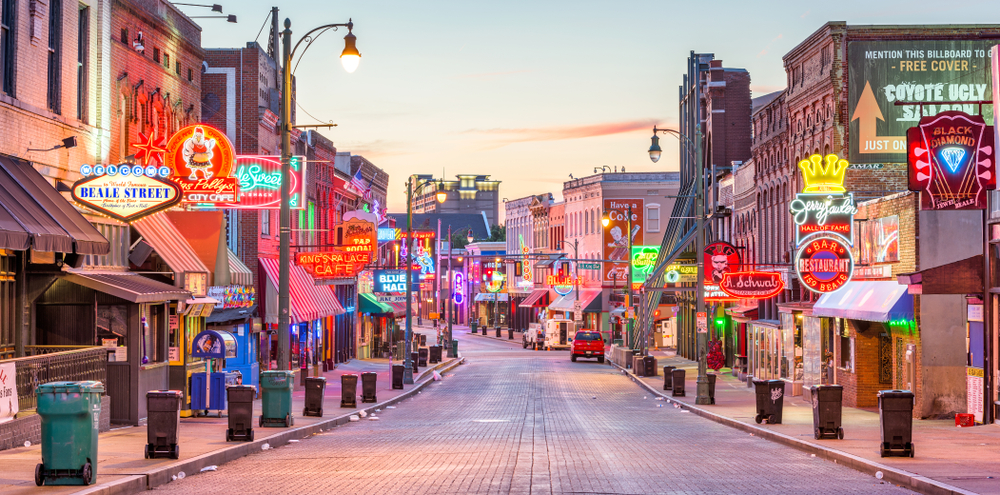
Memphis is rich in musical and civil rights history, and the mild winter months make it a perfect time to explore these significant landmarks. Graceland, the home of Elvis Presley, is one of the most visited sites in the city, offering a glimpse into the life of the King of Rock ‘n’ Roll. The National Civil Rights Museum, located at the Lorraine Motel, is another powerful stop, detailing the history of the Civil Rights Movement and the assassination of Dr. Martin Luther King Jr.
Beale Street, the historic street known for its live music and vibrant nightlife, is another must-visit for those interested in the city’s musical history. Late winter is a great time to experience Memphis’ rich culture and history without the scorching summer temperatures, allowing you to enjoy the outdoor sights like the Mississippi Riverfront and Sun Studio comfortably.
Birmingham, Alabama
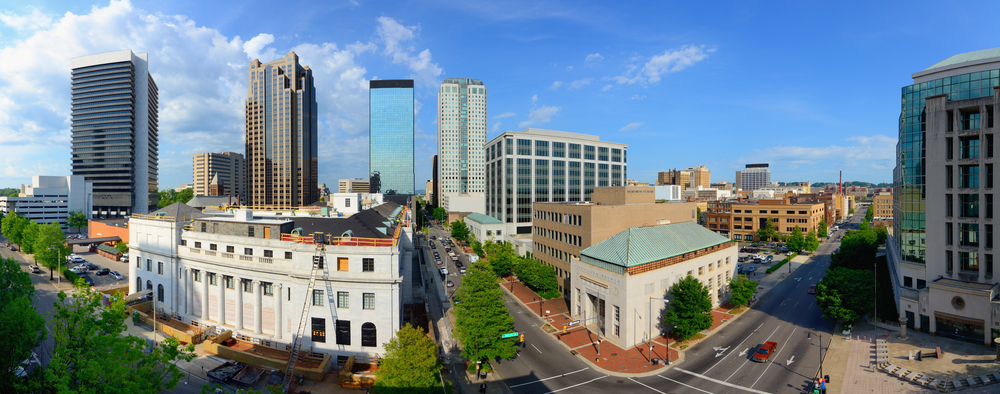
Birmingham is a key city in the history of the Civil Rights Movement, and late winter provides mild weather to explore its profound landmarks. The Birmingham Civil Rights Institute offers an in-depth look at the struggles for racial equality in the 1960s, with exhibits documenting pivotal moments such as the 16th Street Baptist Church bombing. Just a short distance away, the 16th Street Baptist Church still stands as a symbol of the courage and sacrifice made during the movement. The Kelly Ingram Park, located next to the church, is a poignant memorial to the events of the 1963 Birmingham Campaign.
Additionally, Birmingham’s rich industrial past is preserved in the Birmingham Museum of Art and the Vulcan Park and Museum, where you can visit the largest cast-iron statue in the world. The moderate late winter temperatures make it a great time to experience these historically significant sites without the oppressive summer heat. With a combination of Civil Rights landmarks and industrial heritage, Birmingham offers an enriching experience for history enthusiasts.
Nashville, Tennessee
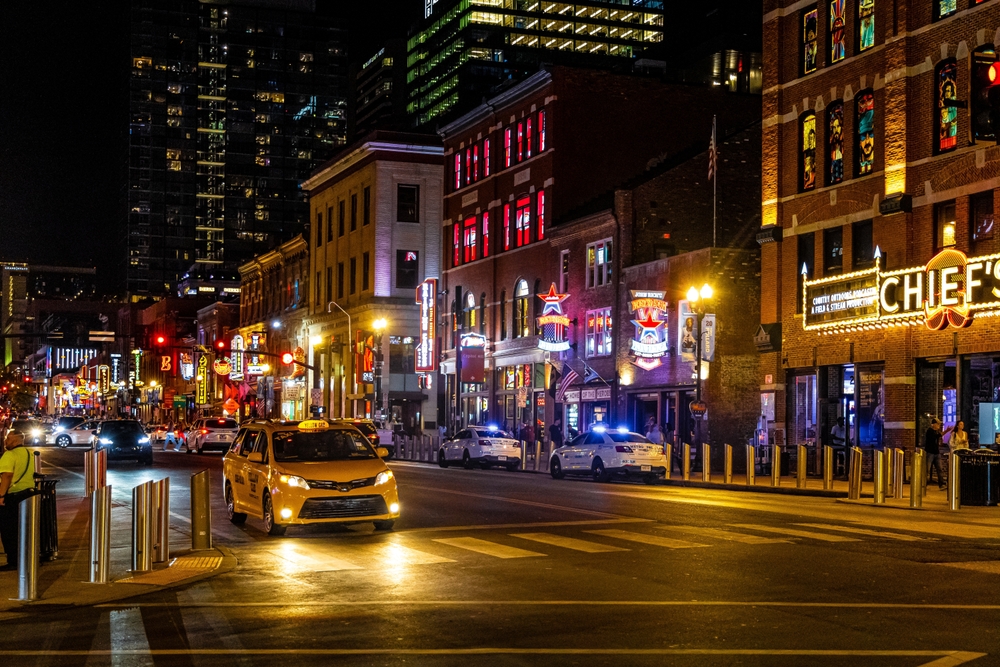
Nashville, often called “Music City,” offers a mild winter climate that makes it an excellent destination for both music lovers and history buffs. The city is home to the Country Music Hall of Fame, where you can trace the roots and evolution of country music through exhibits and memorabilia. Nearby, the historic RCA Studio B, where legendary artists like Elvis Presley and Dolly Parton recorded some of their biggest hits, is a must-see for fans of American music history.
Nashville is also rich in Civil War history, with sites like the Belle Meade Plantation, where you can learn about the city’s role in the conflict. The Parthenon, a full-scale replica of the ancient Greek structure, is another historical gem, located in Centennial Park. The combination of music and history, along with the pleasant temperatures in late winter, makes Nashville a top choice for an immersive cultural road trip.
Baton Rouge, Louisiana
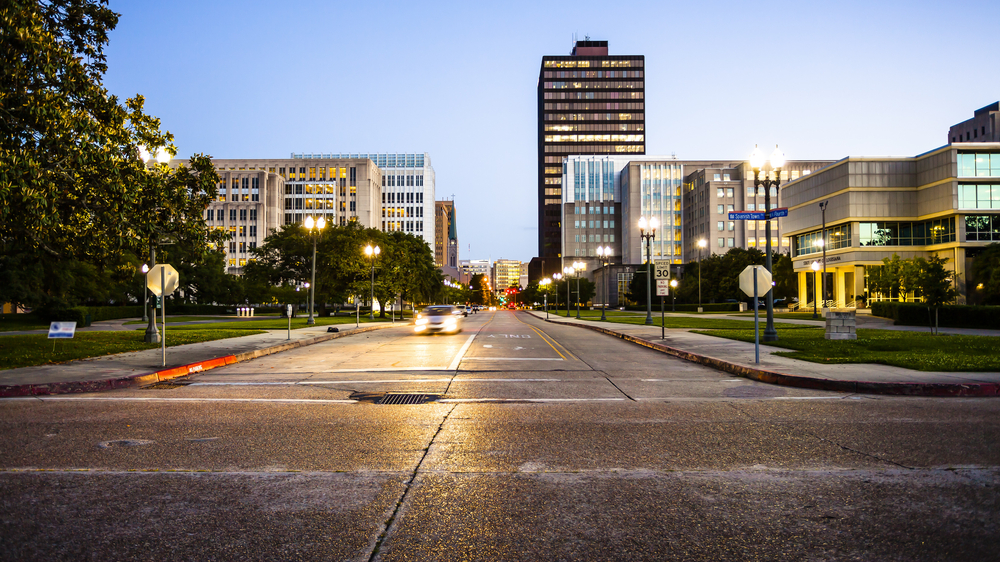
Baton Rouge, Louisiana’s capital, offers a perfect late winter climate to explore its unique blend of history and culture. The Old State Capitol, with its stunning Gothic architecture, houses a museum detailing Louisiana’s political history and the state’s involvement in the Civil War. A visit to the LSU Rural Life Museum offers a look at the region’s agricultural and cultural history, with preserved buildings and exhibits focusing on life in rural Louisiana during the 18th and 19th centuries.
The National WWII Museum in Baton Rouge is another important stop, reflecting the city’s role during the war. Baton Rouge is also known for its vibrant Creole and Cajun culture, seen in its food, music, and festivals. The mild late winter weather ensures you can explore these sites comfortably, making it a great time to discover Baton Rouge’s rich history and cultural heritage.
This article originally appeared on Avocadu.