
15 Late Winter Self Care Ideas for When You Feel Run Down
Late winter can be tough on both your body and mind. The days are shorter, the weather is colder, and it can feel like there’s no end to the chill. During this time, it’s easy to feel run down or overwhelmed by the demands of everyday life. That’s why it’s so important to take a step back and focus on yourself. A little extra care can go a long way in boosting your energy and improving your mood. Whether it’s through simple routines, cozy activities, or nourishing treatments, there are plenty of ways to restore your balance and feel better.
This post may contain affiliate links, which helps keep this content free. Please read our disclosure for more info.
Warm Herbal Tea
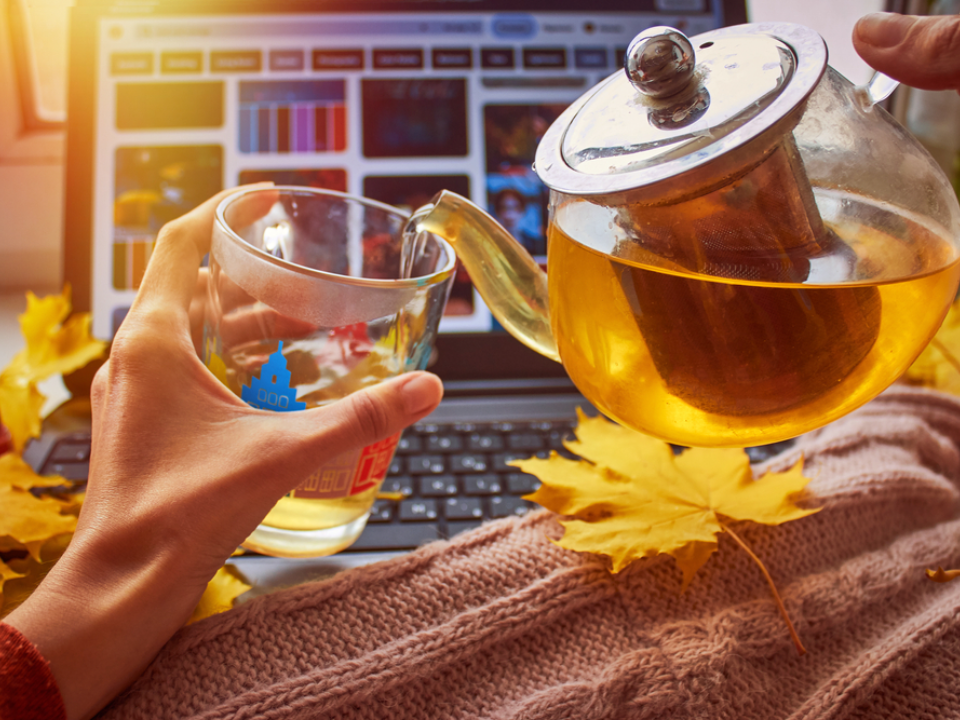
Warm herbal tea is one of the easiest ways to care for yourself during late winter when energy feels low. The heat alone can feel grounding, especially after being out in cold air. Herbal blends often encourage slower moments, which helps when your mind feels restless or tired. Drinking tea can become a gentle pause in the day rather than another task. Many people find that holding a warm mug helps ease tension in the shoulders and hands. The act of sipping slowly encourages calm breathing and quiet focus.
Choosing herbal tea as part of a daily routine works best when it fits naturally into your schedule. You might enjoy it in the evening to help your body settle after a long day. Some people prefer starting the morning with something warm that does not feel heavy. Rotating different herbal flavors can keep the habit enjoyable without feeling repetitive. Pairing tea with reading or quiet music can make the experience feel more intentional.
Cozy Fleece Blanket
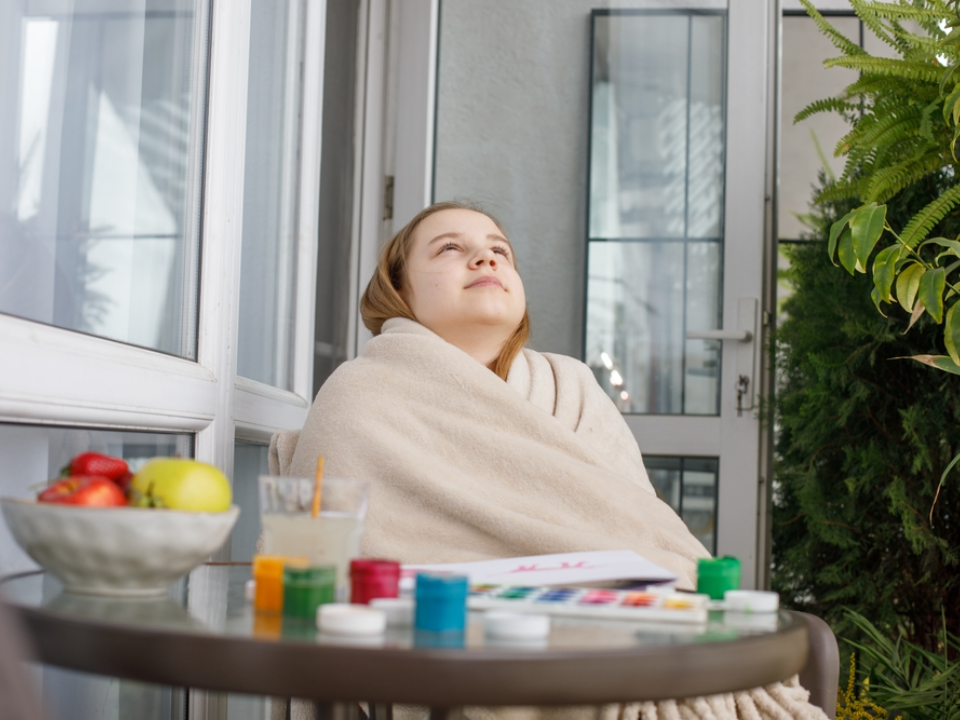
A cozy fleece blanket can make resting at home feel more inviting during late winter. Cold temperatures often make it harder to relax, even indoors. Wrapping yourself in something soft helps your body hold warmth and settle more easily. It can signal that it is time to slow down and rest. Many people associate blankets with safety and comfort, which can ease mental fatigue. The physical weight can feel grounding without being heavy.
Using a blanket intentionally can support better rest habits. Keeping it nearby encourages short breaks instead of pushing through exhaustion. Some people use it during reading, watching a show, or quiet reflection. It helps create a physical boundary between work time and rest time. Choosing a consistent spot to use it can turn it into part of a routine.
Scented Candles
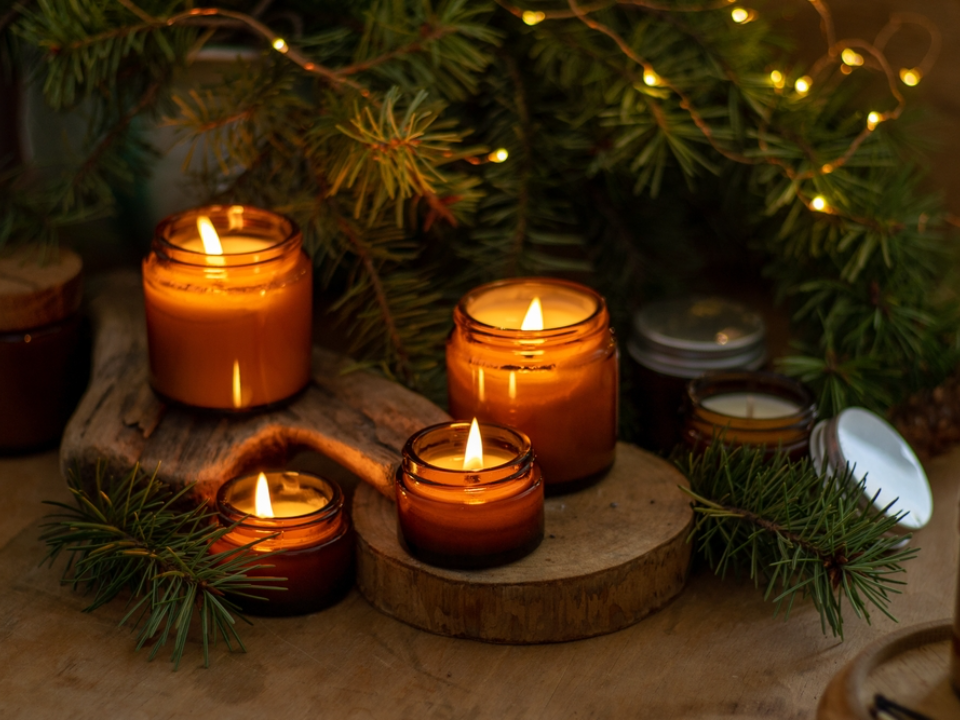
Scented candles can shift the mood of a room without much effort. During late winter, indoor spaces can feel dull or closed in. A gentle scent can make a space feel calmer and more welcoming. Soft lighting from a candle also reduces harsh brightness that can add to fatigue. Many scents are associated with relaxation and comfort, which helps when stress feels high.
Using candles with intention works best when they are part of a quiet moment. Lighting one during a bath or while journaling can support relaxation. Some people enjoy using the same scent consistently to create familiarity. Others rotate scents based on mood or time of day. Keeping the experience simple prevents it from feeling like another task.
Moisturizing Skincare Routine
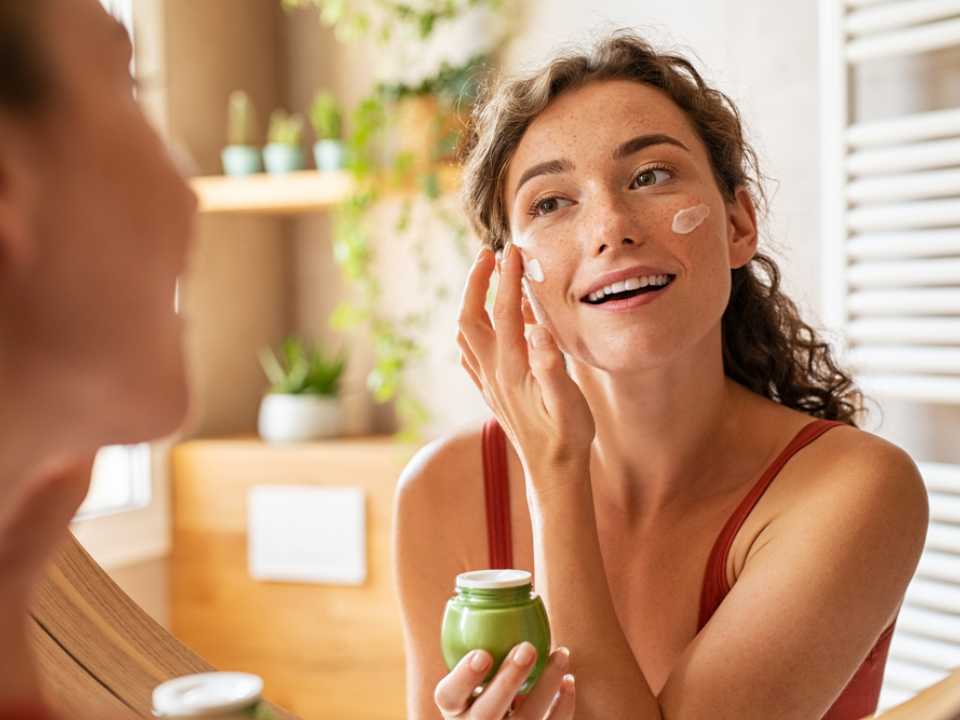
Late winter often leaves skin feeling dry and uncomfortable. Cold air and indoor heat can strip away moisture without you realizing it. A consistent skincare routine helps your skin recover and feel more balanced. Gentle cleansing followed by moisturizing supports the skin barrier. This care can also feel calming after long days. Taking time to apply products slowly helps you reconnect with your body.
A simple routine works best when it feels manageable. Focusing on hydration rather than complex steps keeps it sustainable. Applying moisturizer while skin is slightly damp can help lock in moisture. Evening routines are especially helpful since skin repairs itself overnight.
Aromatherapy Diffuser
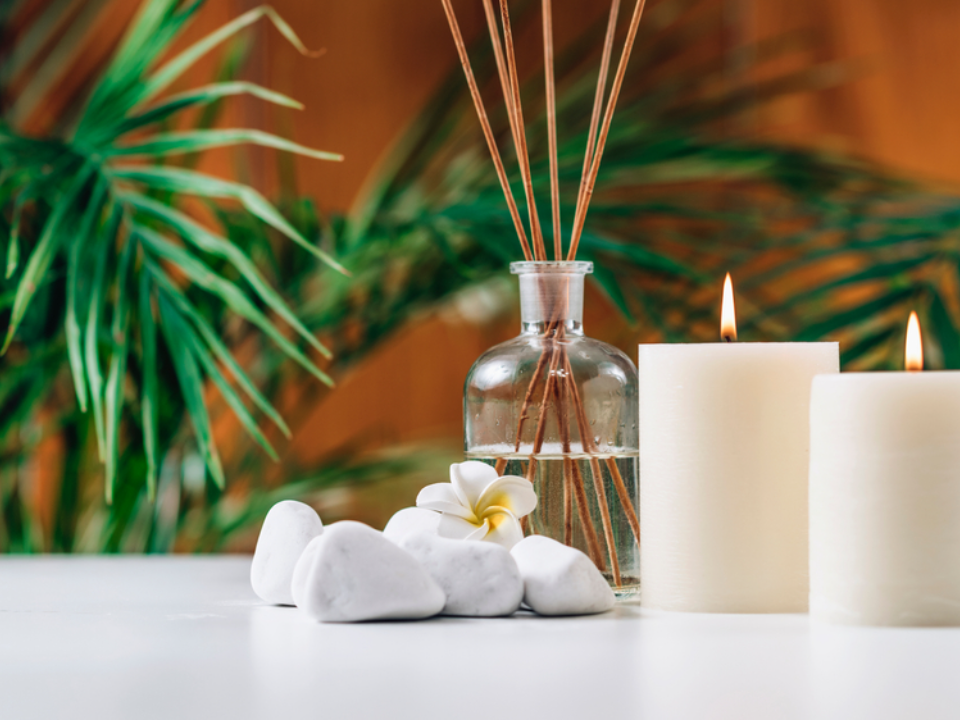
An aromatherapy diffuser can help refresh indoor air during long winter days. When windows stay closed, spaces can feel stale and heavy. Gentle scents can make a room feel lighter and more pleasant. Breathing in calming aromas can support relaxation and focus. It helps shape the atmosphere without effort. This can be especially helpful when energy feels low.
Using a diffuser works best when scents are kept simple. Lighter aromas tend to feel less overwhelming. Running it during rest periods can support calm moments. Some people enjoy using it while stretching or reading. Others prefer it during evening wind down routines.
Epsom Salt Bath
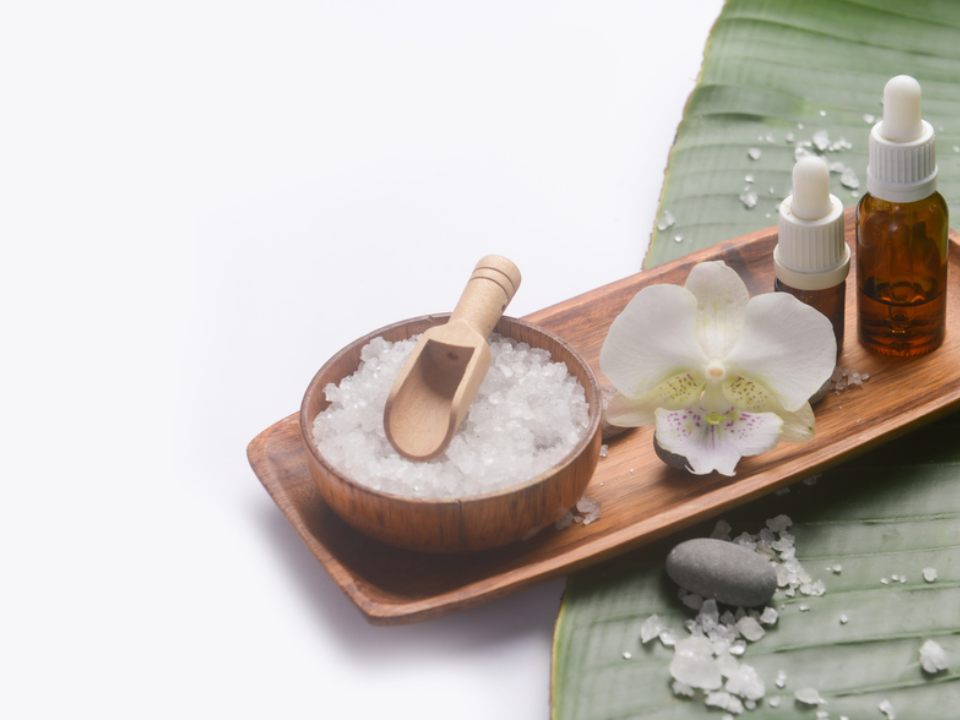
An Epsom salt bath can help ease physical tension during late winter. Cold weather often leads to stiff muscles and general soreness. Warm water helps increase circulation and encourages relaxation. Adding salts can deepen that sense of release. Soaking allows your body to rest without distraction. This combination makes baths especially helpful when you feel worn down.
Making baths part of a routine does not need to feel elaborate. Keeping the environment simple helps maintain relaxation. Limiting phone use during the soak supports mental rest. Gentle lighting or silence can enhance the experience. Even short baths can provide relief.
Warm Foot Soak
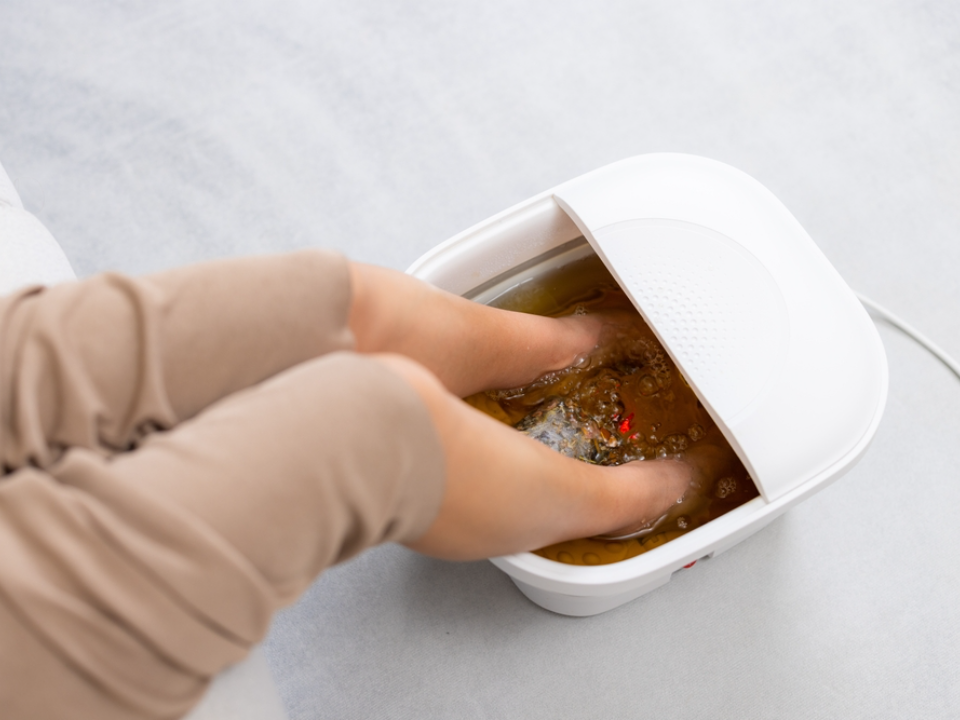
A warm foot soak is an often-overlooked form of self-care. Feet carry the body through daily activity and often hold tension. Cold floors and footwear can leave them feeling sore. Warm water helps relax muscles and improve circulation. This simple practice can feel surprisingly comforting. It encourages stillness without requiring full rest.
Foot soaks work well when paired with quiet activities. Reading or listening to soft audio can enhance the experience. Adding a few minutes of gentle foot massage afterward helps extend the benefit. Drying and moisturizing feet completes the routine. This care supports comfort beyond the soak itself. Even occasional use can make a difference.
Hydrating Face Mist
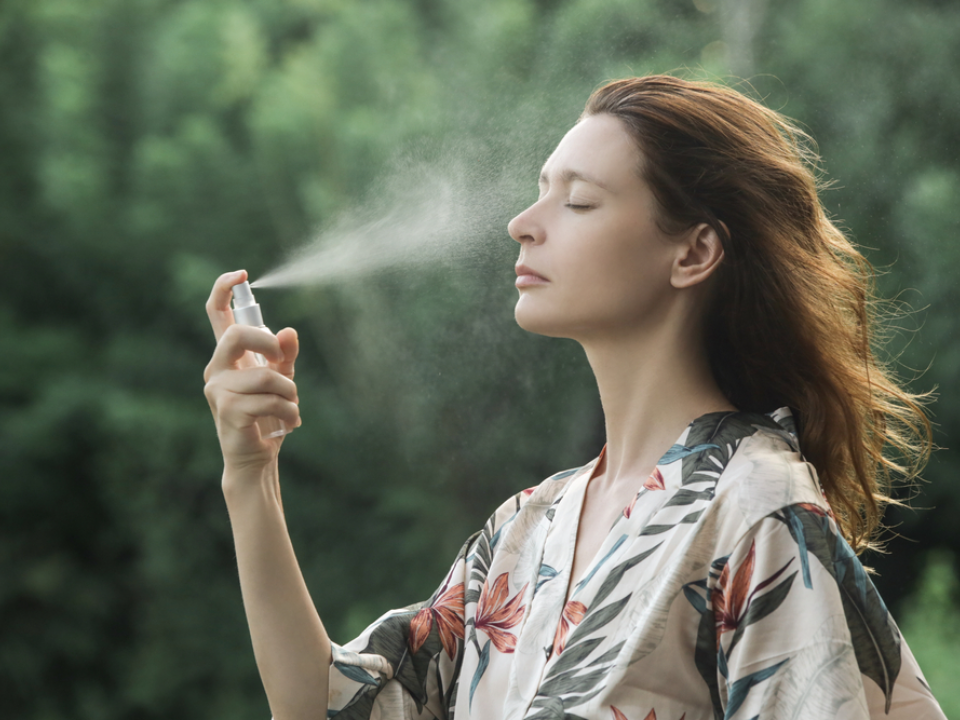
Hydrating face mist offers quick relief during dry winter days. Indoor heat can pull moisture from skin throughout the day. A light mist helps refresh without disrupting makeup or skincare. It provides a cooling sensation that feels soothing. Using it can help reset your focus during long afternoons. The simple action encourages a brief pause. This moment of care can help you feel more present. It supports comfort without effort.
Using face mist intentionally prevents overuse. Light applications spaced throughout the day work best. Keeping it nearby makes it easy to use when needed. Pairing it with deep breathing can enhance relaxation. It works well during screen breaks or after being outdoors. The goal is comfort rather than layering products.
DIY Hair Mask

Late winter can leave hair feeling dry and stressed. Cold air and indoor heat contribute to moisture loss. A hair mask helps restore softness and manageability. Applying it encourages you to slow down and care for yourself. The process itself can feel calming. Letting the mask sit provides a natural pause. Many people enjoy using this time for quiet rest. The result is healthier feeling hair and a relaxed mindset.
Using hair masks regularly does not need to feel complicated. Simple ingredients or basic formulas work well. Applying with gentle massage supports scalp comfort. Rinsing thoroughly prevents buildup. Following with air drying, when possible, reduces stress on hair. Even occasional use can improve texture. Over time, this practice supports both hair and mood.
Meditation and Mindfulness
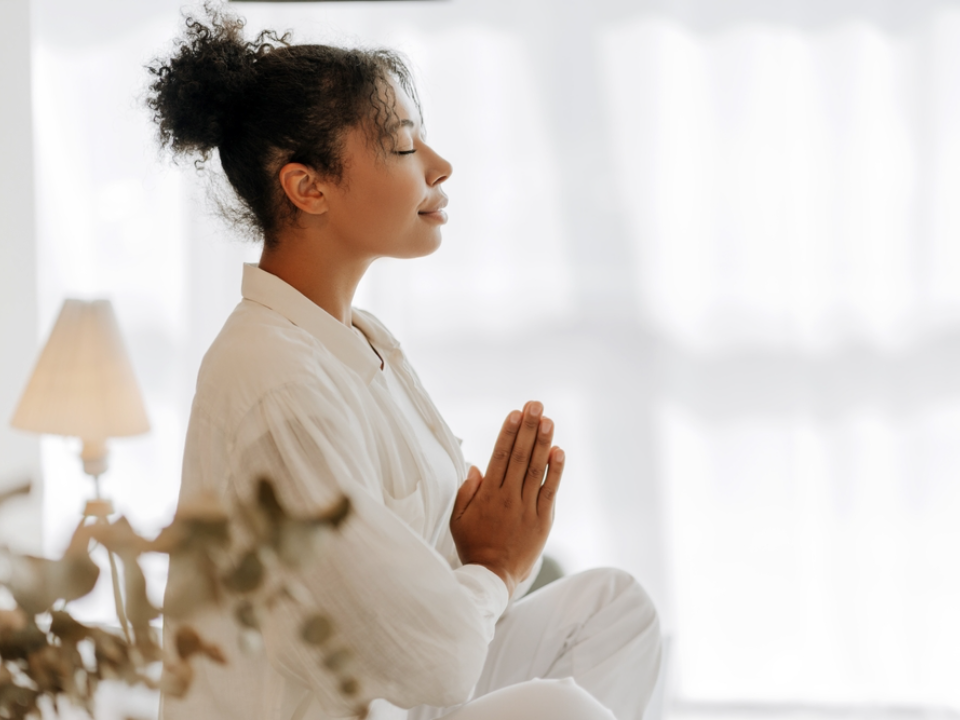
Meditation and mindfulness support mental clarity during long winter months. When days feel heavy, quiet reflection can help ease mental strain. Sitting with your thoughts without judgment builds awareness. Even short sessions can create noticeable calm. Breathing exercises help steady the nervous system. This practice encourages presence rather than distraction. Over time, it becomes easier to manage stress. The benefits often extend beyond the session itself.
Starting small helps meditation feel approachable. Choosing a quiet space supports focus. Consistency matters more than length. Guided sessions can help when starting out. Mindfulness can also be practiced during daily activities. Paying attention to simple actions builds awareness. Over time, this habit supports emotional balance.
Journaling

Journaling offers a private space to process thoughts. Writing helps organize feelings that may feel overwhelming. Putting words on paper can create clarity. This practice supports emotional release without pressure. It encourages honesty without judgment. Journaling becomes a steady form of self-reflection.
Keeping journaling simple prevents it from feeling like work. Writing freely rather than following rules works best. Some prefer daily entries while others write when needed. Using prompts can help on slower days. Reading past entries can show growth. Even short sessions are valuable. This habit supports emotional care during winter.
Healthy Winter Soup Recipes
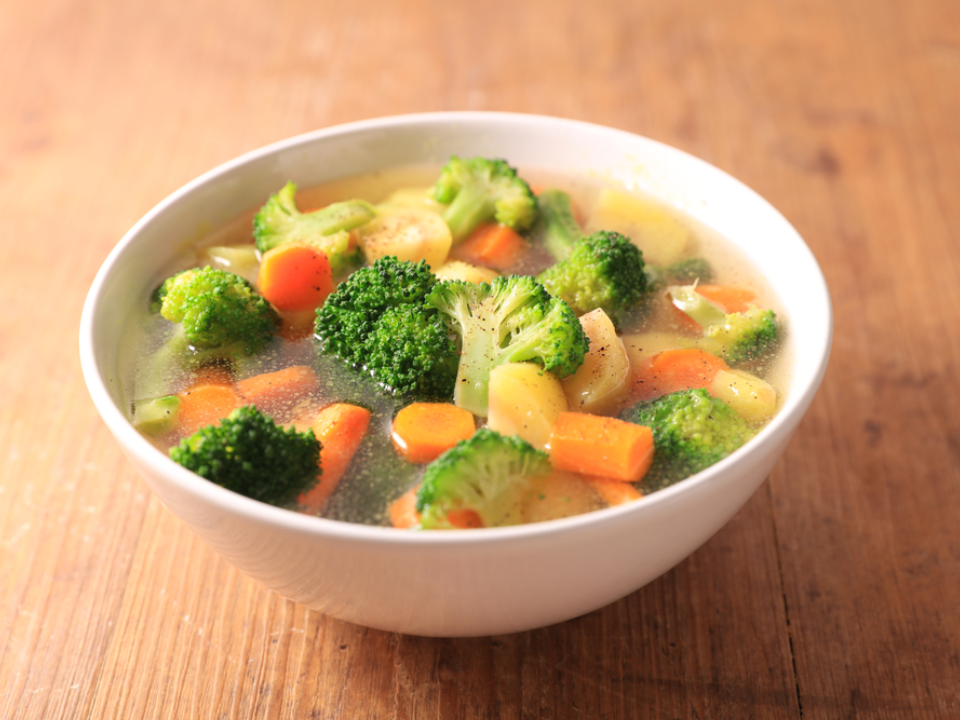
Warm soups provide comfort and nourishment during late winter. They are easy to digest and feel satisfying. The warmth supports circulation and relaxation. Soups often include vegetables that support energy levels. Eating something warm can feel grounding after cold exposure. Preparing soup can also feel soothing. The aroma fills the home with comfort. This makes meals feel more intentional.
Including soups regularly supports balanced eating. Making larger batches reduces daily effort. Simple ingredients keep preparation manageable. Eating slowly helps your body register fullness. Pairing soup with quiet meals supports digestion. This habit encourages mindful eating. Over time, it becomes a comforting winter staple.
Indoor Plants
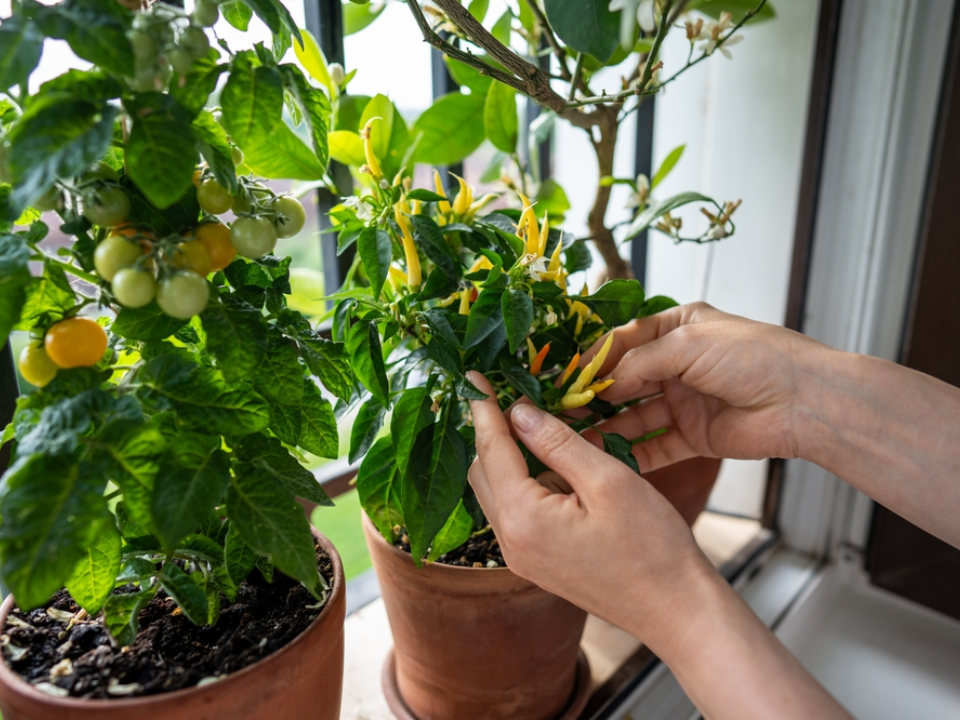
Indoor plants bring life into winter spaces. Greenery can help improve mood. Caring for plants offers a sense of purpose. Watching growth provides quiet satisfaction. Plants also soften indoor environments visually. This connection to nature feels grounding. Tending plants encourages routine.
Choosing easy care plants reduces stress. Placing them near natural light supports growth. Watering becomes a mindful task. Observing changes builds awareness. Plants can mark seasonal shifts indoors. Even a few can make a difference. This habit supports emotional well-being.
Deep Tissue Massage
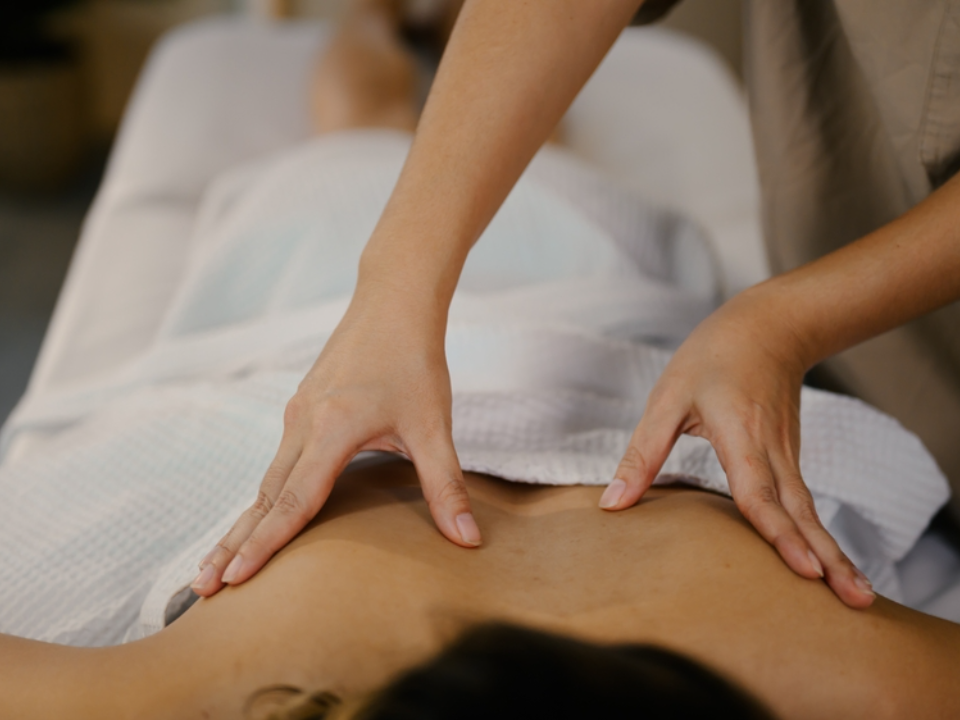
Deep tissue massage helps relieve built up tension. Winter stiffness often affects muscles and joints. Massage encourages circulation and relaxation. It helps release physical stress held in the body. It also encourages awareness of physical needs. This care helps when feeling worn down.
Massage does not need to be frequent to help. Even occasional sessions can offer relief. Gentle pressure works for many people. Listening to your body guide’s comfort. Resting afterward helps extend benefit. Hydration supports recovery. Over time, massage supports overall well-being.
Winter Face Masks
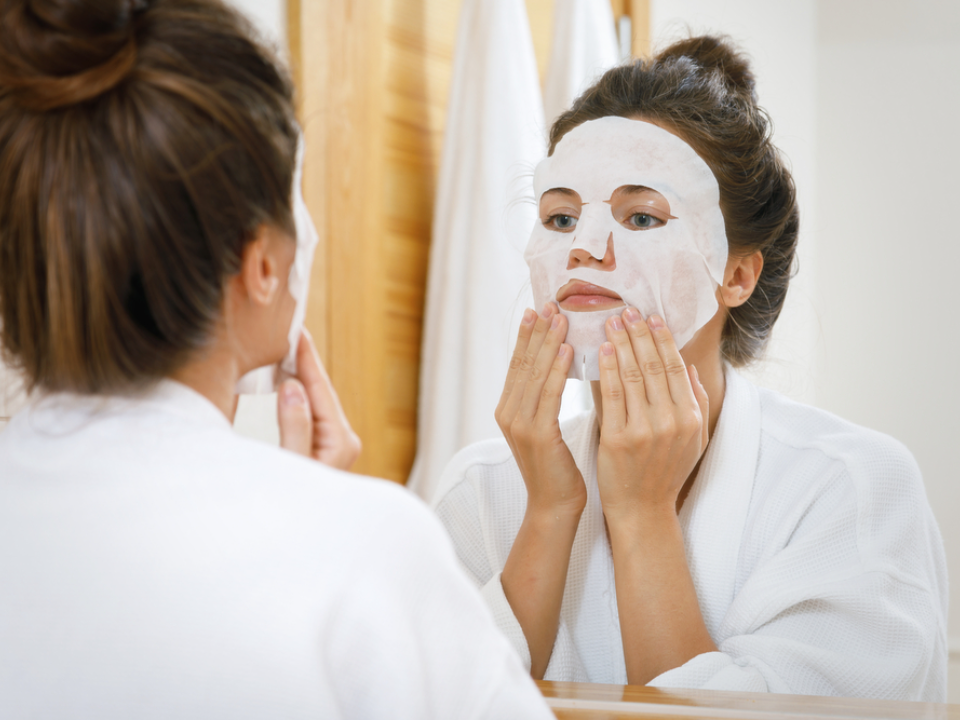
Winter face masks help restore moisture and comfort. Cold air can leave skin tight and irritated. Masks provide concentrated hydration. Applying one encourages you to pause and rest. The waiting time supports relaxation. Many masks also soothe redness. This care supports skin balance. It feels like a small reset.
Using masks regularly does not require complexity. Choosing gentle formulas works best. Applying in the evening supports recovery. Pairing with quiet time enhances benefit. Removing gently prevents irritation. Moisturizing afterward locks in hydration. This routine supports winter skin care.
This article originally appeared on Avocadu.