
13 Late Winter Pruning Jobs You Can Finish in a Weekend
Late winter is a great time to grab your pruners and give your yard a quick reset before spring growth starts. With fewer leaves in the way, it is easier to see what needs to go and what should stay. A simple weekend pruning session can clean up storm damage, open up crowded branches, and set plants up for healthier growth later. You do not need fancy gear to get a lot done, just sharp tools and a little patience. The goal is to make clean cuts, keep plants shaped in a way that lets in light and air, and avoid taking off too much at once.
This post may contain affiliate links, which helps keep this content free. Please read our disclosure for more info.
Prune red twig dogwood for brighter winter stems next year
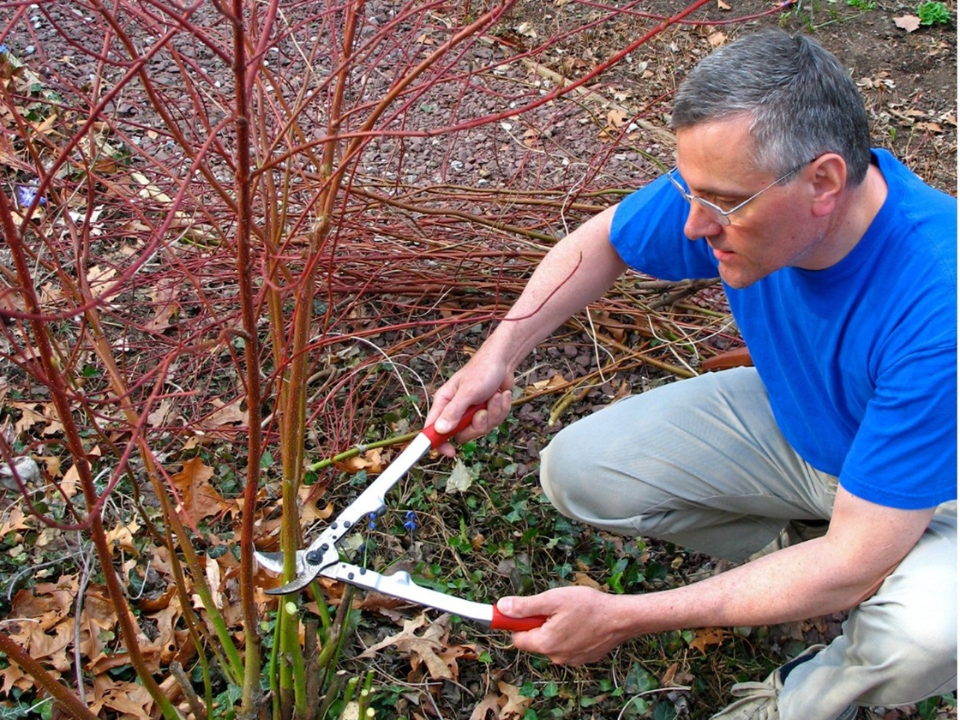
Red twig dogwood looks best when it has a steady supply of young stems. Late winter is a good time to remove a few of the oldest, thickest stems right at the base. That keeps the shrub from turning woody and dull over time. If the plant is tall and floppy, shorten a handful of long stems back to a sturdy side branch.
Keep the center open so new shoots have room to rise. Use loppers for thicker wood and make clean cuts so the plant heals well in spring. Do not remove all older stems at once, since keeping some structure helps the shrub hold its shape. Rake up the pruned stems so the base does not stay cluttered and damp.
Prune willow shrubs for colorful cut stems
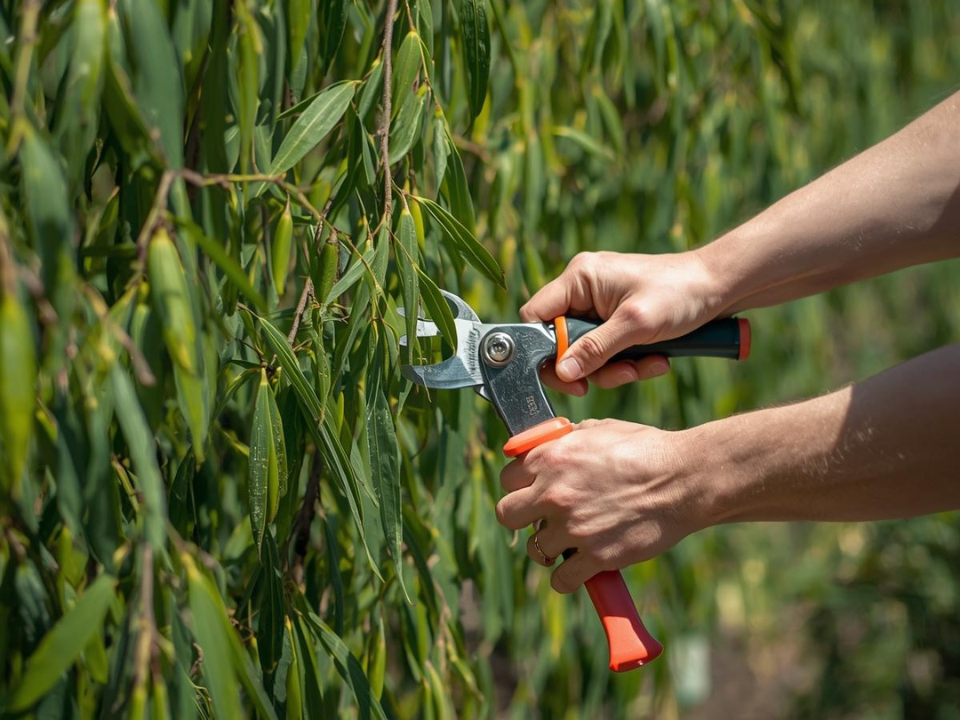
Decorative willows like pussy willow or colored stem willows can be pruned in late winter for both shape and fresh stem growth. Start by removing dead wood and any stems that rub or cross through the middle. If you want long straight stems for arrangements, cut a portion of older stems down low to push tall new shoots.
If you mainly want a tidy shrub, shorten selected branches back to a side branch to keep the outline neat. Keep the cuts close to branch unions so you do not leave awkward stubs. Wear gloves because thin willow twigs can whip back and sting. Gather the cut stems and set the best ones aside for indoor use if you like. Clear the rest away so it does not tangle into a mess near the crown.
Prune elderberry for better structure and easier harvest
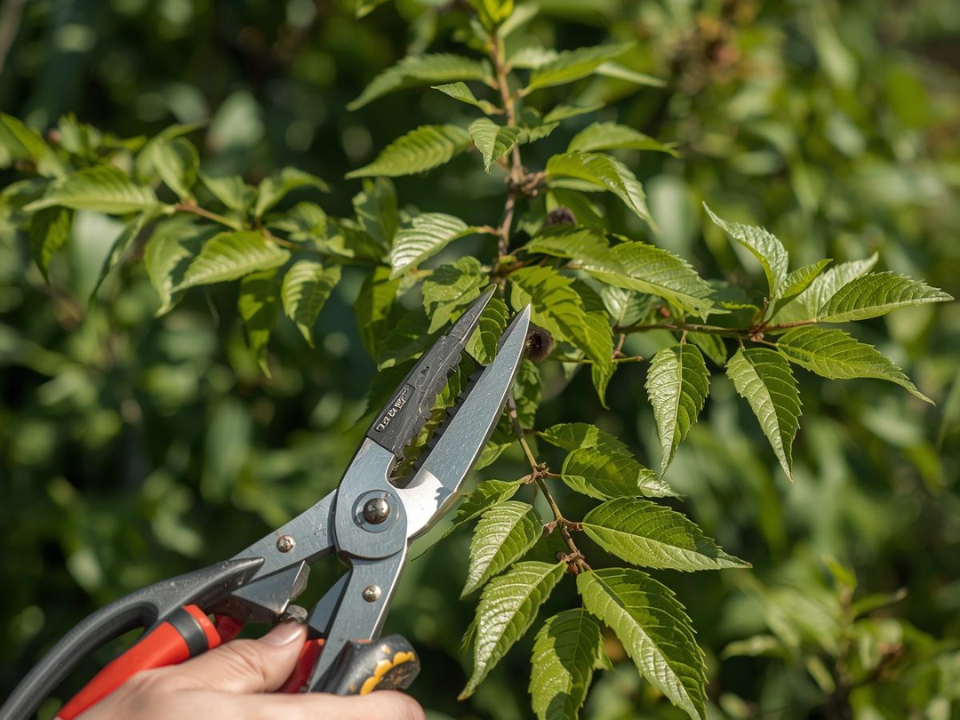
Elderberry can get large fast, so a late winter prune makes it easier to manage. Remove dead or broken stems first, then thin crowded growth near the base. If the shrub is older, take out one or two of the oldest stems at ground level to make space for new canes. Shorten overly long branches that sprawl into paths or lean into other plants.
Keep a framework of strong stems that stand upright and have good spacing. This keeps flowers and berries easier to reach later in the season. Make your cuts clean and avoid tearing bark, since rough wounds can linger. When you finish, pick up fallen wood and old fruit clusters around the base.
Prune currants and gooseberries
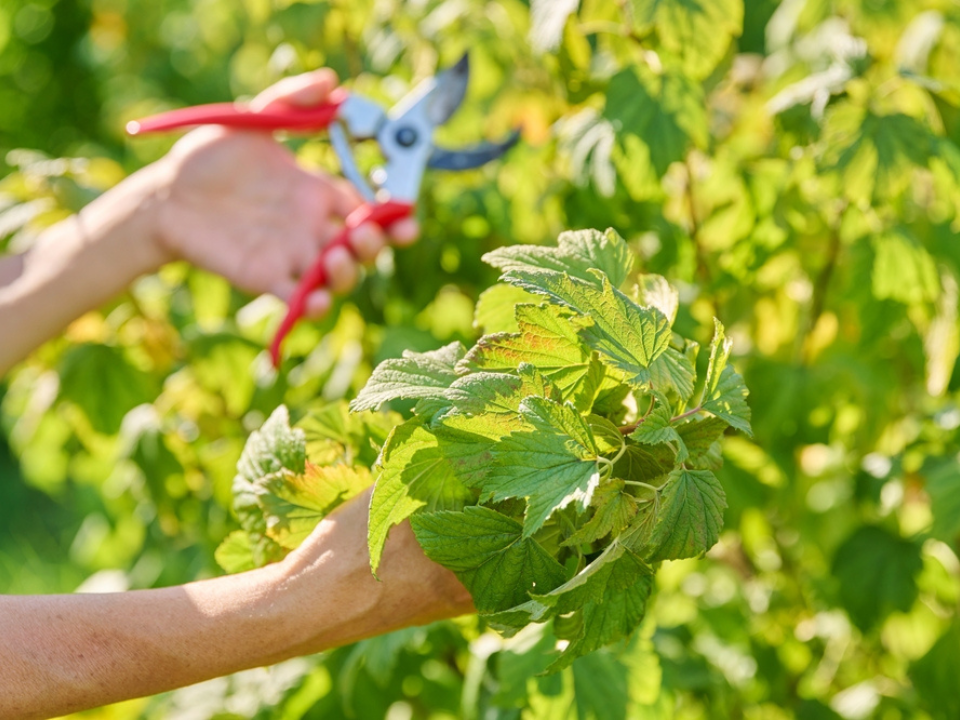
Currants and gooseberries are simple to prune in late winter because the buds and branch layout are easy to see. Start by removing dead wood and any stems that lie on the ground. Next, take out some of the oldest stems at the base to keep the shrub productive. Thin crowded centers so light reach the inner branches where fruit can form well.
If you have long whippy shoots, shorten them back to a strong bud or side branch. Watch for sharp thorns on gooseberries and wear gloves to save your hands. Try to leave a mix of young and middle aged stems so you get steady crops year after year. Clean up trimmings so pests do not settle in under the plant.
Prune figs in cool climates
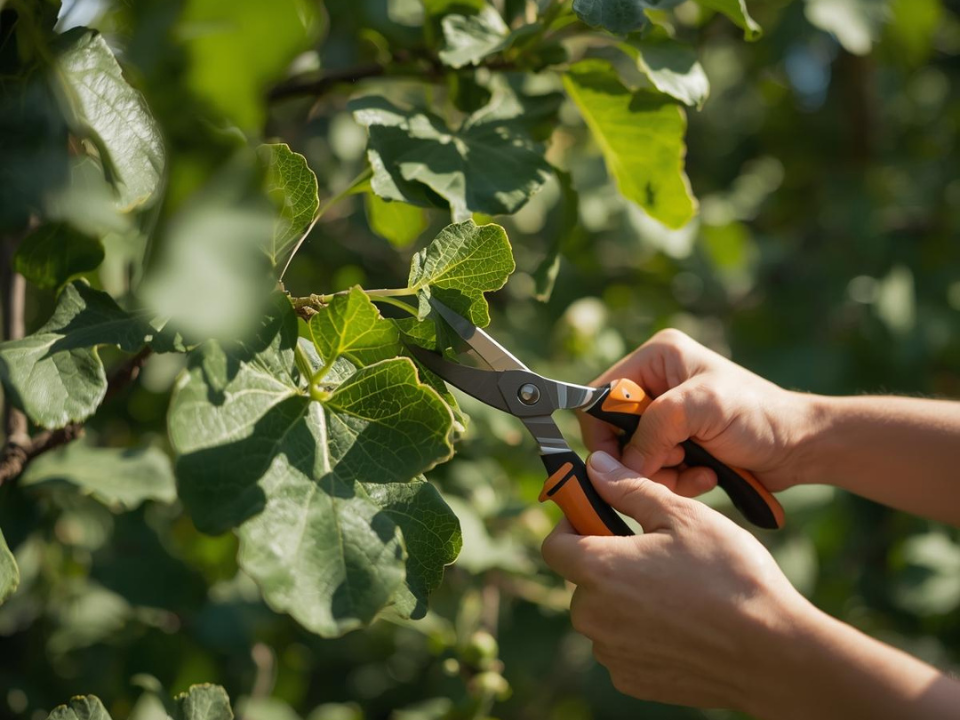
If you grow figs where winters get chilly, late winter pruning can keep the plant in good shape and limit dieback problems. Wait until the coldest stretch has passed, then check stems for live tissue by looking for green under the bark. Remove dead sections back to healthy wood so spring growth starts from strong points. Thin crowded stems so the plant is not a dense thicket by summer.
If the fig is grown as a bush, keep a few main stems and remove extra small stems near the base. If it is trained as a small tree, keep one main trunk and remove suckers and low shoots. Make cuts above a node so new growth has a clear start. Clear away the pruned wood because it can attract insects once warm weather returns.
Prune citrus after the risk of frost
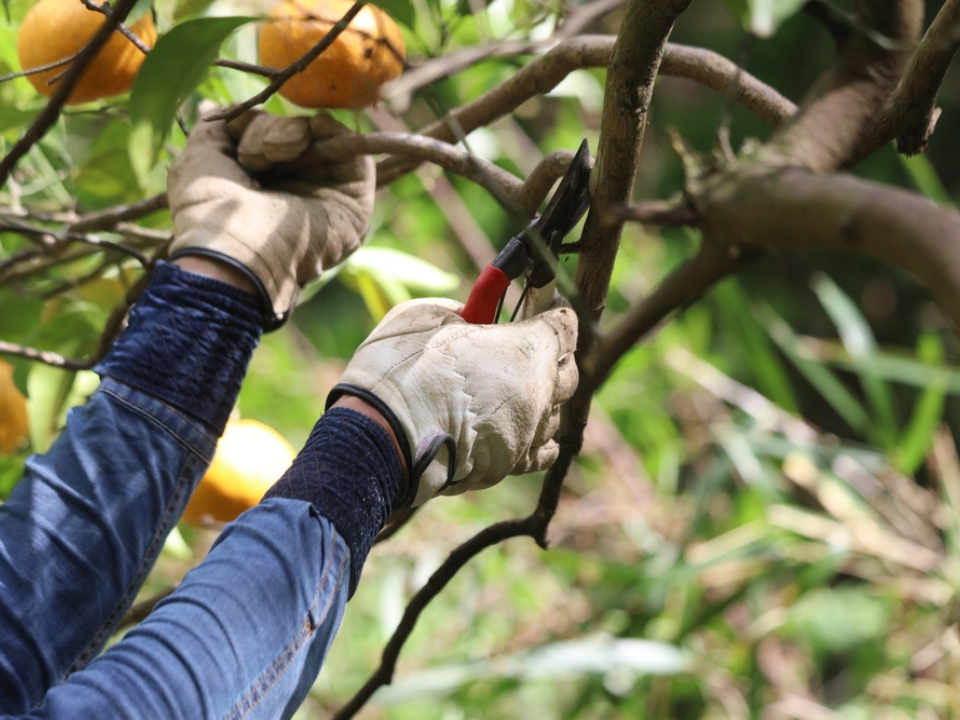
Citrus pruning in late winter works well when you wait until frost risk is low in your area. Start by removing dead tips and any branches damaged by cold. Cut out shoots that grow straight up inside the canopy, since they can crowd and shade fruiting wood. Thin a bit to let light in, while keeping enough leaf cover to protect fruit from sunburn later.
Remove any suckers from below the graft if your tree is grafted, since those shoots will not produce the fruit, you want. Keep the canopy balanced so one side does not get heavier than the other. Use clean tools, since citrus cuts can stay visible for a while. Pick up fallen leaves and twigs under the tree to reduce hiding spots for pests.
Prune abelia for a cleaner outline
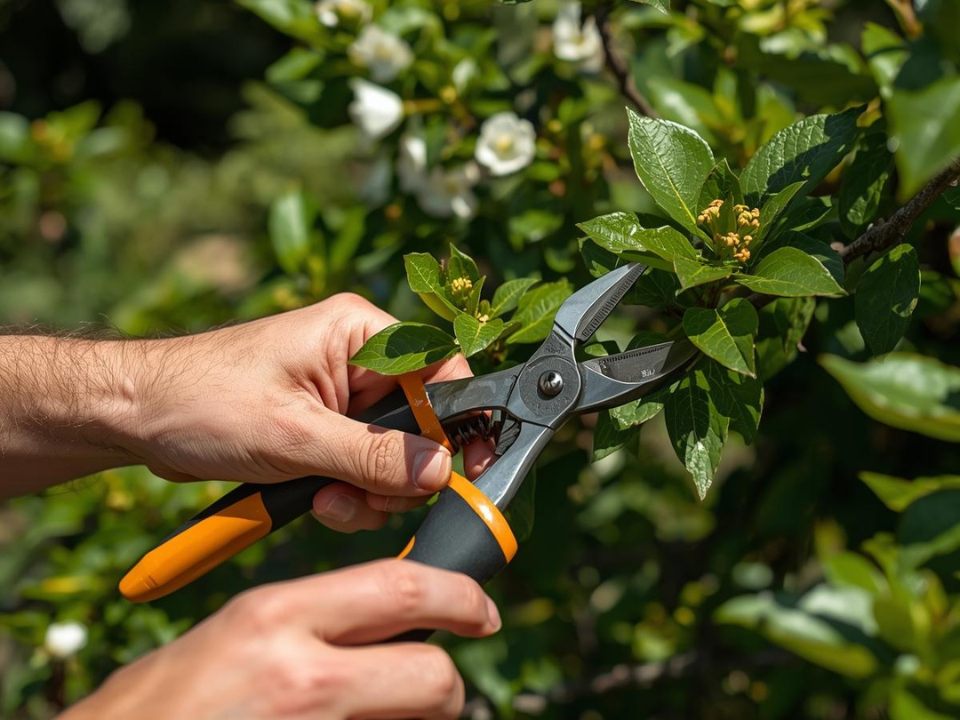
Abelia can get twiggy and crowded, so late winter is a good time for a reset. Start by removing dead wood and any stems that cross and rub. Thin the interior by taking a few stems out at the base, which helps light reach the center. Shorten long arching stems if they are spilling over walkways. Keep the cuts back to a side branch or node so it does not look chopped.
Aim for an open, airy shrub rather than a tight clipped hedge look. If the plant is older and sparse inside, removing a few old stems can encourage fresh growth from lower points. When you finish, rake the area under the shrub so old leaves do not mat down.
Prune kiwi vines
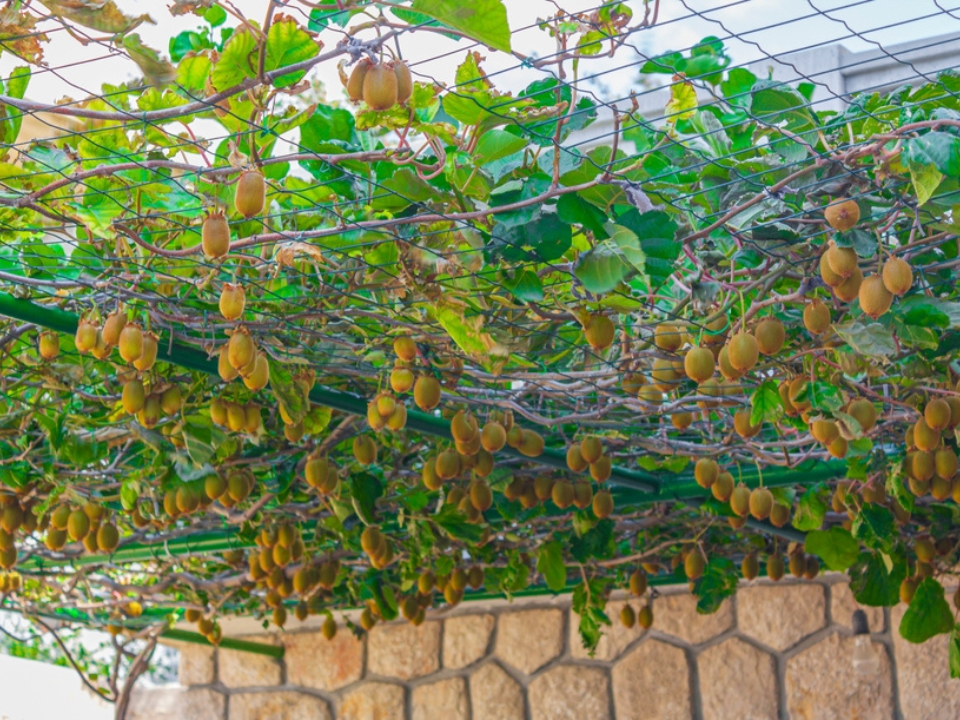
Kiwi vines can turn into a tangled mass fast, and late winter is a practical time to prune them while they are dormant. Start by identifying the main trunk and main arms on the support, then remove extra side growth that crowds those parts. Cut back long laterals to shorter spurs so fruiting wood stays close to the framework.
Remove weak, thin shoots that will not carry fruit well. Take out any old canes that look worn out or damaged, since fresh canes will take their place. Keep spacing along the trellis so light reaches leaves and fruit later. Tie the kept canes neatly so they do not whip around in wind. Gather the cut pieces right away because vines can make a tripping mess.
Prune trumpet vine to keep it from taking over
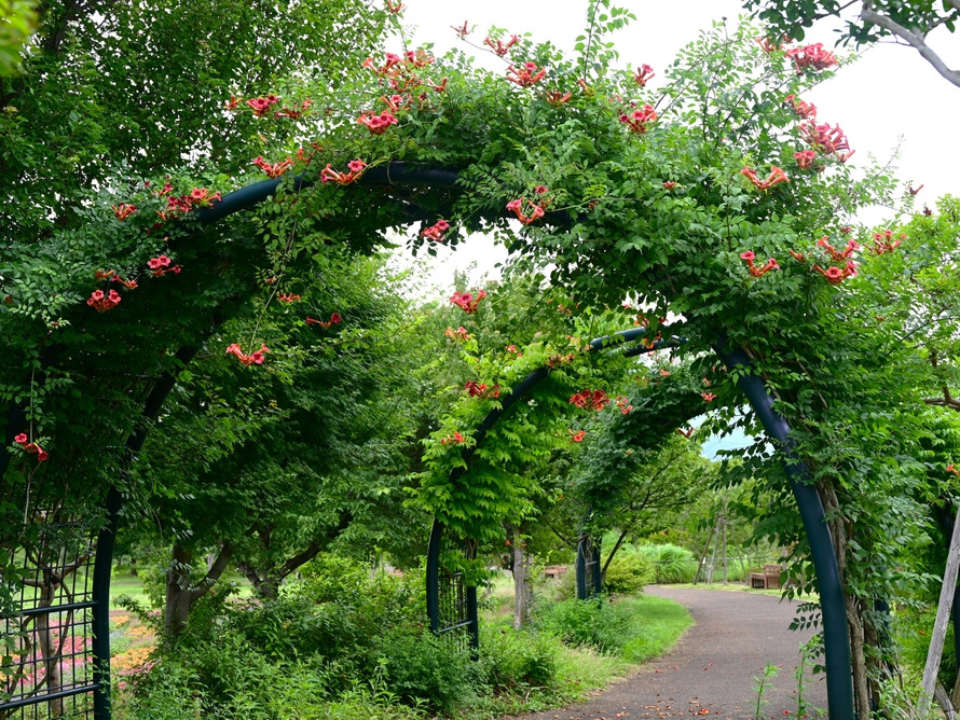
Trumpet vine grows fast and can spread where you do not want it, so late winter pruning is a solid control job. Cut back long runners to the main framework so the plant stays within its support area. Remove shoots that creep along the ground, since they can root and start new plants. Thin crowded stems near the base so air moves and new shoots have room.
If you want fewer shoots but stronger flowering stems, keep a limited number of main stems and remove the rest. Make your cuts back to a branch junction or a node so stubs do not stick out. Wear gloves because older stems can be rough and sap can irritate skin. Finish by pulling stray sprouts nearby if you see them. Dispose of the cuttings so they do not reroot in moist soil.
Cut back ornamental grasses before new growth starts
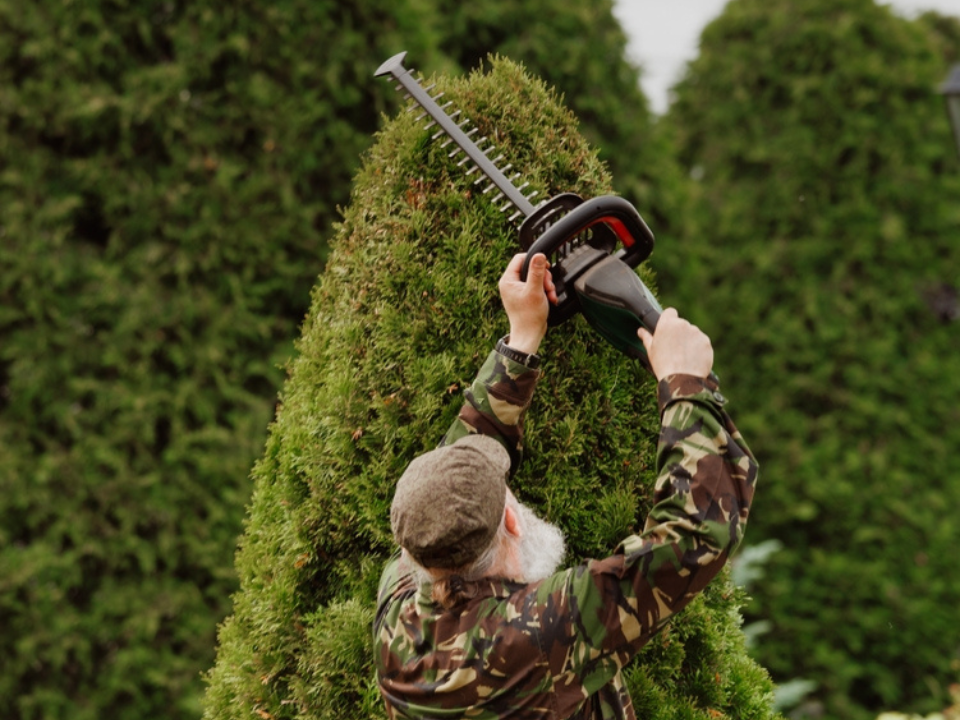
Many ornamental grasses look rough by late winter and cutting them back is a quick weekend job that cleans up a bed fast. Tie the clump with twine first so the cut blades do not fly all over. Cut the grass down to a few inches above the soil line, keeping the cut level so it looks neat. Use hedge shears for thin blades or a serrated knife for tougher clumps.
Do not cut so low that you nick the crown, since that is where new growth comes from. Clear the old blades away so new shoots are not smothered. If the clump is huge, you can cut it in sections and bag it as you go. Finish by raking around the base to remove hidden debris.
Cut back perennial herbs like lavender with care
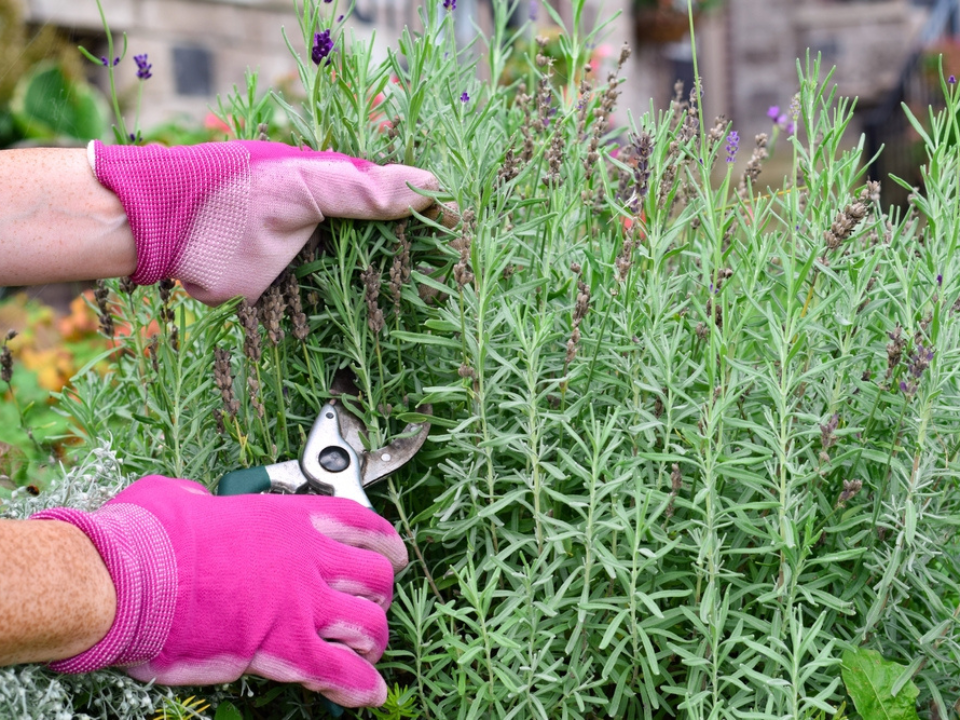
Late winter is a common time to tidy lavender, but the key is avoiding deep cuts into old bare wood. Remove dead tips and cut back leafy growth to shape the plant into a rounded mound. Keep some green on each stem so the plant can push new growth from living tissue. If you cut into woody sections with no leaves, those areas may not sprout again.
Work slowly and rotate around the plant so you keep the shape even. Use sharp hand pruners so stems do not tear and split. Clear away old flower stems and dry leaves caught in the plant, since that can trap moisture. When you finish, the lavender should look tidy and compact without looking scalped.
Prune evergreen hedges by thinning instead of shearing
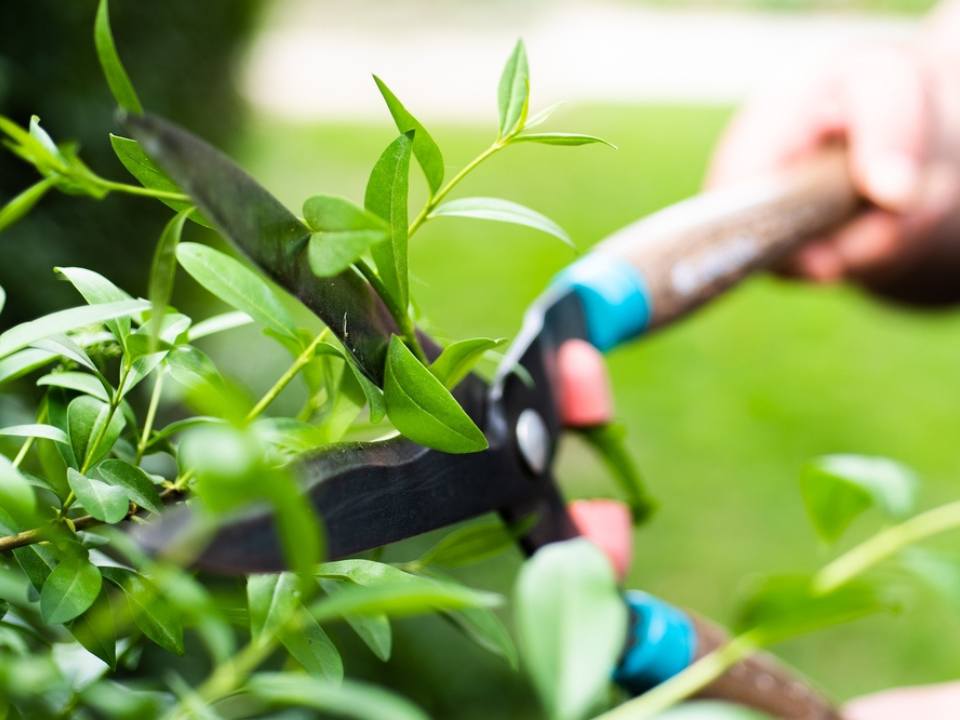
If you have an evergreen hedge that needs a touch up, late winter is a good time for light thinning. Use hand pruners to remove a few longer branches back to their origin rather than clipping the surface flat. This keeps the hedge from forming a dense outer shell that shades the inside. Focus on taking out branches that stick out or rub against other branches.
Keep the top slightly narrower than the base so lower branches still get light. Do not cut deep into bare wood on shrubs that do not regrow well from old stems. Work in small sections and step back to check the line as you go. Clean up fallen clippings so they do not sit and rot at the base.
Prune hollies for shape and to remove winter damage
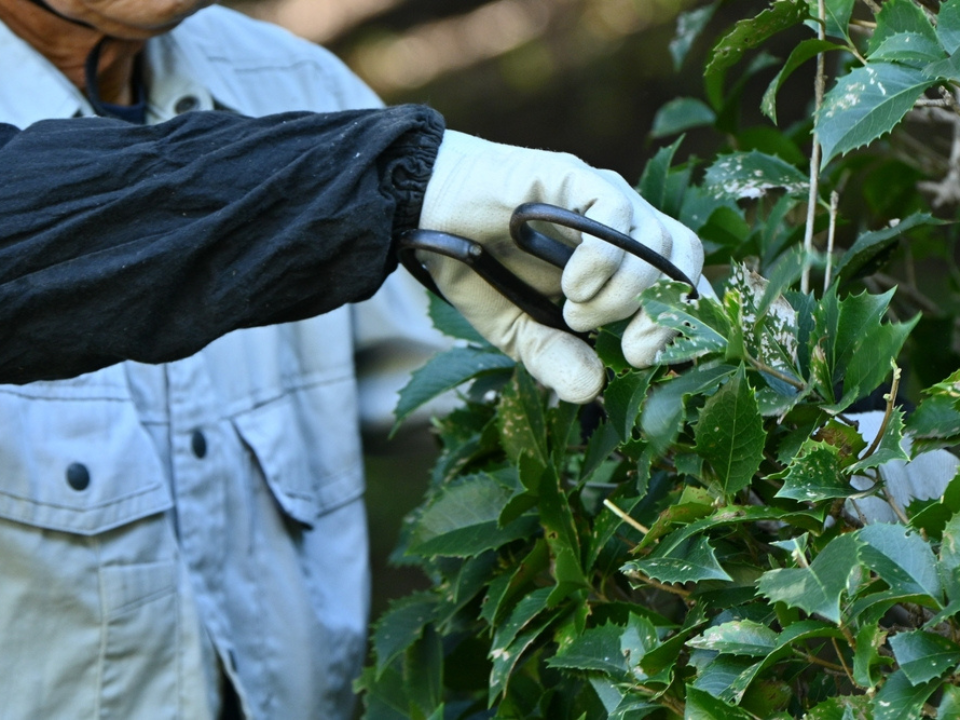
Hollies can be tidied in late winter by removing broken tips and shaping lightly. Start by cutting out dead twigs and branches that snapped under wind or heavy rain. Thin a few inner branches if the shrub is very dense, since that improves airflow and reduces leaf drop inside. If you need to reduce size, shorten select branches back to a side branch rather than shearing the whole outside. Remove suckers at the base if they are cluttering the trunk area.
Wear gloves because many holly leaves have sharp edges that can scrape. Keep an eye on berry bearing stems if you want berries, since heavy pruning can reduce the show. Gather the trimmings because stiff holly branches can be a hazard underfoot.
This article originally appeared on Avocadu.