
14 Late Winter Plants You Can Put in the Ground Before Spring
Late winter is a great time to start planting, especially with the right selections. As the days slowly warm up, many plants can be put into the ground to give them a head start. These hardy plants can withstand colder temperatures, helping them thrive when spring arrives. If you are looking to get ahead of the season, there are plenty of options to consider.
This post may contain affiliate links, which helps keep this content free. Please read our disclosure for more info.
Garlic
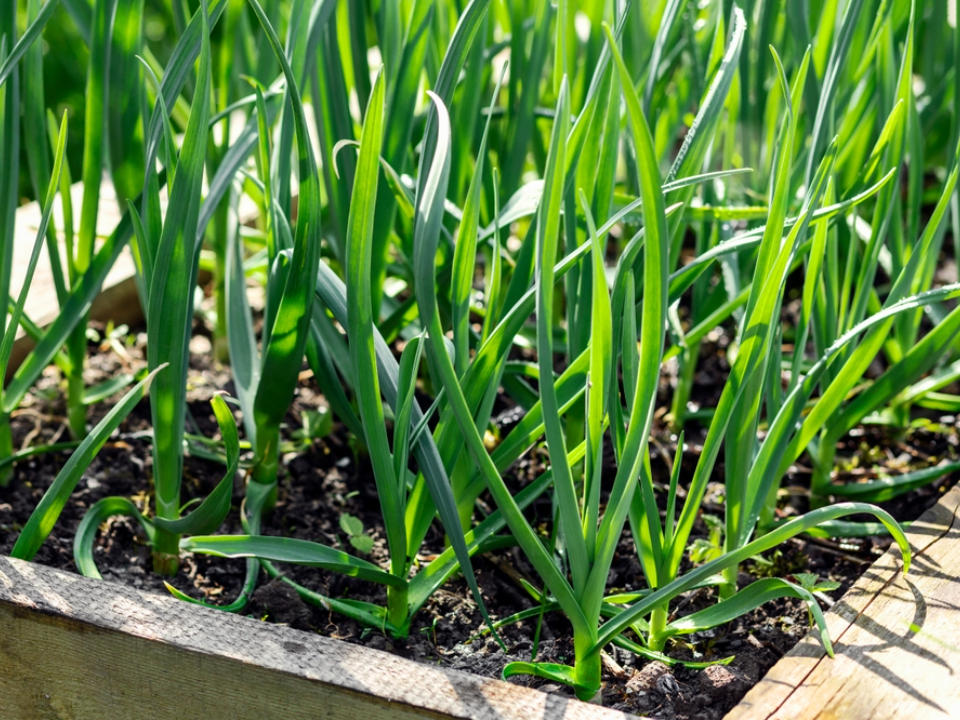
Garlic is a hardy plant that thrives in the cold, making it an excellent choice for late winter planting. It requires a period of cold to trigger its growth cycle, and winter provides just the right conditions. Planting garlic in late winter gives it a chance to develop strong roots before the weather warms. It is best to plant individual cloves, with the pointed end facing up, to ensure a successful crop.
Garlic can be grown in almost any soil type, as long as it is well-drained. It should be planted in a sunny spot to help the bulbs mature by summer. This plant is relatively low-maintenance and will reward you with flavorful cloves for your kitchen. Keep an eye on it as spring approaches, and watch for the first signs of growth.
Kale
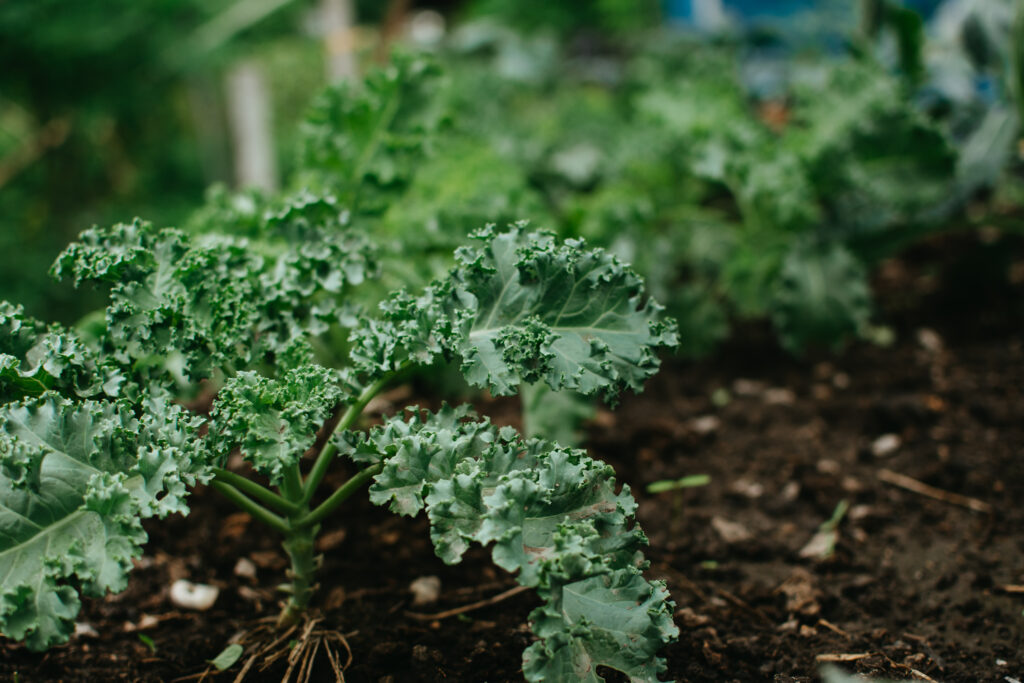
Kale is a versatile green that can be planted in late winter, allowing it to grow well in the cool soil. This leafy vegetable tolerates frost, which makes it perfect for planting in the later part of the season. When planted in late winter, kale will continue to grow steadily as temperatures warm. The leaves develop a rich, robust flavor after exposure to frost, which adds a unique twist to your garden harvest.
Planting kale early also ensures you will have tender, fresh greens to harvest as soon as spring arrives. It thrives in fertile, well-drained soil and benefits from consistent moisture. Make sure to space your plants adequately to allow for proper airflow. As the season progresses, kale will grow taller, producing leaves you can enjoy in various dishes.
Spinach
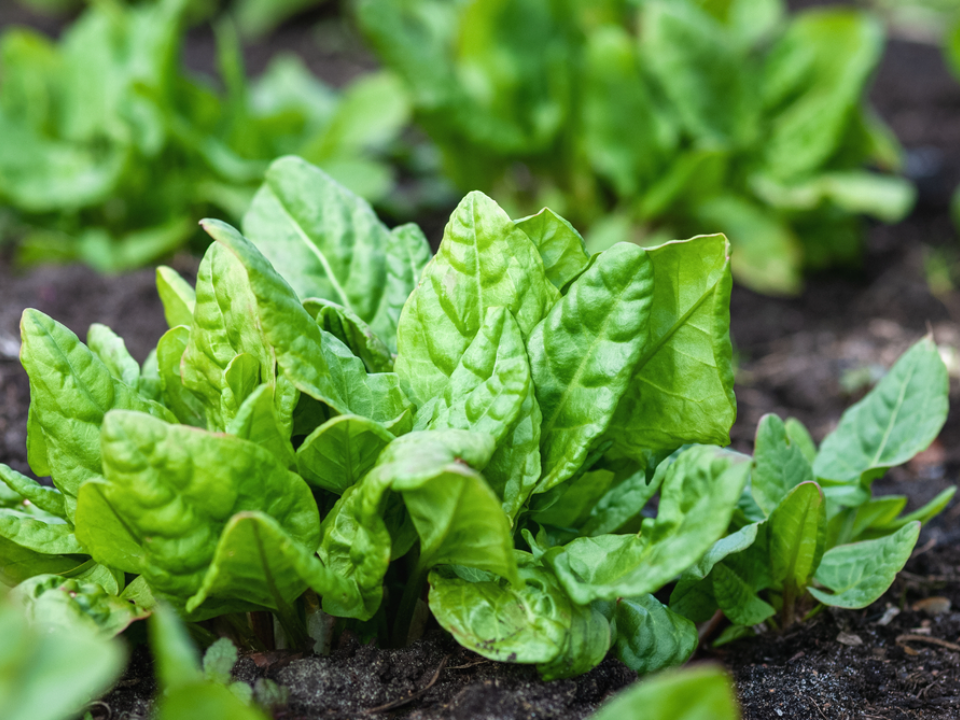
Spinach is another cold-tolerant plant that can be planted in late winter for an early spring harvest. It is one of the hardiest leafy greens, capable of surviving light frost, which encourages early growth. Planting spinach now will allow you to enjoy fresh greens in your salads, soups, and smoothies as soon as spring rolls around. The key to a successful spinach crop is providing it with well-drained, fertile soil and plenty of sunlight.
This vegetable grows quickly and can be harvested multiple times throughout the spring. It can even tolerate some shade, making it ideal for planting in areas with partial sunlight. Regular watering is important to keep the soil evenly moist, especially during dry spells. By getting your spinach in the ground now, you will be one step ahead of the season.
Carrots
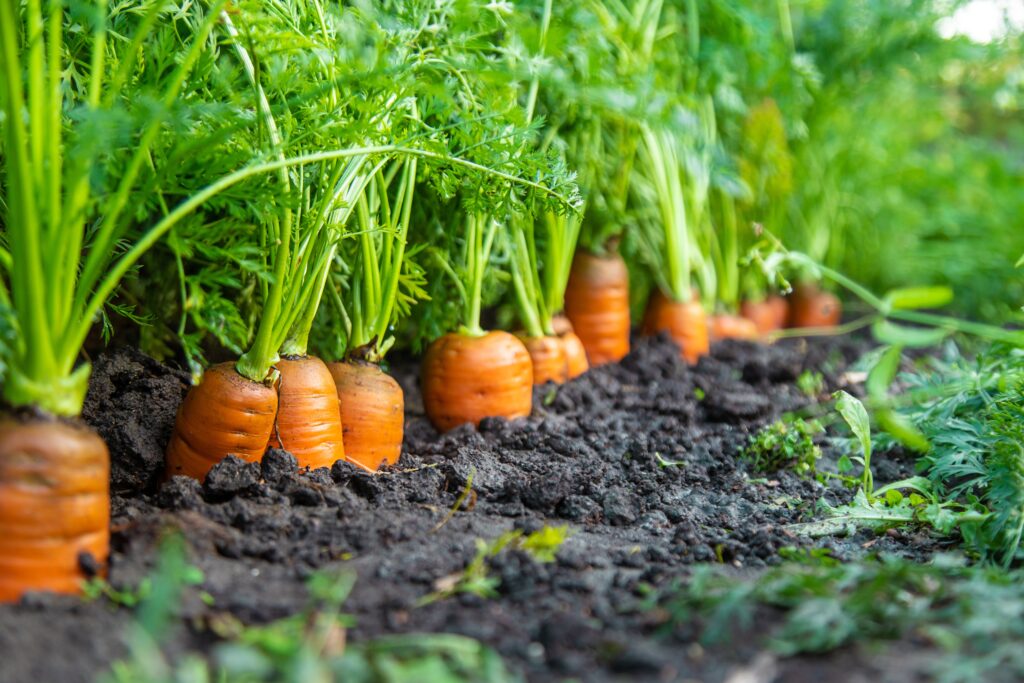
Carrots can be planted in late winter, as they thrive in the cooler temperatures before the heat of spring. This root vegetable does best when planted in loose, well-drained soil, which allows the roots to grow deep and straight. In late winter, carrots will begin their growth cycle slowly, gradually developing over the coming months. When spring arrives, they will mature into tender, sweet roots ready for harvest.
Carrots benefit from a cool growing period, which helps prevent the development of a bitter flavor. Ensure that the soil is free of large rocks or heavy clay, which can hinder root development. Consistent watering and moderate sunlight will encourage strong growth. By planting carrots in late winter, you will be setting the stage for a successful spring harvest.
Broccoli
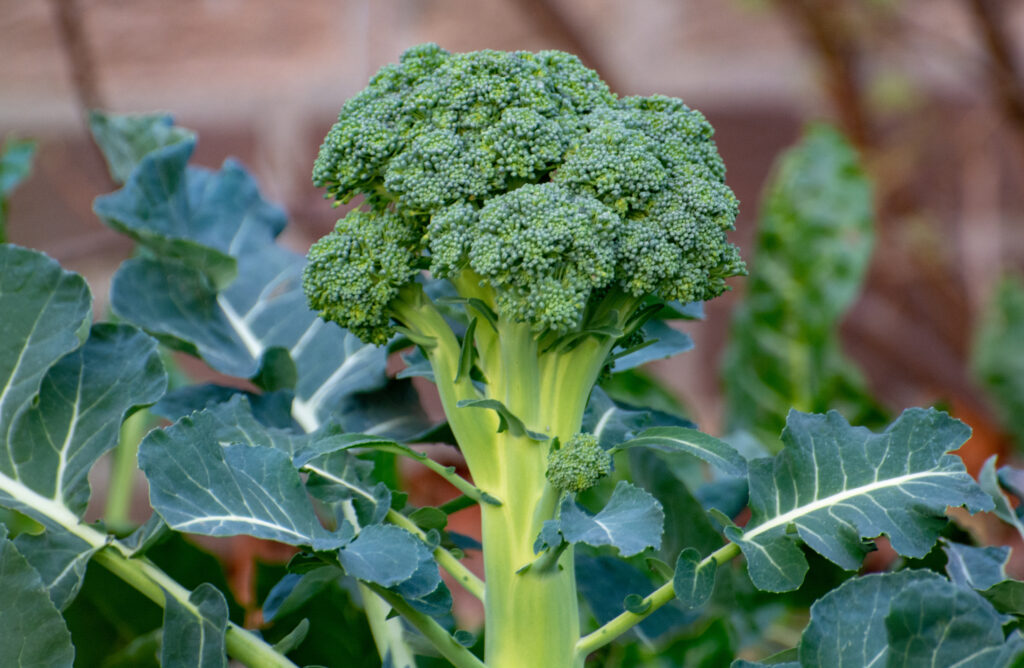
Broccoli can be planted in late winter, especially in mild climates where the ground does not freeze. It is a cold-tolerant vegetable that benefits from the cool, moist conditions of late winter. When planted early, broccoli will establish strong roots and grow steadily as temperatures rise. It is important to space your plants properly to give them room to grow and develop healthy heads.
Broccoli thrives in rich, well-drained soil and requires plenty of sunlight to reach its full potential. As the weather warms, the plants will develop large, dense heads that are perfect for cooking. Broccoli is an excellent choice for early spring harvesting and provides a nutritious addition to your garden. With proper care, your late winter-planted broccoli will be a great success.
Shallots
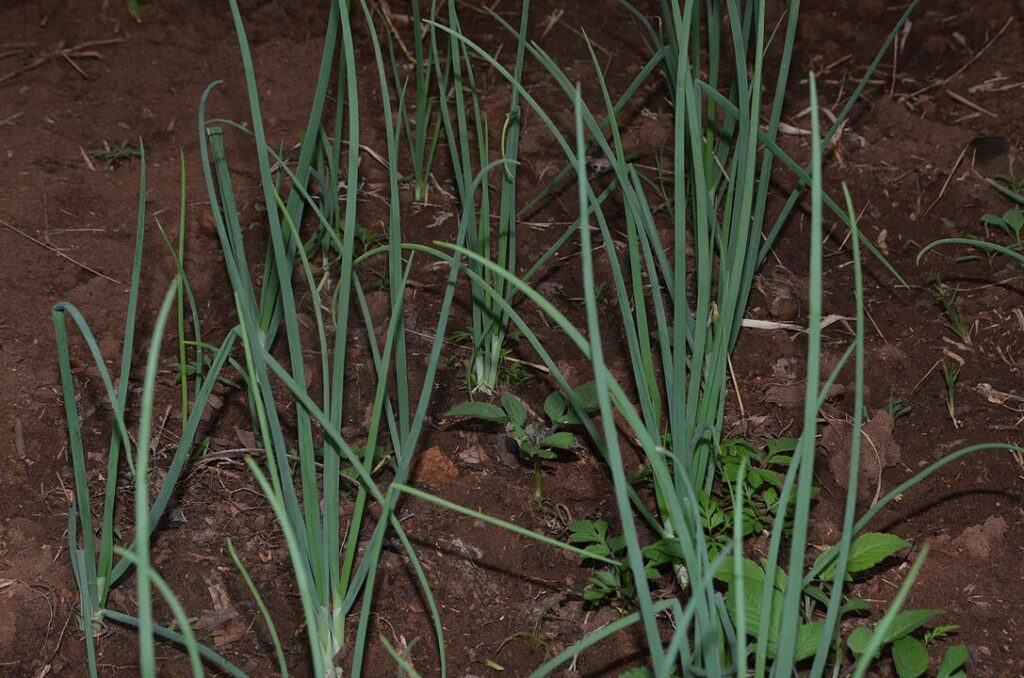
Shallots, like garlic, thrive in cool weather, making them ideal for late winter planting. This versatile vegetable can be planted directly into the ground, where it will develop strong bulbs over time. Shallots have a mild, sweet flavor that enhances many dishes, and they store well throughout the year. By planting them in late winter, you ensure that they will be ready for harvesting as early as spring.
Shallots do well in well-drained, fertile soil and prefer a sunny location. They require regular watering to keep the soil consistently moist but not waterlogged. As the season progresses, shallots will develop sturdy bulbs that can be harvested and used in a variety of culinary applications. Keep an eye on them as the weather warms, and enjoy the fruits of your early planting.
Radishes
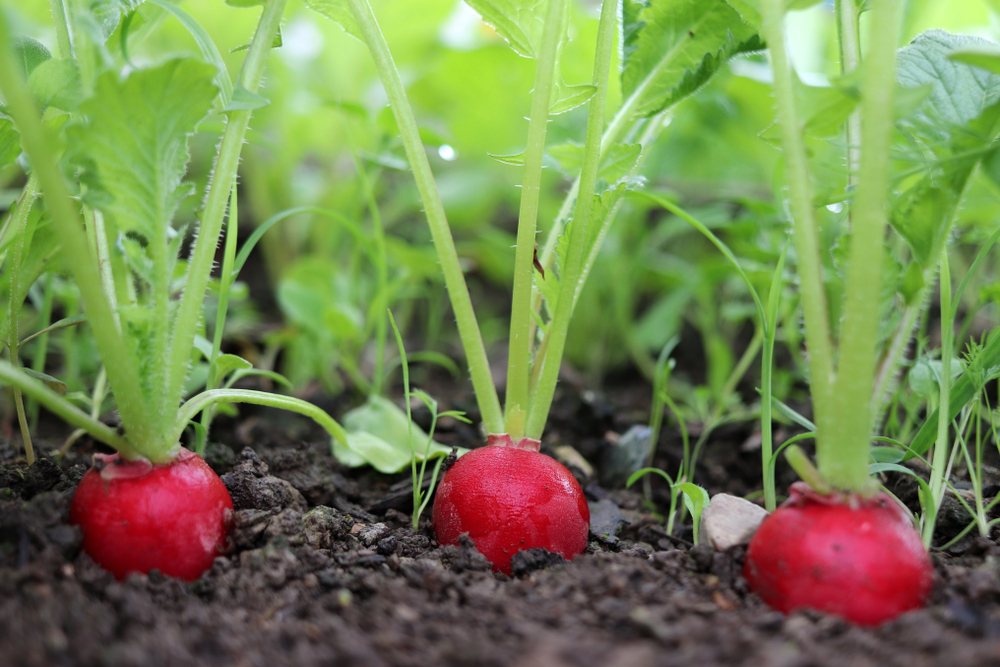
Radishes are another fast-growing plant that can be planted in late winter for an early spring harvest. Known for their crisp texture and peppery flavor, radishes grow quickly in cooler temperatures. When planted in late winter, they will develop rapidly, allowing you to enjoy fresh, crunchy radishes in just a few weeks. Radishes thrive in well-drained soil and should be spaced properly to allow for full root development.
These vegetables prefer moderate sunlight and consistent moisture, which help them grow strong and healthy. They are a great option for gardeners who want to see quick results, making them ideal for late winter planting. Radishes are perfect for salads, garnishes, and even roasted dishes. Their rapid growth ensures that you will have them ready for spring meals.
Cabbage
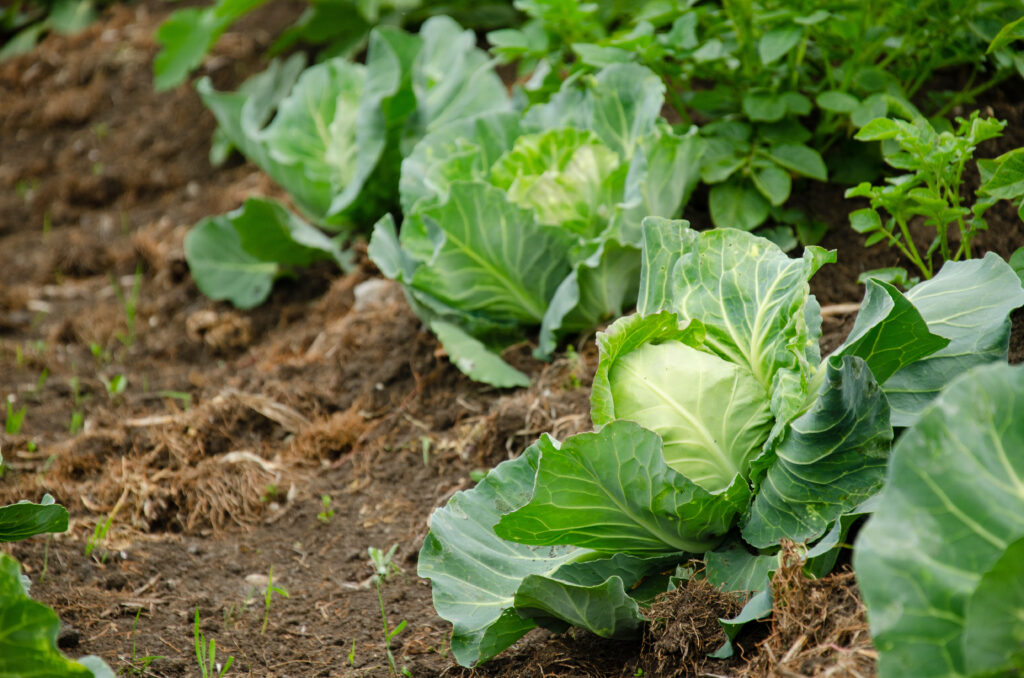
Cabbage is a hardy vegetable that can withstand cold temperatures, making it ideal for late winter planting. It thrives in cool weather and can be planted directly in the ground once the soil is workable. Cabbage plants grow best in rich, fertile soil that provides essential nutrients for their development. By planting them now, you will have mature cabbage heads ready for harvest when spring arrives.
Cabbage requires regular watering to keep the soil moist and prefers a sunny location for optimal growth. As the plants mature, they will form tightly packed heads that are perfect for cooking. With proper care, cabbage can be harvested in early spring and used in a variety of dishes. It is a great choice for anyone looking to get a jumpstart on their spring garden.
Onions
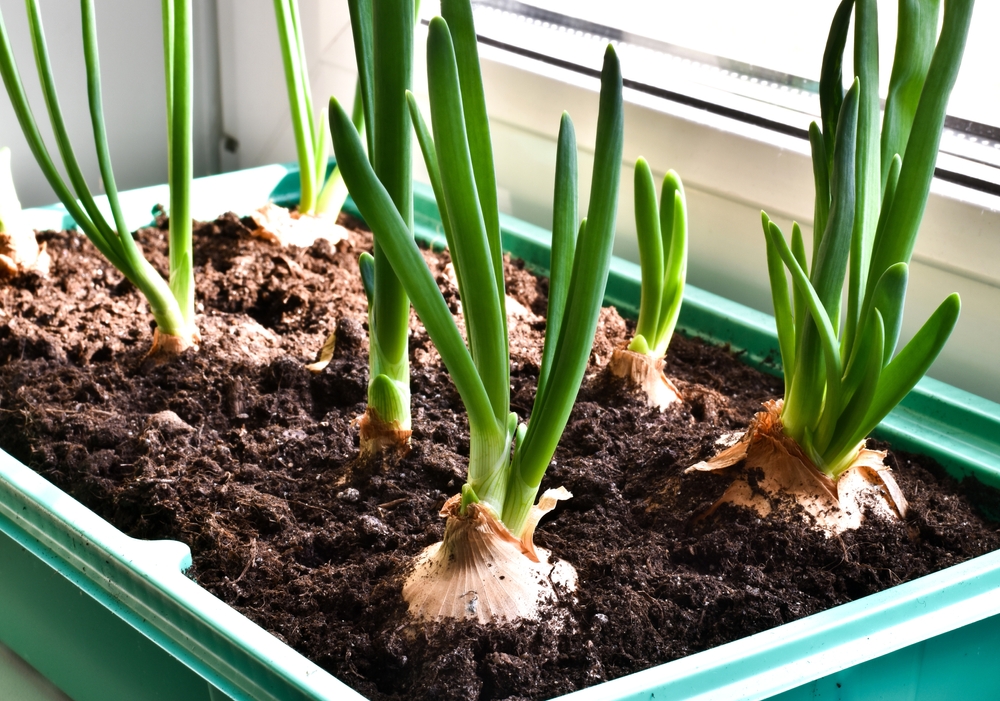
Onions are perfect for planting in late winter, as they can tolerate frost and grow well in cool conditions. By planting onion sets now, you give them the chance to establish strong roots before the weather warms. Onions thrive in loose, well-drained soil and prefer a sunny location to grow. As the season progresses, they will develop into robust bulbs ready for harvesting in late spring or early summer.
To grow healthy onions, ensure that the soil is rich in organic matter and that the plants are spaced properly. Onions require moderate water and consistent care to prevent pests and disease. They are a great addition to your garden, offering both culinary and storage benefits. By planting onions in late winter, you can look forward to a bountiful harvest in the coming months.
Brussels Sprouts
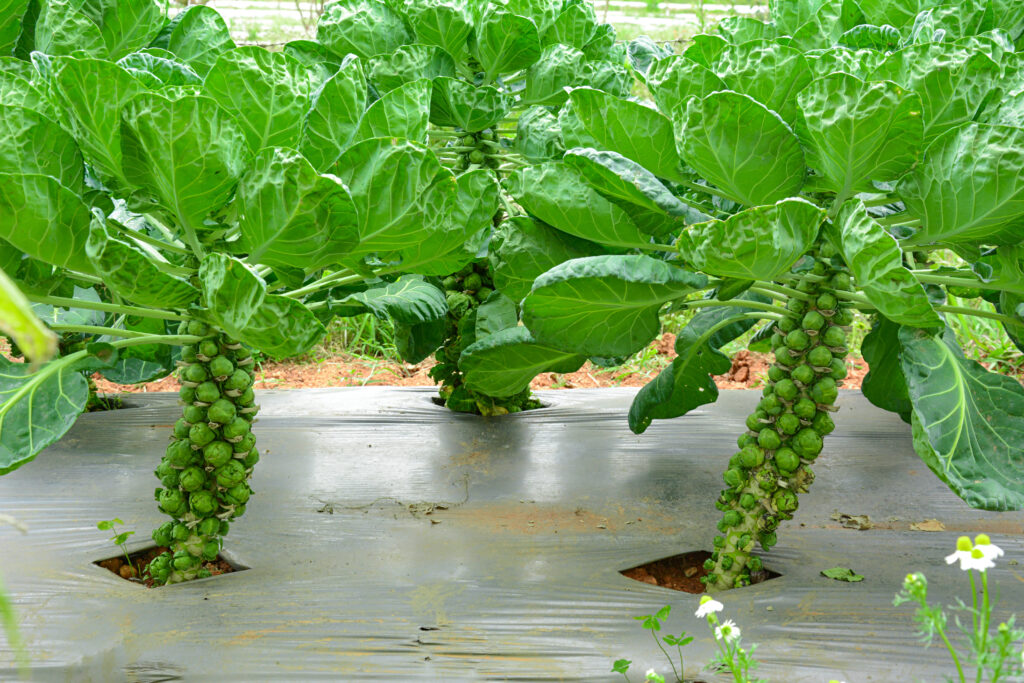
Brussels sprouts are a cool-season vegetable that can be planted in late winter for an early spring harvest. They require a long growing season, but planting them early allows the sprouts to mature by late spring. These vegetables grow best in fertile, well-drained soil with plenty of sunlight. The cool temperatures of late winter help the plants develop strong roots, ensuring a steady crop as spring approaches.
Brussels sprouts thrive in soil that is consistently moist, but not waterlogged. As they grow, they will develop small, firm sprouts along the stalk. These vegetables can be harvested when the sprouts are about 1 to 2 inches in diameter. By planting them in late winter, you will be ready to enjoy fresh Brussels sprouts once the weather warms.
Mustard Greens
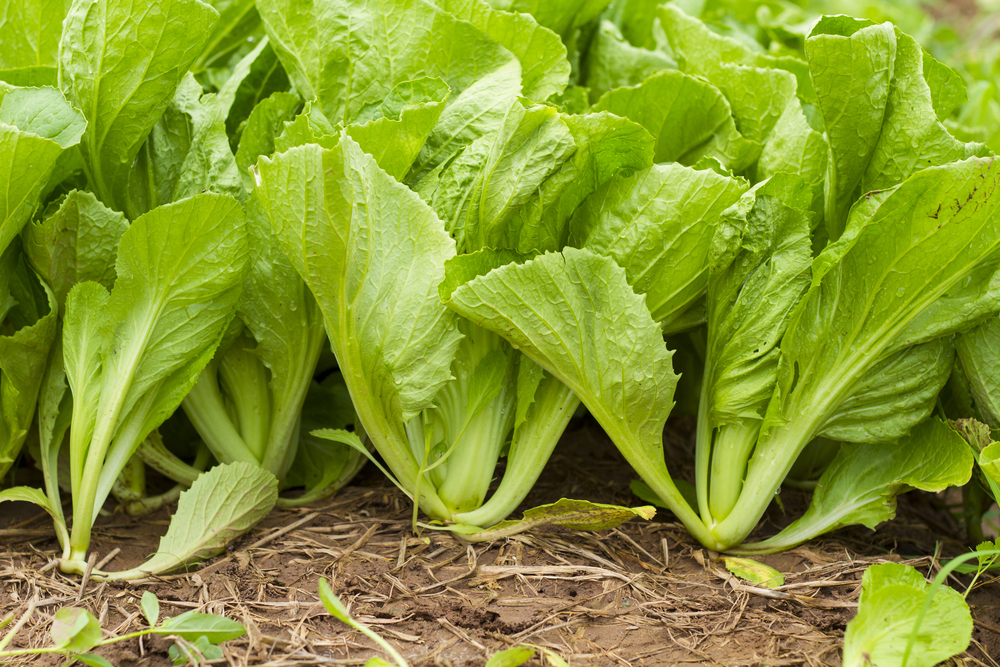
Mustard greens are fast-growing, cold-tolerant plants that can be planted in late winter for an early spring harvest. They thrive in cooler temperatures, making them perfect for planting before the warmer days arrive. Mustard greens grow quickly and can be harvested early, allowing you to enjoy their peppery flavor in a variety of dishes. Plant them in well-drained soil to ensure strong growth and healthy leaves.
These greens need regular watering and prefer moderate sunlight to grow well. They can tolerate frost, which makes them an excellent choice for late winter planting. As the weather warms, the plants will continue to grow, producing tender leaves that can be harvested throughout the spring. Mustard greens are perfect for salads, stir-fries, or soups, and their rapid growth ensures a quick harvest.
Swiss Chard
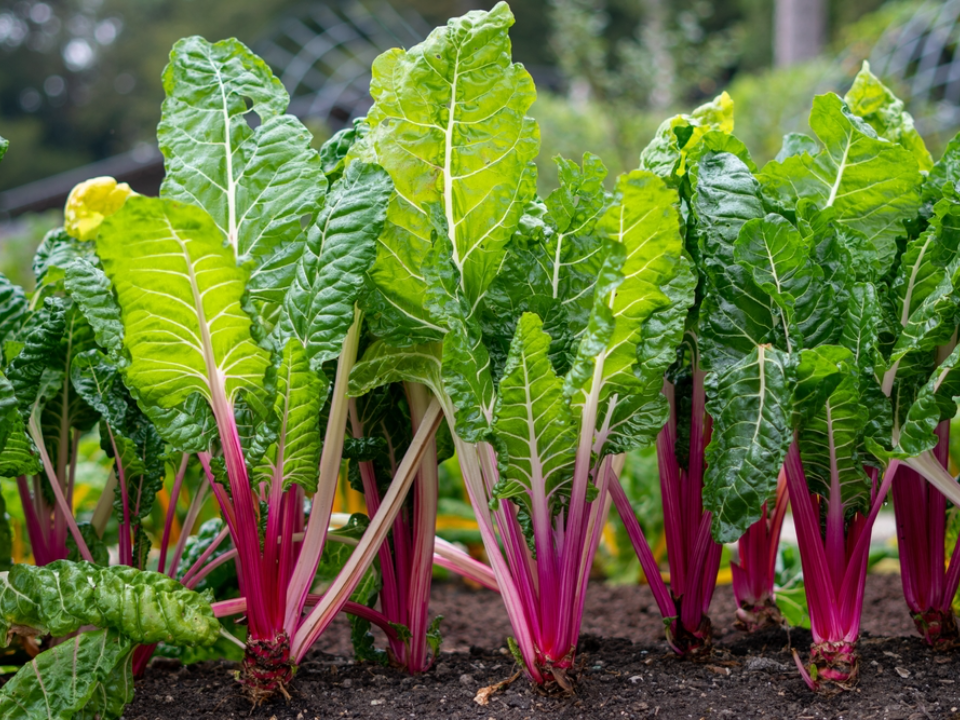
Swiss chard is another cool-season vegetable that can be planted in late winter for an early spring harvest. It thrives in the cooler temperatures of late winter, making it ideal for early planting. The bright-colored stems and broad leaves of Swiss chard add a unique touch to your garden, and the plant grows quickly once established. By planting it now, you will have fresh, vibrant greens to harvest when spring arrives.
Swiss chard does well in rich, well-drained soil and requires regular watering to keep the soil moist. It can tolerate light frost, which makes it perfect for late winter planting. The leaves of Swiss chard can be harvested once they are large enough to eat, providing you with fresh greens throughout the spring. This plant is versatile in the kitchen and a great addition to any garden.
Peas
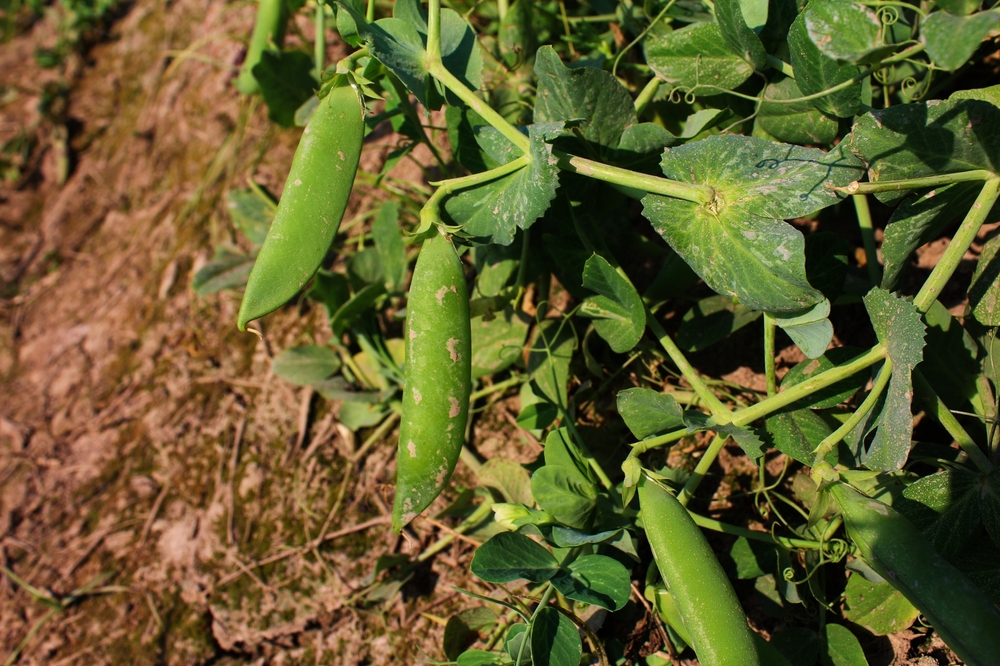
Peas are among the first plants that can be planted in late winter, as they tolerate cold temperatures well. These cool-weather vegetables grow quickly and can be harvested early in the spring. Planting peas now allows them to establish roots in the cool soil, giving them a jumpstart for the warmer months ahead. Peas are a great choice for gardeners who want to enjoy an early harvest.
Peas need well-drained, fertile soil and moderate sunlight to grow successfully. They should be spaced properly to allow for good air circulation, which helps prevent disease. As the plants grow, they will produce pods filled with sweet, tender peas. By planting peas in late winter, you will be able to enjoy fresh produce when the weather warms.
Beets
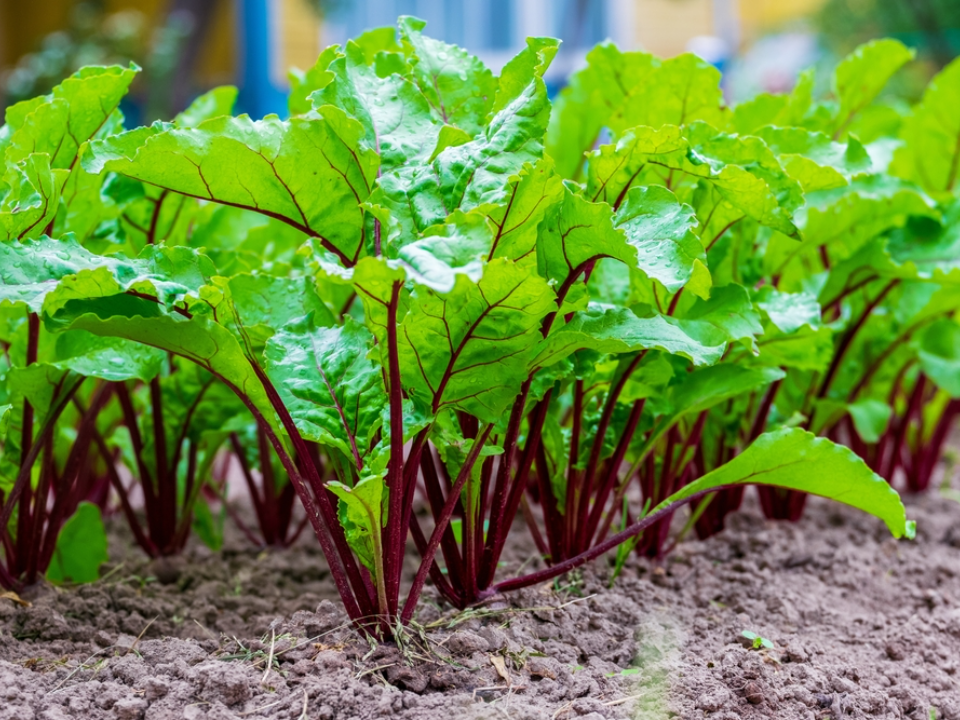
Beets are another cold-tolerant plant that can be planted in late winter for an early spring harvest. These root vegetables thrive in cool soil, and planting them now will give them a head start before the warmer temperatures arrive. Beets grow best in loose, well-drained soil, which allows their roots to develop properly. By planting them in late winter, you ensure that they will mature quickly and be ready for harvest in the spring.
Beets require consistent watering and moderate sunlight to grow well. The roots should be spaced adequately to allow for proper development. Once harvested, both the beetroot and the greens are edible, providing a nutritious addition to your garden. Planting beets in late winter will give you a jump on the growing season and allow you to enjoy fresh, sweet beets in the early months of spring.
This article originally appeared on Avocadu.