
15 Late Winter Plants That Are Good for Beginner Gardeners
Late winter is a great time to add a little color and life to your yard or windowsill without taking on anything complicated. These beginner friendly plants handle cool days well and usually forgive a missed watering or two. Some are early bloomers, and others add steady greenery when most beds still look bare. Use this list to pick a few that fit your space, light, and local weather.
This post may contain affiliate links, which helps keep this content free. Please read our disclosure for more info.
Pansy
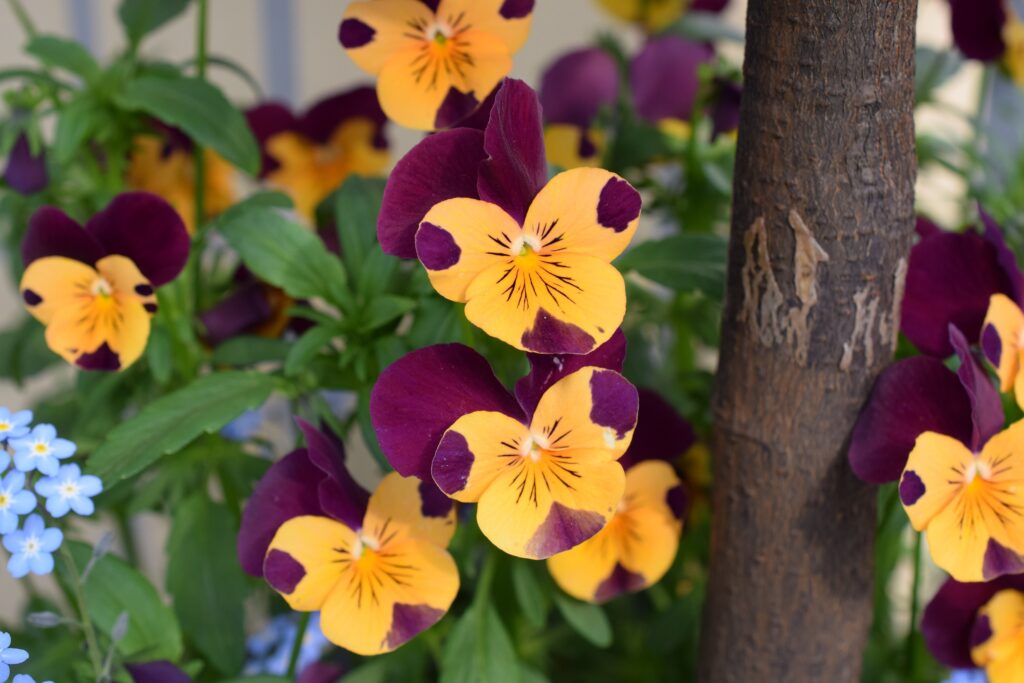
Pansies are one of the easiest ways to get quick color when the air still feels chilly. They handle cool nights well, and their faces keep blooming even when spring is slow to show up. Plant them in pots by a sunny door, or tuck them into a front bed where you will see them every day. If a hard freeze is coming, you can cover them overnight or slide containers close to the house.
Give pansies moist soil that drains well, and water when the top inch feels dry. Deadheading helps, but they still look nice even if you miss a few faded blooms. In very warm spells, they can slow down, so a little afternoon shade can help in milder climates. If you want a fuller look, plant them closer together than you think.
Violas
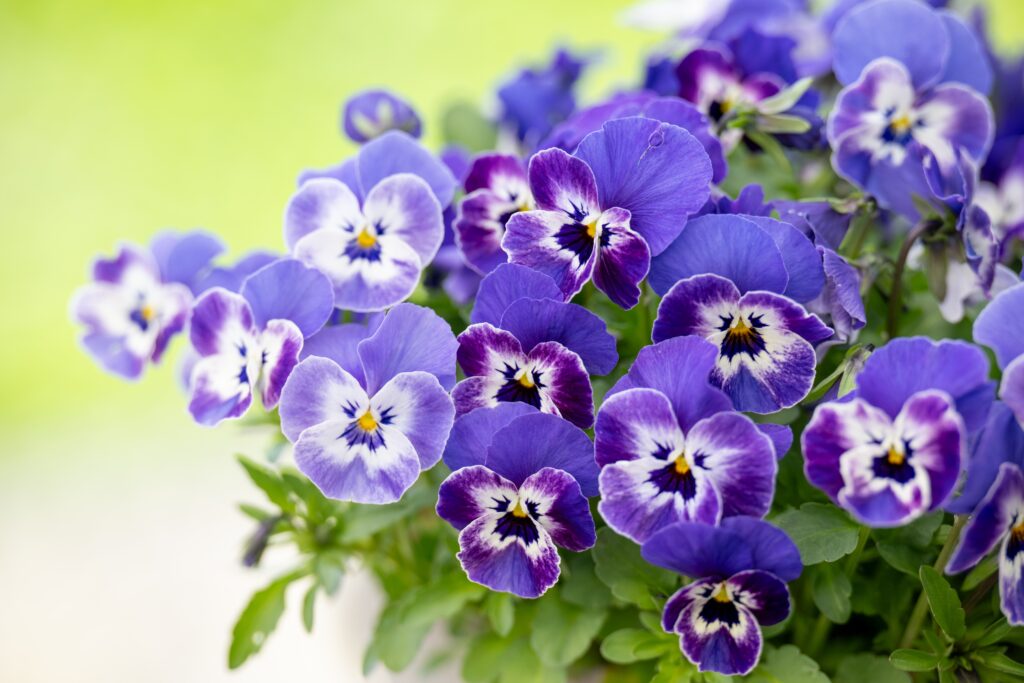
Violas look like pansies smaller cousins, and they often bloom longer in late winter. The flowers are tiny but plentiful, which makes containers look full without much effort. They do well in cool weather and can shrug off light frosts. If you want color that keeps going, violas are hard to beat.
They like sun, yet they can also handle part shade, especially in places that warm up fast. Water them consistently, because dry soil can make them stop flowering. Snip off spent blooms to keep new ones coming, and pinch back leggy stems if they stretch. A light feeding every couple of weeks keeps them tidy and blooming.
Primrose
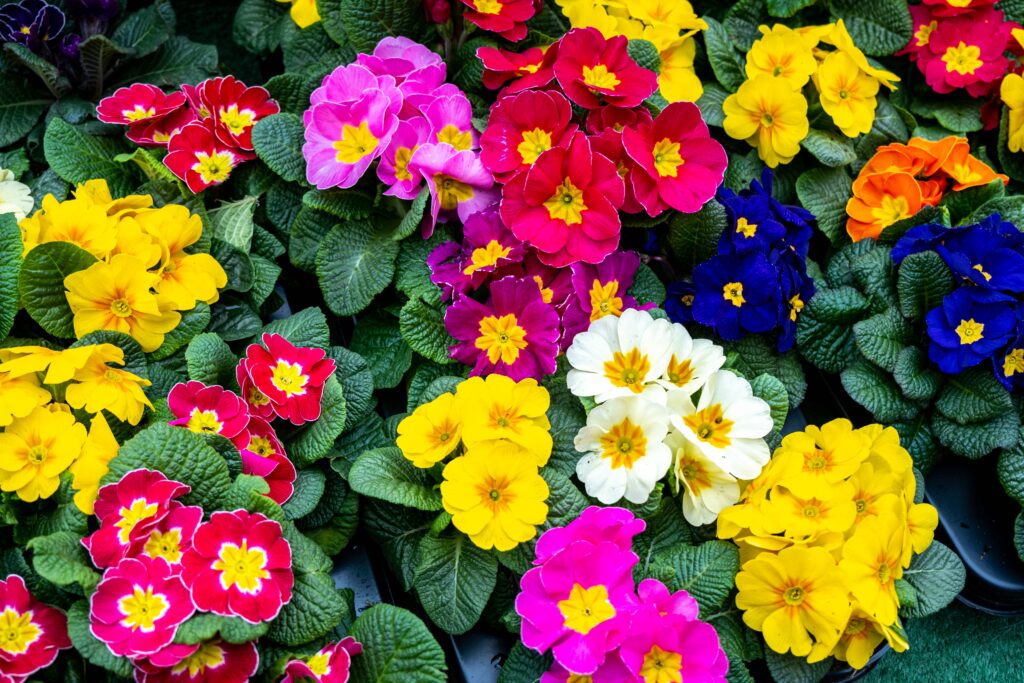
Primroses bring a soft, cheerful look that feels perfect for late winter. Their rosettes of leaves stay low and neat, and the blooms pop up in bright clusters. They are a good choice for shady porches and cool spots that do not get much direct sun. In mild areas, they can also work in garden beds as early color.
Keep primroses in evenly moist soil, because they do not like drying out. Morning sun with afternoon shade is often ideal, especially if your days warm quickly. If you grow them in pots, use a container with good drainage and do not let water sit in the saucer. Once the blooms fade, the plant can still stay green and nice looking for a while.
Hellebore
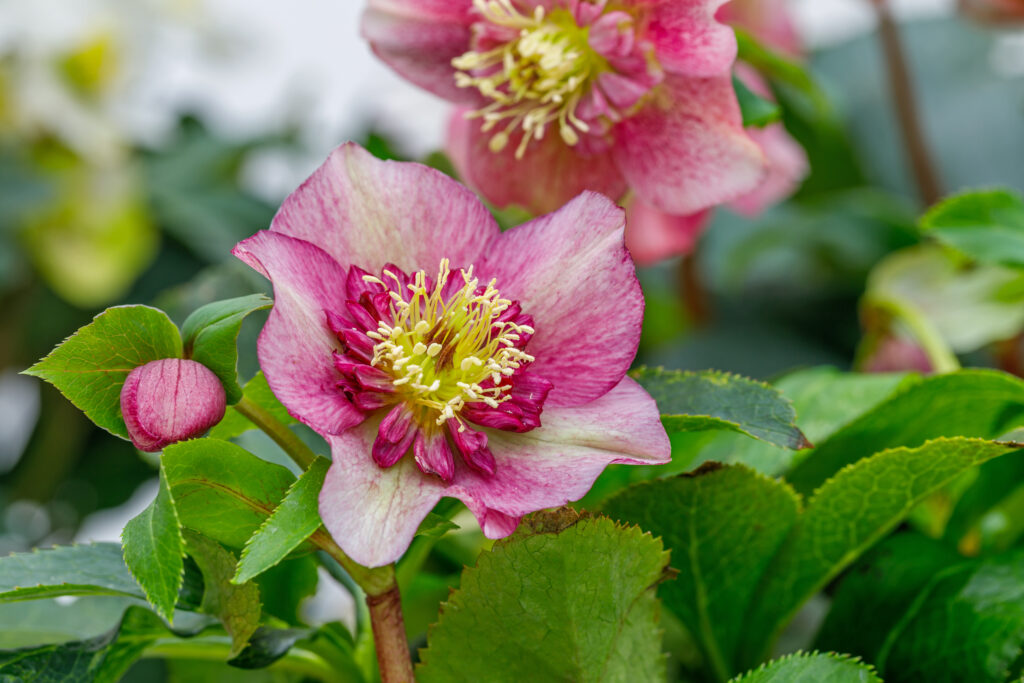
Hellebores are sometimes called Lenten roses, and they bloom when many gardens still look sleepy. The flowers can face downward, so planting them on a slight slope or in a raised bed helps you see them better. Their thick leaves stay attractive through cold weather, which gives you texture even before the blooms open. They are also one of the more dependable shade garden plants once established.
They prefer well drained soil with some organic matter mixed in. Water them during dry stretches, but do not keep them soggy, because that can cause rot. You can cut off older leaves in late winter to make the new flowers stand out more. If deer are a problem where you live, hellebores are often left alone.
Snowdrops
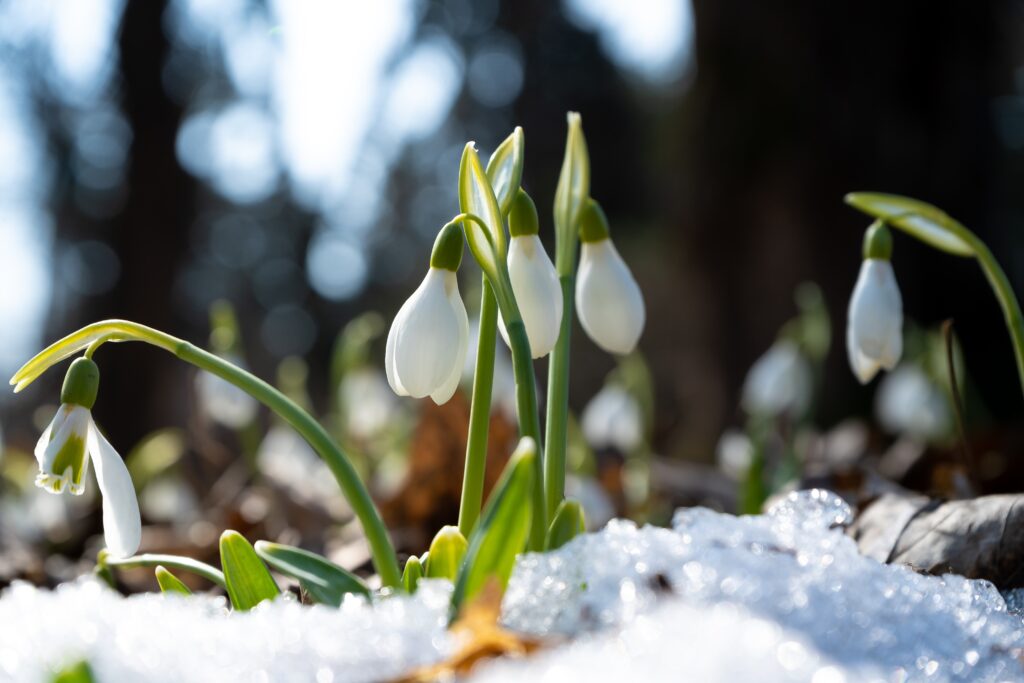
Snowdrops are tiny bulbs that can bloom while patches of snow are still on the ground. The nodding white flowers look delicate, yet the plants are tougher than they seem. Once they settle in, they often multiply and form small drifts over time. They are a sweet surprise along paths, under trees, or near a front step.
Plant snowdrop bulbs in fall, then let them do their thing in late winter. They like soil that drains well and a spot with sun in late winter and shade later on. After flowering, let the leaves yellow naturally, because that feeds the bulb for next year. If you want more, divide clumps after bloom when the leaves are still green.
Crocus
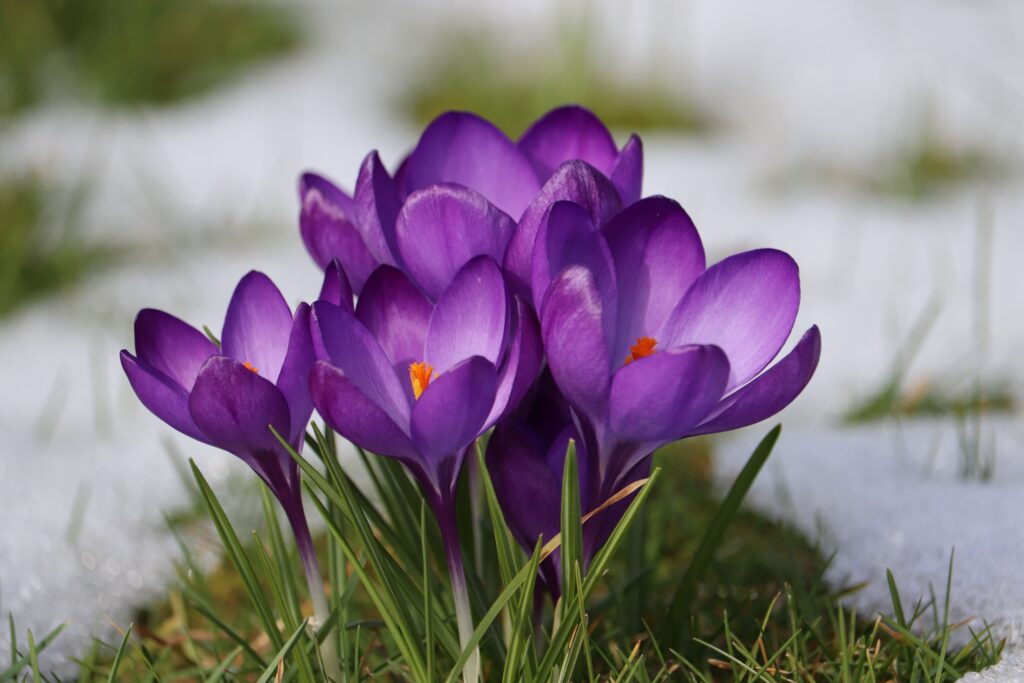
Crocus is a classic early bulb that looks like a bright little cup opening to the sun. The flowers can be purple, yellow, white, or striped, and they show up fast when days start to lengthen. In a lawn, they can make late winter mornings feel more cheerful. They also work well in pots when you want color near the door.
Crocus bulbs need good drainage, because wet soil can make them rot. Plant them in fall and keep the area from staying waterlogged in winter. After the blooms fade, leave the foliage until it turns yellow, then you can trim it back. If squirrels dig in your area, a bit of gravel over the bulbs can help discourage them.
Winter Aconite
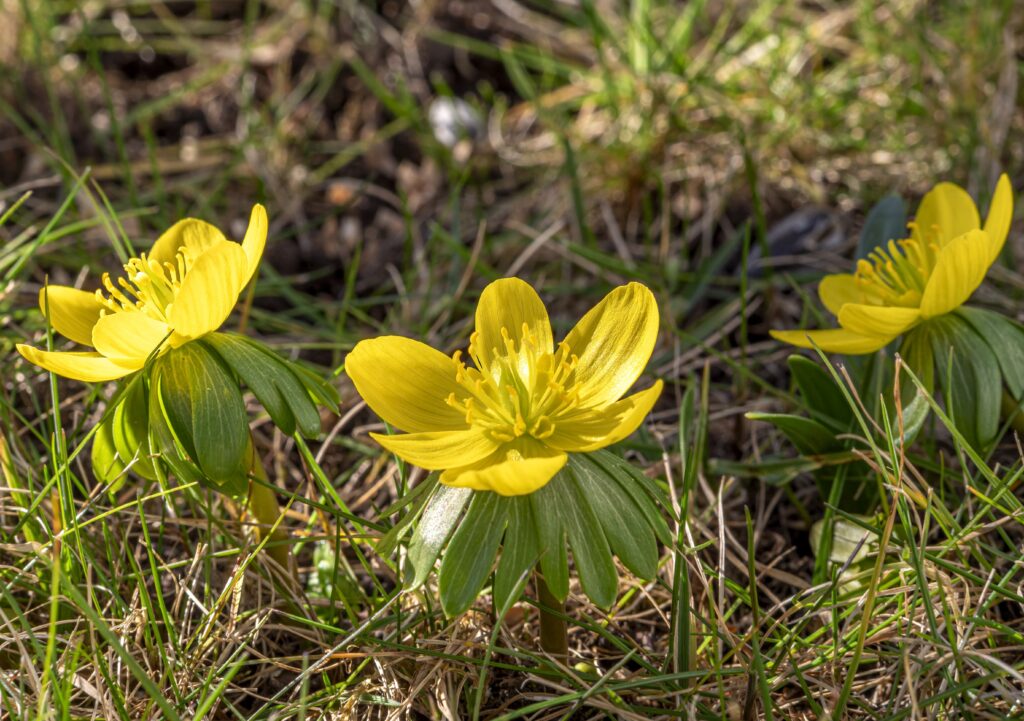
Winter aconite makes a strong impression for such a small plant. Its bright yellow flowers look like tiny suns sitting on a frill of green leaves. It blooms very early and can naturalize into cheerful patches in the right spot. In a late winter garden, it can feel like the first real sign of the season changing.
These are fall planted bulbs, and they like soil that stays moist but not soggy. A spot under deciduous trees works well, because it gets sun before leaves come out. Once established, winter aconite can spread slowly, so give it a place where it can fill in. Wear gloves when handling the plant, because it can irritate skin.
Daffodils
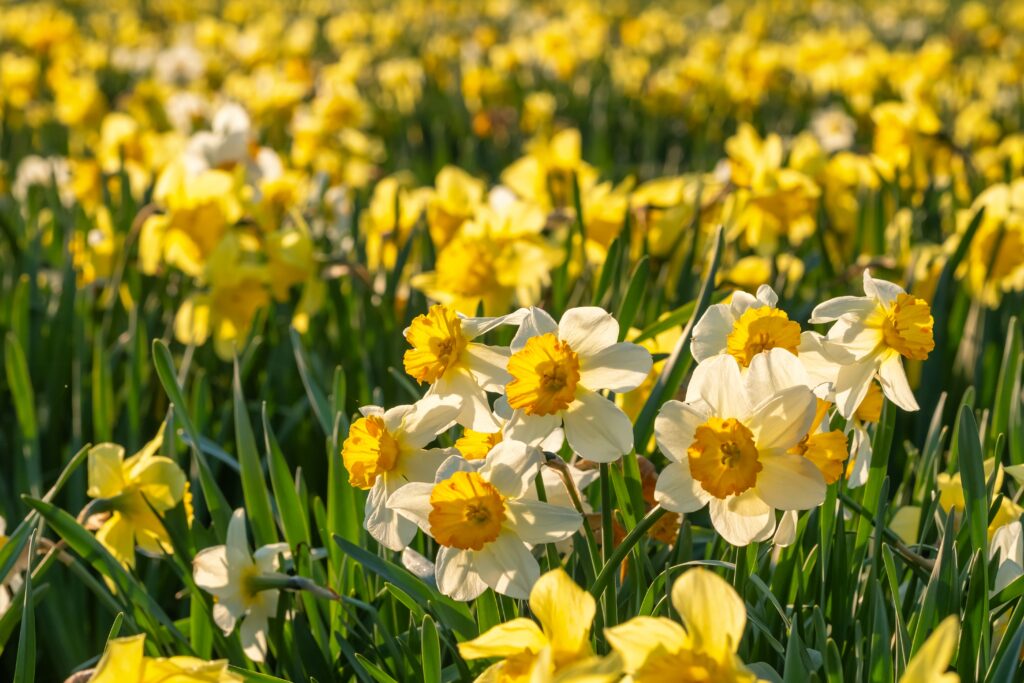
Daffodils are one of the easiest bulbs for beginners because they are reliable and usually ignored by deer and rodents. They come in many sizes and shades, from soft cream to strong yellow. A few planted in clumps can make a yard feel awake again after winter. They also look great in simple jars indoors if you cut them fresh.
Plant bulbs in fall in a sunny or partly sunny spot with good drainage. After blooming, let the leaves stay until they fade, even if they look a bit messy, because that helps next year’s flowers. If the clumps stop blooming well after a few years, dig and divide them once the leaves yellow. Keep cut daffodils in their own vase at first, since their sap can bother other flowers.
Grape Hyacinth
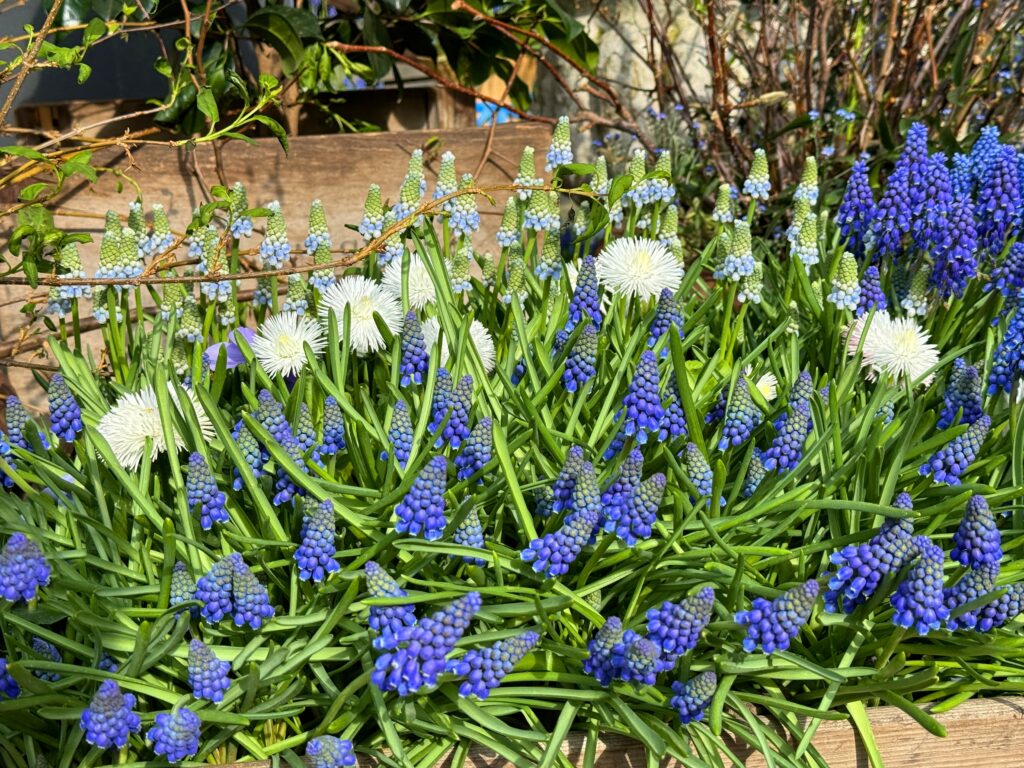
Grape hyacinths have little flower spikes that really do look like tiny grape clusters. They are small, but they pack a lot of color and can fill spaces between larger bulbs. Once planted, they often come back and spread without much work from you. They look especially nice along edging or in a rock garden.
They handle sun or light shade, and they do best in soil that drains well. Plant the bulbs in fall, then water lightly after planting and let winter rains do most of the job. After flowering, leave the leaves until they yellow naturally. If they spread more than you want, pull out a few bulbs after bloom while the foliage is still visible.
Hyacinth
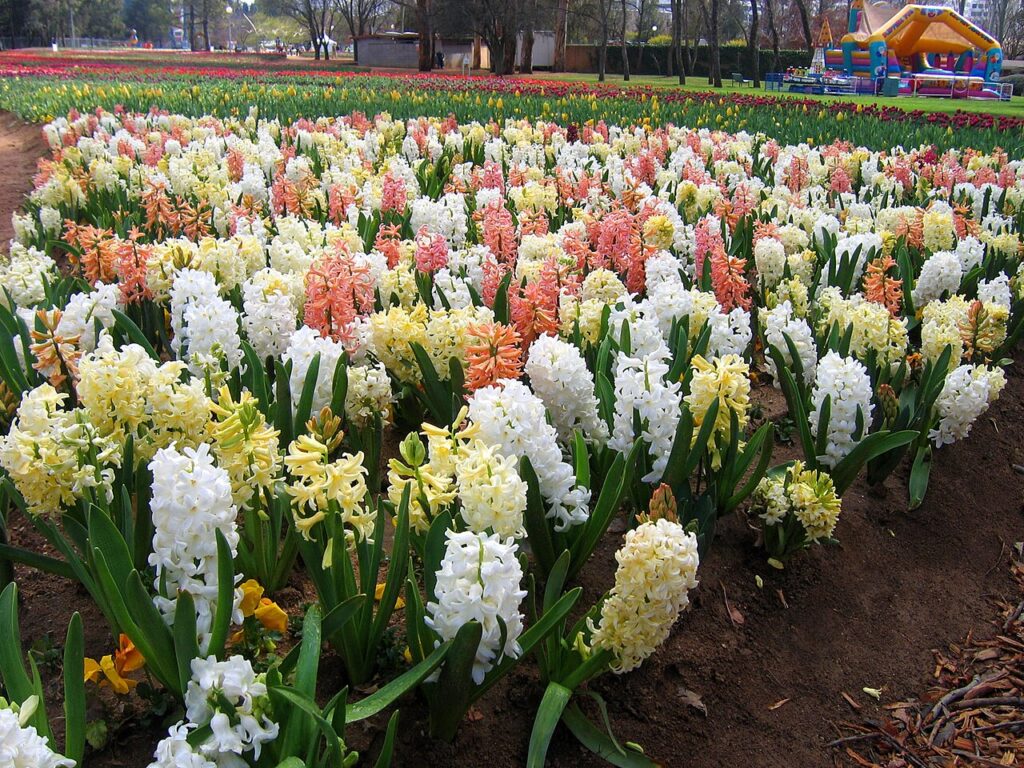
Hyacinths are known for their strong fragrance and thick flower spikes. In late winter, that scent can feel extra noticeable when you walk outside or open a window. They do well in garden beds and are also popular for indoor forcing. If you want one plant that feels special with little effort, hyacinth is a good pick.
Plant the bulbs in fall in a spot with sun and well drained soil. Water after planting, then hold back unless the winter is very dry. After the blooms finish, keep the leaves until they fade so the bulb can store energy. Some people find the bulb skin irritating, so gloves can make planting more comfortable.
Paperwhite Narcissus
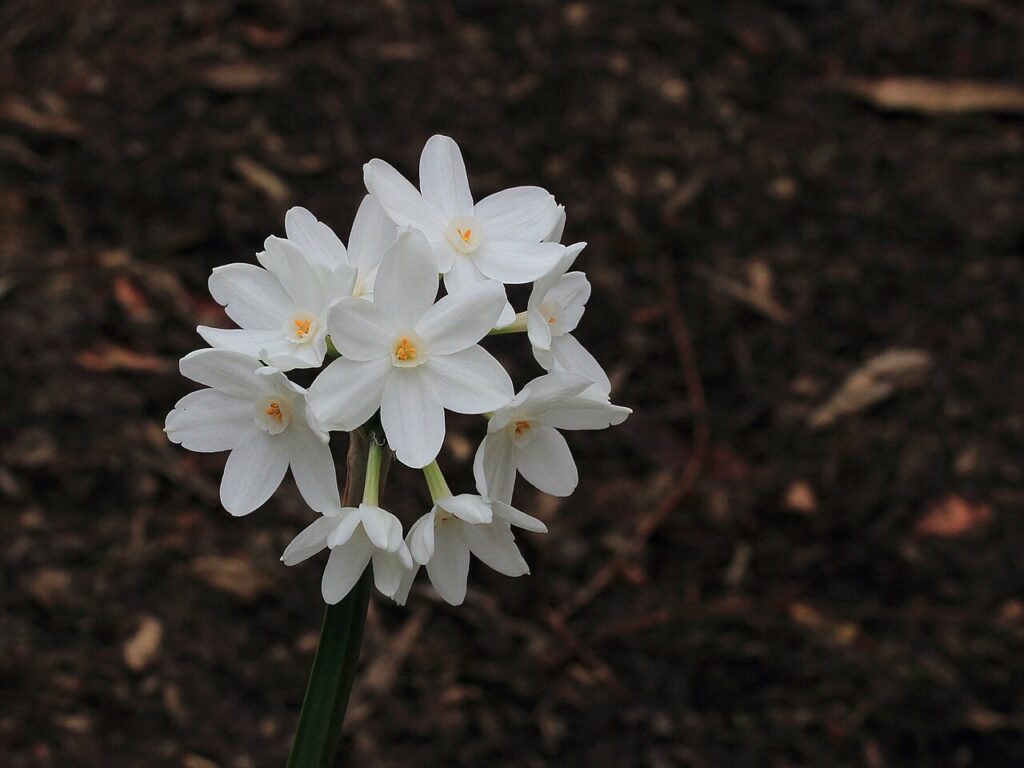
Paperwhites are a favorite for indoor late winter blooms because they do not need a chilling period like many other bulbs. You can grow them in pebbles and water on a windowsill, and they often bloom within a few weeks. The clusters of white flowers look clean and bright during a gray season. They are also easy to share, since a small pot makes a simple gift.
Set the bulbs close together, because that helps keep stems from flopping. Keep them in bright light once shoots appear, and turn the pot every few days so they grow straight. Water just enough to keep the roots moist, not submerged. If the scent feels too strong indoors, move them to a cooler room or near a cracked window.
Witch Hazel
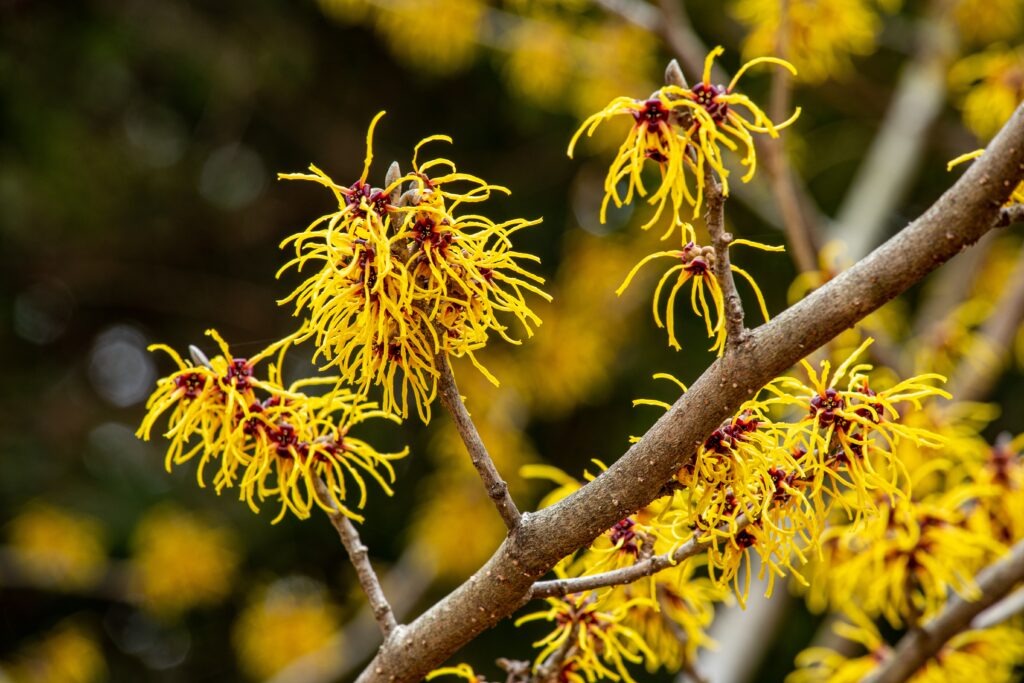
Witch hazel is a shrub that blooms when many trees still look bare. Its ribbon like flowers can be yellow, orange, or red, and they often show up on cold days when you least expect it. The plant can also add a nice shape to the yard, since it grows into a large, airy form. For beginners, it is a good long term choice because it does not need constant attention once established.
Plant witch hazel in a spot with sun or light shade and soil that drains well. Water the first year as it settles in, especially if winter is dry where you live. You rarely need to prune much, though you can remove crossing branches to open it up. In fall, many varieties also turn yellow, which gives you another season of interest.
Winterberry Holly
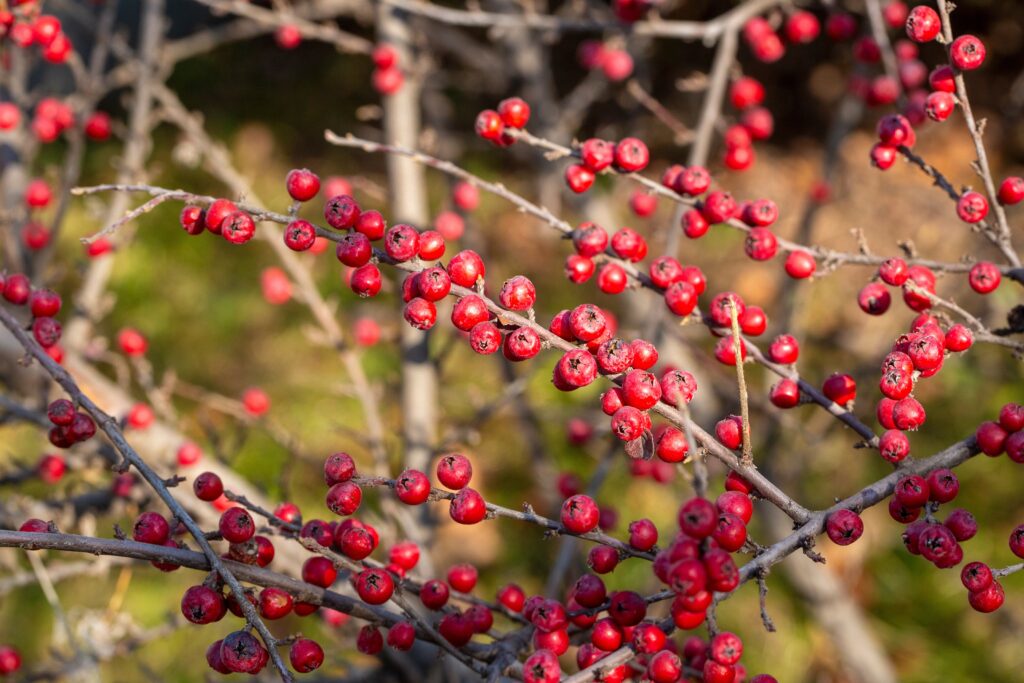
Winterberry is grown for its bright berries that cling to bare stems through late fall and winter. Those berries can make a yard look lively even when the garden has no flowers. Birds often visit later in the season, which adds extra interest for families watching from a window. It is also a native plant in many parts of the eastern United States, which can make it easier to grow in the right area.
For berries, you need both a male and a female plant, so check labels before you buy. Plant winterberry in sun to part shade, and give it soil that stays evenly moist. In very dry soil, it can struggle, so mulching helps hold moisture. Prune lightly in late winter if you need to shape it, but avoid heavy cutting that removes berry bearing stems.
Skimmia
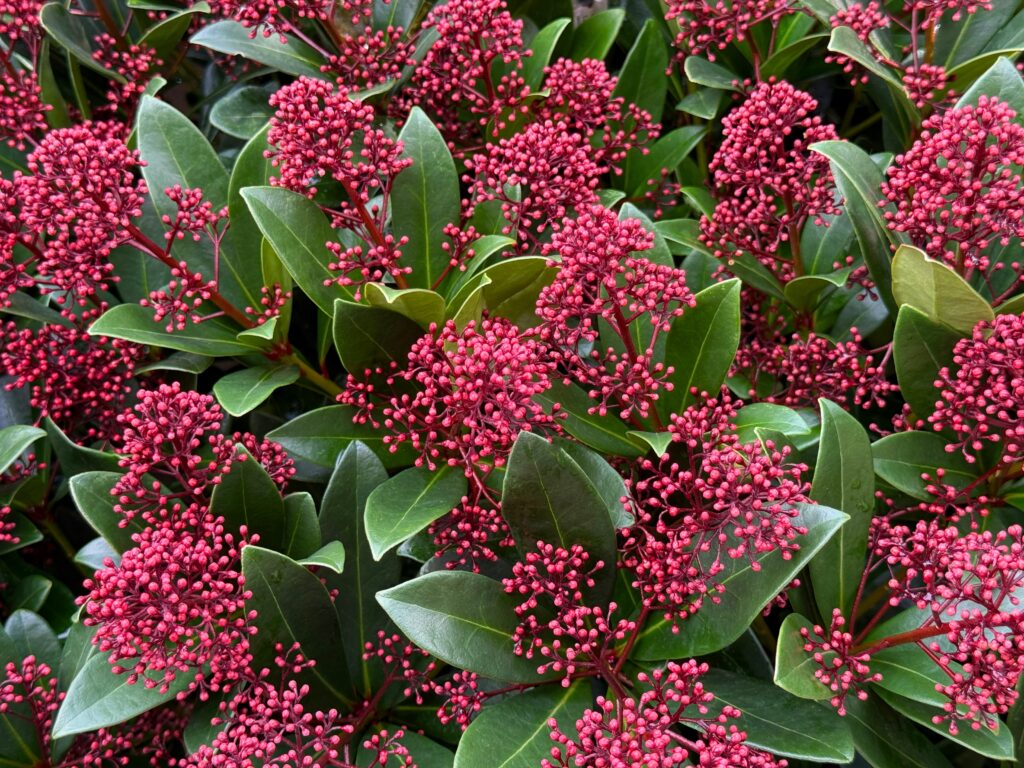
Skimmia is an evergreen shrub that shines in cool months, especially in shady gardens. It has glossy leaves and often forms neat mounds, so it looks tidy without much trimming. Many types carry buds through winter that open into small flowers, and some varieties also produce bright berries. If you want greenery that does not fade when temperatures drop, skimmia is a solid choice.
It prefers part shade and protection from harsh afternoon sun. Plant it in soil that drains well and leans slightly acidic, because heavy, wet soil can cause stress. Water regularly the first year, then keep an eye on it during dry spells. A layer of mulch helps protect roots and keeps soil moisture more steady.
Heuchera
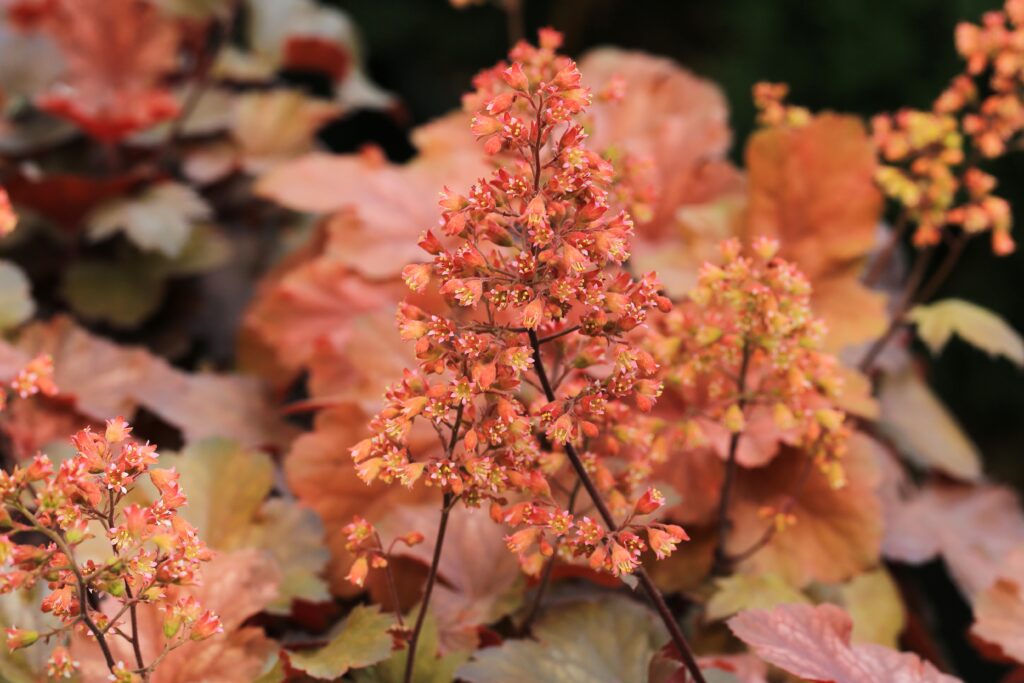
Heuchera, often called coral bells, is grown for its colorful leaves that can stay attractive even in cooler weather. The foliage comes in shades like lime, caramel, purple, and near black, so it adds color without relying on flowers. In late winter, it can make garden beds look fuller when many perennials have not returned yet. It also works well in pots, especially when mixed with early blooming plants.
Give heuchera well drained soil, because wet feet can cause problems in cold weather. Sun needs vary by variety, so many beginners do best with morning sun and afternoon shade. Trim away any tired leaves in late winter to freshen the plant up. If the crown starts to rise above the soil over time, add a little soil or mulch around it to protect it.
This article originally appeared on Avocadu.