
13 Late Winter Lawn Care Steps That Help Without Wasting Money
While it may still feel chilly outside, late winter is the ideal time to think about your lawn’s future. You do not need to invest in expensive products to help your lawn thrive. A few smart steps now can set the foundation for a vibrant, green lawn in spring. Avoid wasting money on unnecessary treatments. Here are some effective and budget-friendly lawn care tips to try this late winter.
This post may contain affiliate links, which helps keep this content free. Please read our disclosure for more info.
Clean Up Debris from Your Lawn
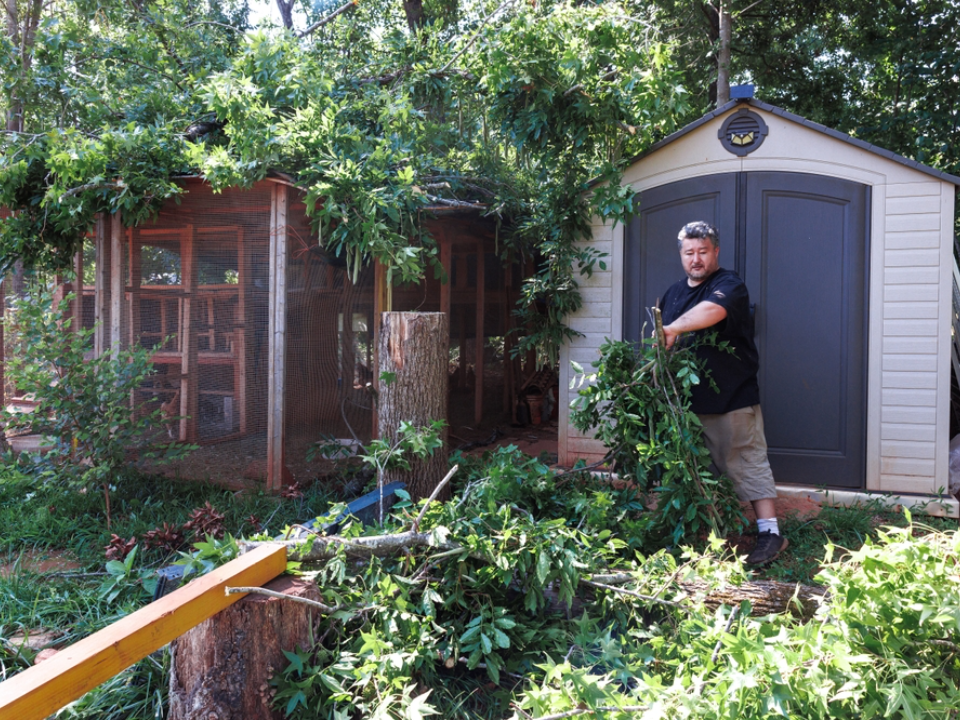
Late winter is a great time to remove leaves, branches, and other debris from your lawn. Left unchecked, this debris can suffocate your grass and encourage the growth of mold or fungus. Start by raking up fallen leaves or branches that may have accumulated over the winter months. Clearing away this organic matter allows your lawn to breathe and will prepare it for the spring growing season.
In addition, cleaning up debris helps prevent disease by allowing sunlight to reach the soil. This simple task is easy to do with just a rake or lawn sweeper. The fresh air can help your lawn stay healthier as the temperature rises. It is a low-cost step that can save you from more expensive lawn care treatments down the road.
Test Your Soil
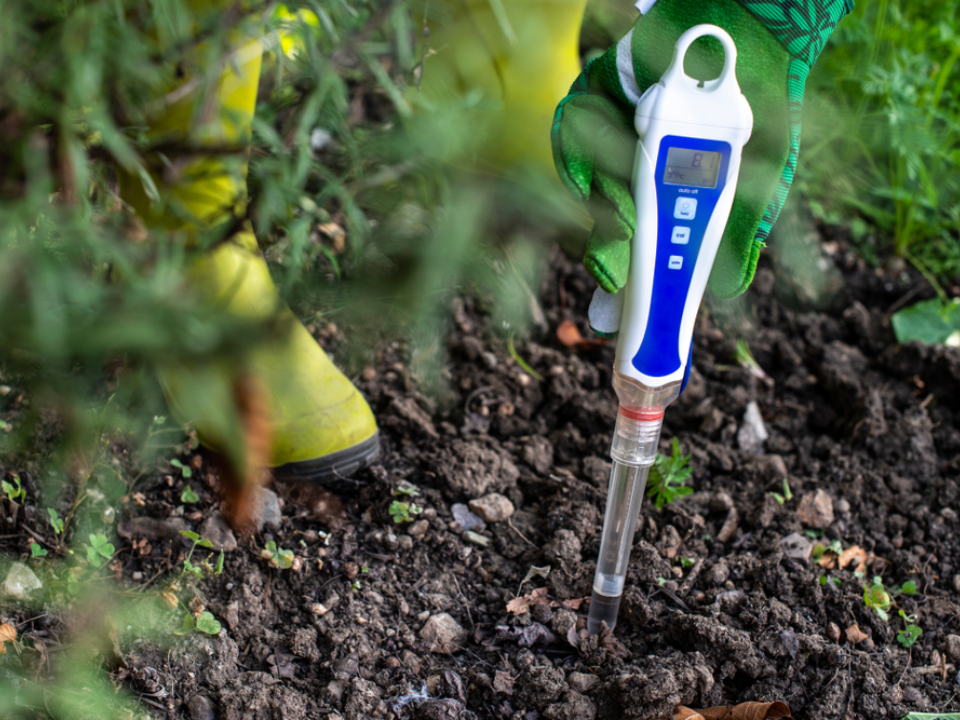
Testing your soil is a crucial but often overlooked step in late winter lawn care. Knowing the pH and nutrient levels in your soil can help you make informed decisions about how to improve its health. Soil tests are affordable and can reveal if your lawn needs lime or specific fertilizers. With this information, you can adjust your lawn care plan to suit your soil’s unique needs.
A proper soil test can help you avoid wasting money on unnecessary treatments that may not benefit your lawn. For example, if your soil is already rich in certain nutrients, you will not need to apply additional fertilizers. Understanding your soil’s makeup helps you prioritize what is truly necessary. It is a small investment that can make a big difference in your lawn’s health.
Sharpen Your Mower Blades
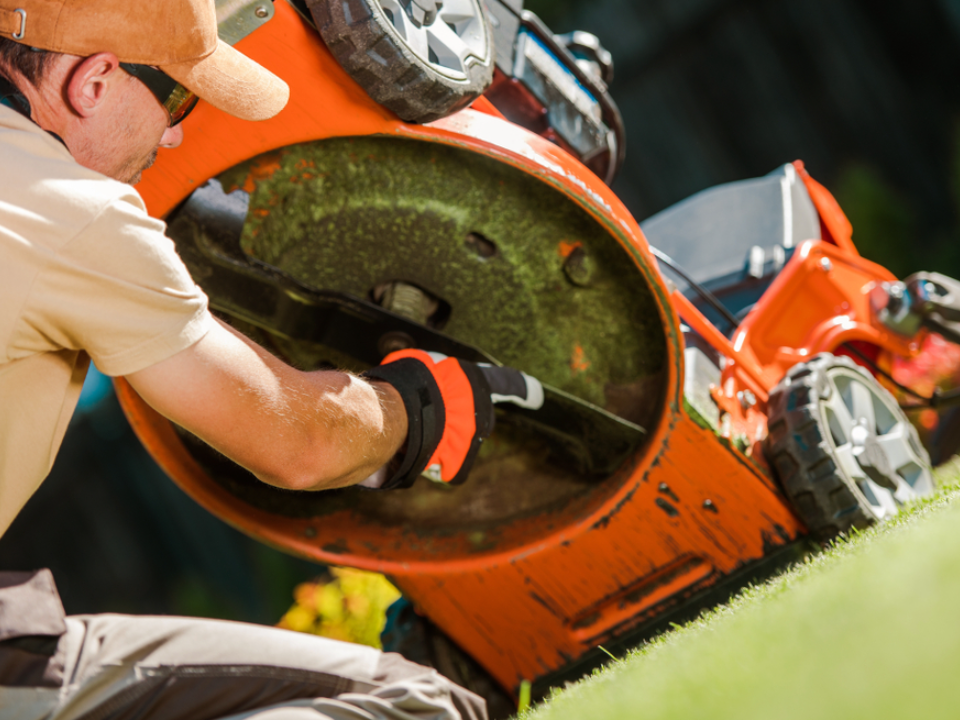
Sharpening your mower blades is an often-overlooked part of lawn maintenance. Dull blades tear grass rather than cutting it cleanly, which can lead to a ragged lawn that is more susceptible to disease and pests. By sharpening your blades, you ensure a smoother, healthier cut that supports stronger grass growth. It is a simple task that requires minimal effort and costs, but it can greatly improve your lawn’s appearance.
Sharpening blades also reduces stress on your lawn mower, helping it run more efficiently. This step helps you avoid potential repairs or replacements, saving you money in the long term. It is best to sharpen the blades once or twice a season, especially before the mowing season kicks off. This ensures your mower is in top condition and ready for regular use.
Repair Bare Spots
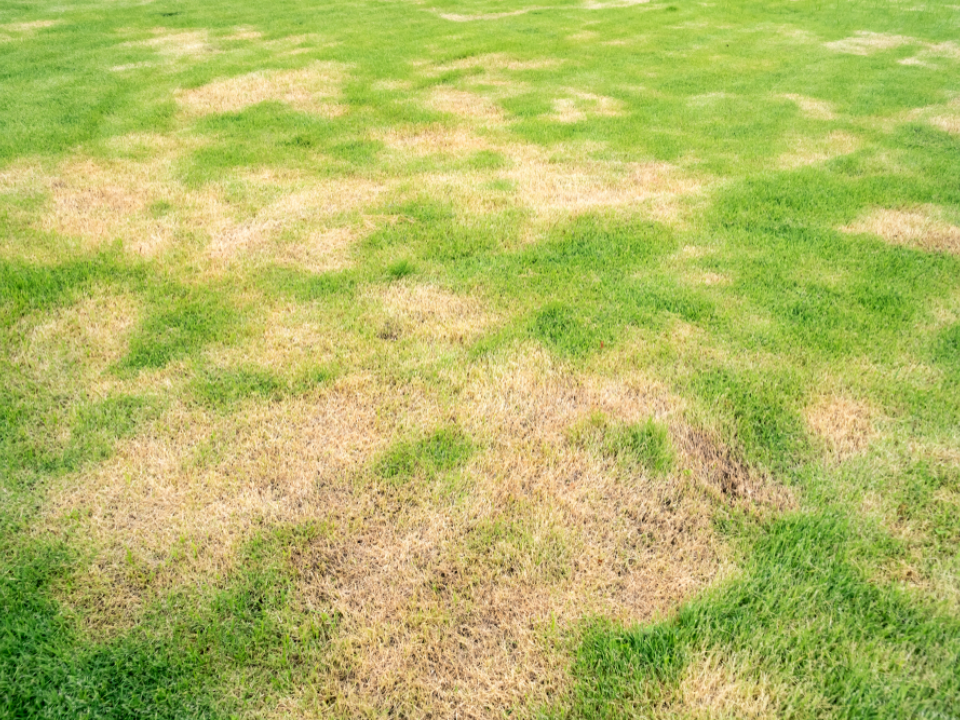
Late winter is the perfect time to assess your lawn for bare spots and areas with weak grass. These areas can be repaired by reseeding or patching them with fresh sod. If you decide to reseed, choose grass types that are well-suited to your climate and growing conditions. Doing this early will give the grass time to establish roots before the warmer weather hits.
Taking action now prevents bare spots from worsening during the growing season. As the soil begins to warm, the newly planted grass will have the opportunity to establish itself. This early intervention can save you from needing more costly repairs later. By tackling these small problem areas in late winter, you will have a healthier, more uniform lawn by the time spring arrives.
Fertilize with a Slow-Release Formula
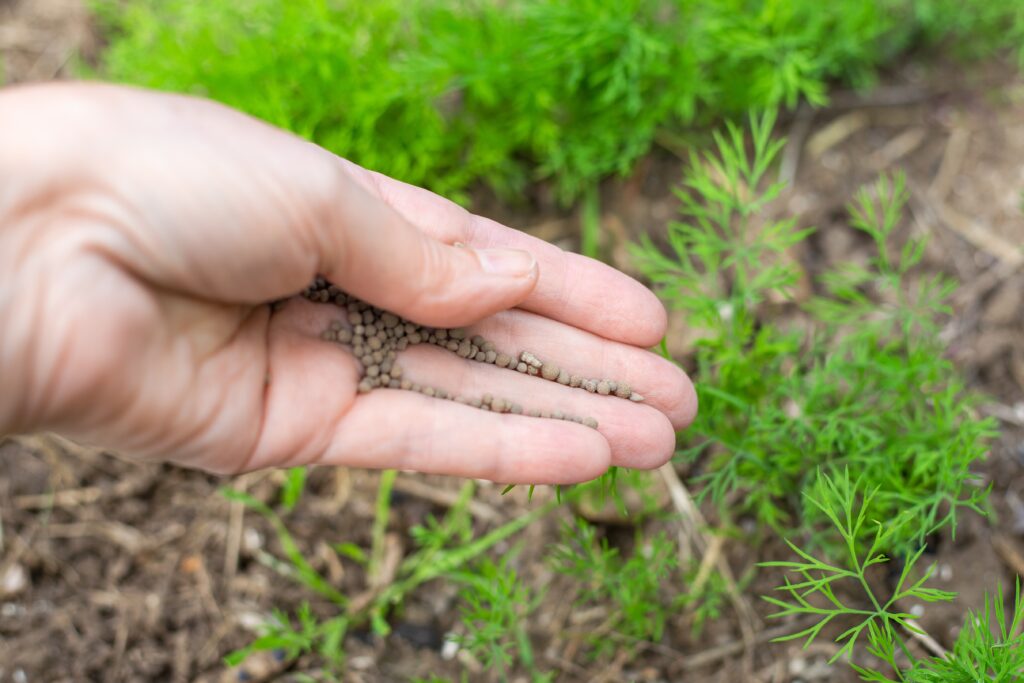
Using a slow-release fertilizer in late winter helps to gradually feed your lawn and prepare it for spring growth. This type of fertilizer provides a steady supply of nutrients, avoiding the shock that can sometimes result from using a quick-release formula. It is a cost-effective way to encourage strong, even growth without over-fertilizing. Slow-release formulas can also improve the soil’s texture and increase its water retention, which benefits the grass long-term.
A good time to apply slow-release fertilizer is when the soil has thawed but the grass is not actively growing yet. By feeding your lawn now, you avoid the need for heavy fertilization during the peak growing season. This step helps your lawn build a strong foundation for the spring. A well-fed lawn is less likely to be damaged by pests or disease, making it an investment that pays off over time.
Check Your Lawn for Weeds
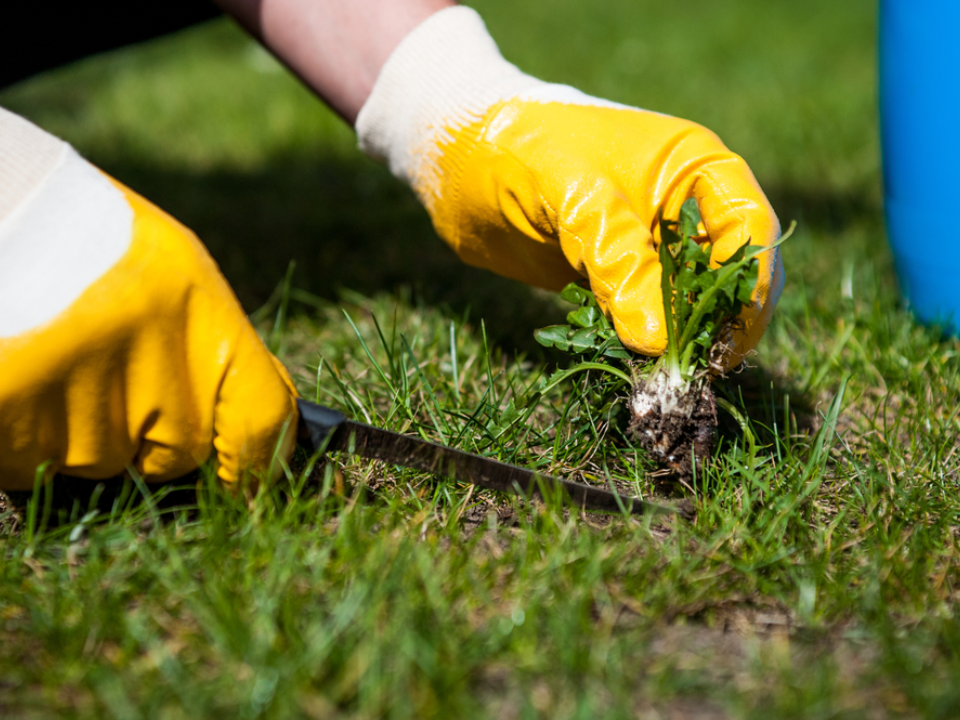
Even though winter weather slows weed growth, it is still wise to inspect your lawn for early signs of weeds. Pre-emergent herbicides can be applied in late winter to stop weed seeds from germinating in the spring. These herbicides target annual weeds like crabgrass and dandelions, preventing them from taking root. Applying a pre-emergent herbicide now can save you time and money by reducing the need for costly weed control treatments later on.
It is important to follow the manufacturer’s instructions when applying herbicides to ensure they are effective. Applying the wrong amount or applying them too late can make them ineffective. Spot-treating any visible weeds with a targeted herbicide will also help control their spread. By taking these preventative steps now, you can enjoy a clean, weed-free lawn throughout the spring and summer months.
Aerate Your Lawn
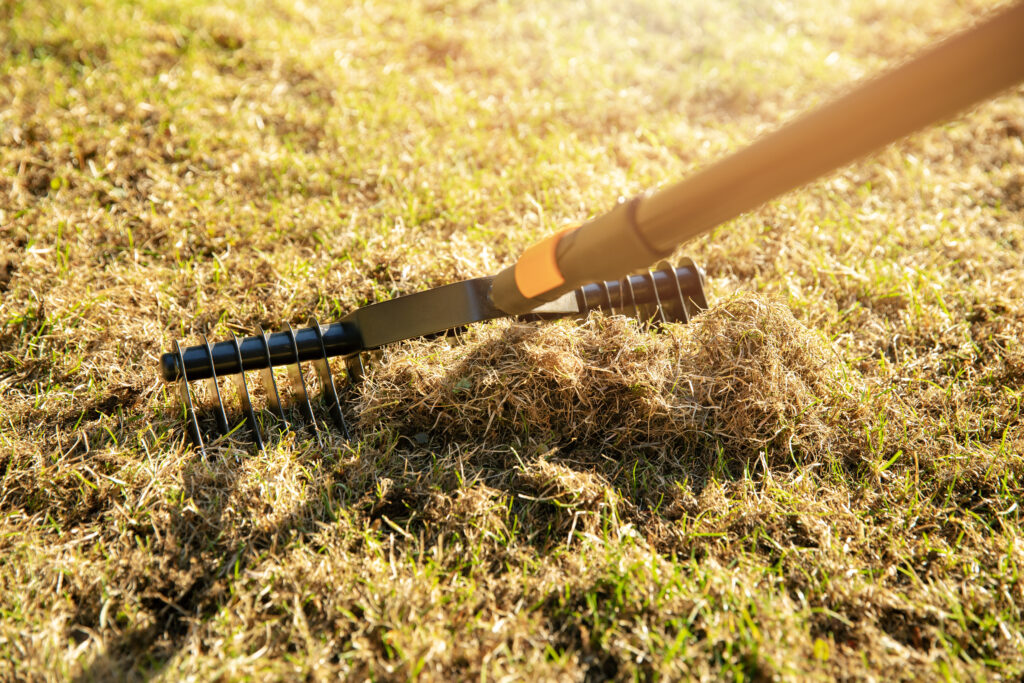
Lawn aeration is a key step in maintaining a healthy lawn, particularly during late winter when the ground is beginning to thaw. Aeration helps to break up compacted soil, allowing air, water, and nutrients to reach the grassroots more effectively. This is especially important in areas with heavy clay soil or lawns that experience high foot traffic. Aerating your lawn creates small holes in the soil, improving root growth and overall lawn health.
The process can be done using a manual or mechanical aerator. If you prefer to do it yourself, consider renting an aerator from a local hardware store. While aeration may require a bit of investment, it reduces the need for additional treatments and helps your lawn thrive naturally. This simple task improves soil health, which pays off in the long run with a greener, more resilient lawn.
Apply a Mulch Layer to Flower Beds
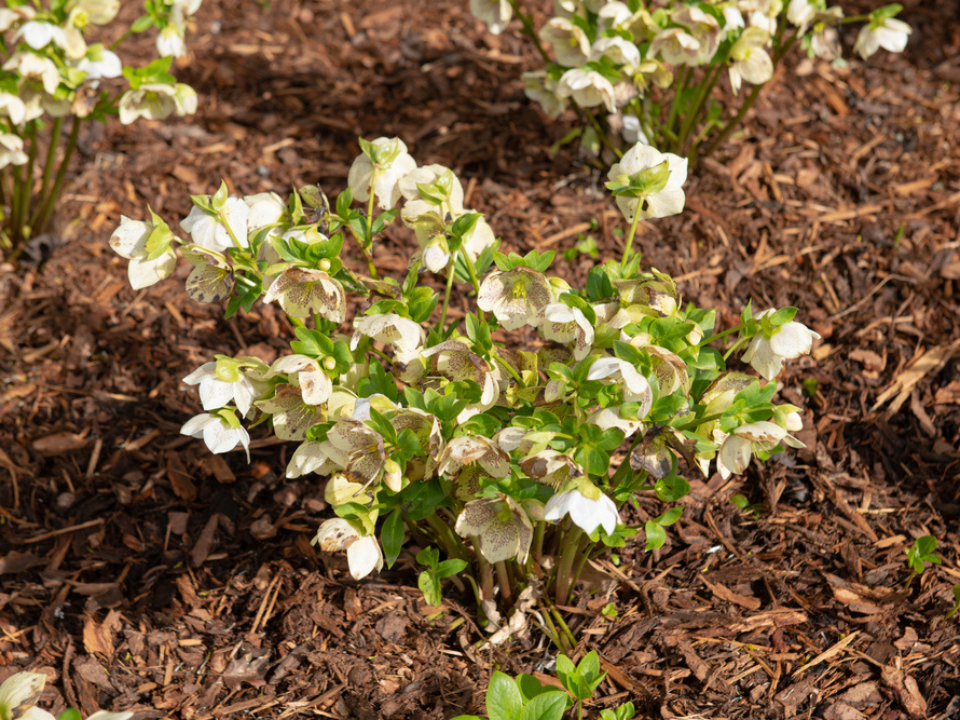
Adding a layer of mulch to your flower beds in late winter offers multiple benefits for your lawn and garden. Mulch helps to insulate the soil, keeping it warmer during the colder months and providing moisture retention when the weather starts to warm up. It also helps suppress weeds, which are much easier to control before they take root. Additionally, mulch gradually breaks down and adds organic matter to the soil, improving its structure and fertility.
Applying mulch in late winter prepares your garden beds for the spring growing season. The mulch layer will slowly decompose over time, feeding the plants as they begin to grow. A layer of mulch also improves the appearance of your garden, creating a clean and tidy look. It is a low-cost, effective way to care for your garden without spending too much.
Prune Dead or Damaged Branches
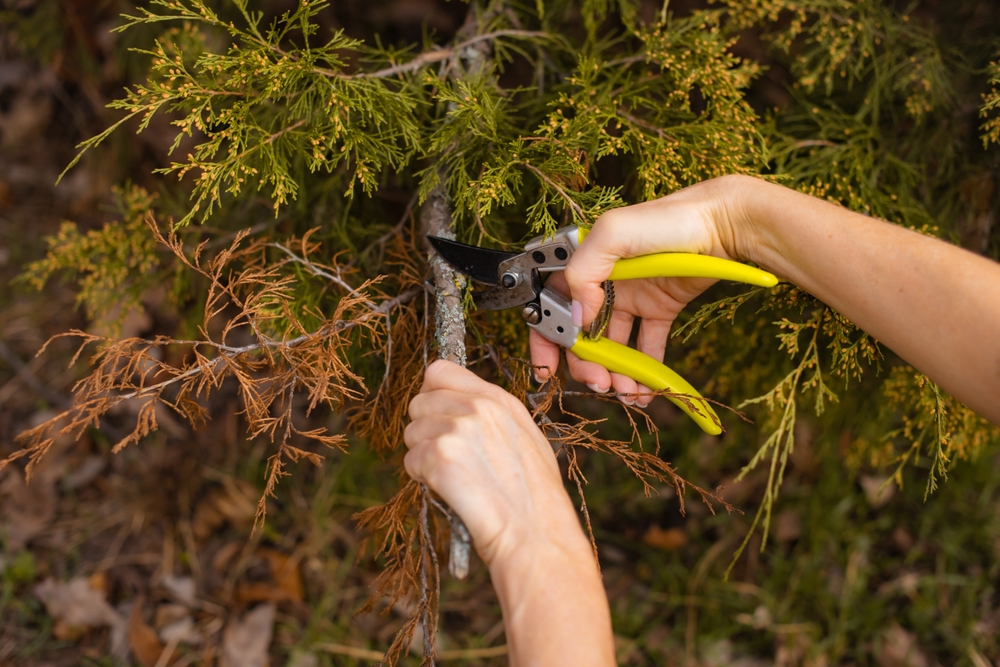
Late winter is a great time to prune dead or damaged branches from your trees and shrubs. This helps promote healthy growth in the spring by allowing the plants to focus their energy on new, healthy stems. Pruning also improves air circulation, which can reduce the risk of fungal infections and disease. By removing damaged branches, you also prevent them from becoming a hazard during storms.
Make sure to use proper pruning tools and techniques to avoid causing harm to your plants. You can prune dead or broken branches at any time, but late winter offers the advantage of being able to see the structure of the tree or shrub without the distraction of leaves. Pruning now reduces the chance of pests finding a place to nest or feed. This simple step keeps your plants looking great and functioning well as they enter the new growing season.
Maintain Your Lawn Mower
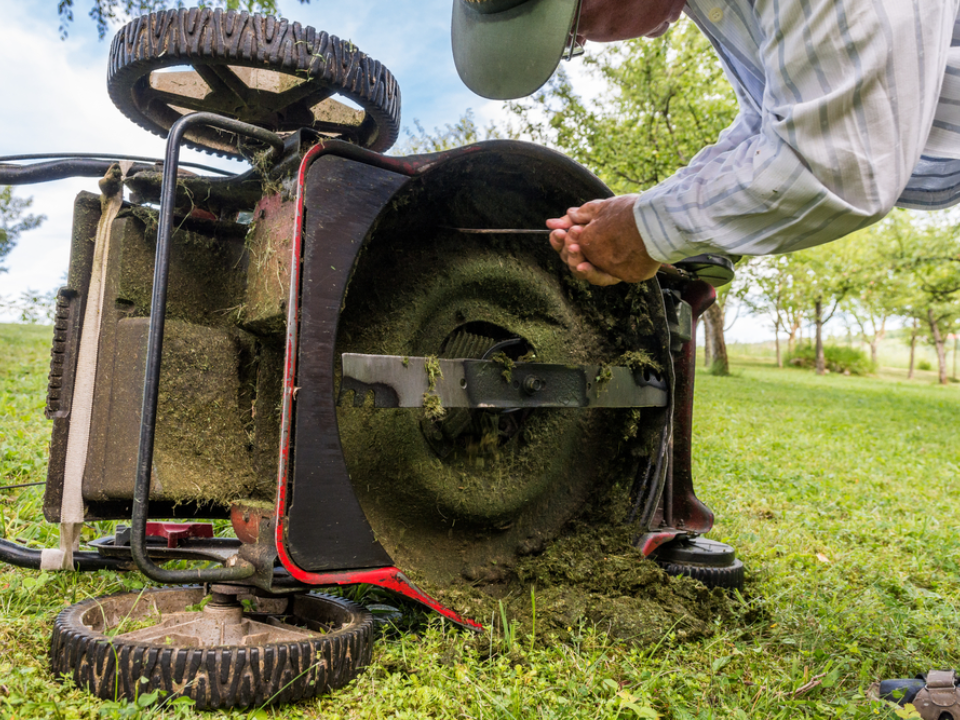
Maintaining your lawn mower during late winter is an essential step in preparing for the spring lawn care season. Now is the time to check the mower’s condition, clean the parts, and change the oil. Sharpening the blades will ensure that your mower cuts the grass cleanly, which prevents jagged edges that make your lawn more susceptible to disease. Checking the fuel system, spark plugs, and air filters can also improve the efficiency and longevity of your mower.
Taking care of your mower now can save you from costly repairs or replacements later on. A well-maintained mower runs smoother and is less likely to break down during the busy spring season. Regular maintenance also helps you maintain a uniform, neat appearance on your lawn. Preparing your equipment now ensures that your mowing season starts off without a hitch.
Protect Your Lawn from Foot Traffic
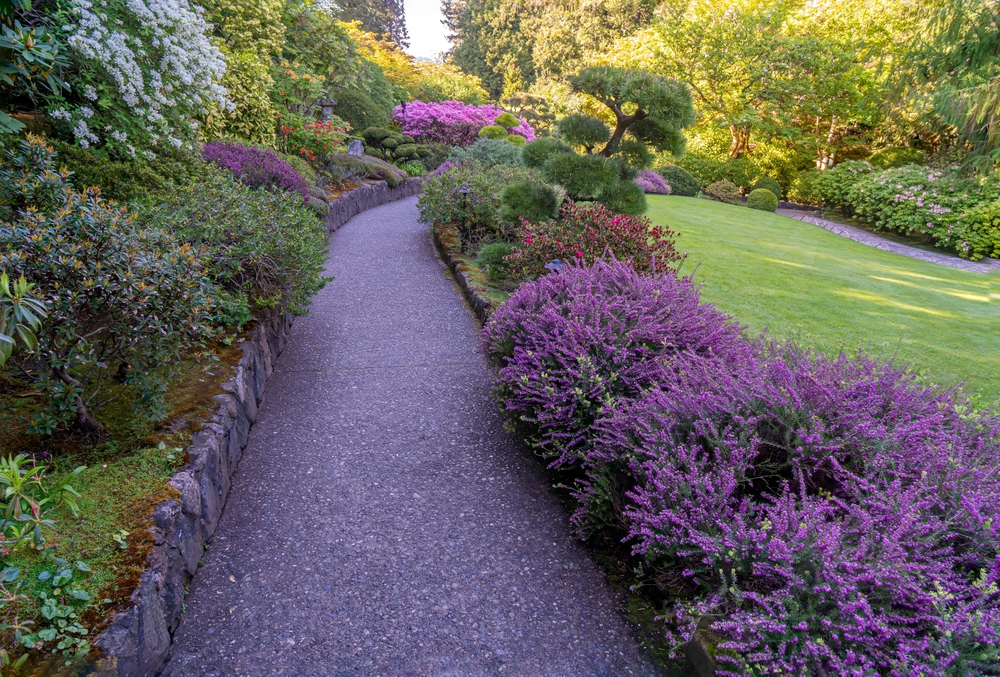
Excess foot traffic on your lawn can lead to compaction and damage to the grass, especially during late winter when the ground is softer. To protect your lawn, consider using stepping stones or creating designated walkways in areas with heavy foot traffic. You can also temporarily fence off certain sections of the lawn to prevent people or pets from walking on it. This simple step helps maintain the integrity of your lawn and reduces the need for costly repairs later on.
If your lawn does get damaged due to foot traffic, consider aerating the soil to relieve compaction. Limiting traffic during the winter months gives the grass a chance to recover and prevents unnecessary stress on the turf. Taking action now can save you from future lawn care issues. It is a small but effective way to ensure your lawn stays healthy and resilient.
Consider Low-Water Grass Varieties
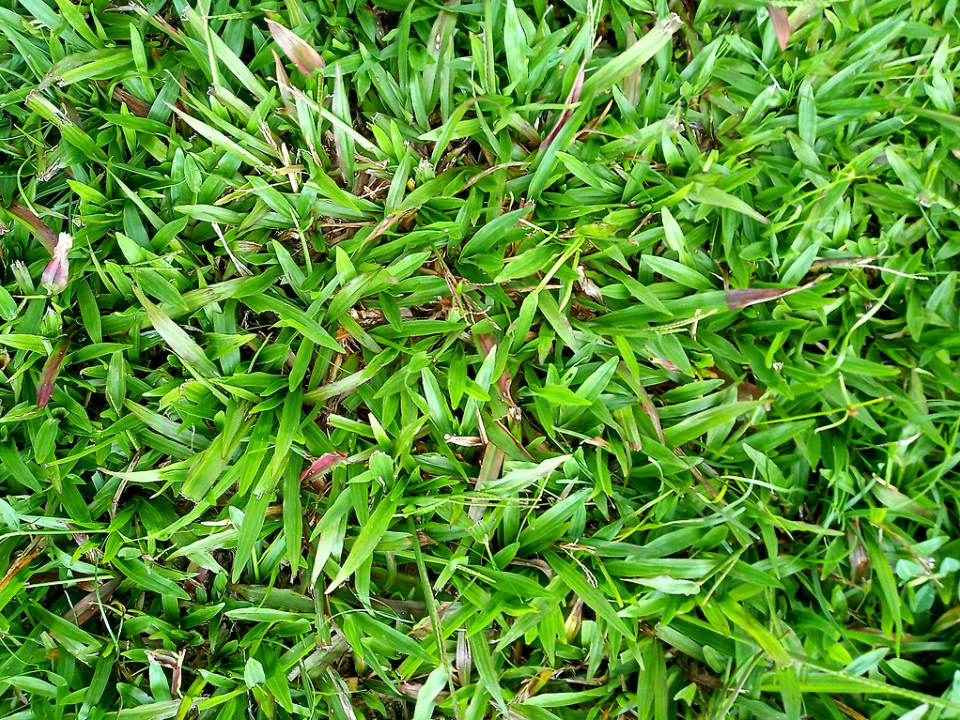
If you live in an area with frequent droughts or want to conserve water, consider switching to low-water grass varieties. These grasses require less irrigation and can thrive in tough conditions. Some types, like buffalo grass or fescue, are more drought-tolerant and better suited for the late winter and spring months. By selecting the right grass for your climate, you can reduce your lawn care costs and water usage.
Switching to drought-resistant grass varieties helps your lawn stay greener for longer, even during dry spells. These varieties are also easier to maintain and require less fertilization, which saves you money on chemical treatments. Planting low-water grasses in late winter can give your lawn a head start on the growing season. This is a long-term investment that benefits both your lawn and the environment.
Adjust Your Lawn’s Irrigation System
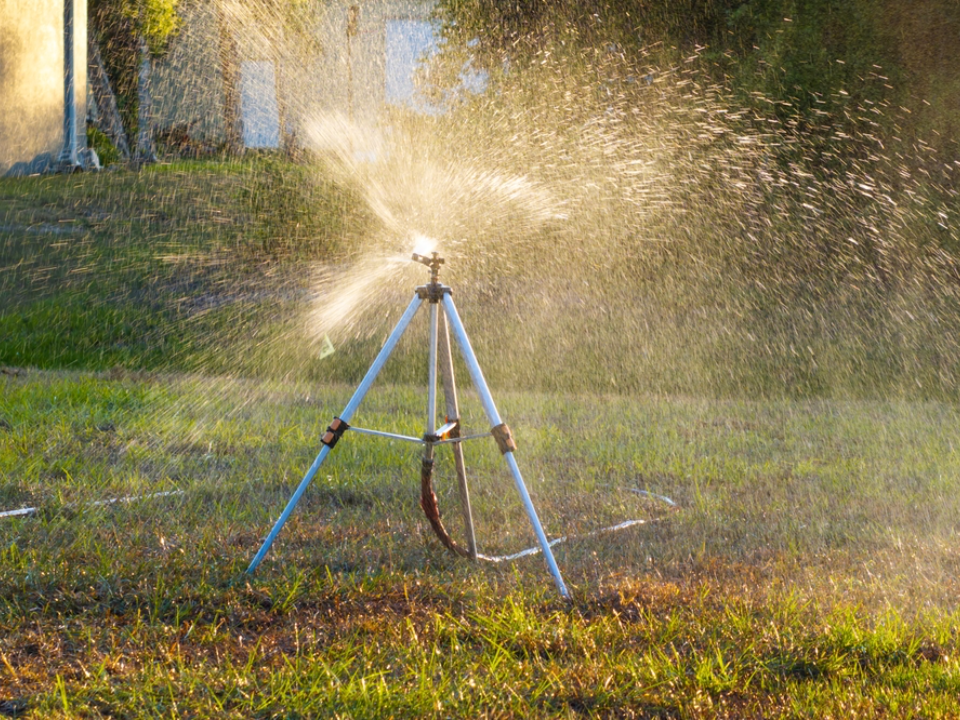
Adjusting your lawn’s irrigation system before the spring season starts can prevent over-watering and ensure that your lawn gets the right amount of moisture. Late winter is a great time to check your system for leaks, clogs, or any other issues that could affect its performance. By making small adjustments, you can improve the efficiency of your irrigation and avoid wasting water. This step is simple to do and can save you money on water bills while keeping your lawn healthy.
If you use sprinklers, make sure they are properly positioned to cover all areas of your lawn evenly. Consider investing in a timer or smart irrigation system that can automatically adjust based on weather conditions. This allows you to water your lawn more effectively and reduce water waste. A well-maintained irrigation system keeps your lawn healthy without unnecessary costs.
This article originally appeared on Avocadu.