
13 Late Winter Immune Support Habits That Are Easy to Keep
When you build simple immune support habits into your routine, you give your body steady care instead of quick fixes. Daily steps like washing hands well, getting sunlight when possible, and eating a variety of whole foods help your defenses stay ready. These routines can reduce the impact of seasonal colds and help you feel more steady through late winter. That way you can keep up with school, work, and activities without feeling dragged down all the time.
This post may contain affiliate links, which helps keep this content free. Please read our disclosure for more info.
Drink More Water

Late winter is a good time to pay attention to how much water you drink, because heaters and dry indoor air can leave you low on fluids without noticing it. Water helps move nutrients, carry oxygen, and clear waste, all of which matter when your immune system is working hard. A simple, low effort habit is to keep a refillable bottle at your desk or table and aim to empty it by midday, then refill it for the afternoon. If plain water feels boring, you can add lemon slices, cucumber, or a splash of 100 percent juice for gentle flavor.
Another easy approach is to tie drinking water to moments that already exist in your day, such as when you wake up, before lunch, mid afternoon, and after dinner. A quiet phone reminder or a note on your desk can help in the beginning and can be removed once the habit feels natural. Watching the color of your urine and keeping it a light yellow can be a simple guide unless your doctor has given different directions. Better hydration supports digestion, circulation, and overall immune function while winter slowly winds down.
Keep A Consistent Sleep Schedule To Support Immunity
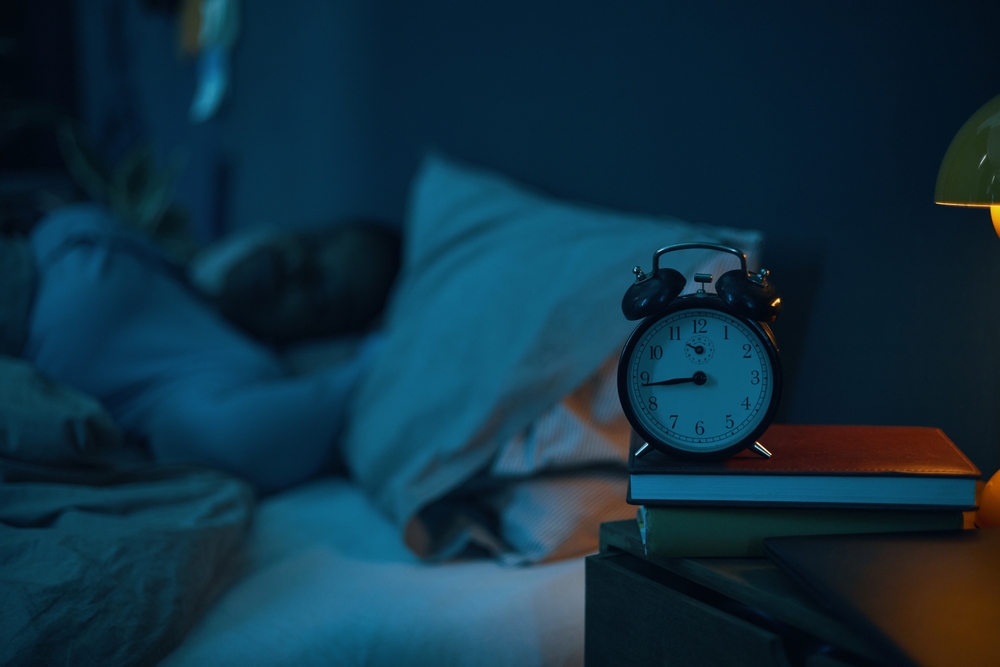
On chilly evenings, a steady sleep routine gives your body a regular chance to repair and reset, which includes many immune processes. Going to bed and waking up around the same time each day helps your body clock stay steady, so you fall asleep more easily and feel more rested. You can start by choosing a realistic bedtime and wake time and then dimming lights and screens about an hour before bed. Gentle activities such as stretching, reading, or listening to soft music help your mind slow down.
Your bedroom can turn into a stronger sleep space when it is cool, dark, and quiet, so it helps to adjust light and noise where you can. Moving caffeine, large late meals, and intense screen time earlier in the day often makes a big difference in how quickly you fall asleep. If you wake during the night, changing one habit at a time makes it easier to see what helps most. When sleep becomes more regular, many people notice better energy, steadier mood, and stronger resistance to late winter bugs.
Take Gentle Daily Walks

When days feel short and heavy, a relaxed walk can bring both fresh air and light movement without feeling like a big workout. Regular walking helps your blood move, which carries immune cells throughout your body and supports overall health. You do not need long or intense sessions, because even fifteen to thirty minutes at a comfortable pace can help. Many people choose a time after lunch, midafternoon, or early evening when the air feels milder.
One simple way to keep walking easy is to use familiar routes, so you do not have to plan every single time. Comfortable shoes and layered clothing let you adjust to cool or mild temperatures so the habit feels more pleasant. If outdoor walking is hard, slow laps at home, in a hallway, or at a mall still keep your body moving. Gentle, regular walks can brighten your mood and support your immune system through the last stretch of winter.
Practice Easy Handwashing Habits That Protect You

During late winter, clean hands remain one of the quickest ways to lower contact with everyday germs. Washing with soap and water before eating, after using the restroom, and after time on public transport helps remove many unwanted microbes. Rubbing your hands with soap for about twenty seconds, covering palms, backs of hands, between fingers, and around nails, gives the soap time to work. A short song in your head can help you keep the timing without looking at a clock.
Sinks become more inviting when soap and clean towels are always ready, so it helps to keep them stocked. A small bottle of alcohol based hand gel in your bag or pocket can fill the gap when you are away from running water. It also makes a difference to keep your hands away from your eyes, nose, and mouth as much as you reasonably can. Steady handwashing habits lower the chance that late winter viruses travel from surfaces into your body.
Snack On Vitamin C Rich Foods

On cold days, vitamin C rich foods can slide into your routine without much effort and still support your body. Citrus fruits, kiwi, strawberries, and bell peppers offer vitamin C along with other plant compounds that help general health. Adding an orange to breakfast, sliced peppers to lunch, or berries to an afternoon snack gives you extra nutrients in small steps. Warm water with lemon or citrus slices can feel soothing when the air is dry.
Snack habits become easier to keep when colorful food is visible and ready to grab, such as washed fruit in a bowl or cut vegetables in clear containers. Choosing food sources before reaching for supplements keeps the habit grounded in meals unless your doctor advises otherwise. Rotating different fruits and vegetables over the week brings a wider mix of vitamins and minerals. A plate filled with varied colors usually supports both enjoyment and immune function in late winter.
Add Gut-Friendly Fiber Foods
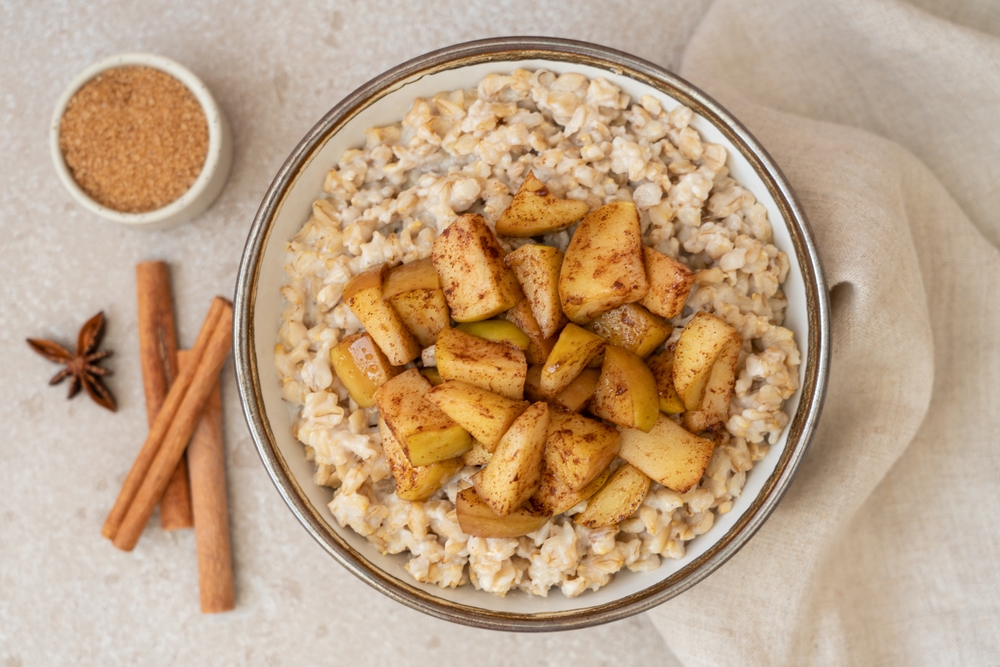
Inside your gut, many immune cells sit in close contact with the food you eat, so fiber rich choices can be very helpful. Beans, lentils, oats, vegetables, and fruits feed helpful gut bacteria, which in turn can support a balanced immune response. Warm soups, stews, and grain bowls work well in winter and make it easy to mix in beans and vegetables. Even adding a spoonful of oats to yogurt or an extra serving of vegetables at dinner can move you in a helpful direction.
Meal habits often shift more smoothly when you upgrade dishes you already like instead of building brand new ones. Stirring beans into chili, tossing seeds onto salads, or pairing fruit with breakfast are small changes that add up over time. Drinking enough water as you increase fiber keeps digestion comfortable and regular. A gut that feels well cared for gives your immune system better support as winter slowly fades.
Get Gentle Sunlight And Fresh Air

Stepping outside for a short break can lift your mood and may quietly support your immune system. Natural light helps your body clock stay on track, which then supports deeper sleep at night, and that sleep helps immune cells work well. Even ten to fifteen minutes on a porch, balcony, or quiet sidewalk can make your day feel different. Slow, relaxed breathing in cool air often eases the stuffy feeling that comes from heated rooms.
Outdoor time fits into busy days more easily when you pair it with something you already do, such as taking a call while you stroll or sipping tea outside. Dressing in layers lets you stay comfortable if the temperature shifts. In sunny places, early morning or later afternoon light can be gentler on your skin, especially with clothing or sunscreen. These small outdoor moments give your mind a break and your body a helpful nudge toward a steadier rhythm.
Use Short Relaxation Breaks To Lower Late Winter Stress

High stress levels during late winter can wear you down and may affect how your immune system responds. Simple calming breaks such as slow breathing, quiet prayer, easy stretching, or a few lines in a journal can help your body settle. You do not need long sessions for this to matter, because even two or three minutes can shift how you feel. Choosing one or two techniques that feel natural makes it easier to return to them each day.
Daily life becomes more manageable when calming moments are tied to familiar points in your schedule, like before breakfast, after work, or just before bed. Sitting comfortably, resting your hands on your lap, and paying attention to your breath for a few cycles can soften tension. Some people like to list small things they feel grateful for, which gently changes the focus of the mind. When stress levels ease, sleep, digestion, and immune balance often improve as well.
Use A Humidifier and Saline To Protect Dry Airways

In many homes, heaters leave the air dry, which can irritate your nose and throat and make them feel more sensitive. A cool mist humidifier, cleaned regularly, adds gentle moisture back into the room and helps breathing feel more comfortable. Saline nasal sprays or rinses can wash away dust and help keep nasal tissues from drying out. These tools are simple enough that they can slide right into a late evening routine.
Airway care tends to work best when it follows a repeating pattern, such as refilling and cleaning the humidifier around the same time every day. Placing the machine where the mist can spread but not soak furniture helps the room feel more pleasant. Keeping saline spray near your bed or coat rack makes it easier to remember after time in crowded public spaces. A nose and throat that feel less dry give your body a kinder first barrier against winter germs.
Create An Evening Screen Wind Down

Late night screen time can keep your brain alert when your body needs to move toward sleep and nightly repair. Setting a gentle limit for phones, tablets, and computers about thirty to sixty minutes before bed gives your mind time to slow down. Filling that window with calm activities such as reading, stretching, drawing, or quiet conversation encourages relaxation. Better wind down habits often lead to deeper sleep, which supports immune function.
Evening routines feel easier to keep when your bedroom holds non screen options within easy reach, such as a book, puzzle, or notebook. Leaving chargers in another room can make it less tempting to scroll in bed. When screens must be used late, lowering brightness and choosing light content can help reduce stimulation. Over time, a calmer end to the day often brings clearer mornings and a stronger base for immune health.
Build Warm Nourishing Meals

On cold days, warm meals that include vegetables, whole grains, and protein give your body steady fuel and nutrients. A simple way to think about your plate is half vegetables, a portion of whole grains like brown rice or oats, and a portion of protein such as beans, lentils, fish, eggs, or lean meats. Soups, stews, and stir fries make this pattern easy, because you can mix all parts into one dish. Herbs, spices, and a small amount of healthy fat add flavor and satisfaction.
Meal planning feels more doable when you choose one or two base recipes for the week and swap in different vegetables or proteins. Cooking a larger pot of soup or stew on a day off and saving portions in the fridge or freezer gives you fast, nourishing choices on busy nights. Keeping washed greens, chopped vegetables, and simple proteins near the front of your fridge makes them the first thing you see. Regular warm meals with a good mix of foods help your body stay ready to handle late winter challenges.
Do Light Stretching To Keep Your Body Moving

Hours of sitting indoors can leave muscles stiff and joints uncomfortable, which may discourage you from moving at all. Gentle stretching loosens tight spots, supports blood flow, and can bring a sense of alertness without much effort. Simple movements such as rolling your shoulders, turning your neck slowly, reaching side to side, and stretching your calves fit easily into small spaces. These kinds of motions do not need special equipment and can be done in regular clothes.
Movement breaks become easier to remember when you match them with daily moments, like after finishing a work block, after lunch, or before brushing your teeth at night. Setting a short timer for five minutes keeps the habit brief and realistic instead of overwhelming. Letting your breath stay slow and steady while you stretch often makes the practice feel more calming. Light stretching through the day keeps your body from feeling stuck and supports the other habits that help your immune system.
Keep A Simple Health and Medication Check Routine

Late winter is a good season to stay on top of any health plans your doctor has given you, because stable long-term conditions place less strain on your immune system. Taking daily medicines on schedule, using inhalers correctly, and following other instructions helps your body stay as balanced as possible. A pill organizer, small checklist, or quiet phone reminder can keep everything in view without much effort. When health tasks are handled regularly, seasonal sickness often feels easier to manage.
Personal routines around health care can feel smoother when you review them briefly at the same time each day, such as after breakfast or before bed. Writing down symptoms, questions, or changes in a notebook gives you clear information to share at appointments. Keeping contact details for your clinic where you can see them removes one more small barrier to asking for help if something feels off.
This article originally appeared on Avocadu.