
15 Late Winter Hair Care Tips for Static, Frizz, and Hat Hair
Late winter can be a frustrating time for hair, especially when dry air, cold winds, and constant hat wearing start to show. Static, frizz, and flattened sections tend to appear no matter how much time you spend styling. Hair often feels drier and less cooperative during this part of the season. Small changes to daily habits can make a noticeable difference in how hair looks and feels. Paying attention to moisture, gentle handling, and winter accessories helps hair behave better. These tips focus on keeping hair smoother and easier to manage as the season winds down. With the right approach, hair can feel more comfortable and look more put together through late winter days.
This post may contain affiliate links, which helps keep this content free. Please read our disclosure for more info.
Use a Lightweight Leave-In Conditioner
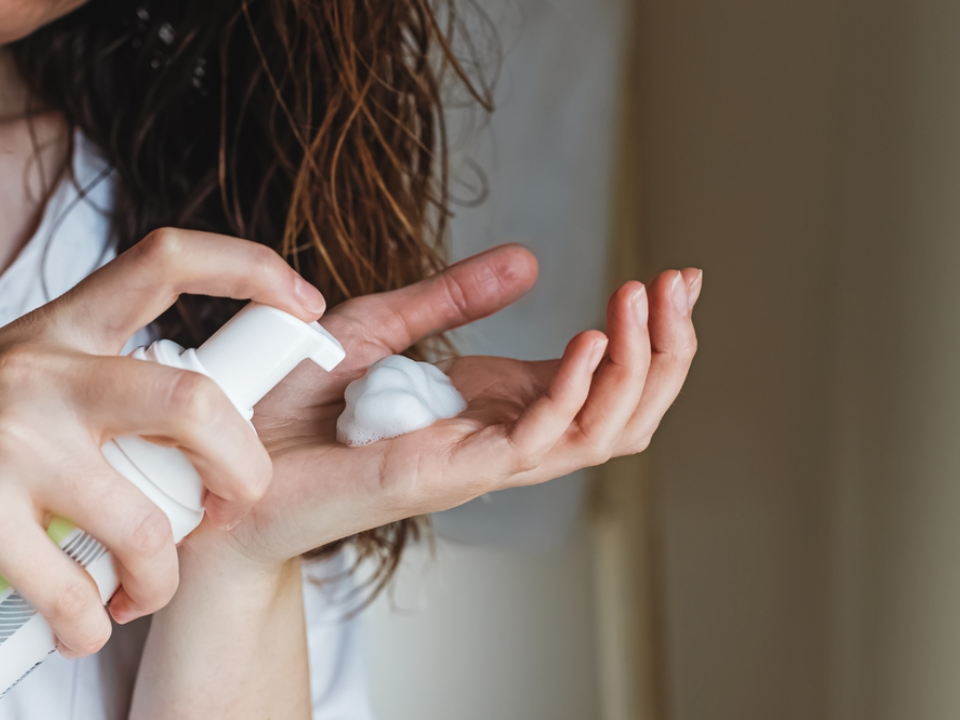
Late winter air pulls moisture from hair, which often leads to static and a rough feel. A lightweight leave in conditioner helps soften strands without making hair heavy. It’s a 10 Miracle Leave In Lite is a popular option and usually costs around $26 to $30. Applying it to damp hair helps it spread evenly. Focusing on the mid lengths and ends targets the driest areas first. Hair feels smoother under hats and scarves. Flyaways caused by friction appear less often.
Using a small amount keeps hair from feeling weighed down. Warming the product between your hands helps with even coverage. Hair moves more naturally instead of clinging together. This makes daily styling less frustrating. Over time, hair looks calmer and feels softer. This product works well for most hair types. It fits easily into a late winter routine.
Switch to a Microfiber Towel or Cotton T Shirt
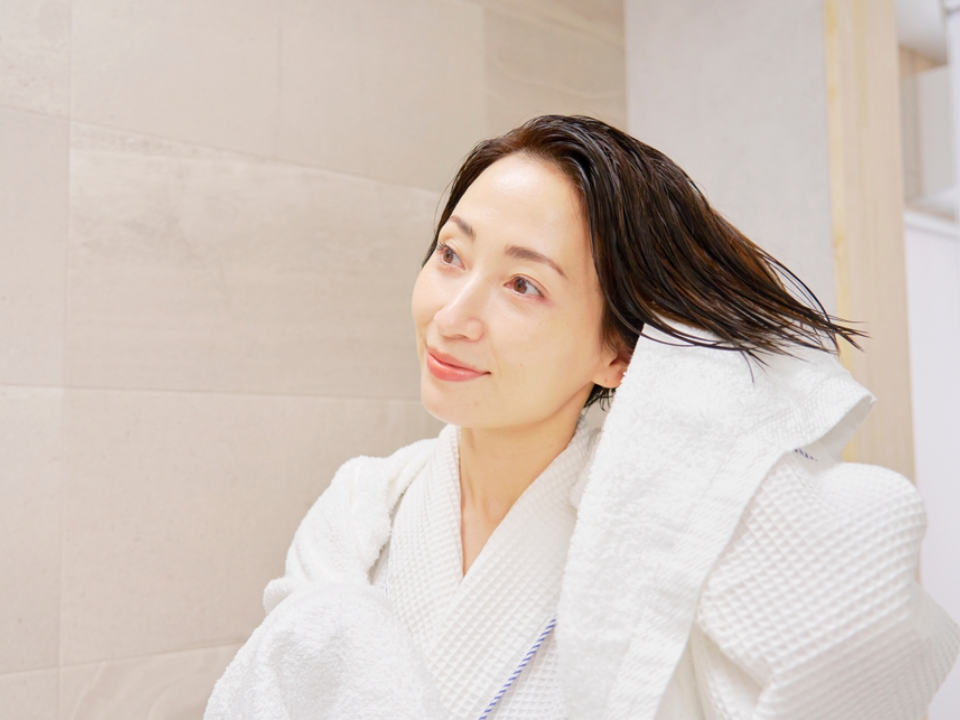
Regular bath towels can rough up hair and increase frizz during cold months. A microfiber option like the Aquis Rapid Dry Hair Towel is gentler and costs about $30 to $35. Pressing water out instead of rubbing keeps strands aligned. This helps hair dry smoother overall. Breakage becomes less common with repeated use. Hair feels softer right after washing. Frizz becomes easier to manage.
This method works well for straight, wavy, or curly hair. It helps natural texture stay intact. Hair styles last longer with less effort. Flyaways show up less during the day. Hair feels less stressed after washing. This small switch has visible results. Many people notice improvement quickly.
Avoid Overwashing During Cold Weeks
Washing hair too often removes natural oils that help protect against dryness. Late winter already leaves hair thirsty, so spacing out washes helps. Natural oils keep strands flexible and smoother. Living Proof Perfect Hair Day Dry Shampoo helps extend wash days and costs about $28 to $34. It refreshes roots without stripping moisture. Hair sits better after wearing hats. Ends feel less brittle.
Using dry shampoo lightly avoids buildup. This routine supports better texture over time. Hair feels less tight after wash days. Frizz linked to dryness becomes less noticeable. Styling feels easier between washes. Hair holds its shape longer. This habit works well during colder weeks.
Dry Hair Fully Before Putting on a Hat
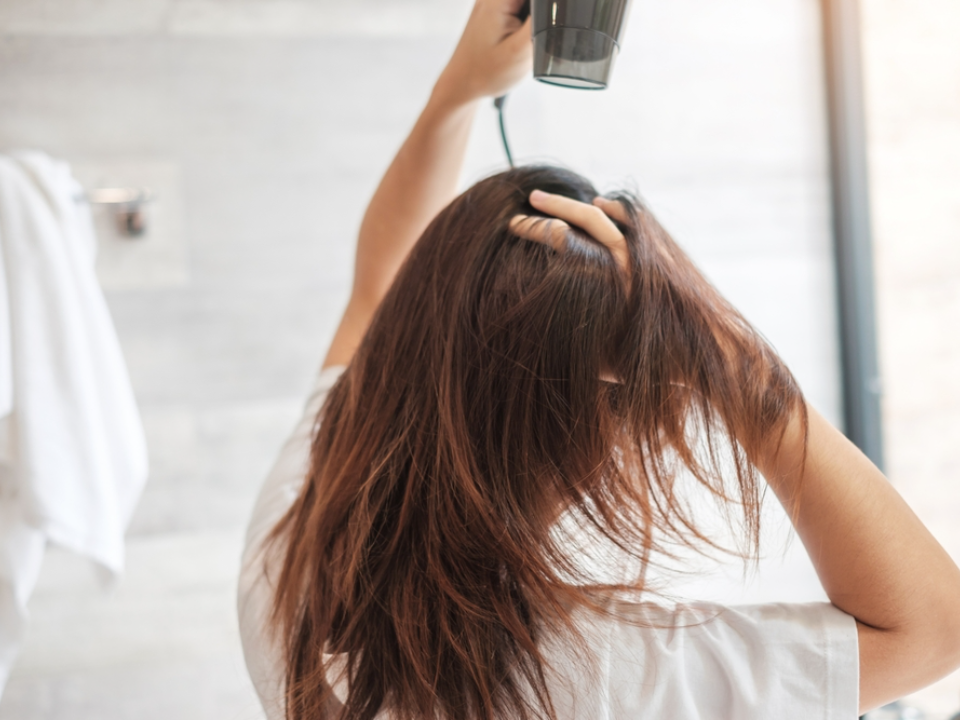
Wearing a hat over damp hair traps moisture and causes flat spots. Hair dries in the shape it is pressed into, which leads to odd bends. Allowing hair to dry fully helps prevent this. Even partial air drying makes a difference. A Dyson Supersonic Hair Dryer helps speed things up and costs around $399 to $430. Hair keeps its shape longer. Styles look better after hat removal.
Focusing on the roots first helps avoid flattening. Letting hair cool indoors helps it settle. Frizz caused by trapped moisture shows up less. Hair looks smoother throughout the day. This step prevents styling frustration later. A few extra minutes matter. Hair behaves more predictably afterward.
Use a Wide Tooth Comb Instead of a Brush
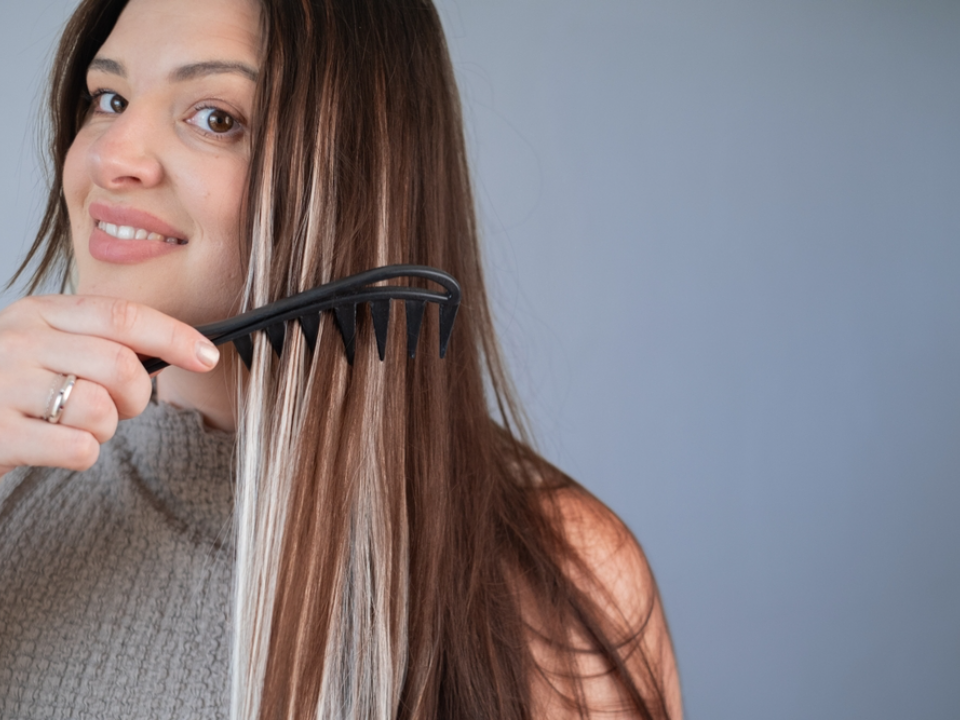
Brushing dry winter hair often creates static. A wide tooth comb like the Conair Shower Comb costs about $3 to $6 and moves through hair gently. It causes less pulling and breakage. This keeps strands aligned. Starting at the ends protects fragile areas. Hair feels smoother after combing. Flyaways appear less often.
This tool works on damp or dry hair. It helps preserve natural texture instead of puffing hair out. Hair settles more naturally during the day. It works well for fine or thick hair. Static becomes easier to manage. Hair feels healthier over time. This simple switch helps winter hair days.
Apply Hair Oil Sparingly to the Ends
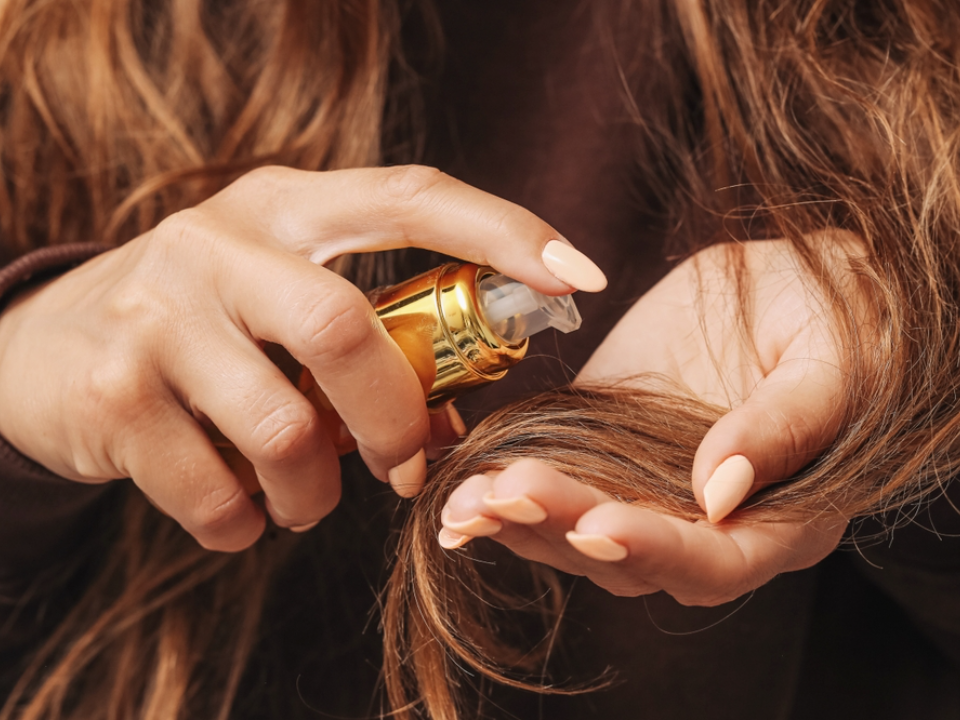
Dry ends stand out more during late winter. A small amount of hair oil helps soften them. Moroccanoil Treatment Light is a common choice and costs around $34 to $38. Applying it only to the ends avoids greasy roots. Warming the oil between your hands helps with even use. Hair feels smoother to the touch. Static caused by dryness becomes less noticeable.
Using too much can weigh hair down. A few drops are usually enough. Ends appear less frayed during the day. Hair moves more naturally under winter layers. This step adds flexibility to dry strands. It fits easily into daily care. Hair looks healthier with regular use.
Lower the Heat on Styling Tools
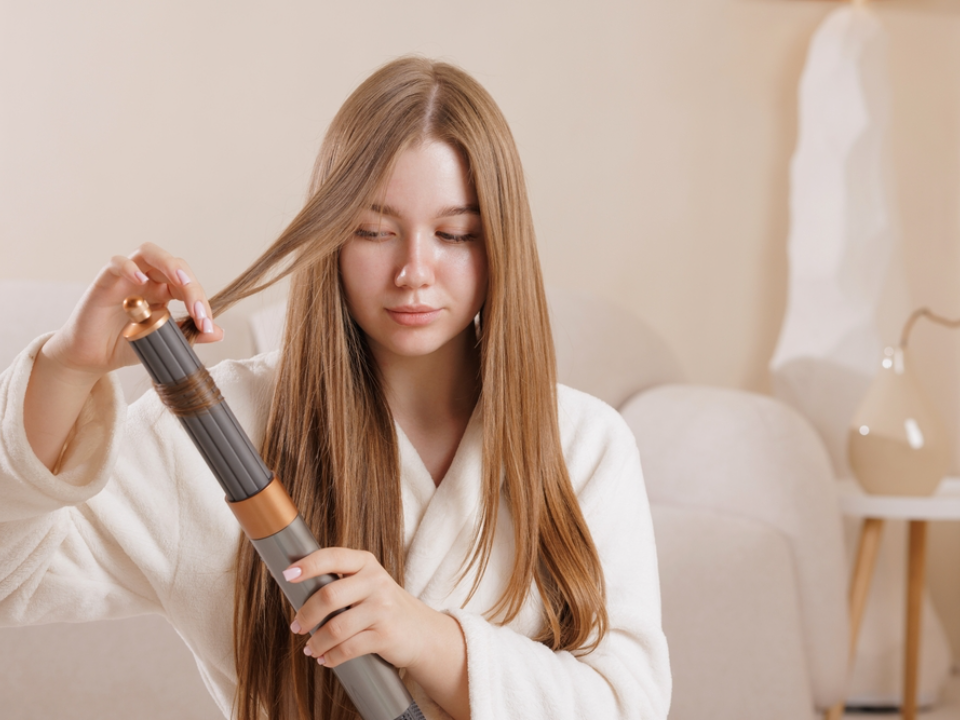
High heat worsens dryness during cold months. Lowering the temperature helps protect hair. Tools like the GHD Platinum Plus Styler adjust heat automatically and cost around $249 to $279. Hair still styles well at moderate heat. Brittle texture shows up less often. Static becomes easier to manage. Hair looks smoother after styling.
Lower heat helps hair retain moisture. Breakage becomes less noticeable over time. Hair feels softer instead of stiff. This habit supports better daily styling. Winter hair feels calmer. Heat damage is reduced. Hair responds better to gentler care.
Add a Weekly Moisture Mask
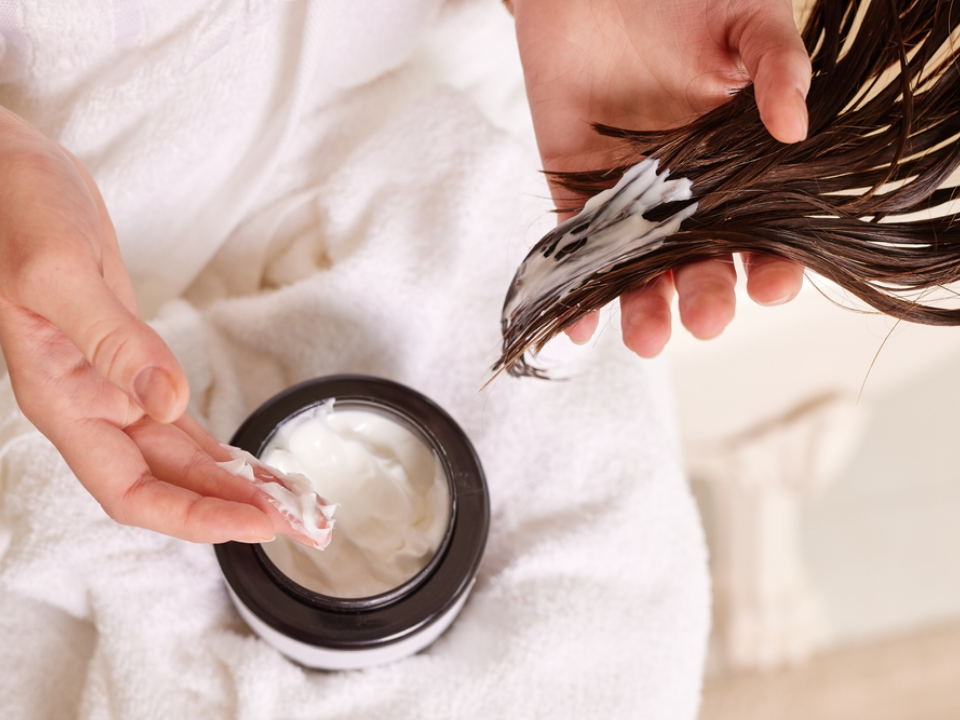
Late winter conditions call for deeper moisture care. A weekly mask helps restore softness lost to dry air. Briogeo Don’t Despair Repair Mask costs around $36 to $40. Applying it after shampooing improves absorption. Leaving it on for several minutes helps strands soften. Hair feels smoother after rinsing. Styling becomes easier.
Regular use improves flexibility. Hair reacts less to static. Dryness becomes less visible. This works well with lighter daily products. Hair feels more comfortable overall. Late winter care feels more manageable. This habit supports long term softness.
Trim Split Ends Before They Get Worse
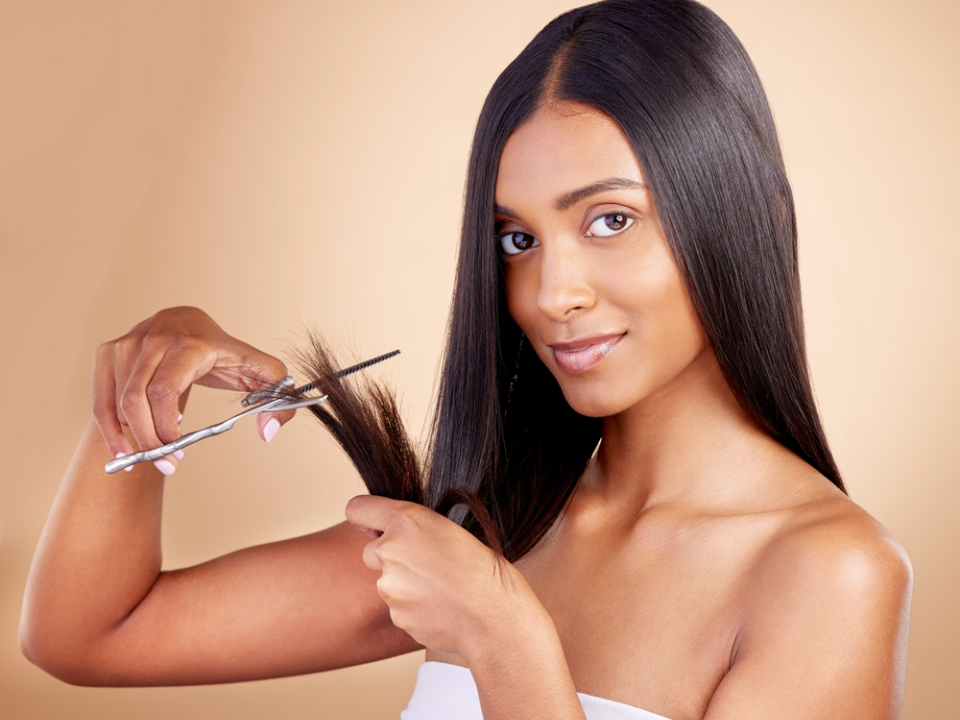
Dry air makes split ends more noticeable during late winter. Trimming helps stop damage from spreading. Even a small trim refreshes hair. Hair looks neater right away. Styles fall into place more easily. Frizz appears reduced. Hair feels lighter overall.
Waiting too long can make ends look rough. Regular trims support smoother brushing. Hair reacts less to dryness. Fewer products are needed to hide damage. This step keeps hair tidy. It supports better daily styling. Hair feels healthier overall.
Avoid Plastic Brushes That Create Static
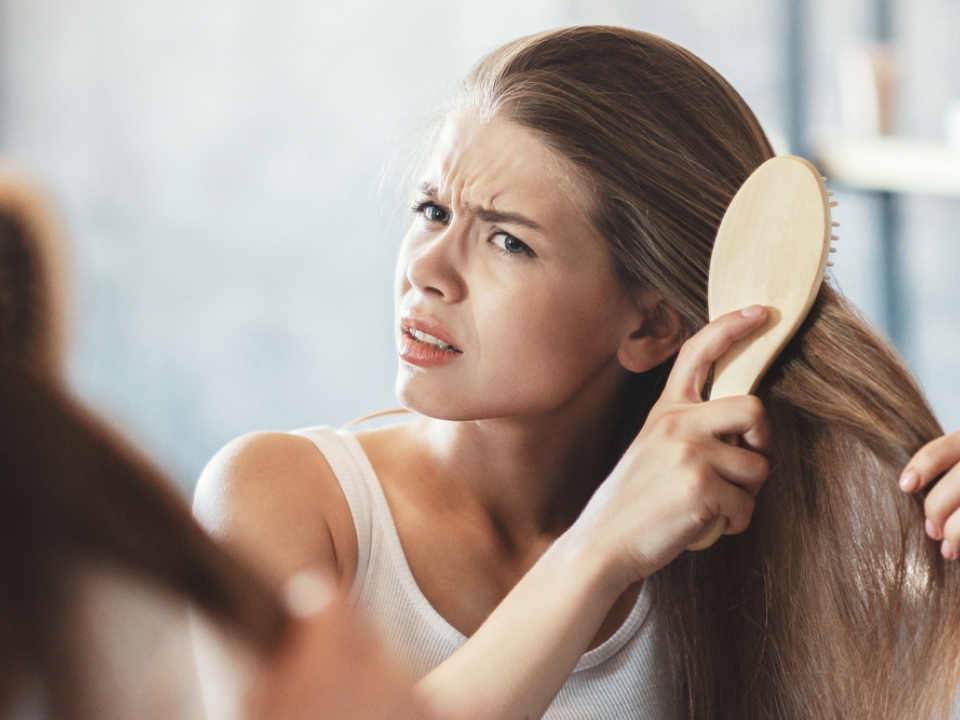
Plastic brushes often increase static in dry air. Natural bristle brushes help reduce that reaction. Mason Pearson brushes are a well known option and range from $120 to $240. They help spread natural oils evenly. Hair lies flatter after brushing. Flyaways are reduced. Hair feels smoother.
This helps before heading outdoors. Hair stays calmer under hats. Brushing feels gentler. Puffiness appears less often. Styling becomes easier. Hair reacts less to dry air. This change supports daily comfort.
Use Lukewarm Water When Washing
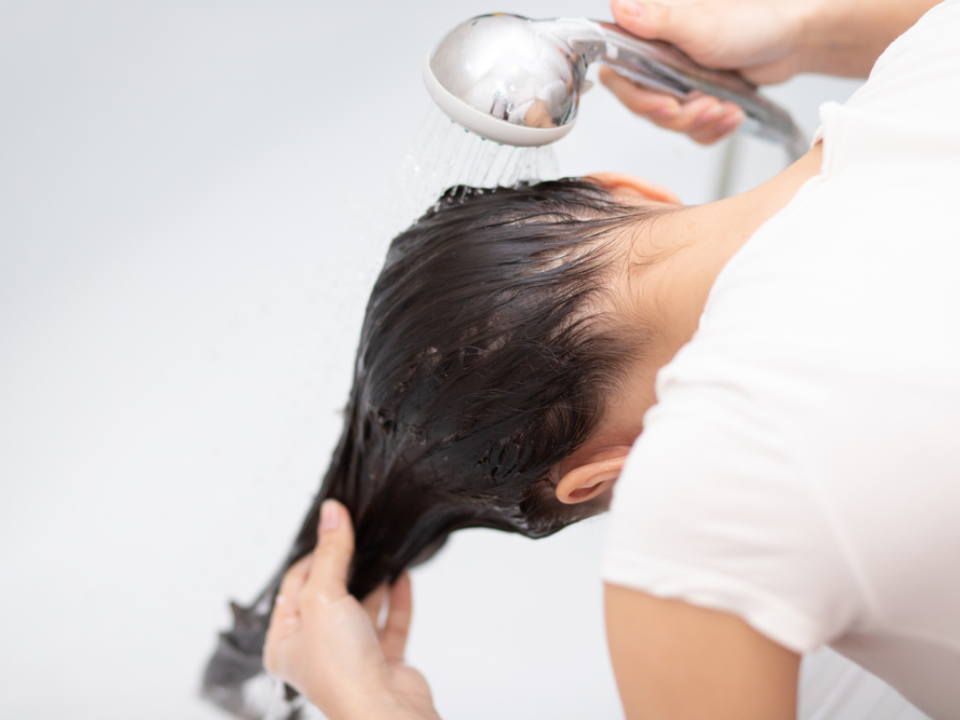
Hot water strips moisture quickly. Lukewarm water is gentler on hair during winter. Hair feels softer after rinsing. Scalp comfort improves. Hair does not feel tight. Ends appear smoother. Washing feels less harsh overall.
This habit supports better moisture balance. Hair is easier to manage after drying. Dryness shows up less over time. This works well during colder months. Hair stays calmer. This change is easy to maintain. Results are noticeable.
Use Anti-Static Hair Spray Lightly
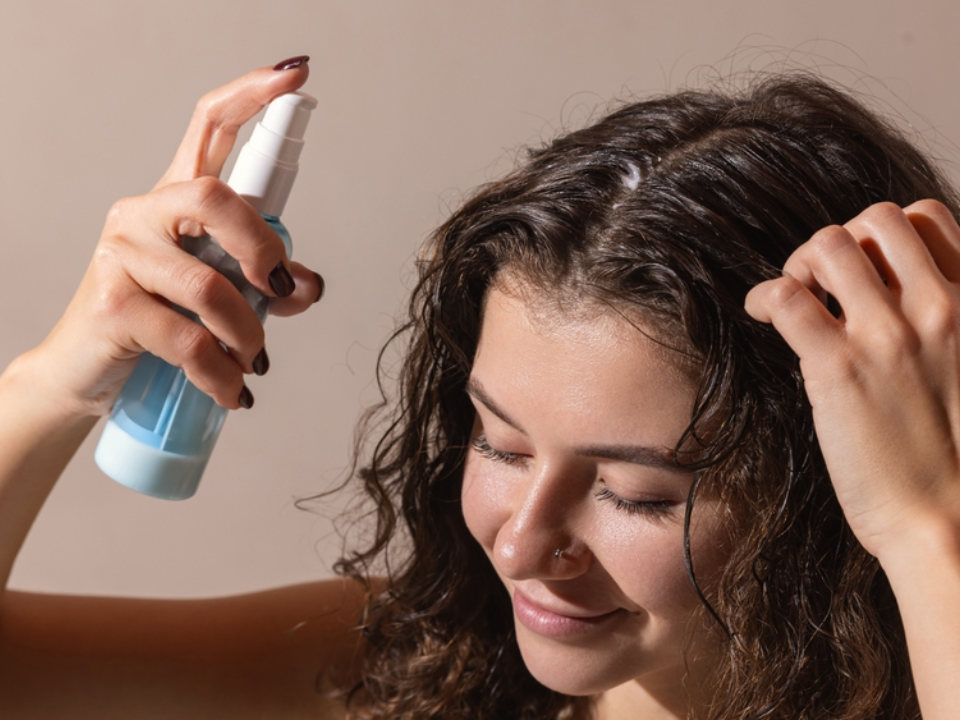
Late winter air often causes hair to cling. Anti-static sprays help calm this effect. Oribe Static Control Spray costs around $38 to $42. Using it lightly avoids stiffness. Spraying onto hands helps control placement. Flyaways smooth down easily. Hair still moves naturally.
This works well before putting on coats or scarves. Hair behaves better under layers. Static becomes easier to manage. Indoor dry air causes fewer issues. A light hand works best. Hair looks neat longer. This step fits into daily styling.
Avoid Tight Ponytails Under Hats

Tight styles under hats often leave dents. Winter fabrics increase pressure on hair. Loose ponytails or braids reduce this problem. Hair bounces back more easily. Breakage near the hairline is reduced. Comfort improves during long wear. Hair feels less stressed.
Loose styles work better with thick hats. Hair stays smoother afterward. Flat spots appear less often. This helps hair look natural later. Gentle styling supports healthier strands. Comfort improves throughout the day. Winter hair feels easier to manage.
Protect Hair When Wearing Scarves
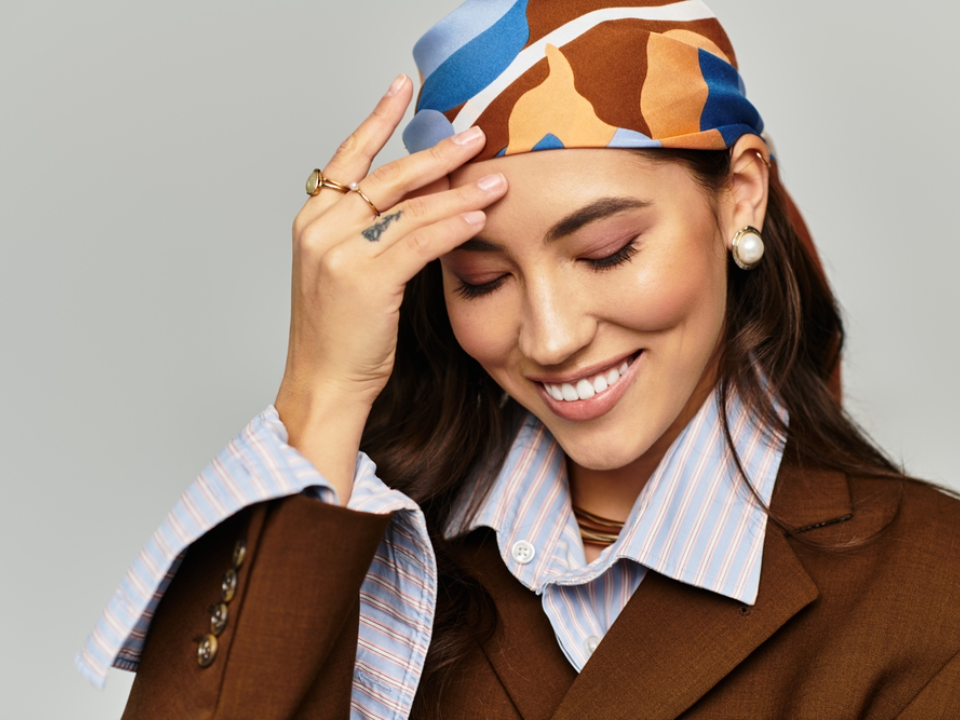
Scarves rub against hair and create friction. Late winter layers make this worse. Tucking hair loosely reduces contact. Smooth fabrics help further. Hair stays smoother during the day. Tangles near the neck appear less often. Hair feels less stressed.
This habit works well in windy weather. Hair moves more freely. Frizz caused by rubbing shows up less. Styles last longer. Hair feels more comfortable after wear. Winter layers become easier to manage. Small changes reduce daily hair trouble.
Finish With a Gentle Styling Cream
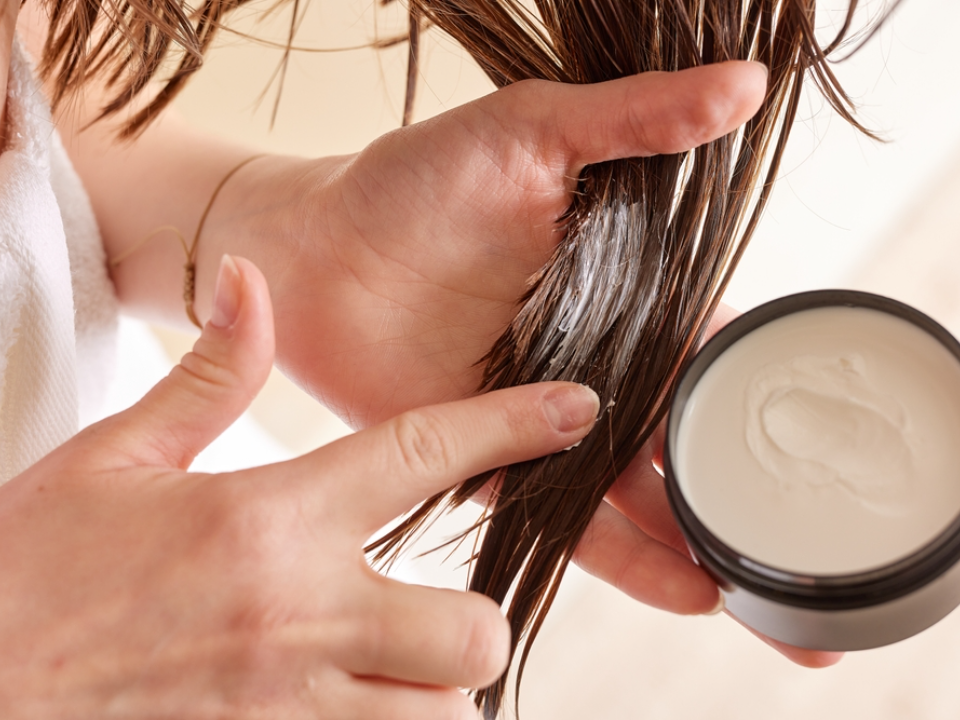
A gentle styling cream helps manage late winter frizz. Kristin Ess Styling Cream costs around $12 to $16. Using a small amount keeps hair soft. Applying it to dry hair smooths flyaways. Focus on areas prone to dryness. Hair looks more polished. This works well after removing hats.
This product helps hair hold shape longer. It works well for everyday styles. Hair stays calmer in dry air. Too much can weigh hair down. A light touch gives the best result. This final step supports neat winter hair. Hair looks steady throughout the day.
This article originally appeared on Avocadu.