
15 Late Winter Greens That Grow Fast in Cool Temps
Winter can be a tough time for gardeners, but it does not have to stop you from growing fresh greens. Many plants thrive in cool temperatures and are ready to harvest before the spring warmth arrives. You do not need a greenhouse to enjoy homegrown greens in late winter. Whether you want to add a healthy touch to your meals or start prepping for spring, these greens will fit right in.
This post may contain affiliate links, which helps keep this content free. Please read our disclosure for more info.
Spinach
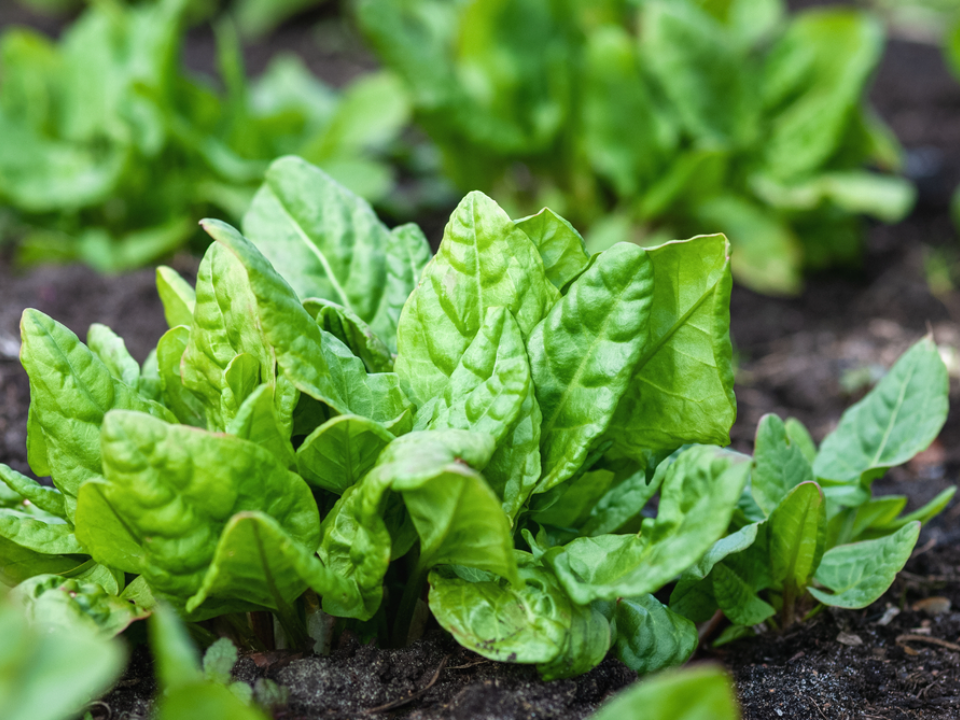
Spinach is a hardy green that thrives in cool temperatures, making it an excellent choice for late winter planting. This leafy green is known for its quick growth, especially when the weather stays cool but not freezing. Spinach will grow rapidly when planted in rich, well-drained soil and benefits from consistent moisture. It can tolerate light frosts, which means you can start harvesting fresh leaves even before the last chill of winter fades.
For optimal growth, spinach prefers partial to full sun, and it grows best in soil with a pH between 6.5 and 7.5. The leaves can be picked when they are young and tender for the best flavor, though mature plants can also be used in soups and stews. Keep in mind that spinach tends to bolt when temperatures rise, so harvesting early is key. This green is not only fast-growing but also packed with nutrients like iron, calcium, and vitamins A and C.
Arugula
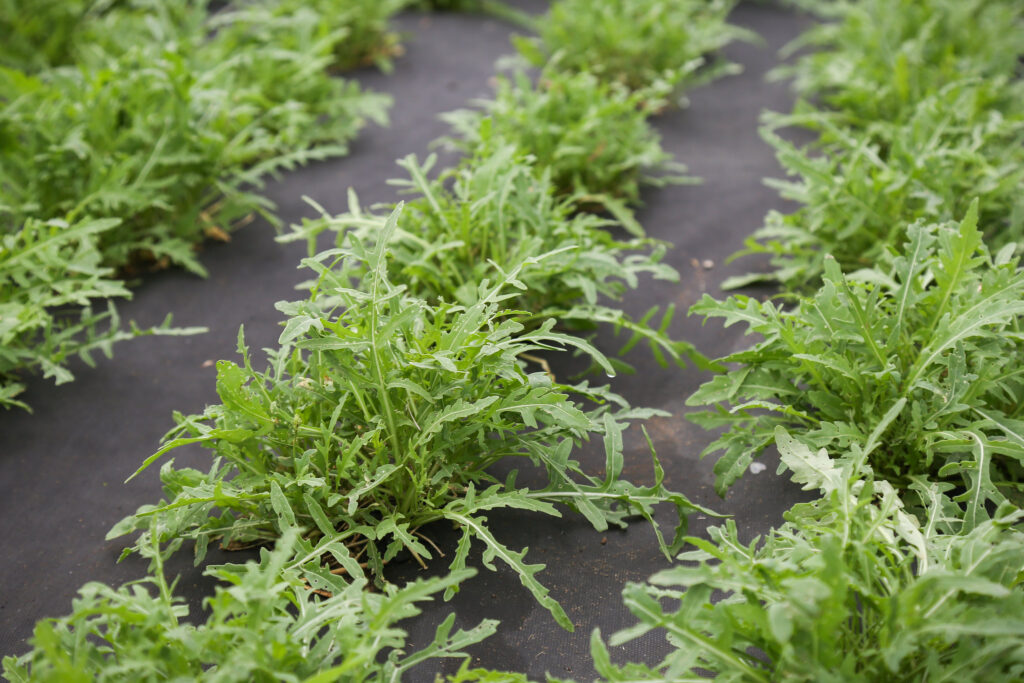
Arugula is another green that thrives in cool weather and is known for its peppery flavor. This leafy green grows quickly in late winter and can be ready for harvest in as little as three to four weeks from planting. Arugula is perfect for those looking to add a burst of flavor to their salads and dishes. It is best grown in soil that is well-drained, slightly acidic, and rich in organic matter.
Arugula can be planted directly in the ground or in containers, making it versatile for various garden spaces. The plant does well in partial to full sun and can tolerate cooler temperatures with ease. It tends to bolt in warmer conditions, so it is best to harvest early. This green not only adds a distinct flavor to your meals but is also rich in vitamins K, A, and C, providing a healthy addition to your winter garden.
Kale
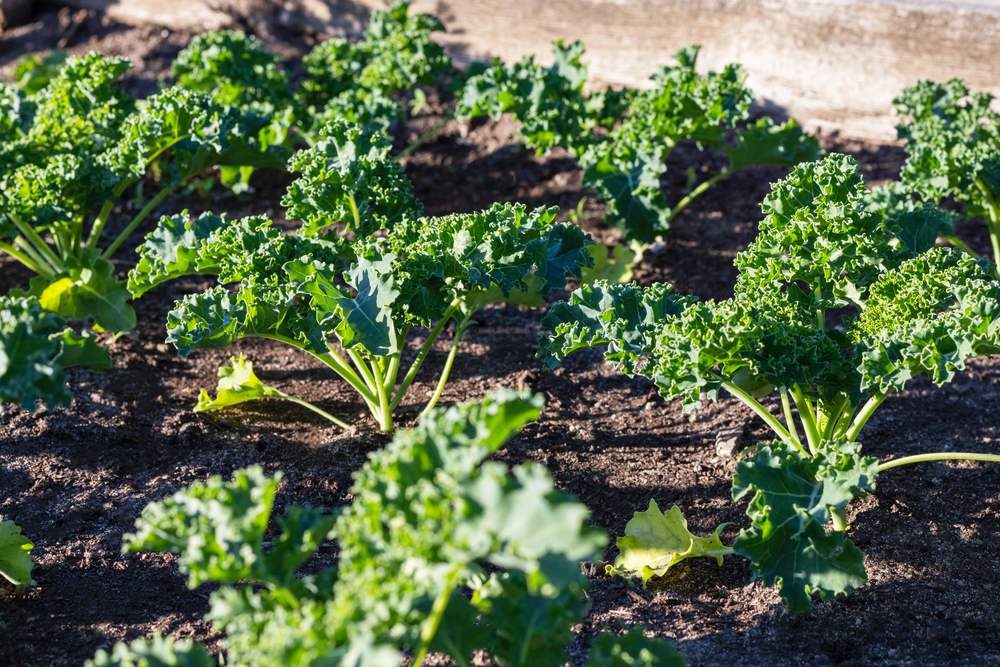
Kale is a cold-tolerant green that thrives in late winter, continuing to grow even in cooler temperatures. Known for its nutrient-rich leaves, kale is packed with vitamins and antioxidants. It grows best in soil that is nutrient-dense and well-drained, and it prefers a slightly acidic pH. Kale is ideal for gardeners who want a hearty green that can withstand frost and still produce tender leaves.
This green can be harvested as baby leaves in just a few weeks, but mature plants can provide an ongoing supply of leaves throughout the season. Kale performs best in full sun but can tolerate some shade as well. The leaves can be eaten fresh, sautéed, or used in smoothies. Kale’s ability to withstand frost makes it a reliable option for late winter, providing a healthy addition to your diet through the colder months.
Mustard Greens
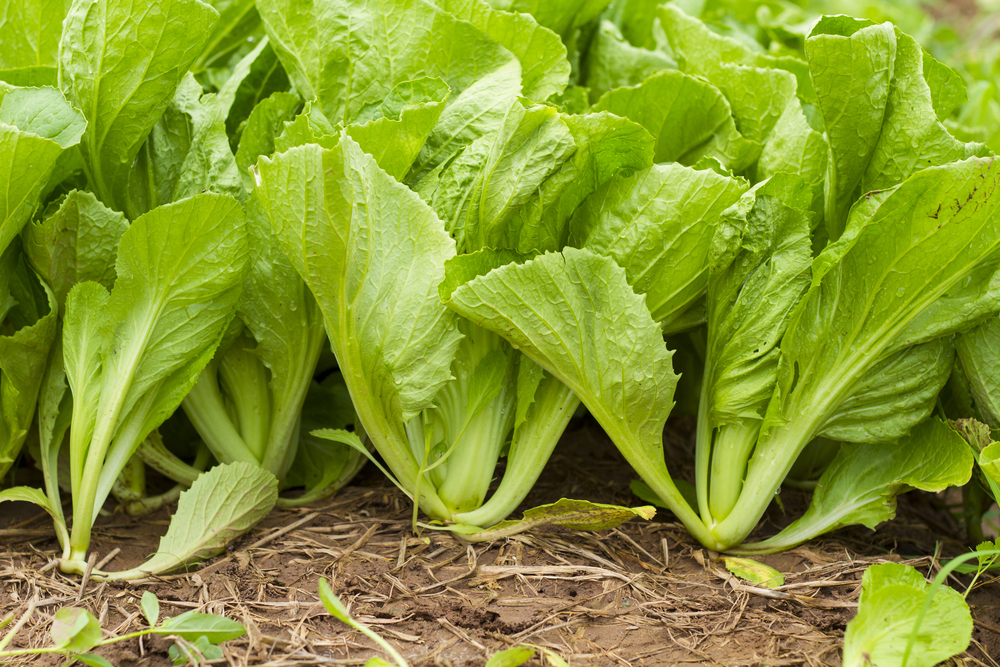
Mustard greens are well-suited for cool weather and grow quickly, often reaching harvestable size in just a few weeks. These greens have a slightly spicy flavor that adds a zing to salads and cooked dishes. Mustard greens can be grown in a variety of soil types, though they prefer rich, well-drained soil with a pH of 6.0 to 7.0. They are hardy and can survive light frosts, making them perfect for late winter gardening.
In addition to their fast growth, mustard greens are known for their high nutritional value, rich in vitamins A, C, and K. They can be sown directly into the ground or in containers, with ample space between seeds for proper air circulation. Mustard greens grow best in full sun but can also tolerate some light shade. Their vibrant leaves make them a visually appealing addition to your garden, while their health benefits make them a favorite for winter harvests.
Lettuce
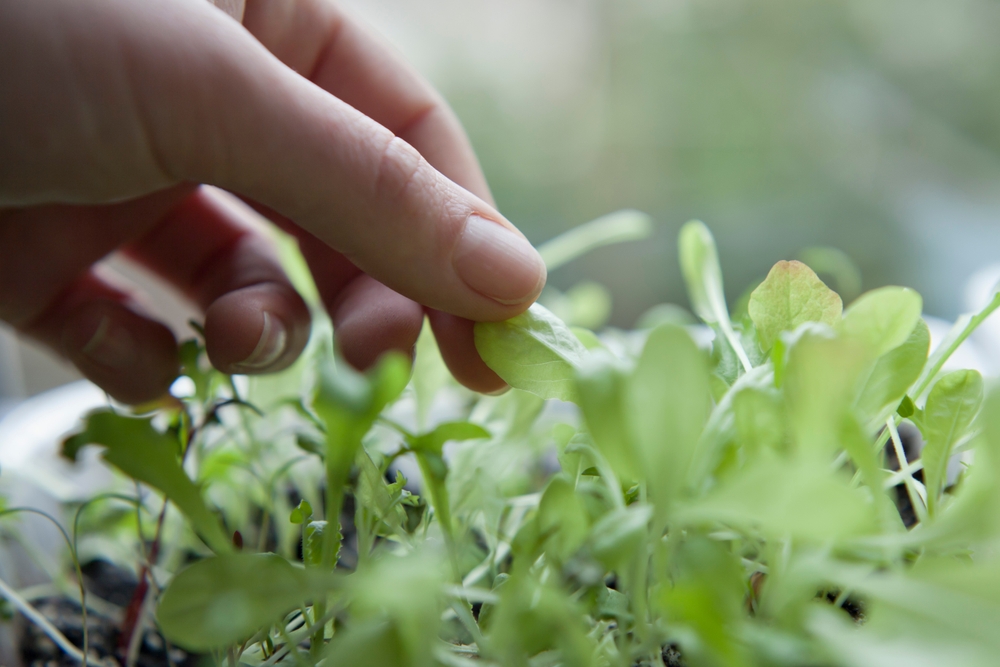
Lettuce is one of the fastest-growing greens in cooler weather, making it perfect for late winter planting. It thrives in temperatures between 45°F and 65°F, where it will grow quickly and remain tender. Lettuce requires consistent moisture and prefers slightly acidic soil. This green can be grown in both raised beds and containers, which makes it ideal for gardeners with limited space.
For best results, plant lettuce in soil that is loose and well-drained, and ensure it gets plenty of sunlight, although it can tolerate some shade. Lettuce can be harvested as soon as the leaves are large enough to eat, typically about four to six weeks after planting. If the weather warms up too quickly, lettuce may begin to bolt, so it is best to harvest early for the freshest taste. Whether enjoyed in salads or sandwiches, lettuce is a reliable and quick-growing green for late winter.
Swiss Chard
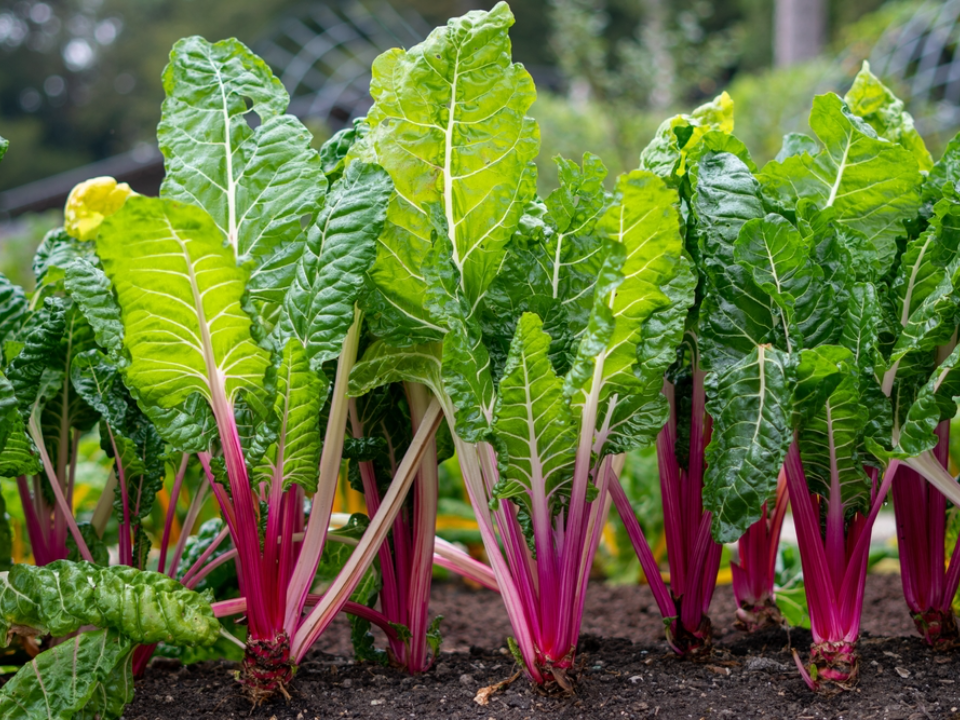
Swiss chard is a nutrient-packed green that is perfect for growing in cool temperatures. This plant is known for its colorful stems and large, tender leaves that are rich in vitamins and minerals. Swiss chard grows quickly in well-drained, nutrient-rich soil, and it prefers temperatures between 50°F and 75°F. While it can tolerate light frosts, it will produce more vigorously in cool, consistent temperatures.
This green can be harvested throughout the winter, with leaves ready for picking as early as 30 days after planting. Swiss chard can thrive in both full sun and partial shade, making it a versatile addition to your garden. The leaves are delicious when sautéed or used in soups, and the stems can be cooked for added texture and flavor. With its beautiful colors and rapid growth, Swiss chard is a standout green that will thrive in your late winter garden.
Collard Greens
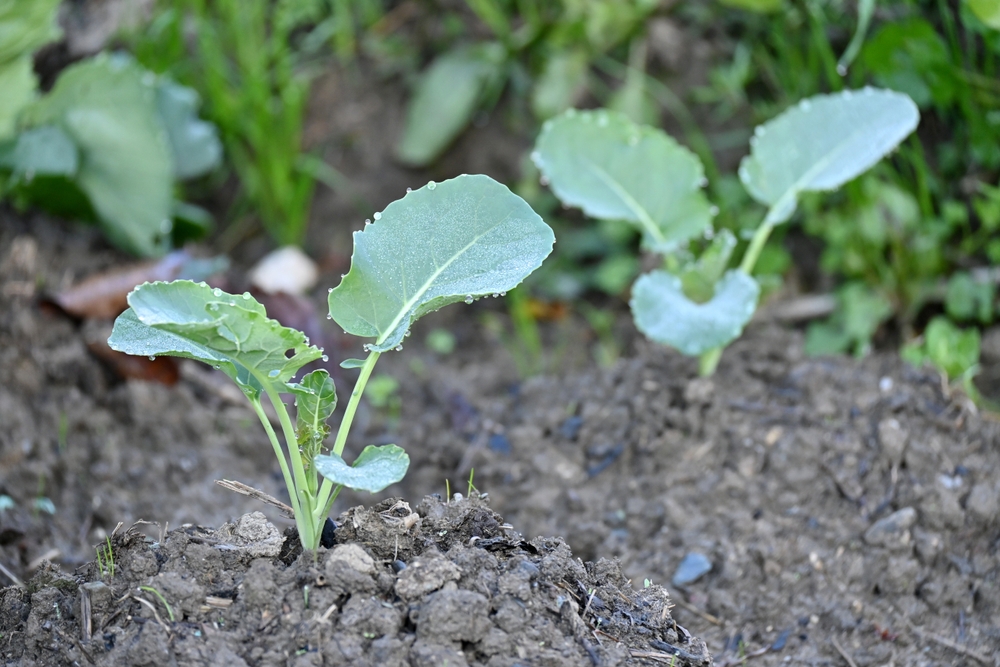
Collard greens are a cold-hardy green that grows well in late winter and early spring. They are known for their thick, dark green leaves that are full of nutrients. Collards prefer well-drained, fertile soil and grow best in full sun, although they can tolerate some shade. This vegetable thrives in cool weather, making it a great choice for gardeners looking to grow something hearty through the winter months.
Collard greens take a bit longer to mature compared to other greens, but their rapid growth during cooler weather ensures a bountiful harvest. The leaves can be harvested young for tender greens or left to grow larger for a heartier texture. Collards are rich in vitamins A, C, and K, providing great nutritional value. Whether used in southern-style dishes or sautéed with garlic, collard greens are an excellent choice for late winter gardening.
Pea Shoots
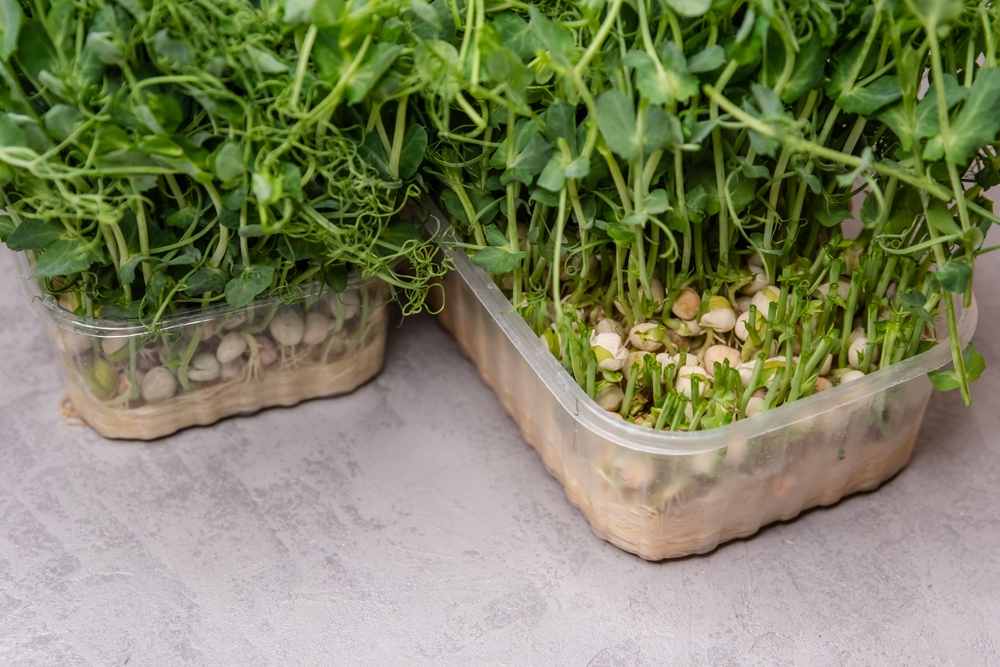
Pea shoots are a fast-growing green that can be harvested in just a few weeks after planting. They are tender and mild in flavor, making them an excellent addition to salads or as a garnish for various dishes. Pea shoots grow well in cool temperatures and can be grown in containers or garden beds. They prefer soil that is rich in organic matter and well-drained.
These greens grow quickly and can be harvested as soon as the first leaves appear. Pea shoots do well in full sun but can also tolerate some shade. Their sweet, crisp taste makes them a favorite in both raw and cooked dishes. Pea shoots provide a healthy dose of vitamins and minerals, making them a valuable addition to your late winter garden.
Endive
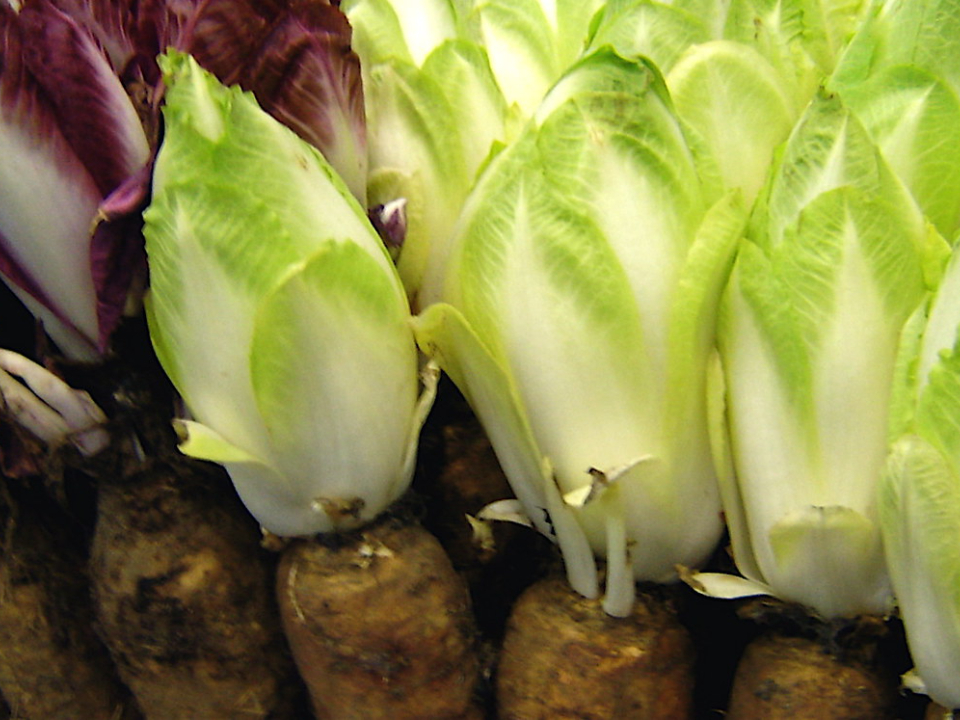
Endive is a hardy green that thrives in the cooler temperatures of late winter. This plant is known for its slightly bitter taste, which adds depth to salads and other dishes. Endive prefers well-drained soil and does best in full sun, though it can tolerate light shade. It is a relatively fast grower, especially when the temperature stays cool but not freezing.
This green can be harvested in about six weeks, with leaves that become larger and more flavorful as they mature. Endive is rich in vitamins A and K, as well as fiber and antioxidants. It can be grown in a variety of climates and is easy to care for. Whether used in fresh salads or sautéed as a side dish, endive is a versatile green to grow during late winter.
Mizuna
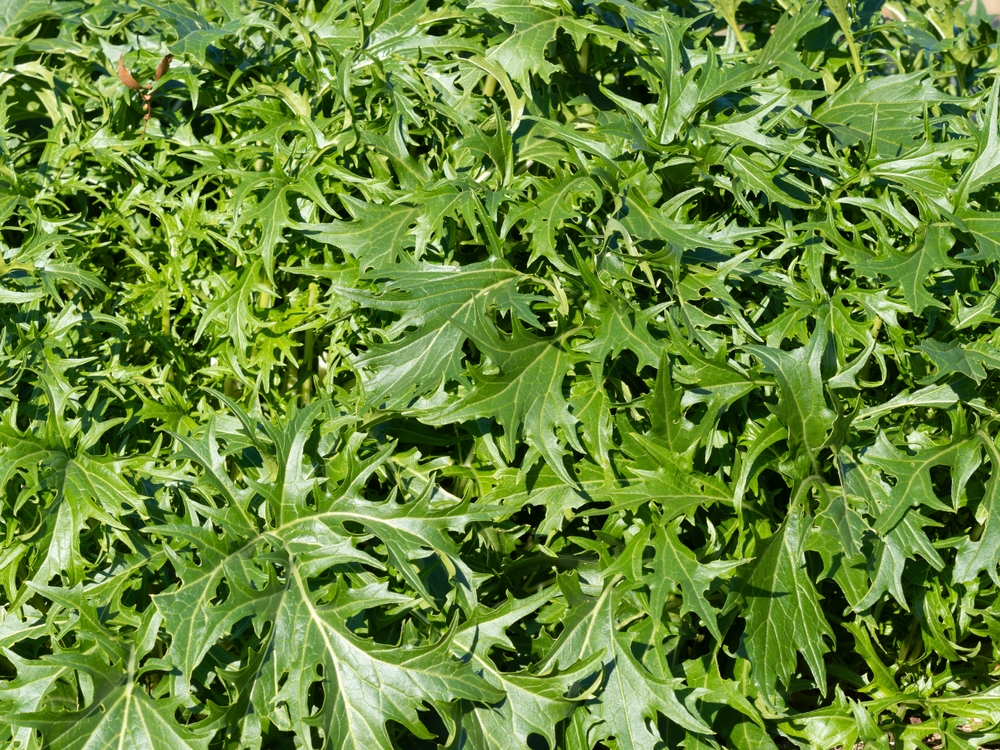
Mizuna is a Japanese mustard green that grows quickly in cool temperatures. Known for its delicate, slightly peppery flavor, mizuna is a perfect addition to winter salads. It prefers well-drained, fertile soil and can be grown in both containers and garden beds. Mizuna thrives in temperatures between 45°F and 60°F, making it ideal for late winter gardening.
This green is a fast grower, reaching harvestable size in just three to four weeks. The leaves can be picked when they are young and tender for the best flavor, though they can also be left to grow larger. Mizuna is packed with vitamins A, C, and K, providing a healthy and flavorful addition to your meals. Its versatility and rapid growth make it a great choice for gardeners looking to grow greens in late winter.
Bok Choy
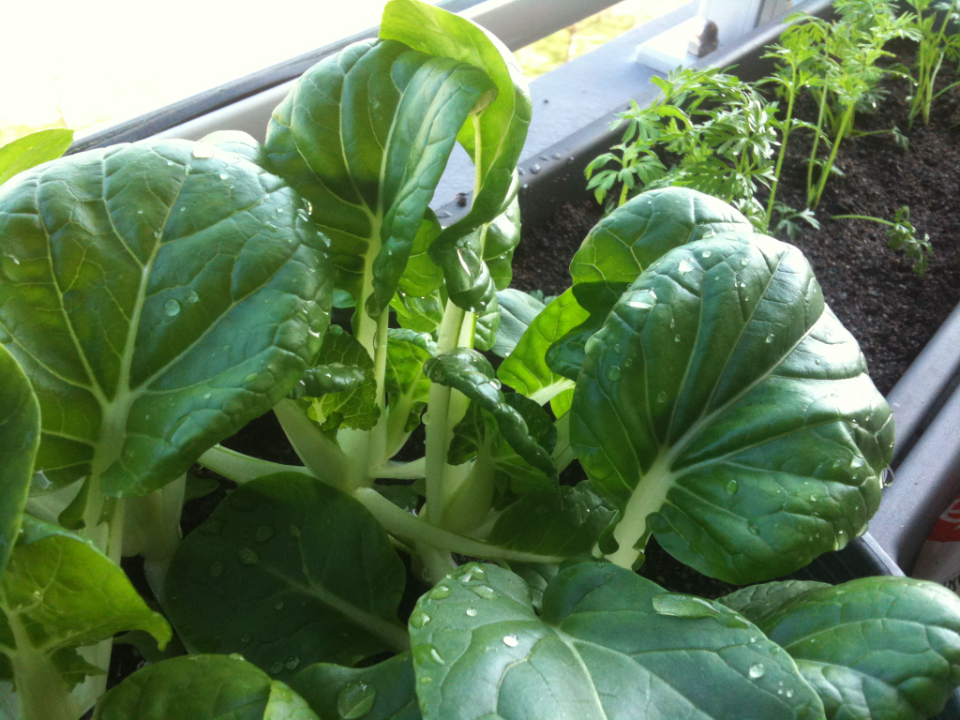
Bok choy is a cool-weather green that grows rapidly in late winter, making it a popular choice for early-season gardening. This Asian vegetable has crunchy, tender stems and dark green leaves, adding a delicious crunch to soups and stir-fries. Bok choy prefers well-drained, fertile soil and can tolerate light frost, making it ideal for late winter planting. It grows quickly, with mature plants ready to harvest in as little as six weeks.
This green thrives in full sun but can also grow in partial shade. Bok choy is a great source of vitamins A, C, and K, as well as calcium and potassium. It is perfect for gardeners looking for a green that grows fast and has a mild, pleasant taste. Harvesting the outer leaves first will allow the plant to continue producing, providing a steady supply throughout the winter months.
Cress
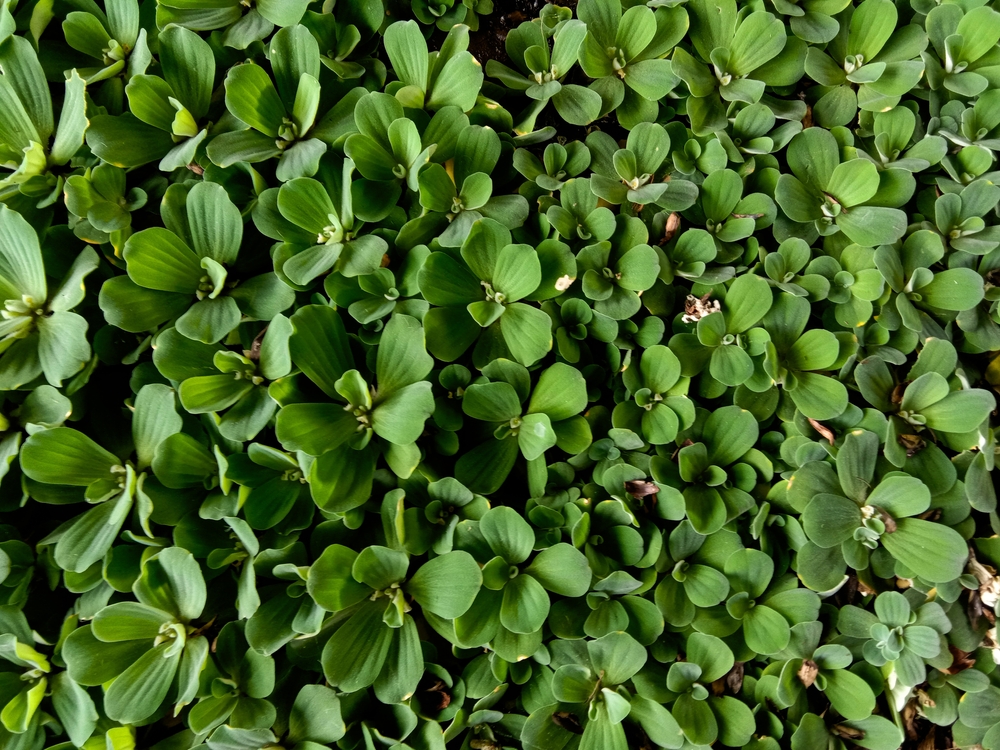
Cress is a fast-growing green that thrives in cool, moist conditions. Known for its peppery flavor, cress adds a burst of taste to sandwiches and salads. This green is one of the quickest to grow, often ready for harvest in as little as two weeks. Cress prefers rich, well-drained soil and should be kept consistently moist for optimal growth.
Cress can be grown in small spaces, making it perfect for container gardening or windowsills. It thrives in temperatures between 50°F and 60°F, and it does not require much maintenance. Cress is packed with vitamins A and C and can be used to add flavor and nutrition to various dishes. Its fast growth and easy care make it an ideal choice for late winter gardening.
Tatsoi
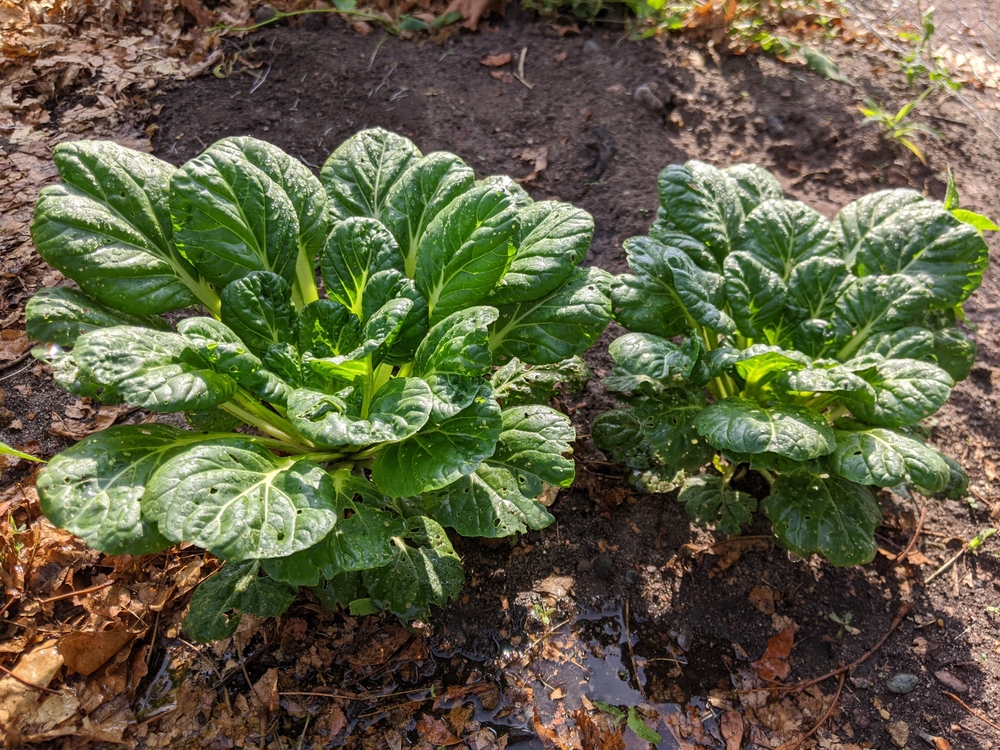
Tatsoi is a unique green that grows well in cool temperatures, making it ideal for late winter planting. This vegetable has tender, dark green leaves with a mild, sweet flavor. Tatsoi prefers nutrient-rich, well-drained soil and can grow in both full sun and partial shade. It is a fast grower, often ready for harvest in about four to six weeks.
This green is often used in Asian dishes, particularly stir-fries and soups. Tatsoi is packed with vitamins A, C, and K, as well as folate and fiber. It can be grown in containers or raised beds, making it versatile for different gardening setups. Whether eaten raw in salads or cooked, tatsoi is a delicious addition to your late winter garden.
Radicchio
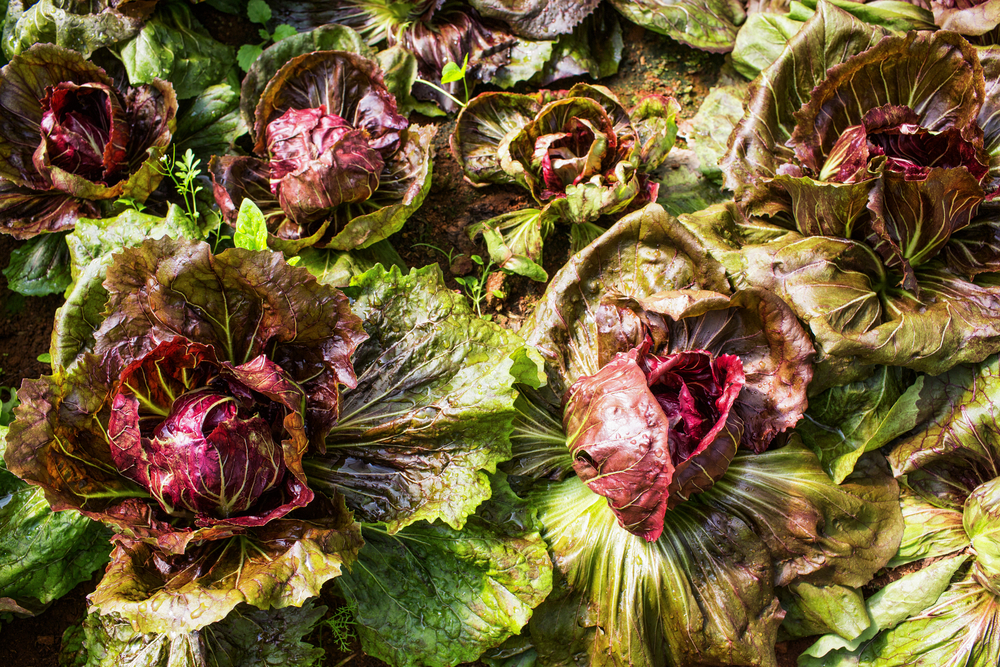
Radicchio is a cool-weather green with a distinctive, slightly bitter flavor that adds complexity to salads and dishes. This leafy vegetable grows best in late winter, thriving in temperatures between 45°F and 65°F. Radicchio prefers rich, well-drained soil and should be planted in full sun or partial shade. It grows relatively quickly, with heads forming in about 6 to 8 weeks after planting.
This green is packed with antioxidants, including anthocyanins, which give it its vibrant red color. The slightly bitter taste is often mellowed by cooking, making it a great addition to roasted vegetable dishes or grilled salads. Radicchio is often grown as a baby green for its tender leaves or allowed to mature for a more robust flavor. It is a hearty option for gardeners seeking a unique, flavorful green during the late winter months.
Sorrel
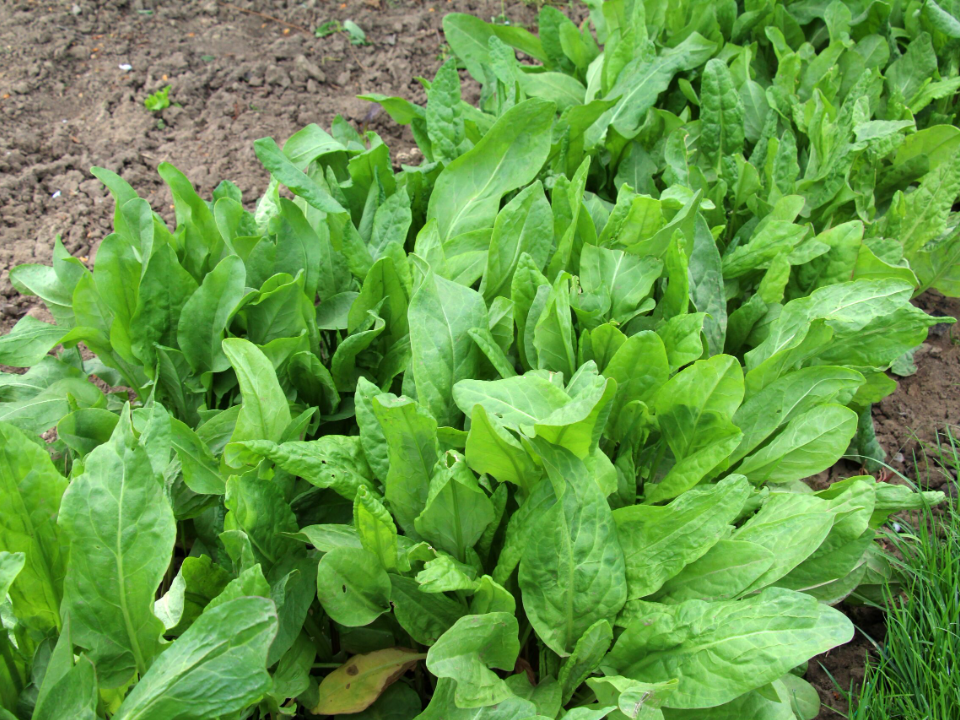
Sorrel is a fast-growing green that thrives in cool temperatures and adds a tangy, lemony flavor to a variety of dishes. It is one of the hardiest greens, surviving frost and low temperatures, which makes it perfect for late winter gardening. Sorrel grows best in well-drained soil that is rich in organic matter, and it does well in partial shade or full sun. Its rapid growth allows for early harvesting, with leaves ready to pick in about 4 to 6 weeks.
Sorrel can be harvested continuously throughout the growing season by picking the outer leaves while allowing the plant to keep growing. The young leaves are tender and mild, while older leaves have a more pronounced tartness. It is a versatile green, great in soups, salads, or as a garnish. Sorrel is also known for its high vitamin C content, offering a healthy addition to your winter garden.
This article originally appeared on Avocadu.