
11 Late Winter Compost Fixes That Make Spring Planting Easier
As the season transitions, it is crucial to start preparing your compost for spring planting. Late winter offers the perfect opportunity to make simple fixes that can improve the quality of your soil. These small adjustments now will help create a strong foundation for your garden when it is time to plant. A little effort today will pay off with healthier, more productive plants. Get your compost in top shape to make the upcoming growing season easier and more enjoyable.
This post may contain affiliate links, which helps keep this content free. Please read our disclosure for more info.
Turn Your Compost Pile to Improve Aeration
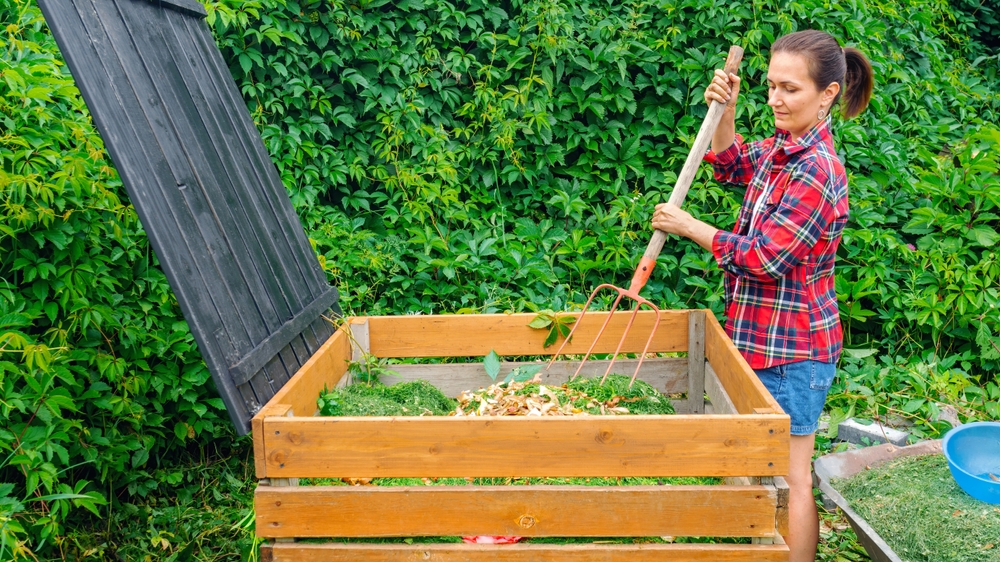
Turning your compost pile is one of the simplest and most effective fixes to improve its health. By aerating your compost, you help introduce oxygen into the mix, which speeds up the decomposition process. This is especially important as the winter months can cause the pile to become compacted, making it harder for the microorganisms to break down organic matter. Turning the pile once or twice during late winter will ensure that it starts to warm up and break down properly, setting it up for a productive spring.
A well-aerated compost pile encourages the right balance of bacteria and fungi that are essential for creating nutrient-rich soil. The process also helps prevent unpleasant odors, which can occur when compost becomes too dense or lacks air. As you turn the pile, be sure to check the moisture level. Compost that is too dry or too wet will not decompose efficiently, so adjusting the moisture as needed will help create a better environment for microbial activity.
Add More Green Materials for a Balanced Pile
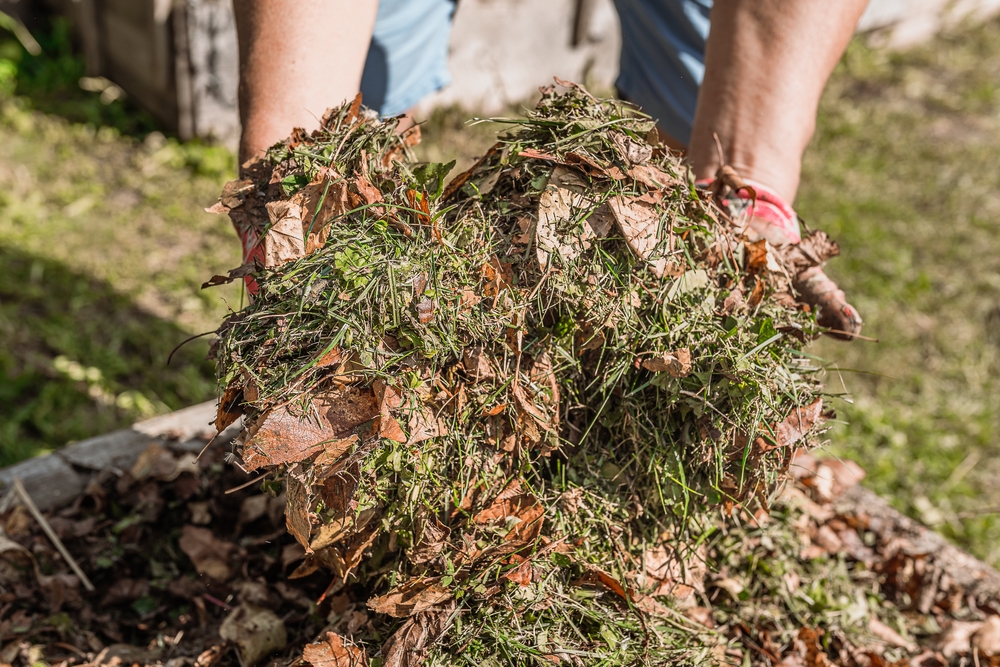
Late winter is the perfect time to assess your compost pile’s balance between green and brown materials. Green materials, such as kitchen scraps and grass clippings, are rich in nitrogen and are essential for the decomposition process. Brown materials, like leaves and straw, provide carbon, which is necessary for proper composting. If your pile is too high in brown materials, adding more green materials will give it the nitrogen boost it needs to break down faster.
You can easily add green materials such as vegetable scraps, coffee grounds, or even manure from herbivores. These items will not only improve the decomposition rate but also introduce more nutrients into your compost, ensuring healthier soil come spring. Make sure to layer these additions well with the brown materials to maintain the right ratio. A proper balance between green and brown materials will help you create compost that is rich, dark, and ready for planting.
Check for Proper Moisture Levels
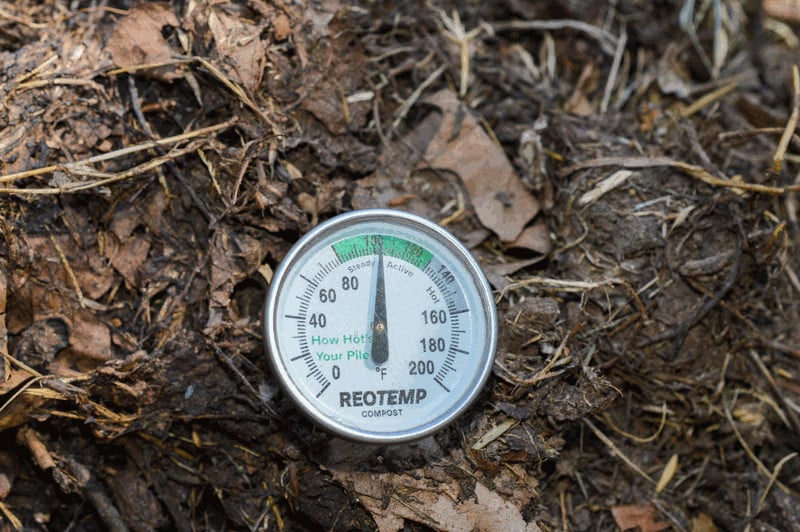
Proper moisture levels are crucial for maintaining a healthy compost pile, especially in late winter. The compost should be moist, like a wrung-out sponge, but not too wet or dry. Overly dry compost can slow down the decomposition process, while too much moisture can lead to a smelly, anaerobic pile. During winter, the pile may lose moisture due to freezing temperatures or lack of rain, so it is important to check and adjust moisture levels regularly.
If the pile feels dry, add water gradually, ensuring it is evenly distributed throughout. On the other hand, if it is too wet, you can add more dry materials like straw or leaves to soak up the excess moisture. A compost pile that is too wet will become compact and lack the airflow needed for efficient decomposition, so it is important to find the right balance. Adjusting moisture levels late in winter ensures your compost will be active and ready for the spring planting season.
Break Up Large Clumps to Speed Up Decomposition
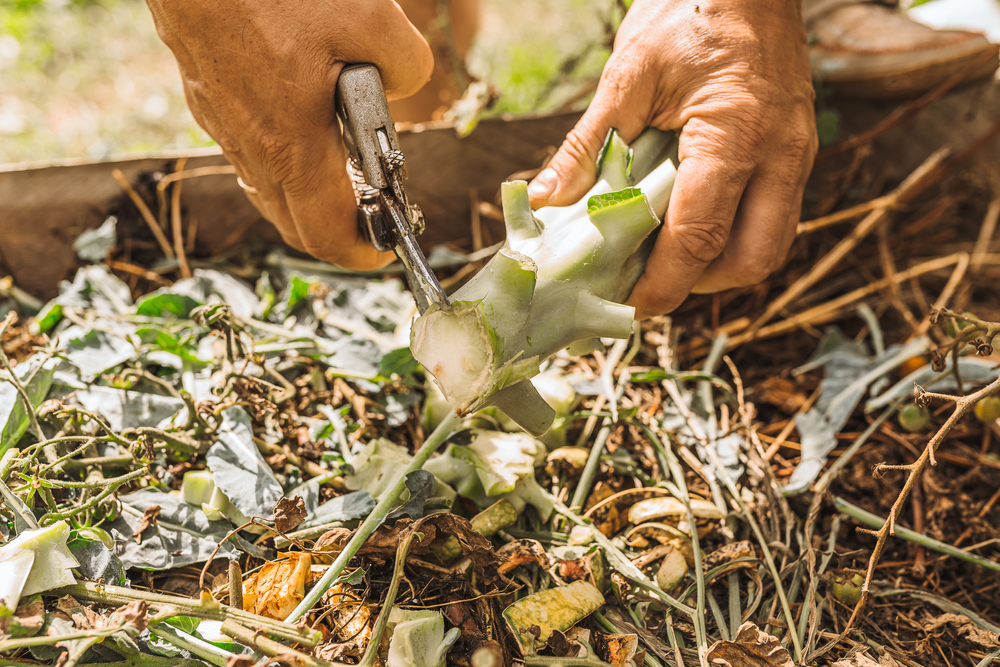
Large, compacted clumps of material in your compost pile can slow down the breakdown process, so it is a good idea to break them up late in the winter. Clumps tend to form when materials are not evenly mixed, or if certain items like wood chips or large vegetable scraps are added in bulk. Breaking up these clumps with a shovel or pitchfork allows for better airflow and more even decomposition. The smaller pieces will decompose faster, which helps you produce usable compost more quickly.
This fix is especially important if your compost has sat unused through the colder months and become dense or hard. When breaking up clumps, check for any large items that might not decompose well, such as thick branches or corn cobs. If these items are still large and intact, you can remove them or chop them into smaller pieces. By ensuring that all materials are adequately broken down, your compost will become a smoother, richer mix ready for spring planting.
Add Finished Compost to Jumpstart Decomposition
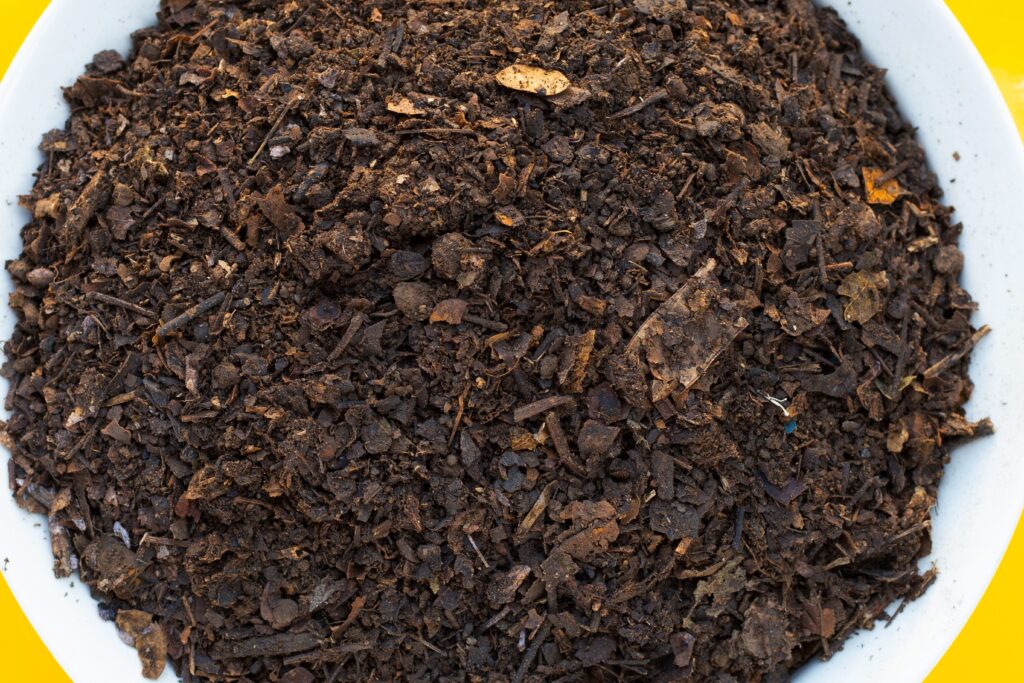
To speed up the composting process during late winter, consider adding some finished compost from previous batches. This “starter” compost contains a high concentration of beneficial microorganisms that will help break down the new materials faster. By introducing these microorganisms to your pile, you essentially give the decomposition process a jumpstart, ensuring your compost will be ready for the spring. This method is especially useful if you are looking to have usable compost on hand as soon as the weather warms up.
Using finished compost also helps maintain the right balance of carbon and nitrogen in your pile. It can be spread evenly over the top of the pile or mixed in with the existing materials. Additionally, this practice helps to maintain the proper temperature in your pile. A warm compost pile is key to breaking down organic matter efficiently, so introducing finished compost helps maintain that ideal warmth throughout the winter months.
Balance Compost pH Levels for Healthy Microorganisms
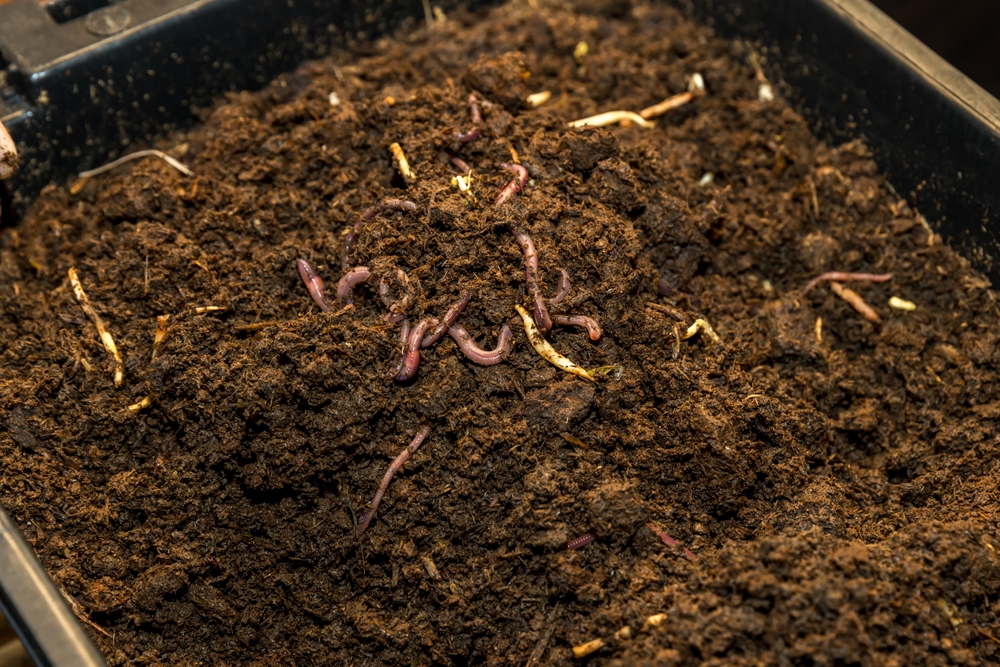
Compost pH plays an important role in supporting the beneficial microorganisms that break down organic matter. If your compost is too acidic or too alkaline, it can inhibit microbial activity, slowing down the composting process. Late winter is the perfect time to check the pH of your compost and adjust it if necessary. The ideal pH range for compost is between 6.0 and 7.5, which allows microorganisms to thrive and decompose materials effectively.
If your compost is too acidic, you can add lime to help raise the pH. On the other hand, if it is too alkaline, you can add sulfur or pine needles to bring it back into balance. Testing the pH once or twice during late winter ensures your compost is healthy and ready for spring. By making adjustments now, you will create the ideal environment for microbial activity when it is time to plant.
Remove Unwanted Items to Maintain Compost Health
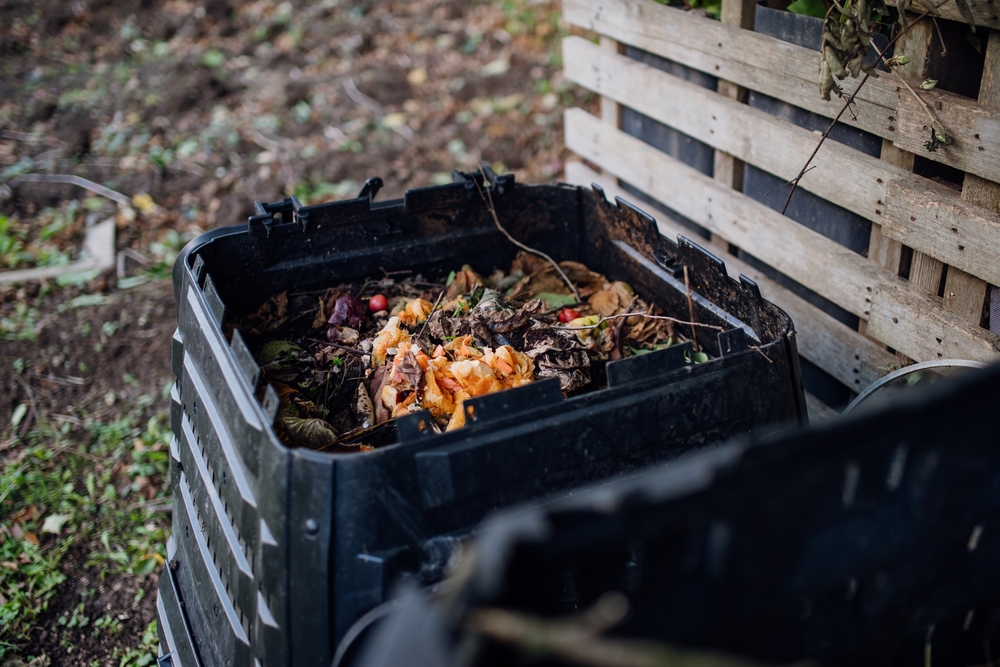
Late winter is a good time to remove any unwanted items from your compost pile that may have been added inadvertently. Materials such as meat, dairy, or oily foods should never be added to compost piles, as they can attract pests and create unpleasant odors. Other materials, like large plastics or non-compostable synthetic materials, should be removed to maintain the health of the pile. A quick inspection and removal of these items will help keep your compost pile balanced and efficient.
By regularly checking for unwanted materials, you will also prevent contamination of your compost. Removing these items early in the process can save time and effort later on, as it helps maintain a more consistent and effective decomposition process. This task is especially important for anyone who has added new materials throughout the winter months. Keeping your compost clean and free from non-organic materials is crucial for creating high-quality compost in the long run.
Use a Compost Cover to Keep Pests Away
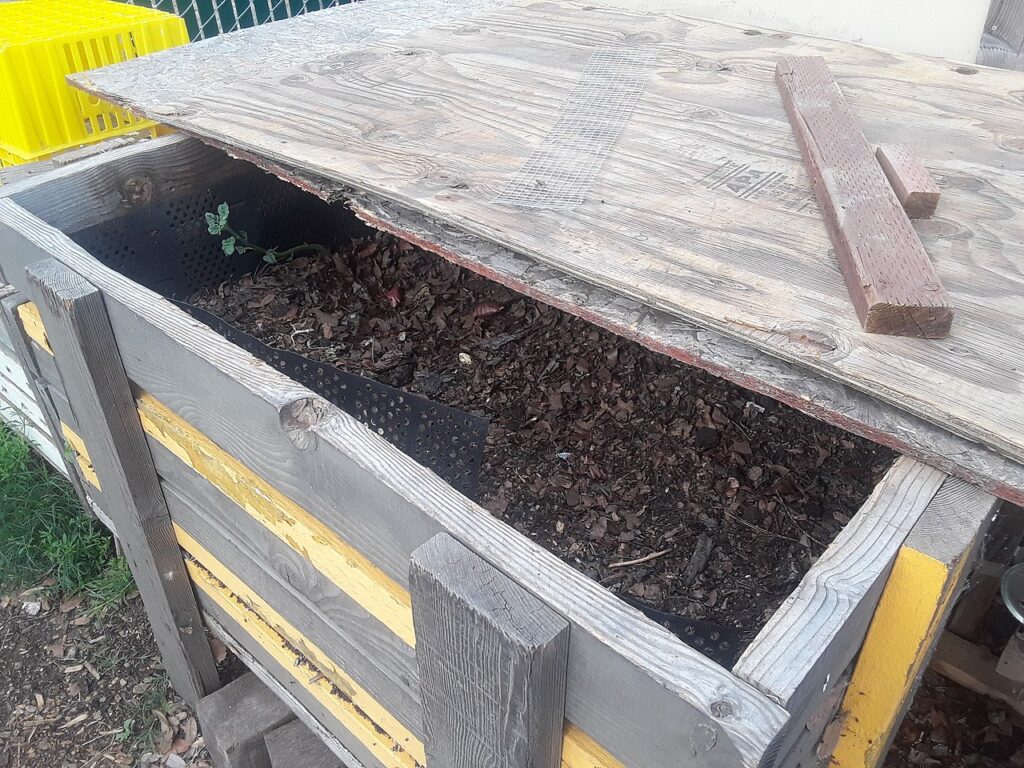
Using a compost cover in late winter is an excellent way to protect your pile from pests and harsh weather conditions. A cover helps maintain a consistent temperature and moisture level while also shielding the pile from snow, rain, or freezing temperatures. It also prevents animals like raccoons or rodents from digging through the pile and causing damage. Keeping your compost covered will help ensure that it remains healthy and active throughout the winter months.
Compost covers come in various forms, including tarps or specialized compost bins with lids. Choose a cover that allows for adequate airflow while still protecting the pile from the elements. The cover will also help trap heat, which is especially important for decomposition during the colder months. By using a compost cover, you create a more controlled environment that encourages faster decomposition and keeps your pile safe from pests.
Avoid Overloading the Pile with Wet Materials
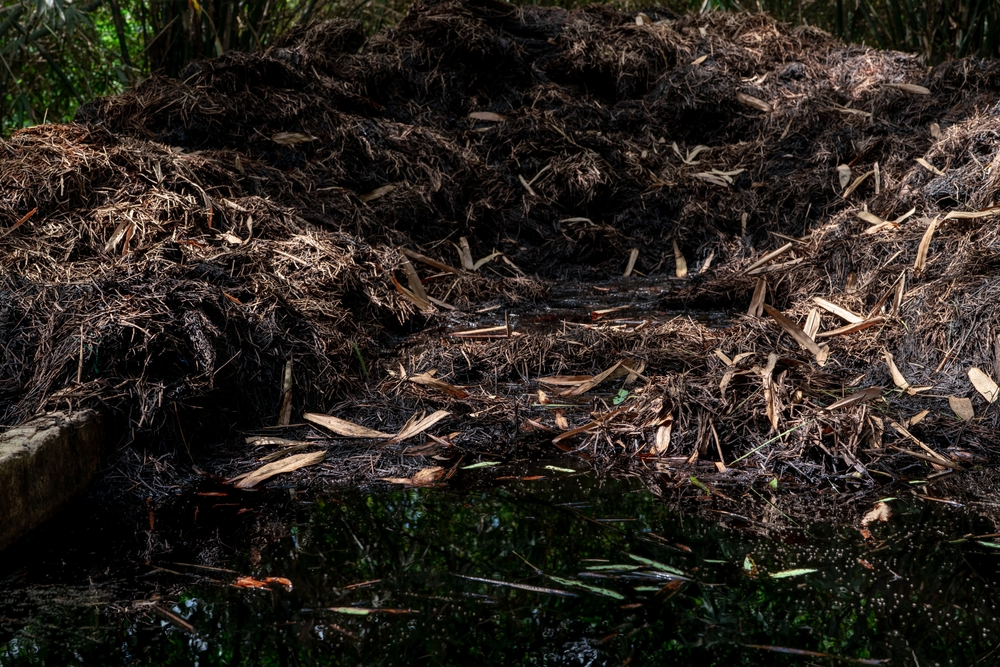
Overloading your compost pile with wet materials, such as water-soaked leaves or kitchen scraps, can lead to a soggy, inefficient pile. Wet compost can become compacted, blocking airflow and slowing down decomposition. Late winter is a great time to assess your pile and remove any excess wet materials. If your compost is too wet, consider adding dry materials like straw, sawdust, or shredded paper to balance the moisture.
If you have kitchen scraps that are particularly wet, try to let them dry out a bit before adding them to the pile. A balanced compost pile with proper moisture levels will break down more efficiently and be ready for use when spring arrives. Keeping the moisture level in check is key to maintaining a healthy, active compost system. By managing the wetness in your pile, you will ensure a smoother, faster composting process as the weather warms.
Keep an Eye on Temperature Fluctuations

The temperature of your compost pile can fluctuate dramatically during the late winter months. While the ideal composting temperature is between 130°F and 160°F, late winter can cause this to drop significantly. Keeping an eye on the temperature will help you determine if you need to adjust the compost pile to maintain optimal conditions. If temperatures fall too low, you can insulate the pile with extra layers of straw or leaves to retain heat.
Adding more nitrogen-rich materials, like manure or green plant scraps, can also help raise the temperature. By monitoring temperature fluctuations and making the necessary adjustments, you ensure that the compost pile remains active throughout the winter. This simple fix ensures that your compost is ready when it is time to plant in the spring. Proper temperature management is key to producing quality compost in a timely manner.
Use Kitchen Scraps Wisely to Avoid Odors
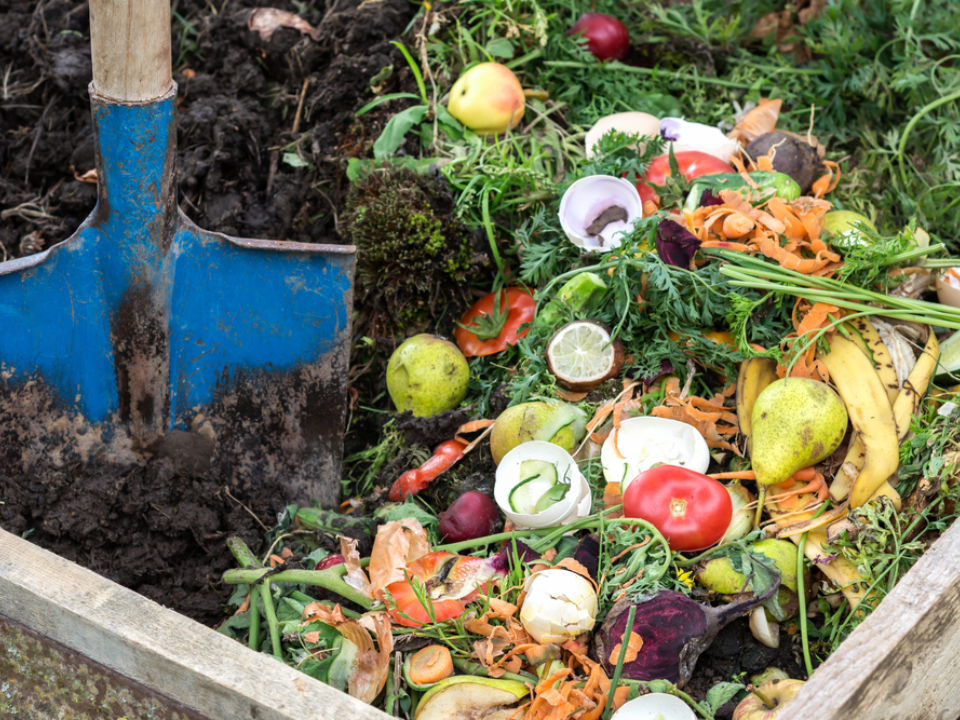
Late winter is an ideal time to reassess how you are adding kitchen scraps to your compost pile. While food scraps are an essential part of composting, adding them in excess or without proper balance can lead to unpleasant odors. To prevent this, layer food scraps with dry materials like straw or leaves to ensure the pile remains balanced. This helps to absorb moisture and control odors, making the composting process much smoother.
Avoid adding large amounts of food scraps all at once, and instead, try to add them in smaller, more manageable portions. Keep in mind that citrus peels, onions, and dairy products should be avoided, as they can cause imbalances in your compost pile. By using kitchen scraps wisely, you can maintain a healthy compost pile that will support your spring planting needs. A properly managed compost pile ensures that the decomposition process remains odor-free and efficient.
This article originally appeared on Avocadu.