
16 Late Winter Bloomers That Make February Feel Alive
February may seem like a quiet time in the garden, but there are actually plenty of beautiful blooms and shrubs that shine this month. Hellebores and Witch Hazel are among the most striking, adding color and life to even the coldest days. These plants are perfect for brightening up your outdoor space during winter’s chill. If you want to bring some vibrant energy to your garden, now is the perfect time to consider these February showstoppers.
This post may contain affiliate links, which helps keep this content free. Please read our disclosure for more info.
Lenten Rose (Helleborus orientalis)
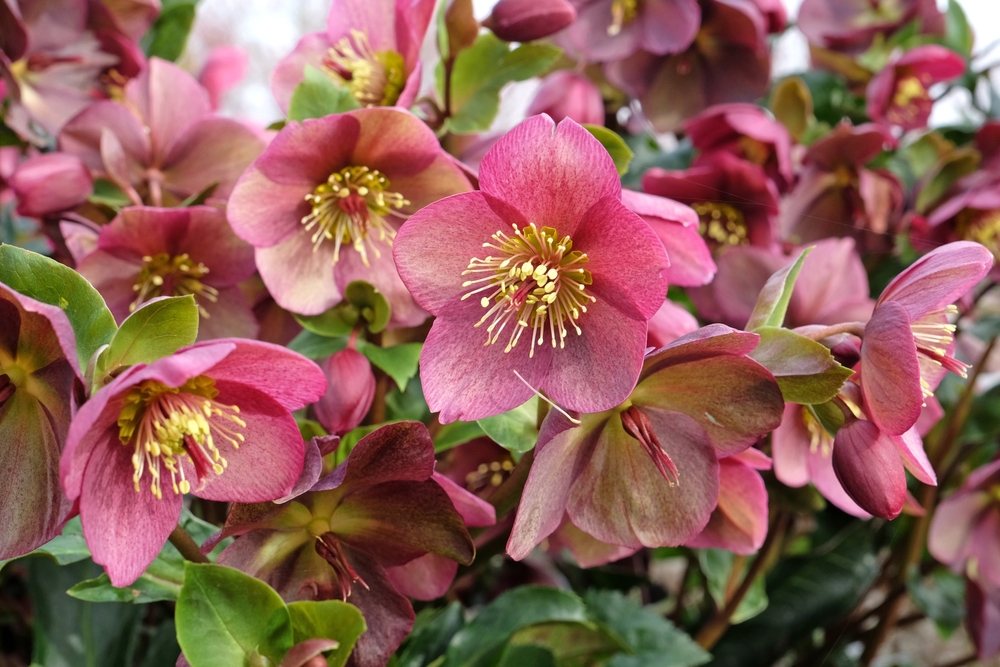
Lenten Roses are known for their ability to bloom even in the coldest months, often making an appearance in February. Their delicate flowers come in shades of pink, purple, and white, offering a splash of color when much of the garden is still dormant. These plants thrive in shady areas and are perfect for spots with well-drained soil. Once established, they require minimal care, making them an excellent addition to your garden during winter.
To keep your Lenten Roses happy, make sure the soil remains moist but not waterlogged. After blooming, remove any old leaves to make room for fresh growth. These hardy plants will reward you with beautiful blooms year after year with little attention beyond occasional watering.
Witch Hazel (Hamamelis spp.)
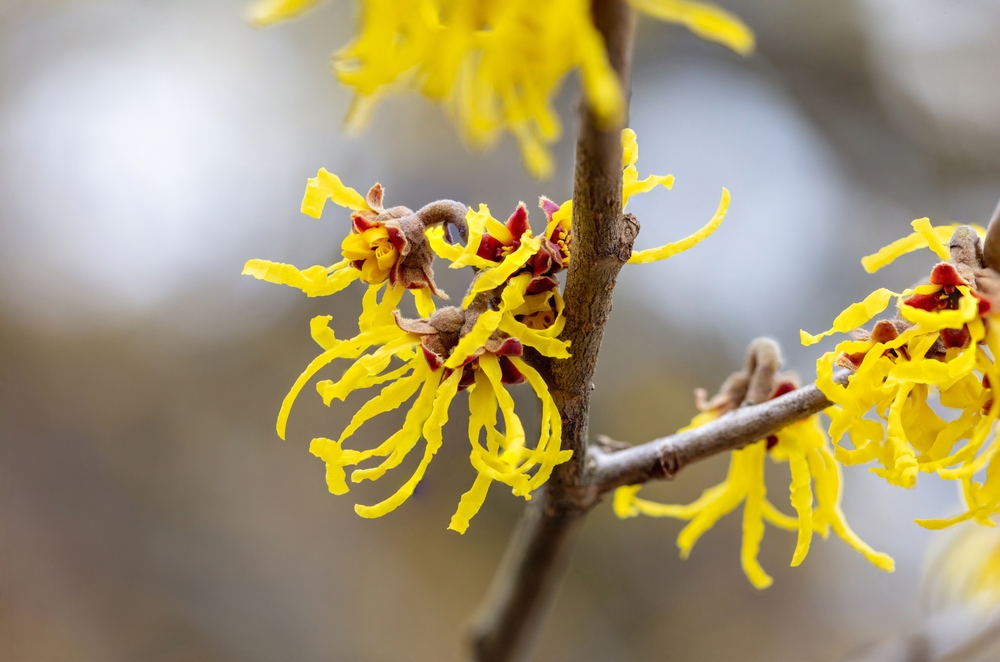
Witch Hazel stands out with its unique spidery flowers that bloom in late winter, often in February. The bright yellow or red flowers appear on bare branches, creating a striking contrast against the winter landscape. Witch Hazel thrives in well-drained soil and can tolerate both full sun and partial shade. It’s an excellent choice for brightening up the garden during a time when other plants are dormant.
Care for Witch Hazel by watering it regularly, especially during dry periods, to keep the soil moist. Pruning after flowering will help maintain its shape and encourage new growth. With minimal effort, this shrub will continue to bloom and enhance your garden year after year.
Snowdrops (Galanthus nivalis)
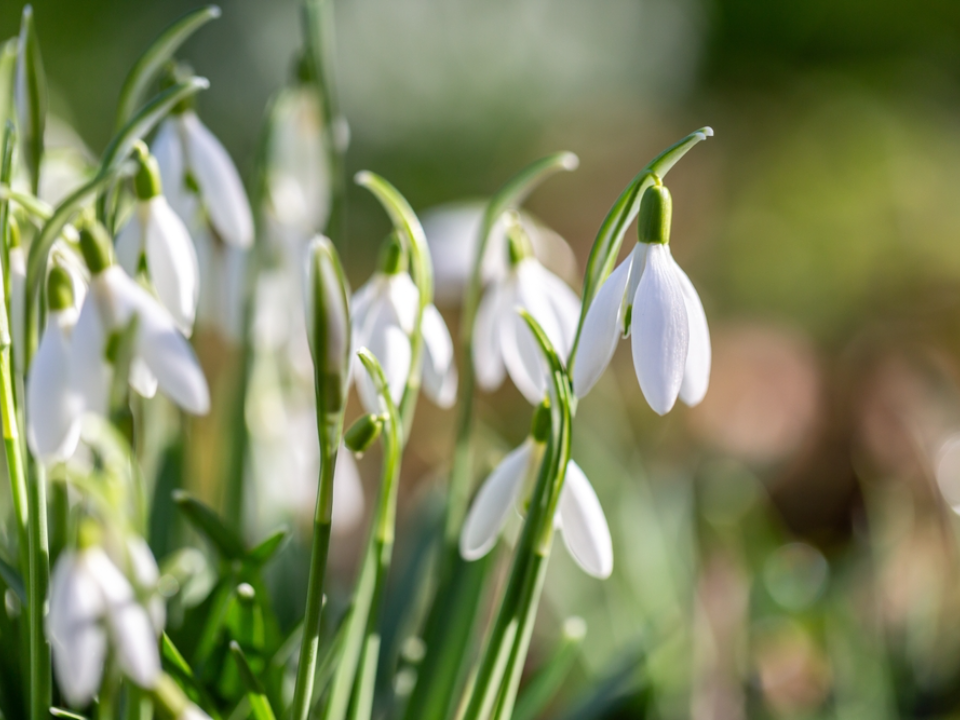
Snowdrops are one of the first flowers to bloom, often emerging from the ground while snow is still on the ground. Their delicate, white flowers bring a refreshing burst of color to the garden in the coldest months. These small bulbs thrive in well-drained, slightly acidic soil and grow best in partial to full shade. Once planted, Snowdrops will naturalize, coming back each year without much effort from you.
For optimal growth, plant Snowdrops in a moist, well-drained location and keep the soil consistently moist. Once they’ve bloomed, they require very little care, making them a hassle-free addition to any garden. Over time, they will multiply and fill your garden with their cheerful blooms.
Winter Aconite (Eranthis hyemalis)
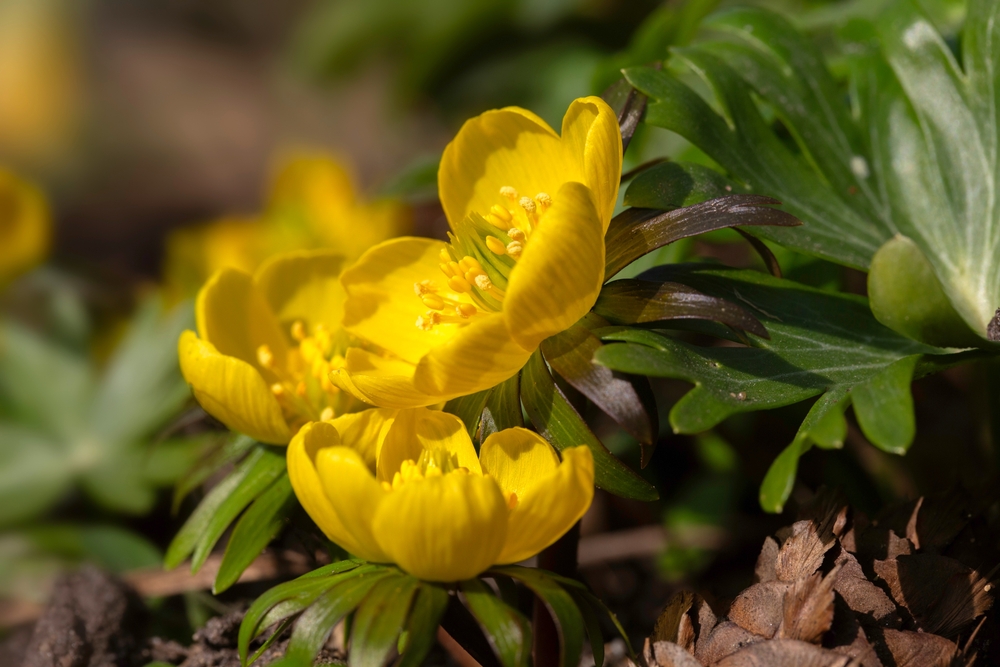
Winter Aconites add a cheerful splash of yellow to the garden in February, often blooming alongside Snowdrops. These small, bright flowers thrive in cool temperatures and brighten up the garden during the early spring months. They grow best in rich, well-drained soil and perform well in partial shade, though they can tolerate some sun. Once planted, they will naturalize and come back year after year, providing a cheerful display each February.
To care for Winter Aconites, make sure the soil stays moist but not soggy. These hardy bulbs are easy to grow and require minimal attention once established. After they’ve bloomed, the foliage will die back, leaving room for other spring plants to emerge.
Corydalis (Corydalis spp.)
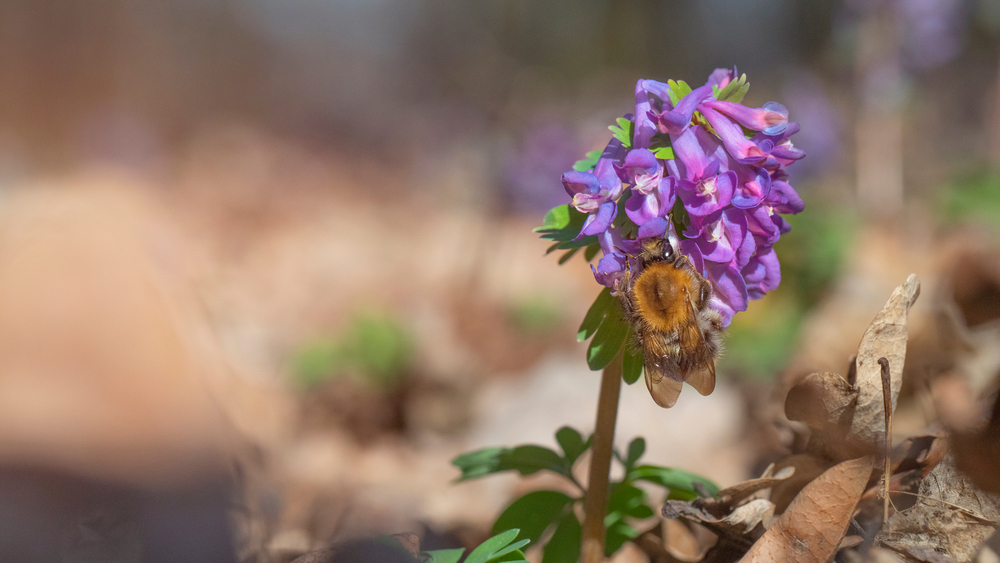
Corydalis are early bloomers that offer beautiful clusters of blue, purple, or yellow flowers starting in late winter. Their delicate flowers and fern-like foliage make them stand out in the garden, even when other plants are still dormant. Corydalis prefer well-drained, moist soil and grow best in partial shade, making them ideal for woodland gardens or shaded areas. They bloom early in the season, providing vibrant color when it’s most needed.
Water Corydalis regularly to keep the soil moist, especially during dry spells. These plants are low-maintenance and require minimal care once established. After flowering, prune back the spent blooms to encourage fresh growth and ensure the plant stays healthy throughout the season.
Crocosmia (Crocosmia spp.)
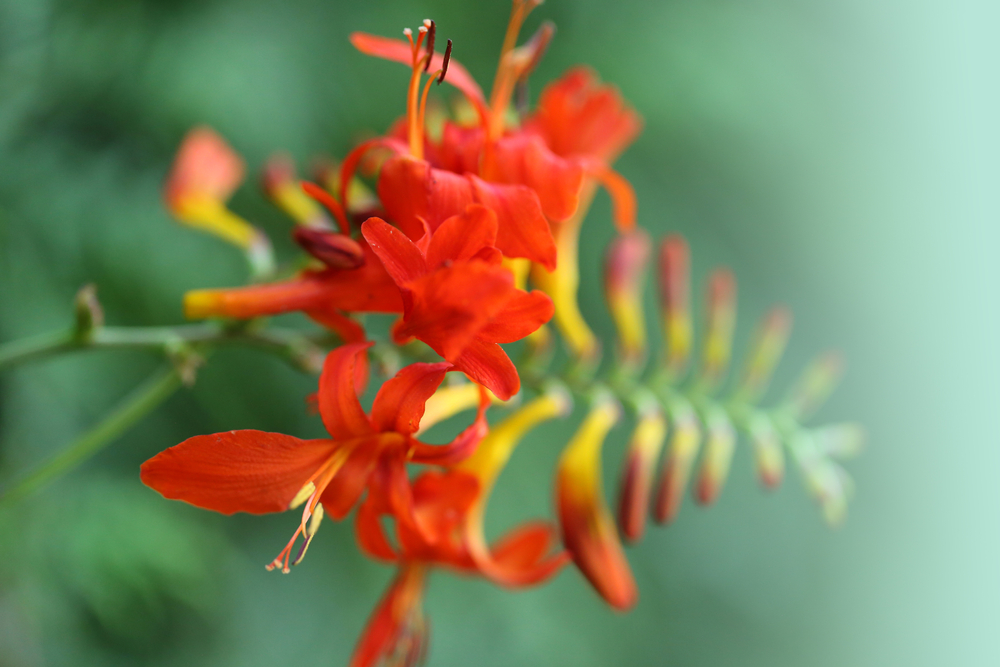
Crocosmia offers dramatic, tubular flowers in shades of red, orange, and yellow that appear in late winter or early spring. These striking flowers are perfect for adding color to the garden when other plants are still dormant. Crocosmia thrives in full sun and well-drained soil, making it ideal for bright garden spots. The vibrant blooms create a striking display that adds energy to the winter landscape.
To care for Crocosmia, make sure the soil drains well and water regularly to prevent the plant from drying out. After flowering, trim back the spent blooms to encourage fresh growth. Crocosmia is a low-maintenance plant that rewards gardeners with its bright colors year after year.
Primrose (Primula spp.)
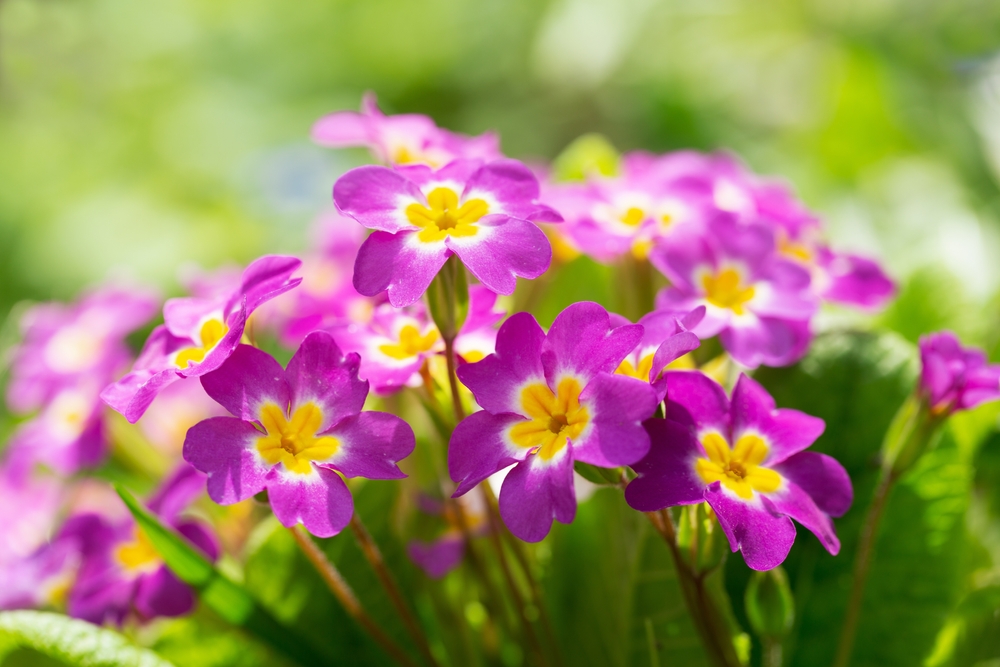
Primroses are popular for their vibrant, multi-colored flowers that bloom in February. These cheerful blooms are available in a wide variety of hues, including pink, yellow, purple, and red, making them perfect for adding color to a winter garden. They grow best in cool, moist conditions and prefer well-drained, fertile soil. Primroses thrive in partial to full shade, making them a versatile addition to your garden in early spring.
To keep your Primroses healthy, water them regularly, ensuring the soil stays moist but not soggy. Deadheading spent flowers will encourage more blooms, helping the plants maintain their vibrant appearance throughout the season. With minimal effort, these plants will continue to brighten up your garden year after year.
Winter Jasmine (Jasminum nudiflorum)
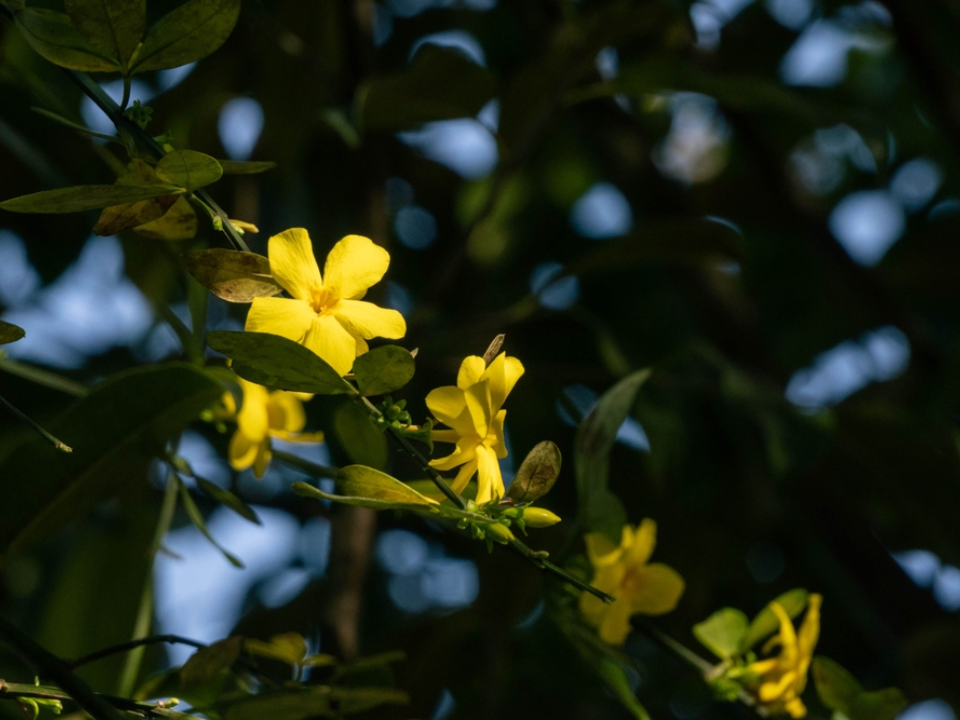
Winter Jasmine is a deciduous shrub that blooms in late winter, typically in February, with bright yellow flowers. The flowers bloom on bare branches, creating a cheerful pop of color against the cold backdrop of winter. Winter Jasmine grows best in well-drained, slightly acidic soil and performs well in full sun to partial shade. It’s an excellent option for brightening up your garden when few other plants are in bloom.
To care for Winter Jasmine, make sure it receives regular watering, especially during dry spells. Mulching around the base will help retain moisture and protect the roots. After blooming, prune the plant to shape it and encourage healthy growth for the upcoming season.
Hybrid Hellebores (Helleborus x hybridus)
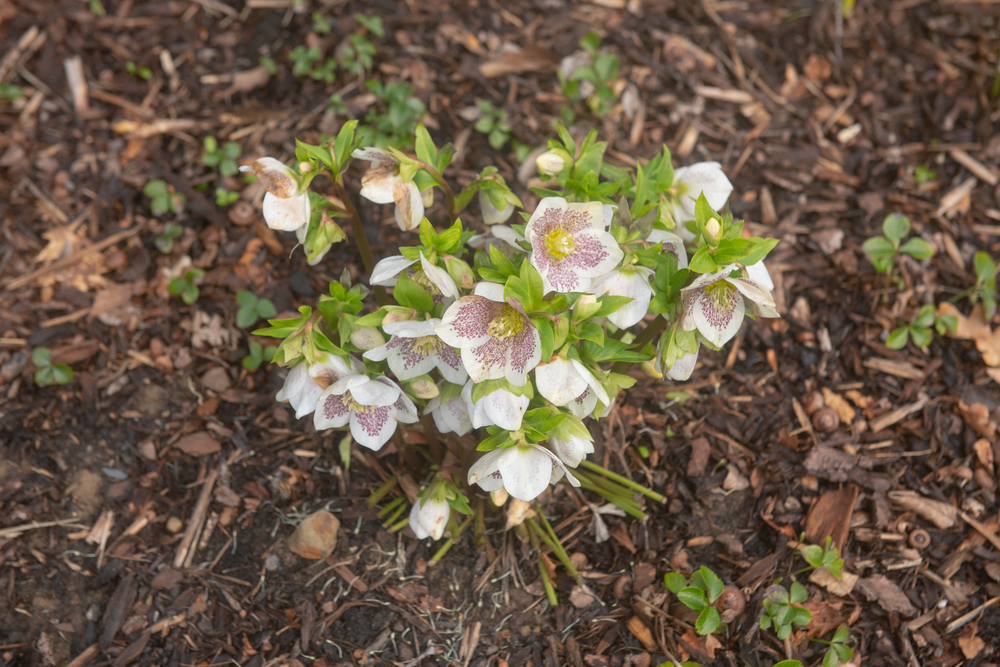
Hybrid Hellebores are a stunning mix of different Hellebore species, often resulting in beautiful flowers in various shades of purple, pink, and white. These plants are perfect for February gardens, offering vibrant color when little else is blooming. They prefer part to full shade and thrive in moist, well-drained soil. Hybrid Hellebores are excellent for adding long-lasting color to the garden throughout the winter and into early spring.
To care for Hybrid Hellebores, plant them in rich, well-drained soil and ensure they get regular water, especially during dry spells. Remove old, dead leaves in late winter to encourage new growth. Once established, these hardy plants need little care and will reward you with beautiful blooms year after year.
Wintersweet (Chimonanthus praecox)
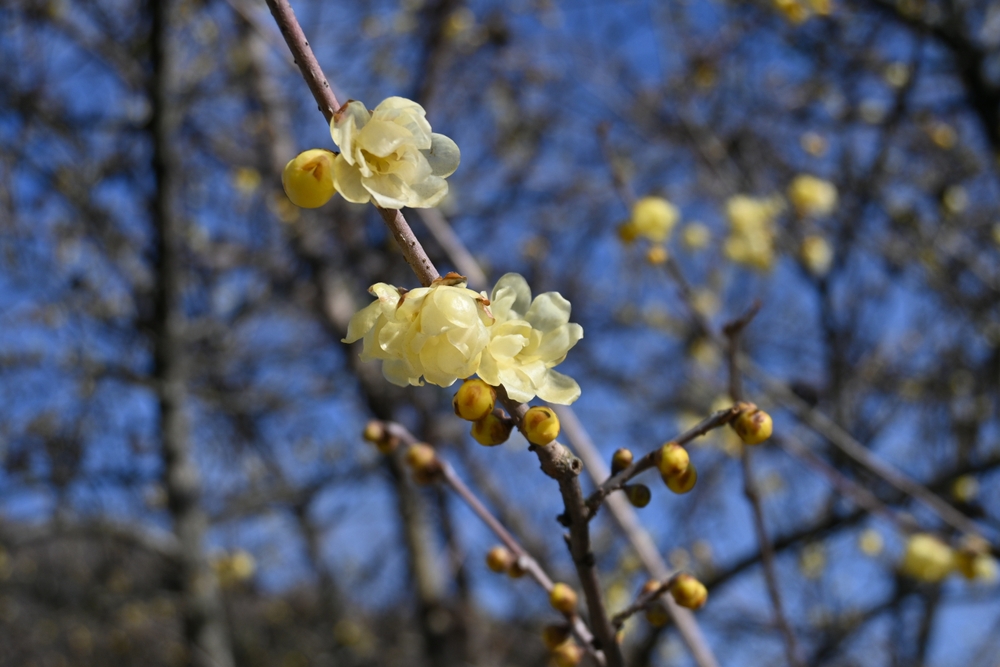
Wintersweet is a fragrant shrub that blooms in late winter, with small, pale yellow flowers that add a pleasant fragrance to the air. The flowers appear on bare branches, creating a lovely contrast against the winter landscape. Wintersweet grows best in full sun to partial shade and prefers well-drained soil. It’s perfect for gardeners looking for a shrub that adds both beauty and fragrance to the garden during the cold months.
To care for Wintersweet, plant it in a spot with good drainage and regular watering. It’s a low-maintenance shrub that requires minimal attention once established, though occasional pruning will help maintain its shape. The sweet fragrance makes Wintersweet a standout in any winter garden.
Japanese Camellia (Camellia japonica)
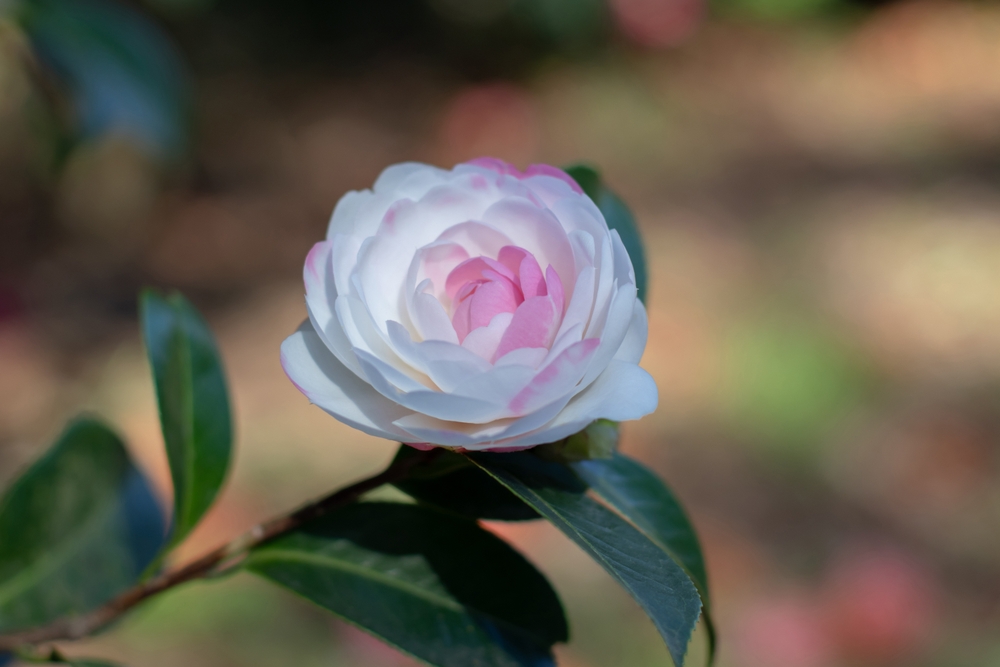
Japanese Camellia is an evergreen shrub that produces large, striking flowers in shades of pink, red, or white during late winter, typically in February. These plants add a touch of elegance to the garden with their bold, showy blooms. Camellias prefer partial shade and well-drained, acidic soil, making them perfect for many garden settings. They’re ideal for bringing color to the garden when few other plants are flowering.
To keep your Camellia japonica healthy, water regularly to keep the soil moist, but avoid overwatering. Mulching around the base helps retain moisture and protect the roots during the colder months. Prune after blooming to remove spent flowers and maintain a neat, attractive shape.
Pansies (Viola tricolor var. hortensis)
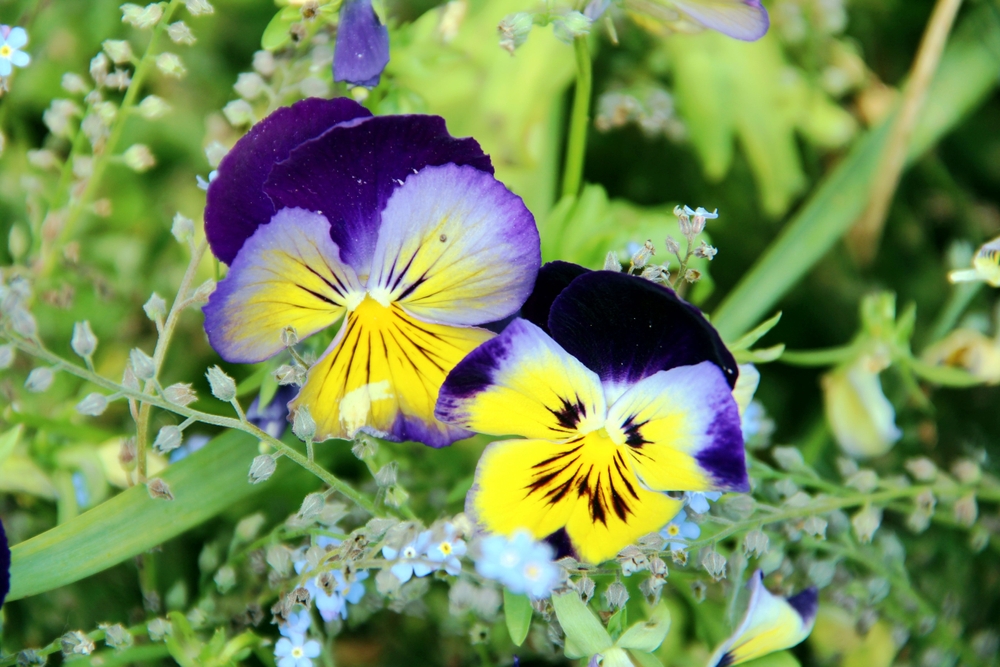
Pansies are cheerful flowers that bloom in February, bringing vibrant color to the garden in shades of purple, yellow, orange, and white. They thrive in cool temperatures and are perfect for adding a splash of color during the colder months. Pansies prefer well-drained soil and grow well in full sun to partial shade. They are a great way to brighten up your garden and can last through the winter with proper care.
Water Pansies regularly to keep the soil moist, but avoid letting them sit in waterlogged soil. Deadheading spent flowers will help encourage new blooms, keeping your garden colorful throughout the season. These plants are low-maintenance and easy to grow, making them an excellent choice for early spring color.
Heath (Erica carnea)
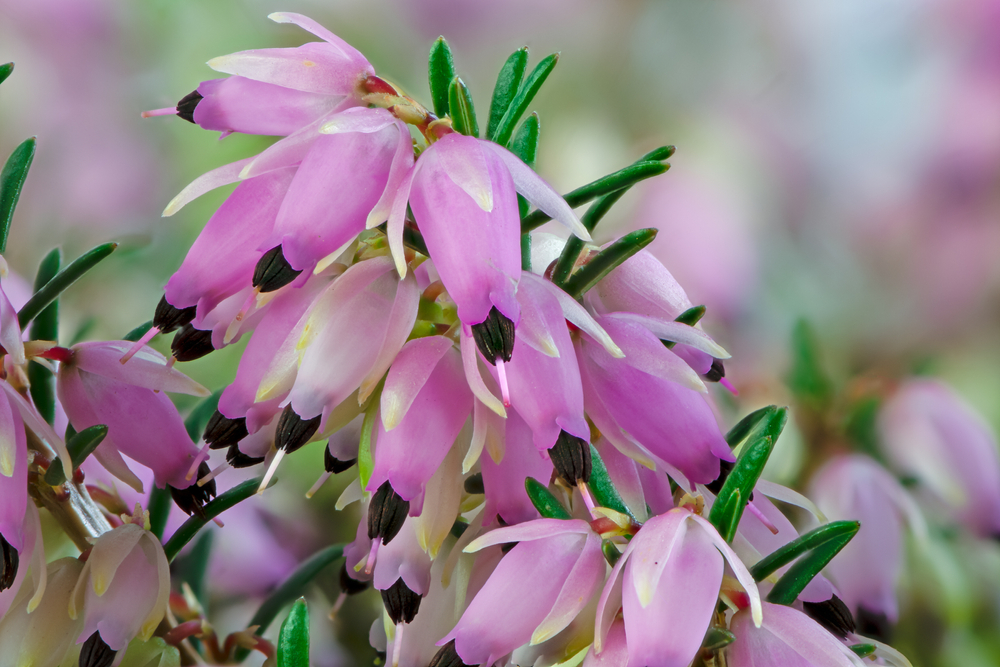
Heath is an evergreen shrub that produces colorful flowers, typically pink, red, or white, in late winter. These blooms create a bright contrast against the dark green foliage, adding visual interest to the garden. Heath grows best in well-drained, acidic soil and prefers full sun or partial shade. It’s perfect for gardens that need a winter pick-me-up when many other plants are still dormant.
To care for Heath, water regularly during dry periods and mulch around the base to retain moisture. Prune after blooming to maintain the plant’s compact shape and encourage fresh growth. This low-maintenance shrub will continue to thrive with minimal effort once established.
Forsythia (Forsythia spp.)
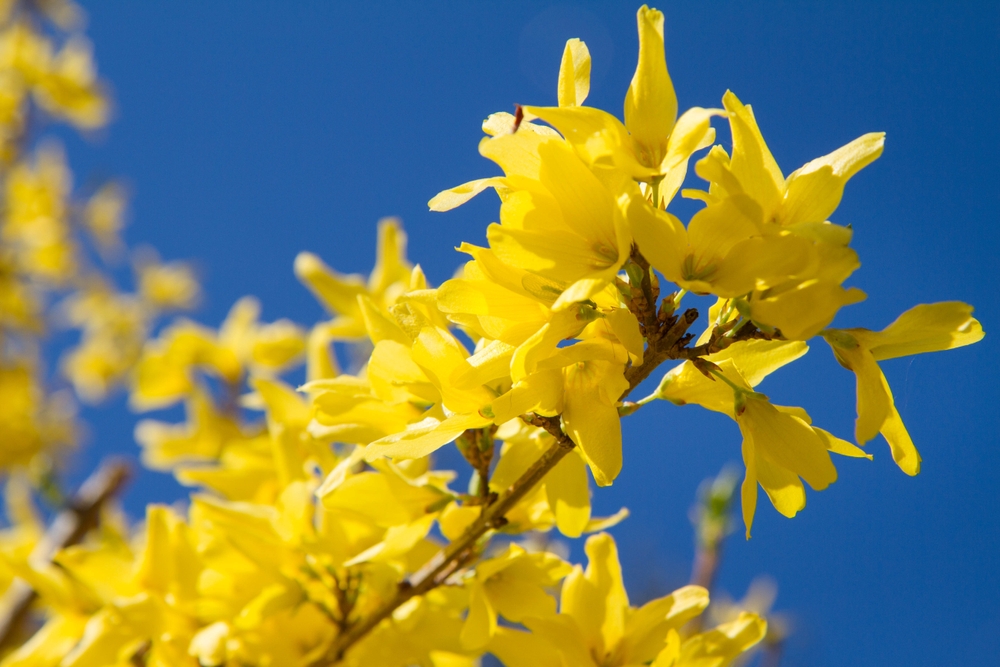
Forsythia is one of the first shrubs to bloom in early spring, often in February, producing bright yellow flowers that brighten up any garden. The flowers bloom on bare branches before the leaves appear, creating a stunning display of color. Forsythia grows best in well-drained soil with full sun, and it’s known for its rapid growth, providing instant color. It’s a popular choice for gardeners looking to add early-season color to their outdoor spaces.
To care for Forsythia, water it regularly, especially during dry spells, to keep the soil moist. Prune the shrub after flowering to maintain its shape and encourage healthy growth. Forsythia is easy to grow and requires little care, making it a great choice for adding spring color to your garden.
Sarcococca (Sweetbox)
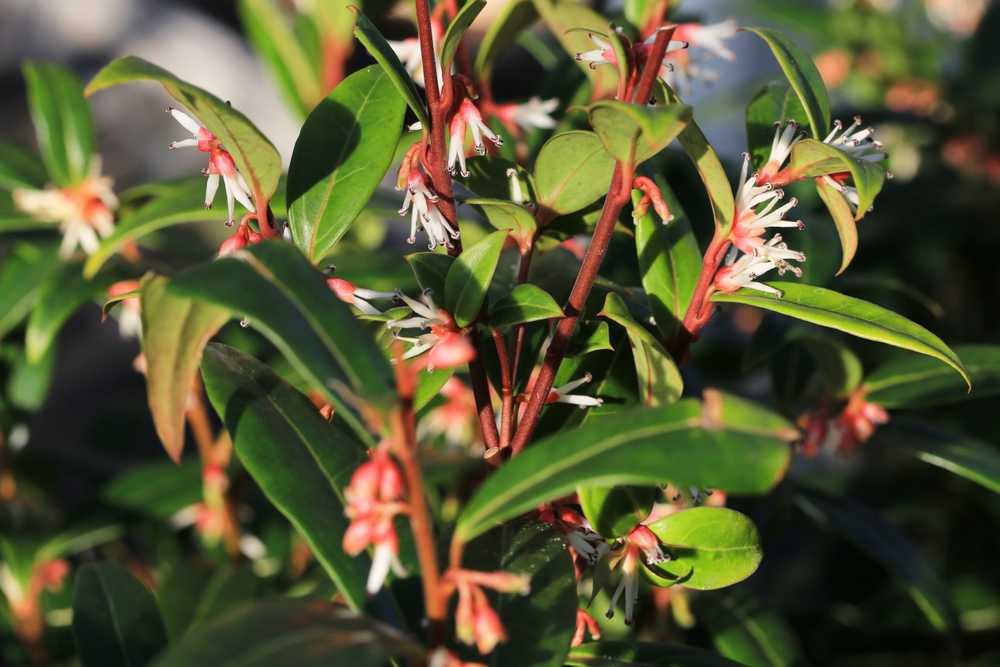
Sweetbox is an evergreen shrub that produces fragrant white flowers in late winter, typically in February. The subtle scent of the flowers fills the air, adding a pleasant fragrance to your winter garden. Sarcococca grows well in partial to full shade and prefers moist, well-drained soil. It’s perfect for shaded corners where other plants might struggle.
To care for Sweetbox, water it regularly to keep the soil moist, especially during dry periods. Mulch around the base to retain moisture and protect the roots. Once established, this low-maintenance shrub will thrive with minimal effort.
Winterberry Holly (Ilex verticillata)
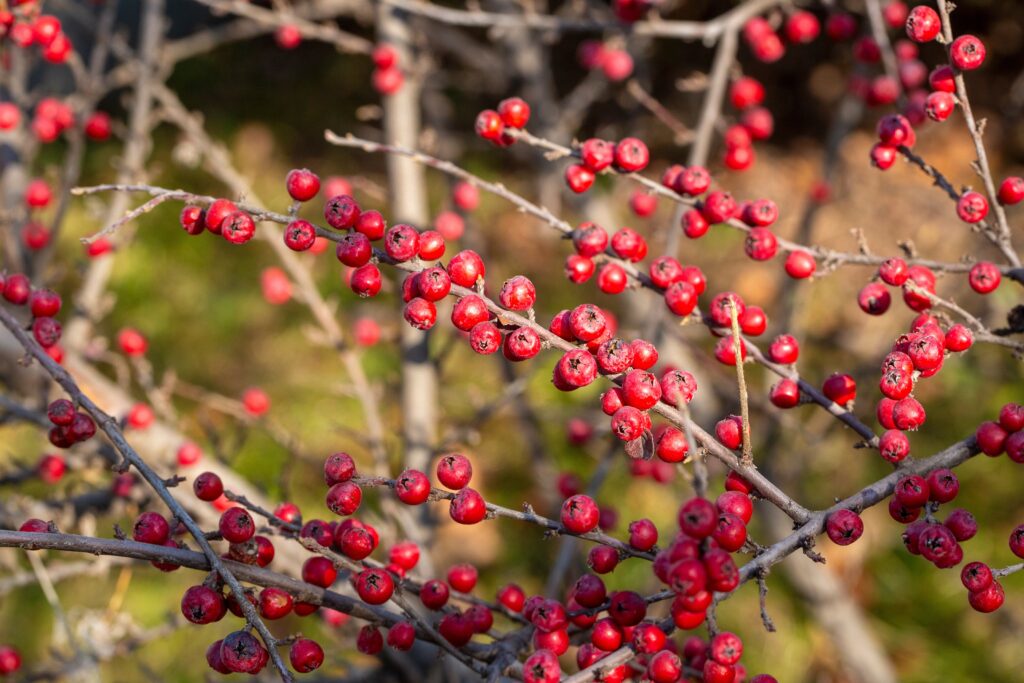
Winterberry Holly is known for its bright red berries that persist throughout the winter, making it a striking addition to the garden in February. The berries provide vibrant color when other plants are dormant. Winterberry Holly prefers moist, acidic soil and grows well in full sun to partial shade. Plant a male and female nearby to ensure berry production, as both are needed for pollination.
To care for this plant, water it regularly, especially during dry spells, and mulch to keep the roots cool. Prune after the berries have fallen to maintain the shrub’s shape and encourage new growth. Once established, this plant is low-maintenance and adds color to the garden throughout the winter months.
This article originally appeared on Avocadu.