
16 Late January Workouts That Feel Good When It’s Cold Outside
Working out in the cold might not sound like the most inviting idea, but it can actually be incredibly satisfying. The crisp air and cool temperatures create the perfect environment to get your blood pumping and feel refreshed. Winter workouts have a unique way of making you feel stronger and more accomplished, especially when it is cold outside. They also help keep your body active and your energy levels up during the colder months.
This post may contain affiliate links, which helps keep this content free. Please read our disclosure for more info.
Winter Hiking for an Energizing Outdoor Adventure
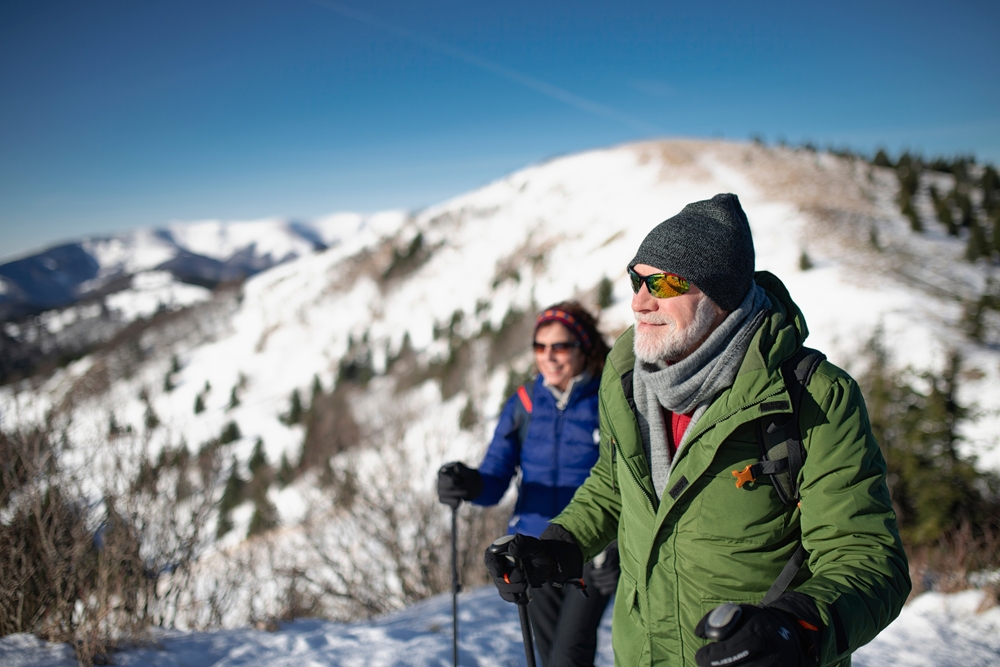
Hiking in the winter offers a unique way to enjoy the great outdoors, even when it’s cold. All you need is a good pair of hiking boots, warm clothing, and perhaps trekking poles for extra stability. Start with a moderate trail that fits your fitness level, and take it slow to adjust to the chillier air. Aim to hike for about 30 to 60 minutes, depending on the trail’s difficulty and the temperature. The fresh air and beautiful winter landscapes will refresh your mind and body, and it’s an excellent way to stay active during the colder months.
During winter hikes, make sure to dress in layers, including moisture-wicking materials, to keep dry and comfortable. A lightweight, insulated jacket can help protect against the cold, and don’t forget a hat and gloves to keep your extremities warm. Winter hiking helps build endurance and keeps your muscles engaged while burning calories. Whether you’re on a forest trail or a snowy path, the experience can lift your mood and keep you moving.
Indoor Yoga to Keep Warm and Centered

Yoga is an ideal workout for staying grounded during the winter months when it’s cold outside. You don’t need much equipment—just a yoga mat and comfortable clothing. Start by setting up your space indoors with calming music and dim lighting to create a peaceful atmosphere. A 30 to 45-minute session of stretching and strengthening poses will keep your muscles flexible while helping you stay warm and relaxed. Poses like Downward Dog, Warrior, and Child’s Pose can help stretch tight muscles from being indoors more often.
One of the key benefits of practicing yoga in winter is its ability to reduce stress and improve flexibility. Focus on breathing techniques to help your body stay centered, which is especially helpful when dealing with colder weather. The heat generated by the practice helps to loosen stiff muscles and joints, making you feel both stronger and more at ease. This indoor workout is great for maintaining mental balance and physical well-being during chilly days.
Jump Rope for a Quick Full-Body Burn
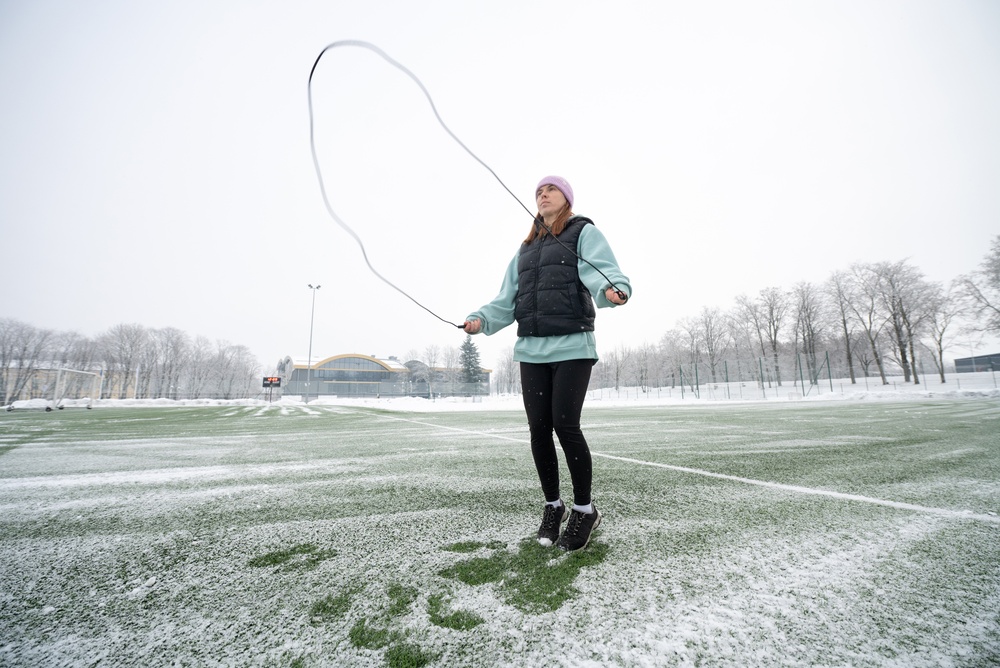
Jumping rope is a fast and effective way to get your heart rate up even in the cold weather. You only need a jump rope and a small space, so it’s perfect for home workouts. Begin by warming up with a few minutes of light stretching, then start with basic jumps. Try jumping for 1 to 2 minutes at a time, then rest for 30 seconds, repeating for 15 to 20 minutes. This workout engages your legs, arms, and core while also improving coordination and cardiovascular health.
Jump rope workouts are excellent for burning calories and building endurance. As the winter chill sets in, it can be challenging to stay active indoors, but jumping rope provides a fun way to keep your fitness routine going. It’s easy to adjust the intensity based on your skill level by increasing your jumping time or trying different jump patterns. This high-intensity workout also strengthens bones and joints, which can be helpful during colder months.
Ice Skating for a Fun Full-Body Workout

Ice skating is a fantastic outdoor winter activity that doubles as an effective workout. If you have access to an ice rink, all you need are a pair of skates and warm, comfortable clothing. Start by practicing balance and form with slow, controlled glides across the rink, gradually building up speed. A typical ice skating session lasts between 30 minutes and an hour, and you’ll feel the benefits in your legs, core, and cardiovascular system. It’s a great way to enjoy the winter while burning calories and toning muscles.
The cold air will feel refreshing as you move around the rink, and skating is known to improve balance and coordination. As a low-impact workout, it’s gentle on your joints, making it an excellent option for those looking to stay active without putting too much strain on the body. Try mixing in some faster laps or practice stopping to increase the intensity of your session. Ice skating offers an exciting way to enjoy winter and keep your fitness levels up.
Strength Training to Build Muscle and Stay Warm
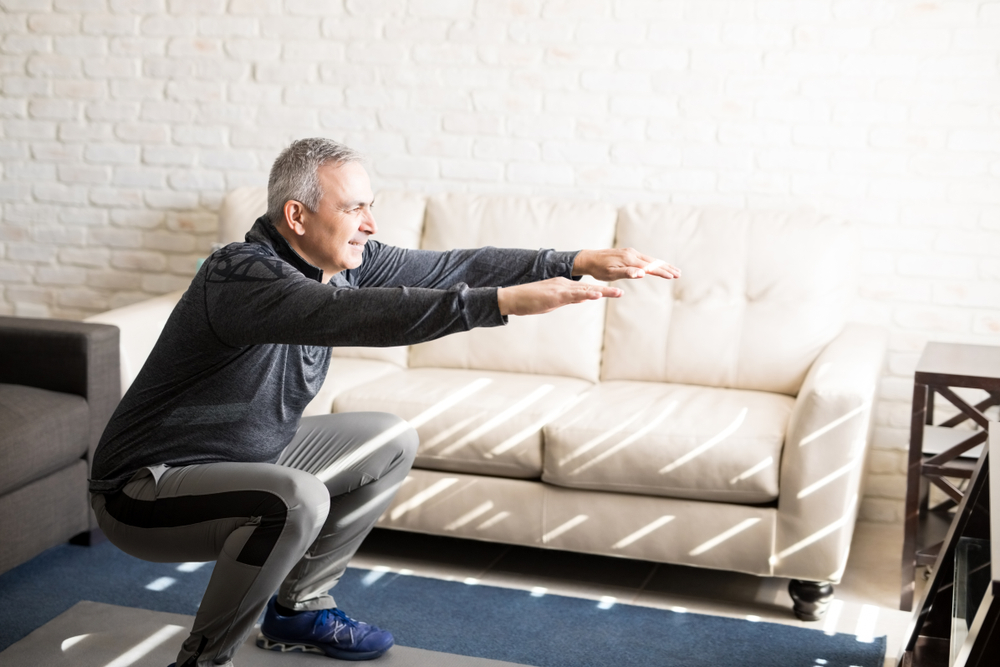
Strength training can be done indoors, making it perfect for staying fit when the weather outside is cold. You can use bodyweight exercises like squats, push-ups, and lunges, or add dumbbells or resistance bands for extra challenge. Start with a warm-up session of dynamic stretches, then focus on compound movements that target multiple muscle groups. A typical strength training workout lasts about 30 to 45 minutes, allowing for several sets of each exercise with adequate rest in between.
The benefits of strength training are immense, from building muscle to improving overall metabolism. As winter slows down outdoor activity, strength training helps you stay strong and healthy. It’s important to maintain proper form and gradually increase the weight or resistance to avoid injury. Strength workouts also help combat the stiffness that comes with colder temperatures, keeping your joints and muscles functioning well.
Cross-Country Skiing for a Challenging Outdoor Activity
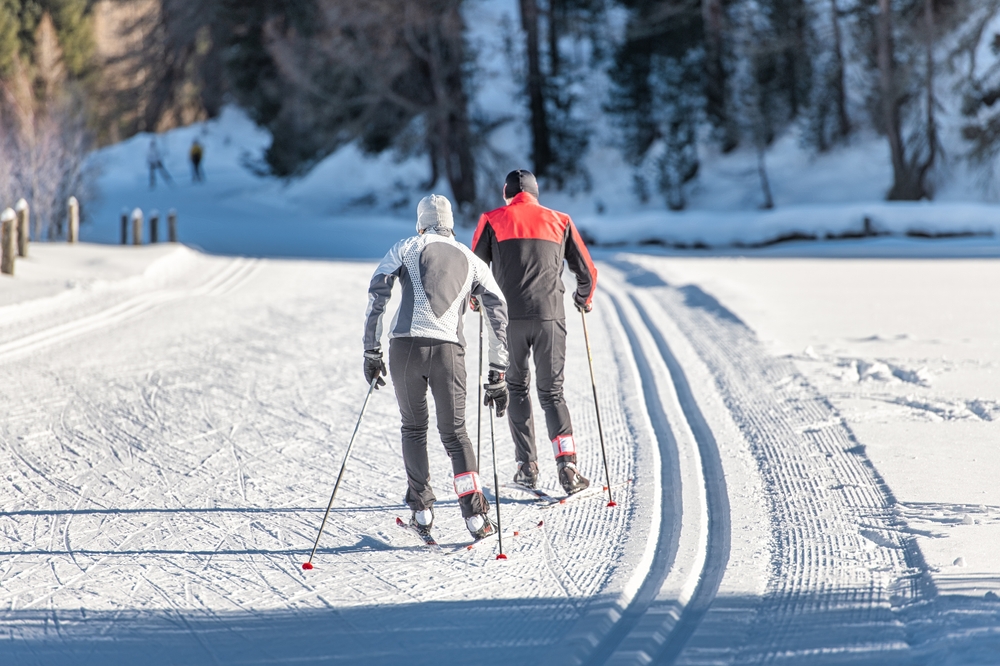
Cross-country skiing is a fantastic workout option that allows you to enjoy the snow while getting a full-body exercise. You’ll need skis, poles, and warm, moisture-wicking clothing to stay comfortable. This workout engages the arms, legs, and core as you glide through the snow, so it provides an excellent cardiovascular challenge. A cross-country ski session typically lasts between 45 minutes and 1.5 hours, depending on your stamina and the trail conditions. Whether on a flat trail or more hilly terrain, this workout can be as easy or intense as you want.
The best part about cross-country skiing is the incredible calorie burn that comes from the combination of leg movements and arm actions. Plus, it’s a peaceful way to enjoy the outdoors and nature during winter. The rhythmic motions of skiing help keep your body warm and engaged, making it a perfect cold-weather workout. Skiing on scenic trails also has the added bonus of improving your mood, making it a refreshing way to stay active.
Winter Running to Stay Energized and Active
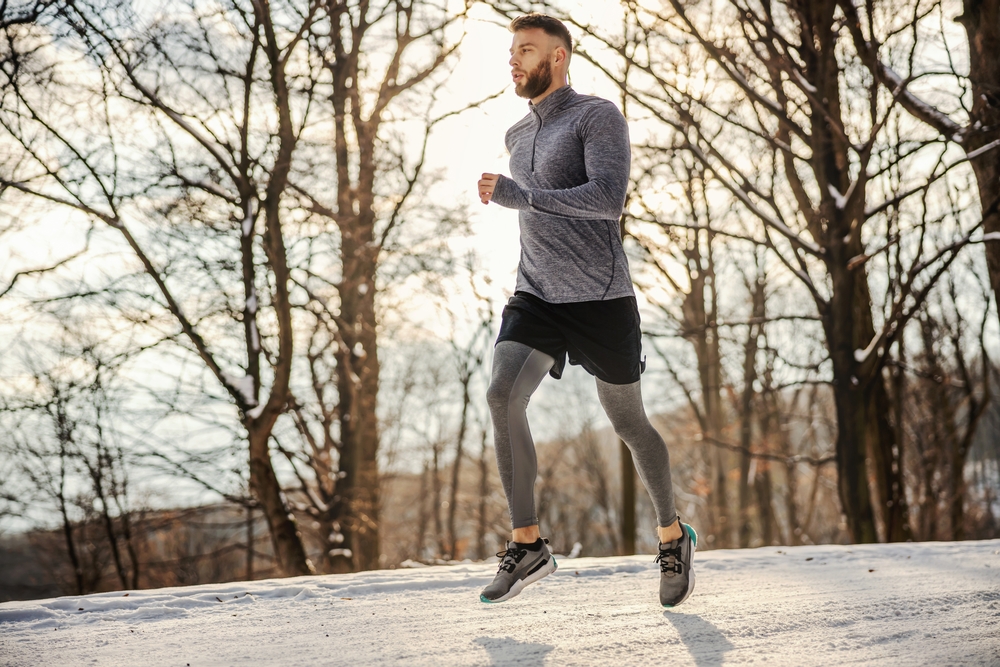
Running in the winter can actually feel refreshing once you get moving, even when temperatures are lower. All you need is a good pair of running shoes, warm gear, and some motivation. Start with a warm-up to get your blood flowing, then head outside for a run in the cold. A winter run can last anywhere from 20 to 45 minutes depending on how the body feels. It’s important to layer your clothes, wear a moisture-wicking base layer, and protect your face and hands from the cold.
Running in the cold weather helps you increase stamina and mental toughness, as the chilly air adds a unique challenge to your usual route. The crisp air also makes breathing feel refreshing, which can energize you for the entire day. Just make sure to listen to your body and avoid overexertion, as the cold can be harder on muscles. Running on snow-covered paths can also be a great way to enjoy the beauty of winter.
Hot Yoga for Relaxation and Flexibility
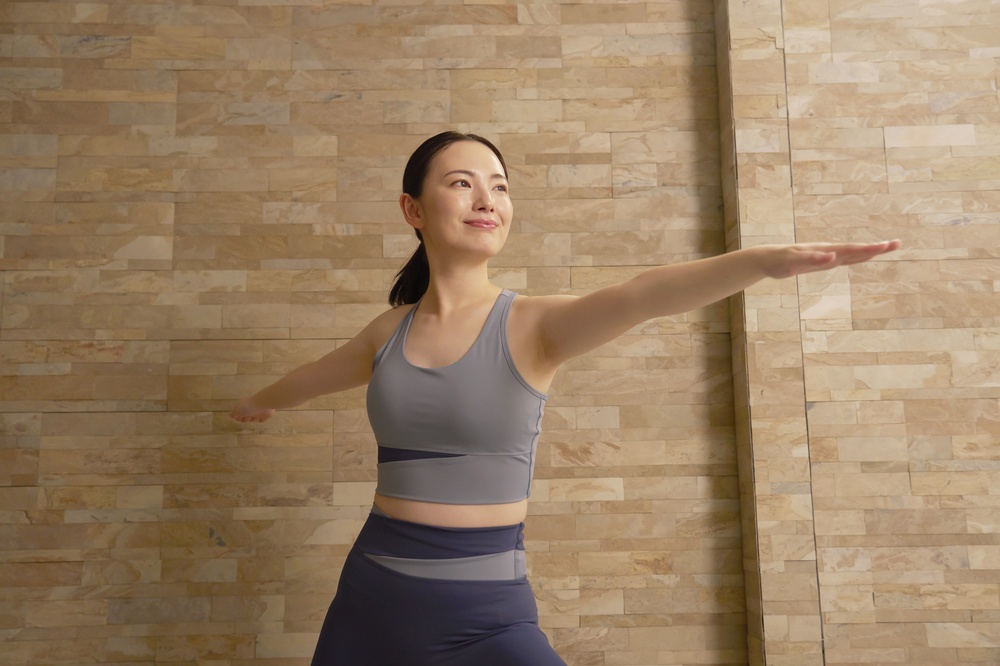
Hot yoga, practiced in a warm room, offers a great contrast to cold weather by allowing you to stay warm during the workout. You’ll need a yoga mat, comfortable clothing, and a towel to help with the sweat. Classes usually last 45 to 60 minutes and focus on deep stretching, strength, and flexibility. The heat in the room helps your muscles loosen up, making it easier to move through each pose and hold longer stretches.
This workout is perfect for the cold months because it offers a cozy environment while working your body. The warmth encourages deeper stretches, which helps prevent stiffness that can result from colder weather. Hot yoga also has mental health benefits, helping you de-stress and unwind during winter’s darker days. The heat from the room promotes better circulation and can make your body feel rejuvenated.
Snowshoeing for a Peaceful Winter Workout
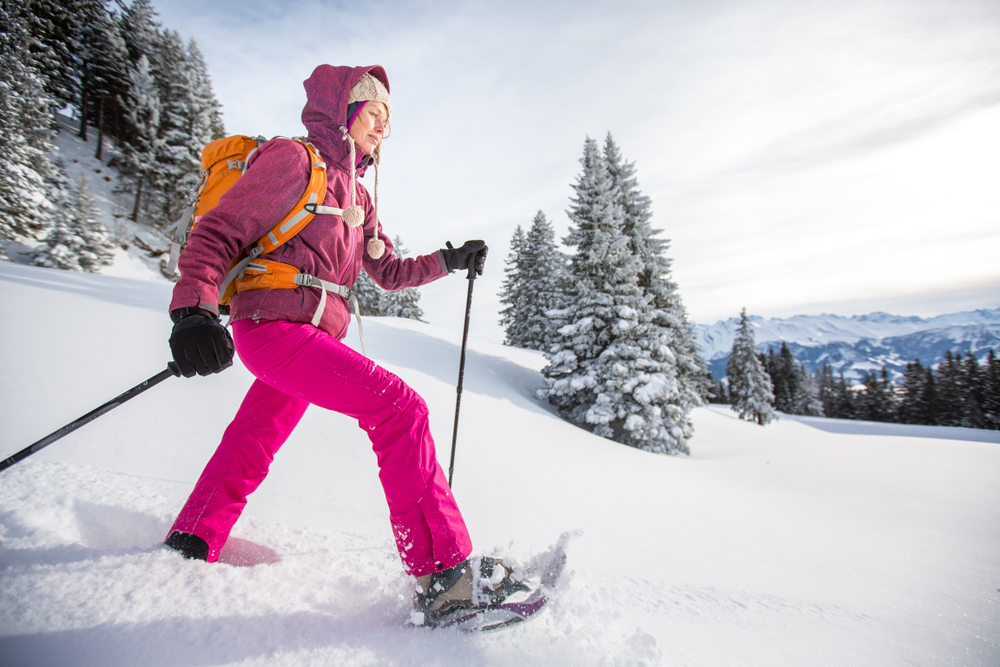
Snowshoeing offers a peaceful way to enjoy winter while getting a solid cardio workout. All you need is a pair of snowshoes, warm gear, and a snow-covered trail. Start by adjusting the snowshoes to fit your boots, then take a steady walk on the snow-covered paths. Snowshoeing can last anywhere from 30 minutes to 2 hours depending on the difficulty of the terrain and your pace.
It’s a low-impact, full-body workout that builds endurance and strength as you push through the snow. Snowshoeing works the legs, core, and arms, helping to improve cardiovascular fitness while being gentle on your joints. It’s also a fun activity that gets you outside and moving, and the quiet beauty of snow-covered landscapes makes it even more enjoyable. Snowshoeing is an excellent way to enjoy nature and get active during the winter.
Winter Cycling for a Cold-Weather Challenge
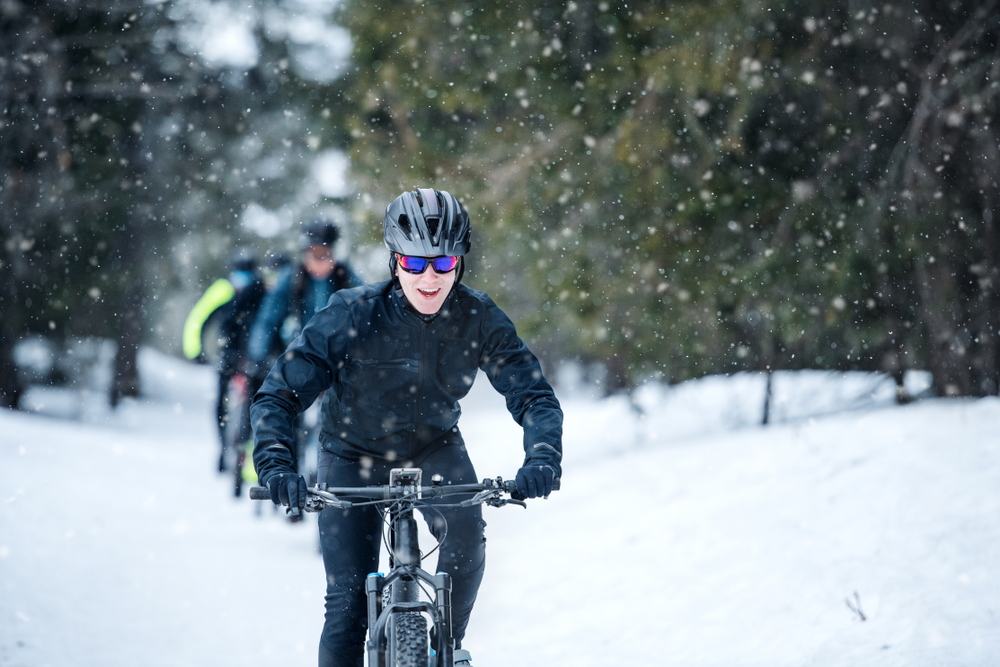
Cycling in winter might seem tough, but it’s an excellent way to stay fit and enjoy the outdoors during cold months. Make sure to dress in layers, wear warm gloves, and choose a bike with tires suitable for snowy or icy roads. Start with a light warm-up, then cycle for 30 to 60 minutes, focusing on maintaining a steady pace. Choose well-maintained trails or bike paths for a safer experience in cold conditions.
Winter cycling can be invigorating as the cold air pushes you to pedal harder, keeping your body warm. It’s great for cardiovascular fitness and helps strengthen leg muscles. While cycling in the snow or ice adds some challenges, it also builds mental toughness and focus. As long as you stay warm and dress in layers, cycling through winter can be an exciting and effective workout.
Stretching and Mobility Exercises to Improve Flexibility
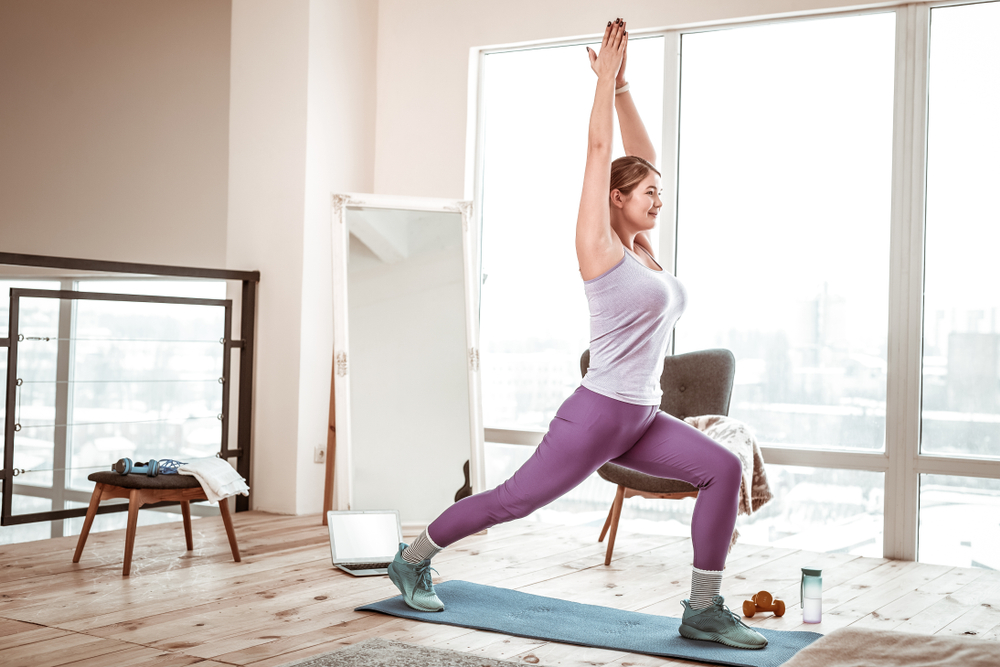
Stretching is a simple yet effective workout that can be done indoors during colder months. All you need is a comfortable space and a yoga mat. Start by warming up with light movements to get your muscles ready, then proceed with dynamic stretches focusing on your hips, legs, and shoulders. Spend about 15 to 30 minutes stretching, holding each stretch for about 30 seconds to improve flexibility and mobility.
Stretching helps release tension that builds up during the colder months when you’re more likely to sit for long periods. It can also improve your posture and prevent injuries by keeping your muscles flexible. Pairing it with some light core exercises can give you a full-body stretch that feels amazing. Stretching regularly keeps you agile and helps combat the stiffness often caused by winter weather.
Dance Workouts for a Fun, High-Energy Session

Dance workouts are a fun way to stay active in the winter and lift your spirits when it’s cold outside. All you need is a playlist with your favorite tunes and an open space to move. You can follow along with online dance classes or freestyle to your music for 30 to 45 minutes. Dance workouts get your heart rate up while keeping your body moving to the rhythm, making them a great way to burn calories.
Dancing not only tones your muscles but also helps reduce stress, which is especially helpful during the colder months. It’s an easy workout to fit into any schedule, and it can be done in the comfort of your home. The high energy and rhythm also boost your mood, making it feel more like a party than a workout. This is an effective and enjoyable way to stay fit while keeping warm during the cold season.
Boxing or Kickboxing for Intense Full-Body Exercise
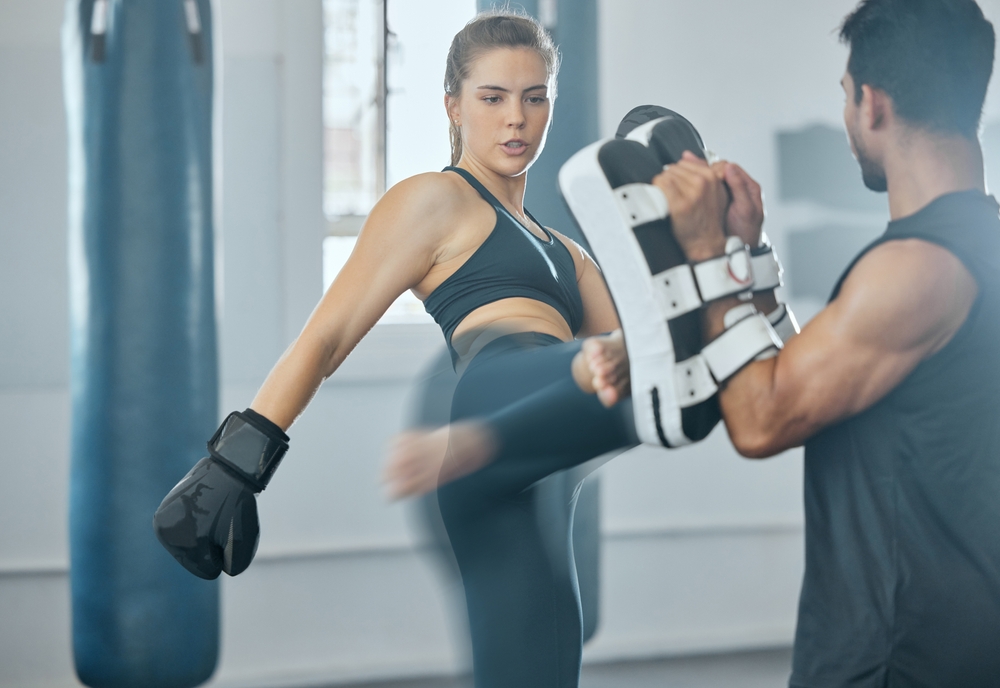
Boxing or kickboxing is a fantastic workout to stay warm during the winter months. All you need is a pair of boxing gloves and a punching bag, or even a shadowboxing routine if you’re working out at home. Start with a warm-up, then move into combinations of punches and kicks for 30 to 45 minutes. This workout challenges your strength, coordination, and endurance, making it a perfect fit for cold weather.
Kickboxing or boxing can get your heart pumping while helping you release stress and tension. The full-body movements activate various muscle groups, and the high-intensity nature of the workout helps burn calories quickly. It’s a great way to stay warm during colder days as you engage in vigorous physical activity. Plus, the combination of cardio and strength training makes it a well-rounded workout.
Swimming in an Indoor Pool for Low-Impact Fitness

Swimming in an indoor pool is one of the best ways to stay active in the winter while avoiding the cold air. You’ll need access to an indoor pool, a swimsuit, and a swim cap if desired. Start with a gentle warm-up and then alternate between different strokes like freestyle, breaststroke, or backstroke for 30 to 60 minutes. Swimming provides a full-body workout while being gentle on the joints, making it an ideal choice for those with any mobility concerns.
The water helps keep your body cool while you work out, and the resistance from the water increases muscle engagement. Swimming is excellent for improving cardiovascular fitness, strength, and flexibility, especially during the colder months when outdoor activities can be more challenging. The feeling of floating in the water while exercising is also incredibly relaxing, making swimming a great stress-reliever. It’s an effective low-impact workout that can be both fun and invigorating.
Pilates for Core Strength and Flexibility
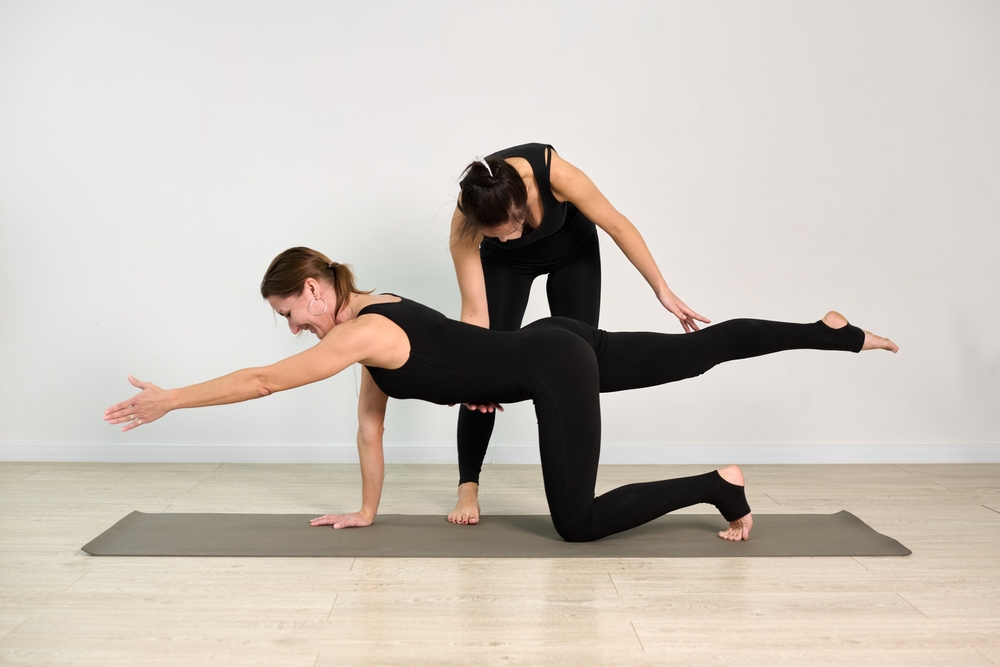
Pilates is an indoor workout that focuses on strengthening the core, improving flexibility, and increasing overall body awareness. You only need a mat and comfortable clothing to get started. Begin with a gentle warm-up, then perform a series of controlled movements and exercises for 30 to 45 minutes. Pilates exercises are designed to enhance balance, alignment, and coordination while targeting the core, which is essential during colder months.
This workout is perfect for cold weather because it helps maintain flexibility and strengthen muscles without putting too much strain on the body. Pilates is also excellent for improving posture, which can be especially helpful during the winter when many people tend to hunch over. Focusing on controlled breathing and precise movements helps keep the body engaged, making Pilates an effective workout to do indoors. It’s gentle on your joints but still delivers results.
Resistance Band Training for Full-Body Strength
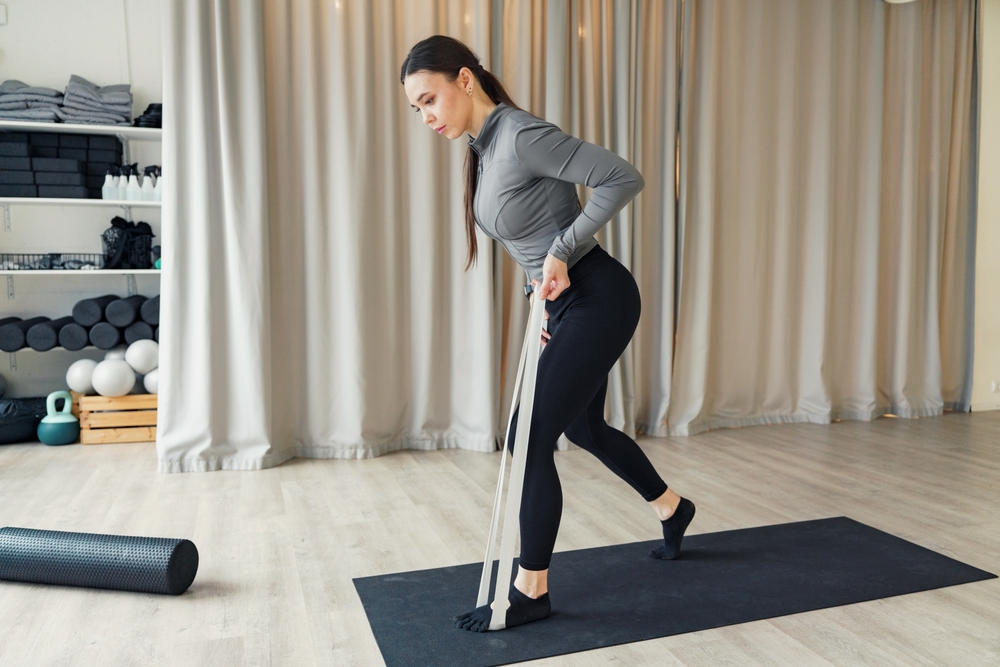
Resistance band training is an effective way to build strength without needing a lot of space or equipment. All you need are resistance bands, which come in various resistance levels, and a small area to move. Start by performing exercises like squats, rows, and presses with the bands, holding each for 30 to 60 seconds. This workout can be done in 20 to 30 minutes, and you can increase the intensity by using thicker bands or adding more reps.
Using resistance bands provides a great way to target specific muscle groups, especially during the winter when other forms of exercise can feel more challenging. They’re also portable and inexpensive, so you can easily work out in your living room or even take them with you when traveling. Resistance band workouts help tone muscles, improve strength, and can be adjusted to fit any fitness level. It’s a simple and effective way to stay active indoors.
This article originally appeared on Avocadu.