
17 Late January Wellness Habits That Help with Sleep and Energy
As the days grow shorter and winter settles in, many of us find ourselves struggling with low energy and poor sleep. It is common to feel sluggish or restless during the late January months when the body is adjusting to the cold and darker days. However, there are simple habits you can adopt to help improve both your sleep and energy levels. By making small changes to your routine, you can set yourself up for better rest and more vibrant days. From creating a calming bedtime ritual to adjusting your diet, there are many ways to boost your well-being. Making these adjustments will not only help you feel more rested, but they can also enhance your focus and productivity.
This post may contain affiliate links, which helps keep this content free. Please read our disclosure for more info.
Limit Caffeine Intake in the Afternoon

Caffeine can be a major culprit in disrupting sleep if consumed too late in the day. It is advisable to cut off caffeinated drinks by mid-afternoon to allow the body to naturally wind down as evening approaches. Since caffeine has a half-life of several hours, it may still be affecting your body’s ability to relax, even long after you have had your last cup.
The impact of caffeine on sleep can vary, but it is generally safer to opt for herbal teas or decaffeinated beverages after lunch. You might even notice that this small change results in deeper, more restful sleep and a more energized morning the following day. By limiting caffeine in the later hours, you allow your body’s natural sleep cycle to function more smoothly. Over time, you may find that you feel more energized during the day, without the need for that mid-afternoon coffee boost.
Practice Deep Breathing Before Bed

Breathing exercises can significantly improve the quality of your sleep by calming the mind and relaxing the body. Deep breathing, particularly techniques like diaphragmatic breathing or box breathing, can help lower stress levels and prepare your body for rest. It is ideal to set aside a few minutes before bed to sit comfortably, close your eyes, and focus on your breath.
This practice helps shift your body’s nervous system from the fight-or-flight state to one that promotes relaxation. The rhythmic nature of deep breathing signals to your body that it is time to unwind. As a result, you may feel less restless and more at ease when settling into bed. With regular practice, these deep breathing techniques can contribute to improved sleep and more consistent energy levels throughout the day.
Keep a Consistent Sleep Schedule
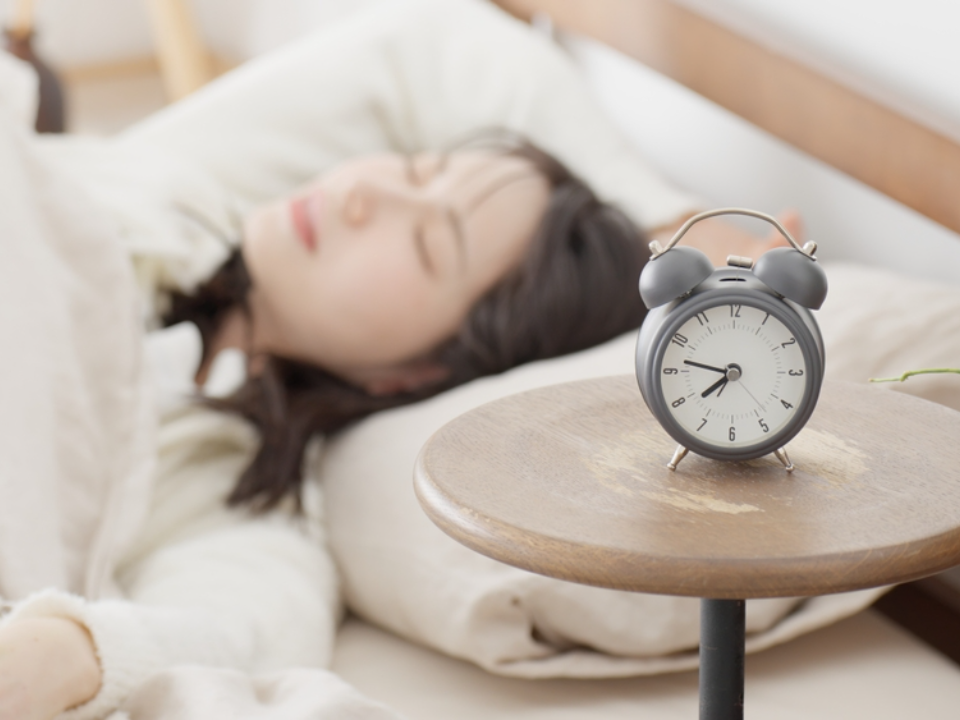
Maintaining a consistent sleep schedule is essential for regulating your body’s internal clock. Going to bed and waking up at the same time every day can help stabilize your circadian rhythm. By doing so, you train your body to fall asleep and wake up naturally at the desired times. Even on weekends or during holidays, try to stick to your routine as much as possible to avoid disrupting your sleep cycle.
This consistency not only improves sleep quality but also makes it easier to wake up feeling refreshed and energized. Over time, you may find that you require less time to fall asleep and feel more alert in the morning. A well-regulated sleep schedule can play a crucial role in overall wellness and energy levels during the day.
Limit Screen Time Before Bed
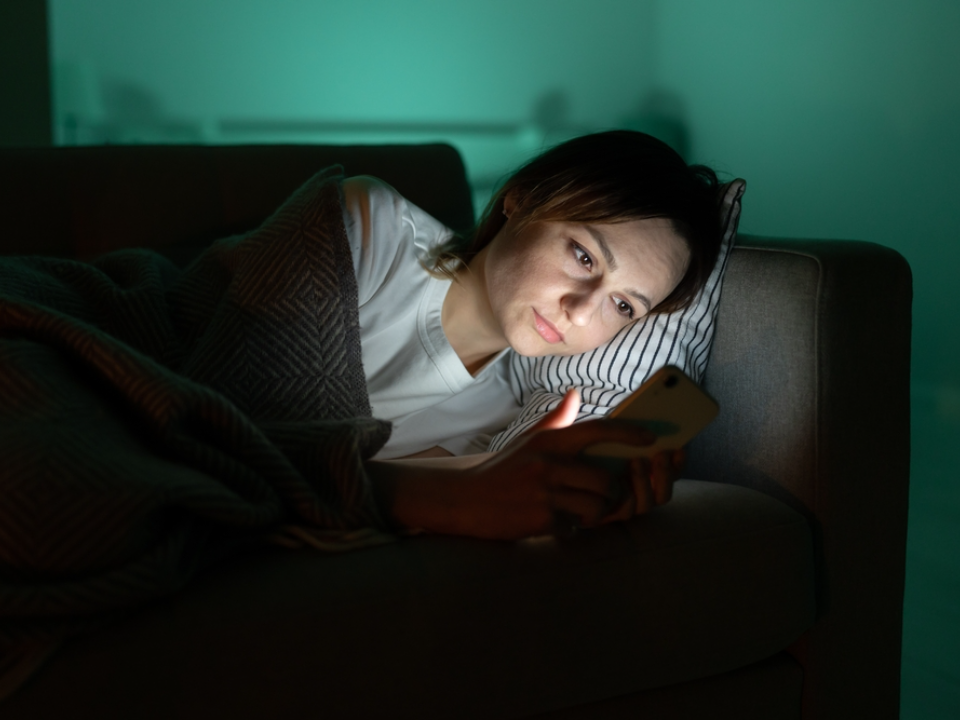
Excessive exposure to screens before bedtime can interfere with your sleep patterns. The blue light emitted by phones, tablets, and computers can trick your brain into thinking it is still daytime, making it harder for you to fall asleep. A good rule of thumb is to avoid screens at least an hour before going to bed. Instead, consider reading a book, listening to calming music, or engaging in a relaxation activity that doesn’t involve a screen.
By limiting screen time before bed, you allow your body to produce melatonin naturally, signaling to your brain that it is time to rest. This simple change can make a noticeable difference in how quickly you fall asleep and how well you sleep through the night. You may also experience greater alertness and energy levels in the morning after improving your nighttime routine.
Create a Relaxing Bedtime Routine

A calming bedtime routine signals to your body that it is time to unwind and prepare for sleep. This might include activities like taking a warm bath, reading a book, or practicing mindfulness meditation. The key is to avoid activities that are too stimulating or stressful in the hour or two leading up to bed. By incorporating soothing practices into your evening, you can create a predictable and relaxing pre-sleep ritual that helps transition from the hustle of the day to a restful night’s sleep.
Over time, your body will begin to associate certain actions with sleep, making it easier to wind down. A well-established bedtime routine can lead to improved sleep quality and a more energetic start to the day. This practice is an excellent way to set the tone for restful, rejuvenating sleep.
Avoid Heavy Meals Late at Night

Eating large or rich meals right before bed can negatively impact your sleep quality. Foods that are high in fat or spice can cause discomfort, indigestion, and even acid reflux, making it difficult to fall asleep. It is best to have your last meal of the day at least two to three hours before going to bed to allow your body time to digest.
If you are hungry before bed, choose lighter options such as a small bowl of oatmeal or a handful of almonds. These foods are less likely to cause discomfort and can provide a gentle energy boost without interfering with your sleep. Over time, you will notice that not only is your sleep improved, but you also feel more rested and energized in the morning.
Exercise Regularly but Not Too Late

Exercise is a fantastic way to promote both sleep and energy, but timing is important. Engaging in physical activity during the day can help tire the body and improve sleep quality. However, exercising too late in the evening can have the opposite effect by stimulating your body and making it harder to relax before bed.
Aim to complete vigorous exercise at least three to four hours before bedtime, allowing your body to cool down and transition into sleep mode. A light evening walk or gentle stretching can be beneficial, as long as it doesn’t interfere with your ability to wind down. Regular physical activity also contributes to better energy levels throughout the day, making you feel more refreshed and alert.
Keep Your Bedroom Cool and Dark

A cool, dark environment is ideal for sleep. Your body’s temperature naturally drops during sleep, and a cool room can help facilitate this process, promoting better rest. It is generally recommended to keep your bedroom between 60 to 67 degrees Fahrenheit for optimal sleep conditions. Additionally, exposure to light can inhibit your body’s production of melatonin, the hormone responsible for sleep regulation.
Using blackout curtains or an eye mask can help block out any unwanted light and create a peaceful, restful atmosphere. A cool and dark bedroom not only improves the quality of your sleep but also contributes to higher energy levels throughout the day by ensuring you get the restorative rest you need.
Stay Hydrated Throughout the Day

Dehydration can lead to sluggishness, fatigue, and difficulty concentrating. Drinking plenty of water throughout the day helps maintain proper hydration, which supports both sleep and energy levels. However, it is best to limit water intake right before bed to avoid waking up during the night for bathroom trips.
Staying hydrated ensures that your body functions efficiently and your cells get the oxygen they need to keep you energized. It also helps regulate body temperature, improve circulation, and support overall wellness. By making hydration a priority during the day, you will notice more consistent energy and better sleep quality. Aim for at least 8 glasses of water per day to maintain optimal hydration levels.
Spend Time Outdoors During Daylight Hours

Exposure to natural light during the day is essential for regulating your body’s internal clock and improving sleep. Sunlight helps trigger the release of serotonin, a hormone that enhances mood and promotes wakefulness. Spending time outdoors during daylight hours, even for just 20 to 30 minutes, can help reset your body’s natural rhythm, making it easier to fall asleep at night.
Getting outside also allows your body to absorb vitamin D, which is important for immune function and overall health. When you spend time outside, your body is naturally exposed to the cues it needs to maintain an optimal sleep-wake cycle. Incorporating this habit into your routine can result in feeling more energetic during the day and having better sleep at night. Even a short walk in the sun can make a big difference.
Limit Alcohol Consumption Before Bed

While alcohol may initially make you feel relaxed, it can disrupt the quality of your sleep. Drinking alcohol before bed can interfere with your sleep cycle, particularly during the REM stage, which is crucial for restorative sleep. It can cause you to wake up more frequently during the night and leave you feeling groggy in the morning. If you choose to drink, it’s best to do so earlier in the evening, giving your body time to process the alcohol before bedtime.
Choosing lighter drinks or avoiding alcohol altogether in the evening can improve your sleep and help you wake up feeling more refreshed and energized. Over time, reducing alcohol intake before bed may lead to deeper, uninterrupted sleep. This simple change can make a noticeable difference in both sleep quality and daily energy levels.
Practice Journaling Before Bed

Journaling is a great way to unwind and clear your mind before bed, making it easier to fall asleep. Writing down your thoughts, reflections, or a list of things you are grateful for can help reduce stress and promote relaxation. It allows you to focus on positive aspects of your life, which can improve your mood and make it easier to wind down. Journaling for a few minutes before bed helps create a peaceful transition from the busyness of the day to the calmness of nighttime.
By clearing mental clutter, you may find that you sleep better and wake up feeling more energized and focused. Regular journaling can also help with sleep-related anxiety, as it gives you a safe space to express your thoughts. Incorporating this habit into your nightly routine can contribute to better sleep and more consistent energy throughout the day.
Use Aromatherapy to Promote Sleep
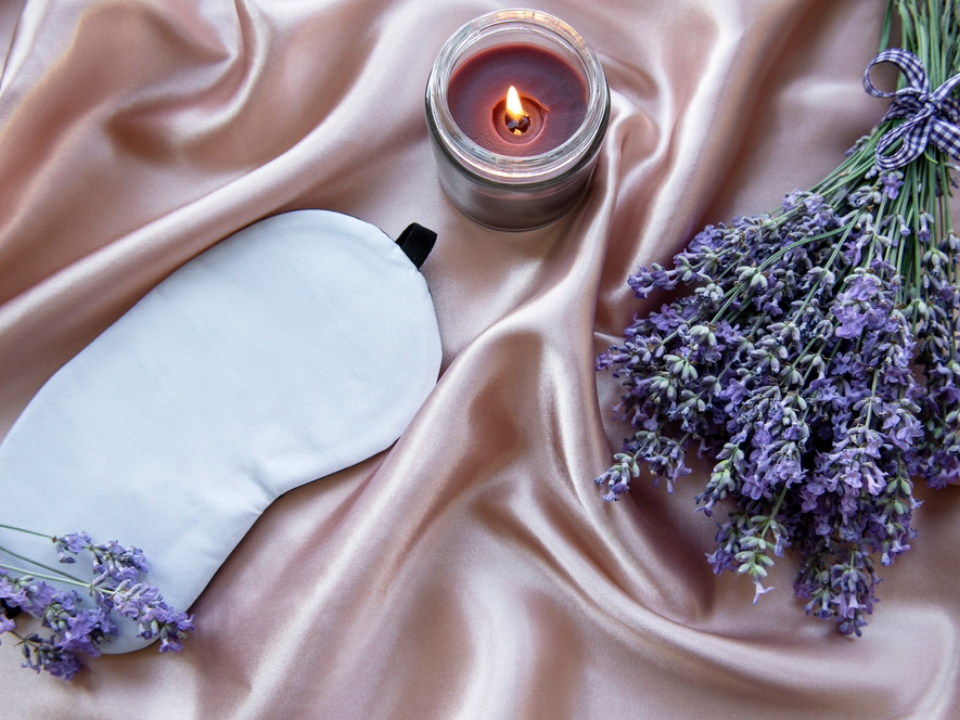
Aromatherapy has long been used as a natural way to promote relaxation and improve sleep quality. Scents like lavender, chamomile, and sandalwood have been shown to have calming effects on the body and mind. Using essential oils in a diffuser or adding a few drops to your pillow can help set the tone for a restful night. These calming aromas can reduce anxiety, lower heart rate, and create a soothing atmosphere in your bedroom.
Aromatherapy can also be beneficial during the daytime, as certain scents may help lift your mood and enhance focus. By incorporating aromatherapy into your routine, you may experience deeper sleep and a more energized morning. It’s a simple, natural way to improve both your mental and physical well-being.
Incorporate Magnesium-Rich Foods

Magnesium is an essential mineral that plays a key role in supporting sleep and energy. It helps relax muscles and calm the nervous system, making it easier to fall asleep. Foods like almonds, spinach, avocado, and black beans are rich in magnesium and can be incorporated into your diet to promote better rest. Magnesium is also known to help regulate blood sugar and reduce stress, both of which can have a positive impact on sleep quality.
Including magnesium-rich foods in your meals throughout the day helps maintain steady energy levels and prevents sleep disruptions. As you nourish your body with these foods, you may find that your energy is more balanced and your sleep improves. This small dietary change can lead to long-term benefits for both sleep and overall wellness.
Try Light Stretching or Yoga Before Bed
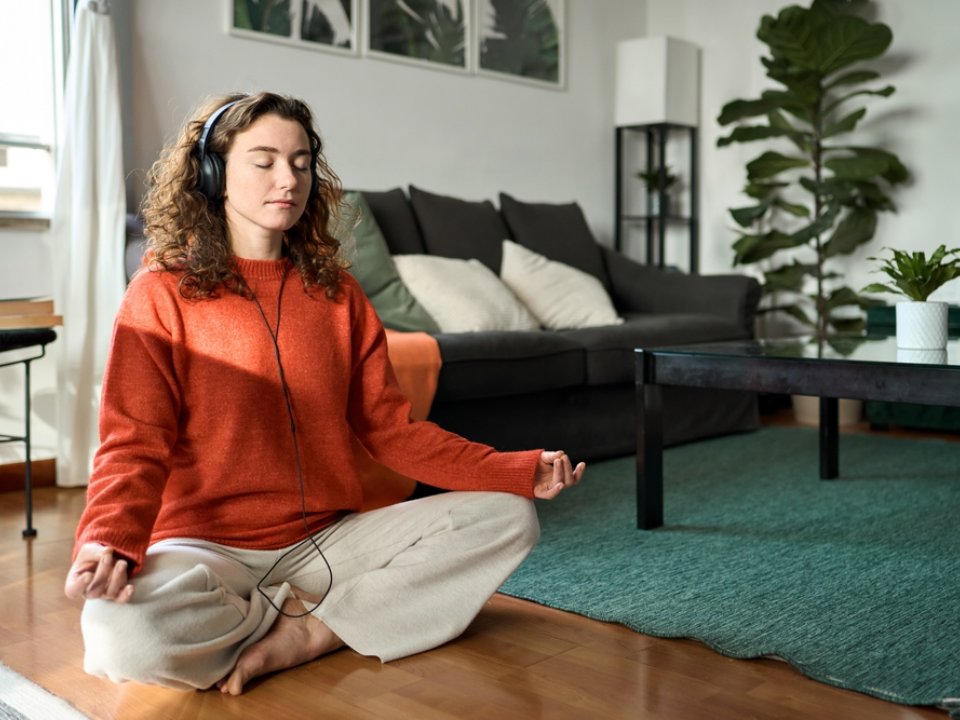
Gentle stretching or yoga before bed can help release tension from your body and prepare it for sleep. A short, relaxing yoga session can reduce stress, calm the mind, and ease tight muscles, allowing you to relax more effectively. Poses like child’s pose, forward bends, and legs-up-the-wall pose are particularly beneficial for evening practice. This routine can help improve circulation and promote deep relaxation, making it easier to fall asleep.
Additionally, stretching before bed encourages flexibility, reduces muscle stiffness, and prevents discomfort while sleeping. By incorporating this practice into your nightly routine, you may find that you sleep more soundly and feel more refreshed in the morning. A calm mind and relaxed body are essential for quality sleep and energy the next day.
Avoid Napping Too Late in the Day

Napping during the day can be beneficial, but timing is important. While a short nap can recharge your energy, napping too late in the day can interfere with your ability to fall asleep at night. Aim to limit naps to 20-30 minutes and avoid them in the late afternoon or evening. Taking a nap earlier in the day allows you to refresh without disrupting your nighttime sleep schedule.
If you find yourself feeling overly tired in the late afternoon, consider getting up and moving around to boost energy levels instead of napping. With the right timing, naps can provide a nice energy boost without affecting your overall sleep quality. Balancing rest and activity during the day contributes to better sleep at night and more consistent energy.
Drink Herbal Teas with Relaxing Properties

Herbal teas like chamomile, valerian root, and lemon balm are known for their calming effects and can help improve sleep quality. Drinking a warm cup of herbal tea before bed can signal to your body that it is time to wind down. These teas have natural sedative properties that help calm the nervous system and promote relaxation. Chamomile, for example, is particularly effective in reducing stress and anxiety, both of which can interfere with sleep.
Opting for caffeine-free herbal teas ensures that your body stays relaxed without being overstimulated. A soothing cup of tea can become a comforting nightly ritual that prepares your body for a good night’s rest. By incorporating this habit into your evening routine, you can enjoy improved sleep and wake up feeling more energized.
This article originally appeared on Avocadu.