
14 Late January Water Habits That Help When Indoor Air Feels Dry
Dry indoor air can be uncomfortable, especially during the colder months. Staying hydrated with water is important, but it’s not the only way to help with dryness. There are several habits you can add to your routine that will help you feel more comfortable in these conditions. By making a few simple changes, you can reduce the effects of dry air on your skin and body.
This post may contain affiliate links, which helps keep this content free. Please read our disclosure for more info.
Drink Water Regularly to Stay Hydrated

During the winter months, it’s easy to forget to drink enough water since the cold weather can mask thirst. Maintaining good hydration helps keep your skin moist, even when indoor air becomes dry. It’s recommended to drink at least eight 8-ounce glasses of water per day, but you may need more if you’re active or in a dry climate. Make it a habit to carry a water bottle with you to remind yourself to drink throughout the day. Staying hydrated helps keep your body in balance and counteracts the effects of dry air.
In addition to plain water, herbal teas and water-rich fruits like cucumbers and melons can contribute to your daily intake. These beverages can be particularly soothing in the winter months. Keep a glass of water on your nightstand to ensure you start your day hydrated. Small, consistent water habits make a big difference in how your body handles the dry air.
Use a Humidifier with Water for Extra Moisture
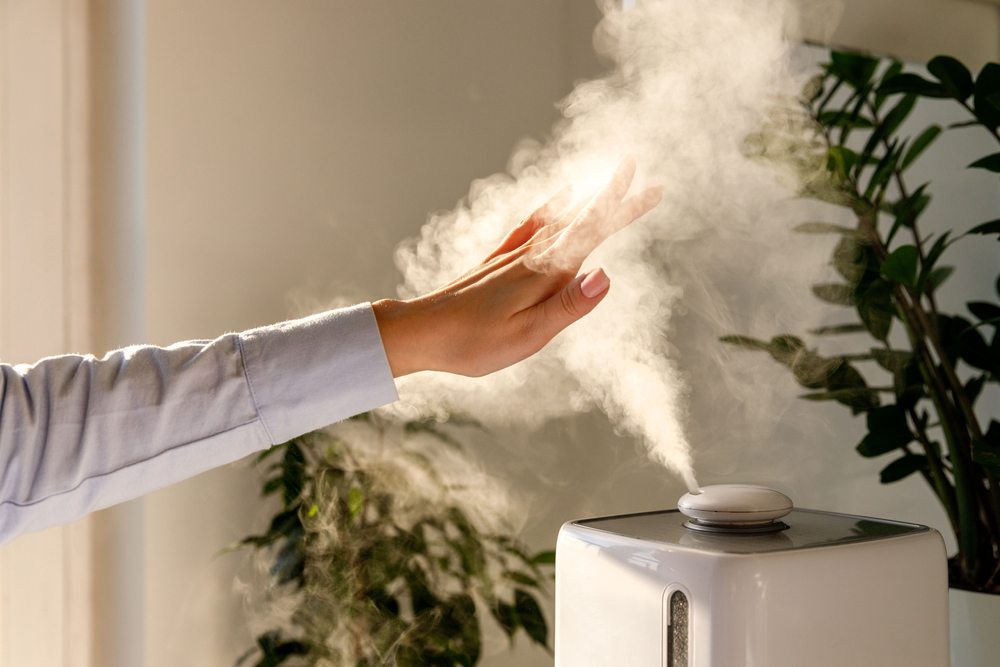
A humidifier can help put moisture back into the air, reducing the effects of dry air on your skin and respiratory system. Simply fill the humidifier with water and set it to the right humidity level for your space. This habit can be especially useful during the night, as your skin loses moisture while you sleep. By creating a more balanced environment, you help prevent irritation from dry skin and throat discomfort.
Using a humidifier with distilled water will help prevent mineral buildup that can affect its performance. Be sure to clean your humidifier regularly to avoid mold and bacteria growth. A well-maintained humidifier is a simple yet effective way to make your indoor air more comfortable. Consider investing in one with a built-in humidity monitor for consistent results.
Take Warm, Steamy Showers to Hydrate Skin

Steamy showers are not only a relaxing way to start or end your day, but they also help hydrate your skin when the air feels dry. The steam helps open pores, allowing your skin to absorb moisture from the water. Just be careful not to make the water too hot, as this can dry out your skin further. Keeping your shower time to a reasonable length will prevent your skin from becoming too dry while still benefiting from the steam.
After your shower, consider applying a good moisturizer to lock in the hydration. Steamy showers work best when followed by a skincare routine to retain moisture in your skin. If you have dry air in your home, this practice can be even more beneficial in combating skin dryness. It’s an easy way to incorporate hydration into your daily routine.
Keep a Water Bottle on Your Desk to Remind Yourself
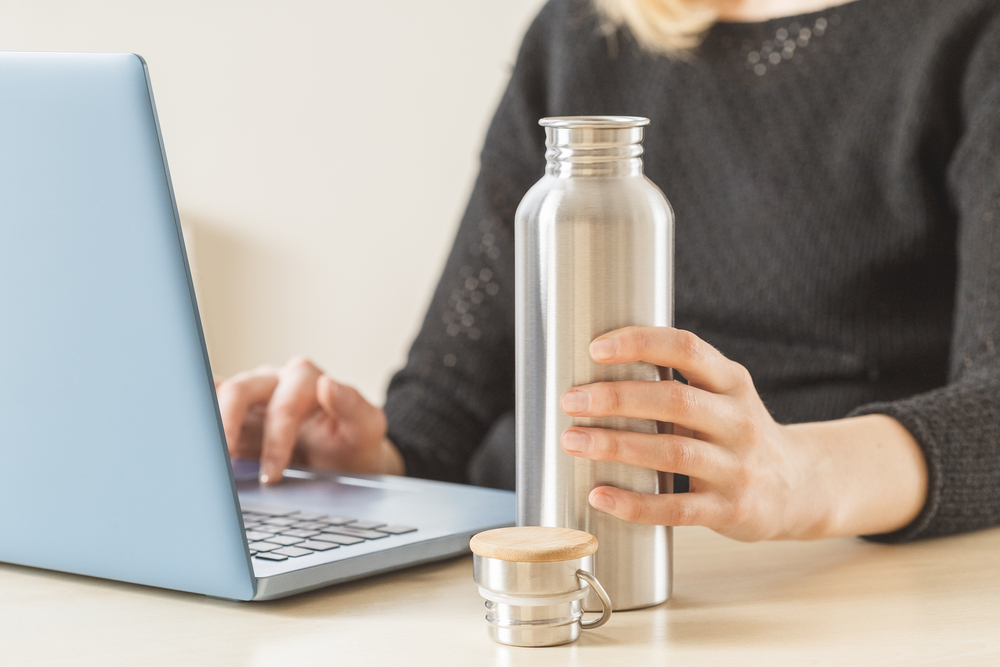
Having a water bottle on hand while working indoors encourages you to drink more water throughout the day. Keeping a bottle within arm’s reach serves as a visual reminder to stay hydrated, especially when the indoor air feels dry. You’re more likely to sip water regularly if you can easily access it. The act of taking small sips throughout the day will help keep your body hydrated and your skin from drying out.
Refill your water bottle regularly to track how much you’ve drunk. Consider choosing a water bottle with markers that show how much you should have consumed by certain times of the day. This habit is particularly useful when working from home or spending long hours indoors. It’s a simple way to stay mindful of your hydration needs.
Incorporate Water-Rich Foods into Your Diet

In addition to drinking water, incorporating water-rich foods into your meals can help keep your body hydrated. Foods like cucumbers, celery, watermelon, and oranges are excellent sources of hydration. These foods also contain essential vitamins that benefit your skin and overall health. Adding these to your diet will help your body cope with the dry indoor air.
Snacking on hydrating foods throughout the day can also help curb hunger and satisfy your thirst. Try including water-based foods in both your meals and snacks to get extra hydration. This habit not only helps with hydration but also provides the nutritional benefits these foods offer. It’s an easy, natural way to stay hydrated when the air is dry.
Place Water Bowls Near Heat Sources

Placing water bowls near heat sources like radiators, space heaters, or vents can help add moisture to the air. As the water evaporates, it increases the humidity levels in the room, which can prevent your skin from drying out. This simple habit can be especially effective in rooms that are heated for long periods. Choose shallow bowls to allow more surface area for evaporation.
Keep the water topped up and consider using decorative bowls that blend in with your home décor. The evaporation process is slow, but over time, it can make a noticeable difference. In addition to water, you can add a few drops of essential oils to the water for a soothing, fragrant atmosphere. This practice helps keep the indoor air more comfortable without needing expensive equipment.
Use a Water Sprayer to Hydrate Skin

Carrying a small water sprayer can be an effective way to keep your skin moisturized during the dry winter months. A fine mist of water can provide a quick hydration boost for your face and body, especially in areas with central heating. You can use this throughout the day whenever your skin starts feeling tight or dry. Spritzing your skin helps maintain its moisture levels and provides immediate relief from the dry air.
If your skin is particularly dry, look for a sprayer that includes added skincare ingredients like aloe or glycerin. Be sure to carry a sprayer that is easy to use and refill. This habit can be especially useful for those who spend long periods in dry environments like offices or airplanes. It’s a simple solution to combat the harsh effects of indoor heating.
Hydrate with Herbal Teas for Extra Comfort

Herbal teas made from water can offer more than just hydration-they can also provide soothing benefits when the air feels dry. Chamomile, peppermint, and ginger teas are great choices for boosting your hydration while offering relaxation. Drinking warm liquids helps keep your body hydrated while also calming your throat, which can get irritated in dry air.
Teas can be a great addition to your evening routine, especially if you enjoy winding down with a warm beverage. Not only does this habit keep you hydrated, but it can also help with digestion and promote relaxation before bed. It’s an easy, comforting way to add more hydration throughout the day or evening.
Fill Your Home with Indoor Plants for Natural Humidity

Indoor plants not only brighten up your living space but can also contribute to increased humidity levels through a process known as transpiration. As plants release moisture into the air, they help combat the dryness caused by indoor heating. This habit can improve your home’s air quality while keeping your skin from becoming parched. Consider adding plants like ferns, peace lilies, or spider plants, which thrive in humid environments.
Besides improving air quality, plants can also have a calming effect on your environment. A well-placed plant by a window or near a heating vent can help increase humidity in dry rooms. Watering your plants regularly provides added benefits for both you and the plants. It’s an effective, natural way to keep the air fresh and comfortable.
Drink Coconut Water for Extra Hydration
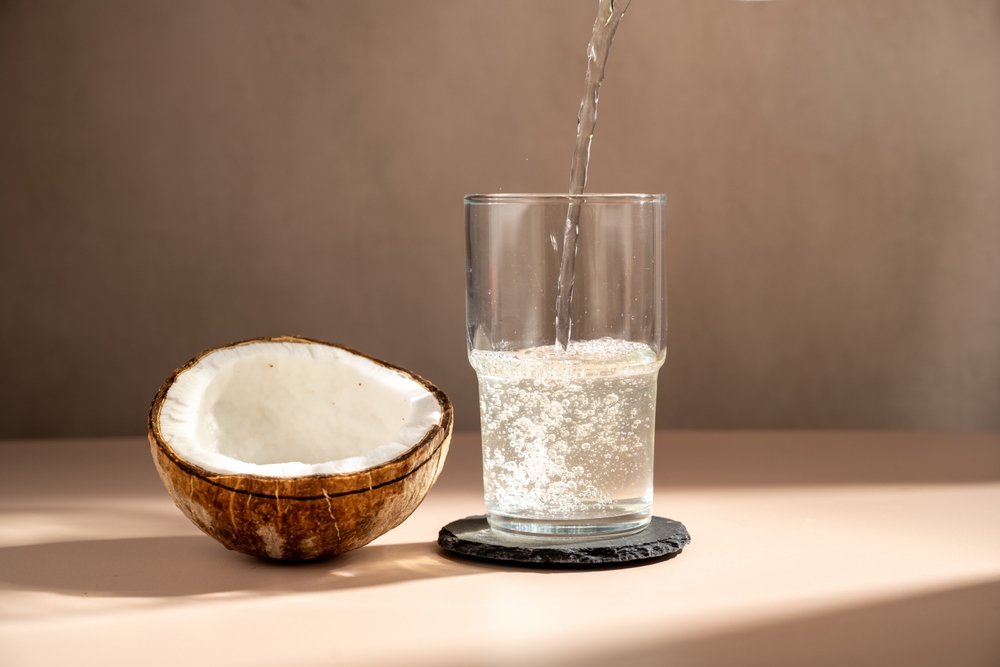
Coconut water is a natural source of electrolytes that can help with hydration, especially in dry environments. It’s rich in potassium and low in sugar, making it a healthy choice to replace sugary drinks during the winter. Drinking coconut water regularly can help restore moisture levels in your body and skin, combating the effects of dry indoor air. This hydrating option can be a refreshing change from plain water, offering a natural way to stay hydrated.
You can drink coconut water on its own or mix it with other beverages for a flavorful hydration boost. Some people even use coconut water in smoothies, combining it with water-rich fruits for extra hydration. Keep a bottle of coconut water in your fridge for easy access. It’s a great option for when you need something more than regular water.
Use a Water-Based Moisturizer to Lock in Hydration

A water-based moisturizer can help lock in moisture after showering or washing your hands, keeping your skin hydrated in dry air. These moisturizers are lighter than oil-based ones, making them ideal for daily use, especially during the winter. Applying a water-based lotion immediately after washing your face or hands helps your skin retain moisture, keeping it soft and smooth. This simple habit can prevent the uncomfortable tightness that comes with dry indoor air.
Choose a moisturizer that’s suited for your skin type and one that contains ingredients like glycerin or hyaluronic acid, which attract moisture. Applying it while your skin is still damp ensures the product works more effectively. This habit is particularly important during the colder months when skin tends to dry out more easily. Keep your moisturizer within reach so it becomes part of your daily routine.
Fill Your Bath with Water and Essential Oils for Relaxation
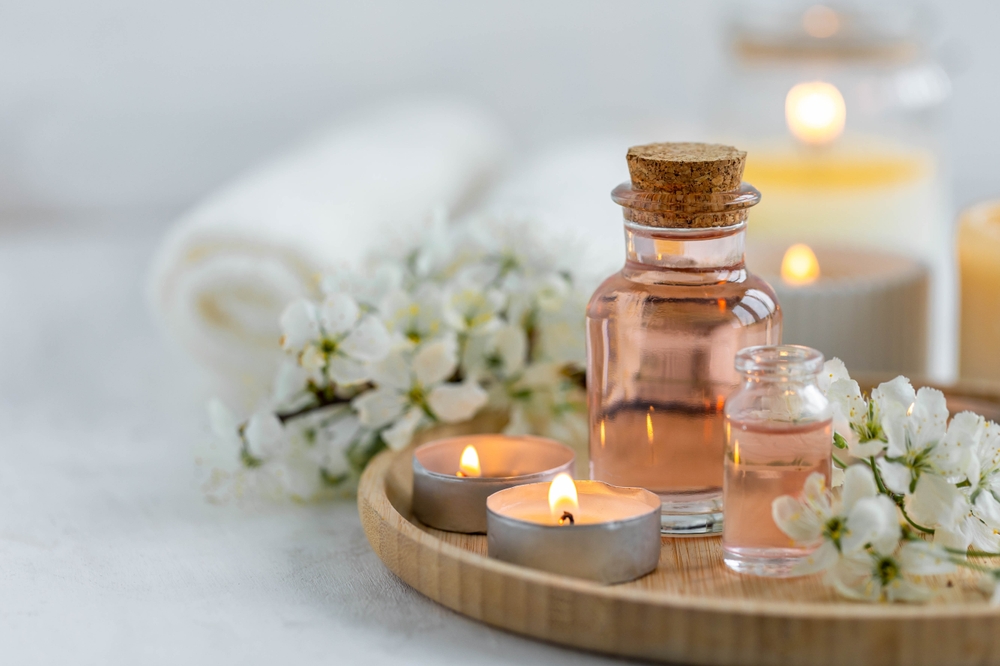
Taking a warm bath filled with water and essential oils can provide both hydration and relaxation when the indoor air feels dry. The warm water opens your pores, and the oils offer soothing properties that can help your skin absorb moisture. Eucalyptus, lavender, and chamomile oils are excellent choices to add to your bath, each offering different benefits. This habit can provide relief for your skin while also calming your mind.
In addition to the skin benefits, a bath can be a great way to unwind during the busy winter months. The steam from the bath can also add moisture to the air in your bathroom, further combating the dry conditions. A regular bath with essential oils can help make your skin feel soft and hydrated. It’s an enjoyable way to combine hydration with self-care.
Set Reminders to Drink Water Every Few Hours

It’s easy to forget to drink water, especially when you’re busy with daily tasks. Setting reminders on your phone or using an app can help you stay on track with your water intake throughout the day. This habit can be especially helpful during the winter months when you may not feel as thirsty. Hydration reminders help you get into the routine of drinking water regularly, which benefits your skin and overall health.
Start by setting a reminder every two hours to drink a glass of water. As you make it a habit, your body will naturally become accustomed to regular hydration. Keeping a journal or using a tracking app can also help you stay consistent. These small reminders can make a big difference in how you feel and how your skin handles dry indoor air.
Drink Electrolyte Drinks to Balance Water Loss

Electrolyte drinks can be a helpful addition to your hydration routine when dry indoor air makes you feel sluggish or dehydrated. These drinks help replace electrolytes like sodium and potassium, which can be lost through the dry air. You can find many low-sugar options on the market, or even make your own by adding a pinch of salt and a splash of citrus juice to water. This can help your body stay hydrated and prevent the discomfort of dry skin or fatigue.
Drinking electrolyte beverages can be particularly helpful after exercise or when you feel dehydrated. Just be mindful of sugar content, as too much sugar can negate the benefits of the hydration. Keep a bottle on hand for easy access throughout the day, and alternate between water and electrolyte drinks for optimal hydration. This habit supports your body’s needs while helping your skin stay hydrated.
This article originally appeared on Avocadu.