
14 January Scalp Care Tips That People Forget
January is the perfect time to reset your beauty routine, and your scalp shouldn’t be left out. Often, we focus on skin and hair, but forget that the scalp is the key to healthy locks. Cold weather can cause dryness and irritation, but it’s easy to combat with a few changes. Take a moment to check your scalp care habits and ensure you’re not overlooking essential steps.
This post may contain affiliate links, which helps keep this content free. Please read our disclosure for more info.
Moisturizing Your Scalp in Winter
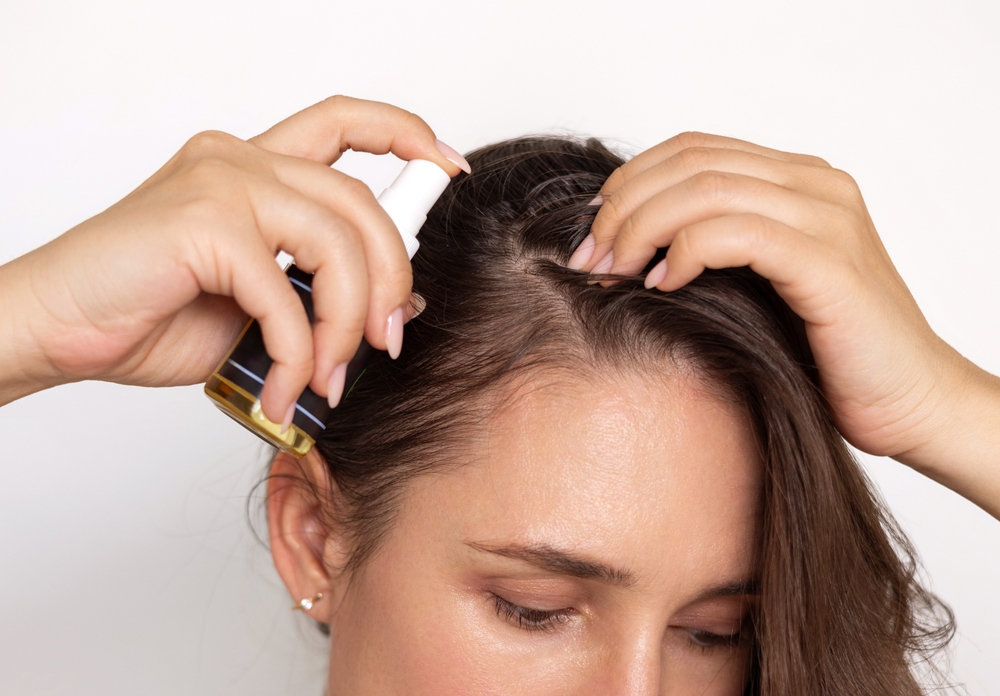
During the cold months, many people forget that their scalp needs moisture just like the skin. Dry air and harsh winter winds can leave your scalp feeling tight and flaky. By adding a moisturizing scalp treatment to your routine, you can combat dryness and prevent irritation. This simple step helps to restore the natural balance and keeps your scalp healthy. Make sure to use products specifically designed for scalp hydration to keep it from getting too dry or itchy.
Moisturizing also encourages a healthy environment for hair growth. When your scalp is hydrated, it can support stronger and shinier hair. The added moisture helps reduce flaking, dandruff, and discomfort that often occur during winter. Applying a lightweight oil or nourishing cream can help seal in hydration without weighing your hair down. Don’t overlook this essential step, especially during the colder months.
Using a Gentle Shampoo for Dry Scalp
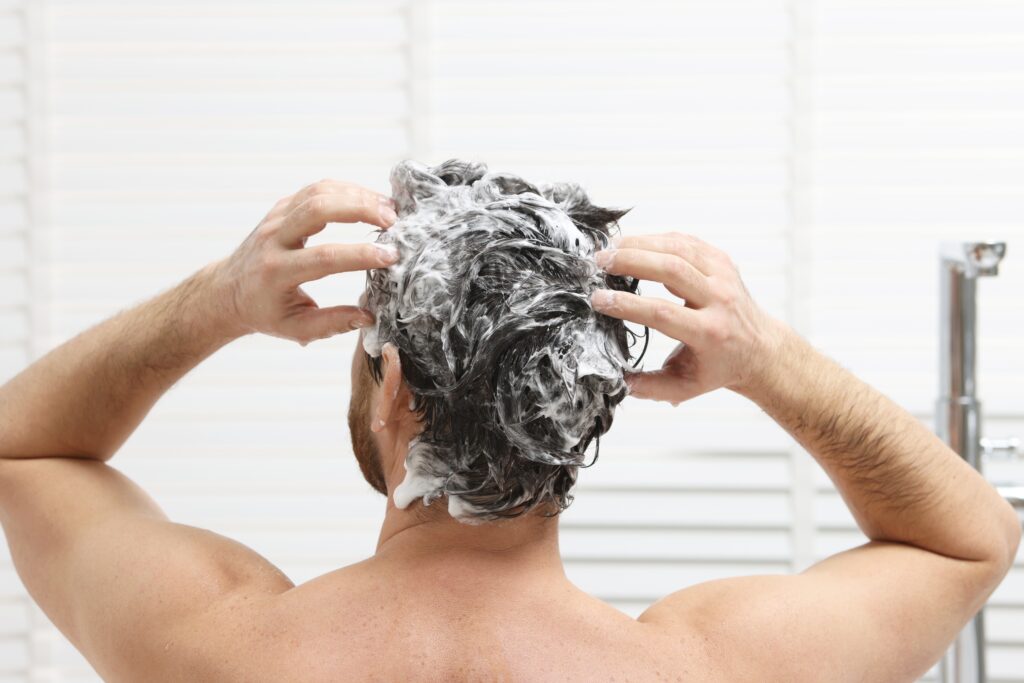
It’s common for people to grab the same shampoo year-round, forgetting that winter requires something different. Many shampoos contain ingredients that strip moisture, which is not ideal for dry winter conditions. A gentle, sulfate-free shampoo can help cleanse your scalp without removing its natural oils. These shampoos are perfect for protecting your scalp’s health and preventing further dryness. Look for products with calming ingredients like aloe vera or chamomile to soothe and nourish the scalp.
Switching to a gentle shampoo also supports a balanced scalp microbiome. Harsh ingredients can disrupt this balance, leading to irritation or inflammation. By choosing mild, moisturizing shampoos, you can protect your scalp’s natural barrier. It’s a simple change that can make a noticeable difference in how your scalp feels throughout the winter. Make sure to choose a formula that suits your hair type and scalp condition.
Scalp Exfoliation to Remove Dead Skin
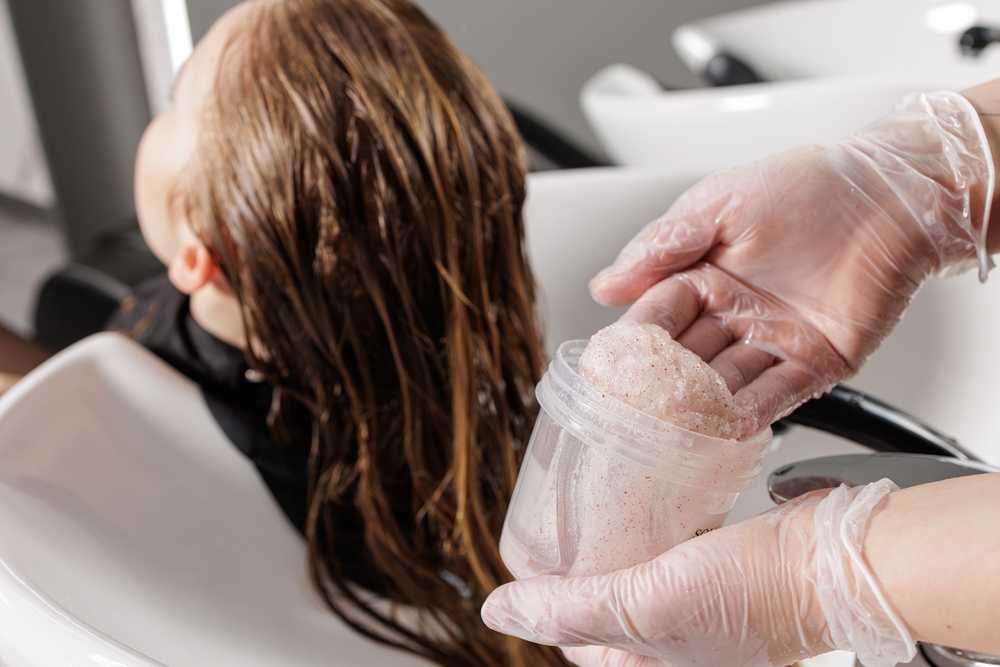
Exfoliation is often a forgotten step when it comes to scalp care, yet it’s vital for maintaining a healthy scalp. Dead skin cells can build up and block hair follicles, leading to irritation and poor hair growth. Gently exfoliating your scalp removes these dead cells and encourages fresh skin to surface. Regular scalp exfoliation promotes circulation, which can help nourish the hair follicles. Using a mild scrub or exfoliating brush can gently stimulate and cleanse the scalp.
By clearing away buildup, your scalp can better absorb nourishing treatments, oils, or serums. This is especially beneficial during the winter when scalp flakiness and product buildup are more common. Exfoliating helps maintain the overall health of your scalp and ensures hair growth is supported. Just be cautious and avoid harsh scrubbing, as it can cause irritation. Two to three times a month is usually enough for a clean, refreshed scalp.
Protecting Your Scalp from the Cold

The scalp is often exposed to the harsh elements, especially during winter. Many forget to protect it with hats or scarves, leading to dryness and damage. Wearing a cozy hat can shield your scalp from freezing temperatures, wind, and UV rays. Make sure your hat fits comfortably to avoid scalp pressure or irritation. Choose hats made of soft, breathable materials like cotton or wool to prevent buildup of sweat.
Cold weather also makes the scalp more prone to itching and sensitivity, which is why protection is key. In addition to a physical barrier, you can use scalp-friendly sprays that offer protection from environmental stressors. This simple step ensures your scalp stays healthy throughout the season. Don’t forget that just as you protect your skin, your scalp needs attention too. Keeping it covered can prevent the discomfort of exposure to extreme weather.
Keeping Your Scalp Clean and Free from Buildup
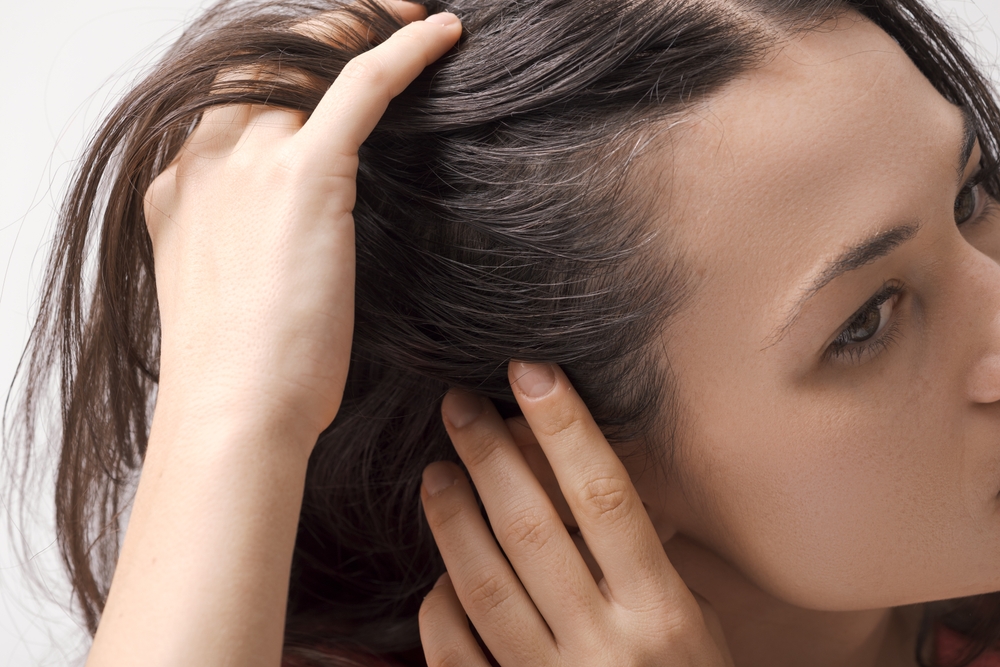
Many people skip regular scalp cleaning, especially during the winter when hair isn’t as sweaty. However, your scalp can accumulate oils, dirt, and product residue over time. By using clarifying treatments occasionally, you can remove stubborn buildup that may clog pores and disrupt hair growth. A clean scalp creates the best environment for healthy hair follicles to thrive. It’s important to balance this with moisturizing to prevent the scalp from drying out.
Clarifying shampoos are a great option for deep cleansing without harshness. They help clear product residue and environmental pollutants that can cause scalp problems. However, use them in moderation, as overuse can lead to dryness. Follow up with a gentle, hydrating shampoo to maintain moisture. Regular cleansing helps to maintain a balanced and healthy scalp all year long.
Using Scalp Treatments to Soothe Irritation

It’s common for people to forget that their scalp can become irritated in winter, often due to dry weather. Applying soothing scalp treatments can calm inflammation, itching, or redness. Natural oils like tea tree or peppermint oil have anti-inflammatory properties that help soothe the scalp. These oils can be massaged gently into the scalp to relieve discomfort. Make sure to dilute oils with a carrier oil to prevent irritation.
Scalp treatments are an effective way to restore comfort during winter months when dryness and sensitivity are common. These products not only provide relief but also improve circulation, which supports hair health. Incorporating a treatment into your routine once or twice a week can help keep irritation at bay. Choose treatments designed for your specific needs, whether that’s soothing or nourishing. A well-treated scalp leads to healthier hair in the long run.
Hydrating from the Inside Out

While most people focus on topical treatments, hydration from within is often overlooked. Drinking enough water helps maintain scalp health and keeps it hydrated naturally. Cold weather can make you feel less thirsty, but your body still needs hydration. Proper hydration helps regulate oil production on the scalp, reducing flakiness and dryness. Aim for at least eight glasses of water per day, especially when the air is dry.
You can also include hydrating foods in your diet, such as cucumbers, watermelon, and leafy greens. These provide essential vitamins and minerals that support scalp health. Maintaining a healthy diet and staying hydrated can make a noticeable difference in your scalp’s condition. Don’t wait until the dryness gets uncomfortable-start hydrating early to maintain balance. Your scalp will thank you, especially during winter.
Avoiding Hot Showers That Dry Out the Scalp
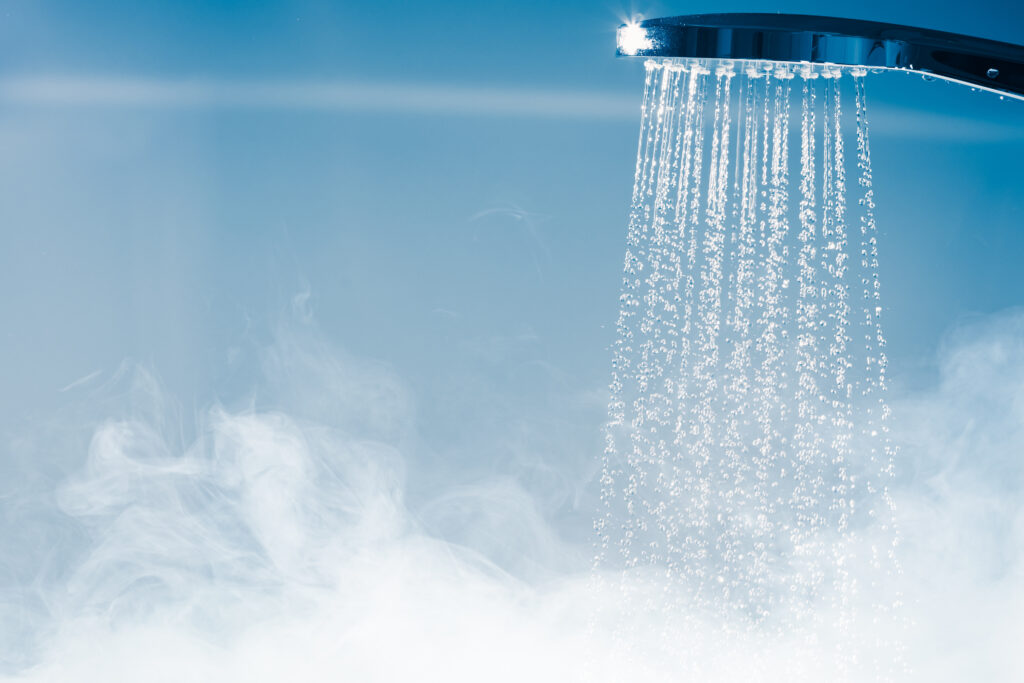
It’s tempting to turn up the heat during winter showers, but it can do more harm than good for your scalp. Hot water can strip away natural oils, leaving your scalp feeling dry and itchy. Instead, opt for lukewarm water to help retain moisture and protect your scalp’s health. This small adjustment can make a big difference in how your scalp feels. Afterward, gently towel-dry your hair and avoid rubbing the scalp too harshly.
Washing with hot water can also increase scalp sensitivity, causing redness or irritation. While you might enjoy the warmth, your scalp prefers a gentler touch. Lukewarm water helps balance oil levels and ensures your scalp stays nourished throughout the day. This simple habit change will leave your scalp feeling much more comfortable during the colder months. Keep the water temperature moderate to preserve your scalp’s moisture balance.
Avoiding Harsh Chemical Treatments
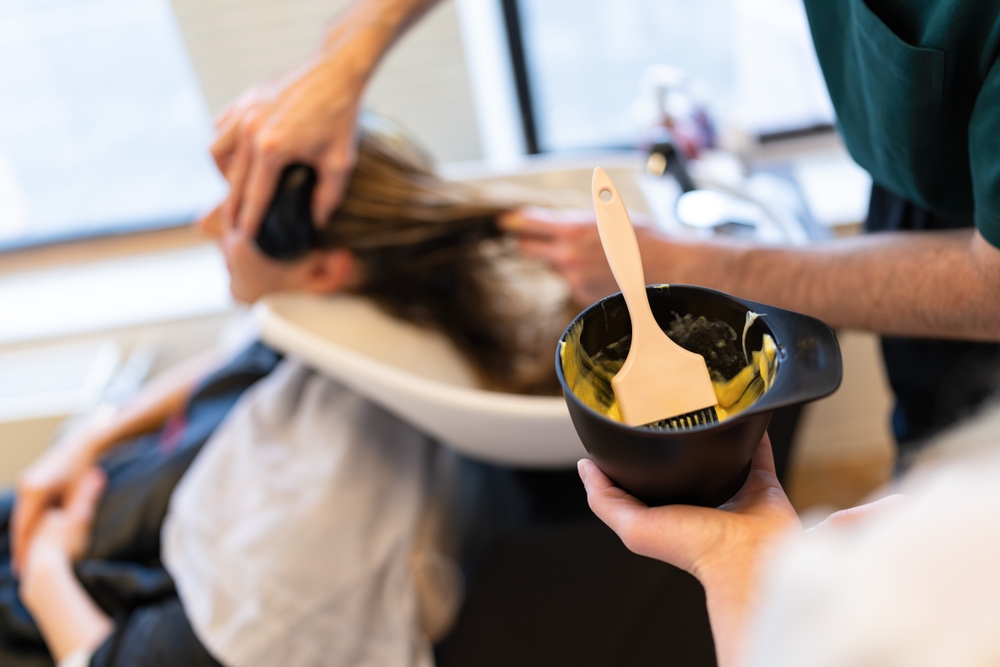
Many people continue using chemical treatments like hair dyes or relaxers during winter without thinking about their scalp’s health. These products can dry out the scalp and cause irritation, especially when the skin is already sensitive. If you’re planning a hair color touch-up, consider switching to gentler formulas or postponing treatments until after the season. Your scalp needs a break from harsh chemicals, and winter is the perfect time for a detox. Opt for nourishing hair masks and leave-in treatments that offer hydration and repair.
Choosing natural haircare products can also be a great way to avoid irritating chemicals. Look for formulas that are free from sulfates and parabens, as these ingredients can worsen scalp dryness. These gentle alternatives help to nourish your scalp without stripping away its natural oils. Focus on scalp-friendly products that repair and soothe rather than irritate. Your scalp will thank you for giving it some time to recover from harsh chemicals.
Scalp Massages for Improved Circulation

Scalp massages are often forgotten when it comes to winter care, but they can do wonders for scalp health. Massaging your scalp helps increase blood circulation, which in turn promotes hair growth and nourishment. It’s a relaxing way to relieve tension while giving your scalp the attention it deserves. You can incorporate essential oils or scalp serums during your massage for added benefits. Gently using your fingertips in a circular motion can stimulate hair follicles.
This simple self-care step also helps distribute natural oils across the scalp, preventing dryness and flakiness. Regular scalp massages can reduce stress, which is beneficial for overall hair health. You don’t need to spend much time on this-just a few minutes can have a big impact. Make it a part of your routine to relax and revitalize your scalp. With continued practice, you may notice healthier, more vibrant hair growth.
Choosing the Right Scalp Brush
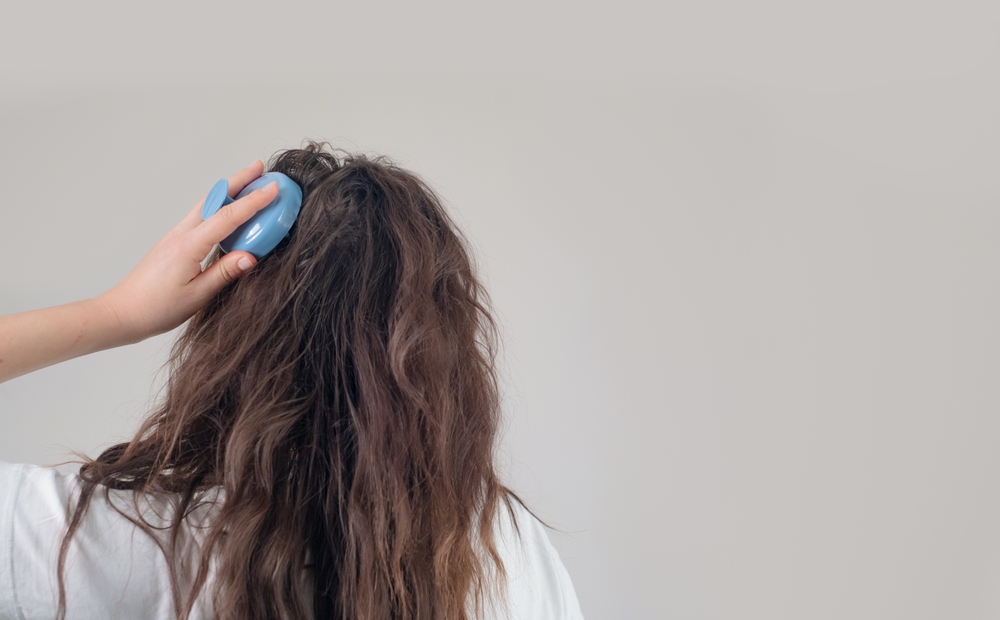
Most people forget to switch to a scalp brush for improved hair care. Regular brushing can help distribute oils and improve circulation, but a scalp-specific brush is even more effective. Using a soft-bristled scalp brush can help exfoliate, remove buildup, and massage the scalp, which is great for health and relaxation. This gentle brushing encourages hair growth while promoting a clean, nourished scalp. Consider investing in a brush designed for the scalp to ensure a deep and effective clean.
Scalp brushes are also great for detangling hair without causing breakage or irritation. They can help distribute any treatments or oils more evenly, making them more effective. Regular brushing can prevent dryness and flakiness, keeping your scalp moisturized. Add it to your routine, especially after washing your hair, for a more thorough cleanse. It’s a simple tool that can really enhance your scalp care efforts.
Changing Pillowcases Regularly
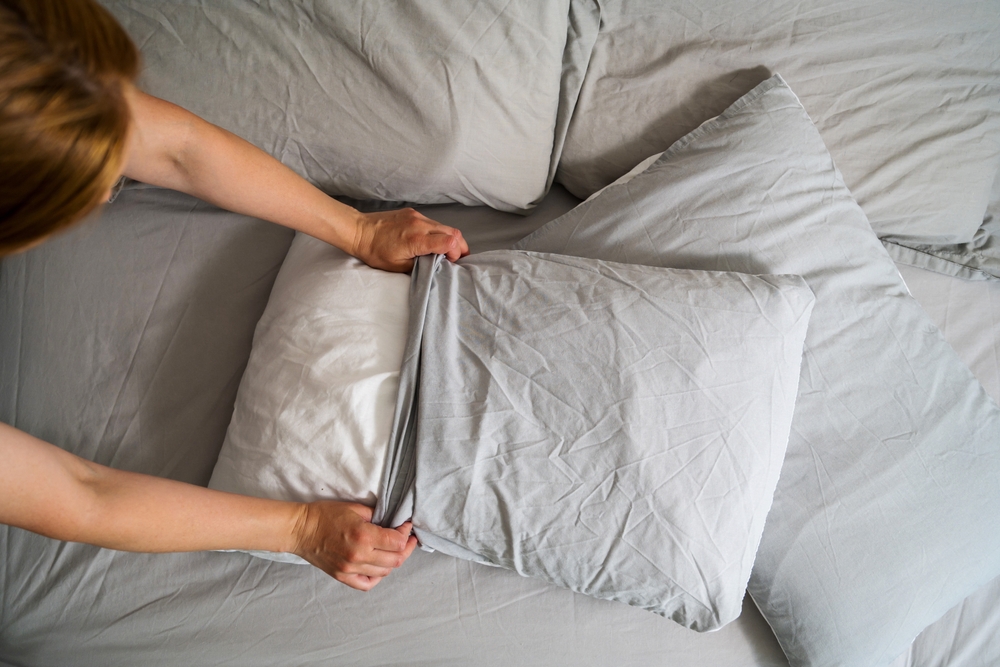
People often overlook how pillowcases can affect their scalp, but dirty pillowcases can contribute to buildup and irritation. The oils from your scalp, along with sweat and product residue, can transfer to your pillow, which then touches your hair and scalp every night. Changing pillowcases regularly helps maintain a cleaner, fresher surface for your scalp. Consider switching to silk or satin pillowcases, which can help reduce friction and prevent dryness. These materials are gentler on the skin and hair, allowing for better hydration retention.
Silk and satin pillowcases are especially beneficial for people with sensitive or dry scalps. They minimize the chances of friction that can lead to hair breakage or scalp irritation. Keeping your pillowcase clean helps to ensure a healthier environment for your scalp. Aim to change your pillowcase at least once a week to keep things fresh. This small habit can go a long way in supporting your scalp care efforts during the winter.
Avoiding Overwashing Your Scalp
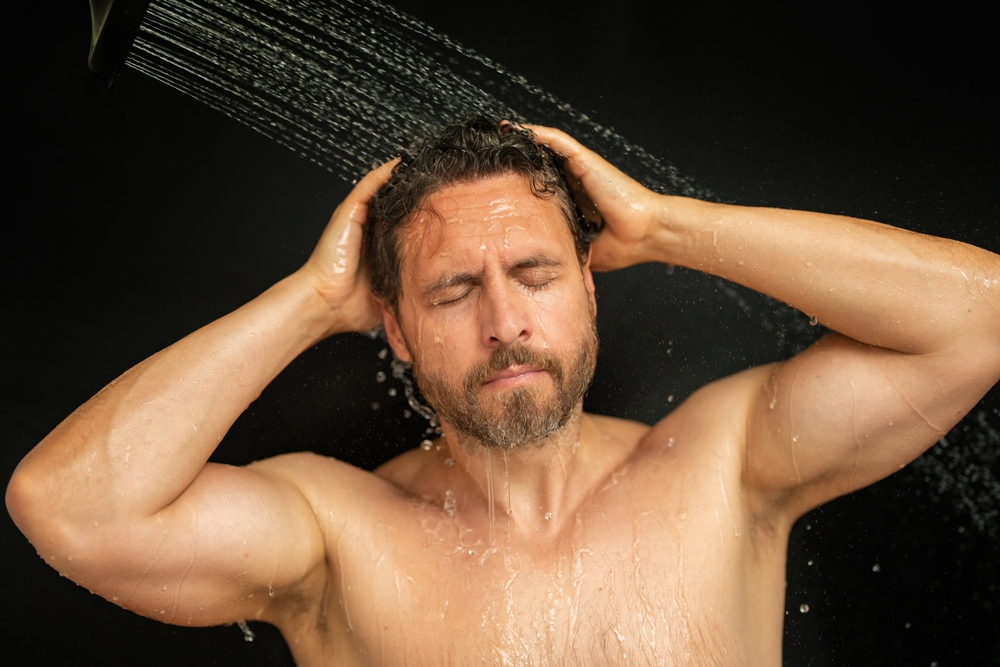
While washing your scalp is important, overdoing it can cause more harm than good. When you wash your hair too often, you strip away the natural oils that keep your scalp moisturized and healthy. In winter, your scalp is already prone to dryness, so overwashing can lead to irritation and excessive flaking. Aim to wash your hair two to three times a week, depending on your scalp’s needs. This helps maintain balance without over-drying your skin.
Overwashing can also disturb the natural pH balance of your scalp. By washing less frequently, you allow your scalp to retain essential oils that support healthy hair growth. Use dry shampoo in between washes to freshen up your hair without damaging your scalp. This approach helps to keep both your hair and scalp nourished throughout the winter. Finding a routine that works for you will make a significant difference in scalp comfort.
Treating Scalp Infections Early
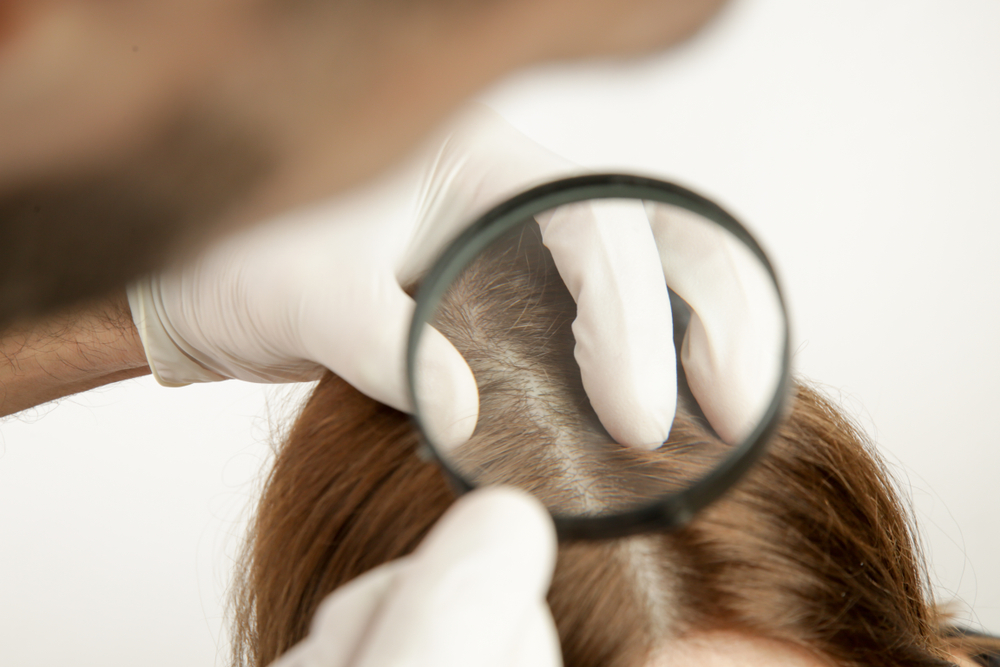
It’s easy to forget about the possibility of scalp infections, but they can worsen if left untreated. Conditions like fungal infections or seborrheic dermatitis can cause itching, redness, and discomfort, especially in winter. If you notice these symptoms, it’s important to address them early with the right treatment. Antifungal shampoos or prescribed scalp treatments can help prevent infections from spreading. Ignoring scalp conditions can lead to further irritation or hair loss.
Treating scalp infections early not only relieves discomfort but also helps to maintain hair health. If you suspect an infection, consult with a dermatologist to get the appropriate care. With the right treatment plan, most scalp infections can be managed effectively. Prioritizing scalp health ensures your hair remains vibrant and strong throughout the colder months. Don’t wait for the problem to worsen-take action as soon as symptoms appear.
This article originally appeared on Avocadu.