
12 January Pruning Tasks That Make a Difference and What to Leave Alone
January often feels like a quiet month in the garden, yet it can shape how plants perform later in the year. With leaves gone and branches exposed, it becomes easier to see what truly needs attention and what should stay untouched. Some pruning tasks during this time can support healthier growth and better structure when warmer weather returns. Other plants, however, rely on winter growth or hidden buds that should not be disturbed yet. Knowing the difference prevents missed blooms and long term damage. A thoughtful approach now saves frustration in spring.
This post may contain affiliate links, which helps keep this content free. Please read our disclosure for more info.
Dormant Fruit Trees Like Apple and Pear
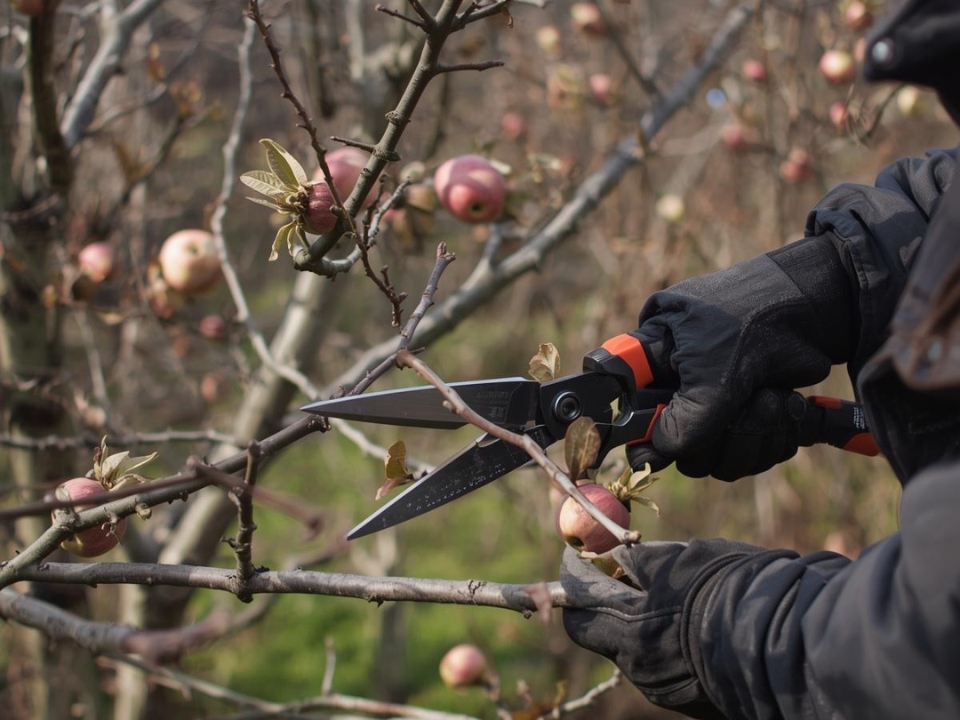
January is a useful time to prune dormant apple and pear trees because their bare branches clearly show structure and problem areas. Removing dead, broken, or crossing branches helps light and air reach the remaining limbs once growth returns.
Cuts made during dormancy tend to heal more cleanly when sap flow resumes in spring. Focus on thinning crowded sections rather than shortening every branch. Avoid heavy shaping since extreme cold can still stress exposed cuts. Keep major limbs intact so the tree keeps its natural form. Hold off on pruning young trees too aggressively since they are still settling into their shape.
Grape Vines That Have Fully Gone Dormant
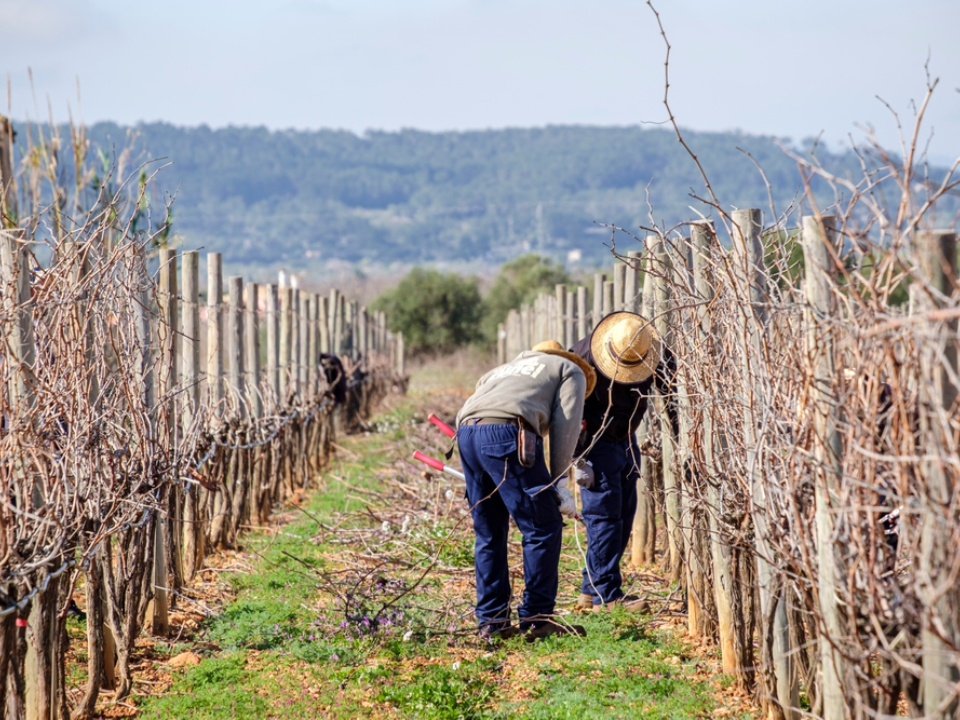
Grapes benefit from winter pruning once they have dropped all leaves and entered rest. January work helps control vine size and improves fruit quality later in the year. Remove old canes that produced fruit last season and keep healthy newer canes spaced evenly.
Cutting now reduces the risk of heavy sap bleeding that happens if pruning waits too long. Avoid pruning during severe cold snaps since frozen wood can crack. Leave a few extra buds as insurance against late winter damage. Do not prune if vines still show green growth.
Rose Bushes in Mild Winter Regions
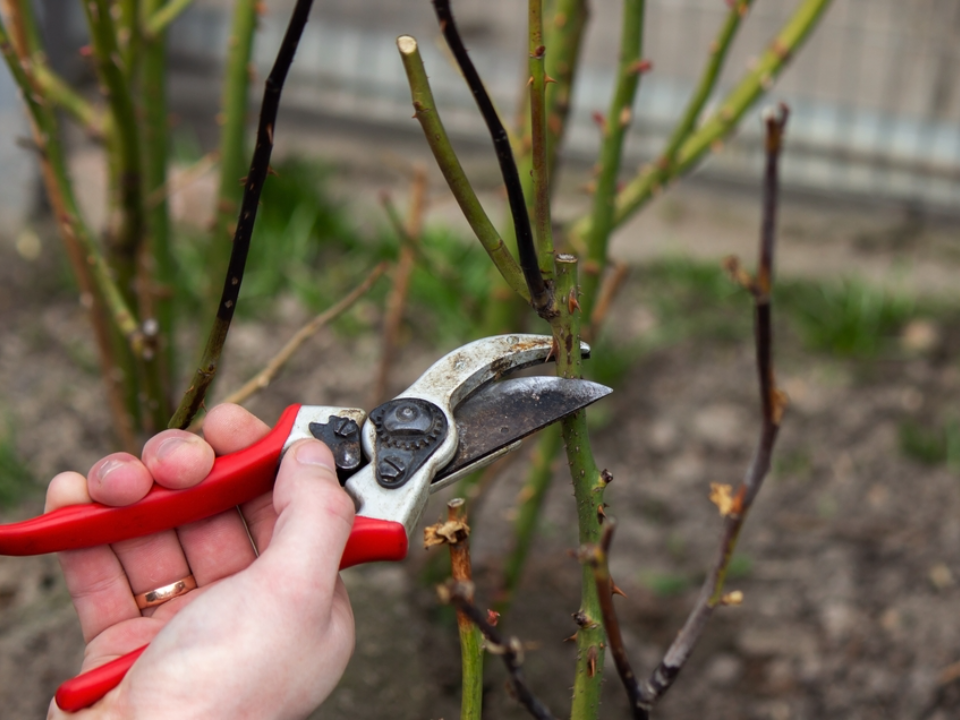
In areas with gentle winters, January pruning can help roses stay tidy and reduce disease pressure. Focus on removing dead wood and thin weak stems that crowd the center. This improves airflow once warmer weather returns. A
void heavy cutting since late frosts can damage freshly cut stems. Keep pruning light and conservative during this month. Major shaping is better left for later winter or early spring. Climbing roses should mostly be left alone for now.
Berry Bushes Like Blueberries and Currants
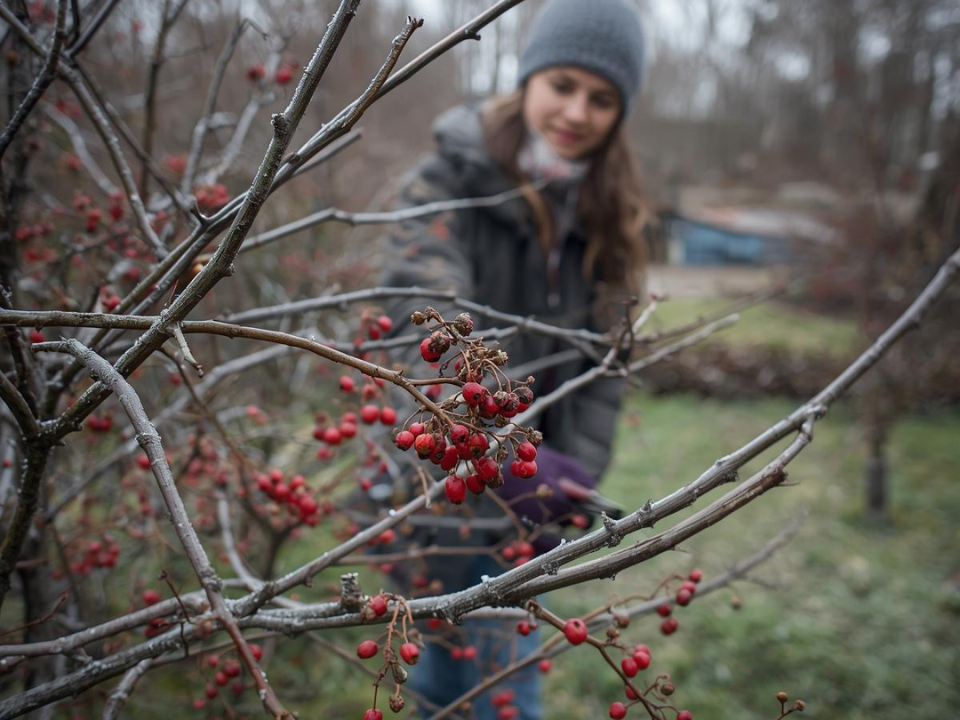
January pruning helps berry bushes stay productive and manageable. Remove older woody stems that no longer produce well and keep younger canes. This encourages better fruiting later without stressing the plant. Thin crowded areas so sunlight can reach the interior.
Avoid cutting back all growth since berries rely on a mix of old and new wood. Cold weather makes brittle branches more likely to snap so work carefully. Leave final shaping for early spring if temperatures remain harsh.
Ornamental Grasses That Look Messy
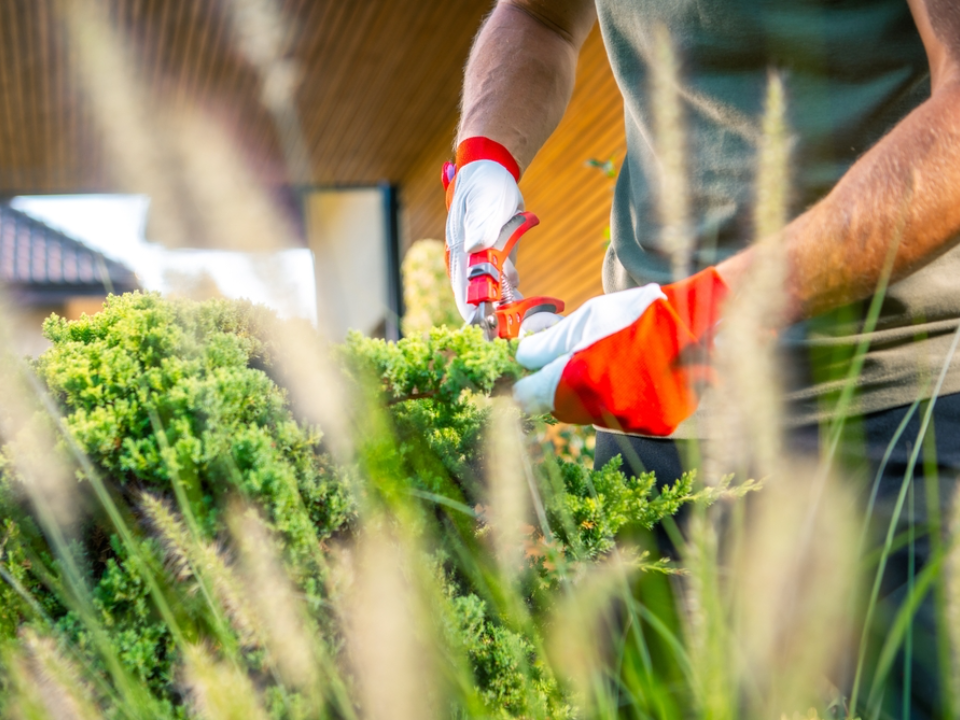
Many ornamental grasses can be cut back in January before new growth appears. Removing dried blades clears space for fresh shoots and improves garden appearance. Cut close to the base while avoiding damage to the crown.
Leave grasses that provide winter interest or wildlife shelter until later if possible. Do not cut evergreen grasses since they rely on year round foliage. Choose a mild day to prevent cracking frozen stems. This task makes spring cleanup much easier.
Wisteria Winter Maintenance Cuts
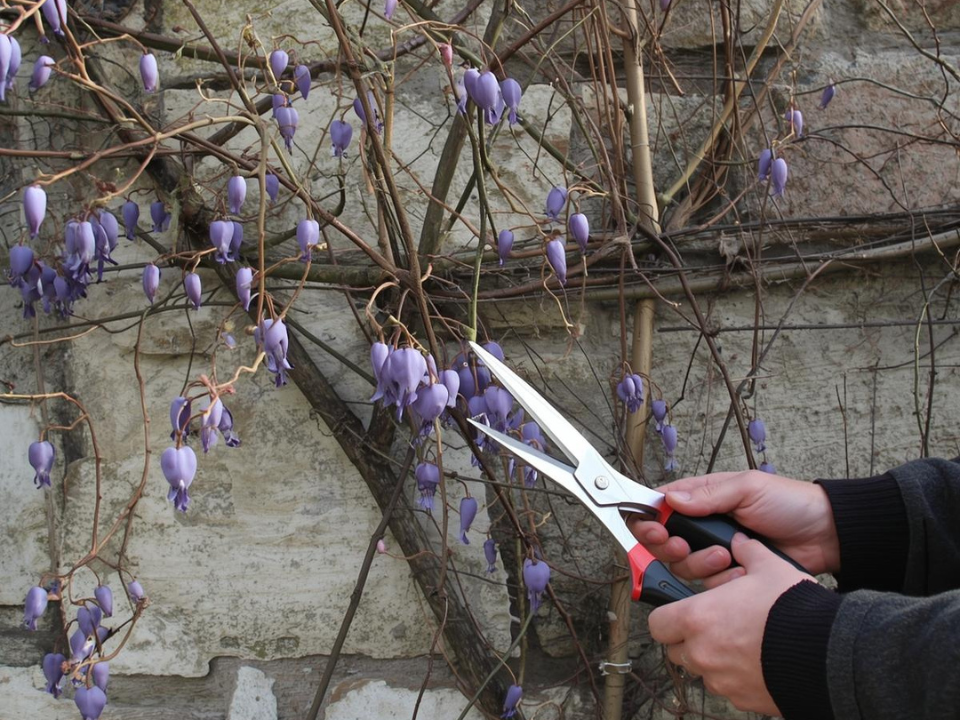
Wisteria responds well to winter pruning that controls size and keeps flowering reliable. January cuts help shorten long whippy shoots that grew the previous season. Focus on trimming side shoots back while leaving main structural branches intact.
This helps direct energy toward flower bud development. Avoid removing thick woody stems unless they are damaged. Overcutting can reduce blooms later in the year. Summer pruning still plays a role so winter work should stay measured.
Shade Trees With Broken or Unsafe Branches
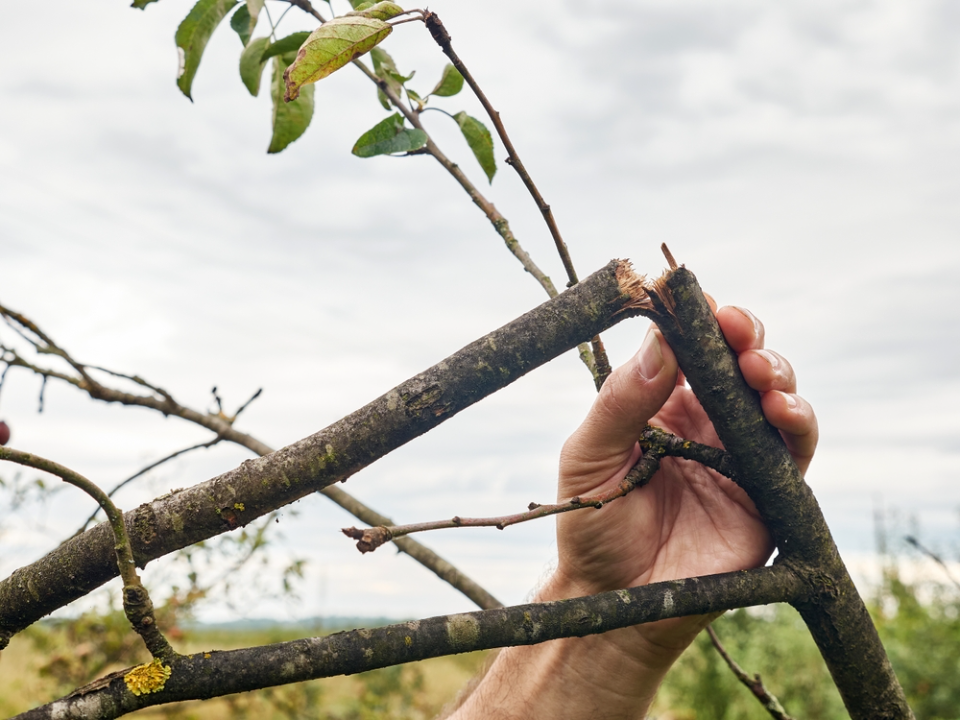
January is a good time to remove damaged branches from large trees when leaves are gone. Clear visibility helps spot weak limbs that pose safety risks. Focus only on dead or clearly compromised wood.
Avoid major structural pruning since cold weather can stress large cuts. Heavy work is better left to trained arborists if needed. Frozen wood can split if cut improperly. Safety pruning now helps prevent storm damage later.
Hedges That Need Light Shaping Only
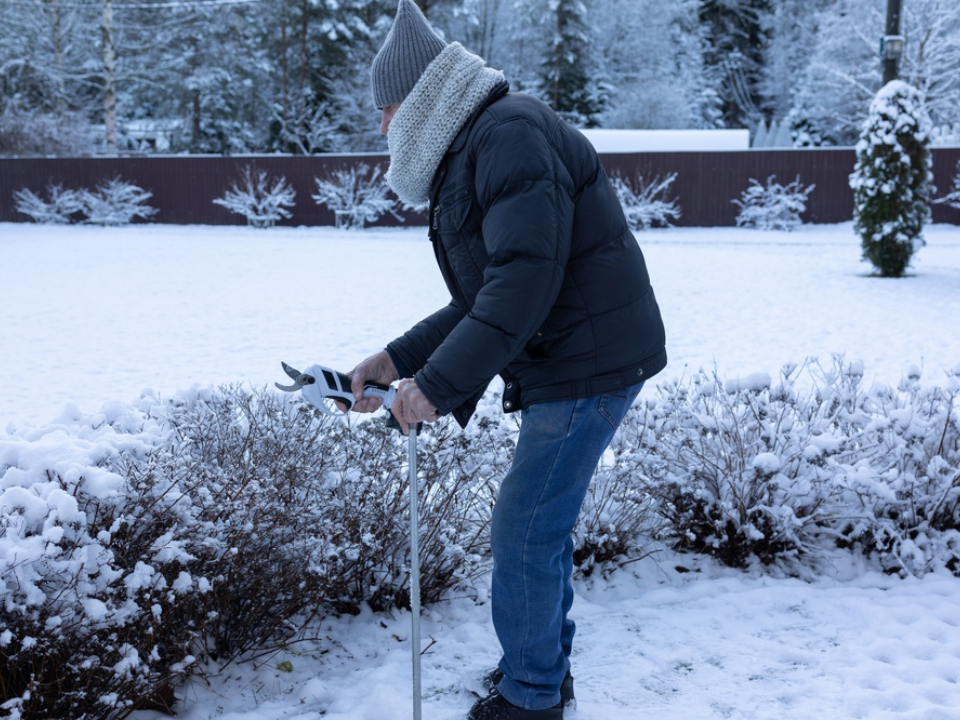
Some hedges can handle light trimming in January to control size. Remove stray branches rather than shearing the whole hedge. This keeps plants tidy without triggering new growth. Avoid heavy cuts since cold weather can damage exposed tips.
Flowering hedges should usually wait until after bloom season. Focus on maintenance rather than reshaping. A light touch prevents stress during winter.
Fig Trees in Warm Climate Areas
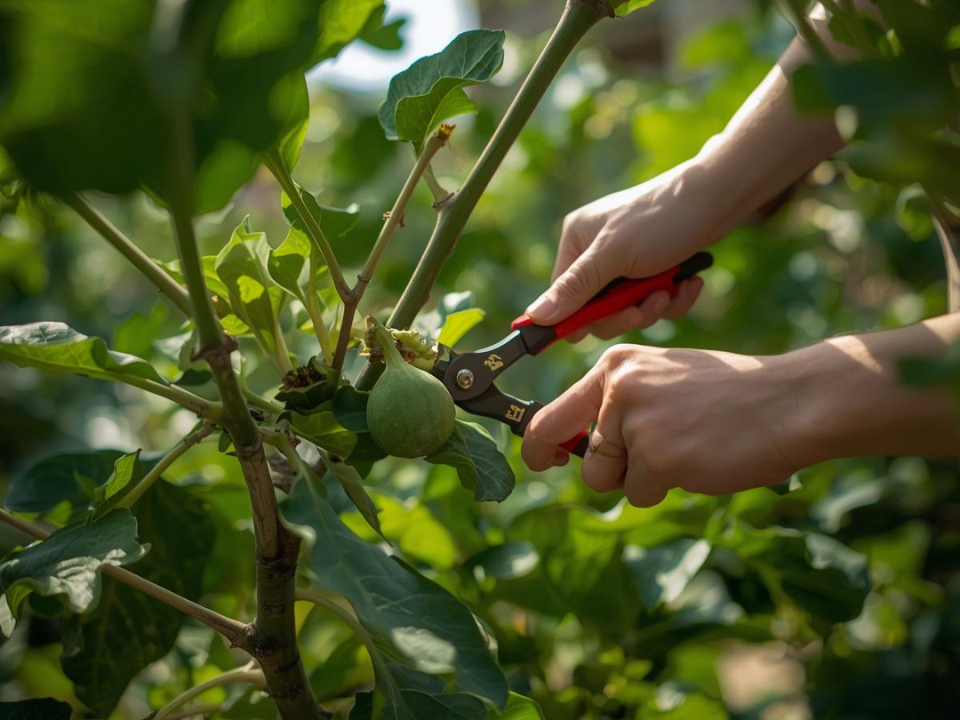
In frost free regions, fig trees can be pruned lightly in January. Removing dead wood and excess shoots improves airflow and light penetration. Keep main branches intact to support fruit later. Avoid severe cuts since figs can respond poorly to heavy pruning.
Cold sensitive areas should wait until danger passes. Watch for signs of winter damage before cutting. Gentle pruning keeps trees manageable without reducing harvest.
Shrubs That Bloom on New Wood

Shrubs that flower on new growth often tolerate January pruning. Removing old stems helps refresh the plant before spring growth begins. Focus on thinning rather than cutting everything back. Avoid pruning if buds have already started swelling.
Cold exposure can damage newly cut stems. Each shrub type behaves differently so check its flowering habit first. Waiting a few more weeks is safer in colder climates.
Spring Flowering Shrubs Like Lilac and Forsythia
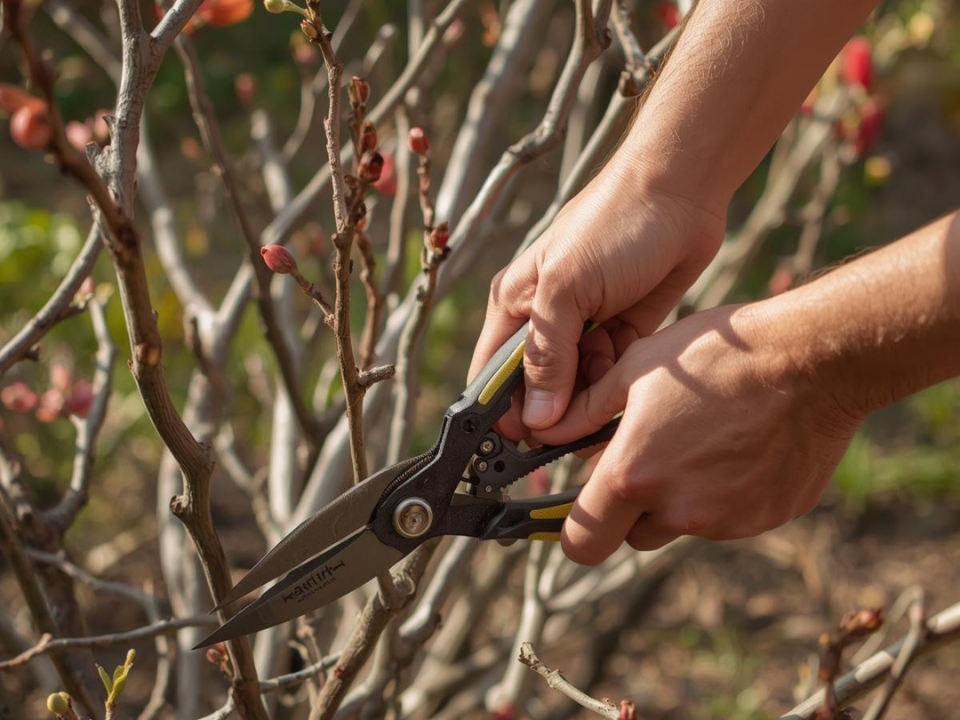
January is the wrong time to prune shrubs that bloom early in the year. These plants set their flower buds months earlier, usually on old wood. Cutting now removes the very buds that would produce spring flowers.
It is better to wait until after blooming finishes before touching them. Removing branches in winter often leads to a full season without flowers. Cold weather can also damage freshly cut stems. Leave these shrubs alone until their blooms fade. Light cleanup can wait a few more months.
Hydrangeas That Bloom on Old Wood
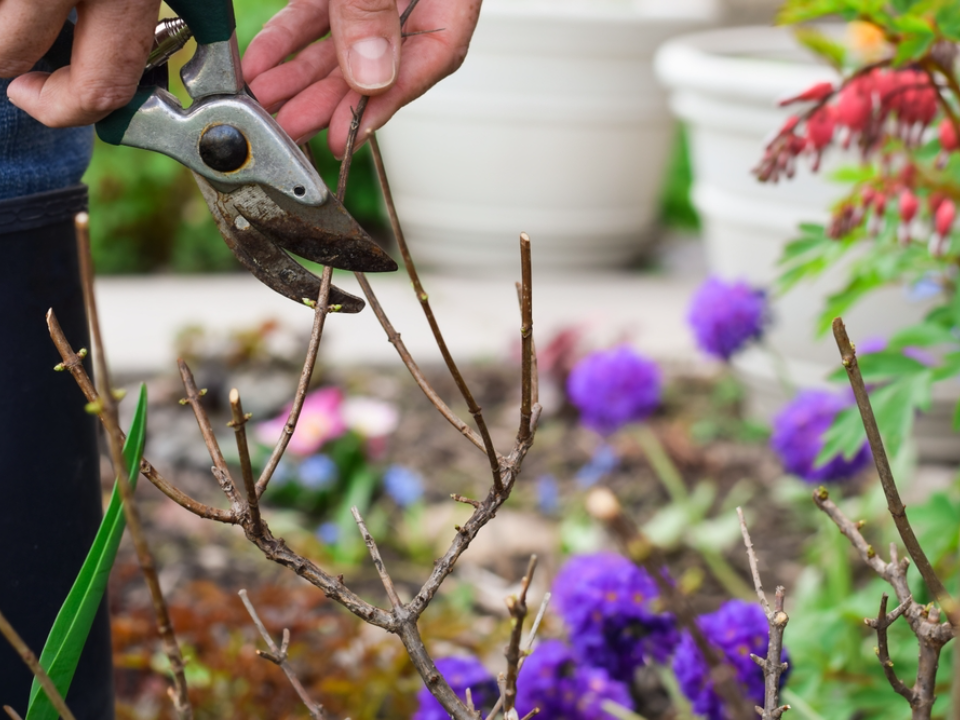
Many hydrangea types should not be pruned in January because their flower buds are already formed. Cutting them back now almost guarantees fewer blooms later. Focus only on removing clearly dead branches if needed. Leaving healthy stems intact protects developing buds from cold damage.
Winter winds and frost can already stress these shrubs without pruning. Wait until new growth appears before deciding what to cut. Knowing the exact type of hydrangea matters before any pruning happens.
This article originally appeared on Avocadu.