
14 January Lawn Care Tips That Prevent Spring Headaches
Taking care of your lawn in January might not seem like a priority, but the steps you take now can make all the difference come spring. Winter is the perfect time to get a jumpstart on lawn care and avoid the common headaches that come with warmer months. By focusing on simple tasks like clearing debris, checking your soil, and preparing your lawnmower, you can set your lawn up for success. Doing a little maintenance now helps ensure that your grass will be healthy and ready to thrive once the weather warms up. With just a few thoughtful actions, you can minimize problems like bare spots, pests, or uneven growth.
This post may contain affiliate links, which helps keep this content free. Please read our disclosure for more info.
Clear Debris from the Lawn
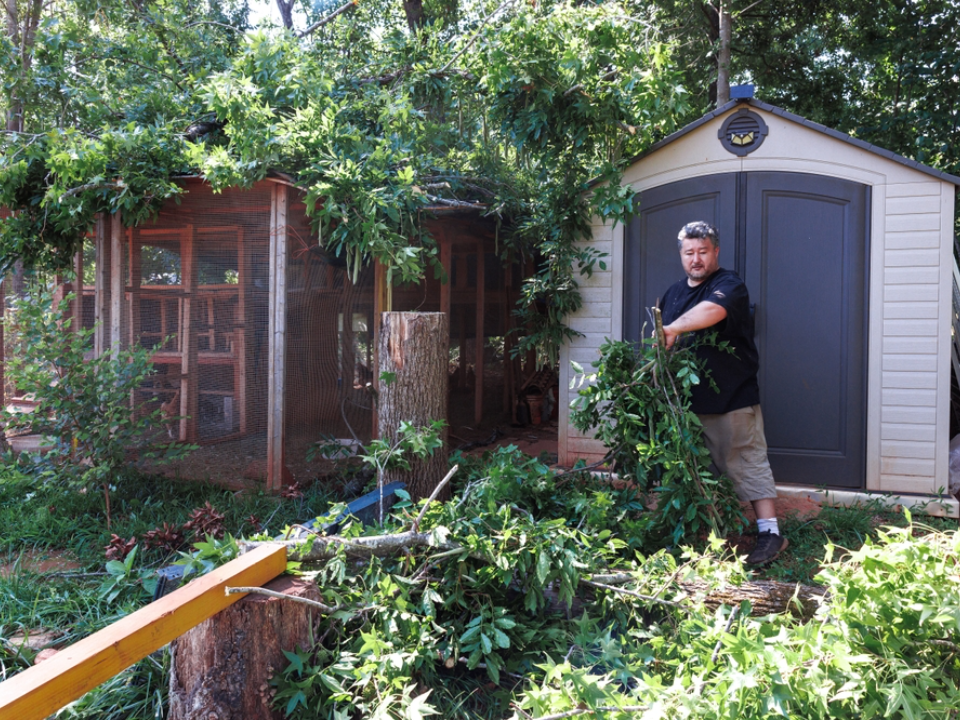
Winter months can leave a layer of debris on your lawn, including leaves, sticks, and branches. These materials may prevent your grass from getting the necessary sunlight and airflow needed for proper growth. Clearing debris also helps in avoiding mold growth, which could lead to unwanted diseases when spring arrives. Simply use a rake or a blower to remove anything that might be lingering on the surface.
It’s important to do this task carefully, ensuring that you do not disturb the grass beneath. A clean lawn will encourage healthier growth and reduce the chances of pests taking root. By removing debris now, you prevent bigger problems down the road, such as thatch buildup.
Test the Soil
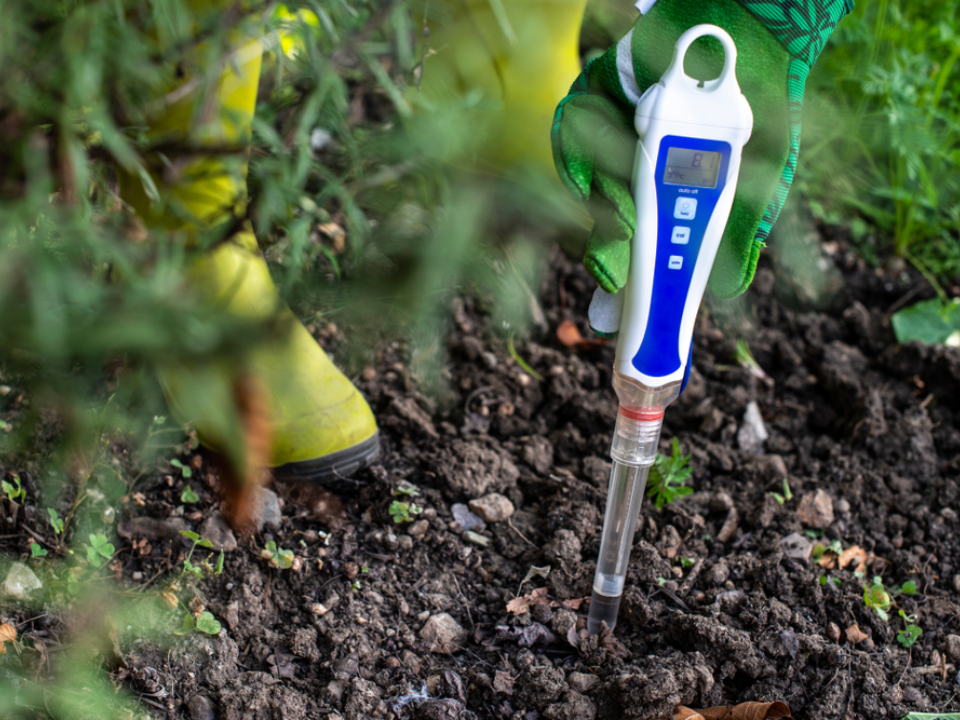
Testing your soil is a key step in lawn care that can save you a lot of trouble in the spring. By testing the pH and nutrient levels, you gain valuable insights into the soil’s condition and its ability to support grass. If the pH is too acidic or too alkaline, it can hinder nutrient absorption. Soil testing kits are available at local garden centers or online. You can also send a sample to a professional lab for a more detailed analysis.
After you get the results, you can take steps to balance the soil by adding lime or sulfur as needed. This early preparation ensures that your lawn has the optimal conditions for growth when warmer weather arrives.
Aerate the Lawn
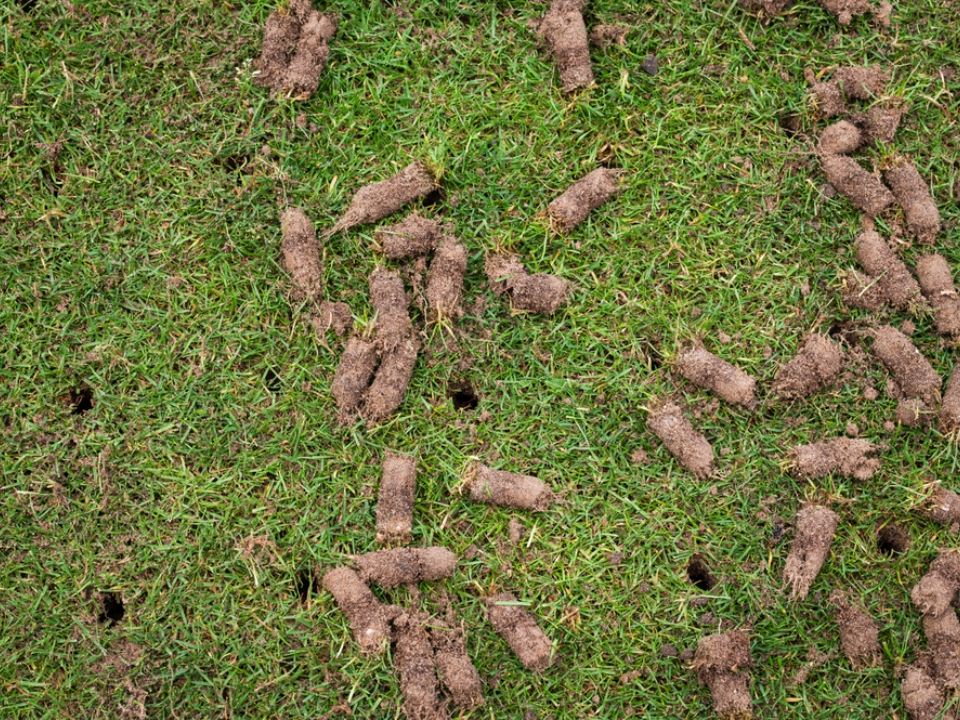
Lawn aeration involves perforating the soil with holes to allow air, water, and nutrients to reach the grass roots. Over time, soil can become compacted, especially in areas with heavy foot traffic. Aeration reduces compaction and promotes a healthier root system. While many people wait until the spring or fall to aerate, doing it in January can prepare your lawn for an easier transition into spring.
The process can be done using a manual or powered aerator, which you can rent from local garden shops if you do not own one. Once aerated, your lawn will be better equipped to absorb moisture and nutrients when spring rains arrive.
Adjust Mower Settings

In preparation for the warmer months ahead, it’s essential to ensure your mower is in top condition. January is a good time to adjust the height of your lawnmower blades. During the colder months, grass grows more slowly, so lowering the mower’s height will prevent it from growing too high and becoming difficult to manage come spring.
It’s also helpful to sharpen the mower blades to ensure a clean cut when the growing season begins. Regular maintenance checks, such as cleaning the mower’s undercarriage and changing the oil, will make sure your equipment works efficiently when it’s time for regular mowing.
Fertilize the Lawn
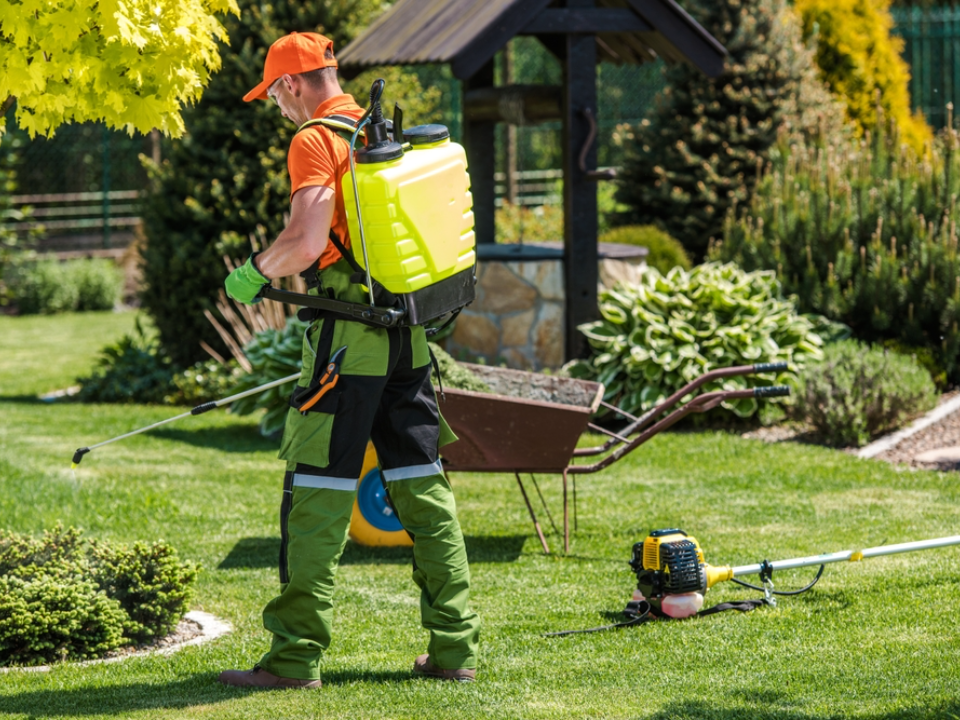
Although fertilizing in January may seem premature, it can actually help your lawn get a head start for the spring. Applying a slow-release fertilizer now gives your grass the nutrients it needs to develop strong roots during the dormant months.
This early feeding encourages deeper root systems that will be better equipped to handle the challenges of the growing season. Be sure to choose a fertilizer suited to your local climate and grass type. Keep in mind that over-fertilizing can lead to burning, so follow the application instructions closely. This early winter feeding allows the lawn to store nutrients, setting the stage for lush growth in spring.
Overseed with Cool-Season Grass
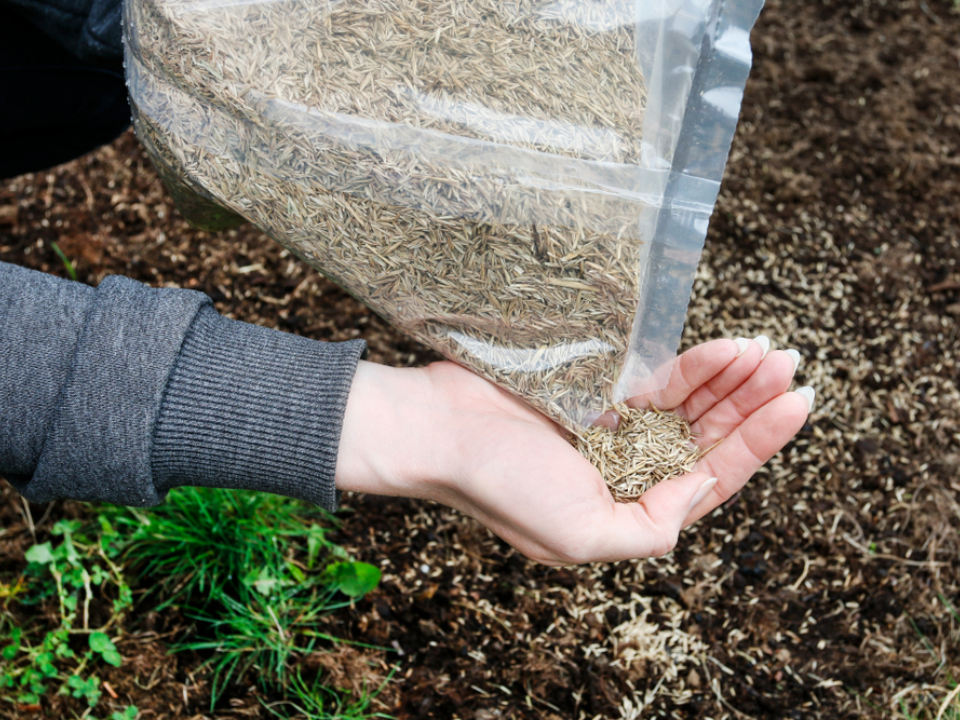
If your lawn has bald patches or thinning areas, January can be the ideal time to overseed with cool-season grass. Some varieties, like ryegrass or fescue, thrive during colder weather and will establish themselves before the temperatures rise.
Overseeding helps fill in bare spots, promoting a thicker, more uniform lawn by the time spring rolls around. Start by raking the lawn lightly to expose the soil, then scatter the seeds evenly. After seeding, water lightly to keep the soil moist, but avoid soaking it. The cool weather will help the seeds establish roots without being stressed by extreme heat. This preventative step can prevent more extensive lawn repairs come spring.
Manage Snow Mold
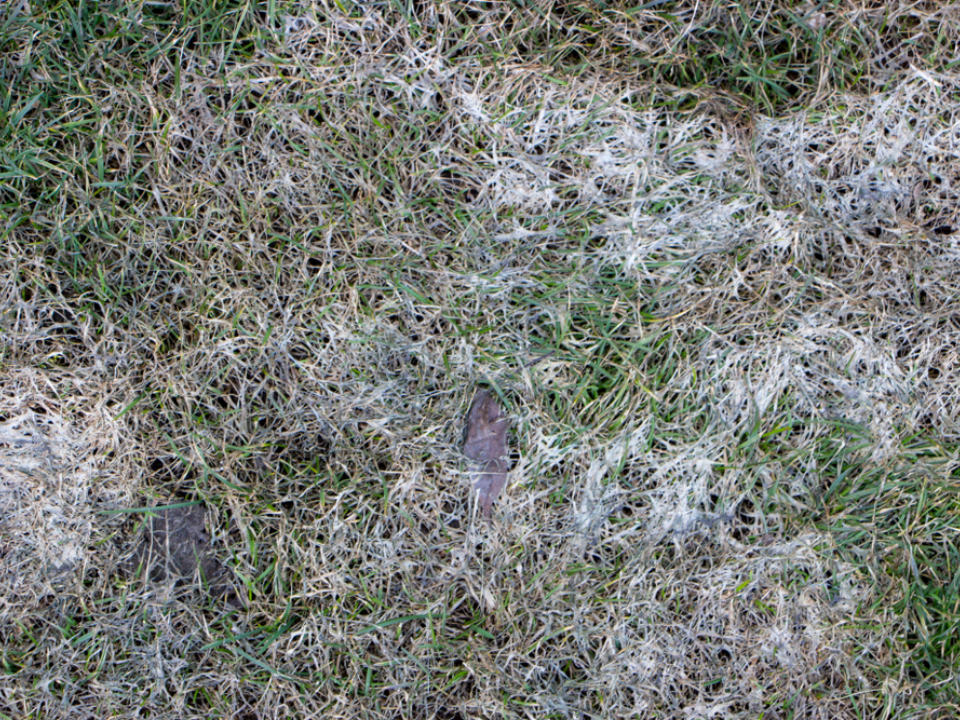
Snow mold can be a serious issue for lawns during winter, particularly in regions that experience significant snowfall. This fungal disease thrives under the snow and can damage your lawn once the snow melts. To prevent snow mold, make sure that you remove any excess snow piles and debris from your lawn, as they can trap moisture.
If you live in an area that frequently experiences heavy snow, consider applying a fungicide in late fall before the first snowfall. Once the snow starts to melt, inspect your lawn for signs of snow mold, which may appear as gray or pinkish patches. Early detection and care can help reduce the severity of the mold, saving you the hassle in spring.
Inspect Irrigation Systems
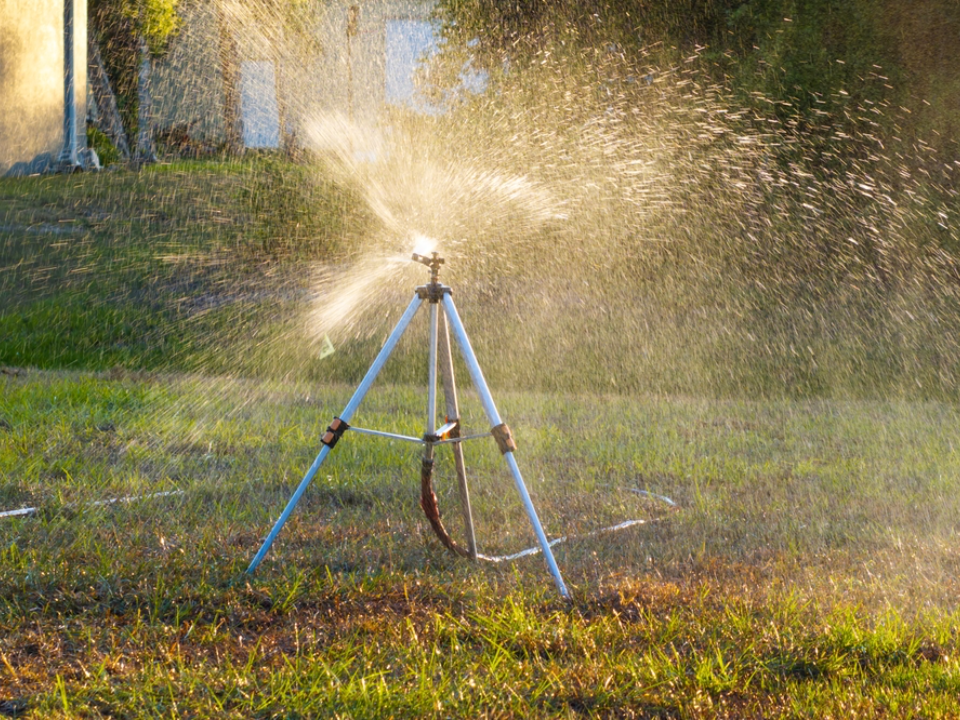
January may be a quiet time for watering, but it is the perfect month to inspect your irrigation system for any issues. Check hoses, sprinkler heads, and valves for signs of wear or damage. Frozen pipes can cause breaks or leaks, which might go unnoticed until spring when the system is needed.
Cleaning out sprinkler heads and ensuring that no debris is blocking the water flow will keep the system functioning properly when it’s time to water. Performing this maintenance now will save you from dealing with malfunctioning irrigation equipment in the busy spring season. A well-maintained irrigation system is essential for keeping your lawn healthy and well-watered throughout the year.
Plan Your Spring Lawn Care Strategy

While January is often too cold for many lawn care tasks, it is the perfect time to plan ahead. Take stock of your lawn’s needs and create a detailed strategy for the upcoming months. Consider what fertilizers, seeds, and treatments your lawn will require as it begins to wake up from dormancy.
This is also a great time to plan any landscaping projects, such as adding new flower beds or designing pathways. Mapping out your plan now ensures that you are well-prepared for the busy spring season, giving you a roadmap for success. A proactive approach to lawn care will help you avoid unnecessary stress later on, leading to a healthier and more vibrant lawn.
Keep Pets off the Lawn

If you have pets, keeping them off the lawn during the winter months is a good practice. Pets can cause damage to the grass by creating wear patterns, particularly when the ground is frozen or wet. By keeping pets off the lawn, you help prevent them from compacting the soil or damaging the grass. This can give your lawn a much-needed rest and prevent the buildup of harmful bacteria in areas where pets relieve themselves.
It’s also important to clean up after your pets to avoid leaving any messes that could lead to issues come spring. If you must let your pets outside, consider using designated pet areas to limit their impact on your lawn. This can help ensure your lawn remains healthy for the upcoming season.
Protect Trees and Shrubs
Trees and shrubs are an integral part of your landscape, and they require special care during the winter months. January is an excellent time to check for any signs of damage or disease in your trees. Look for broken branches, peeling bark, or any signs of pests. If any branches are overhanging the lawn, they should be trimmed back to prevent damage to your grass when the winds pick up.
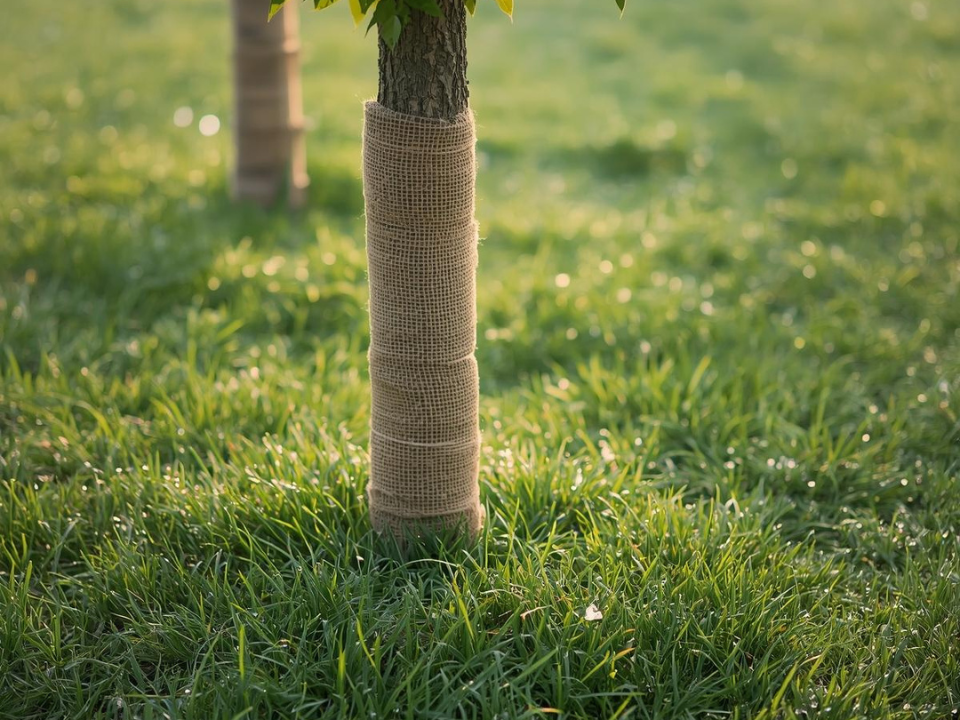
Wrapping the trunks of young trees with burlap or tree guards can help protect them from harsh winds, frost, and animal damage. Providing extra protection for your trees and shrubs now can prevent larger issues from developing as the weather begins to warm.
Manage Thatch Build-Up
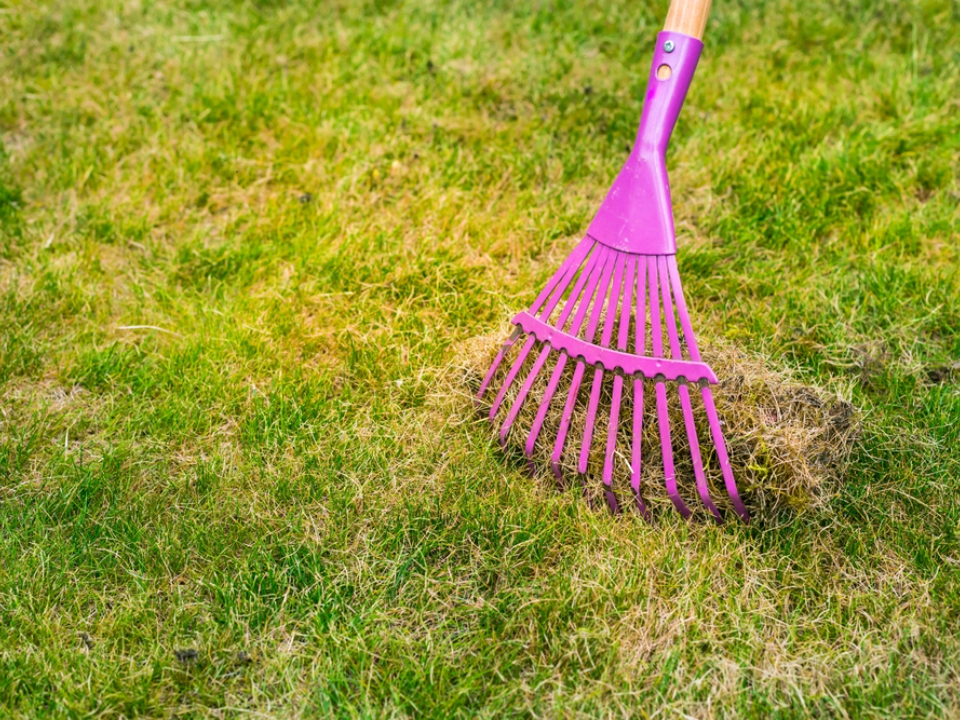
Thatch is a layer of dead grass, roots, and other organic matter that can accumulate on your lawn. While some thatch is normal, excessive build-up can restrict water and nutrient flow to the grass roots. In January, take a moment to inspect your lawn for any thick layers of thatch. If the layer is more than half an inch thick, it may be time to dethatch the lawn.
This can be done with a dethatching rake or a power dethatcher. Removing excess thatch early ensures that your lawn receives the proper nutrients and air circulation once the spring growing season begins. Regular dethatching can also help reduce the need for other lawn care treatments later on.
Keep Walkways Clean
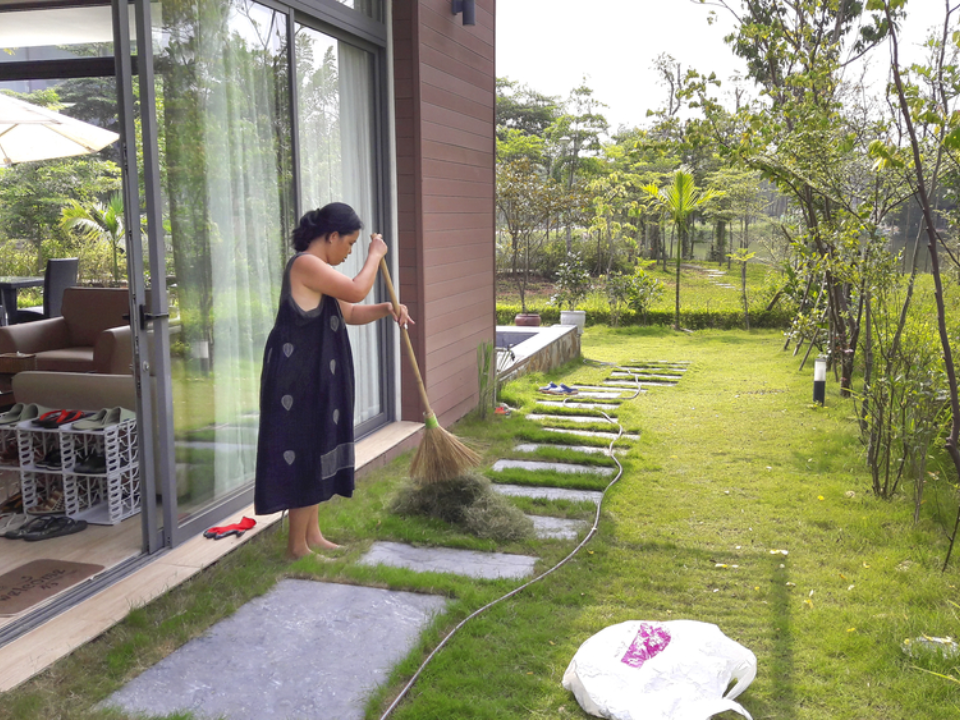
As snow and ice melt, they can leave behind moisture on walkways and driveways. This can lead to muddy patches that track onto your lawn, causing soil erosion or grass damage. In January, make an effort to keep walkways clean by clearing away any excess moisture and debris that can easily spread to your lawn.
Use a shovel or broom to keep the paths clear, and make sure water drains properly away from your yard. This can prevent puddling or pooling water, which can cause damage to both your lawn and any surrounding plants. Proper drainage is key to maintaining a healthy lawn and preventing any future water-related issues.
Plan for Spring Mulching
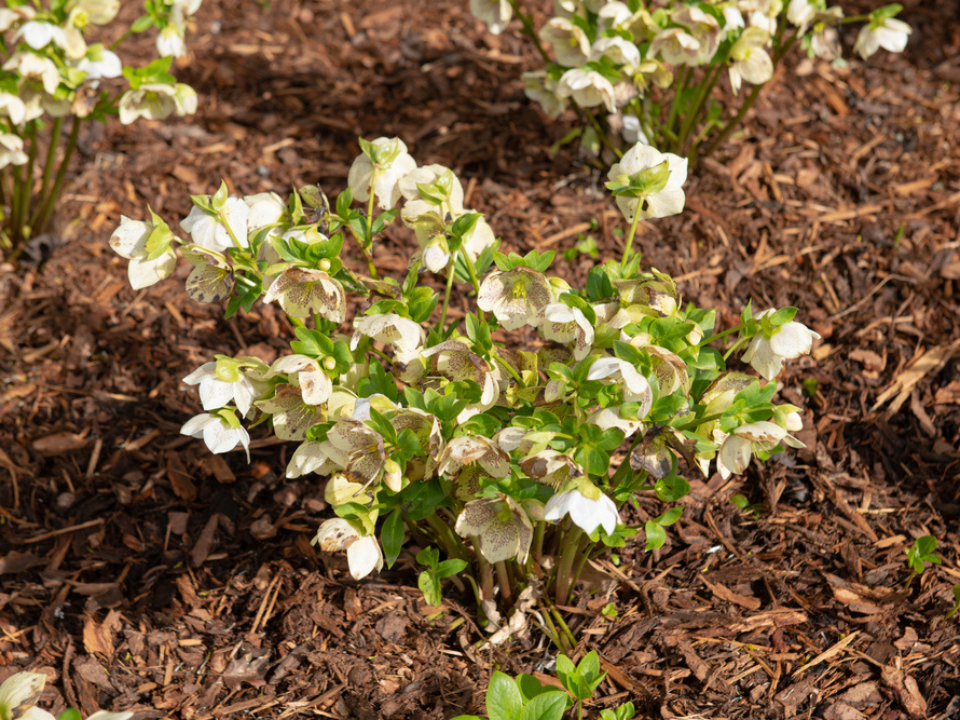
Mulching is an effective way to keep your lawn healthy and vibrant, but the timing is key. January is a great time to plan your mulching strategy for spring. Mulch helps retain moisture in the soil, suppresses weed growth, and adds nutrients back into the ground. By applying a thin layer of organic mulch to your lawn in early spring, you create an environment where grass can thrive.
Avoid piling mulch too high against the base of trees or shrubs, as it can suffocate roots. Planning ahead for spring mulching will help your lawn maintain the necessary conditions for optimal growth once the weather warms.
This article originally appeared on Avocadu.