
14 January Garden Tool Checkup and Simple Fixes to Do Now
As the new year begins, it’s the perfect time to take a closer look at your garden tools and give them the care they deserve. After months of being tucked away, many tools may need a bit of attention to ensure they’re ready for the busy gardening season ahead. January offers a great opportunity to clean, sharpen, and repair the tools that will help you tend to your garden with ease. Taking a few simple steps now can make a big difference in how well your tools perform when it’s time to start planting and preparing your garden. Whether it’s oiling your pruners or checking for leaks in hoses, these small fixes can save you time and frustration later.
This post may contain affiliate links, which helps keep this content free. Please read our disclosure for more info.
Clean Your Shovels and Spades
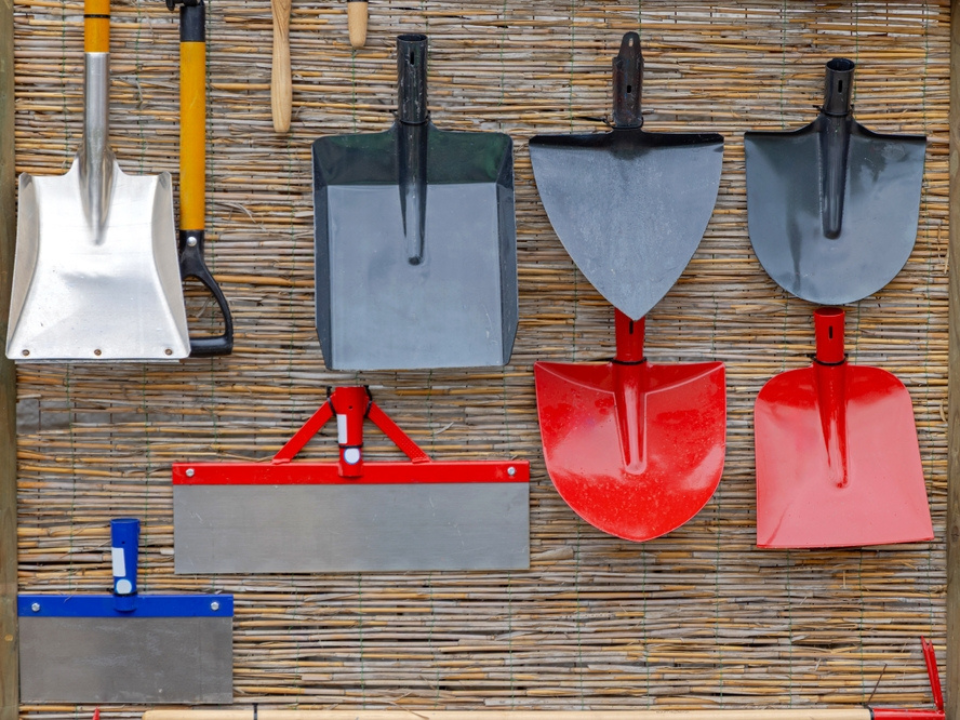
After the cold months, your shovels and spades might have gathered dirt, rust, and grime. Start by using a stiff brush to remove dirt and soil buildup from the blades. If you notice any rust, gently scrub it off with a wire brush or sandpaper. After cleaning, give your tools a good wipe with an oily rag to prevent rust from forming.
Sharpen the edges to ensure they work efficiently once the garden season begins. Keeping your shovels and spades clean will make digging tasks easier, allowing for better control and precision when working with the soil. Regular maintenance of these tools can extend their life and performance, ensuring they are always ready for the job.
Oil Your Pruners

Pruners are essential for trimming and maintaining plants, and after the winter months, they can benefit from a little extra care. Take the time to clean your pruners by wiping off sap and debris with a cloth. Next, use a small amount of oil, such as vegetable or motor oil, to lubricate the moving parts.
This will keep them functioning smoothly and prevent them from jamming. Make sure the blades are sharp for clean cuts, as dull blades can cause unnecessary damage to your plants. Also, check for any signs of wear and tear, such as bent or cracked handles, and consider replacing parts if needed. Keeping pruners in top condition will help ensure your garden stays healthy as you start preparing it for the warmer months.
Check for Leaks in Hoses
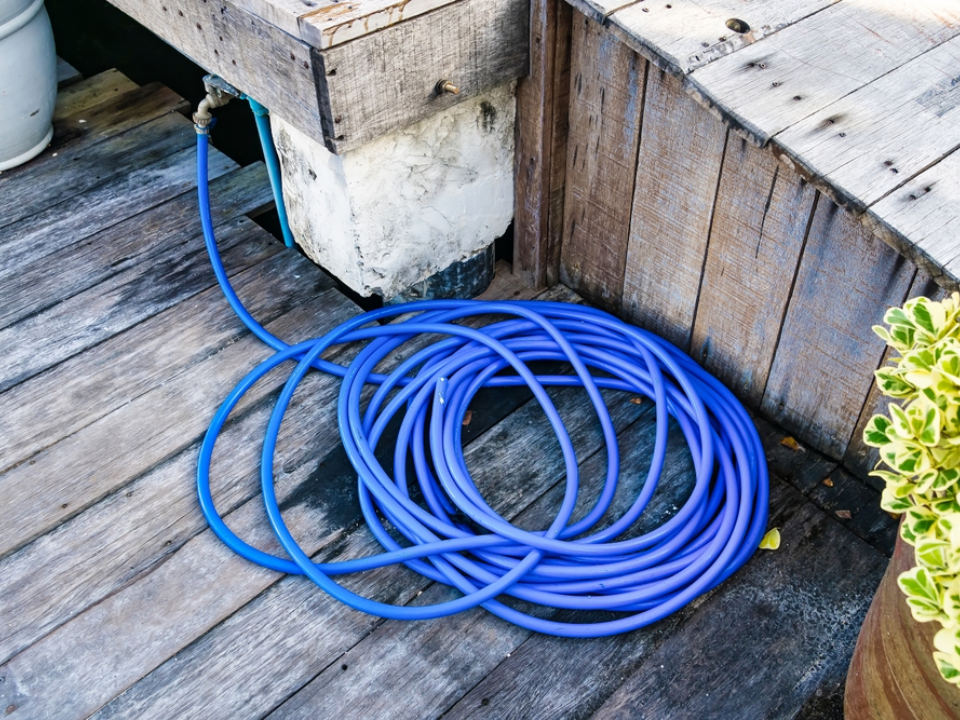
With watering being an essential part of garden care, it is vital to ensure your hoses are in good condition. Uncoil your hoses and stretch them out in a sunny spot to spot any cracks or holes that may have developed during the colder months.
Even small leaks can waste water and hinder your ability to irrigate your plants properly. If you find any damage, use a hose repair kit to patch up the leaks. You can also invest in new connectors or nozzles to improve the flow of water. Regular checks for leaks in your hoses can prevent future headaches and keep your garden hydrated all year long.
Inspect Your Rakes
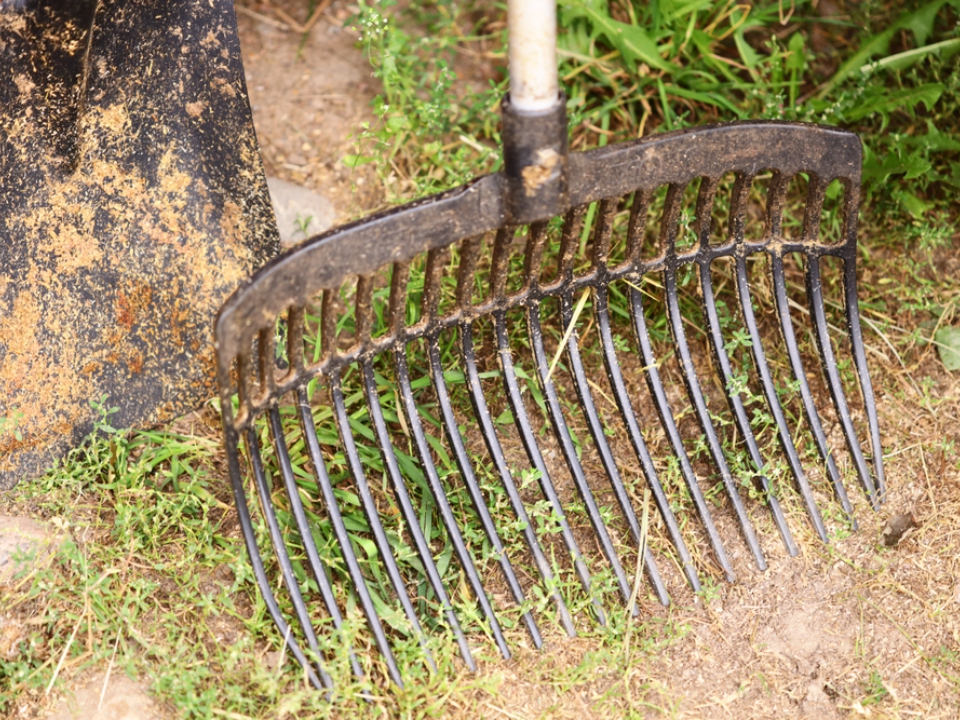
Rakes are a staple for cleaning up leaves, debris, and prepping garden beds, but over time, the tines can bend or break. Inspect the head of your rake to ensure that all tines are intact and properly aligned. If any tines are bent, gently bend them back into position or replace them if necessary.
For wooden rakes, check for splinters or cracks in the handle, as these can lead to breakage during use. Tighten any screws or bolts that may have loosened over time. A well-maintained rake makes it easier to keep your garden tidy and ensures you can work efficiently when preparing your soil for planting.
Sharpen Your Hoe
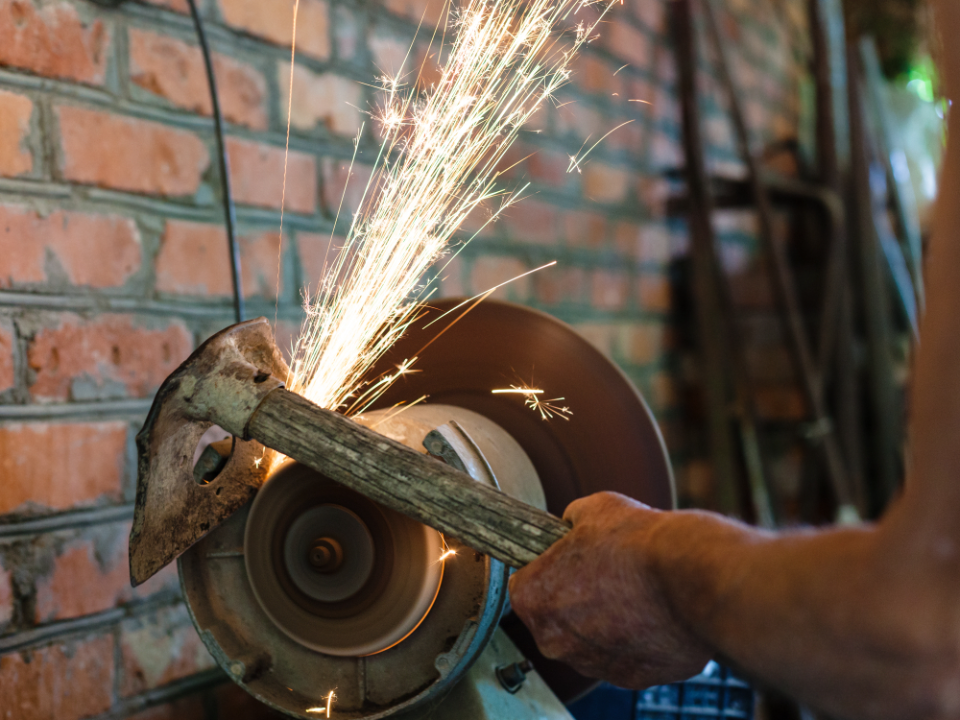
The hoe is a valuable tool for weeding and cultivating, but its performance depends on how sharp the blade is. Take some time this January to sharpen the blade by using a sharpening stone or file. A sharp hoe will make it easier to slice through the soil and remove weeds without much effort. If the blade is dull, it can be hard to maneuver, leading to uneven soil work.
Once sharpened, check the handle for any signs of wear or splinters, and sand it down to make sure it’s comfortable to hold. A well-maintained hoe makes garden tasks much easier and more efficient, especially when preparing the soil for early spring planting.
Inspect Wheelbarrows for Wear
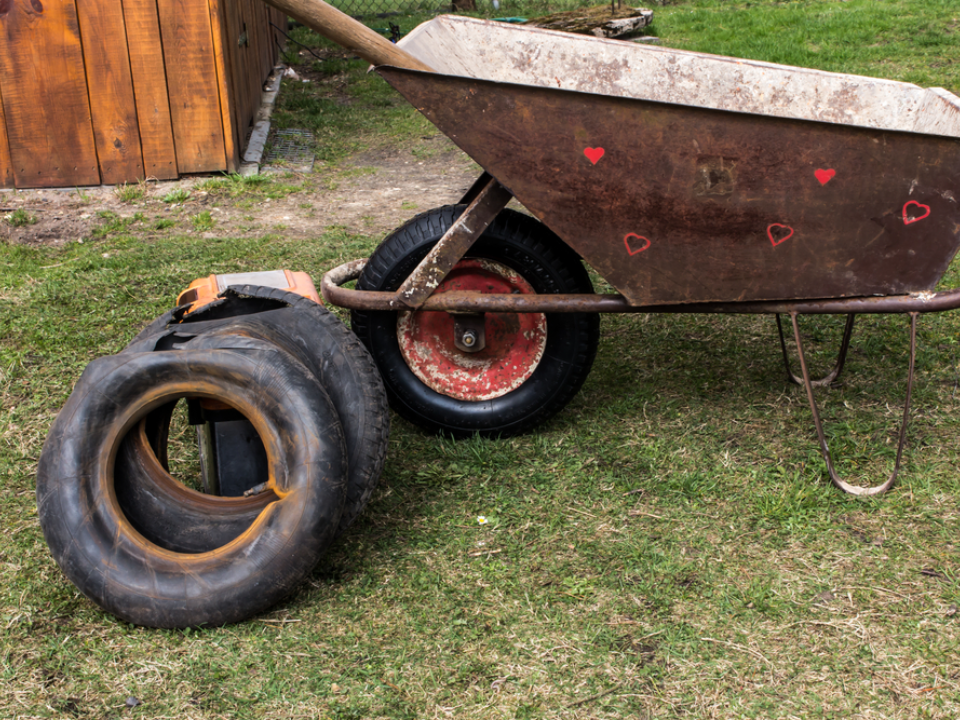
A wheelbarrow is often used to transport soil, mulch, or plants, and it can take a beating during the gardening season. Check both the tires and the frame to ensure there are no leaks or cracks. If the wheel is deflated, consider adding air or replacing the tire if it is beyond repair.
Tighten any loose bolts or screws on the frame, and check the handles for stability. If the wood is splintering or breaking, you might need to replace it to avoid any accidents. After giving your wheelbarrow a thorough inspection, it will be ready for use when you need to move heavy materials across your garden.
Tighten Your Garden Gloves
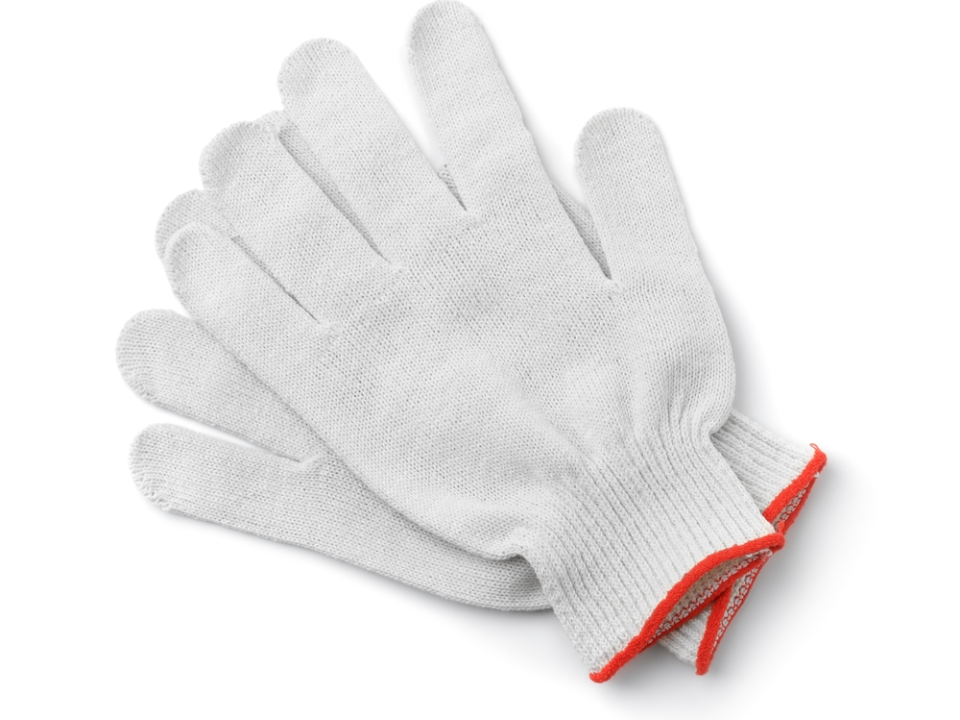
Garden gloves are essential for protecting your hands from dirt, thorns, and blisters while working outdoors. However, they can wear out over time, especially if they are made from lighter material. Take a moment to inspect your gloves for any holes or signs of wear.
If the gloves are still in good condition, but the elastic is loose, use a sewing kit to fix any rips or add extra elastic to improve the fit. A good pair of gloves that fits comfortably will help you work for longer periods without discomfort or injury. Consider investing in a durable pair if your current gloves are past their prime.
Service Your Lawn Mower
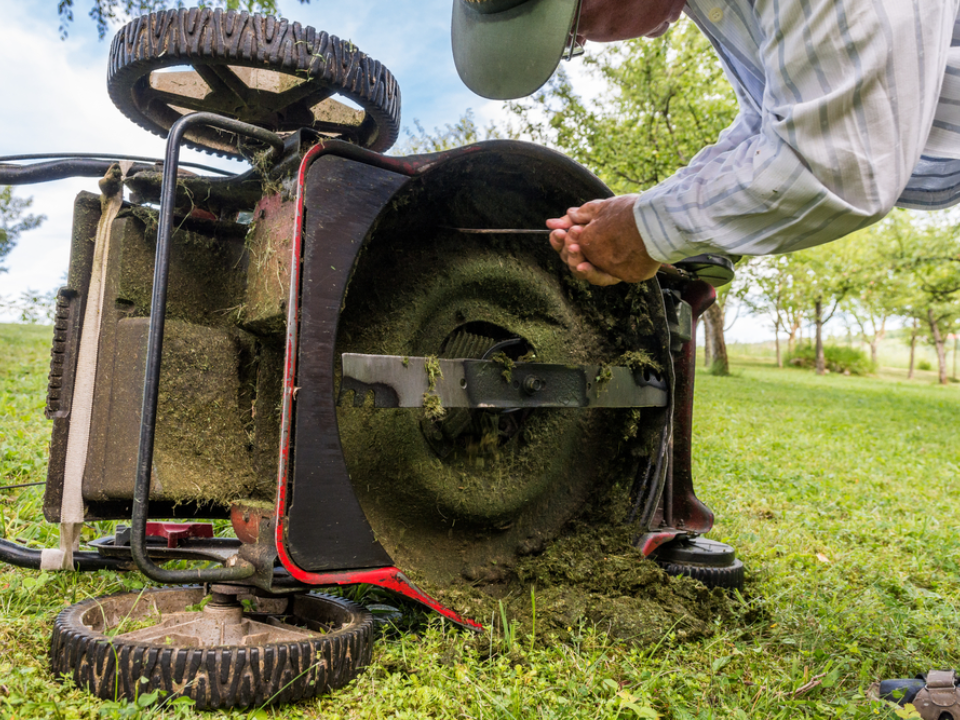
January is a great time to give your lawn mower some attention before the growing season begins. Start by changing the oil and replacing the air filter if it looks dirty. You can also sharpen the blade to ensure it cuts the grass evenly when you start mowing again. Check the spark plug and clean it or replace it if needed.
Clean the mower deck thoroughly to remove any grass clippings that might have built up. Regular maintenance on your mower will keep it running smoothly and ensure that it starts up without issues once the lawn care season begins.
Check Garden Shed Organization
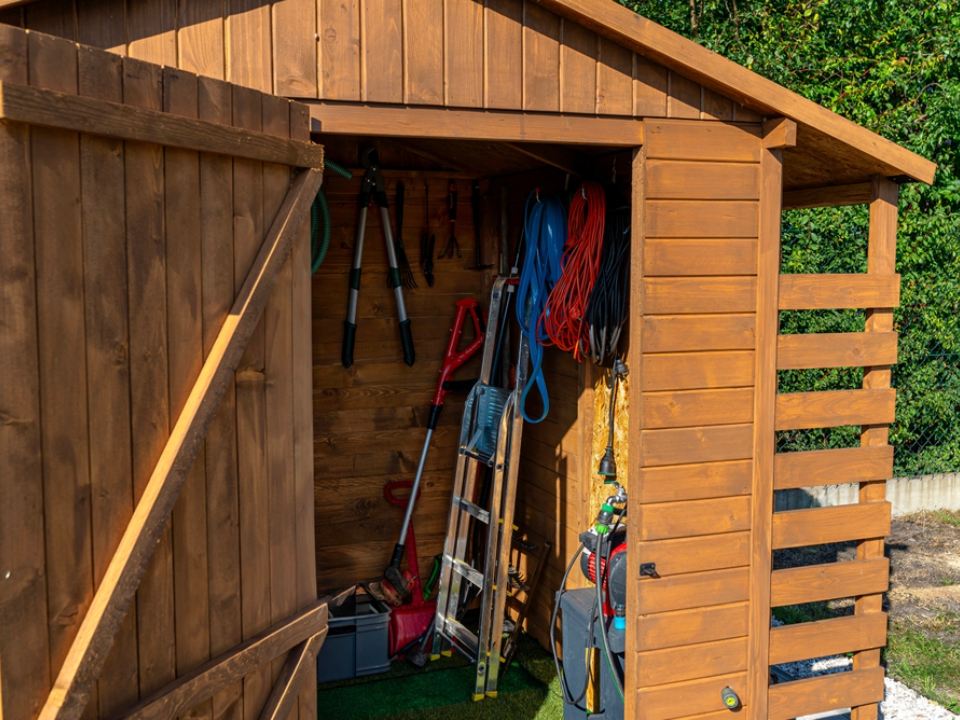
An organized garden shed helps you find what you need quickly, making it easier to work in your garden. Start by decluttering and removing any items that are no longer useful or are broken beyond repair. Group your tools by type, such as rakes, shovels, and pruners, and store them on hooks or shelves to maximize space.
Check for any tools that may need maintenance and bring them to the front of the shed for easy access. This process will help ensure that your shed is organized and that all your tools are easy to reach when you need them.
Repair or Replace Garden Fencing
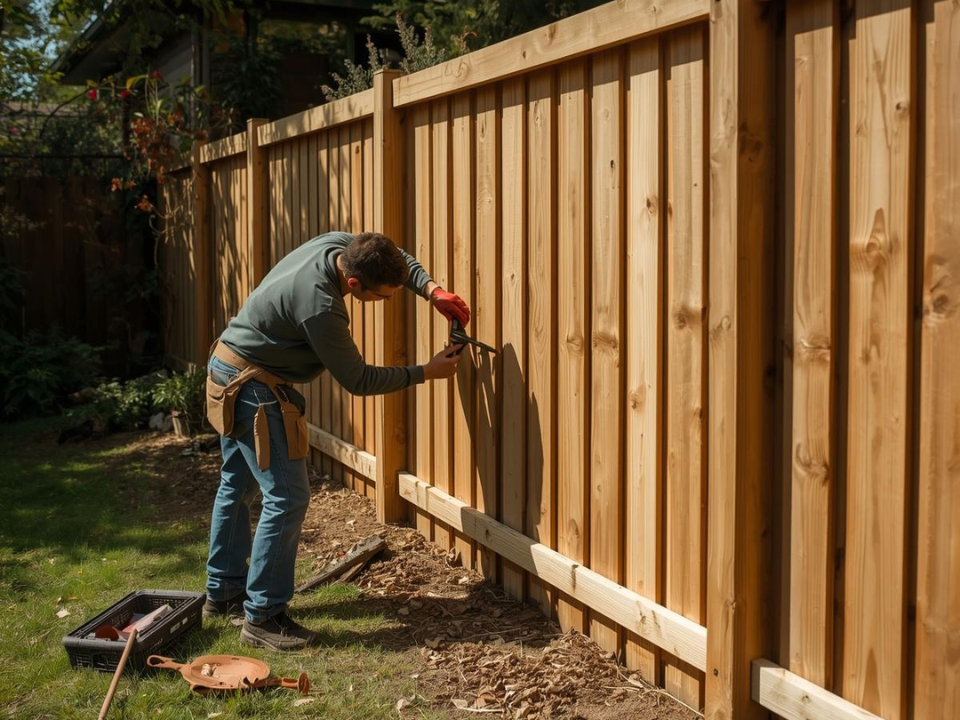
Garden fencing serves an important role in protecting your plants from animals and marking the boundaries of your garden. After the winter months, it is important to inspect the fence for any damage. Look for broken boards, rusted sections, or leaning posts that might need attention.
If you find any parts that are worn out or damaged beyond repair, replace them with new materials. For wooden fences, it’s a good idea to apply a protective coat of paint or stain to prevent moisture from causing rot. Regular repairs to your garden fence can keep your plants safe and your garden looking neat.
Check Lawn Edging
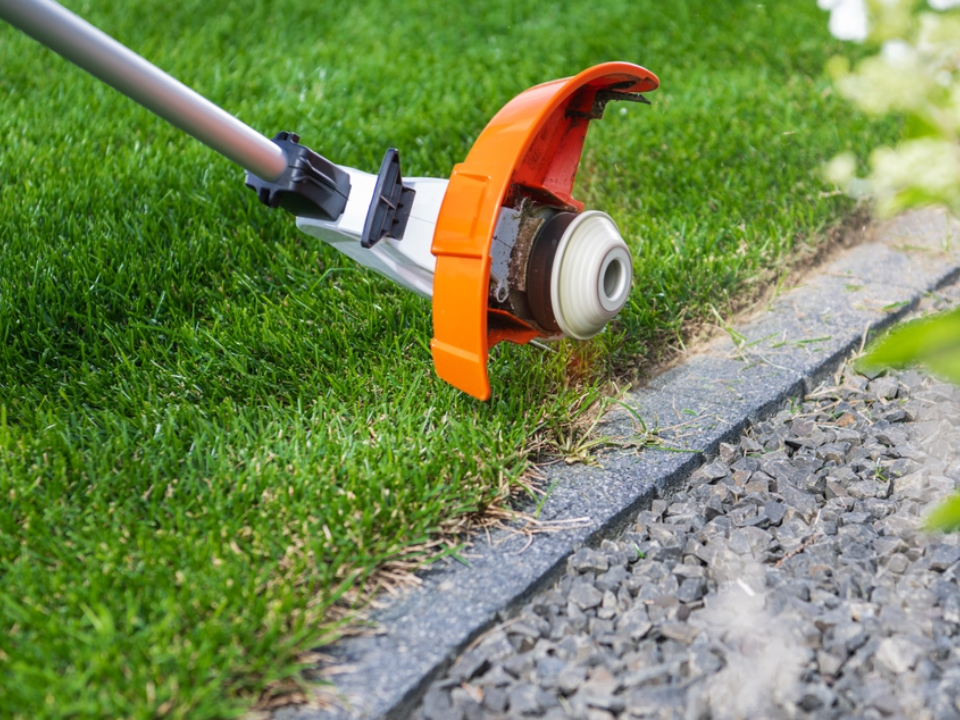
Lawn edging is a great way to keep your grass neatly contained and separate from garden beds or pathways. Over time, the edging can shift or become damaged, so check for any sections that are out of place or cracked. If you notice any gaps between the edging and your lawn, fill them in with additional materials or re-secure the edging to its original position.
For plastic or metal edging, you may need to replace a few pieces if they are cracked or broken. Properly maintained lawn edging ensures that your garden stays neat and tidy, and it helps prevent grass from spilling into flower beds or pathways.
Test Garden Sprayers
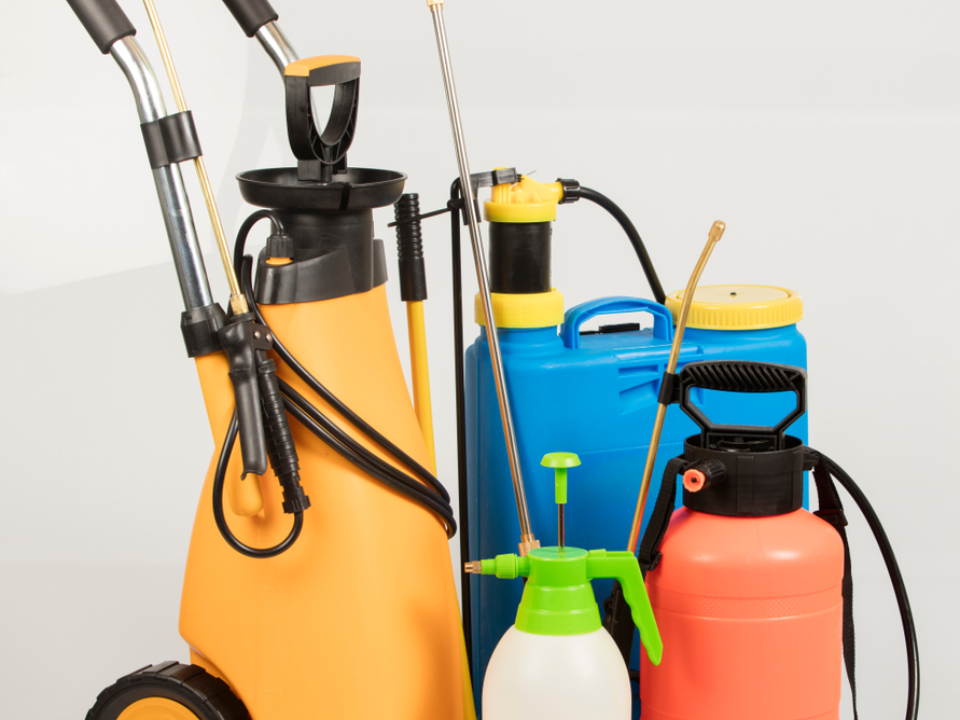
Garden sprayers are essential for applying pesticides, herbicides, or fertilizers, but they can become clogged or malfunction over time. To test your sprayer, fill it with water and check if the nozzle is dispensing evenly. If the sprayer is sputtering or leaking, disassemble it and clean the nozzle, pump, and hose thoroughly.
For any worn-out parts, such as the nozzle or pump, consider replacing them to ensure proper function. A well-maintained sprayer helps you efficiently distribute products, ensuring the health and growth of your plants without wasting resources.
Inspect Your Trowels
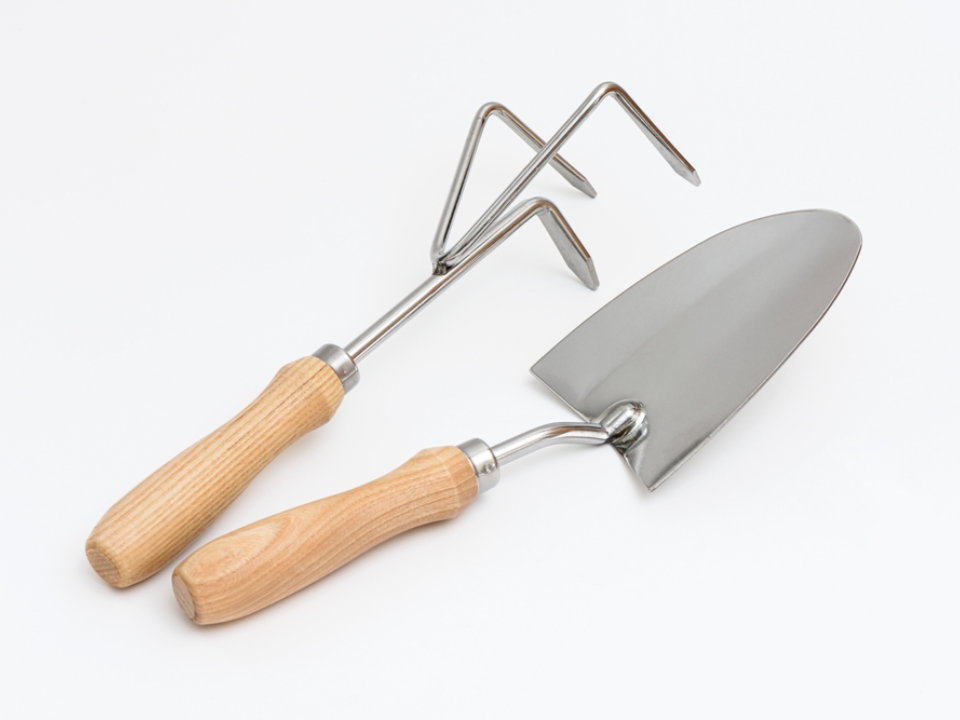
Trowels are essential tools for digging small holes and transferring soil, but their small size can sometimes make them prone to wear. Check your trowels for any damage to the handle or blade. If the blade is dull, sharpen it with a sharpening stone or file to ensure that it cuts through soil with ease.
For wooden-handled trowels, check for cracks and sand down any rough spots to prevent splinters. After making these simple repairs, your trowels will be in prime condition for planting and transplanting when the time comes.
Rebuild or Replace Garden Tool Rack
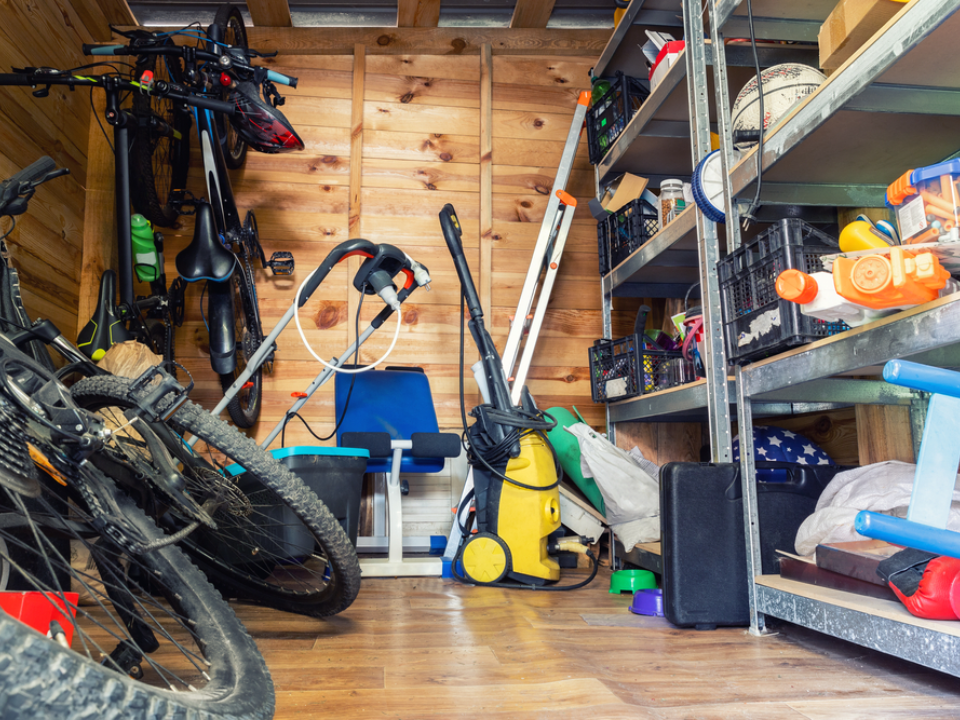
A garden tool rack is an essential storage solution for keeping your tools organized and easily accessible. Over time, the rack may become damaged, with parts like hooks or shelves breaking off or becoming loose. Rebuild or replace the damaged sections, ensuring that it can hold all your tools securely.
If you don’t have a tool rack yet, now is a great time to build one with sturdy wood or metal. Keeping your tools organized and off the ground will protect them from rust and wear while keeping your shed or storage area tidy.
This article originally appeared on Avocadu.