
13 January Garden Tasks That Set Up a Strong Spring
Winter might be in full swing, but January is a crucial month for garden planning. Taking a few steps now helps ensure your garden is ready to thrive when spring arrives. From cleaning tools to prepping the soil, January tasks set the stage for success. You might be surprised by how much you can accomplish during the colder months.
This post may contain affiliate links, which helps keep this content free. Please read our disclosure for more info.
Clean Up Garden Beds
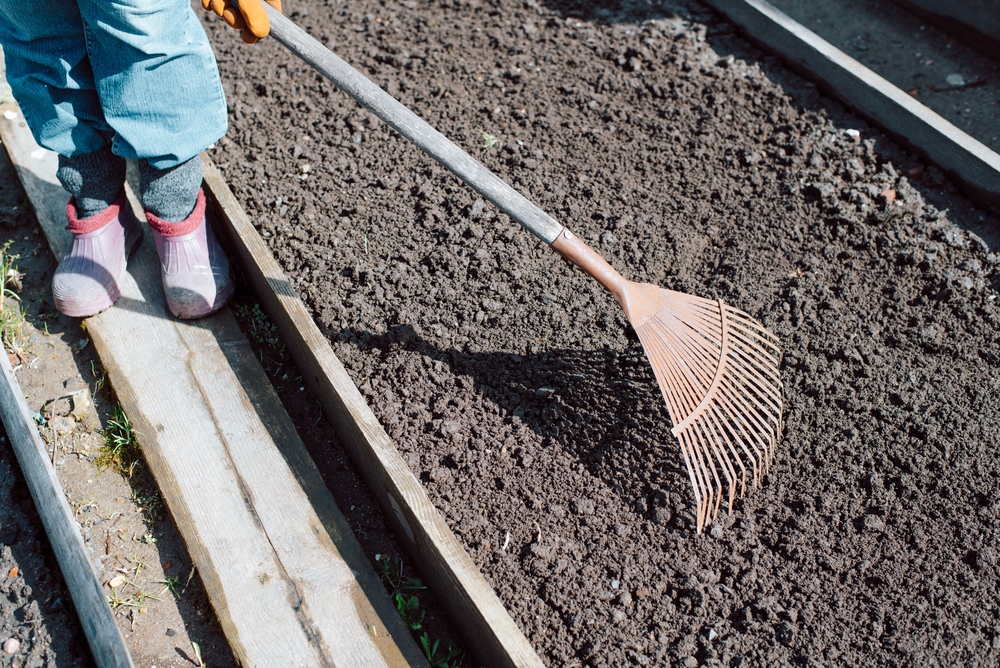
Getting your garden beds cleared up in January helps you see what you are working with before new growth begins. Remove dead stems, fallen leaves, and old plant material that can harbor pests or disease from the previous season. This tidy start also makes it easier to add mulch or compost later when the soil is workable. Taking time to look over your beds will help you plan upcoming tasks more effectively.
After cleaning, rake the soil surface gently to loosen compacted areas. If any weeds are visible, pull them now while they are small and easier to remove. Leaving bare soil after cleanup gives you a clean slate for January preparations that help later. When conditions allow, add a layer of mulch to keep the ground protected against heavy winter weather.
Inspect and Care for Tools
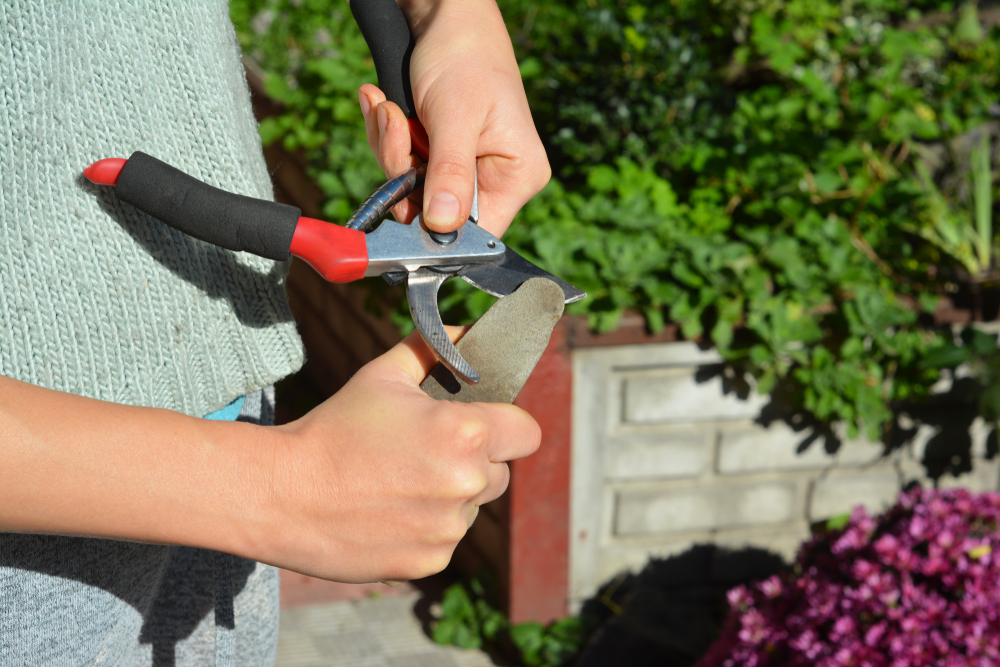
January is a smart time to look after the tools you will use in spring. Pull out pruners, shovels, and rakes and check for rust or damage that could slow you down later. Clean blades with warm water and a brush to get rid of soil or sap, then dry them well so they do not corrode. Oiling wooden handles helps prevent cracking as the weather shifts to spring.
Sharpening pruners makes cutting branches easier and healthier for your plants. A simple file can bring a dull blade back to life and make trimming tasks more pleasant. Set aside any tools that need replacing so you are ready when busy season arrives. Taking care of these chores now keeps your tools in good order and saves time later.
Test and Improve Soil
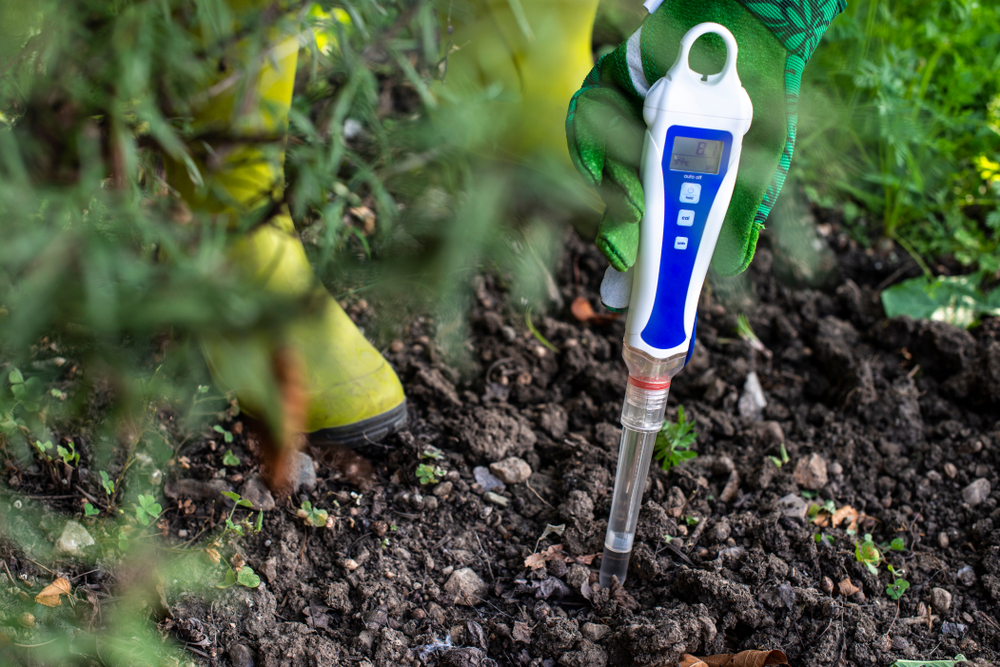
Testing your soil early in the year gives you an idea of what nutrients it may need before planting begins. You can send a sample to a local service that analyses soil and tells you what amendments might help for growing vegetables, herbs, or flowers. If the ground is too cold or frozen, keep the sample of loose soil indoors until conditions are right. This task gives you a head start on feeding your garden well.
Once you know what your soil needs, consider adding organic material such as compost or mulch to enrich it. If you already have mulch on your beds, check to see if it has broken down and needs topping up. Working organic matter into soil in January helps improve its structure and water retention when spring arrives. Healthy soil before planting sets the stage for stronger plant growth later.
Review Seed Inventory and Order Supplies
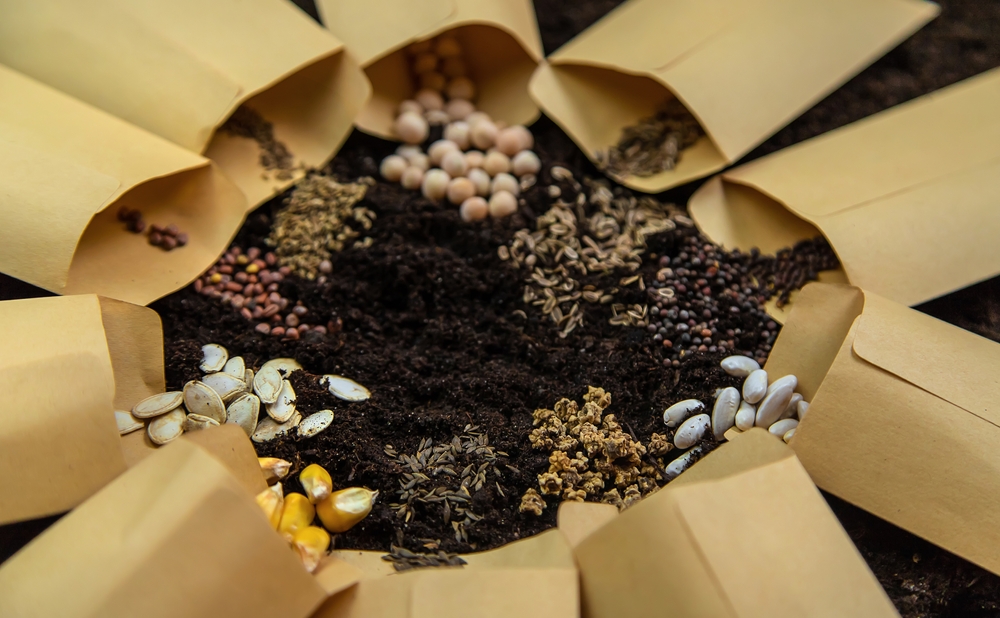
January is a good moment to look through your seed collection and make a list of what you want to grow in the coming season. Compare what you still have with what you want to plant and order any seeds that are missing from your stock. This helps you avoid last-minute shortages when your ideal planting window opens. Planning ahead also makes managing indoor seed starting more organized and timely.
Check other supplies like trays, pots, grow lights, and soil mix so you are ready when it is time to start seeds indoors. Clean any containers you plan to reuse to reduce the risk of disease on young plants. Keeping an eye on these essentials now saves you time and stress as the weeks go by. January prepares you for the work ahead and makes the transition into active gardening easier.
Start Seeds Indoors
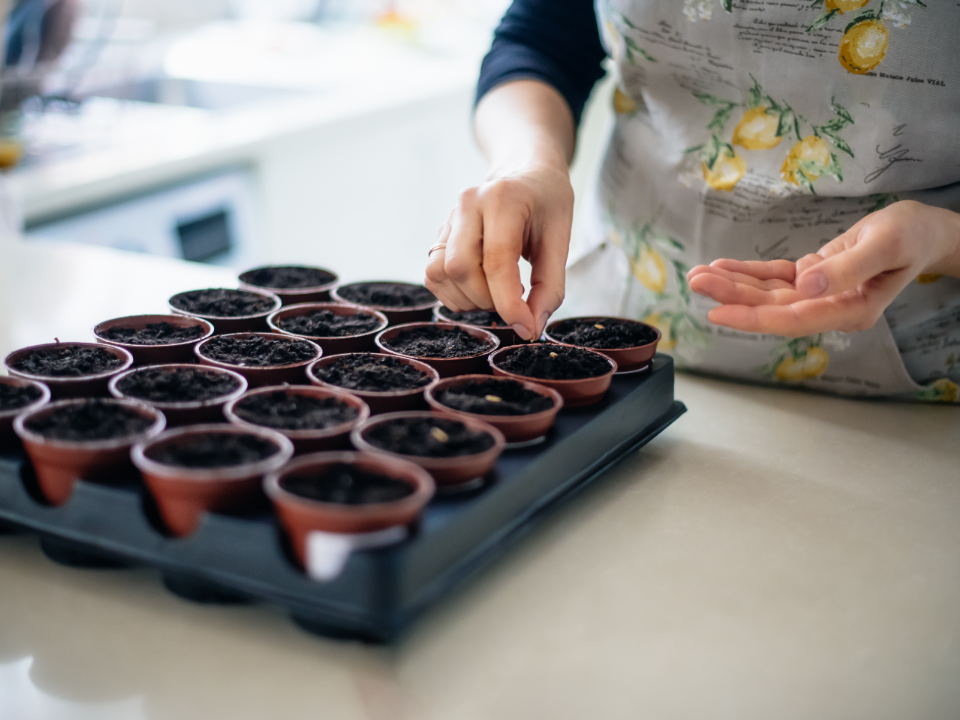
Seeds that need warmer conditions or a longer growing time than your outdoor soil currently allows can be started indoors this month. This is especially true for vegetables like broccoli, cabbage, and herbs that benefit from an early start in a controlled environment. Place trays under grow lights in a bright spot and keep soil moist so seeds can sprout. Starting seeds indoors gives your plants a head start so they are ready to be moved outside when the weather is right.
Keeping an eye on humidity and temperature around indoor seedlings helps them develop strong roots and sturdy stems. Use fresh seed starting mix rather than garden soil to reduce disease risk. Once seedlings have several true leaves, they can begin a process of gentle acclimation before full outdoor planting. This careful start lays the foundation for thriving plants later in the year.
Mulch and Protect Beds
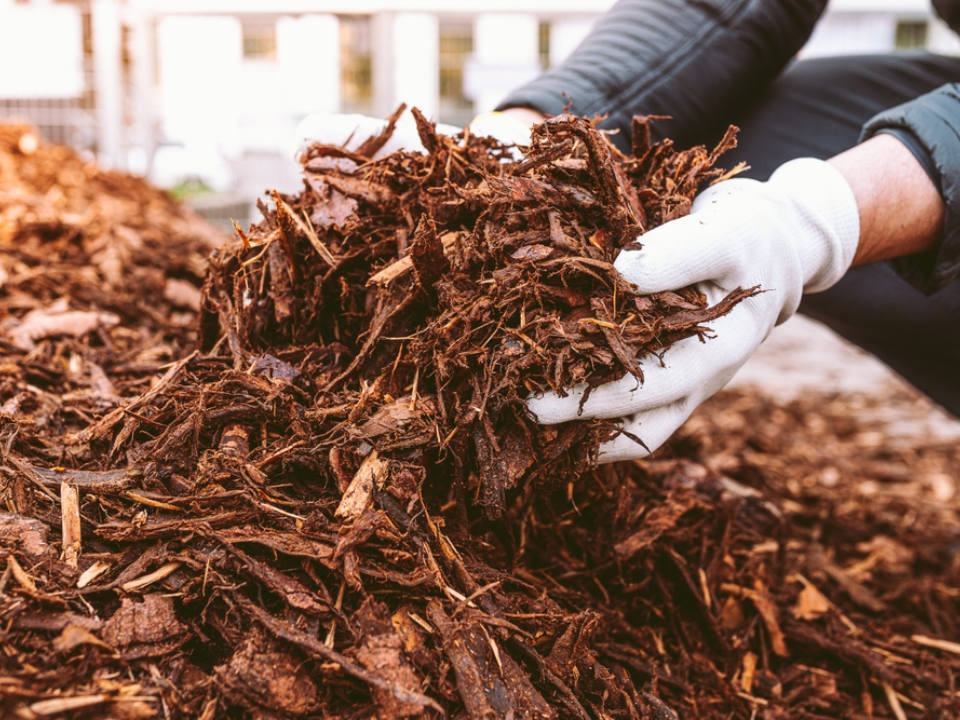
Adding mulch to garden beds in January helps protect soil from extreme temperature swings and slows erosion from winter rain or snow. Mulch also keeps weeds suppressed so they have less chance to take hold before spring. Organic mulch breaks down over time and feeds the soil with nutrients as spring approaches. Thick mulch around the base of perennials and vegetables helps protect roots and keeps soil moist.
Keep an eye on mulch levels throughout the month and add more if you see bare spots. Straw, wood chips, or shredded leaves are all good choices for insulating soil. This simple step also makes your beds look tidy and well cared for during the quiet winter season. When spring arrives, beds with intact mulch are easier to work and prepare for planting.
Prune Dormant Plants
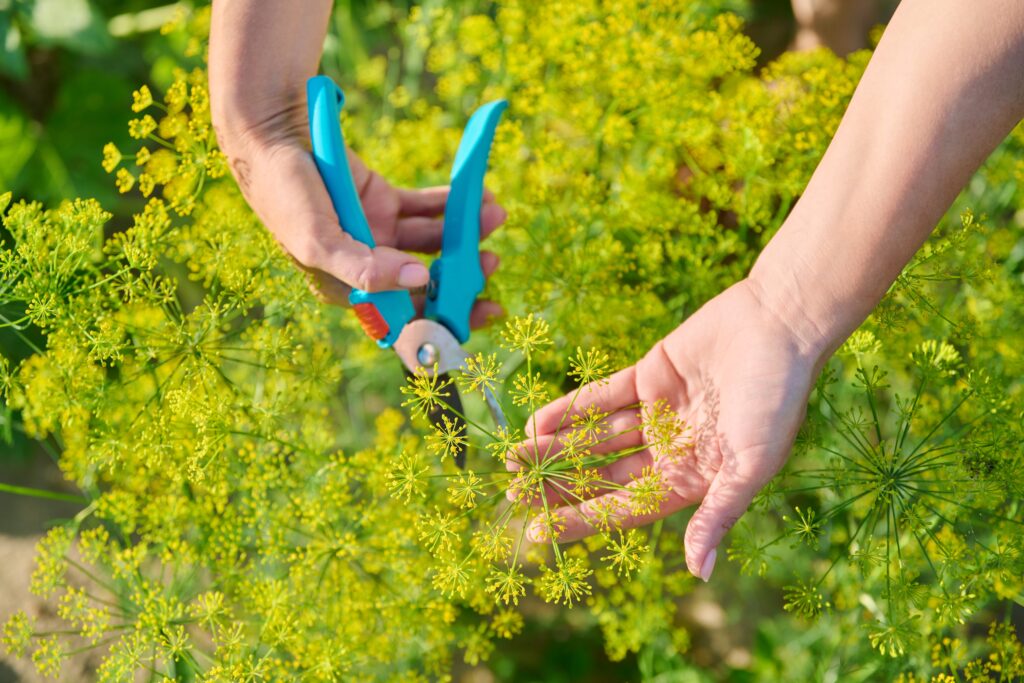
Many shrubs and fruit trees rest through January, which makes this a useful time to prune away dead or damaged limbs. Pruning while plants are dormant helps shape them and removes branches that could cause problems later. Focus on trees like apples or berries before active growth starts, so they can heal as the weather warms. Lift any broken limbs and tidy the plant’s structure for stronger growth ahead.
Also consider trimming back ornamental grasses and roses if they have old stems that did not fall away on their own. Make clean cuts with sharp pruners to reduce stress on the plant. Removing spent growth now reduces places for pests to hide and makes your garden look neat. Come spring, your plants will be ready to grow fresh, healthy shoots.
Harvest Winter Crops
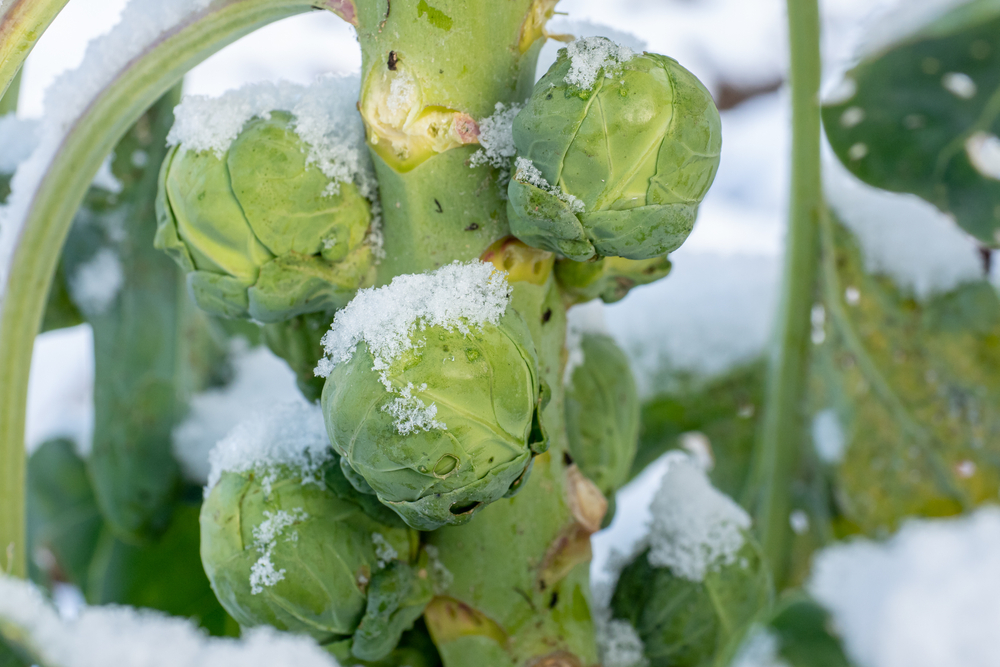
If you have winter vegetables still growing, January can be a good month to pick them while the soil remains workable and plants are producing. Greens like spinach, kale, and Swiss chard often continue to thrive into the colder months and provide fresh greens when other crops are dormant. Other root vegetables like beets or carrots may be lifted now or left under mulch for a later pick. Regular harvesting encourages plants to keep producing and prevents overgrowth.
Be sure to handle crops gently when the ground is cold as frost can make roots fragile. Store your harvest properly to enjoy it through the month or share with family and friends. Eating fresh garden produce in January feels rewarding after the busy planting season of autumn. As you harvest, you also get a chance to assess how crops handled winter so you can plan future varieties better.
Plan Crop Rotation and Garden Layout
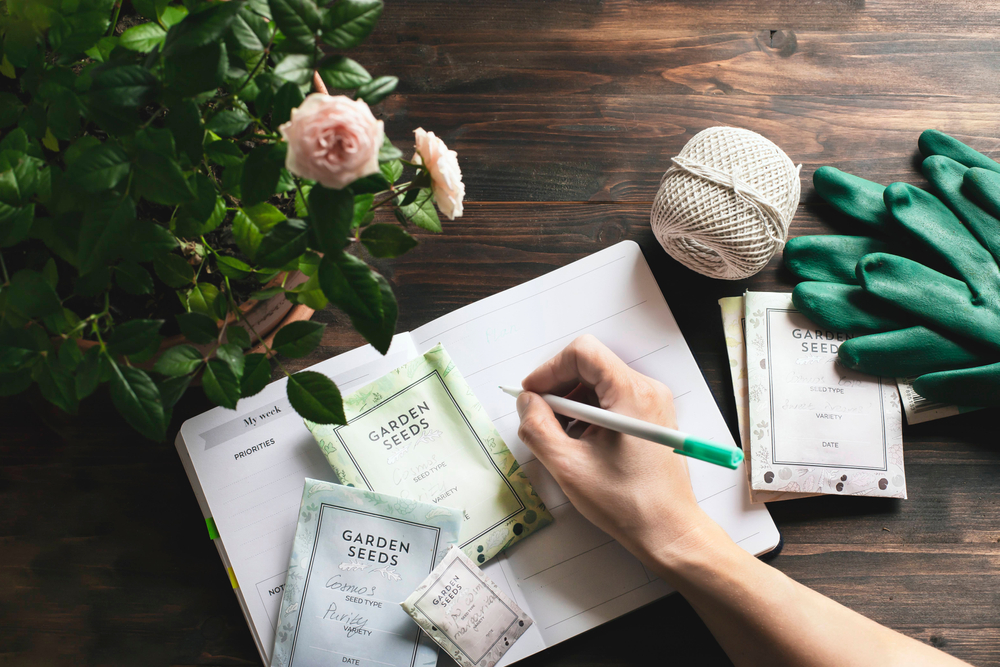
Winter gives you time to think about where plants will go in your garden this year. January is ideal for sketching out your beds and deciding which varieties will benefit from moving to a new spot. Rotating crops helps reduce pest buildup and keeps soil nutrients balanced for the crops that follow. A simple garden map helps you visualize spacing and what will thrive in each area.
Consider what worked last year and what could be improved. Perhaps a bed that was crowded now has more space, or a sunny spot could be better used for heat-loving plants later in the season. Planning ahead saves time and gives your spring garden a thoughtfully organized start. Once your design feels right, you can transfer it into a planting calendar to guide your work.
Care for Indoor Plants

While outdoor gardening might be slow, indoor plants often need attention in January. Check their water needs since dry indoor air can cause soil to dry out faster than you realize. Wipe dust off leaves so they can take in as much light as possible, even on short winter days. Moving them to brighter spots can help with energy levels until outdoor conditions improve.
Trim any leggy stems that have stretched for light and replant them in fresh potting mix if needed. This refresh gives indoor plants a healthier start as days gradually lengthen. Keep an eye out for pests that can sneak in during winter when plants are clustered together. Indoor plant care in January lets you enjoy green growth year‑round.
Add Compost to Beds
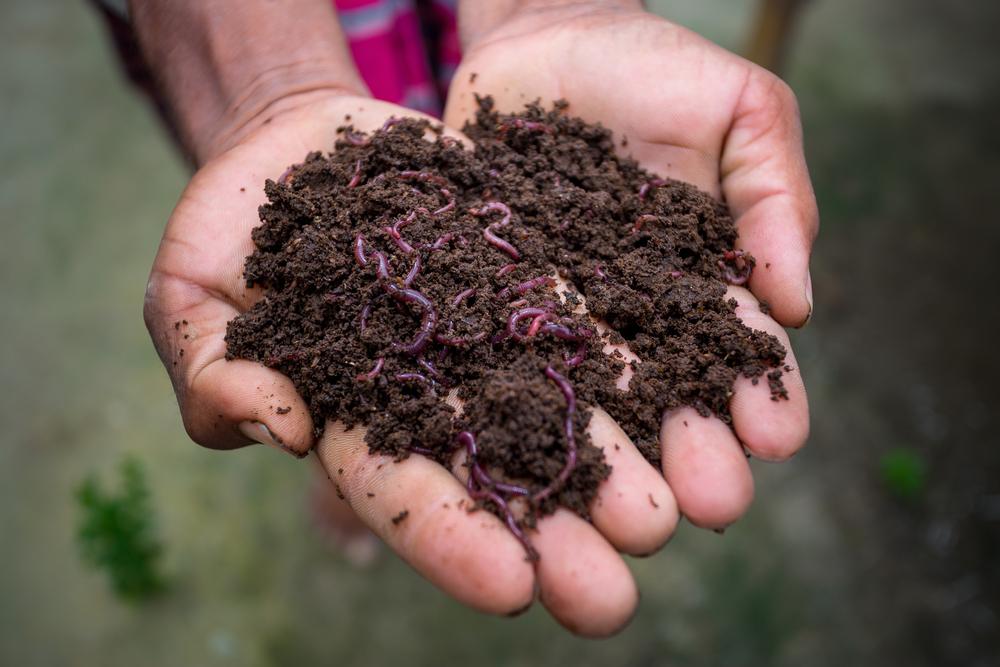
Having compost ready in January means you can spread it over your beds as soon as the soil is workable. Compost brings organic matter and beneficial microbes that enrich soil and help plants thrive later. You can add it to vegetable patches, flower borders, or around fruit trees that will start growing soon. A layer of compost also improves soil drainage when wet conditions ease.
If you already have a compost pile, turn it now to mix the materials and expose inner layers to air. Turning helps speed up decomposition even in cooler weather. Adding compost in January makes the soil more willing to support tender seedlings when you plant. Make sure compost is broken down well before spreading it on beds.
Monitor Soil Moisture
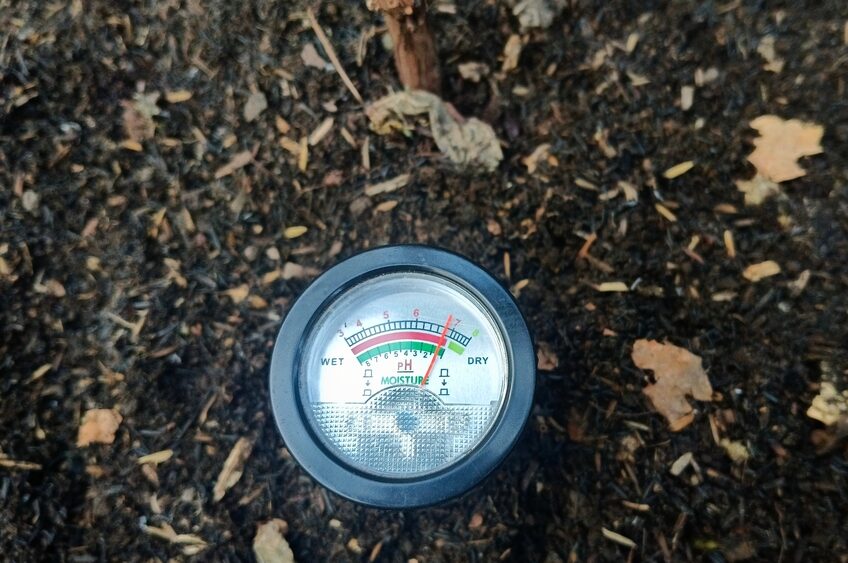
Even in winter, soil can dry out during dry spells and cold wind events. Check moisture levels and water lightly if the ground is not frozen and plants show signs of dryness. This is especially true for beds with newly planted shrubs or young trees that need consistent moisture to establish roots. Do not overwater, but make sure soil is not bone dry under mulch.
Moisture monitoring also helps you decide when beds are workable again, especially if you want to lighten soil or add amendments before spring. Using a simple finger test or a moisture meter gives you an idea of how damp the soil actually is below the surface. Paying attention to this now helps you avoid drought stress later. When the ground begins to warm, you will have a better sense of how often watering is needed.
Observe and Plan for Pests
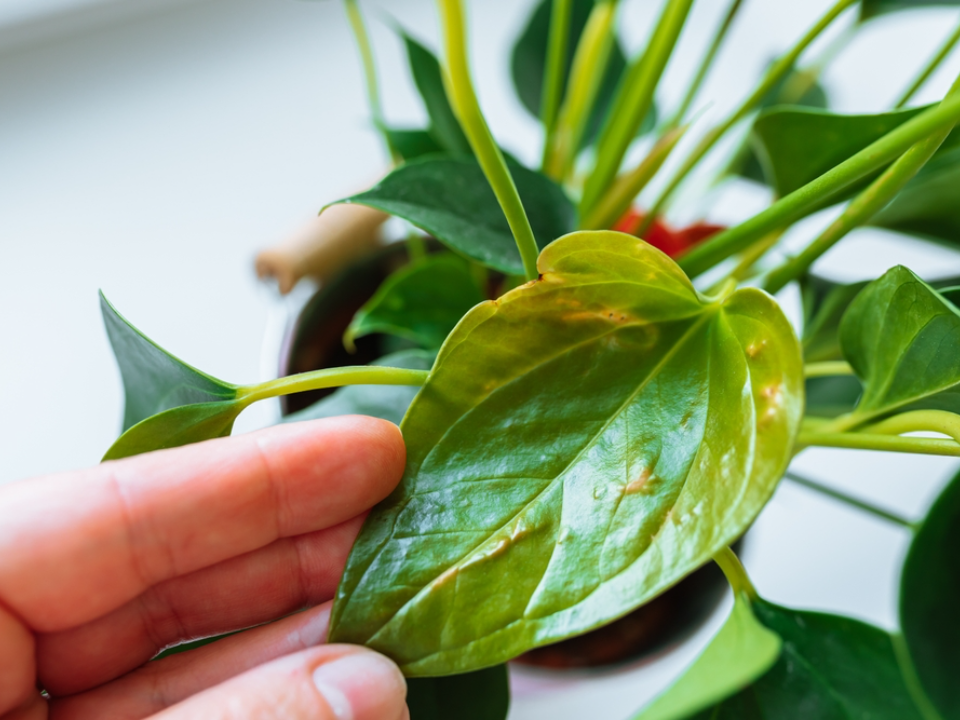
Winter often hides small pests that can become problems in spring if not managed early. Take a few minutes in January to look for signs of pest activity around plants and in garden beds. If you see larvae or eggs on trees or shrubs, consider appropriate treatment based on expert recommendations for your region. Being aware of pest presence now helps you address issues before plants start active growth.
Keeping an eye out for potential pests makes your garden feel cared for even during slower months. This quiet observation time gives you a head start on managing insects and diseases. When warmer weather comes, you will have less to worry about and more time to enjoy planting and growing. Understanding the garden at this time of year connects you more closely to its cycles.
This article originally appeared on Avocadu.