
15 Island Species That Are Rare and Most Visible in Spring
Spring can be one of the most exciting times to notice rare wildlife on islands. Longer days, milder weather, and seasonal movement often make these animals easier to spot than at other times of year. From coastal cliffs to forest trails, island habitats can feel full of quiet surprises when the season shifts. So come along and take a closer look at some remarkable species that stand out during spring.
This post may contain affiliate links, which helps keep this content free. Please read our disclosure for more info.
Island Fox
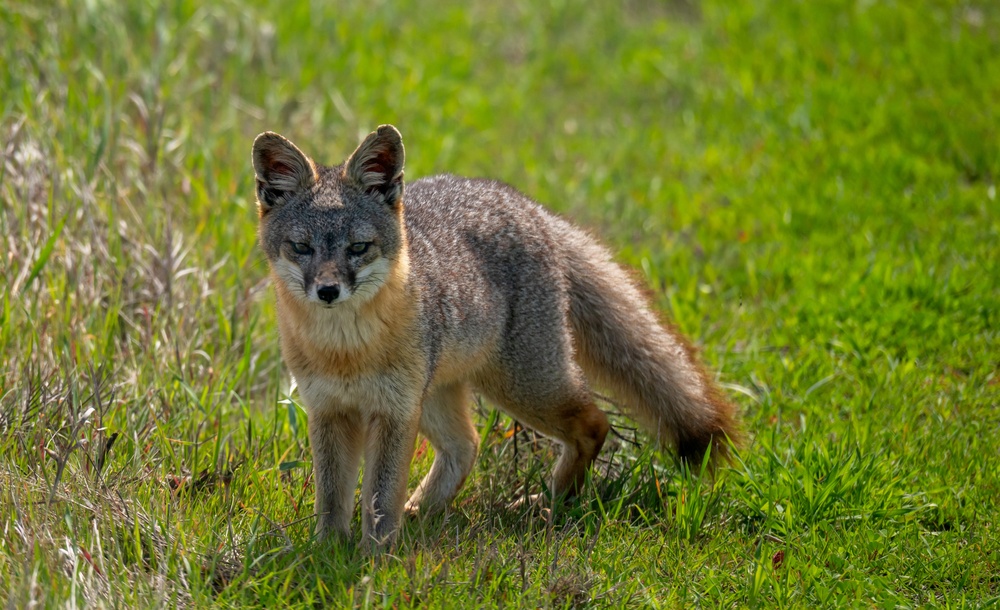
Few island mammals feel as distinctive as the island fox of California’s Channel Islands. Spring is a useful season for seeing them because adults move more around den areas as pups begin to arrive. That extra movement can make the species easier to notice along trails and open scrub. Its small range is a big reason it feels so rare.
On quiet mornings, these foxes may appear near grassland edges, brush, or campsites. Their size is smaller than many people expect, which can make a first sighting feel surprising. Even with a strong recovery story behind them, they still remain special because they belong to only a handful of islands. A patient walk at the start of the day often gives the best chance of seeing one.
Waved Albatross
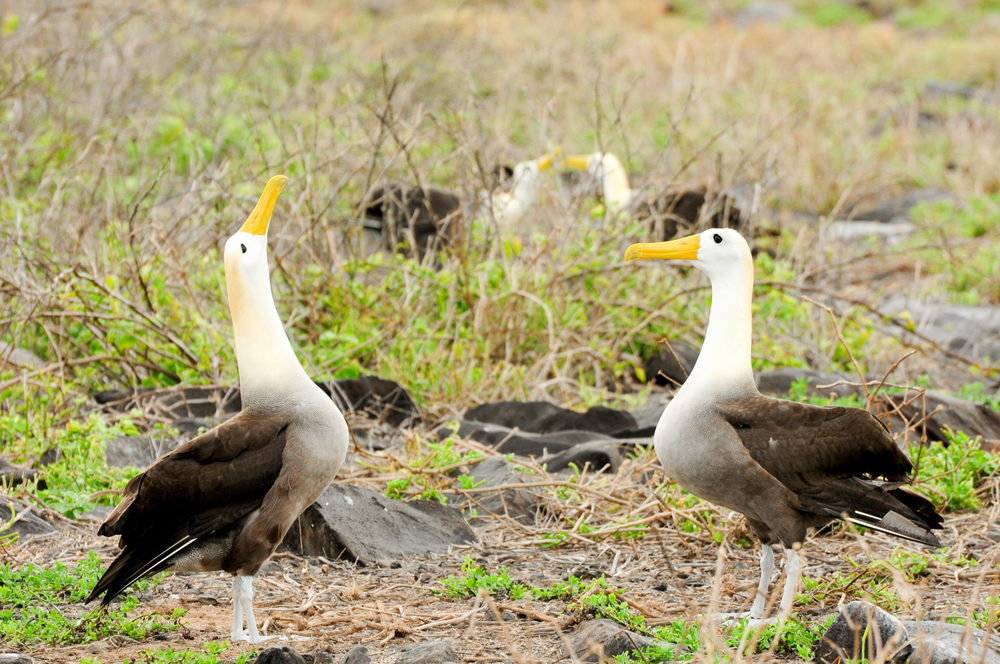
Across the Galapagos, the waved albatross becomes easier to notice in spring when adults return to breeding grounds. That seasonal return brings more courtship, nesting, and colony activity into view. Open terrain on nesting islands makes these large seabirds easier to watch than many smaller species. Their breeding range is so limited that they still feel rare even when a colony looks busy.
One of the most striking things about this bird is its strong connection to a single island setting. Spring gives observers a better chance to notice pairs on the ground rather than birds spread out across the ocean. Their size and presence make them hard to miss once they are back on land. Even so, a species tied so closely to one place remains vulnerable.
Galapagos Penguin
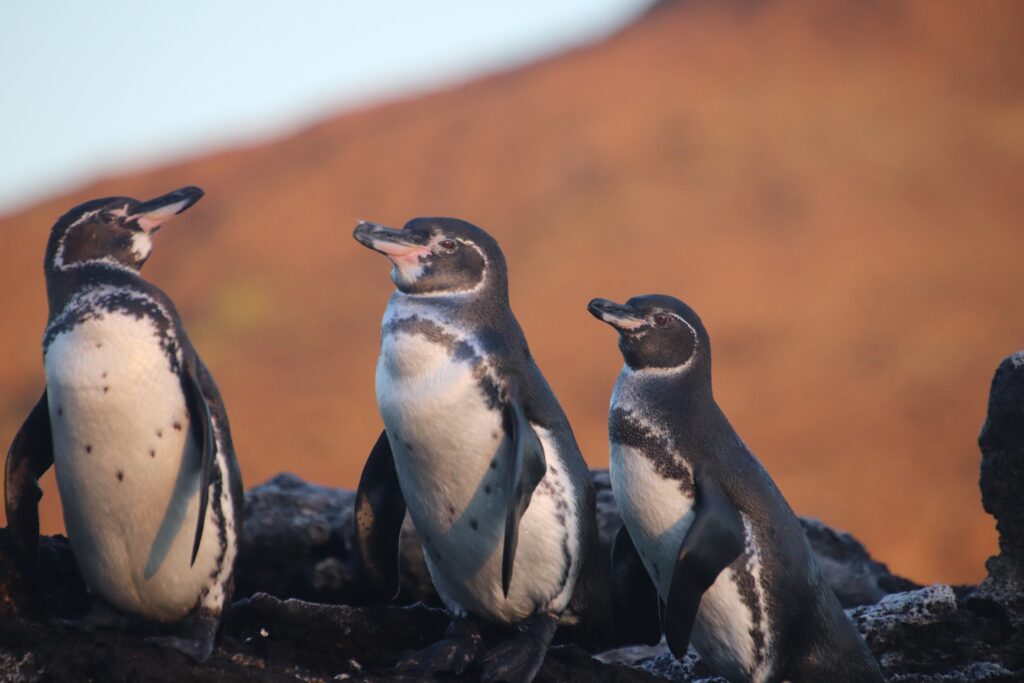
Near the rocky coasts of the western Galapagos, the Galapagos penguin is one of the most unusual island animals to spot. Late spring can be a more active period around breeding areas, which helps make the species easier to notice. Small groups may be seen near lava rocks, shaded crevices, and coastal waters. Because their range is so tiny, even a short view feels meaningful.
What surprises many people is that this penguin lives close to the equator. Spring activity near nesting areas can make shoreline sightings a little more likely. Their small size gives them a different look from the larger penguins that many people picture first. A quick glimpse of black volcanic rock can stay in the memory for a long time.
Hawaiian Monk Seal
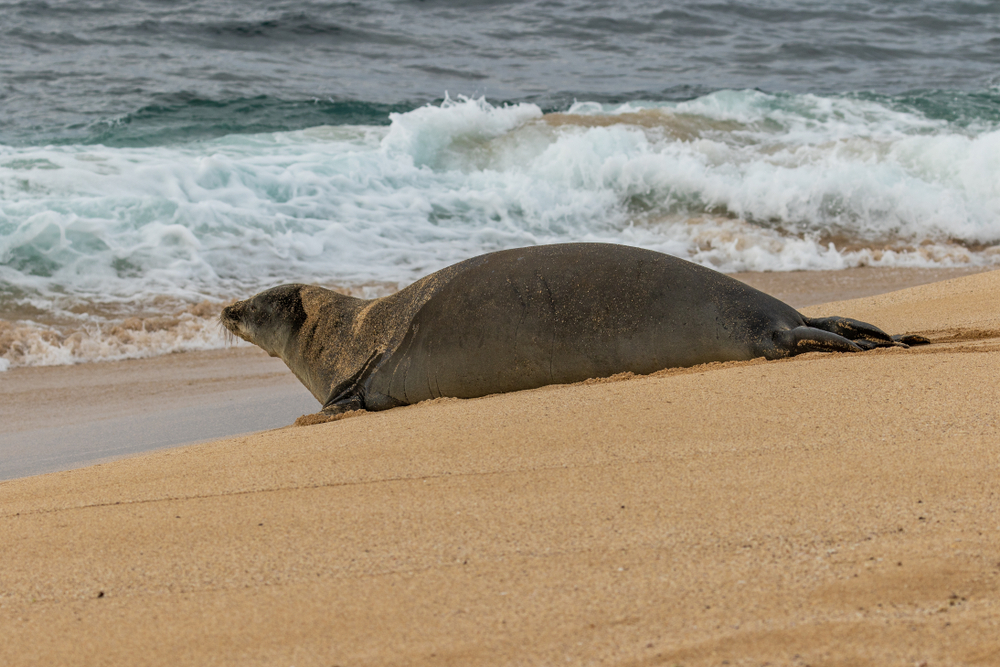
Along the beaches of Hawaiʻi, the Hawaiian monk seal can be one of the most memorable rare animals to spot in spring. This season often brings more time on shore, especially for mothers and young pups. That makes sandy coves and quieter stretches of beach feel more active than they do at other times of year. Since the species is found only in Hawaiʻi, each sighting feels closely tied to the islands themselves.
What makes this animal stand out is the calm way it rests on sand or rocks near the water. Spring can bring better chances to notice seals hauled out in the open, where they are easier to see from a respectful distance. Their low numbers give every beach encounter a deeper meaning. People should always stay well back so the animals are not disturbed.
Mangrove Finch
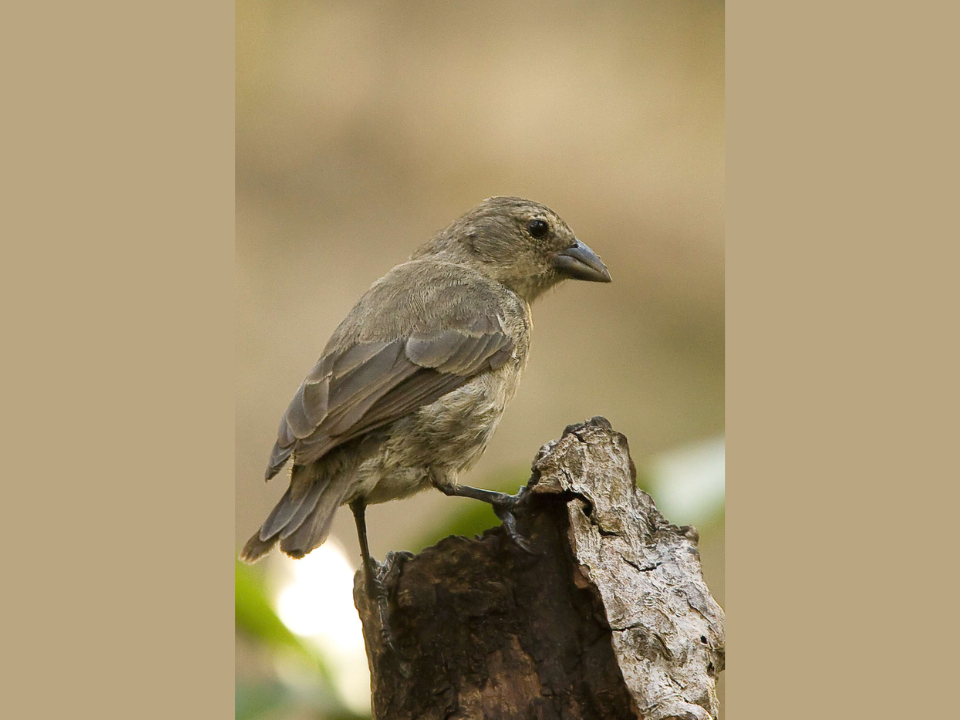
Hidden in a very small mangrove habitat, the mangrove finch is one of the rarest birds in the Galapagos. Spring matters because it overlaps with nesting activity, which can make the species easier to track. Even when it is hard to spot directly, movement and seasonal behavior give more clues to its presence. Its tiny range is what makes it feel so rare.
For careful observers, this is the kind of bird that rewards patience rather than quick scanning. Spring can bring a little more calling, feeding, and nest-related movement in the mangroves. That does not make it easy, though it does make it feel more present. In a place where habitat is so limited, each season of breeding becomes very important.
Amami Rabbit
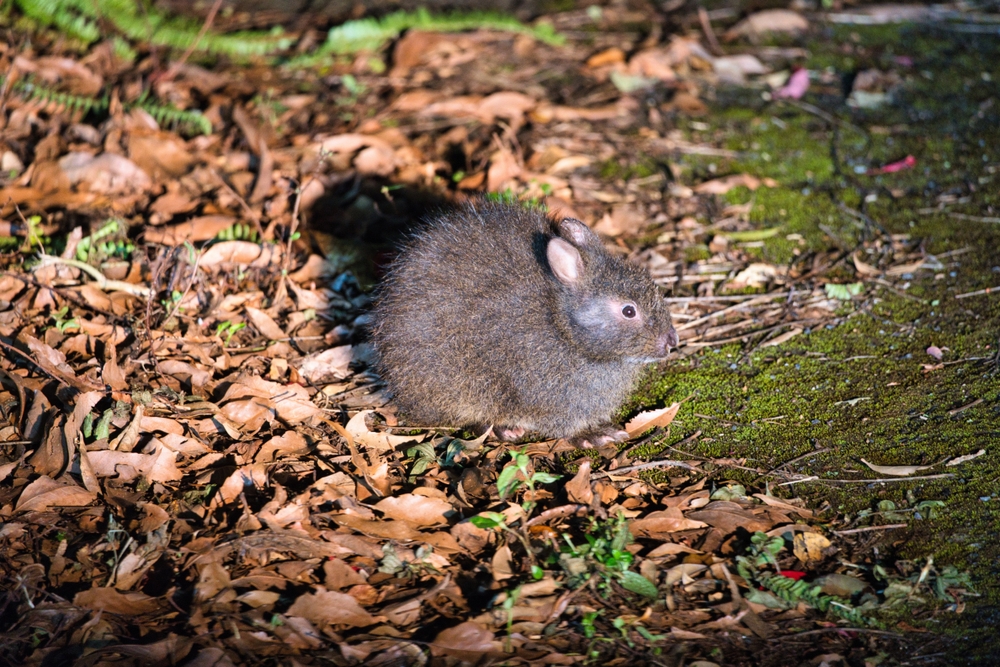
Deep in the forests of Amami Ōshima and Tokunoshima, the Amami rabbit remains one of Japan’s most unusual island mammals. Spring is an important season because breeding and parenting activities pick up during this time. That change can bring more nighttime movement and more signs that the species is nearby. Since it lives only on these islands, it feels rare in a very direct way.
Most people notice traces of this rabbit before they see the animal itself. Tracks, feeding signs, and quiet movement along forest roads can be easier to notice in spring. Its ancient look gives it even more interest among island species. Careful driving through its habitat matters because road danger is still a serious problem.
Tuatara
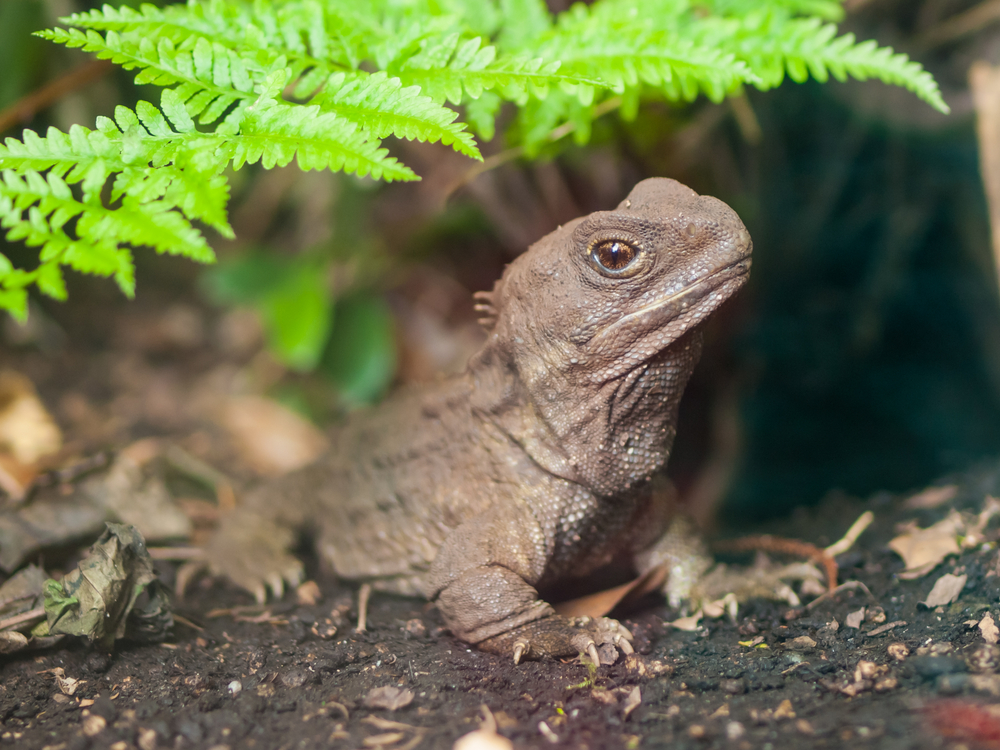
On New Zealand’s offshore islands, the tuatara stands out as one of the most unusual reptiles still alive today. Spring can bring more visible movement because females begin heading toward nesting areas. That seasonal change makes animals that often stay hidden a little easier to notice. Its ancient lineage adds another layer of interest to each sighting.
There is something striking about seeing a creature like this in the open. During spring, nesting movement can bring tuatara across open patches where observers have a better chance of noticing them. Many populations survive on islands where introduced predators are absent, which makes those places especially important. A quiet watch near suitable ground can reveal more than people first expect.
Mariana Crow
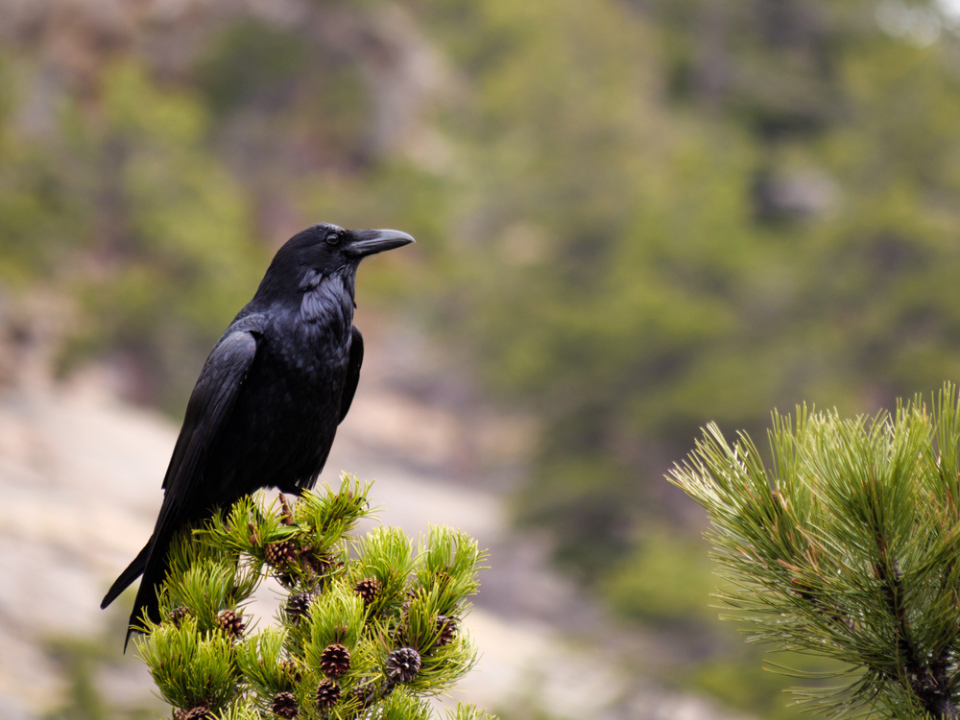
On the island of Rota, the Mariana crow remains one of the western Pacific’s rarest birds. Spring falls within a useful nesting period, which can make pairs and family groups easier to locate. Nest-tied behavior often brings more calling and repeated movement through the same areas. That seasonal pattern helps the species stand out a little more in dense forests.
In thick woodland, direct views can be brief, so behavior matters just as much as appearance. Spring can bring more territorial activity, which gives watchers better clues about where birds are staying. Because the population is so small, each breeding season feels especially important. The species remains a strong reminder of how vulnerable island birds can be.
Hawaiian Petrel
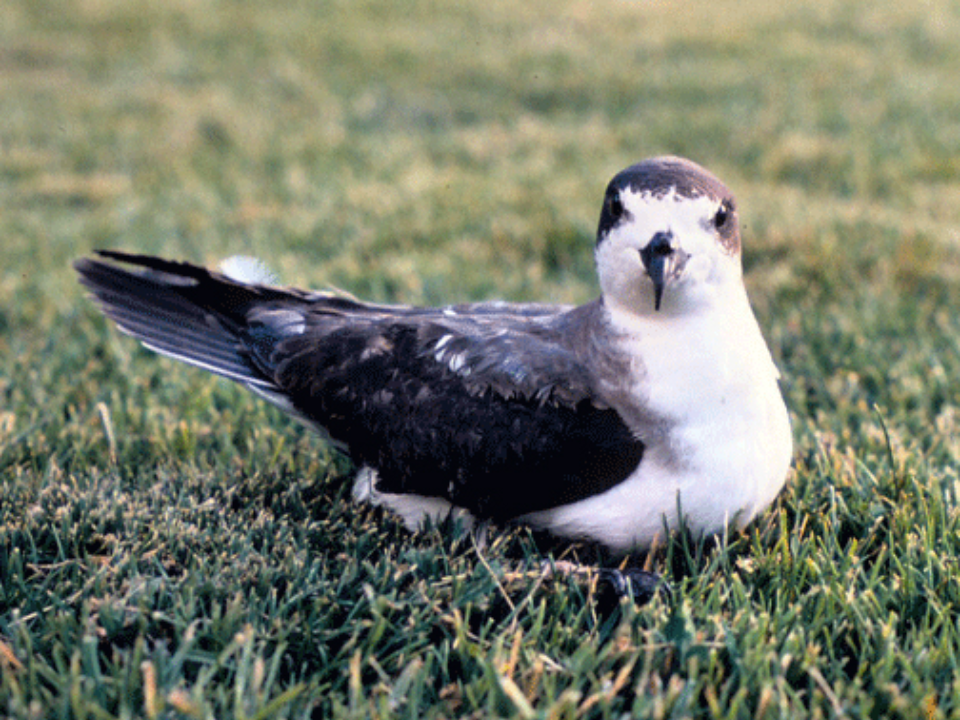
Far out at sea for much of the year, the Hawaiian petrel becomes more tied to the islands during spring breeding months. That seasonal return makes colony areas, burrows, and upland nesting grounds more important. As a result, the species becomes easier to notice than when it is roaming distant ocean waters. Its rarity is shaped by both its limited nesting range and the dangers around those sites.
Night is often the best time to sense the presence of this bird. Spring can bring more calls, more movement near colony areas, and more signs of island use. That does not make it easy to watch closely, though it does make the season more revealing. For a seabird that spends so much time away from land, this connection to the islands feels especially important.
Short-Tailed Albatross
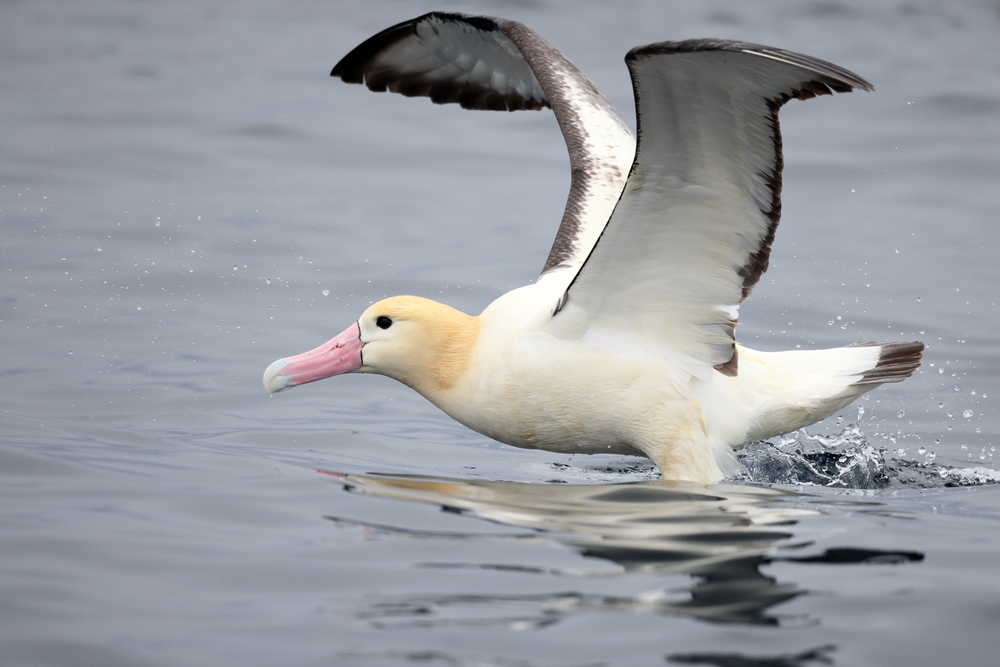
Among the rarest albatrosses in the world, the short-tailed albatross remains closely tied to a small number of remote breeding islands. Spring falls within the long colony season, so adults, nests, and young birds may all still be present. That gives island breeding grounds a much larger role in making the species visible. A bird that ranges widely at sea can suddenly feel very local during this part of the year.
Its story becomes easier to understand once you picture how small the breeding map really is. When birds are spread across the ocean, they feel distant from any one place. During spring, breeding islands hold a much larger share of their visible life. That is why island colonies matter so much for this species.
Laysan Duck
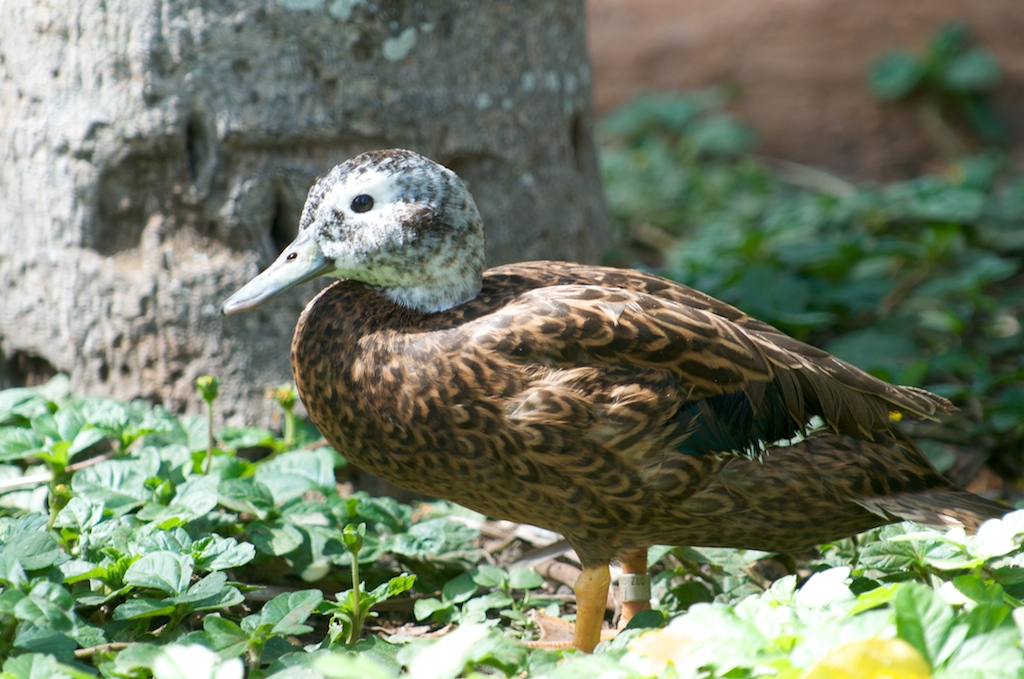
In quiet wetland edges on remote islands, the Laysan duck can be easier to notice during the spring nesting season. Pairs, nests, and ducklings give the species a stronger seasonal presence. Because the wild population survives on only a few islands, this activity feels especially important. Its rarity is closely tied to how small its home range has become.
Unlike large seabirds, this duck does not draw attention through dramatic colony scenes. Spring brings a calmer kind of visibility through repeated movement in sheltered places. Low vegetation, shallow water, and quiet corners are often where people notice it best. A patient watch can reveal much more than a quick walk through the habitat.
Millerbird
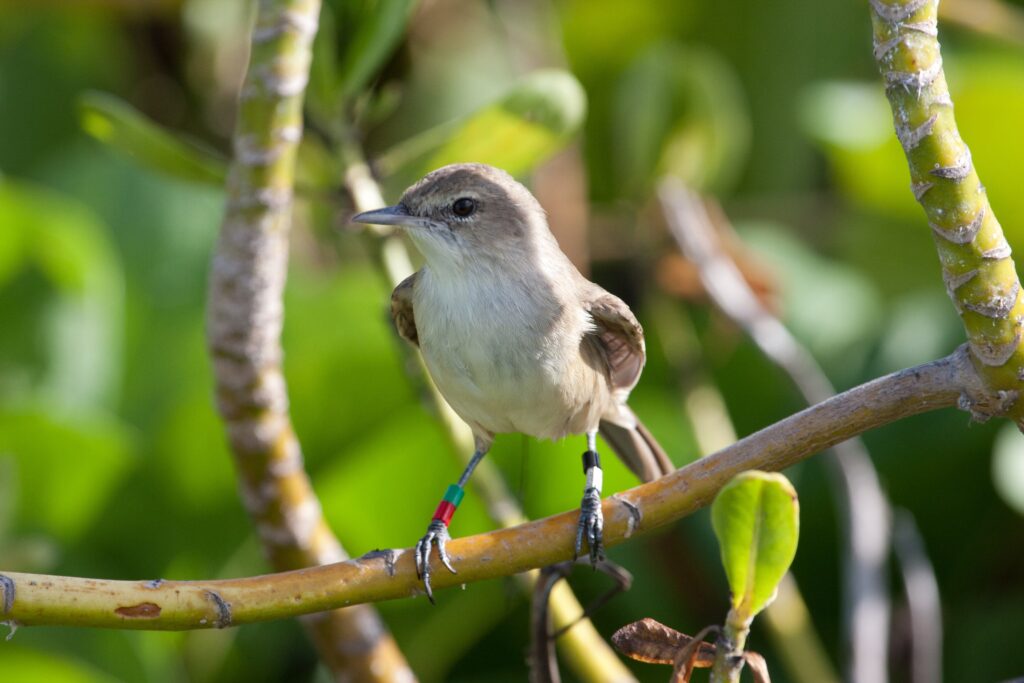
Low island vegetation can seem quiet until a small bird like the Millerbird starts moving through it in spring. This season brings nesting activity, which gives more signs of the species through feeding trips and short movements near cover. Because the bird is small and secretive, behavior is often the key to noticing it. Its limited island setting makes every breeding season feel important.
At first glance, the Millerbird may not seem as dramatic as a seal or albatross. Yet spring gives it a stronger presence because there is simply more going on in the habitat. Small signs, such as repeated movement in the same patch of vegetation, can tell a lot. For such a rare island bird, those quiet clues matter a great deal.
Chatham Island Black Robin
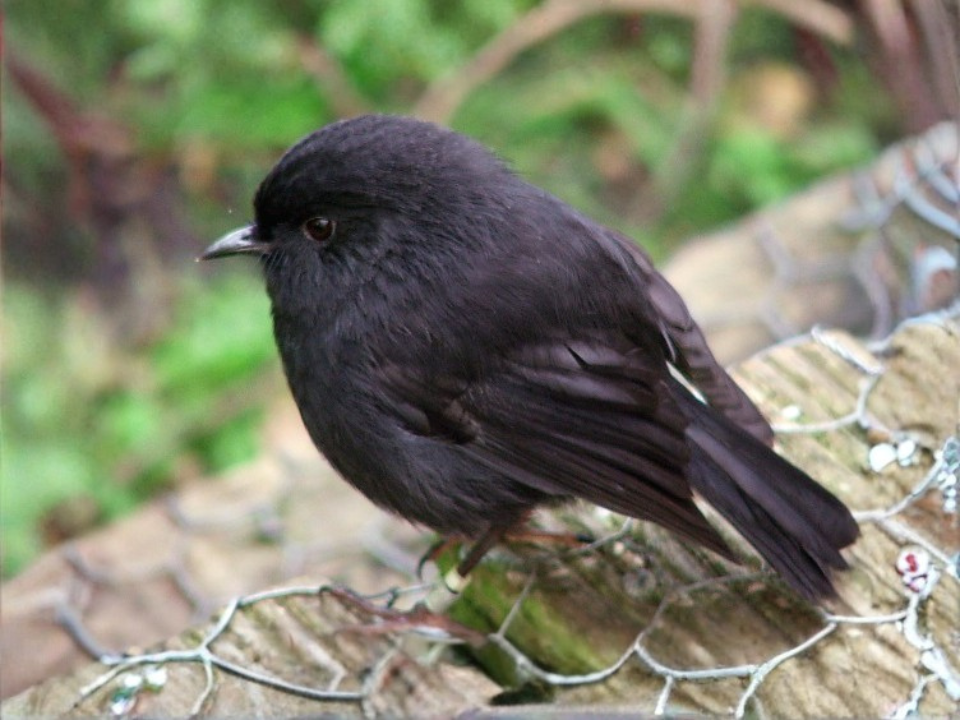
From a recovery point of view, the Chatham Island black robin is one of the best-known island bird stories in New Zealand. Local spring is the time when nesting and chick feeding activity make the species easier to notice. Adults move more often through breeding areas, which helps them stand out against the quiet of the habitat. Its world remains very small, which is why it still feels rare.
When the season turns, these birds begin carrying food and moving in and out of nest sites more often. That daily activity gives observers more to watch than they might get in colder months. Even after its recovery from very low numbers, the species still carries a fragile feeling because so few populations exist. Spring gives a clearer view of how much work goes into keeping it there.
Laysan Albatross
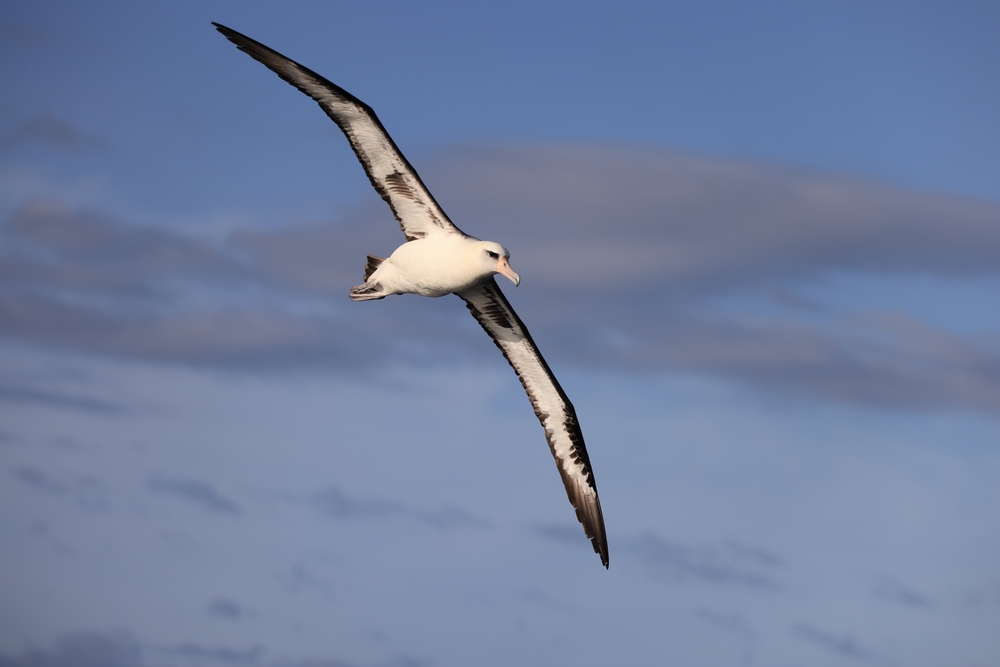
Spring can make Laysan albatross colonies feel almost overwhelming in the best possible way. By this stage, many chicks are already large and easy to see across the breeding grounds. That gives the islands a crowded, active look even when some adults spend more time away from the colony. For island wildlife watching, few scenes are as memorable as this one.
What stands out most is the sheer scale of it all. The ground can seem filled with young birds, each one adding to the sense of a living colony spread across the island. Spring visibility comes less from courtship and more from the presence of nearly grown chicks. That makes this season especially rewarding for anyone hoping to notice the species clearly.
Black-footed Albatross
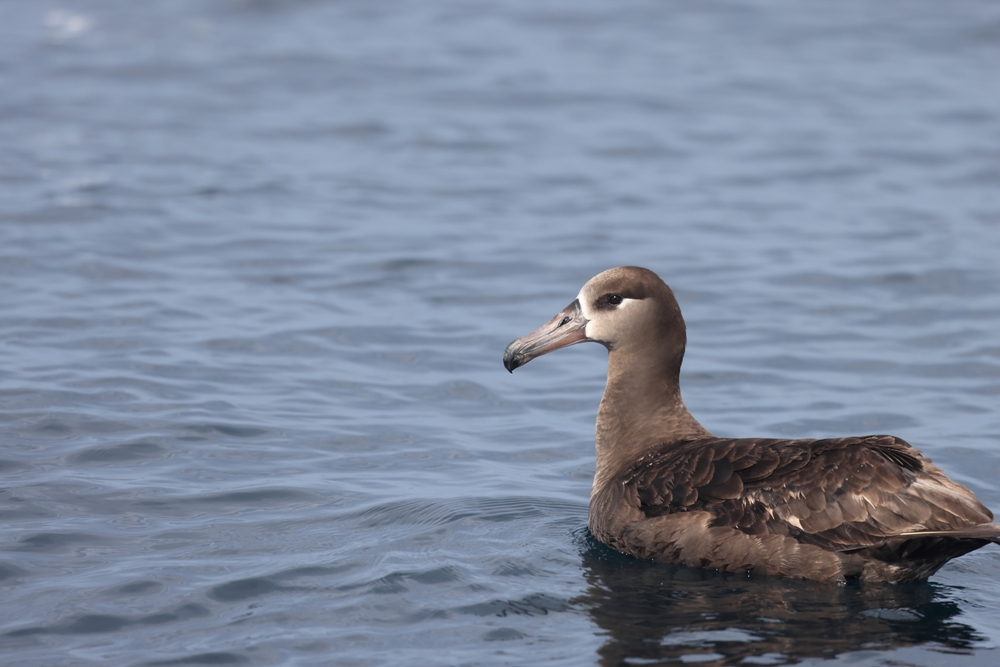
Darker in plumage and a little less familiar to many people, the black-footed albatross has its own striking island presence in spring. This season often shows large chicks still on the breeding grounds while some adults begin to leave. That mix gives the colony a feeling of movement and change. Since island colonies support so much of the world population, this stage matters a great deal.
There is a different mood around this bird compared with the paler Laysan albatross nearby. Spring helps make that difference easier to notice because the colony is full of birds at different points in the breeding cycle. The season feels active without looking rushed, which adds to the experience of watching them. Timing is a big part of why this species becomes more noticeable in spring.
This article originally appeared on Avocadu.