
12 Indoor Walking Workouts For February When The Weather Is Bad
If the weather is keeping you indoors, it doesn’t mean you have to skip your workout. There are many indoor walking exercises that are just as effective as being outside. Whether you want to challenge yourself or simply keep things light, these workouts are sure to help.
This post may contain affiliate links, which helps keep this content free. Please read our disclosure for more info.
Walking Lunges
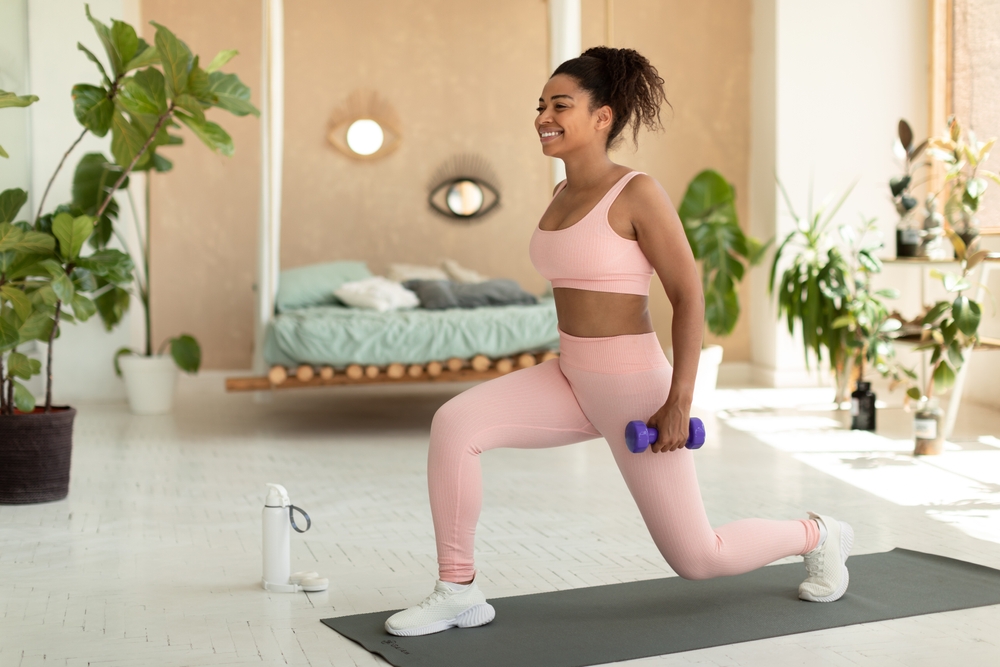
Walking lunges are an effective way to target your legs and glutes while maintaining an indoor walking routine. Take large steps forward into a lunge, lowering your hips so your knees are aligned at 90-degree angles. This movement mimics walking while adding the strength benefits of lunges. You can modify the workout by alternating between lunges and regular steps for variety.
To make the workout more challenging, try holding weights or performing a walking lunge with a twist. This will engage your core, giving you an added ab workout. Aim for about 3 sets of 12-15 lunges on each leg, depending on your fitness level. Lunges are perfect for toning and strengthening your lower body while getting your heart rate up.
High Knee Marches

High knee marches are another indoor walking workout that focuses on increasing your heart rate and building endurance. Raise your knees as high as possible, aiming to bring them to hip level or higher. You can alternate legs quickly or march in a slow and controlled pace, depending on your preferred intensity. This exercise is a great way to engage your core while also strengthening your legs.
For added intensity, consider adding an arm swing to match the movement of your knees. This will create a full-body workout, engaging both the upper and lower body. If you are looking to increase your heart rate even further, you can do high knee marches for a set time, such as 30 minutes, or break it into shorter intervals. High knee marches help with flexibility and mobility, making them a great low-impact option for any indoor walking routine.
Stair Climbing

If you have access to stairs at home, stair climbing is an excellent workout that simulates uphill walking. Start by stepping up and down on the stairs, using your legs to propel yourself. This workout builds strength and endurance in the legs, especially the quadriceps and calves, and provides a great cardio challenge. If you do not have access to stairs, you can substitute with step-ups using a sturdy chair or bench.
To increase the challenge, try skipping a step to work your legs even harder, or add a quick pace to raise your heart rate. Stair climbing works your muscles more intensely than regular walking, making it an effective exercise for building lower body strength. Aim for 15 to 20 minutes of stair climbing to get a solid cardio workout. You can break it into intervals, alternating between climbing and resting, to make it more manageable.
Walking with Dumbbells

Incorporating light weights into your indoor walking workout is a great way to enhance its effectiveness. Hold a dumbbell in each hand while you walk around your home, making sure to maintain a good posture. This will activate your arms and shoulders while working your lower body, helping to burn more calories. For a greater challenge, increase the weight of the dumbbells as you become more comfortable.
As you walk, vary your movements by adding in arm curls, overhead presses, or side raises. These variations target your arms and shoulders while keeping your legs engaged. If you prefer to walk around your house, this can easily be done while completing other tasks, like tidying up or talking on the phone. Walking with dumbbells offers a full-body workout that’s simple and efficient for staying active indoors.
Walking in a Circle

Walking in a circle is an easy and space-efficient way to keep moving indoors. Simply walk in a continuous circular pattern in a room, changing direction every few minutes. This low-impact workout can be done at any pace and is ideal for those who want to maintain a steady rhythm. It’s perfect for staying active if you have limited room but still want to move around.
To make it more interesting, you can add small exercises along the way, like toe taps or knee lifts. This will keep your body engaged and help prevent boredom. You can even use this technique while watching TV, creating an enjoyable multitasking experience. Walking in a circle can be a mindful, relaxing workout that allows you to move at your own pace while still benefiting from low-intensity walking.
Heel-to-Toe Walk

The heel-to-toe walk is a great indoor walking workout that focuses on balance and coordination. To perform this exercise, walk by placing the heel of one foot directly in front of the toes of the other foot. This technique will improve your posture and stability while strengthening your core and leg muscles. It’s a slow, controlled movement that requires focus and concentration.
To add a bit of challenge, increase the number of steps you take or walk along a line to maintain your focus. You can also add arm movements to the walk, such as swinging your arms or holding them overhead. This workout is beneficial for improving your balance and preventing falls, making it a great choice for anyone looking to enhance their overall coordination. Heel-to-toe walking is also a great way to practice mindfulness during your workout.
Walk and Stretch Routine
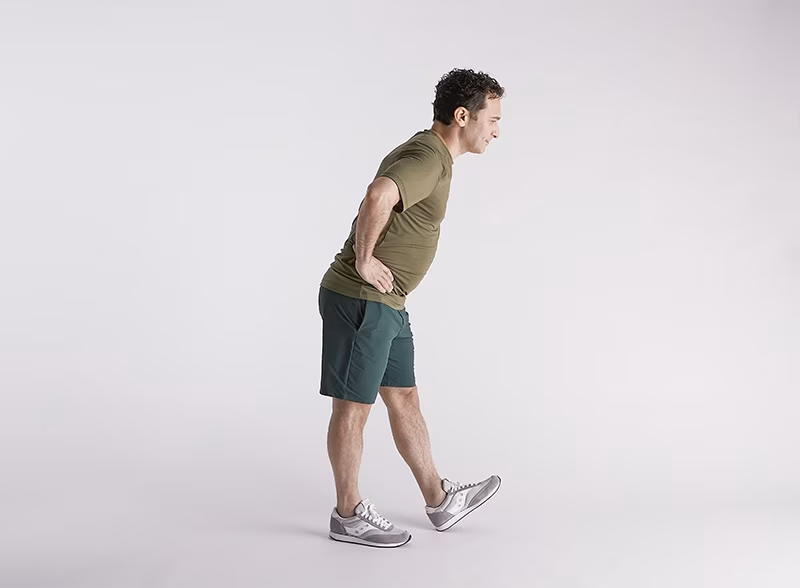
A walk and stretch routine is an ideal way to combine walking with flexibility exercises indoors. Start with a light walk around your living room or hallway to get your body moving, and then pause periodically to perform stretches. Focus on areas like your hamstrings, calves, and arms to improve your range of motion and relieve any muscle tightness. This combination of walking and stretching helps maintain mobility while boosting blood circulation.
You can set a timer to walk for 5 minutes, followed by a 1-2 minute stretch break, and repeat the process for a set duration. Stretching between walking intervals helps prevent muscle strain while providing a low-impact workout. Adding some gentle stretches into your walking routine can help you feel more energized and reduce stress. This type of workout is easy to do and perfect for beginners who want to stay active without overexerting themselves.
Walking with a Resistance Band

Using a resistance band while walking indoors is an excellent way to increase the intensity of your workout. Place the resistance band around your legs, just above your knees, and walk slowly across the room. The band will provide extra resistance, forcing your muscles to work harder. This exercise targets your glutes, thighs, and hips, helping you build strength in your lower body.
You can also add other movements, such as leg lifts or side steps, to engage different muscle groups. For added variety, switch between walking forward, backward, and sideways to hit all areas of your lower body. Walking with a resistance band is ideal for those looking to increase the challenge of their indoor walking workouts. It’s a great way to enhance your fitness routine, particularly if you’re limited to indoor space.
Treadmill Walking

If you have access to a treadmill, it offers an easy way to maintain your walking routine indoors, no matter the weather. Walking on a treadmill can be done at a steady pace or at varying inclines to increase the intensity. Some treadmills also offer built-in programs that simulate outdoor walking paths, adding variety to your routine. Walking on a treadmill is an effective cardio workout that improves cardiovascular health and endurance.
If you want to make your treadmill session more engaging, try adding intervals of faster walking or small inclines to simulate uphill walking. You can also track your progress by monitoring the time, distance, and calories burned. Treadmill walking is an excellent way to stick to a consistent walking routine during the winter months. If you are looking for a low-impact cardio workout, this option is ideal.
Dance Walking

Dance walking combines the fun of dancing with the benefits of walking, making it a perfect workout for when the weather is bad. Put on your favorite music and simply walk around your home, adding dance moves like twirls or body rolls to the steps. This workout gets your heart rate up while keeping you entertained. It’s a great way to enjoy an indoor walking routine and lift your spirits during the colder months.
As you get more comfortable, you can increase the intensity by dancing faster or incorporating high-knee steps. Dance walking is excellent for people of all fitness levels since you can modify the speed and complexity based on your ability. This fun workout is great for reducing stress and boosting your mood while keeping you active. It’s a simple yet creative way to make the most of your indoor space.
Indoor Walking Circuit

An indoor walking circuit involves walking from one area of your house to another, changing your pace and intensity each time you move. This can include walking to the kitchen, taking a turn to the living room, and then back, all while varying your pace. The circuit method keeps your walking workout interesting and dynamic, offering both aerobic and muscular benefits. It’s a great way to make the most of your indoor space while also engaging your mind as you navigate through your home.
You can add extra challenges by setting small goals for each section of your walk, like completing the circuit in a certain time or adding a few quick bursts of speed. Circuit-style walking can also include small strength exercises like squats or lunges between walking segments. This method is ideal for those who want to stay engaged and make their walk feel like a workout. It’s a fun and customizable indoor walking workout that can be done anywhere.
Power Walking

Power walking is a faster-paced version of regular walking that helps you break a sweat and get your heart rate up. This indoor workout can be done anywhere, whether you have a long hallway or open space. By focusing on walking quickly and using your arms for extra momentum, you’ll engage your entire body. It’s an excellent way to get a low-impact cardio workout in while burning more calories than regular walking.
To make it more intense, you can add short bursts of speed at intervals, mimicking a sprint-walk pattern. This increases both cardiovascular and muscular endurance. Power walking is great for those who are looking to challenge themselves without the strain of running. It’s easy to adjust the intensity based on your fitness level, making it a versatile indoor walking option.
This article originally appeared on Avocadu.