
11 Indoor Plants That Don’t Mind Dry Winter Air
Winter air can be harsh on indoor plants, but several resilient options thrive even in dry conditions. These plants are perfect for homes with low humidity, offering easy care and long-lasting greenery throughout the colder months. From low-maintenance succulents to hardy foliage, these plants not only tolerate dry air but also add beauty and fresh air to your space. Whether you’re new to plant care or a seasoned gardener, these options will help keep your home lush and vibrant all winter long.
This post may contain affiliate links, which helps keep this content free. Please read our disclosure for more info.
Snake Plant (Sansevieria)
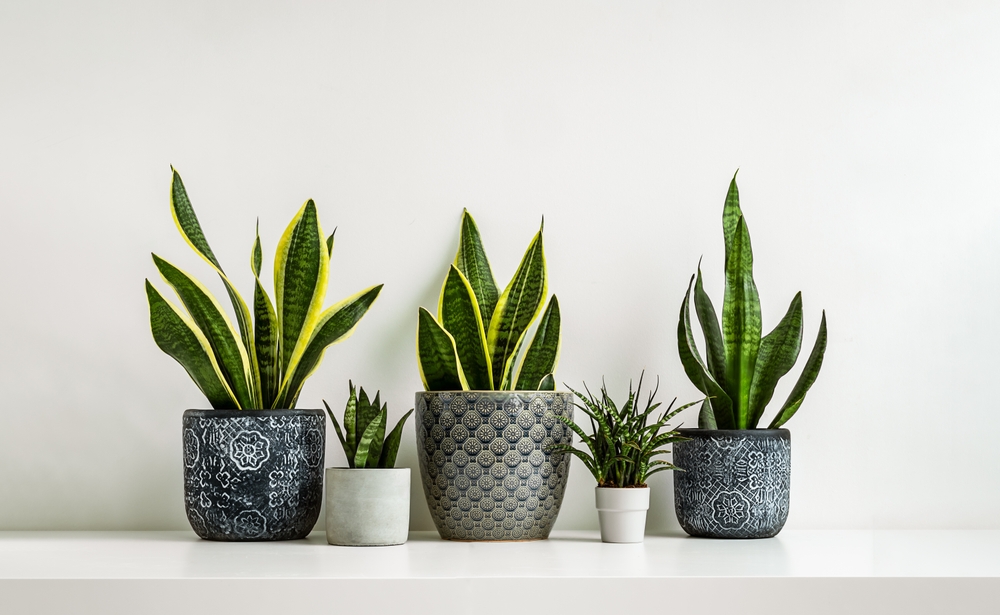
Snake plants, also known as mother-in-law’s tongue, are among the toughest indoor plants you can have. These resilient plants are perfect for dry winter air because they can survive with minimal water and thrive in low humidity. The thick, upright leaves are designed to store water, which means they don’t require frequent watering, making them ideal for busy homeowners or those with less-than-ideal winter conditions. Snake plants are also known for their air-purifying qualities, as they filter toxins like formaldehyde from the air.
These plants prefer indirect light but can tolerate a range of lighting conditions, from low to bright light. Snake plants can go without water for extended periods, so overwatering is a common mistake. During the winter, when the air tends to be drier, snake plants won’t suffer from a lack of moisture in the air. They’re perfect for beginners due to their ease of care and low-maintenance needs, making them a great choice for any room in your home.
ZZ Plant (Zamioculcas zamiifolia)
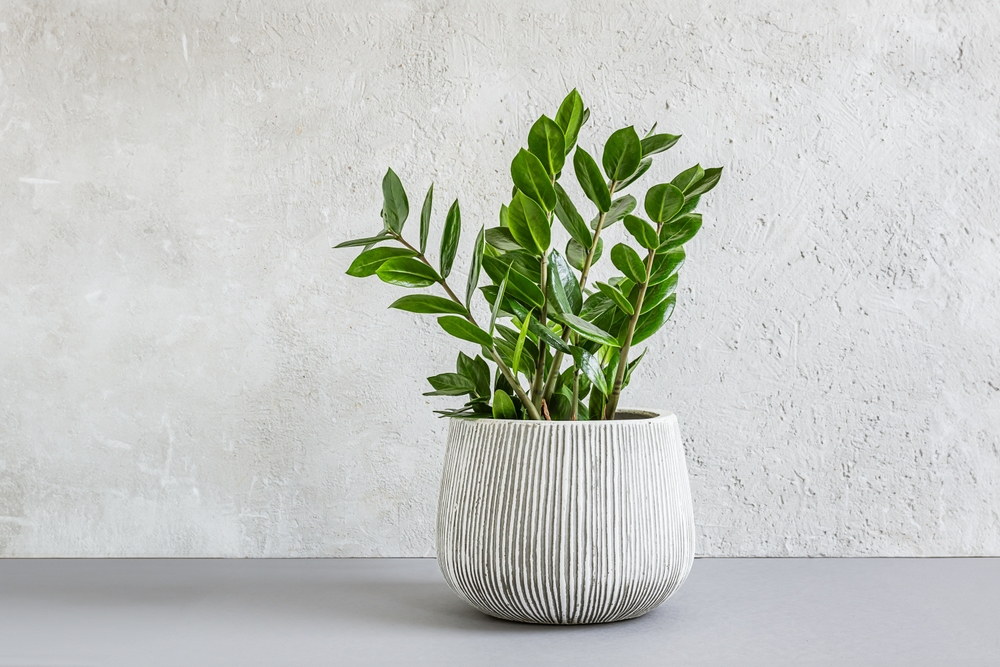
ZZ plants are known for their ability to thrive in challenging conditions, including low light and dry air. With their waxy, dark green leaves, ZZ plants retain moisture very efficiently, which helps them cope with the dry indoor air often seen during the winter months. They need very little water, making them one of the most drought-tolerant plants available. ZZ plants only require watering every two to three weeks, allowing you to enjoy a lush indoor plant without the constant maintenance.
In addition to being low-maintenance, ZZ plants are also adaptable to a wide range of light conditions, from bright, indirect light to low light. Their thick, sturdy stems store water, which allows them to survive through the winter even when humidity levels are low. This hardiness makes them a great choice for busy individuals or those new to indoor gardening. Whether placed on a desk or a side table, ZZ plants can add a touch of elegance to any room without requiring much attention.
Pothos (Epipremnum aureum)
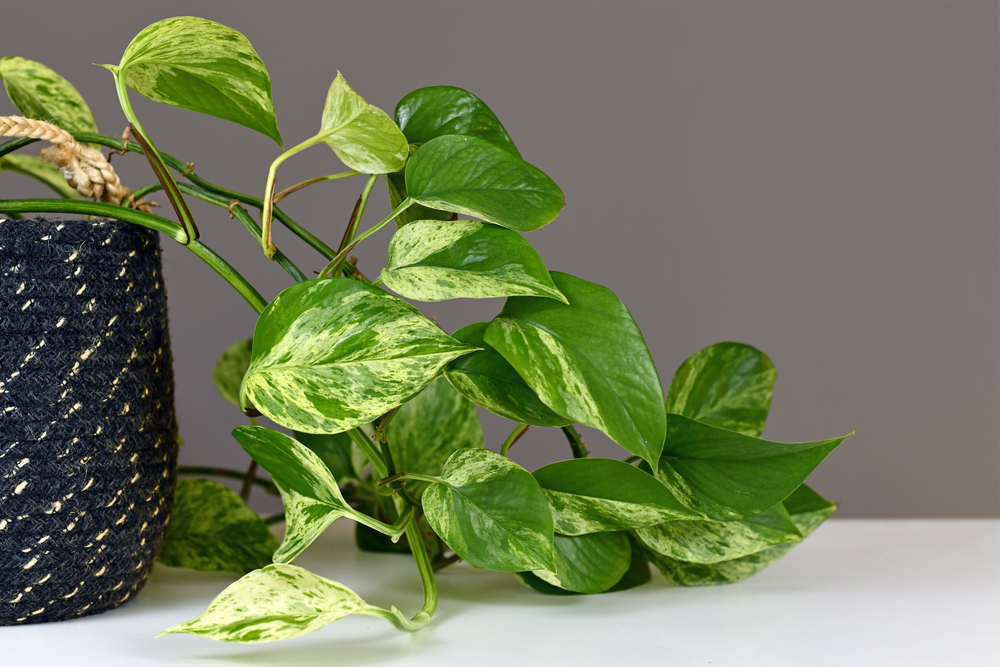
Pothos plants are beloved for their ability to tolerate a variety of environments, including dry winter air. With their trailing vines and heart-shaped leaves, pothos add a vibrant touch to any room. They are incredibly easy to care for and can withstand periods of drought, making them perfect for the dry air that often accompanies winter. Pothos plants are also quite forgiving when it comes to watering; they can go for weeks without needing a drink, making them an ideal choice for anyone with a busy schedule or those who forget to water their plants regularly.
Pothos thrive in indirect light, though they can adapt to low light, making them perfect for areas with less natural light during the winter months. They also tolerate low humidity levels, which makes them a great option for dry indoor environments. With their fast-growing nature, pothos can be easily propagated, allowing you to create new plants from cuttings. Their ability to survive in various conditions and their easy-going nature make them an excellent choice for indoor spaces that suffer from dry winter air.
Spider Plant (Chlorophytum comosum)
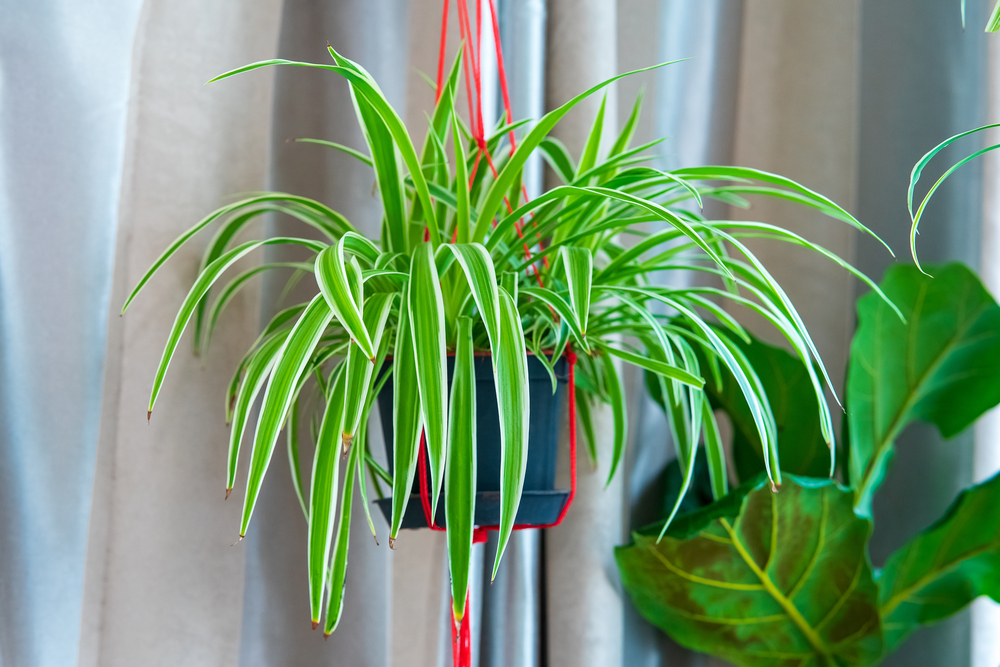
Spider plants are a great option for those looking for a hardy indoor plant that can handle dry winter air. These plants are known for their air-purifying properties and their ability to thrive in lower humidity levels. Spider plants have long, arching green leaves with white stripes and produce small “babies” or offshoots that can be propagated. They tolerate dry indoor conditions and can go without water for a couple of weeks, which makes them ideal for the dry air often found in homes during the colder months.
In addition to being adaptable to low humidity, spider plants are also quite easy to care for. They prefer bright, indirect light but can also handle lower light conditions, making them suitable for areas with less sun during the winter. Spider plants benefit from occasional watering, but they are very forgiving if you forget to water them every once in a while. Their resilience, combined with their attractive foliage, makes them a popular choice for beginner plant owners looking for a low-maintenance indoor plant for the winter months.
Philodendron (Philodendron spp.)
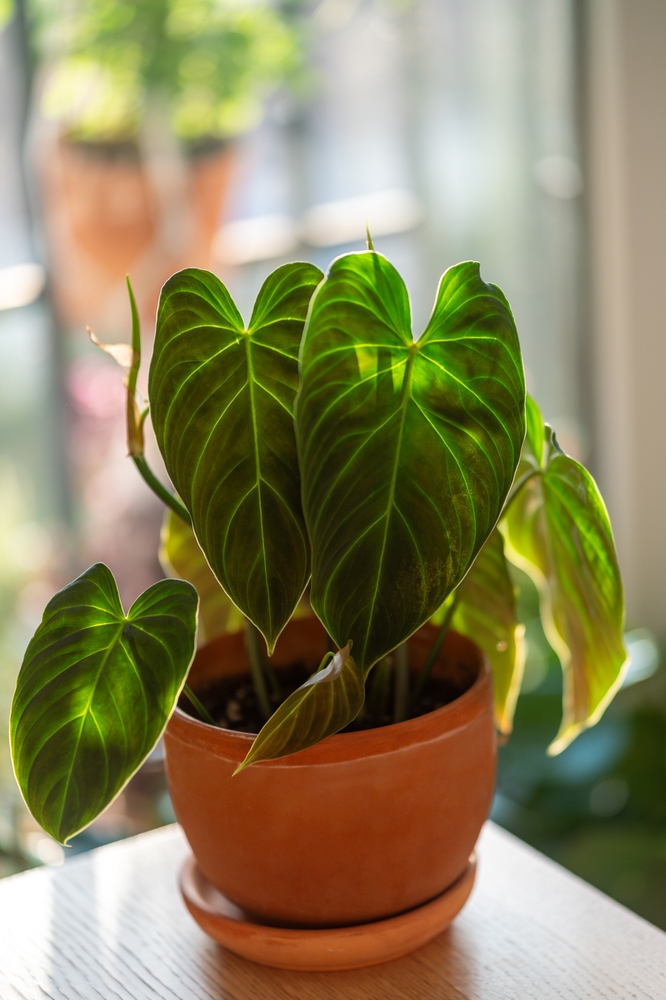
Philodendrons are an excellent choice for those dealing with dry winter air. These plants are known for their heart-shaped leaves and their ability to adapt to various indoor conditions, including low humidity. Philodendrons store moisture in their thick, waxy leaves, allowing them to thrive even when the air is dry. They prefer indirect light but can tolerate lower light conditions, making them a versatile addition to your home during the winter months.
When it comes to watering, philodendrons prefer to dry out slightly between waterings, making them ideal for homes with dry air. Overwatering can lead to root rot, so it’s important to let the soil dry out before giving them another drink. This makes them well-suited to dry winter environments where other plants may struggle. Philodendrons are low-maintenance and forgiving, making them a great option for both beginners and experienced plant owners looking for a plant that can handle the dry air of winter.
Rubber Plant (Ficus elastica)
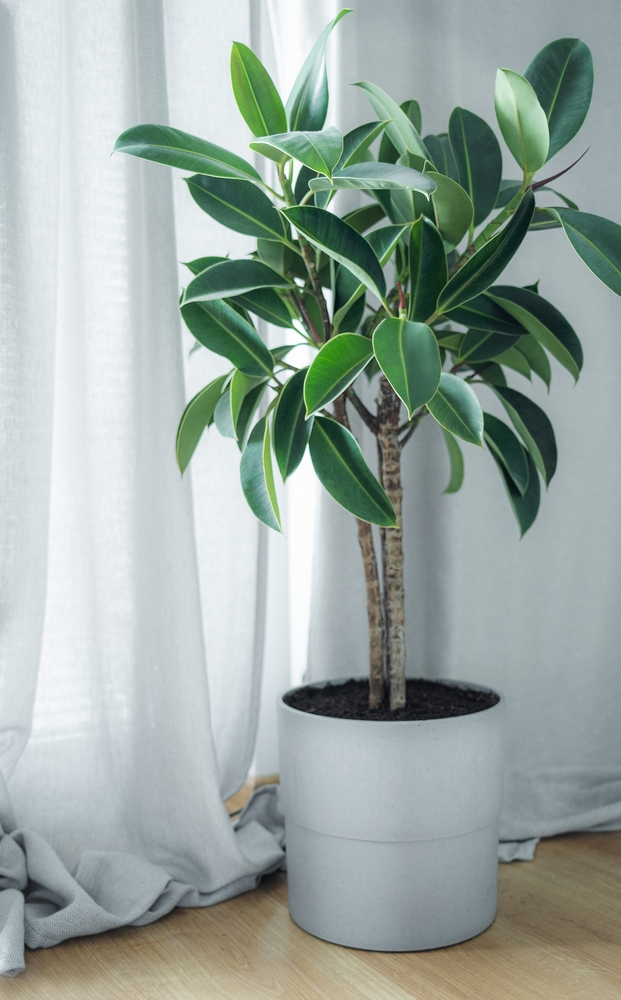
Rubber plants are a great choice for dry indoor air, thanks to their ability to tolerate periods of drought. These plants have thick, leathery leaves that help them retain moisture, allowing them to survive in low-humidity environments. Rubber plants prefer bright, indirect light but can also adapt to lower light conditions, though their growth may slow down. They do best with moderate watering, and they should be allowed to dry out between waterings, which helps prevent root rot.
In addition to being drought-tolerant, rubber plants are relatively low-maintenance. They are perfect for homes with dry winter air because their large, glossy leaves act as natural moisture reservoirs. Their sturdy growth and striking appearance make them a popular choice for both beginner and experienced plant owners. Whether placed in a living room or office, rubber plants can bring a touch of greenery and elegance to any indoor space.
Peace Lily (Spathiphyllum)
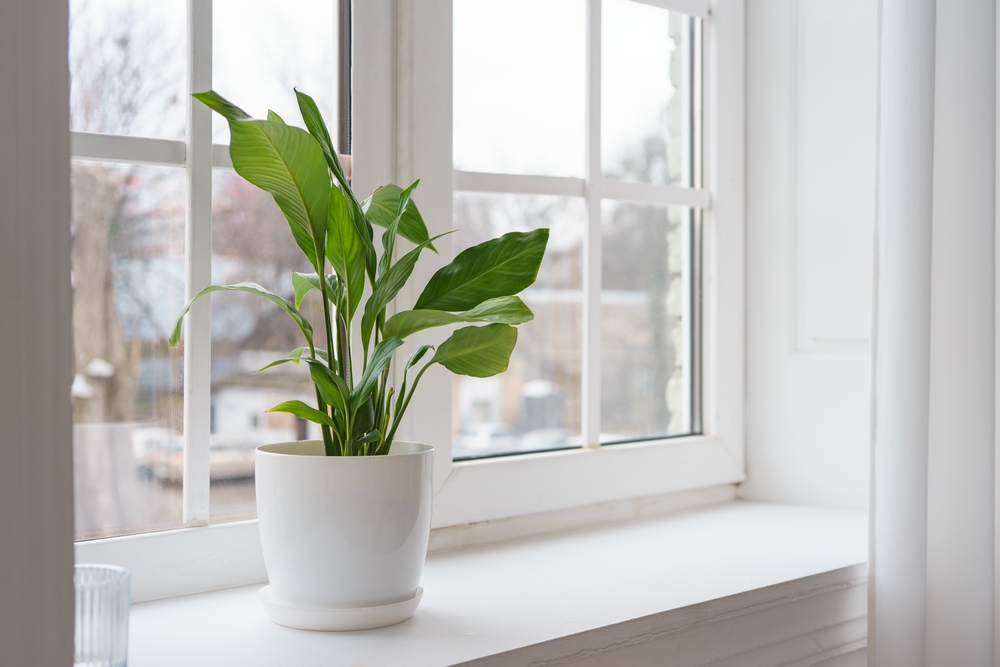
Peace lilies are well-known for their air-purifying qualities and their ability to thrive in dry winter air. These plants have glossy green leaves and elegant white flowers, making them a popular choice for indoor spaces. Peace lilies are relatively low-maintenance and can tolerate lower humidity levels, which makes them a great option for dry homes during the winter months. They only require moderate watering and can even go a bit longer without being watered, thanks to their ability to retain moisture in their leaves.
While peace lilies prefer indirect light, they can adapt to lower light conditions, making them perfect for winter months when sunlight is less abundant. These plants also have the added benefit of removing toxins from the air, such as formaldehyde and benzene, making them great for improving indoor air quality. Peace lilies thrive in warm environments, so they will appreciate the warmth provided by indoor heating during winter. With their elegant flowers and minimal care requirements, peace lilies are a fantastic choice for those seeking a low-maintenance, drought-tolerant indoor plant.
Jade Plant (Crassula ovata)
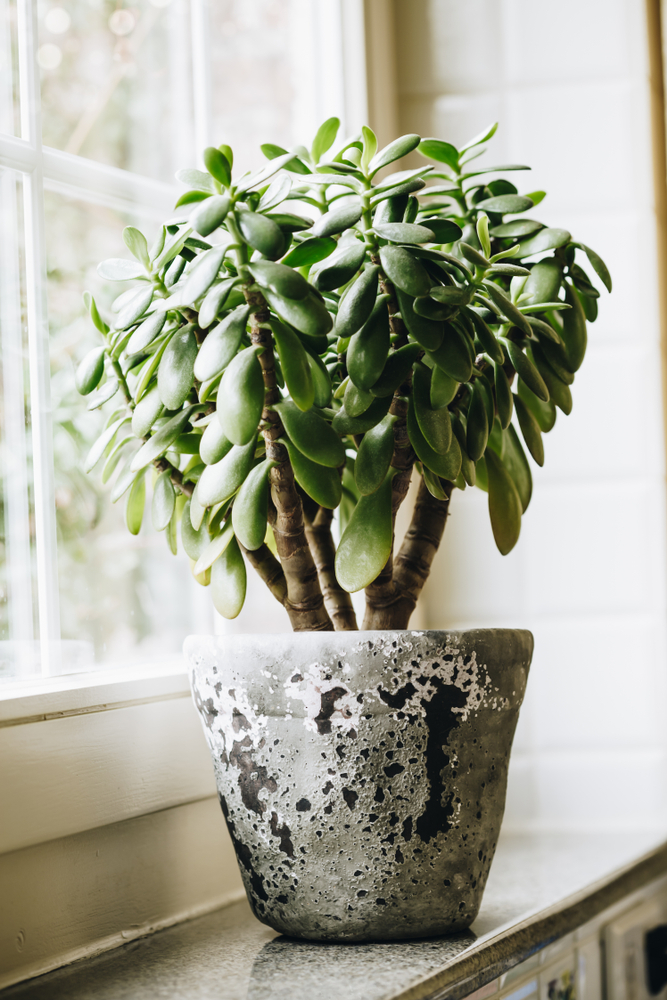
Jade plants are succulent plants that do well in dry air, making them an ideal choice for winter months. Known for their thick, glossy, oval leaves, jade plants can store water, which helps them thrive even with infrequent watering. These plants are quite hardy and can survive in low-humidity conditions, which is typical in many homes during the winter season. Jade plants prefer bright, indirect light but can tolerate lower light levels as well, though their growth may slow down in dimmer conditions.
Jade plants are also very low-maintenance, requiring only occasional watering. They should be watered thoroughly but allowed to dry out between waterings, making them perfect for dry indoor air. Overwatering can lead to root rot, so it’s important to let the soil dry out between waterings. These succulents can go without water for several weeks, making them an excellent choice for those with a busy lifestyle or those who may forget to water their plants during the winter months.
Aloe Vera (Aloe barbadensis miller)
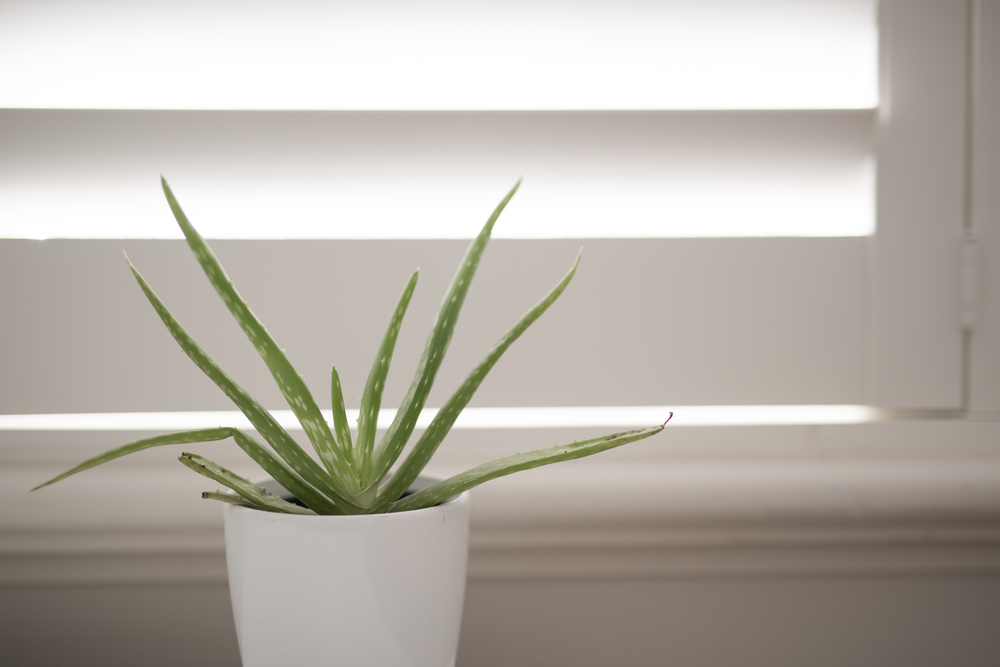
Aloe vera is a popular succulent known for its healing properties and its ability to thrive in dry environments. This plant is well-suited for winter months when indoor air tends to be dry. Aloe vera stores water in its thick, fleshy leaves, allowing it to tolerate extended periods without water. It can thrive in low-humidity conditions and prefers bright, indirect light. Aloe vera plants are very easy to care for, requiring minimal attention.
In terms of watering, aloe vera plants should be watered only when the soil is completely dry. Overwatering is one of the most common mistakes, as this can lead to root rot. Aloe vera plants are resilient and can survive in dry air for long periods. Their low-maintenance care requirements, combined with their air-purifying qualities, make them an excellent choice for homes with dry winter air.
Parlor Palm (Chamaedorea elegans)
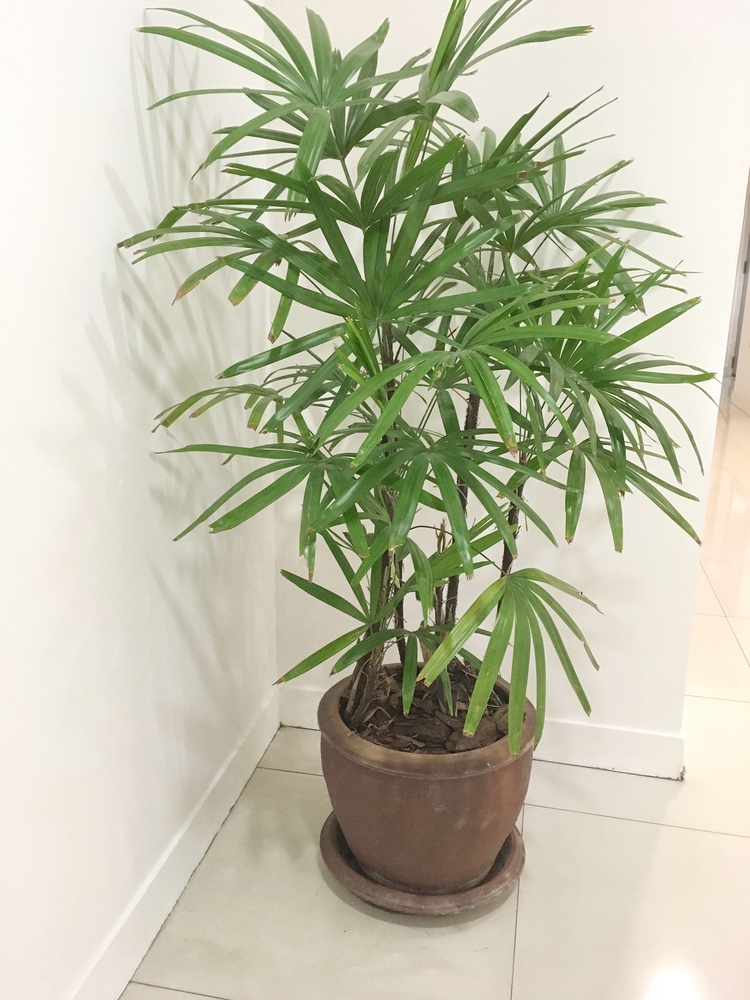
Parlor palms are an excellent choice for homes with dry winter air due to their tolerance for lower humidity levels. These palms are perfect for indoor spaces and can thrive with little attention. Parlor palms prefer indirect light but can adapt to lower light conditions, making them ideal for winter months when sunlight is less abundant. Their graceful, feathery fronds add a tropical touch to any room, and they are known for their air-purifying abilities.
When it comes to watering, parlor palms prefer to dry out slightly between waterings, making them perfect for homes with dry indoor air. They do best in a moderate-temperature environment and require occasional watering, but they are forgiving if you forget. These palms are low-maintenance and adaptable, making them an excellent choice for anyone seeking a hardy, drought-tolerant plant during the winter months.
Chinese Evergreen (Aglaonema)
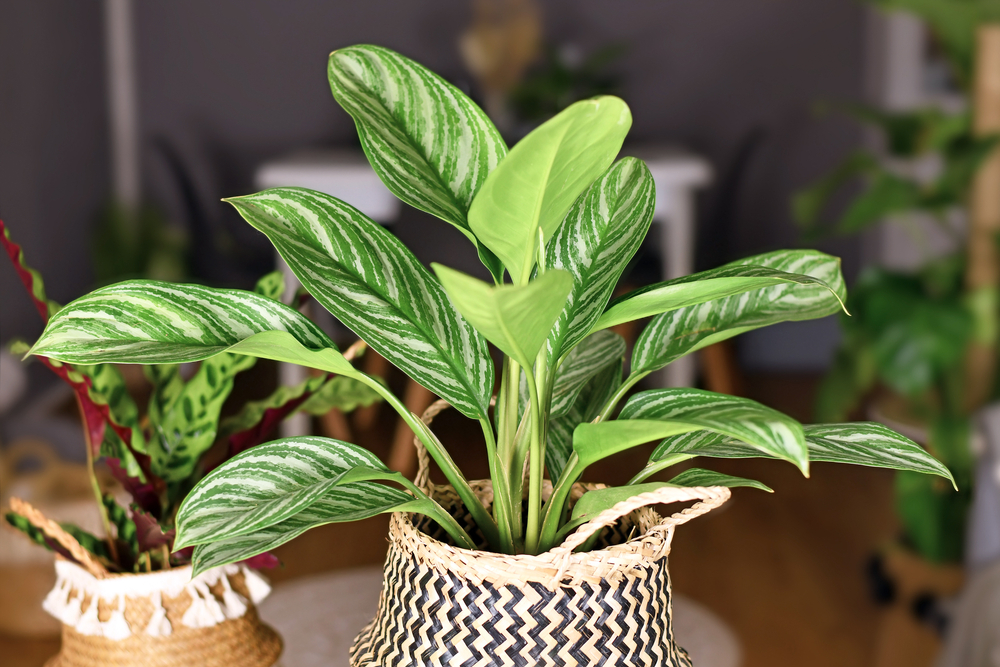
Chinese evergreens are perfect for homes with dry winter air. These plants are known for their adaptability and resilience in low-humidity environments. They can tolerate periods of drought, making them ideal for winter when humidity levels drop. With their attractive variegated leaves, Chinese evergreens can add a touch of color to any room, and their air-purifying properties are a bonus.
Chinese evergreens thrive in indirect light but can also tolerate low light. They prefer to dry out between waterings, making them perfect for those who may forget to water their plants during the colder months. This plant is a low-maintenance choice that requires minimal attention, making it a great option for beginners or busy individuals. Its ability to adapt to dry air and low light conditions makes it a great plant for the winter months.
This article originally appeared on Avocadu.