
15 Indoor Plants That Brighten Up Winter Windowsills
Winter light can feel dull, but a few green touches can make a big difference. Indoor plants bring warmth, color, and a sense of calm to cold days. Many thrive even when sunlight is limited, filling windowsills with life and gentle color. These easy plants keep your home feeling fresh until spring returns.
This post may contain affiliate links, which helps keep this content free. Please read our disclosure for more info.
African Violet (Saintpaulia)
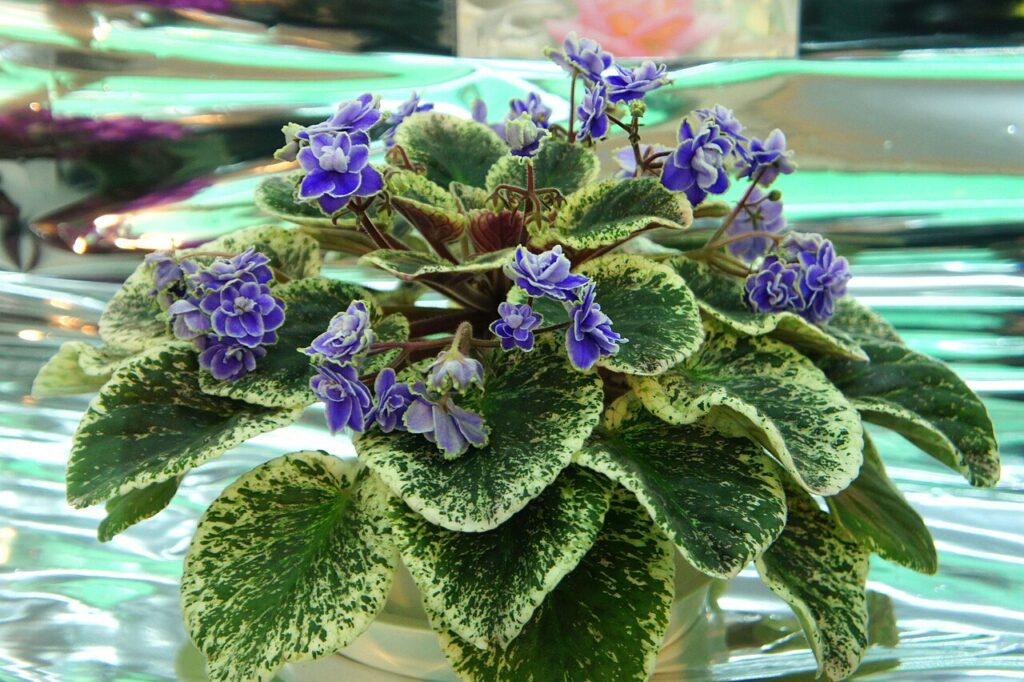
African violets are small plants with velvety leaves and clusters of purple, pink, or white flowers that bloom all winter long. They thrive in filtered sunlight, making them perfect for windows that do not receive harsh midday rays. Their compact size allows them to fit nicely on small ledges or kitchen windowsills. With just enough warmth and humidity, they can bloom several times a year.
Caring for African violets is easier than many expect. They prefer evenly moist soil and dislike being watered from above, so bottom watering works best. A bit of liquid fertilizer every few weeks keeps them thriving through the colder months. With a little attention, these tiny blooms brighten gloomy days with soft color and charm.
Kalanchoe
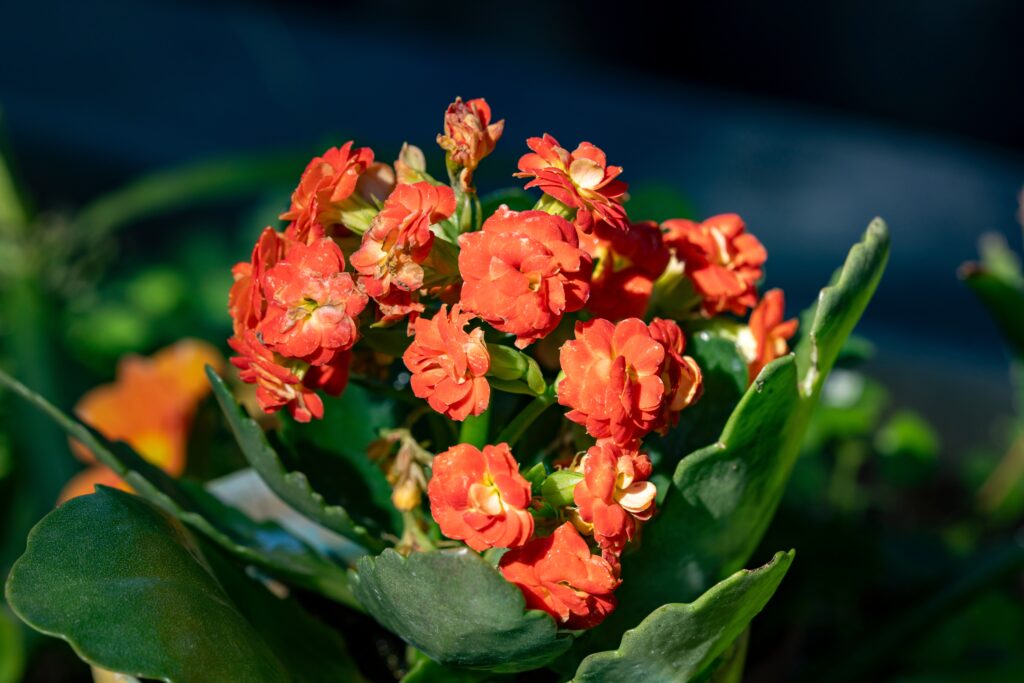
Kalanchoe is a cheerful succulent that bursts into vivid clusters of red, orange, yellow, or pink flowers during winter. Its thick, waxy leaves store moisture, allowing it to tolerate dry indoor air. This makes it perfect for bright windows where it can soak up sunlight. The flowers often last for weeks, bringing a pop of color to gray days.
It requires minimal care to stay happy. Allow the soil to dry between waterings, and avoid overwatering in cold weather. Removing spent blooms encourages new buds to form. With sunlight and light maintenance, kalanchoe stays lively and colorful all season.
Cyclamen
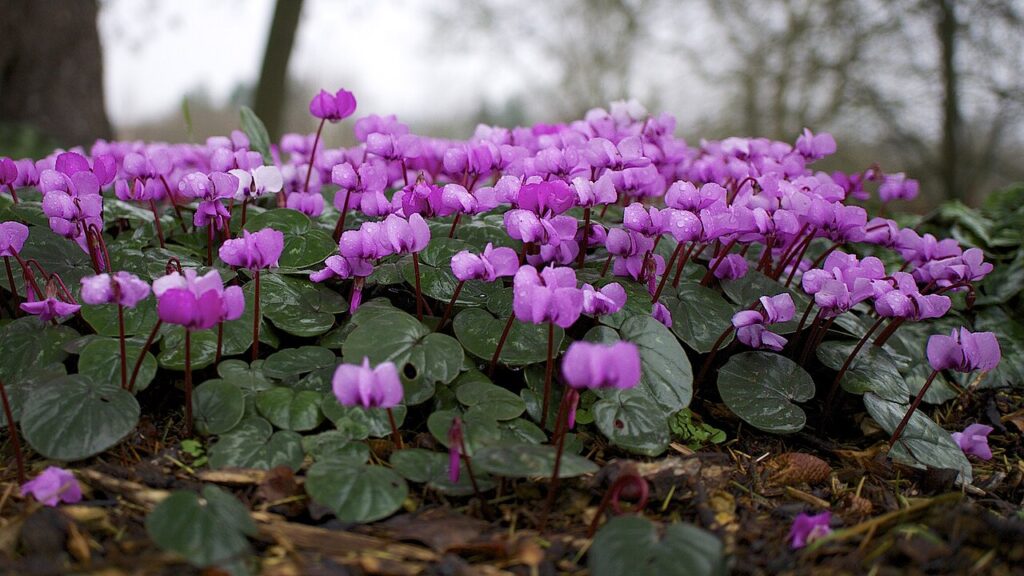
Cyclamen are known for their heart-shaped leaves and delicate blooms that resemble fluttering butterflies. Their flowers appear in cool shades of red, white, and pink during winter when most plants are resting. They prefer cooler temperatures, making them ideal for chilly indoor windowsills. With proper care, they can flower for several months at a time.
These plants like indirect light and soil that is slightly moist but never soggy. Watering from below helps prevent rot and keeps the leaves looking fresh. When the blooming season ends, let the plant rest for a few months before new growth begins. Cyclamen reward patience with another round of beautiful blooms each winter.
Christmas Cactus (Schlumbergera)
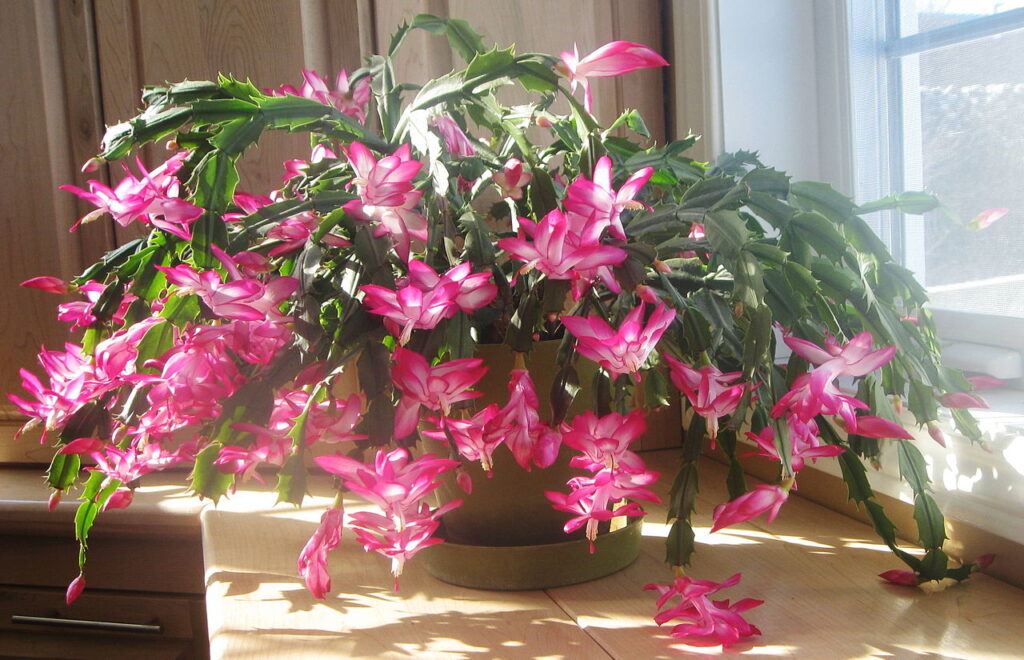
The Christmas cactus blooms just when homes need color the most. Its segmented stems produce bright red, pink, or white flowers that dangle like ornaments. It prefers indirect light and thrives near sunny windows without direct sun exposure. This plant is known for blooming right around the holidays, bringing festive cheer indoors.
To keep it healthy, water it when the top of the soil feels dry, and avoid drafts from heaters or windows. After flowering, trim the stems slightly to shape the plant and encourage new growth. With gentle care, it can bloom every winter for years. Each holiday season, it returns with even more flowers, making it a long-term favorite.
Peace Lily (Spathiphyllum)
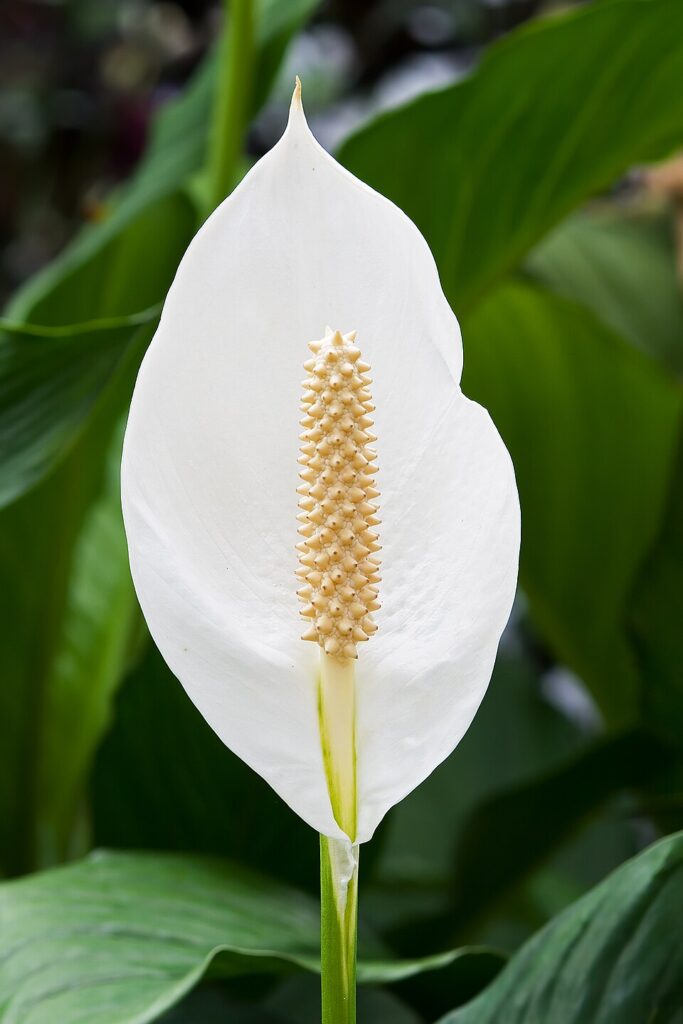
Peace lilies bring calm beauty to winter spaces with their white spathes and glossy green leaves. They tolerate low light better than many flowering plants and even help clean the air. A peace lily near a window brightens corners that rarely get sun. Its blooms last for weeks and lend a serene look to any room.
Watering once a week is usually enough, though they appreciate extra humidity in dry homes. Drooping leaves are a clear signal for a drink, making them easy to read. Wipe the leaves now and then to remove dust and keep them shiny. The result is a fresh, green display that thrives quietly through the season.
Orchid (Phalaenopsis)
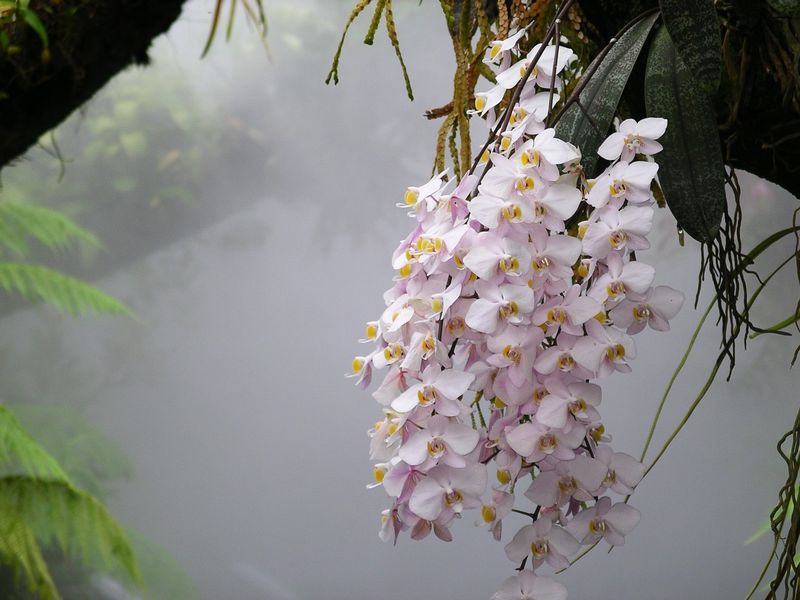
Phalaenopsis orchids add elegance to winter spaces with their long stems and graceful flowers. Their blooms can last for months, filling a room with delicate color and form. They do best in filtered sunlight and enjoy a humid environment. A bright bathroom or kitchen window can be an ideal spot.
They prefer weekly watering and benefit from occasional misting to keep the air moist. Avoid soaking the roots too long, as they prefer drying slightly between waterings. With proper light and care, orchids can rebloom several times a year. Their long-lasting flowers bring tropical beauty to winter days.
Snake Plant (Sansevieria)
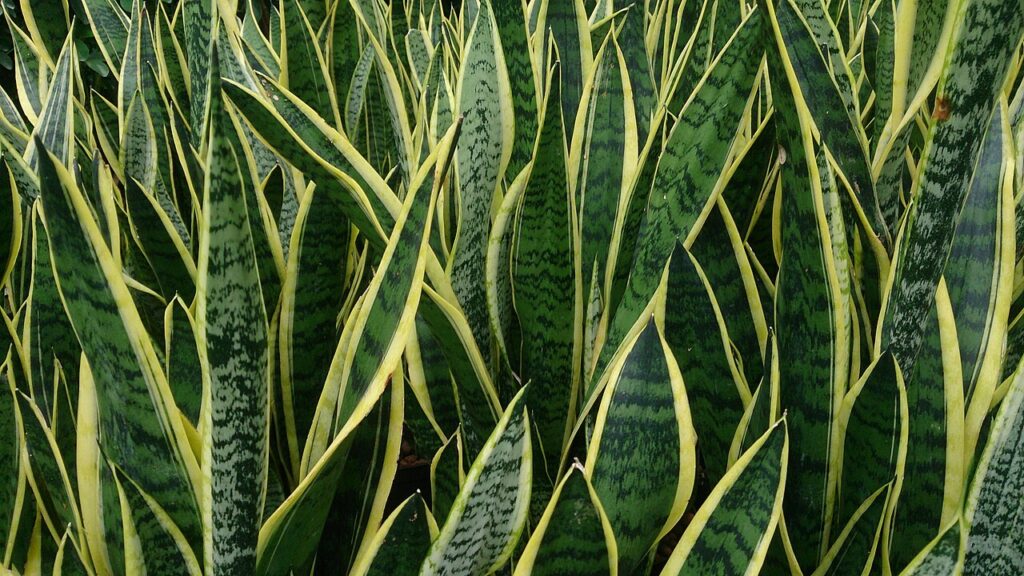
Snake plants are tough, architectural, and strikingly simple to care for. Their upright, sword-shaped leaves make a modern statement in any room. They thrive on neglect and tolerate low light better than most plants. A windowsill with indirect sunlight keeps them healthy even during dark months.
They need very little water during winter since their thick leaves store moisture. Let the soil dry completely before watering again. This plant is also known for filtering indoor air, making it both attractive and useful. It’s a reliable way to keep greenery indoors without much effort.
Jade Plant (Crassula ovata)
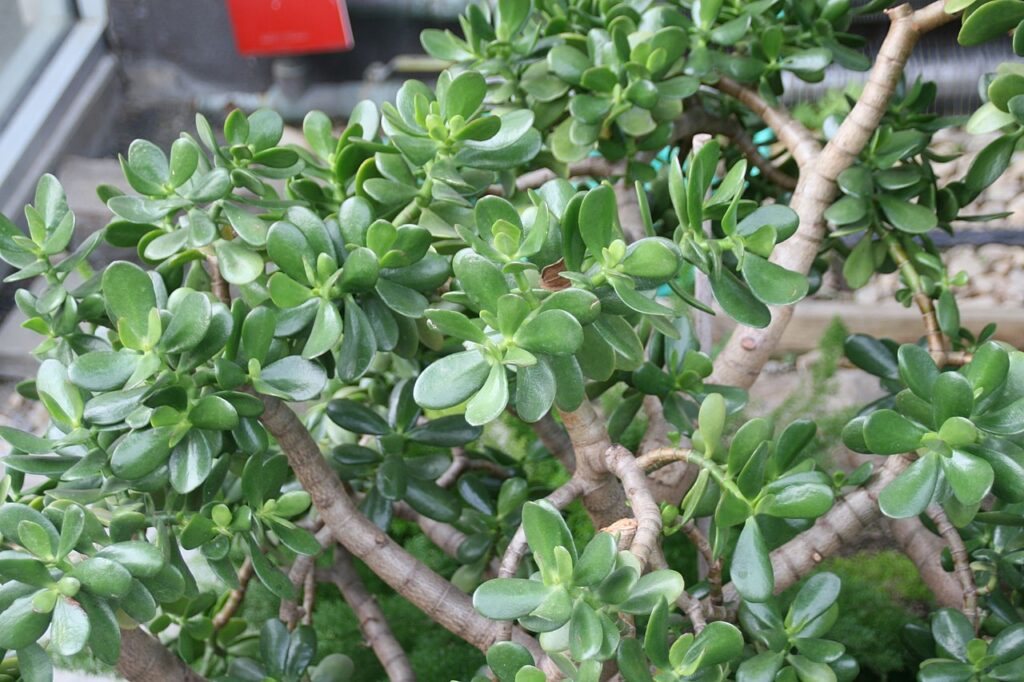
The jade plant is a classic succulent with glossy, round leaves that reflect sunlight beautifully. It grows slowly but steadily and looks elegant on a sunny sill. Because it stores water in its thick leaves, it needs little attention. The plant’s deep green color stays rich throughout winter.
Water sparingly and only when the soil feels completely dry. Overwatering is the most common mistake with jade plants, so restraint is key. During bright winter days, the tips of the leaves may turn red, adding a lovely touch of color. This simple plant brings structure and light to any windowsill.
Begonia Rex
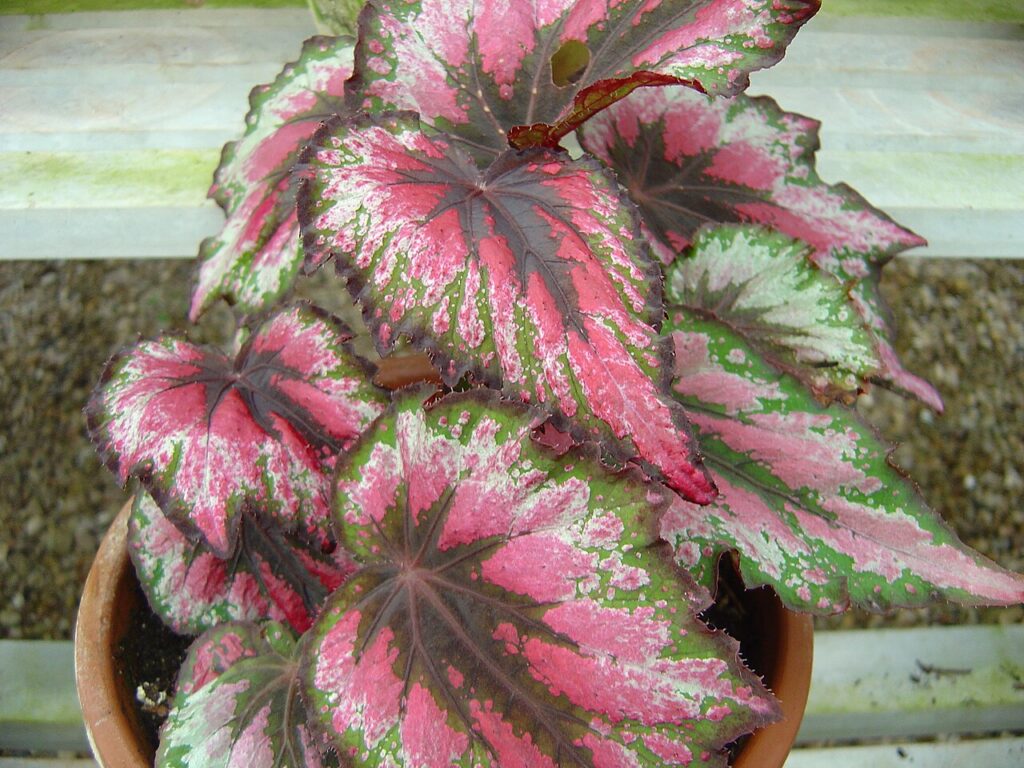
Begonia Rex is known for its dramatic, patterned leaves that shine even without flowers. The foliage can display silver, purple, pink, and green tones that catch the light. Its texture and color add instant flair to indoor displays. While delicate in appearance, it’s surprisingly easy to maintain indoors.
It thrives in moderate light and slightly humid air. Keep the soil evenly moist but avoid letting it sit in water. Regular misting or a nearby humidifier keeps the leaves vibrant. With the right balance, Begonia Rex can look stunning all through the winter months.
Amaryllis
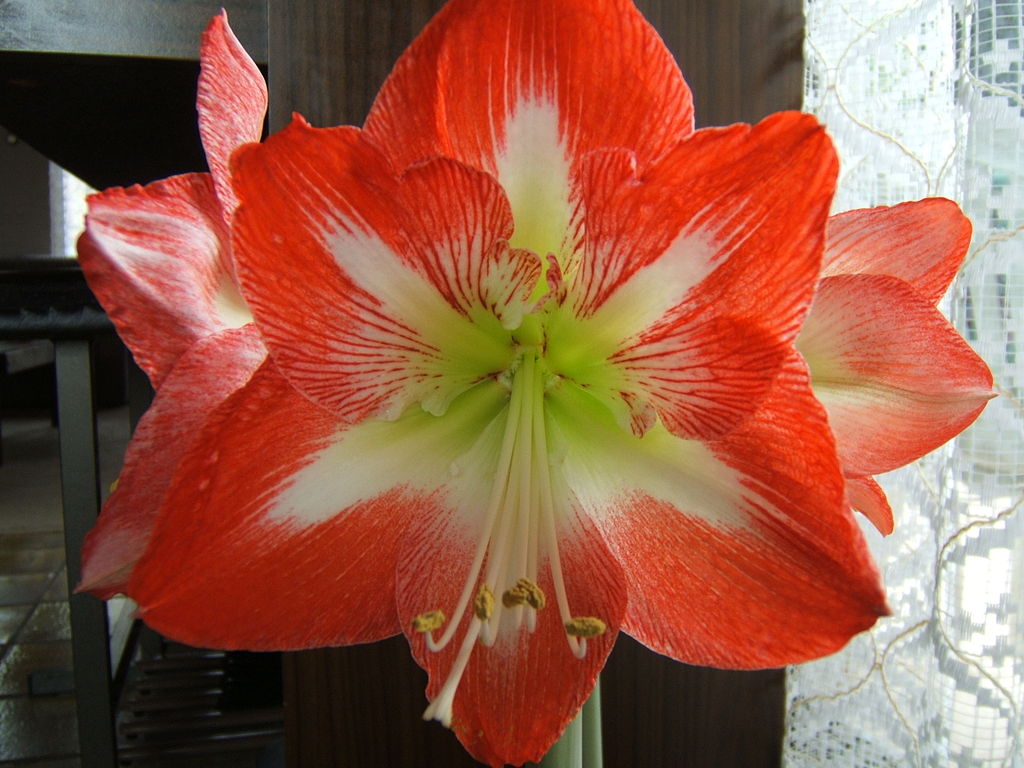
Amaryllis bulbs are a favorite for winter because they burst into large, bold flowers when little else blooms. Their trumpet-shaped blooms appear in reds, pinks, or whites, bringing a festive touch to homes. They grow quickly once planted and bloom within weeks. Even a single pot can brighten an entire window area.
After flowering, the plant can rest before being regrown next season. Keep it in a cool place until spring, then allow new leaves to emerge. The bulbs last for years with proper care, producing new blooms annually. They are a wonderful way to keep color alive during long winters.
Spider Plant (Chlorophytum comosum)
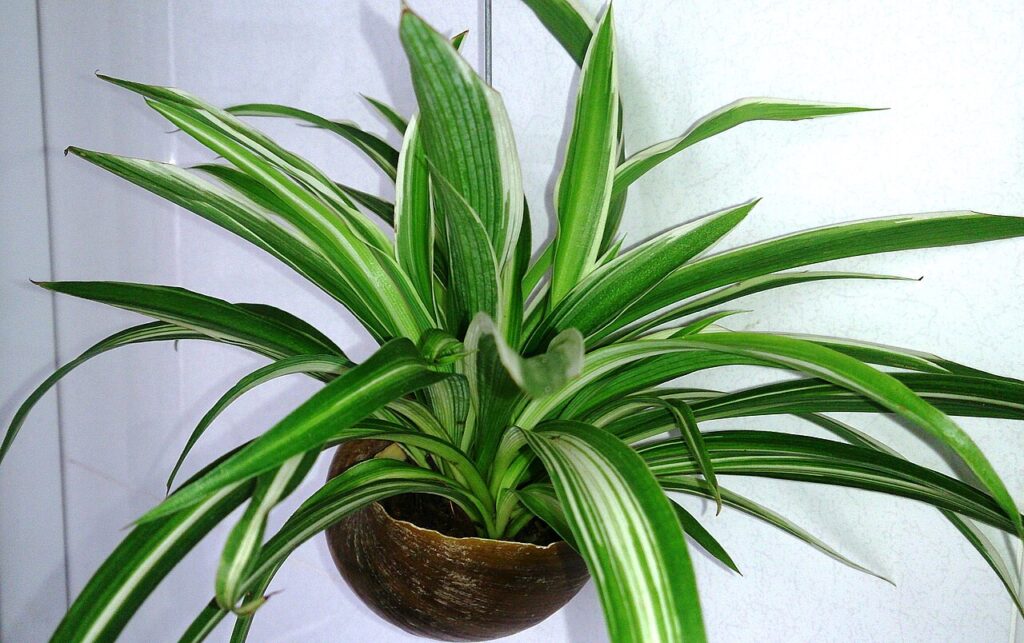
Spider plants are cheerful and forgiving, with green and white striped leaves that arch gracefully. Their cascading shape looks beautiful on shelves or hanging near windows. They tolerate lower light levels and purify the air naturally. Even during dull winter days, they stay lush and full.
They prefer evenly moist soil and enjoy an occasional misting to counter dry indoor heat. Small offshoots or “spiderettes” appear often and can be replanted easily. This makes them fun for families who enjoy growing new plants from cuttings. With minimal effort, they remain vibrant all season.
Poinsettia
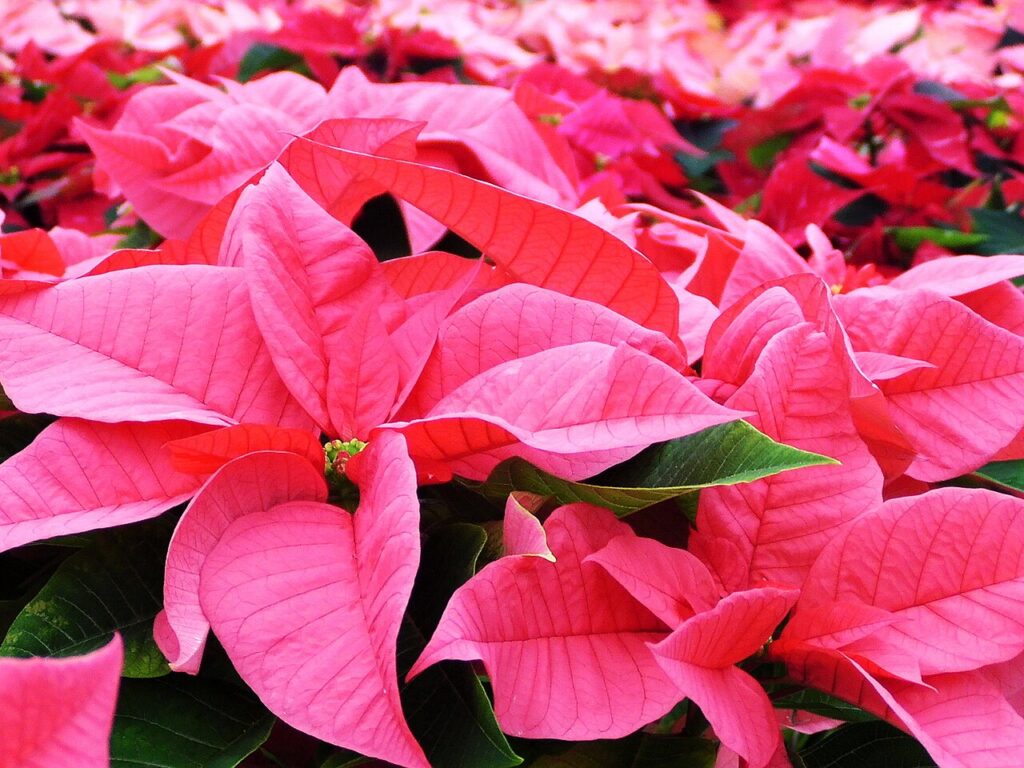
Poinsettias are the signature winter plant, famous for their vivid red or cream bracts. These colorful leaves brighten homes throughout the holiday season. They do best in bright, indirect light and away from cold drafts. Their rich color can last for weeks when cared for correctly.
Keep the soil lightly moist and let it dry slightly between waterings. Avoid placing them near heating vents, as hot air can shorten their bloom time. Once the season ends, you can keep the plant growing by pruning it back. Poinsettias are a timeless symbol of warmth during winter.
English Ivy (Hedera helix)

English ivy adds a touch of old-world charm to windowsills and hanging baskets. Its trailing vines create a lush curtain of green leaves that soften bright indoor spaces. This plant prefers cooler air and filtered light, making it a good fit for winter conditions. It grows steadily with moderate watering.
Trim the vines as needed to keep them full and neat. Ivy enjoys occasional misting to keep the leaves fresh and prevent dryness. When placed near windows, it helps clean the air and adds graceful texture. It’s a lovely way to bring a hint of nature inside during the cold months.
Primrose (Primula vulgaris)
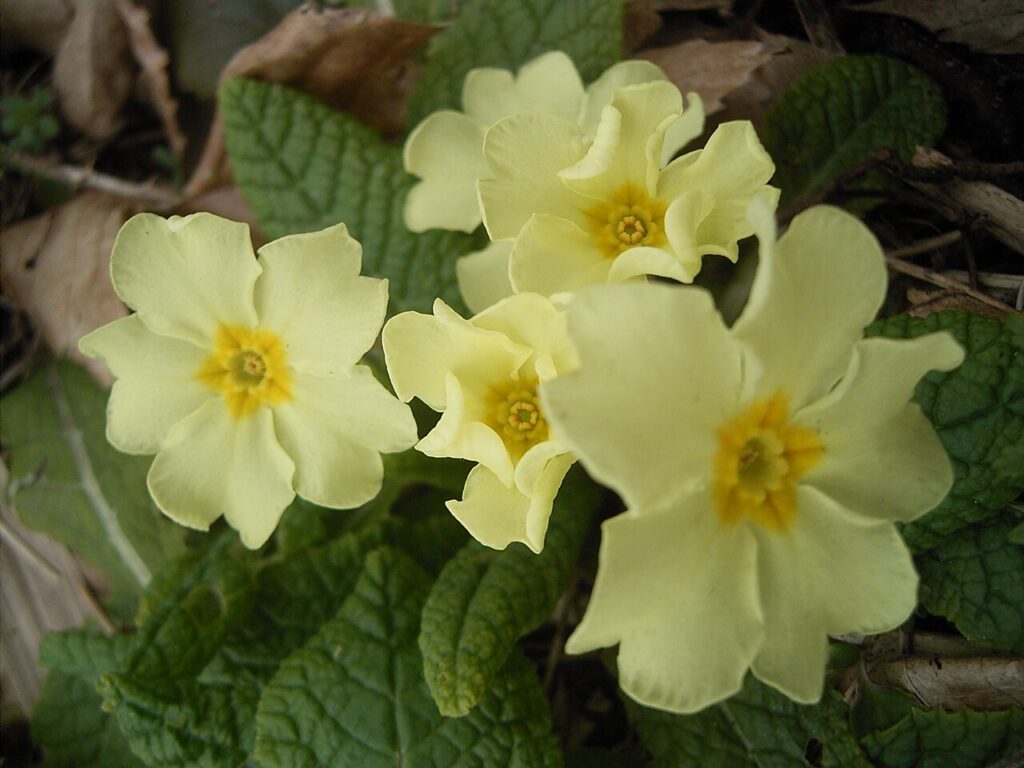
Primroses bloom in vivid shades of yellow, pink, blue, and purple, bringing cheerful color to winter rooms. Their compact size makes them perfect for narrow ledges and small pots. They thrive in cool indoor temperatures and bright, indirect light. The contrast between their green leaves and bright flowers feels like an early promise of spring.
Water them regularly but avoid soaking the roots. Deadhead old flowers to keep new blooms coming. With gentle care, primroses stay lively throughout late winter. Their bright faces add joy to even the grayest mornings.
ZZ Plant (Zamioculcas zamiifolia)
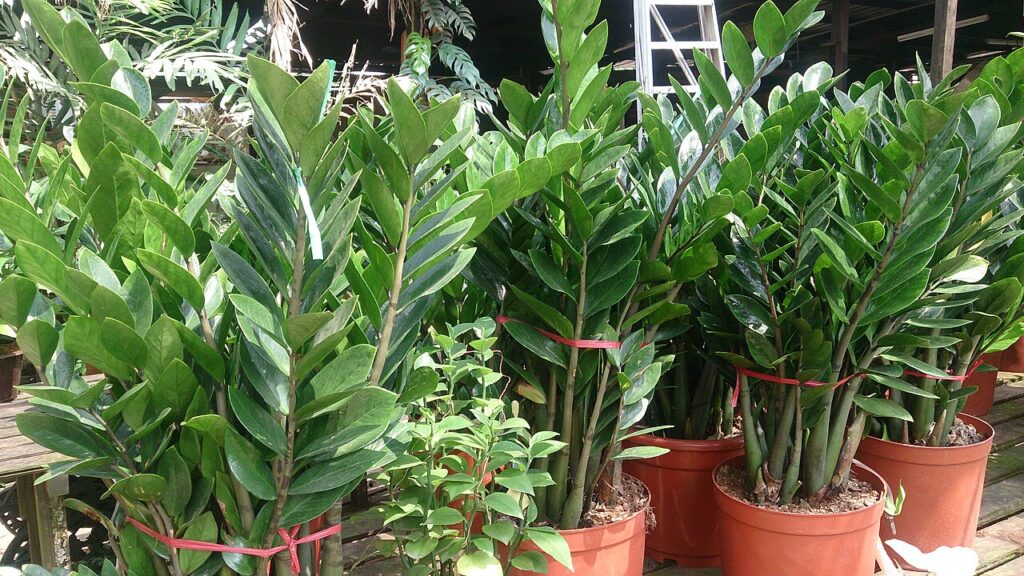
The ZZ plant is nearly indestructible, making it ideal for busy or forgetful plant owners. Its waxy, deep green leaves shine even in low light. It grows slowly but steadily, adding structure and calm to indoor spaces. This plant can handle dry air and infrequent watering with ease.
During winter, water once every few weeks and keep it away from direct heat. It continues to thrive even in dim corners, keeping its glossy leaves year-round. The ZZ plant’s resilience makes it a dependable touch of greenery when other plants struggle. It’s the definition of low-maintenance winter beauty.
This article originally appeared on Avocadu.