
13 Indoor Plants That Bounce Back Fast After Winter Stress
Winter can be tough on indoor plants, but some are resilient and bounce back quickly with the right care. With a little attention, these plants will thrive once warmer weather returns. Many of these indoor plants are forgiving, even after experiencing winter stress. They offer a refreshing burst of green and life as the seasons change.
This post may contain affiliate links, which helps keep this content free. Please read our disclosure for more info.
Spider Plant (Chlorophytum comosum)
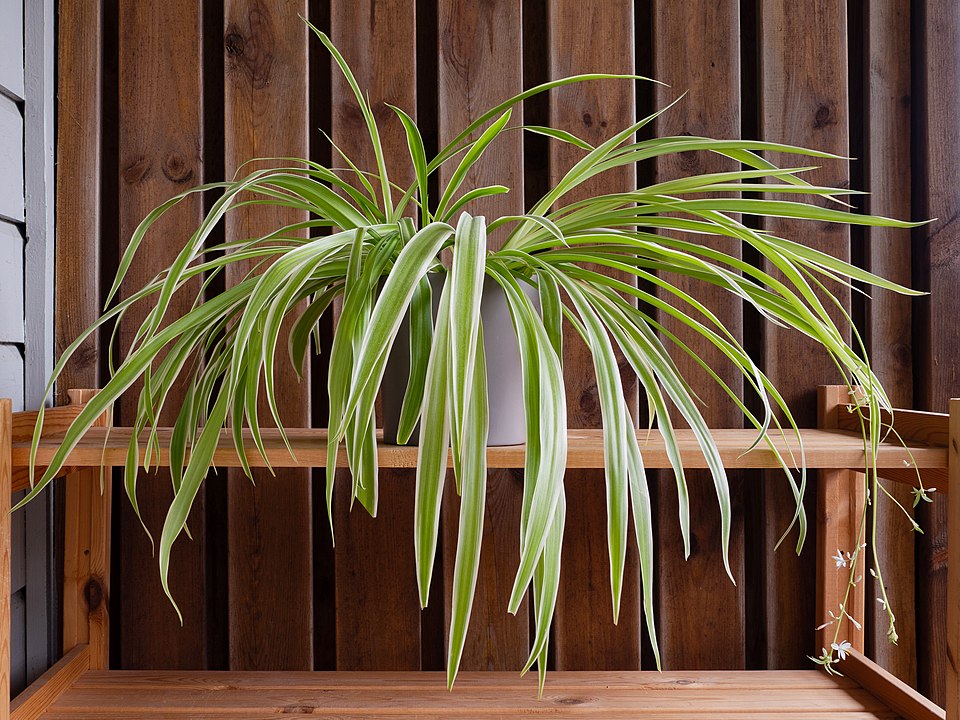
The spider plant is one of the most resilient houseplants, making it ideal for bouncing back after winter stress. It thrives in a variety of conditions, including low light and fluctuating temperatures. If it experiences a rough winter, it will often produce new shoots and babies that are easy to propagate. With proper care, the spider plant can quickly regain its lush, vibrant green appearance.
When caring for a spider plant, ensure it receives indirect light and avoid overwatering. It does well in a variety of soils, but a well-draining potting mix will help prevent root rot. Even if the leaves begin to yellow due to winter conditions, they will rejuvenate as the plant warms up. Regularly trimming the leaves encourages healthy growth and maintains its attractive shape.
Pothos (Epipremnum aureum)
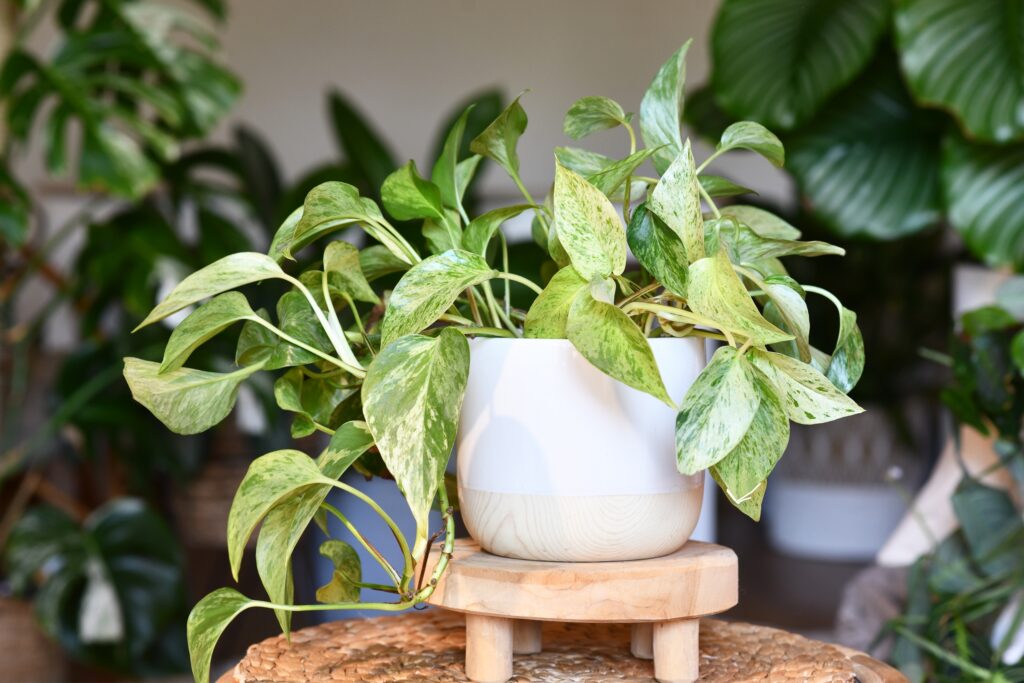
Pothos is a popular indoor plant known for its heart-shaped leaves and tolerance of neglect. Even after a winter season that might have caused some wilting or leaf loss, this plant is quick to recover. Pothos can thrive in low light conditions, though it appreciates moderate indirect light. After the winter months, a little extra water and light will encourage the plant to return to its full glory.
To care for pothos, ensure that it is placed in a spot with indirect sunlight and that the soil is kept relatively moist. Avoid placing it near cold drafts, which can stress the plant during the winter. This fast-growing plant can tolerate neglect, making it a great choice for beginners. With a bit of attention, pothos will quickly regain its lush, trailing vines.
ZZ Plant (Zamioculcas zamiifolia)
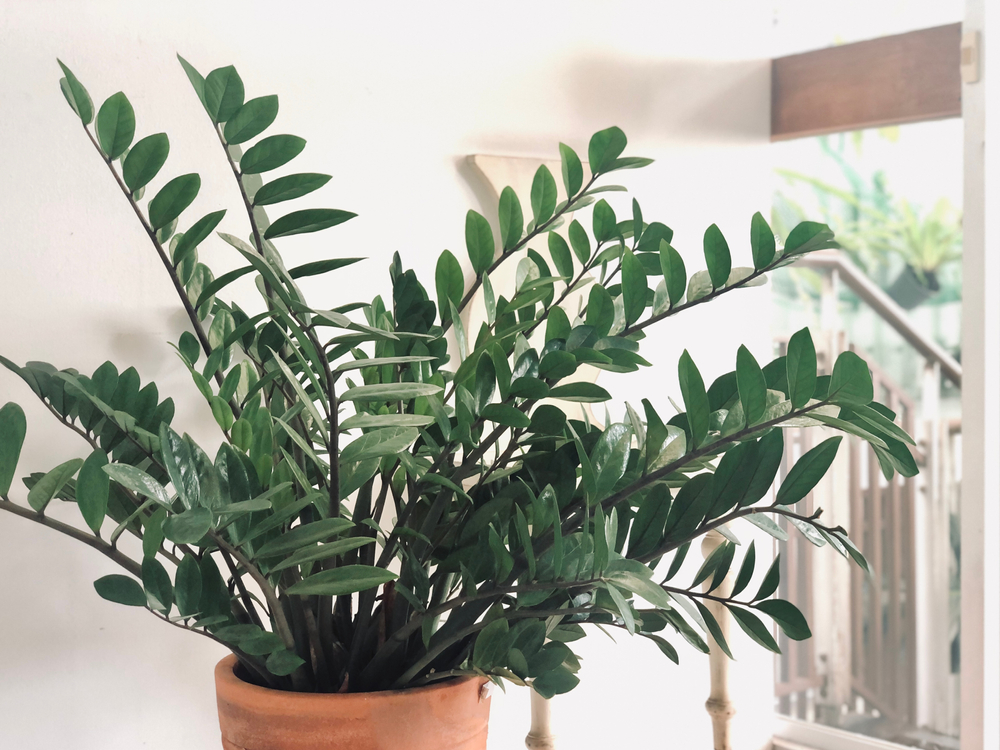
The ZZ plant is a hardy indoor plant that can handle a bit of winter neglect. It is known for its waxy, dark green leaves and is able to bounce back after low light exposure and cooler temperatures. ZZ plants store water in their thick rhizomes, allowing them to survive periods of drought. Even after experiencing winter stress, a little extra water and indirect light will help the ZZ plant recover quickly.
To care for a ZZ plant, avoid overwatering, as it is susceptible to root rot in soggy conditions. Place it in a bright, indirect light spot to keep it thriving. This plant is very forgiving, often thriving even if it is neglected for a while. If the plant starts to look leggy after winter, trim it back to encourage new growth.
Snake Plant (Sansevieria trifasciata)

Snake plants are known for their resilience and ability to bounce back after periods of neglect. They are particularly hardy, making them ideal for surviving the stress of winter. Snake plants can handle low light and varying temperatures, which is why they are so popular among plant owners. When the warmer weather arrives, they quickly start producing fresh new leaves.
This plant prefers indirect light but can tolerate low-light conditions. Snake plants are also forgiving when it comes to watering, as they do not need frequent attention. Let the soil dry out completely between waterings, as overwatering can cause root rot. After the winter season, simply provide it with regular watering and light, and it will return to its upright, vibrant form.
Peace Lily (Spathiphyllum)

The peace lily is known for its ability to thrive in low light and adapt to varying conditions. It may suffer a bit during the winter, but with a little care, it will quickly bounce back. The peace lily can show signs of stress, such as wilting or browning edges, during colder months. However, with consistent watering and the right temperature, it will soon regain its lush, green foliage.
Peace lilies prefer a spot with bright, indirect light and should be watered regularly to keep the soil moist. Make sure to check the humidity levels, as they thrive in humid environments. If your peace lily shows signs of stress during the winter, giving it a little extra moisture and warmth will help it bounce back. They are often known for their air-purifying qualities, making them both attractive and beneficial for the home.
Aloe Vera (Aloe barbadensis miller)
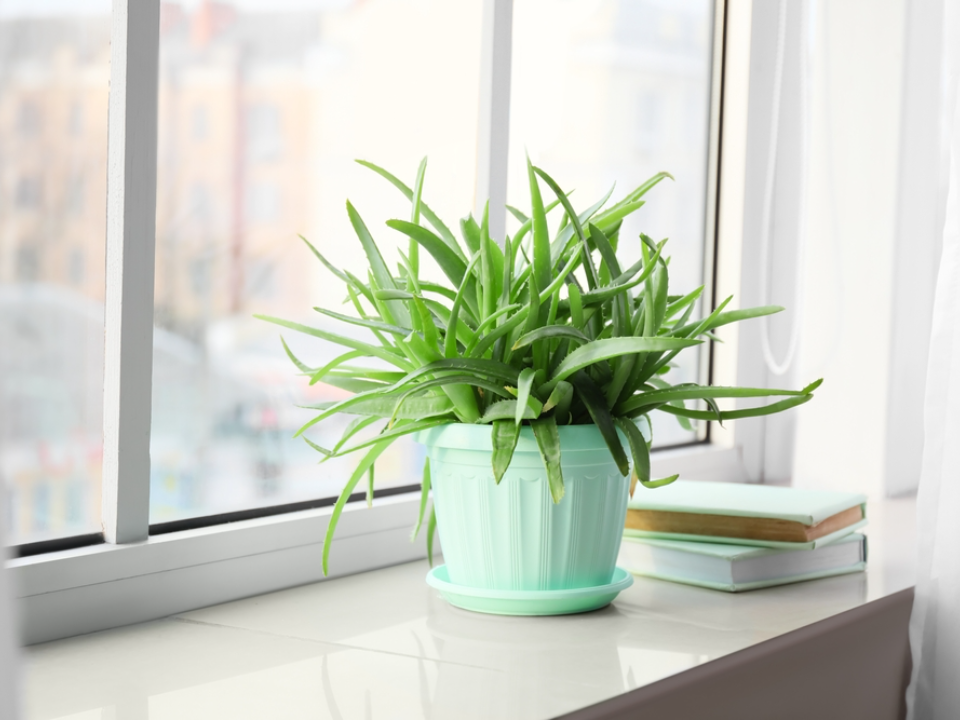
Aloe vera is a low-maintenance succulent that thrives even when it faces winter stress. While it may experience some leaf curl or drying during the colder months, this plant will quickly recover with the right care. Aloe vera prefers bright, indirect light, and its thick, fleshy leaves store moisture, allowing it to withstand dry conditions. After winter, a little extra water and warmth will help this plant bounce back to its vibrant state.
Ensure that the aloe vera plant is placed in a well-draining pot to prevent root rot, especially after the colder months. It only needs water when the soil is completely dry, which helps prevent overwatering. Aloe vera can also handle fluctuating temperatures, though it should not be exposed to extreme cold. With just a bit of care, this hardy succulent will thrive year-round.
English Ivy (Hedera helix)
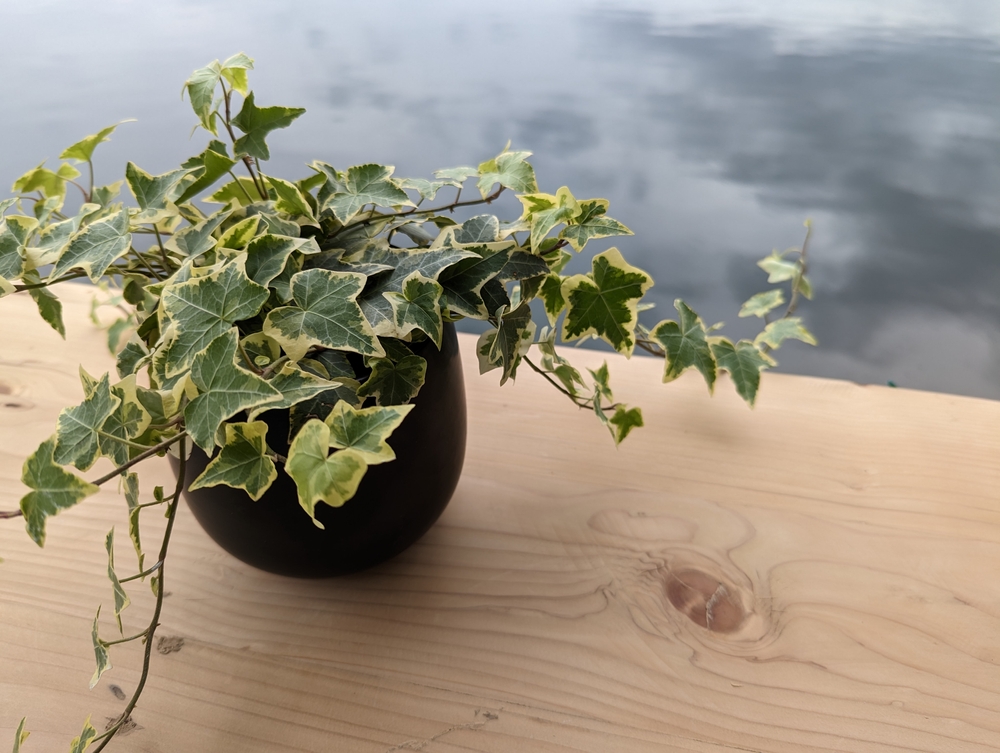
English ivy is a fast-growing vine that bounces back quickly after winter. It can handle cooler temperatures and low light, making it ideal for winter recovery. If it experiences a bit of stress during the cold months, English ivy can be trimmed back and given proper care to start growing vigorously again. This plant is perfect for adding a touch of greenery indoors.
English ivy does best in bright, indirect light, though it can also tolerate low light conditions. Water it when the soil starts to dry out, but ensure the plant does not sit in water. English ivy thrives when its growth is controlled through regular pruning. After the winter season, it will quickly start to grow, especially when placed in a warmer, sunnier location.
Jade Plant (Crassula ovata)
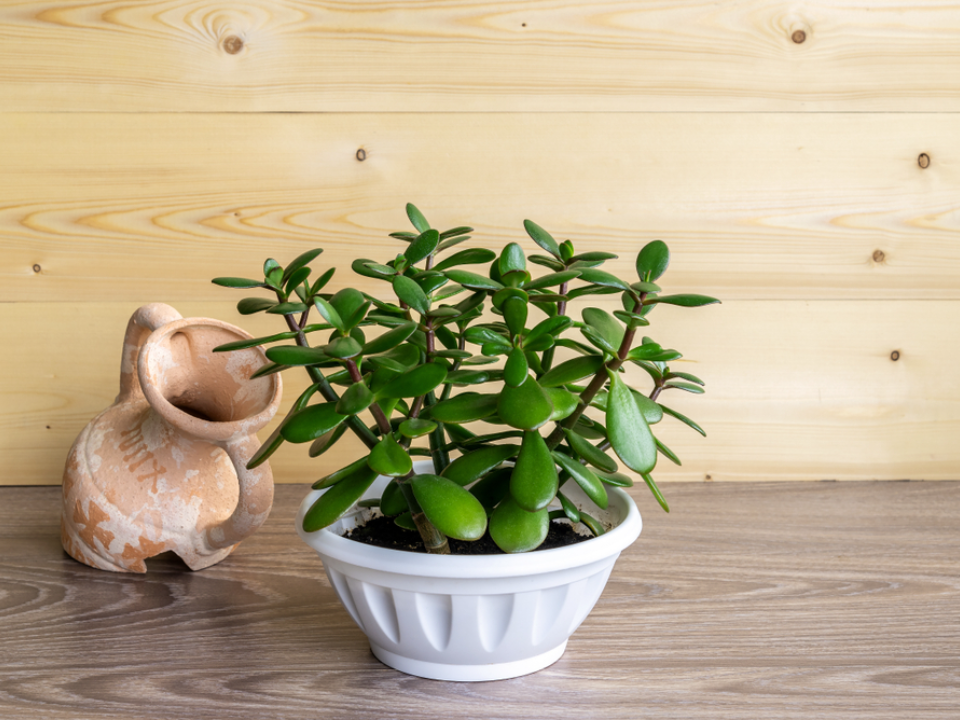
The jade plant is a popular succulent known for its ability to survive winter stress. Though it may lose a few leaves during the colder months, it is quick to recover when spring arrives. Jade plants store water in their thick leaves, which helps them tolerate periods of dryness. With the right care, this plant will bounce back quickly and continue growing well into the warmer months.
Jade plants need bright, indirect light to thrive, though they can tolerate a little direct sunlight. Be careful not to overwater, as succulents like the jade plant are sensitive to excessive moisture. Let the soil dry out completely between waterings, and avoid letting the plant sit in standing water. After a bit of attention, the jade plant will reward you with its glossy, green leaves.
Fiddle Leaf Fig (Ficus lyrata)
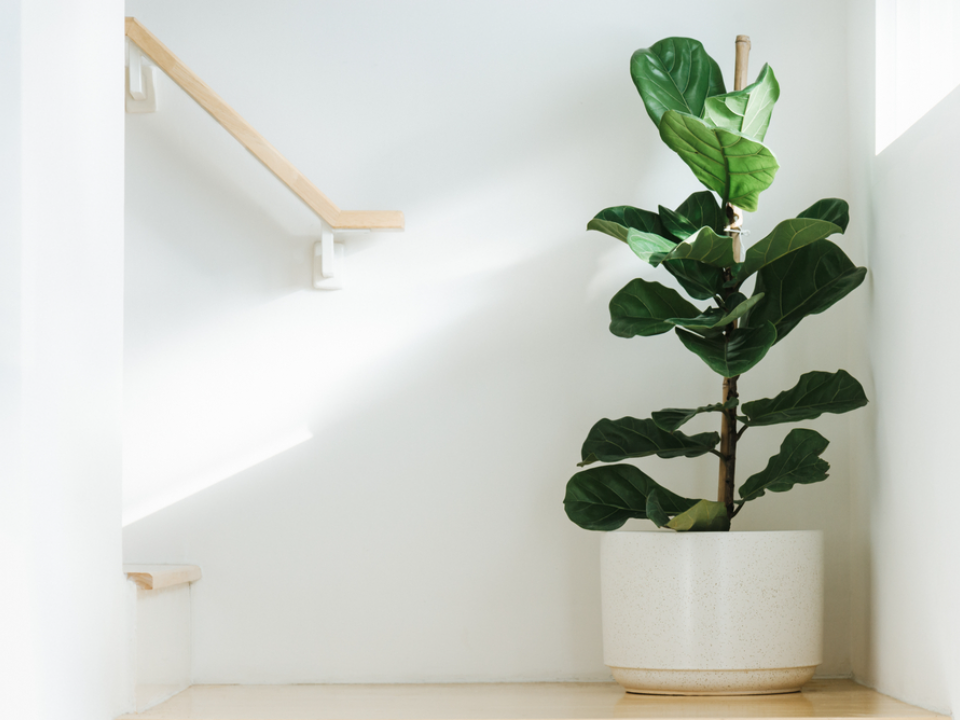
The fiddle leaf fig is a dramatic indoor plant that can bounce back after winter stress if given proper care. It may show signs of browning or leaf drop during the colder months, but with the right conditions, it will recover. The key to bringing it back to life is consistent watering, indirect light, and maintaining a stable temperature. After winter, a boost of light and humidity will help it grow back strong.
Place your fiddle leaf fig in a spot with bright, indirect light to encourage healthy growth. It prefers temperatures between 60°F and 75°F, so avoid placing it near cold drafts. During the winter, you might need to adjust your watering schedule to prevent overwatering. When spring arrives, this plant will begin producing new growth and fill out its large, glossy leaves.
Rubber Plant (Ficus elastica)
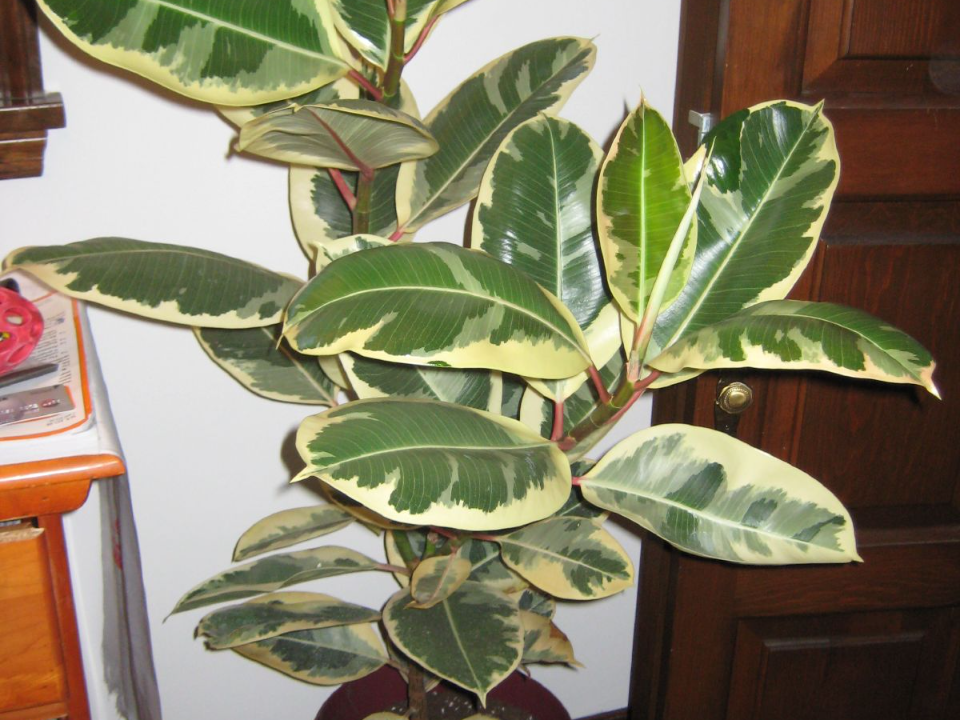
Rubber plants are hardy and capable of bouncing back after winter stress. They may experience some leaf loss or discoloration during the colder months, but with proper care, they will quickly revive. Rubber plants thrive in bright, indirect light and can handle varying temperatures. Once the warm season arrives, they will start growing back rapidly.
Water the rubber plant when the top inch of soil is dry to the touch. Be mindful of humidity, as this plant prefers a slightly humid environment. After winter, give the plant a little extra attention to help it rebound. With the right light, moisture, and temperature, it will grow tall and lush once again.
Chinese Evergreen (Aglaonema)
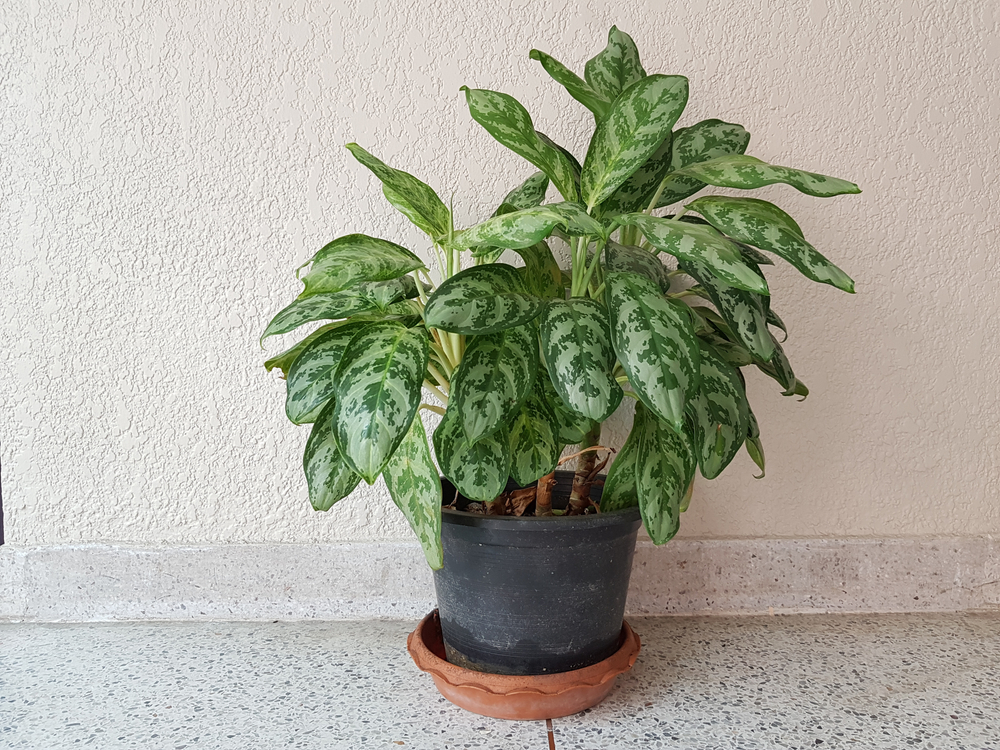
Chinese evergreens are known for their adaptability, making them a great choice for indoor spaces that experience seasonal stress. During the winter, these plants may lose a few leaves or experience slower growth, but they are quick to bounce back. Chinese evergreens can tolerate low light, making them perfect for less sunny spots in the home. When spring arrives, the plant will thrive again with a bit of extra care.
Keep the soil consistently moist, but ensure it is not waterlogged. Chinese evergreens prefer warmth, so avoid placing them near cold windows or drafts. They are also sensitive to overwatering, so be careful not to let the plant sit in standing water. With the right care, this plant will regain its full, vibrant foliage.
Bird of Paradise (Strelitzia reginae)
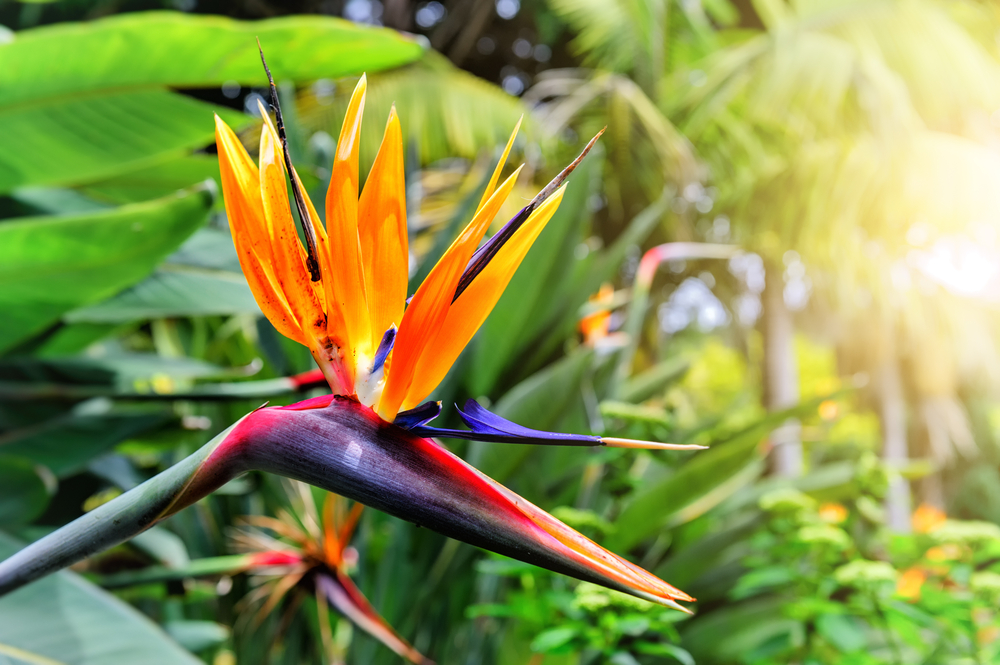
The bird of paradise plant is a striking indoor plant known for its bold, tropical leaves. During winter, it may show signs of stress, such as yellowing or drooping leaves, but it recovers quickly with the right care. As temperatures warm up, this plant will thrive with a little extra water and light. It is best to place the bird of paradise in a spot with bright, indirect light for optimal recovery.
Be sure to water the plant regularly, allowing the soil to dry out slightly between waterings. This plant appreciates humidity, so misting the leaves can help it bounce back. After winter, the bird of paradise will quickly grow back its large, vibrant leaves. With consistent care, this plant will continue to grow tall and impressive.
Ficus Benjamina (Weeping Fig)
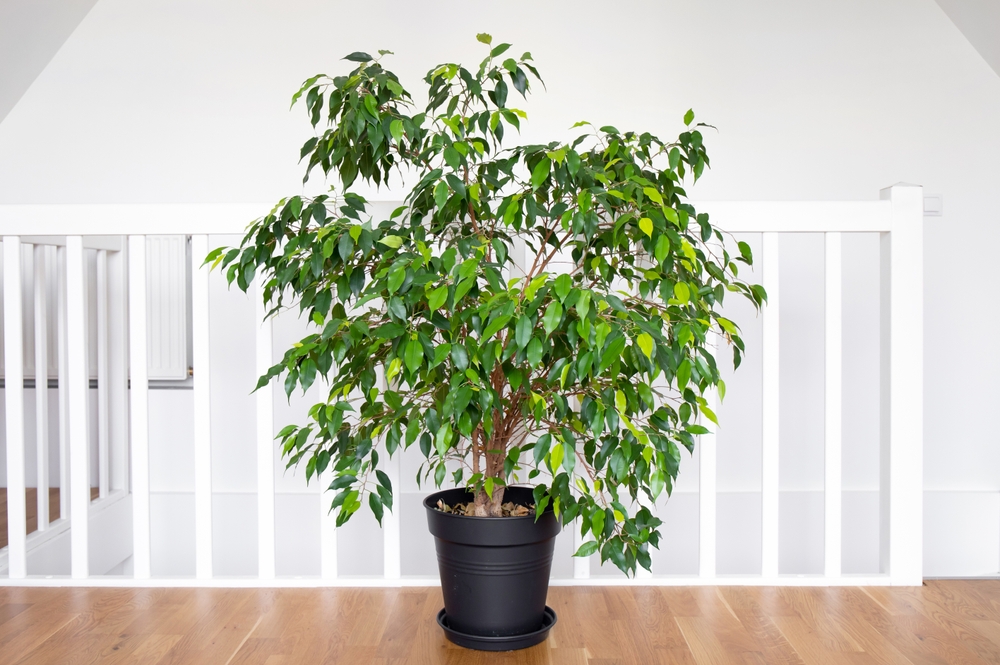
The weeping fig is a hardy plant that can bounce back quickly after the winter months. While it may drop some leaves during the colder season, it tends to recover rapidly when given the right conditions. The weeping fig prefers bright, indirect light and moderate temperatures. With a bit of extra attention, it will regain its healthy, glossy foliage in no time.
Ensure the soil is kept moderately moist, and avoid letting the plant sit in water. The weeping fig also benefits from regular pruning to keep its shape. After winter stress, give the plant a boost of light and water, and it will return to its vibrant form. This plant is perfect for adding a touch of elegance to any indoor space.
This article originally appeared on Avocadu.