
10 Indoor Gardening Tasks To Do in December
December is a great moment to focus on indoor gardening since plants often need a little extra care while temperatures stay low outside. Many gardeners turn to simple indoor projects that keep their spaces lively through the colder weeks. You can start fresh herbs, check on houseplants, and try fun projects that bring more green into your home. These tasks help keep your plants steady through winter and give you something relaxing to enjoy while spending more time indoors.
This post may contain affiliate links, which helps keep this content free. Please read our disclosure for more info.
Check Houseplant Soil Moisture
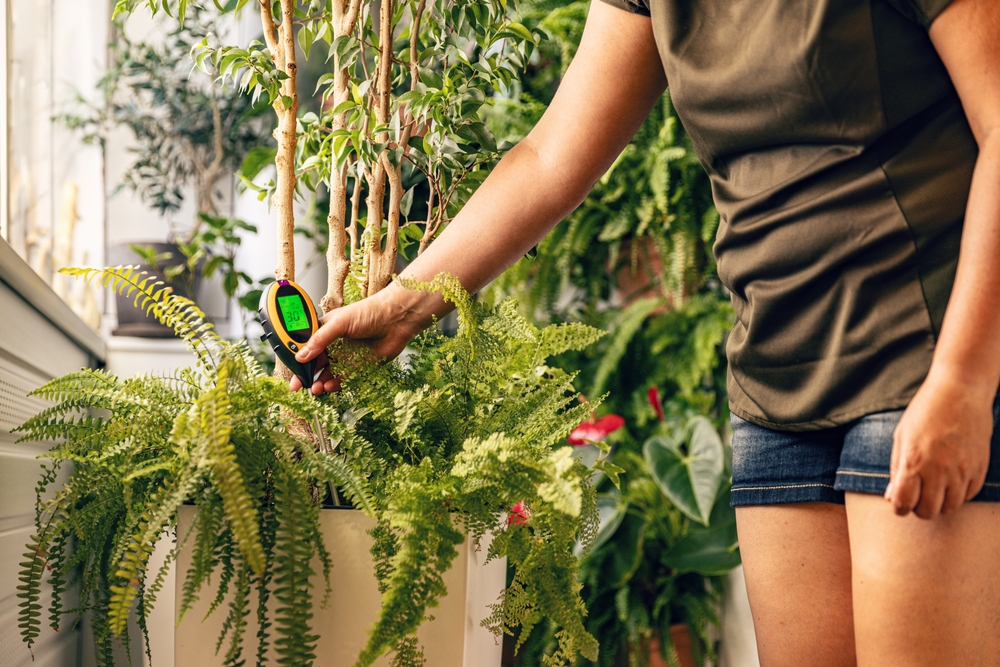
December creates a unique indoor environment because heaters run more often and windows stay closed, which changes how fast the soil dries out. Some houseplants need more regular checks since their soil becomes dry on the surface while staying damp underneath. By gently loosening the top layer of soil or lifting pots to feel their weight, you get a better sense of what each plant needs. This helps you avoid common winter problems like soggy roots or crispy leaves from underwatering. A quick inspection once or twice a week keeps your plants in a stable place during this colder stretch.
Looking closely at your houseplants helps you spot early signs of stress before they turn into larger issues. Leaves might droop, lose color, or show dry tips, and these clues tell you how well the plant is adapting to indoor winter air. You can adjust your watering rhythm slowly until you find the right balance for the season. This thoughtful approach keeps your plants healthy without falling into a pattern of guesswork. The result is a group of houseplants that stay lively even when sunlight feels weaker and days feel shorter.
Start Seeds for Winter Herbs
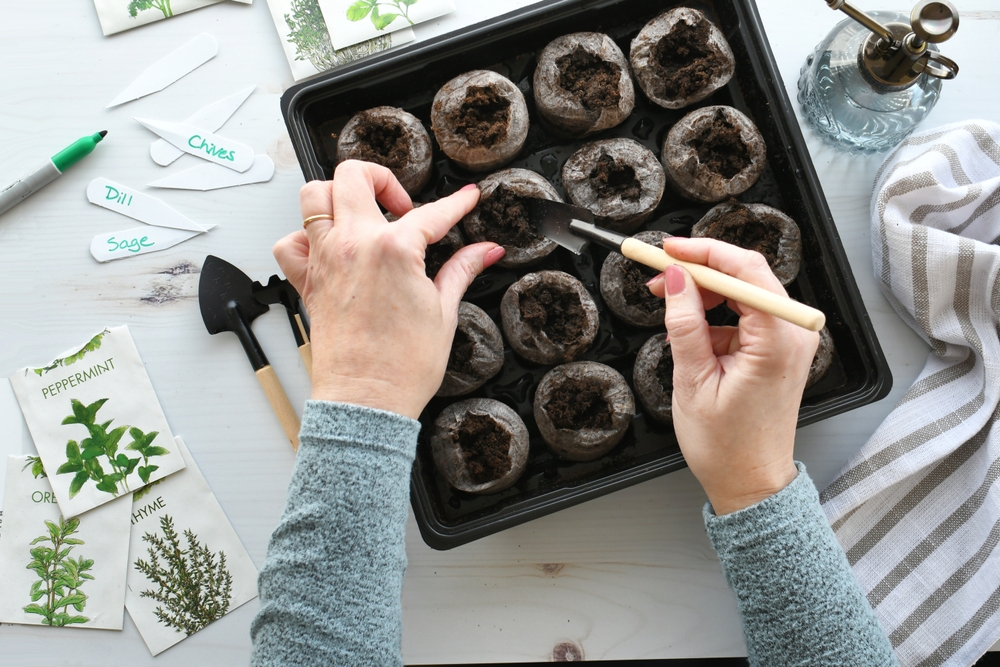
Starting herbs from seed in December brings a lively feeling into your home when outdoor gardens slow down. Basil, cilantro, chives, dill, and mint all respond well to warm indoor temperatures, especially when placed on sunny windowsills. A seed tray with clean potting mix and a light misting of water creates just the right environment for sprouting. Once the seeds pop through the surface, they quickly brighten the room with fresh green growth. This makes the kitchen feel more active during colder weeks when fresh herbs can be harder to come by.
Maintaining gentle warmth is key, and even a basic grow light can help your seedlings grow full and sturdy. You can rotate the tray each day so the young plants grow evenly, which keeps them from leaning toward the light. Frequent misting keeps the soil lightly moist without overdoing it, and this encourages roots to form well. Before long, you can begin trimming small amounts for cooking, giving your winter meals a fresh touch. Growing herbs indoors in December helps you stay connected to gardening all season long.
Begin Microgreen Trays

Microgreens are an easy way to stay active as a gardener during December since they grow fast and require only a small amount of space. Seeds like radish, broccoli, mustard, and pea shoots sprout quickly and create a bright patch of green in any room. A shallow tray, a layer of seed-starting mix, and a light spray of water are usually all you need to begin. Within a few days, you will see small shoots rise and fill the tray with color. These young greens add flavor and crunch to salads, sandwiches, and warm dishes all winter.
Microgreen trays perform well on window ledges or beneath a simple grow light that provides enough brightness without generating too much heat. You can start a new tray every week so you never run out of fresh greens. This schedule gives you a steady rotation that brings a sense of activity into your home. Rinsing your harvested greens keeps them crisp and fresh for meals throughout the week. Since this entire process takes little effort and offers fast rewards, many gardeners enjoy repeating it all season long.
Make a Small Terrarium
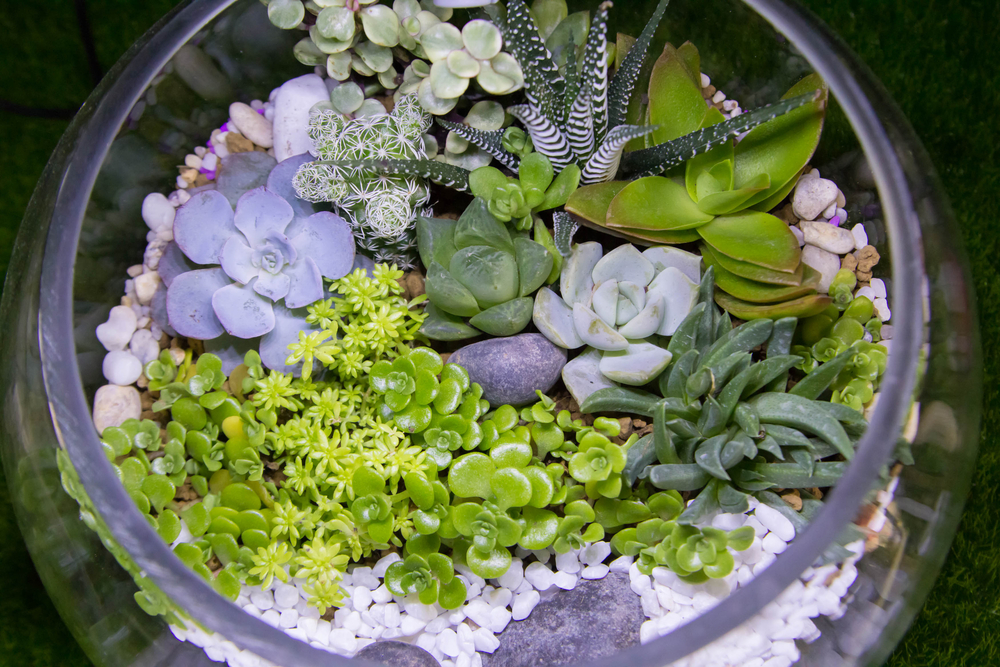
Creating a terrarium in December feels like building a tiny indoor world that thrives while everything outside stays quiet and cold. Glass containers filled with small plants, stones, and moss create a calm scene that fits easily on shelves or tabletops. You can choose plants that prefer humid environments, such as ferns, air plants, and small tropical varieties. Layering gravel, activated charcoal, and potting mix helps keep the environment fresh inside the glass. Once the terrarium is assembled, it maintains moisture well and needs only occasional care.
This project brings a gentle touch of creativity into your winter routine and keeps your gardening hobby active even in a limited space. You can watch condensation on the glass to know when to water and gently wipe the inside if it becomes too foggy. Many gardeners enjoy rearranging small decorations or adding natural elements like driftwood or smooth stones. The terrarium becomes a small indoor oasis that looks lively throughout the season. It also offers a nice break from holiday busyness since it invites slow, careful attention.
Refresh Indoor Potting Mix

December is a helpful moment to check whether any of your houseplants would benefit from fresh potting mix. Soil can become compacted over time, which limits airflow around the roots and makes it harder for plants to take in water evenly. By gently loosening the surface or replacing a portion of the soil, you create a healthier space for new growth. This simple refresh helps your plants breathe a little easier during the winter months. It also keeps salts and minerals from building up on the surface since these tend to accumulate more when indoor watering routines shift.
You do not need to fully repot every plant, as many benefit from partial updates during this quieter season. You can scoop out the top few inches and replace them with a fresh mix that feels light and airy. This gives the plant a mild boost without disturbing the entire root system. A refreshed pot often drains more smoothly and prevents moisture from lingering for too long. With this small effort, your plants stay comfortable while days stay short and windows let in less natural light.
Wipe Dust From Leaves
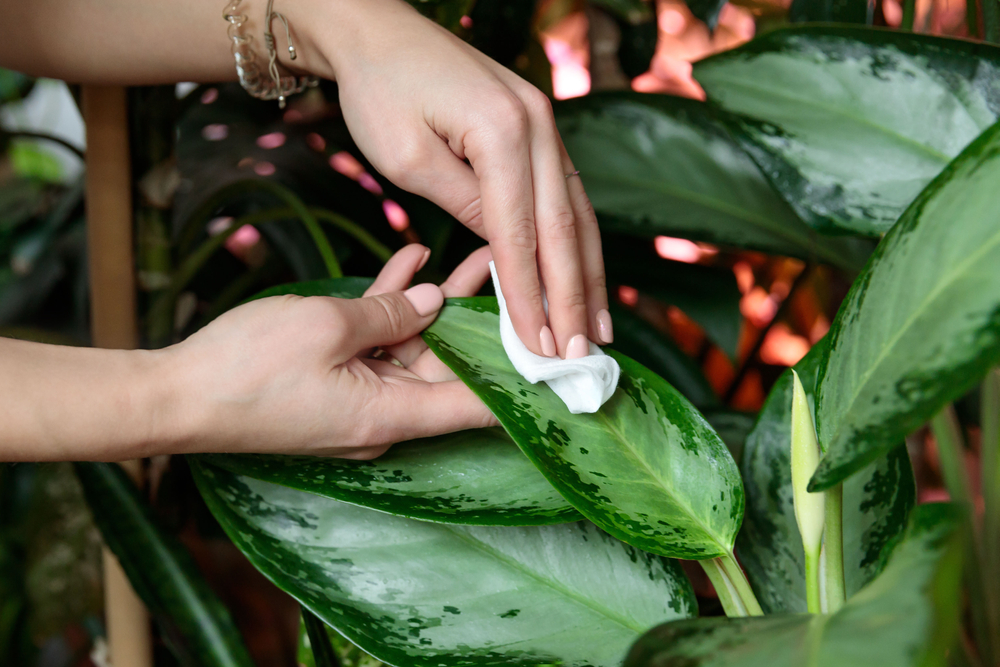
Indoor leaves collect dust much faster in winter because windows stay closed and air movement changes. Dust blocks light, which can slow down a plant’s energy production during a season when sunlight is already limited. A gentle wipe with a damp cloth helps the leaves absorb as much light as possible. This small action keeps the plant looking fresh and allows it to make better use of the light coming through the windows. It also helps you notice any early signs of pests or leaf spots before they spread.
Many gardeners turn leaf cleaning into a relaxing December ritual since it gives them time to focus on each plant. You can support stems with one hand while wiping each leaf softly so that you do not cause any bending or tearing. If a plant has many tiny leaves, a soft brush or gentle rinse works well. After this quick care session, your plants will look cleaner and brighter for the season. This simple routine keeps them in good shape even as outdoor conditions stay cold and quiet.
Rotate Plants Toward Winter Light

Indoor light angles shift during December because the sun sits lower in the sky, which changes how much brightness reaches your windows. Rotating your plants every few days helps them grow evenly and prevents one side from stretching toward the light. This steady rotation keeps the plant balanced and helps each side receive enough energy for healthy development. Many people place reminders on their calendars to keep this routine going through winter. Even small changes in positioning can make a noticeable difference over time.
Rotating plants also lets you check for areas where light may be too strong or too weak. If you see leaves becoming pale or leaning, you can adjust their location before the plant becomes stressed. Sometimes moving a plant just a foot closer to the window gives it all the support it needs. This attention helps prevent leggy growth and encourages compact, attractive shapes. Since light plays such a big part in winter indoor gardening, rotation becomes one of the most reliable tasks of the season.
Order Seeds for Spring Gardening

December is a perfect moment to browse seed catalogs and online shops while planning next year’s garden. Many gardeners enjoy this part of winter because it keeps them connected to their outdoor routine even when the soil outside feels too cold to work with. You can explore new varieties of vegetables, herbs, and flowers that you want to add to your collection. Placing orders early gives you plenty of time to sort, label, and plan for spring planting. It also prevents the rush that happens closer to planting season.
Taking notes as you order seeds helps you picture how your garden might look once warmer weather returns. You can reflect on what grew well in the past and what changes you want to make. Many gardeners keep a small notebook for ideas, sketches, and planting schedules. This planning step adds excitement during the winter season and makes it easier to stay ready when spring finally arrives. Ordering seeds in December gives you a sense of progress while indoor gardening takes center stage.
Inspect for Indoor Pests

Indoor pests can be more noticeable in winter since plants cluster near windows and heaters run more often. By checking leaves, stems, and soil closely, you can spot early signs of fungus gnats, spider mites, or tiny insects that prefer warm indoor spaces. A glance every few days helps you catch issues before they spread. If you see webbing, sticky leaves, or drifting gnats, you can take gentle action right away. This keeps your indoor garden calm and prevents bigger headaches later in the season.
Many gardeners use a magnifying glass or bright flashlight to make inspections easier during darker months. You can isolate any plant that seems troubled and treat it separately so the problem does not affect nearby pots. Cleaning pots, trimming damaged leaves, and improving airflow usually help plants recover quickly. Winter pests can be managed with simple steps when caught early. Regular checks in December keep your plants comfortable during a time when they rely on indoor conditions for all their needs.
Create an Indoor Herb Garden
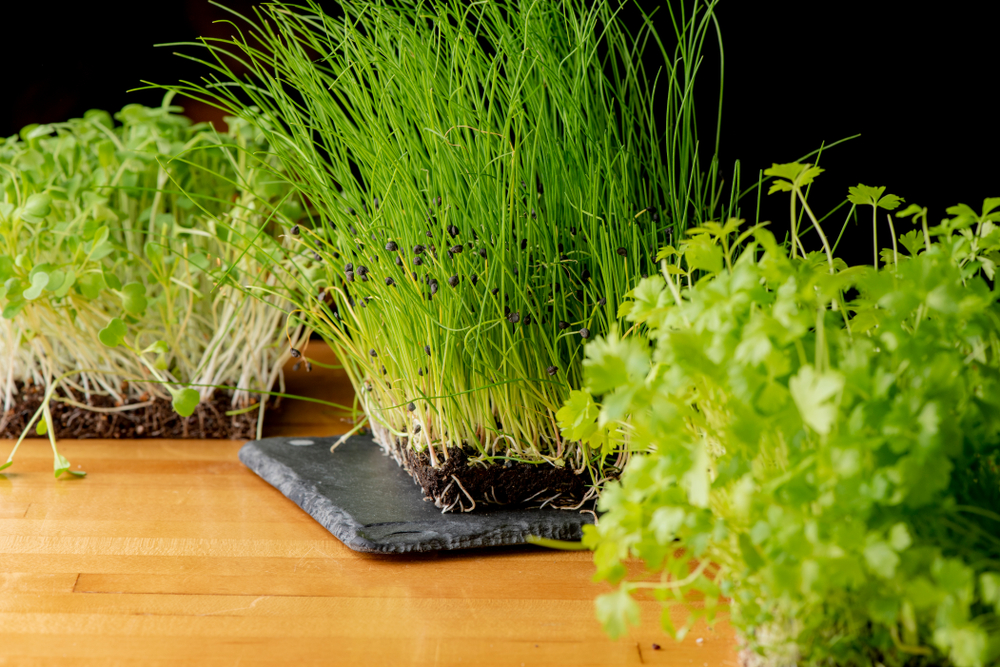
An indoor herb garden brings freshness and aroma to your home during December when outdoor gardens rest. You can select pots of rosemary, thyme, parsley, oregano, and mint and place them near windows that receive steady sunlight. These herbs adapt well to indoor temperatures and provide flavorful leaves for meals throughout the season. Growing them indoors introduces a lively touch of green during shorter days. Their presence also encourages you to cook more creatively since fresh herbs become easy to reach.
Maintaining an indoor herb garden involves regular watering, pruning, and rotating the pots for steady growth. You can trim the herbs lightly to encourage fuller shapes and prevent them from becoming leggy. A sunny kitchen window or a small light setup keeps them vibrant even during cloudy weeks. Many gardeners find it comforting to harvest small sprigs throughout winter. This project blends gardening with daily living in a simple and satisfying way.
This article originally appeared on Avocadu.