
17 Iconic Muscle Cars with Option Codes That Change Everything
Muscle cars have always been about more than just horsepower and styling. What truly sets certain models apart are the option codes that quietly changed how those cars were built and how they perform on the road. These hidden choices often separated an ordinary showroom car from something truly special. Many buyers did not fully realize what they were ordering at the time. Decades later, those decisions now shape rarity, driving feel, and collector interest. Looking back at these cars reveals how a few lines on an order sheet could define an entire legacy. This collection explores machines where those choices made all the difference.
This post may contain affiliate links, which helps keep this content free. Please read our disclosure for more info.
Chevrolet Camaro ZL1 1969
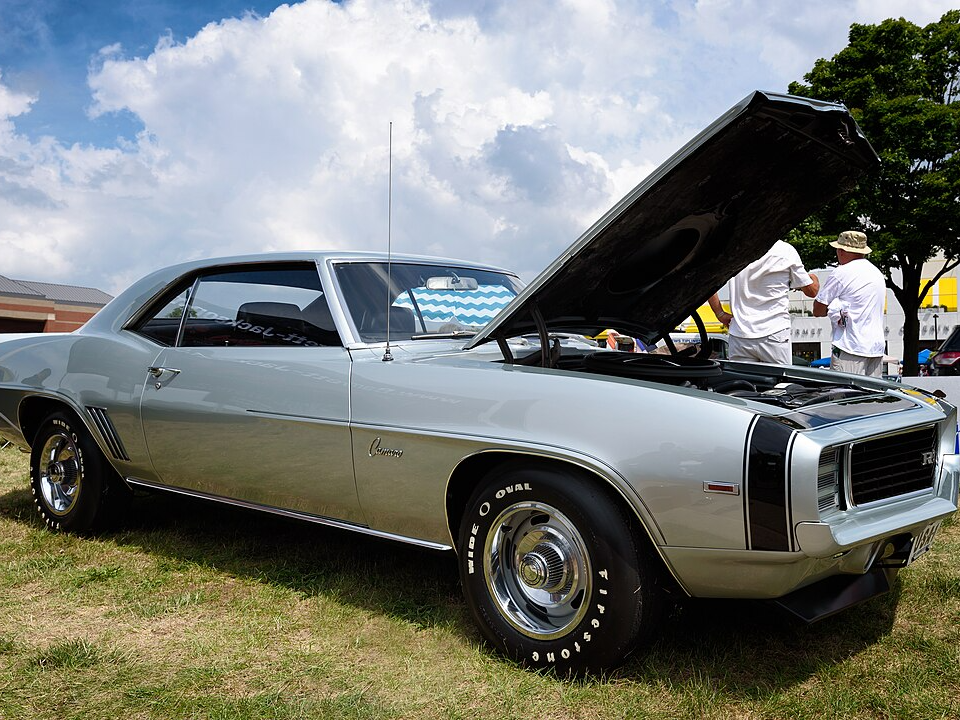
The 1969 Camaro ZL1 stands apart because of its aluminum 427 engine that was originally intended for racing use. Buyers had to know exactly how to order it, since the option was hidden and rarely explained at dealerships. The lightweight engine changed the balance of the car and made it feel sharper than standard big block Camaros. Very few were produced, and many early examples were raced hard. This limited survival rate adds to its reputation today.
Original documentation tied to the engine option is critical when confirming authenticity. Small factory details such as correct finishes and components carry serious weight with collectors. Driving one feels raw and mechanical, with power that comes on quickly. The sound and vibration feel very different from later muscle cars. Verified examples now trade near $1,800,000.
Dodge Charger R T Hemi 1969
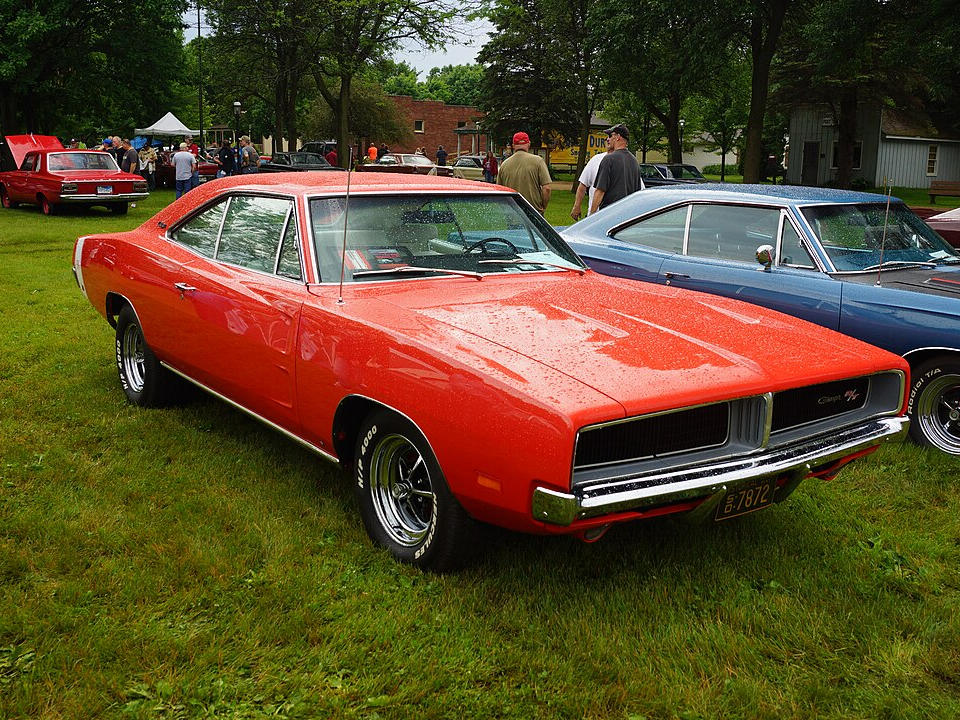
The 1969 Charger R T Hemi combined dramatic styling with serious performance potential. The Street Hemi option turned the car into a true powerhouse rather than a stylish cruiser. This engine required careful upkeep, which discouraged many original buyers. Insurance concerns further reduced demand at the time. As a result, production numbers stayed low.
Many Chargers lost their original engines through years of use and modification. Survivors with correct drivetrains are closely examined today. Engine stampings and factory paperwork matter greatly for value. On the road, the car feels heavy but forceful, with immediate torque. Authentic examples often reach around $350,000.
Plymouth Barracuda Hemi 1970
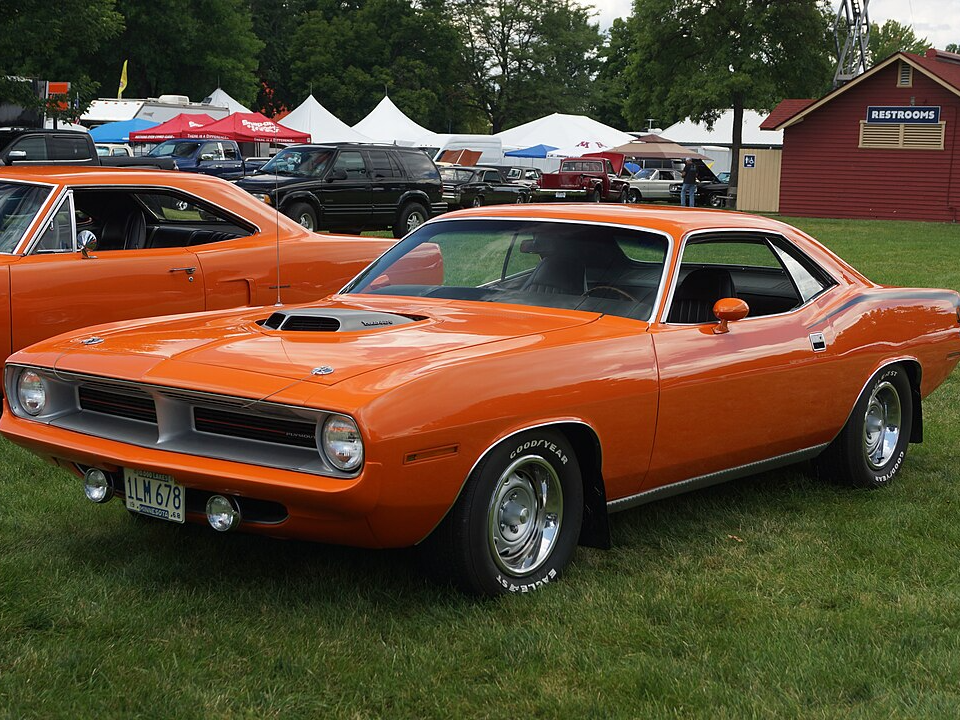
The 1970 Hemi Barracuda earned its status through an extreme engine option packed into a compact body. Ordering the Hemi required accepting higher cost and rougher driving manners. The engine delivered staggering straight line power for its size. Few buyers were willing to make that compromise. Production numbers stayed very limited as a result.
Many original cars were raced or altered, reducing the number of intact survivors. Factory colors and transmission choices now affect value significantly. Behind the wheel, the car feels aggressive and demanding. It rewards confidence but offers little forgiveness. Market prices for correct examples often exceed $2,500,000.
Ford Mustang Boss 429 1969
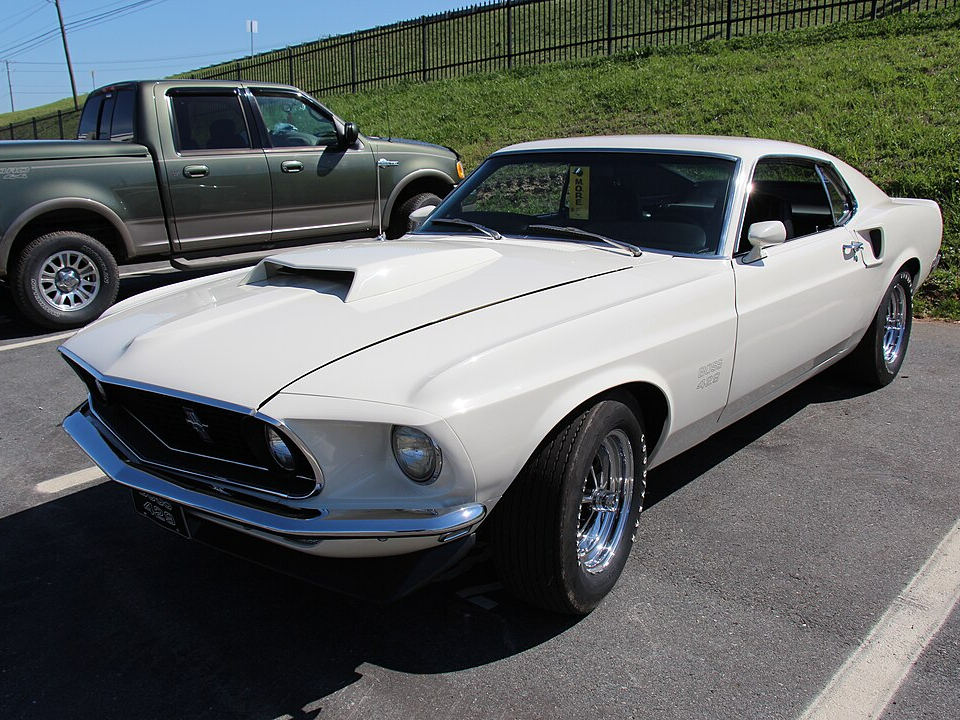
The Boss 429 Mustang was created to satisfy racing requirements rather than everyday buyers. Its massive engine required major changes to the engine bay and suspension. Cars were shipped out for special installation work before reaching customers. This unusual process made each example slightly different. Buyers struggled with the high price when new.
Surviving cars often show subtle build variations due to hand assembly. Original parts and documentation play a major role in value today. The driving feel is front heavy but incredibly strong at speed. Throttle response feels deliberate rather than sudden. Authentic examples commonly sell near $450,000.
Chevrolet Chevelle SS LS6 1970
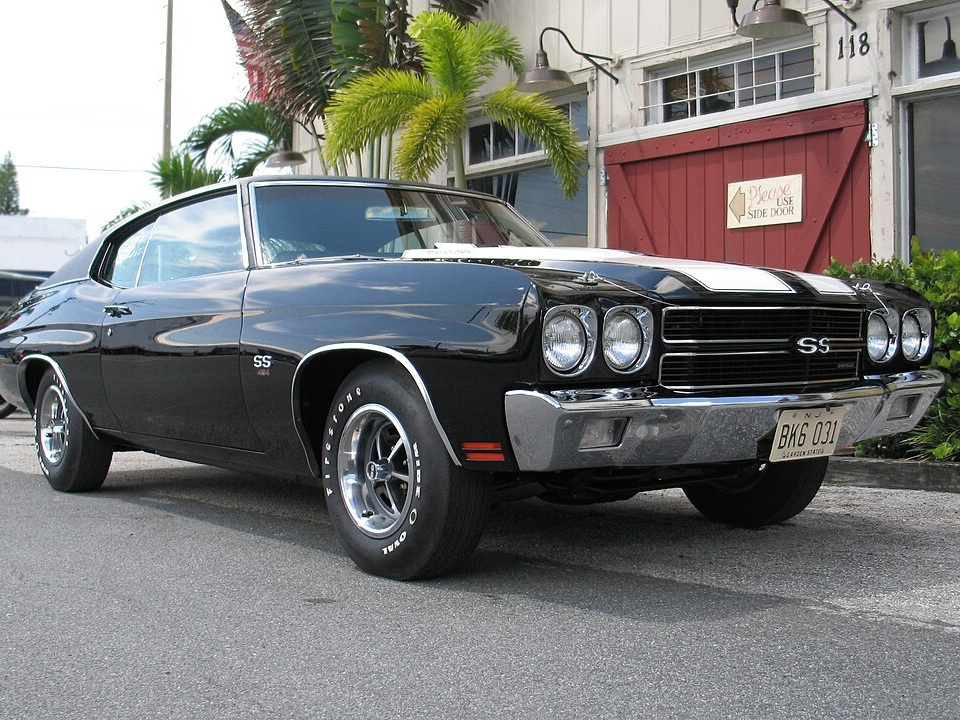
The LS6 option placed the 1970 Chevelle SS at the peak of factory muscle. Its horsepower rating was impressive even by modern standards. The engine delivered strong acceleration without needing high revs. Rising insurance costs discouraged many buyers from selecting it. This kept LS6 production lower than expected.
Many Chevelles were ordered with milder engines instead. Collectors now focus heavily on matching drivetrains and paperwork. The car feels deceptively calm until the throttle is pressed. Power arrives smoothly but forcefully. Clean examples often command around $150,000.
Pontiac GTO Judge Ram Air IV 1970
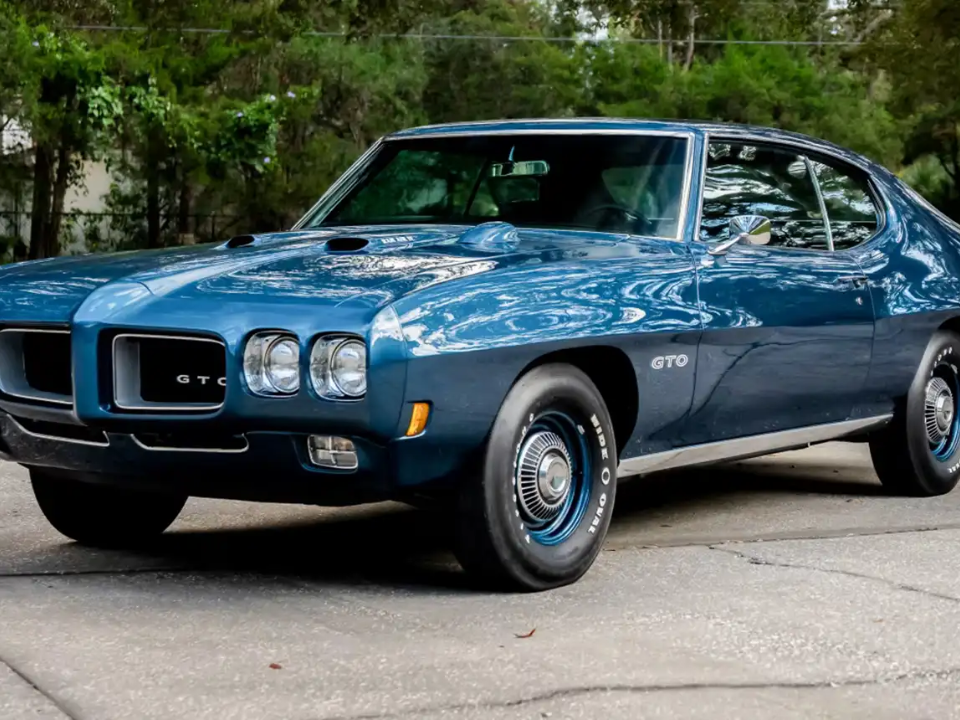
The Ram Air IV option gave the 1970 GTO Judge sharper performance than standard models. Improved airflow helped the engine perform better at higher speeds. This setup appealed mostly to experienced drivers. Many buyers chose lower cost options instead. That choice limited production numbers.
Today, Ram Air IV cars are prized for their balance of power and rarity. Factory exhaust and intake parts are carefully checked. On the road, the car feels eager and responsive. Acceleration builds quickly as speed increases. Market values often reach $180,000.
Oldsmobile 442 W30 1970
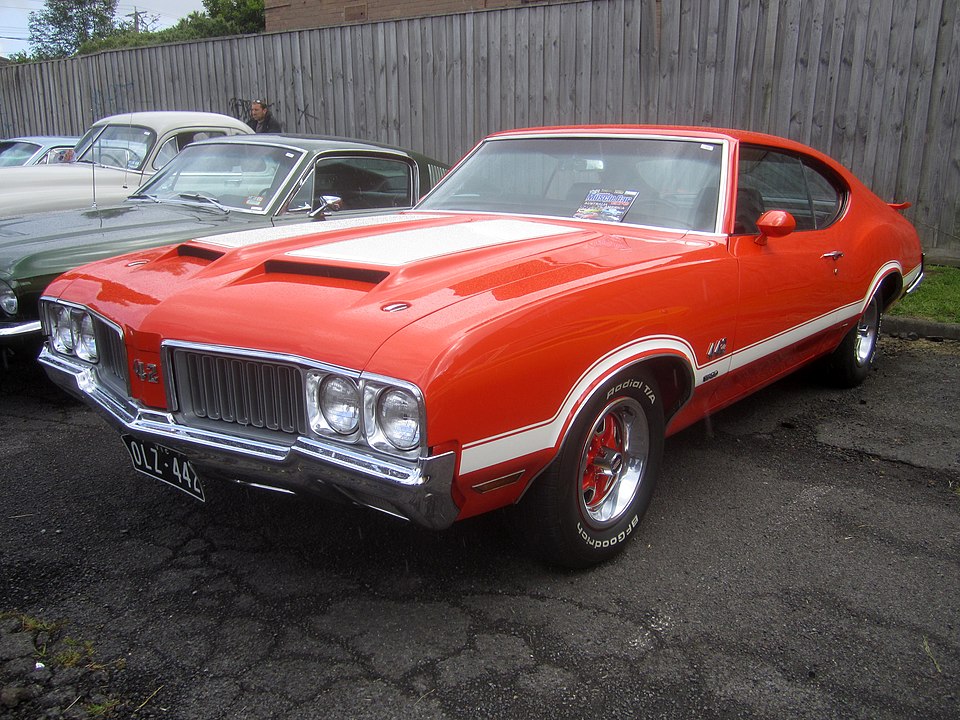
The W30 option gave the 1970 Oldsmobile 442 serious performance without flashy styling. Special intake and exhaust components improved output quietly. The car retained a refined look that hid its potential. Many buyers overlooked it in favor of louder rivals. This kept production relatively modest.
Over time, many W30 specific parts were removed or replaced. Documentation is now essential for verification. Driving one feels smooth yet confident under acceleration. Power delivery feels controlled rather than wild. Values commonly sit around $120,000.
Buick GSX Stage 1 1970
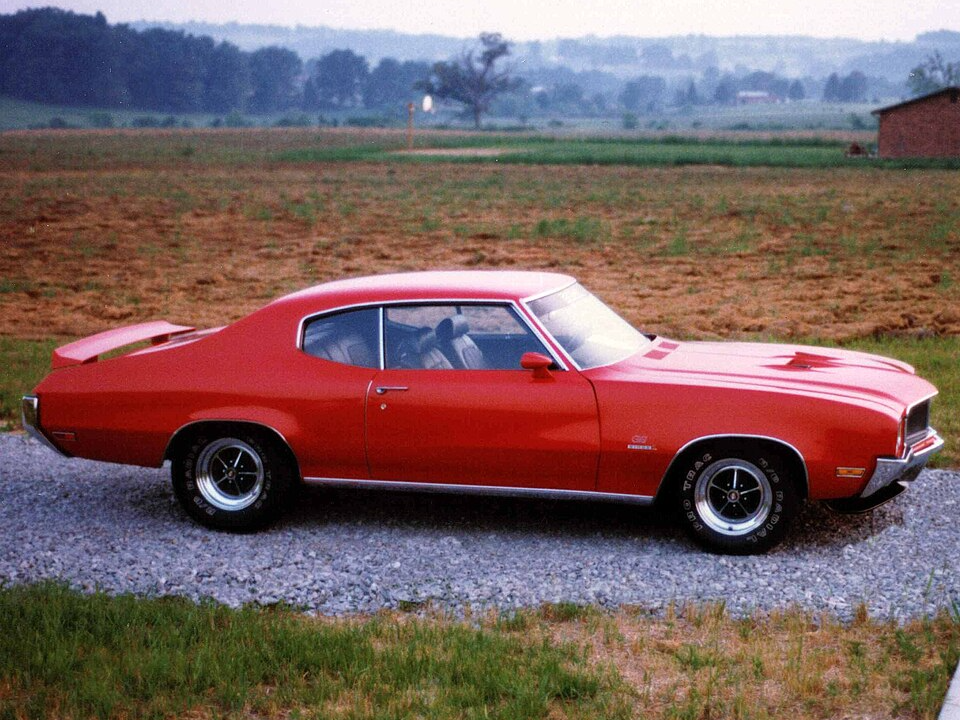
The Stage 1 option transformed the Buick GSX into a torque focused performer. It delivered strong pull at low speeds while keeping ride comfort intact. This combination made it different from harsher competitors. High cost limited how many were ordered. Production numbers stayed low.
Many examples were driven hard and not carefully preserved. Original paint and driveline parts now carry major value. Behind the wheel, the car feels confident and planted. Acceleration feels effortless rather than dramatic. Current prices often reach $200,000.
Ford Torino Cobra Jet 1970
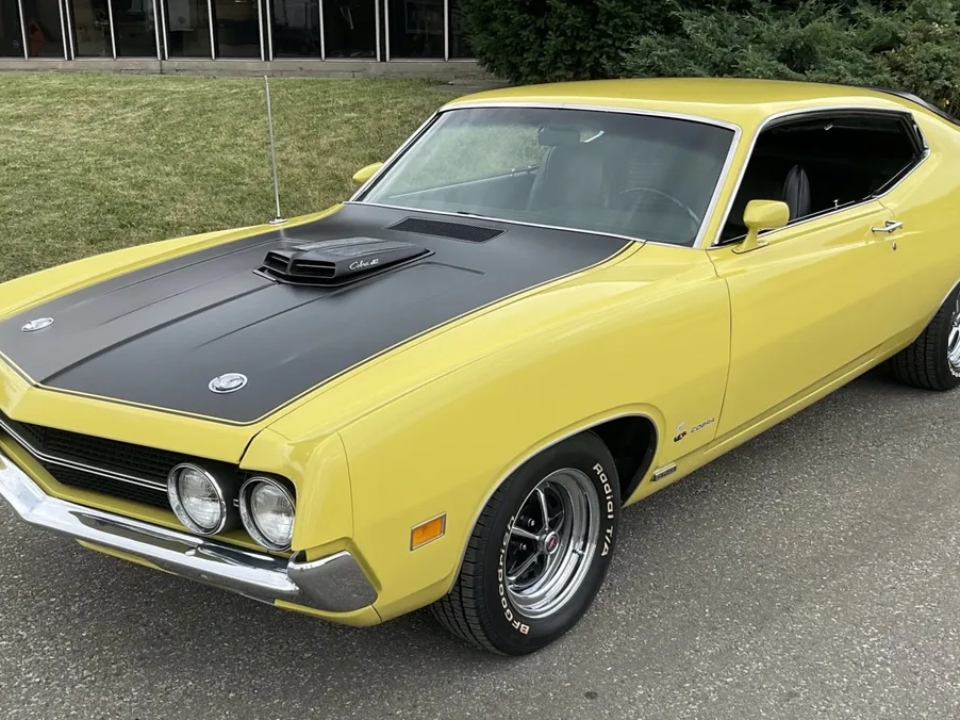
The Cobra Jet option gave the 1970 Torino its reputation for straight line strength. The 429 engine focused on durability and acceleration. This appealed mostly to drag racers. Casual buyers often chose other trims instead. Production numbers stayed limited.
The car carries noticeable weight, which shapes how it drives. Strong acceleration balances that mass well. Original rear axle ratios matter greatly today. Survivors with factory parts are increasingly rare. Market values often land near $90,000.
AMC AMX Go Package 1969
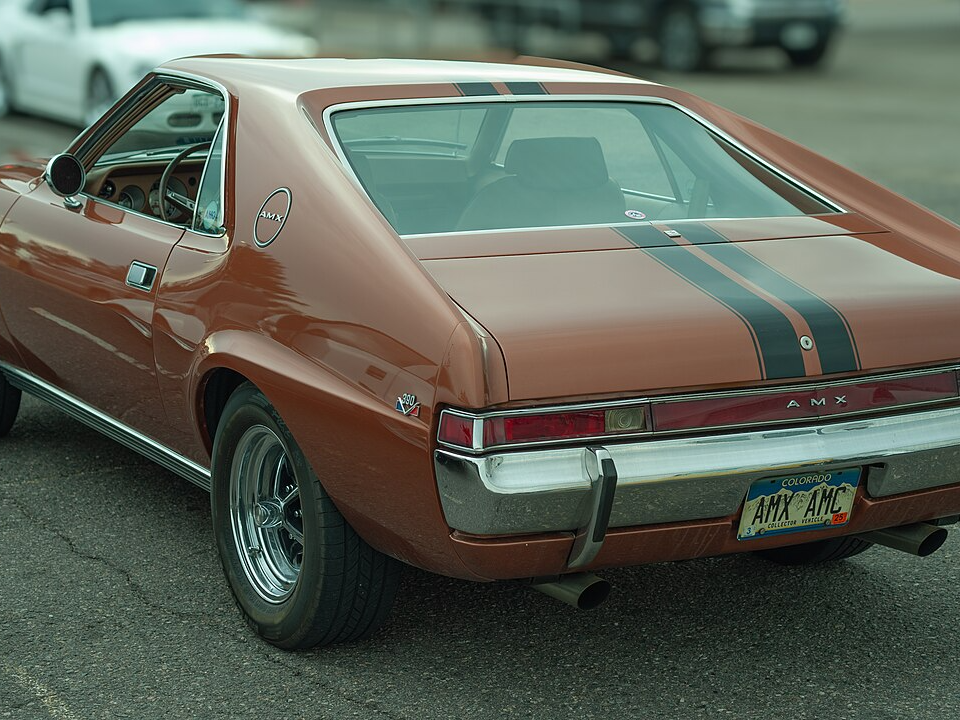
The Go Package changed the AMC AMX into a well rounded performance car. Suspension and braking upgrades worked alongside engine improvements. AMC aimed this option at drivers who wanted speed in a smaller body. Brand loyalty issues kept sales lower than rivals. Production numbers remained modest.
Many original cars were modified or worn out through regular use. Verifying a true Go Package example can be challenging today. The driving feel is tight and responsive. Steering feels direct and connected. Market value today often approaches $70,000.
Dodge Challenger T A 1970
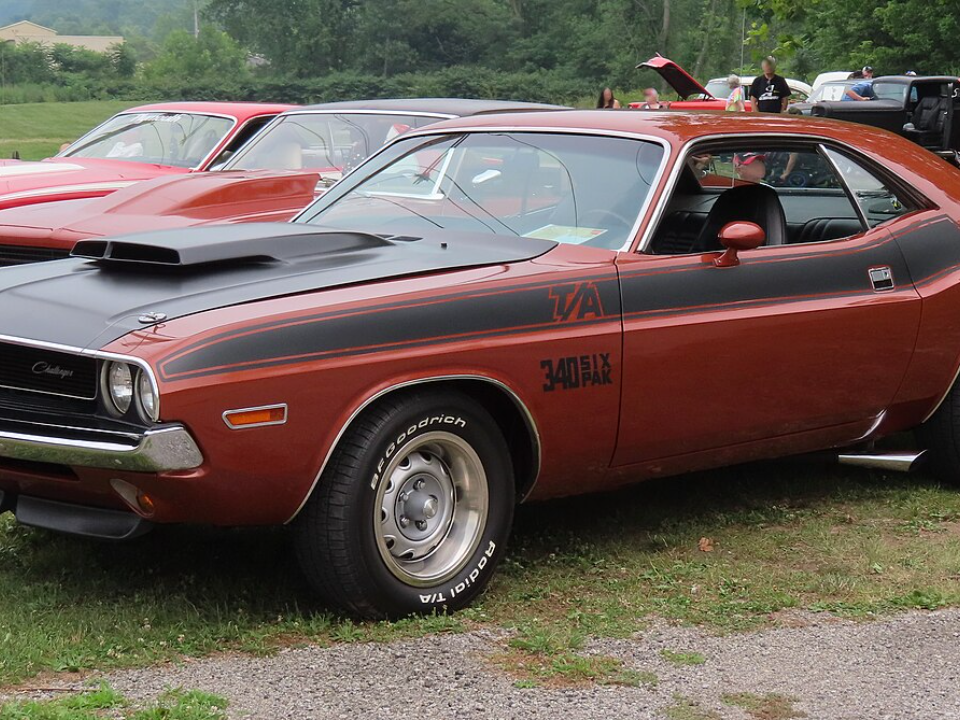
The 1970 Dodge Challenger T A was built to support Trans Am racing requirements. Its option package included a high winding small block engine that favored balance over sheer size. Lightweight components helped the car feel more controlled than many big block rivals. Buyers had to accept compromises such as a limited rear seat. Sales remained modest because the setup appealed to a narrow audience.
Surviving examples are valued for their original driveline and suspension parts. Factory graphics and correct wheels add meaning to collectors. On the road, the car feels agile and responsive. Acceleration builds steadily rather than violently. Current market values often reach $140,000.
Plymouth Road Runner Superbird 1970
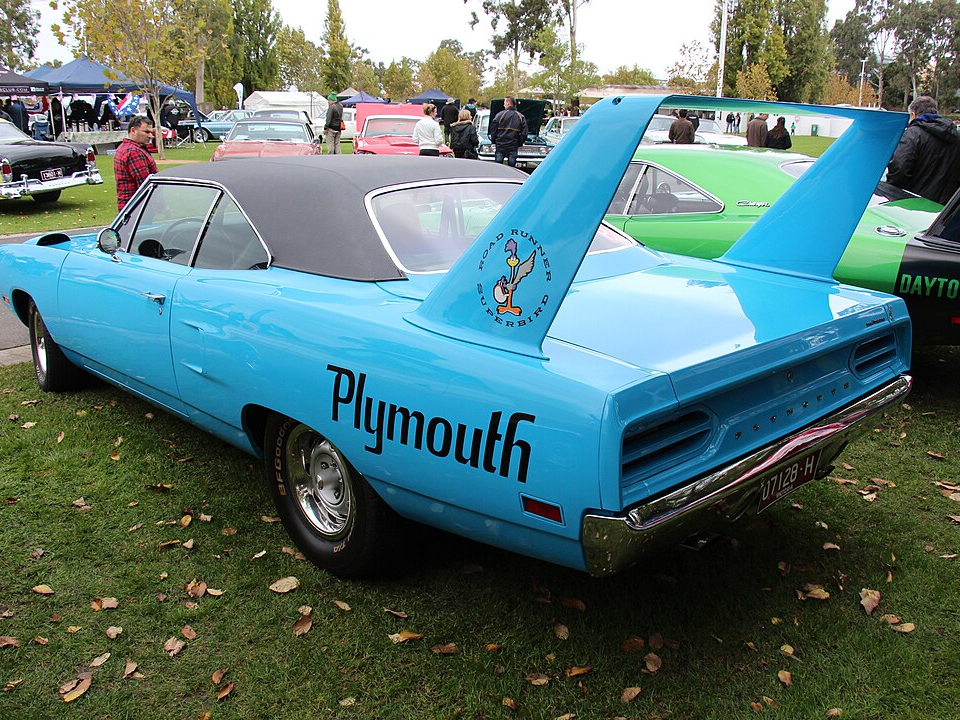
The 1970 Superbird exists because of NASCAR homologation rules. Its wild aerodynamic shape came from functional testing rather than style trends. Buyers could pair it with powerful engine options that changed its personality completely. Many dealers struggled to sell them when new. Unsold cars sat on lots long after production ended.
Today, original engine combinations play a major role in value. Documentation tied to production history is closely studied. Driving one feels unusual due to its long nose and rear wing. Stability at speed is impressive for the era. Market prices often exceed $400,000.
Ford Mustang Mach 1 Cobra Jet 1971
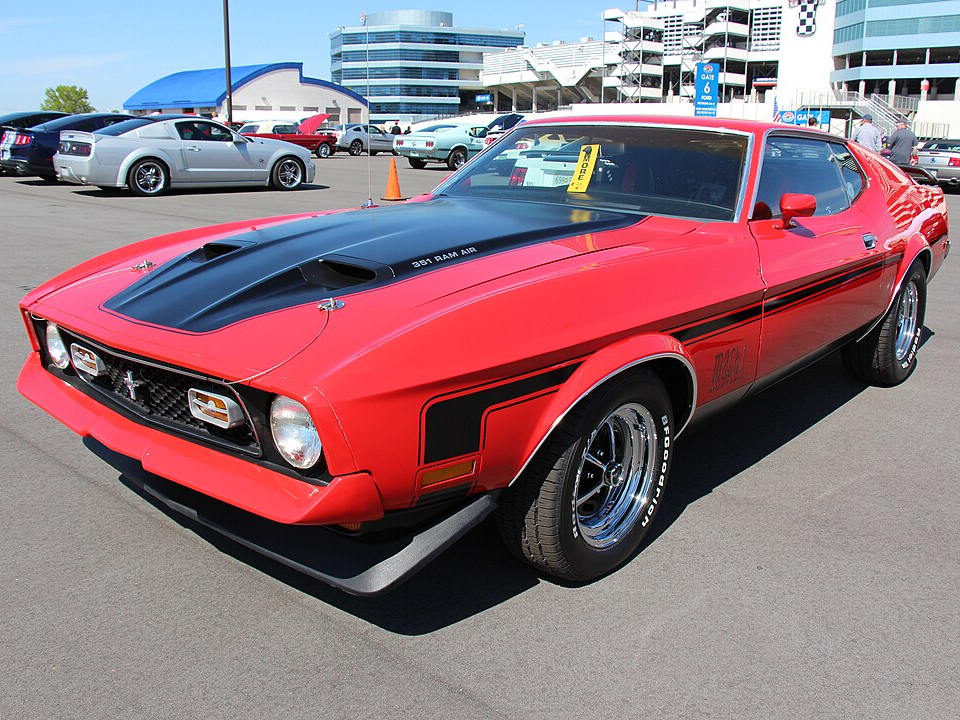
The Cobra Jet option gave the 1971 Mustang Mach 1 serious straight line strength. This engine choice changed the car from a sporty coupe into a muscle focused machine. Added weight affected handling, yet power remained the main attraction. Many buyers preferred smaller engines due to rising costs. This limited how many Cobra Jet cars were ordered.
Authentic examples now draw attention for their factory specifications. Correct engine parts and rear axle ratios are key. On the road, the car feels large but commanding. Acceleration is strong once momentum builds. Values today often sit near $110,000.
Chevrolet Nova Yenko 1969
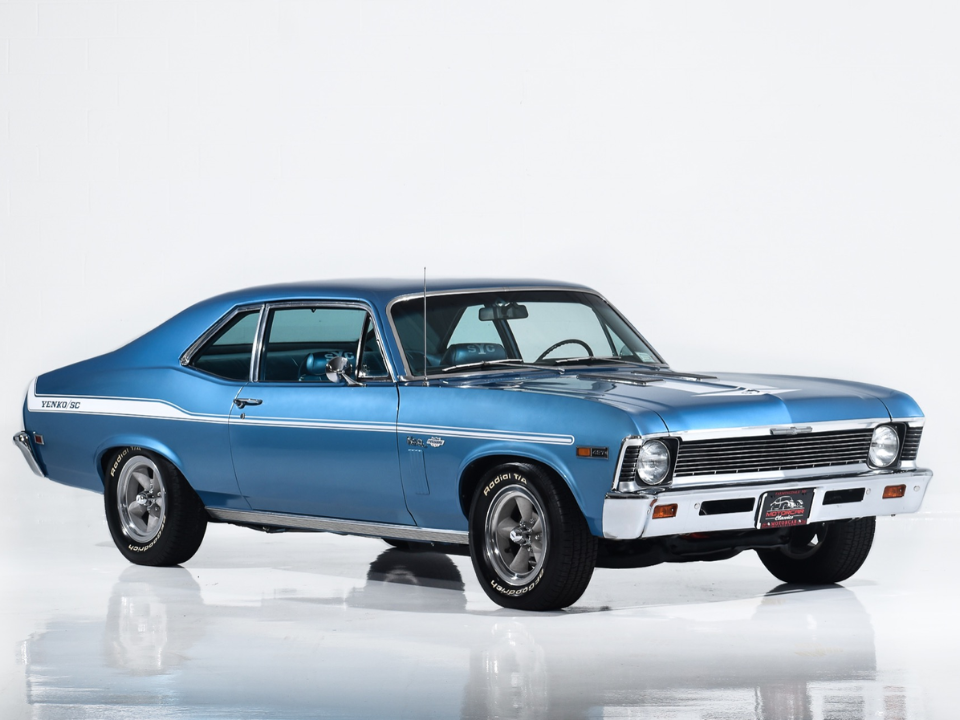
The Yenko Nova combined a lightweight body with a large displacement engine. Dealer modifications turned an economy car into a serious performer. Buyers seeking discreet speed were drawn to this combination. Production numbers stayed very low due to cost and limited dealer reach. Many were raced or heavily used early on.
Survivors are rare and closely examined today. Original Yenko markings and documentation are essential. Driving one feels intense due to its small size and power. Traction can be challenging under acceleration. Verified examples often sell around $300,000.
Pontiac Firebird Trans Am Ram Air IV 1970
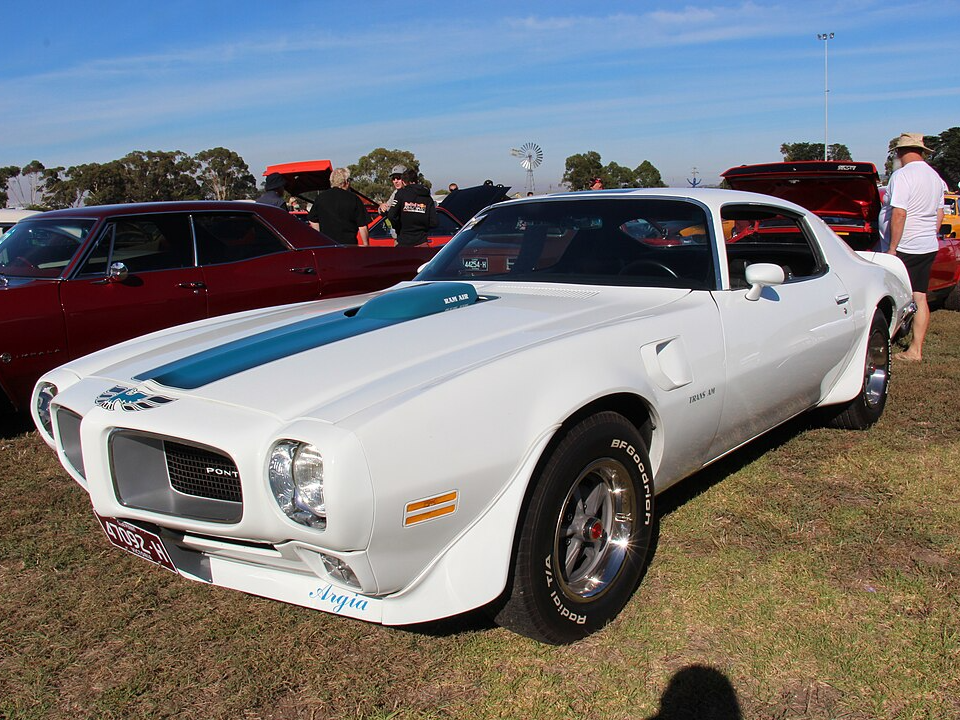
The Ram Air IV option gave the 1970 Firebird Trans Am a sharper edge. Improved breathing allowed the engine to perform strongly at higher speeds. This setup appealed to buyers who valued performance over comfort. Many opted for less expensive engines instead. As a result, production remained limited.
Today, these cars are prized for their balance and rarity. Original intake and exhaust parts are closely checked. On the road, the car feels light and responsive. Acceleration builds with confidence as revs rise. Market values often approach $220,000.
Chevrolet Corvette L88 1969
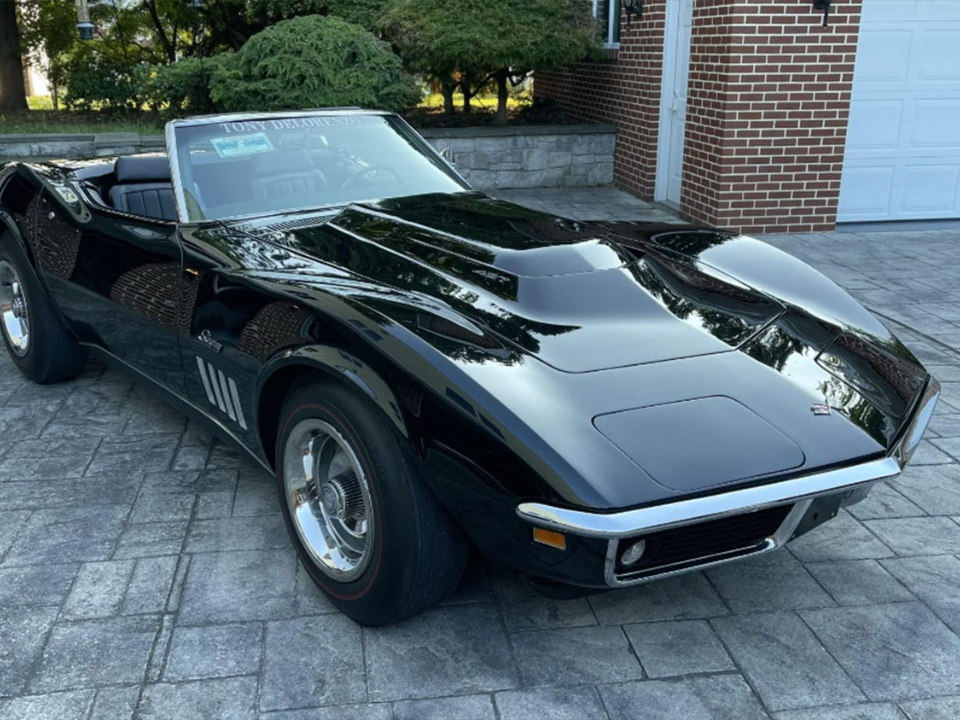
The L88 option transformed the 1969 Corvette into a race focused machine. This engine option was intentionally underrated to discourage casual buyers. It lacked many comfort features and required high octane fuel. Only knowledgeable buyers ordered it. Production numbers stayed extremely low.
Original L88 cars are among the most valuable Corvettes today. Documentation and matching parts are critical for verification. Driving one feels loud and uncompromising. Power delivery is intense once underway. Market values often exceed $3,000,000.
Dodge Coronet Super Bee Hemi 1969
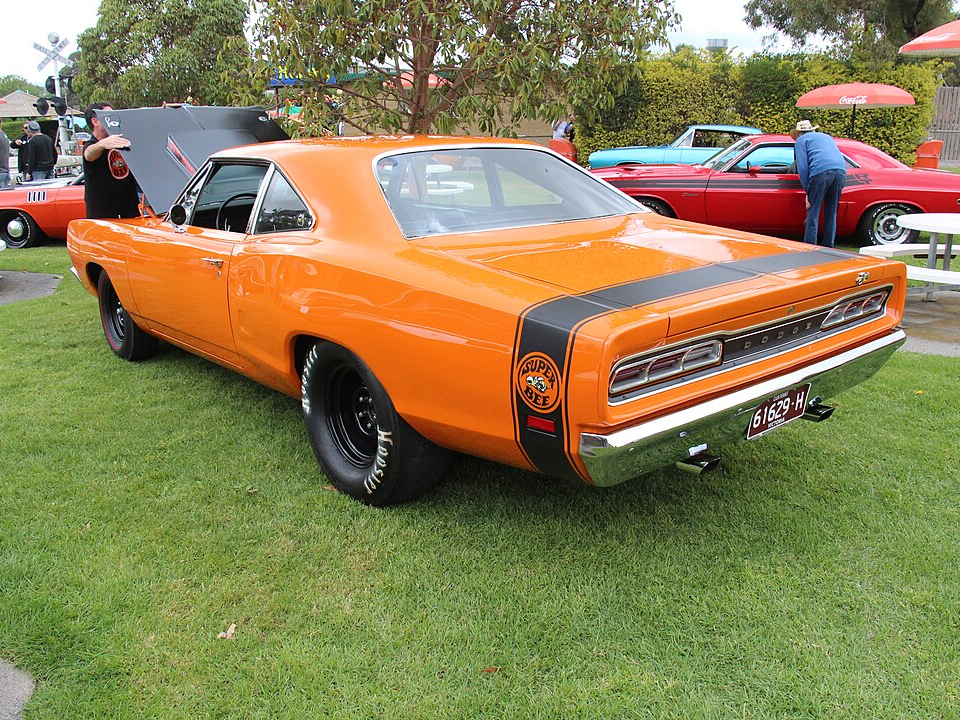
The Hemi option turned the 1969 Super Bee into a stripped down performance car. It focused on speed rather than luxury or styling. Buyers seeking pure performance appreciated this approach. High cost limited how many were sold. Many examples were driven hard from the start.
Correct Hemi Super Bees are scarce today. Original engine and transmission parts matter greatly. Driving one feels aggressive and loud. Acceleration is immediate and forceful. Market values often land near $200,000.
This article originally appeared on Avocadu.