
14 Ice Caves And Glacier Lagoons That Are At Their Best In Late Winter
There is something special about visiting ice caves and glacier lagoons in late winter. The cold settles in just enough to shape the ice into smooth arches and glowing tunnels. Lagoons often sit still under pale skies, reflecting icebergs like mirrors. For travelers who love raw landscapes, this season offers a quieter and more striking view.
This post may contain affiliate links, which helps keep this content free. Please read our disclosure for more info.
Jokulsarlon Glacier Lagoon, Iceland
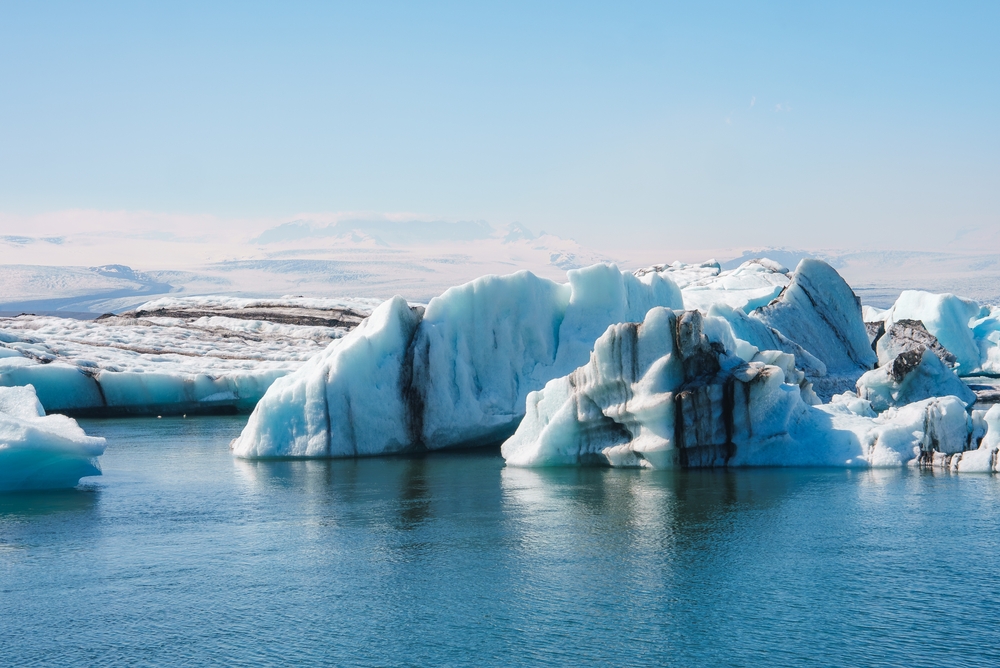
Jokulsarlon Glacier Lagoon sits at the edge of Breioamerkurjokull, an outlet of Vatnajokull, and is filled with icebergs that break from the glacier’s face. In late winter, the lagoon is often framed by snow-dusted ground and crisp Arctic air. Icebergs drift slowly across the water, ranging in color from milky white to deep blue and even streaked with volcanic ash. Seals are frequently seen resting on the floating ice. The quiet atmosphere of this season adds to the sense of scale and stillness.
Colder temperatures help preserve the shape of the icebergs, allowing them to hold their form longer before melting. The nearby Diamond Beach becomes especially striking when chunks of ice wash ashore against black volcanic sand. Reflections on the lagoon are often clearer on calm winter days. Boat tours may run depending on conditions, though many visitors prefer to walk the shoreline for uninterrupted views. Late winter offers a balance between dramatic scenery and fewer crowds compared to peak travel months.
Apostle Islands Ice Caves, Wisconsin, USA
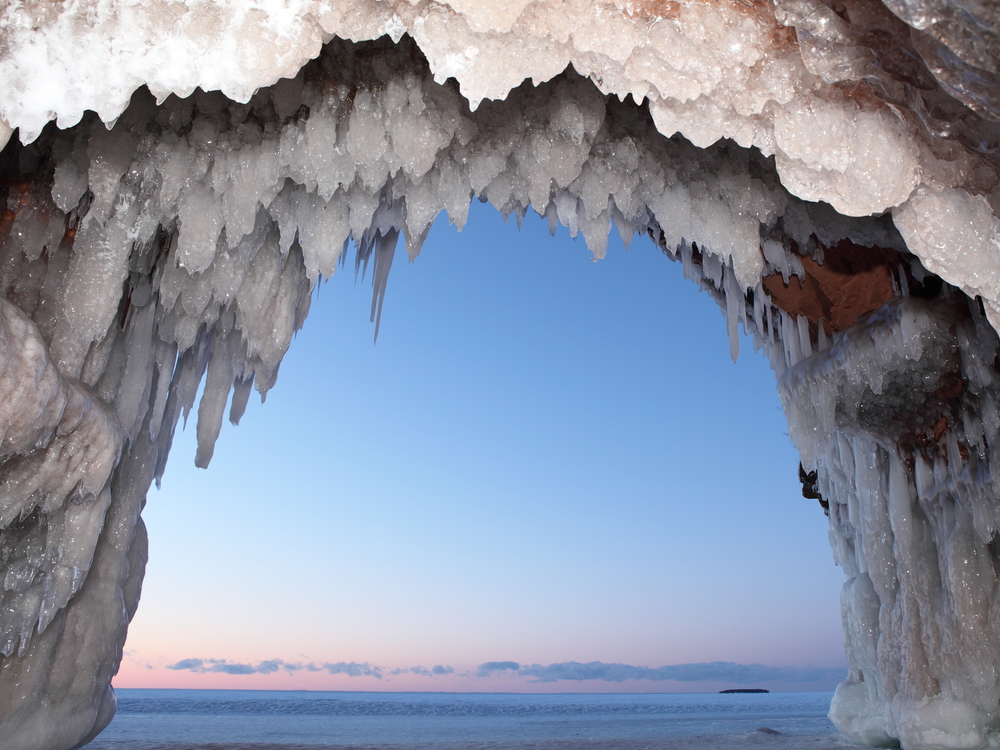
Along the southern shore of Lake Superior, the Apostle Islands sea caves freeze into towering ice formations during sustained cold spells. When winter temperatures remain low for weeks, the lake surface thickens enough to allow foot access to the caves. By late winter, the formations are usually at their most developed, with long icicles and frozen waterfalls lining the sandstone cliffs. The natural arches carved by waves become lined with thick sheets of ice. Park authorities closely monitor ice safety before allowing visitors to cross.
Inside the caves, light reflects off frozen surfaces, giving the interior a soft glow. Wind and shifting lake conditions shape new patterns throughout the season. Snow along the shoreline creates a clean contrast against the layered rock. The experience feels both rugged and peaceful, especially on clear days. When conditions align, this is one of the most memorable winter sights in the American Midwest.
Perito Moreno Glacier Lagoons, Argentina
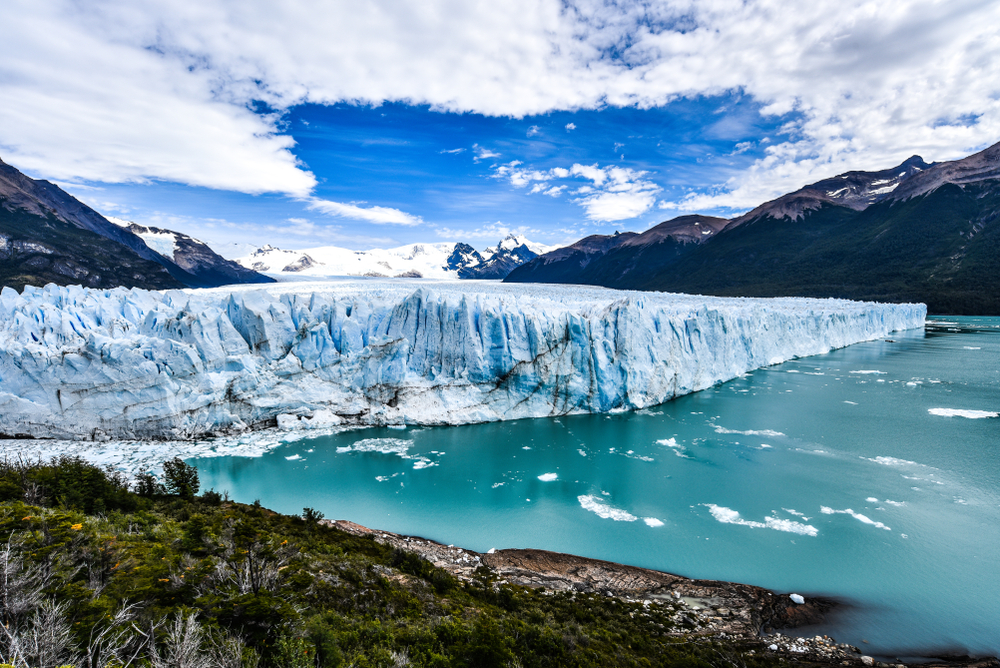
Perito Moreno Glacier, located in Los Glaciares National Park, feeds small lagoons at its base as massive sections of ice break away. Late winter in Patagonia, which falls around August and September, brings cooler air and thinner visitor numbers. The glacier’s towering face stretches across the landscape, with ice walls rising dramatically above the water. Cracking sounds echo as pieces fall into the lagoon below. Snow often dusts the surrounding peaks, adding depth to the scene.
During colder weeks, the lagoon surface can appear calmer, offering clearer reflections of the glacier wall. Viewing platforms and walkways remain open, providing sweeping perspectives from multiple angles. Boat excursions sometimes approach the ice front, depending on conditions. The cooler season feels quieter and more atmospheric than the busy summer months. The combination of scale, sound, and motion makes late winter a compelling time to visit.
Lake Baikal Ice Caves, Russia
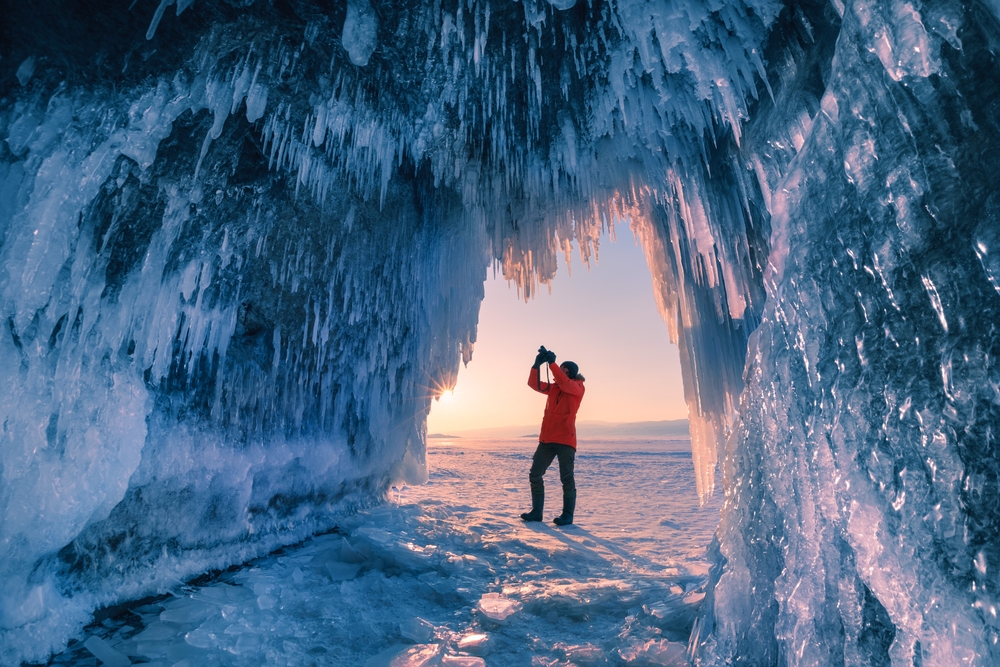
Lake Baikal in Siberia freezes solid during deep winter, forming clear ice sheets and shoreline caves along its rocky cliffs. By late winter, the ice has thickened significantly, allowing safe travel across certain sections of the lake with local guides. Wind and waves shape frozen grottoes before the water fully freezes, leaving dramatic arches lined with icicles. The clarity of Baikal’s ice often reveals trapped air bubbles and long cracks beneath the surface. The vastness of the lake adds a powerful sense of scale.
Sunlight reflects off the frozen ground and into the caves, creating shimmering patterns across the ice walls. Temperatures remain well below freezing, which preserves the formations in sharp detail. Local tours travel by vehicle or on foot across the lake’s surface. The surrounding Siberian landscape feels remote and untouched. Late winter provides stable conditions and some of the most photogenic views of this ancient body of water.
Mendenhall Ice Caves, Alaska, USA
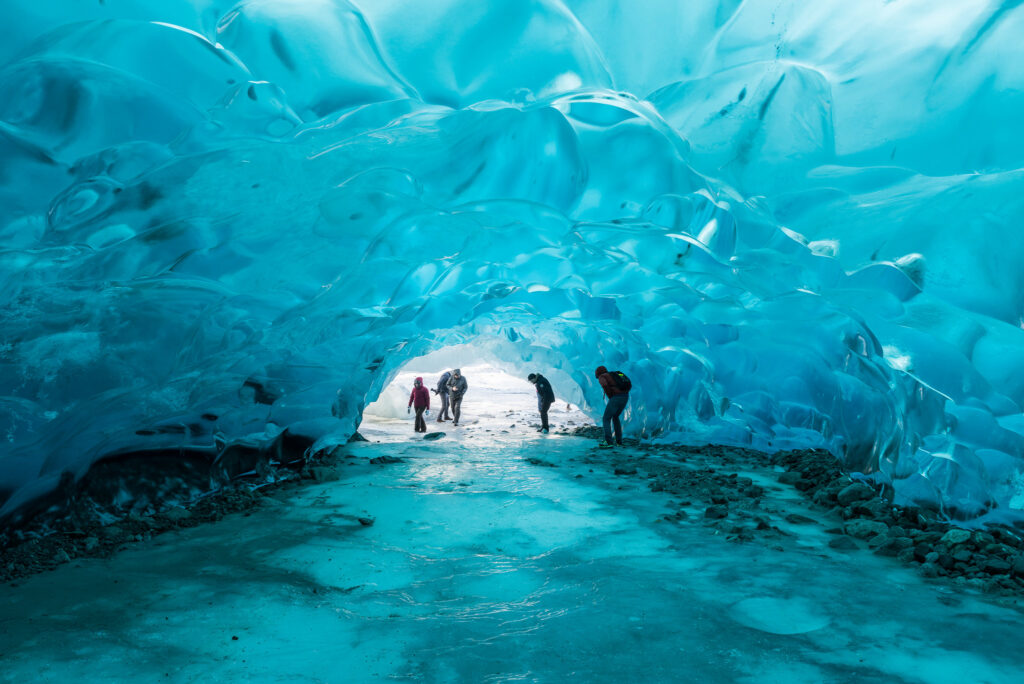
The Mendenhall Glacier near Juneau has long drawn visitors, yet the ice caves that form along its edges are far less predictable. These caves appear when meltwater carves into the glacier and then refreezes during sustained cold periods. By late winter, colder air helps solidify the interior walls before heavy spring runoff begins. The approach often involves hiking across rugged terrain, so preparation and local guidance are important. Snow-covered mountains and dense forest frame the glacier, creating a dramatic setting before you even reach the ice.
Inside the cave, the ceiling glows in layered shades of blue and turquoise caused by compressed glacial ice filtering sunlight. The textures on the walls resemble frozen waves, shaped by shifting water earlier in the season. Late winter reduces active dripping compared to warmer months, which can make the structure feel more stable. Conditions change yearly, so no two visits are ever identical. The combination of wilderness, scale, and glowing color makes this one of Alaska’s most striking frozen sights.
Skaftafell Ice Cave, Iceland
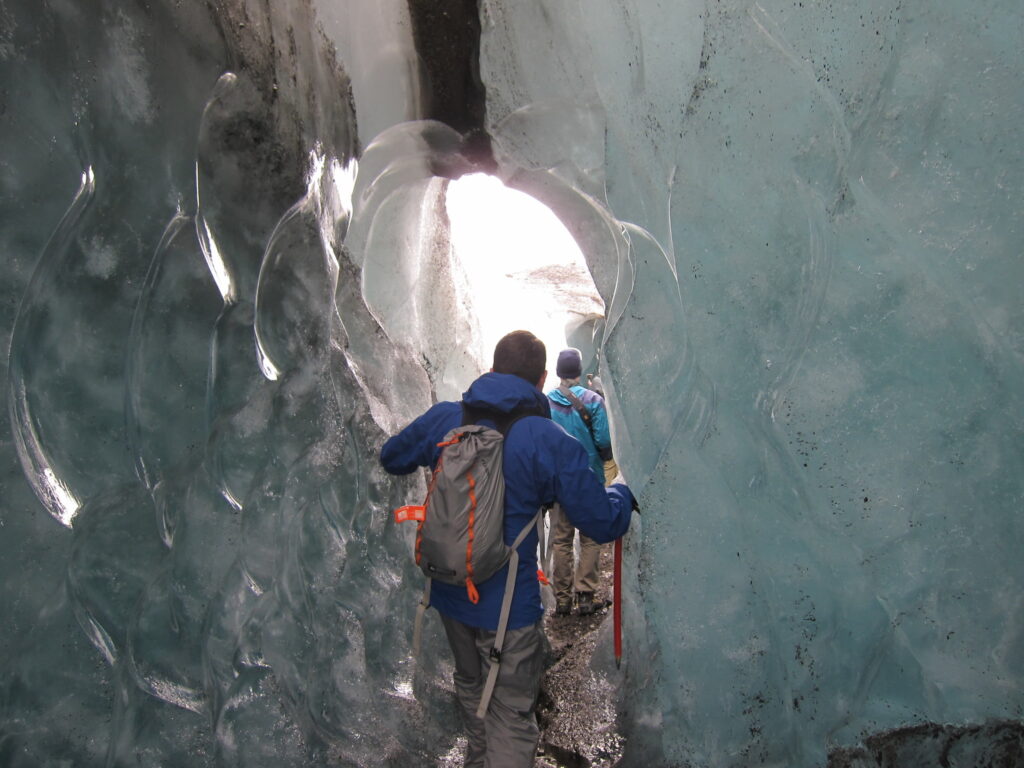
Skaftafell, located within Vatnajökull National Park, offers seasonal ice caves formed by the slow movement of glacial ice. These caves typically open in new locations each winter as pressure and meltwater reshape the glacier’s edge. By late winter, the ice has compacted further, producing clearer blue tones and thicker ceilings. Tours depart from nearby base camps and require experienced guides due to shifting terrain. The surrounding landscape of black sand and white snow creates a stark visual contrast.
Within the cave, light filters through dense layers of ice, giving the interior a luminous quality. Rippled patterns on the walls reveal how water once flowed through the tunnel. The colder weeks of February often bring steadier conditions compared to early winter. Snow-covered peaks in the distance add depth to the experience. This brief seasonal window allows visitors to step into a structure that will eventually melt away with spring warmth.
Tasman Glacier Terminal Lake, New Zealand
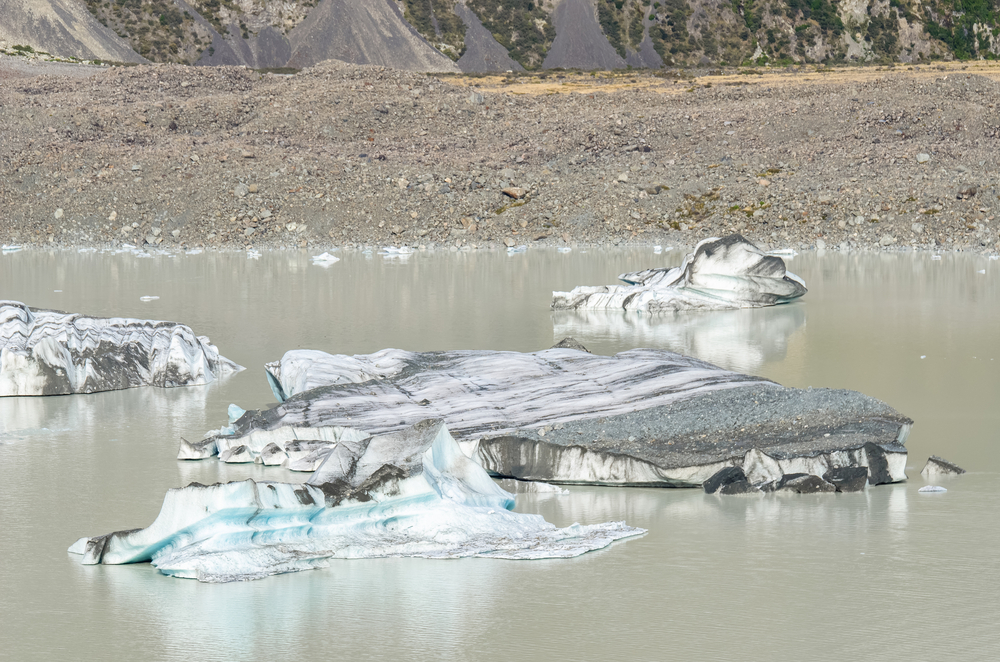
Tasman Glacier in Aoraki Mount Cook National Park ends in a growing glacial lake filled with floating ice. Large chunks break from the glacier’s face and drift slowly across gray-blue water. Late winter in New Zealand brings crisp mornings and fewer tour groups on the lake. Snow often blankets the surrounding Southern Alps, adding brightness to the scene. The combination of mountain peaks and scattered icebergs creates a wide, open panorama.
Boat tours operate depending on conditions, allowing visitors to approach the glacier wall at a safe distance. Cooler air helps preserve the shape of the icebergs compared to warmer months. Reflections on the lake surface can be especially clear during calm weather. The setting feels remote, with vast skies stretching above the alpine terrain. Late winter offers a quieter, more reflective experience before the busier travel season begins.
Nigardsbreen Ice Caves, Norway
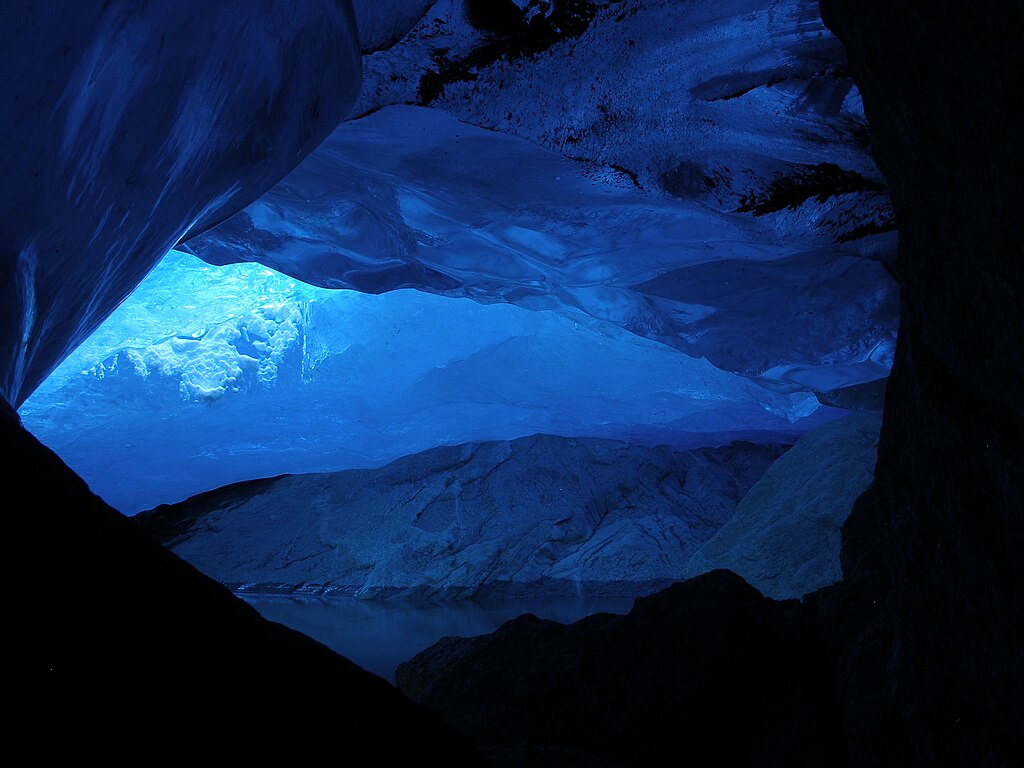
Nigardsbreen, a branch of the larger Jostedalsbreen Glacier, forms seasonal ice caves near its lower sections. These tunnels shift each year as the glacier advances and retreats. By late winter, the ice passages are often more defined, with firmer walls shaped by months of cold. Guided glacier walks lead small groups safely across the ice. The surrounding valley, framed by steep rock and snow, adds to the sense of scale.
Inside the cave, trapped air bubbles and swirling patterns are visible within the blue ice. Light entering from the entrance creates subtle gradients across the walls. Cold conditions reduce dripping and surface melt during this period. The experience combines physical exploration with close observation of glacial detail. It is a place where the slow movement of ice becomes visible in every curve and texture.
Lago Grey, Chile
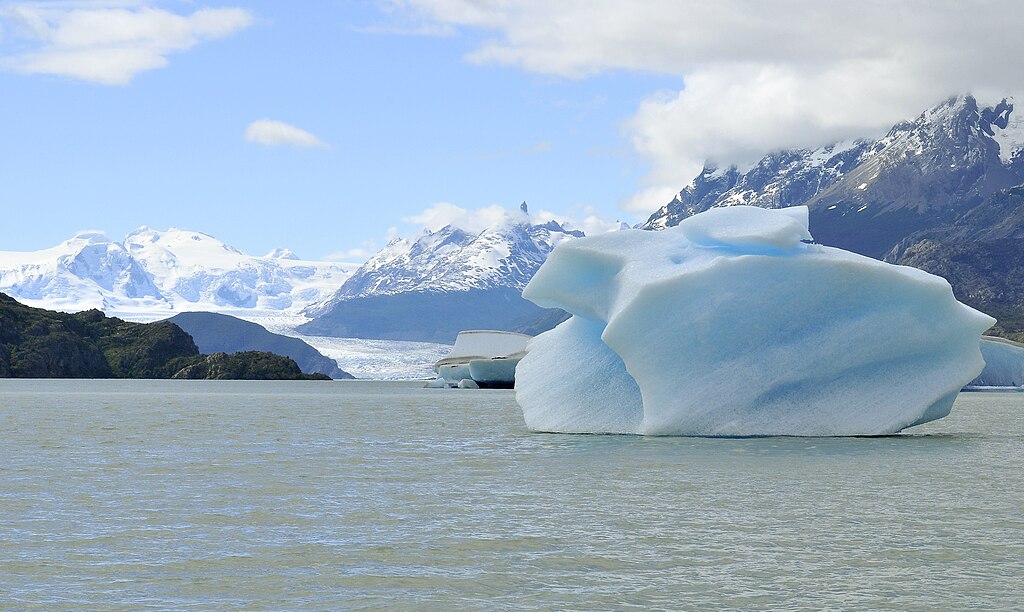
Lago Grey lies within Torres del Paine National Park and is fed by the massive Grey Glacier. Icebergs detach from the glacier’s front and drift across the lake, forming scattered white and blue shapes. Late winter in Patagonia often brings dramatic skies and fresh snow on the surrounding peaks. The Paine Massif rises in the distance, adding depth to the icy foreground. The cooler season means fewer hikers along the shoreline.
Boat excursions may approach the glacier face when weather allows, offering a closer look at towering ice walls. The surface of the lake can appear darker during colder months, which makes the floating ice stand out sharply. Wind conditions vary, though calm days reveal clear reflections. Snow along the trails adds texture to the surrounding terrain. Visiting during this time offers a more intimate view of one of Chile’s most iconic landscapes.
Rhone Glacier Ice Grotto, Switzerland
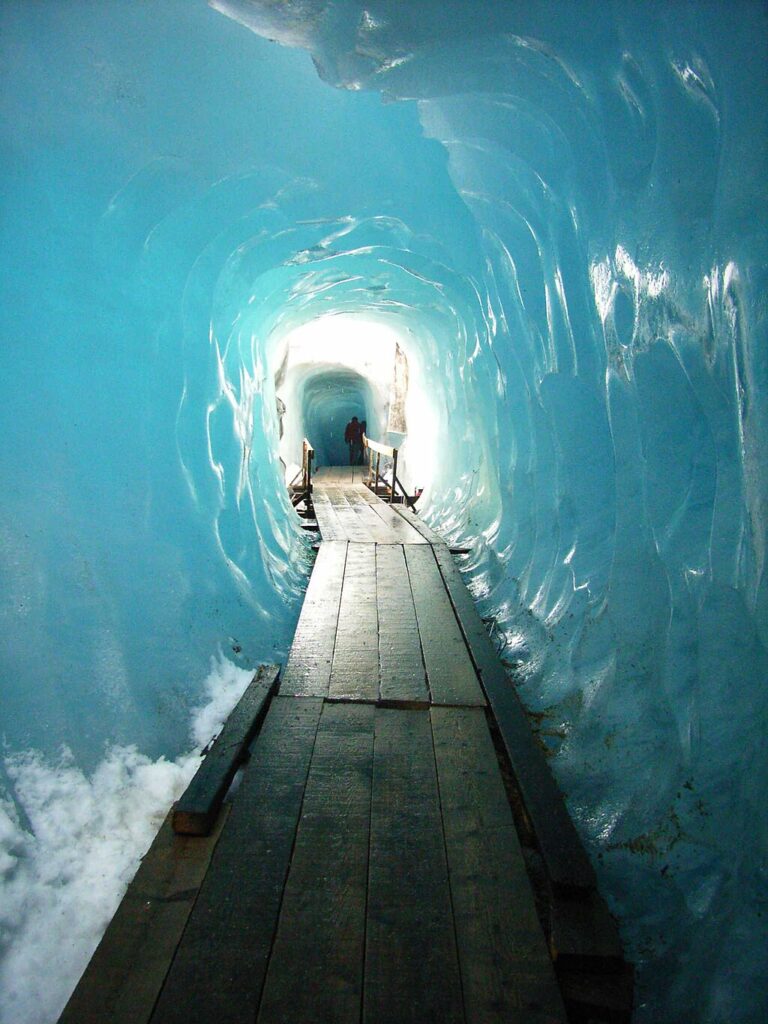
The Rhone Glacier Ice Grotto is carved each year into natural glacial ice in the Swiss Alps. While the tunnel itself is shaped by workers, the ice comes directly from the glacier’s interior. Late winter helps keep the grotto solid before warmer temperatures begin to reshape the surface. Located near the Furka Pass, the site is accessible by mountain road when conditions allow. The surrounding alpine scenery remains snow-covered during this period.
Inside the tunnel, the ice glows in rich blue tones beneath filtered light. Informational displays explain the glacier’s retreat over time. The cold air preserves the structure longer before spring melt sets in. Visitors can walk slowly through the passage and observe the layers formed over decades. The experience offers both natural beauty and a reminder of how quickly glaciers are changing.
Myrdalsjokull Ice Caves, Iceland
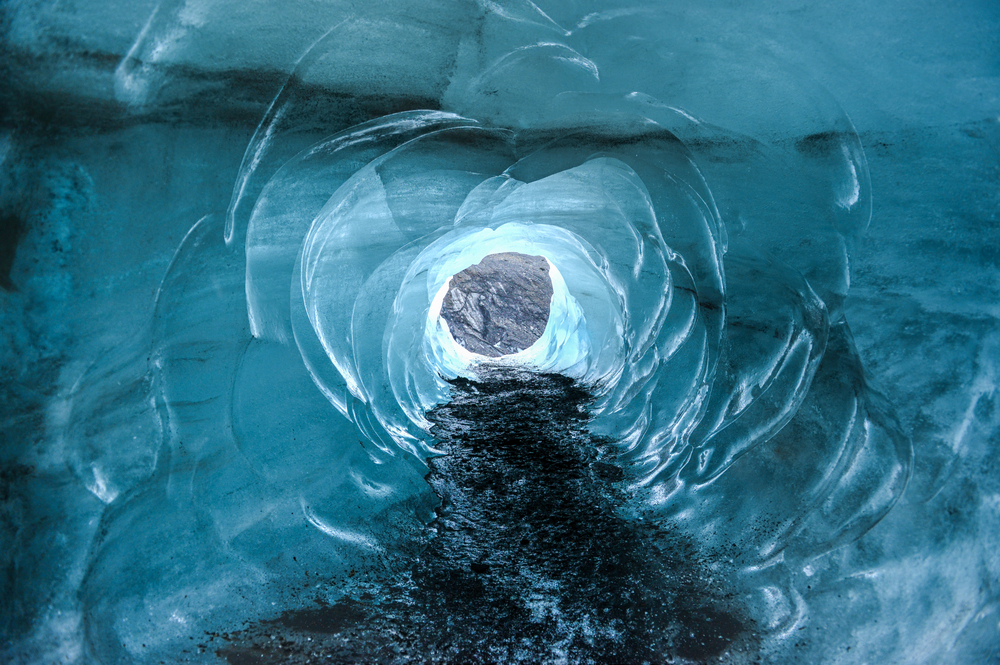
Myrdalsjokull, which sits above the Katla volcano, forms seasonal ice caves with darker tones due to trapped volcanic ash. These caves feel more dramatic compared to the clearer blue tunnels found elsewhere in Iceland. By late winter, the ice passages are usually more stable, allowing guided access. Tours depart from the village of Vik and travel across rugged terrain to reach the glacier. Snow often covers the surrounding landscape, adding contrast to the darker ice.
Inside, streaks of black ash appear layered within the frozen walls, telling a story of past eruptions. The ceilings curve naturally as water once carved through the ice. Cold temperatures help maintain the structure during the final weeks of winter. The remote setting and moody colors create a different atmosphere from other Icelandic caves. This period offers one of the safest and most visually striking windows to visit.
Athabasca Glacier Icefields, Alberta, Canada
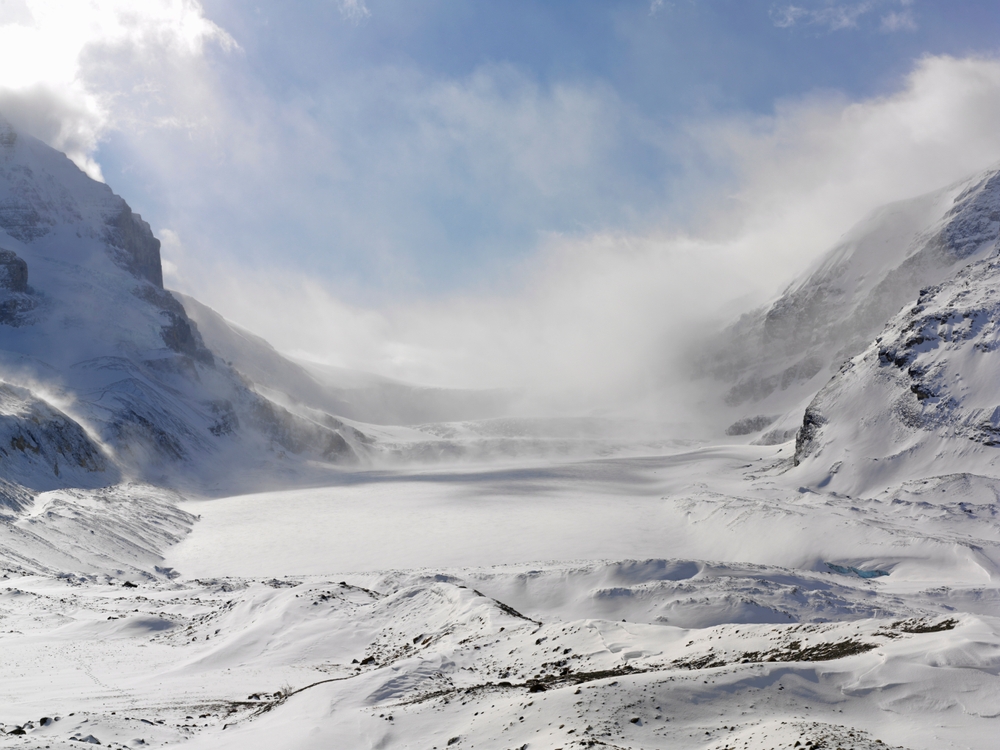
The Athabasca Glacier is part of the Columbia Icefield in Jasper National Park and stretches across a wide alpine plateau. While full caves vary year to year, melt channels and ice formations become more visible along its edges. Late winter keeps the glacier surface firm and snow-covered. Guided ice walks operate with trained staff who provide safety instruction. The surrounding peaks create a sweeping mountain backdrop.
Snow softens the landscape, giving the glacier a clean white appearance. Layers of ice built over centuries can be seen in exposed sections. Colder conditions preserve surface textures before spring melt begins. The area feels expansive, with open views in nearly every direction. Visiting at this time allows for close observation of glacial structure in a quiet, snow-covered setting.
Franz Josef Glacier Valley, New Zealand
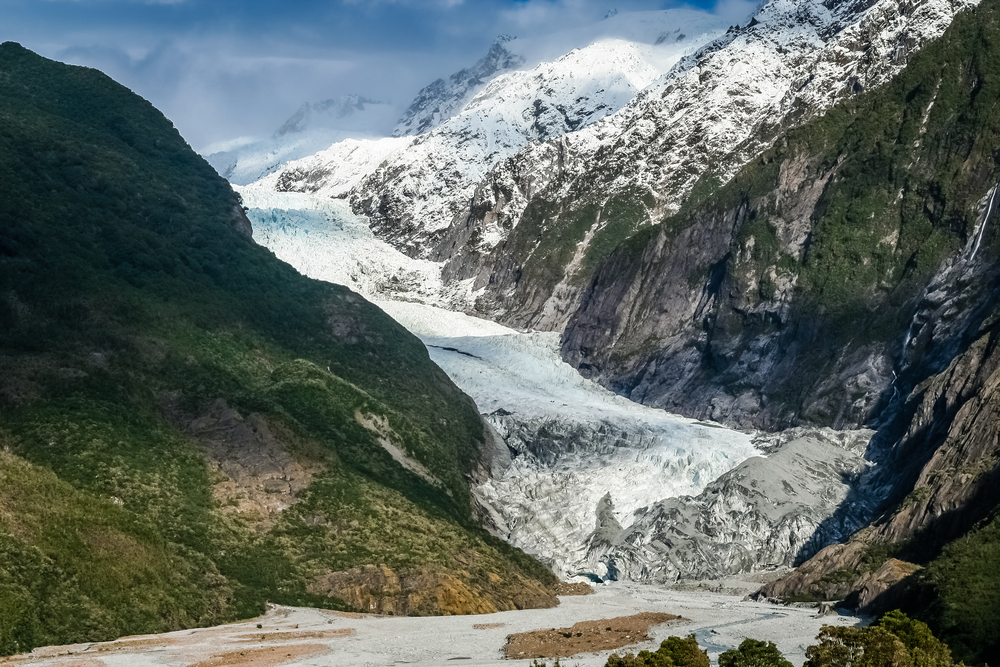
Franz Josef Glacier descends unusually close to the temperate rainforest, creating a striking contrast between ice and greenery. During colder months, frozen arches and small tunnels may form along its face. Late winter brings cooler air and lighter foot traffic on the valley trails. Snow at higher elevations sharpens the outline of the glacier against the sky. The surrounding valley often carries morning mist.
Guided heli-hikes sometimes operate depending on weather and ice conditions. The glacier’s blue tones appear stronger against clear winter light. Water flow is generally slower compared to the peak melt season. The mix of forest, rock, and ice gives the landscape a layered appearance. Late winter offers clearer views and a quieter path through one of New Zealand’s most well-known glacier valleys.
Harding Icefield, Alaska, USA
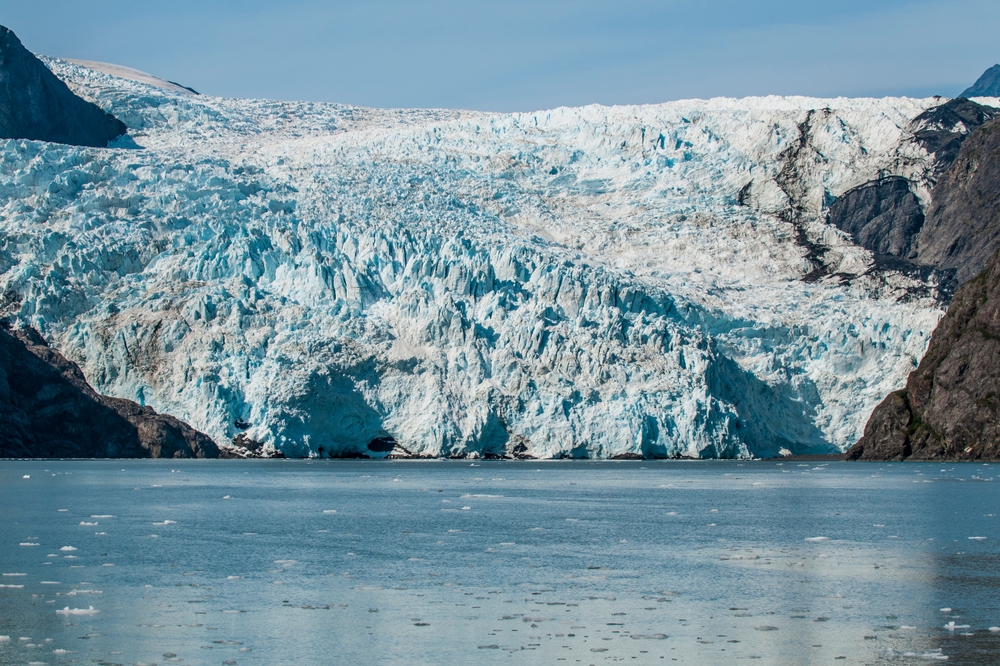
The Harding Icefield in Kenai Fjords National Park feeds several glaciers that descend toward the coast. Along the margins of these ice masses, small seasonal caves can form under the right conditions. Late winter provides steadier ground before heavy spring thaw reshapes the terrain. Access typically involves strenuous hiking through snow-covered trails. The scale of the icefield stretches across miles of frozen expanse.
Within these caves, thick layers of compressed snow filter sunlight into soft blue hues. The surrounding landscape feels remote, with few signs of development. Wildlife tracks are sometimes visible in the snow near the glacier’s edge. Cold temperatures help preserve delicate formations inside the tunnels. Visiting during this season offers a closer look at one of Alaska’s most expansive ice systems before warmer months change its shape.
This article originally appeared on Avocadu.