
12 Hydration Habits For February When You Forget To Drink Water
Forgetting to drink water is common during colder months. Thirst signals feel muted, even when your body still needs fluids. Simple habits can bring hydration back into focus without feeling forced. This article looks at practical ways to remember water during everyday moments. Read on and see what might work for you.
This post may contain affiliate links, which helps keep this content free. Please read our disclosure for more info.
Start the Morning With a Full Glass

Drinking a full glass of water shortly after waking helps the body recover from several hours without fluids while gently easing internal systems back into motion. Even when thirst does not feel obvious in the morning, hydration still supports circulation, digestion, and mental clarity after sleep. February mornings often feel rushed or slow at the same time, which makes this habit useful without adding pressure to an already busy start. Beginning the day with water creates a steady baseline before coffee, food, or screens take over attention.
Placing a glass near your bed or bathroom sink removes hesitation and makes the habit easier to repeat. Over time, this action settles into the morning routine just like brushing teeth or washing your face. Morning hydration often influences how aware you stay of water intake throughout the rest of the day. A consistent start makes it easier to notice when you need more later on.
Tie Water Breaks to Daily Activities
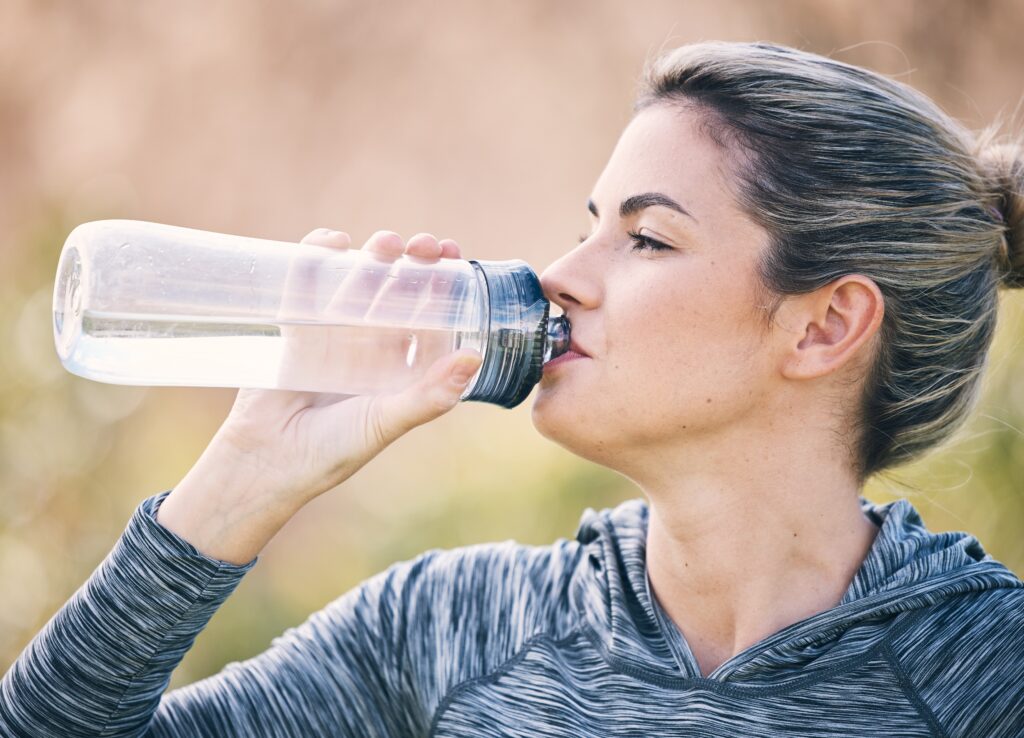
Linking water intake to activities you already repeat during the day removes the need to remember hydration as a separate task. Drinking water after phone calls, meetings, or finished chores creates a rhythm that fits naturally into your existing schedule. February days often involve long indoor stretches with similar routines, which makes this habit especially practical. Water becomes part of your workflow rather than an interruption.
These small breaks also create moments to reset posture, breathing, and focus. Instead of waiting until thirst becomes noticeable, hydration stays steady in the background. The habit adapts easily to workdays, home days, or mixed schedules. Patterns built around daily actions tend to last because they rely on structure rather than motivation.
Use a Refillable Bottle You Enjoy
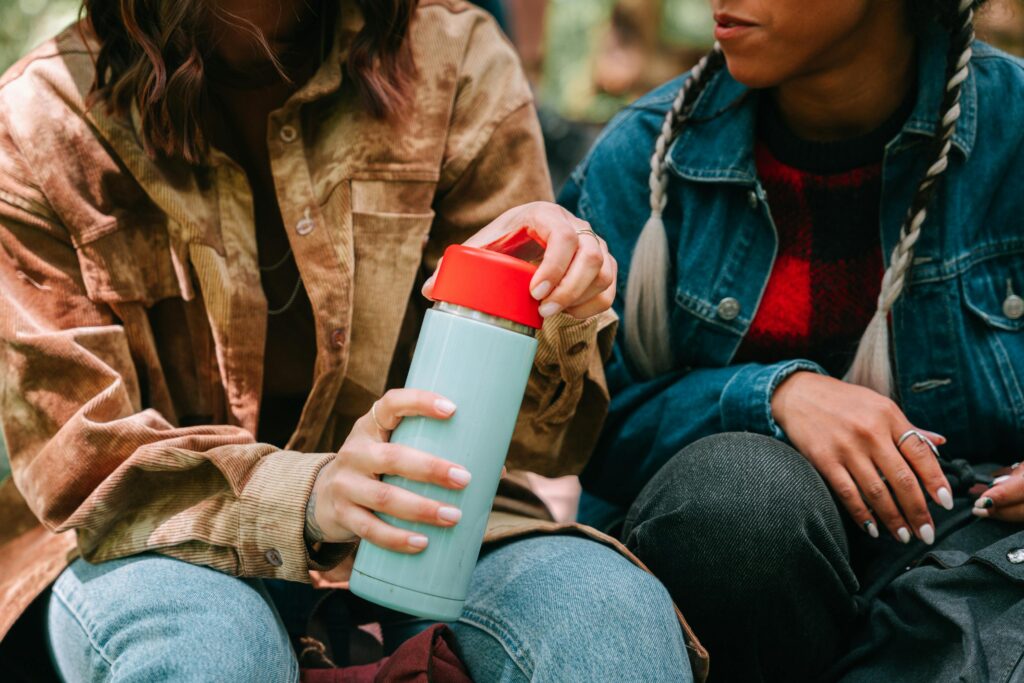
A refillable bottle that feels comfortable in your hand can quietly shape how often you reach for water throughout the day without requiring reminders or conscious effort. Details such as size, lid style, weight, and grip shape influence whether drinking feels natural or like something you need to remind yourself to do. When a bottle feels familiar and pleasant to use, water becomes part of the background of daily movement rather than a task you postpone. This matters during the winter months when thirst signals feel softer and easier to ignore.
Keeping the same bottle nearby throughout the day reduces the number of small decisions that can interrupt habits. Refilling it becomes something you do while moving through your space rather than something you stop to think about. Many people notice higher intake simply because the bottle stays within reach during work, rest, and short breaks. Comfort often shapes routines more than intention, especially on busy days.
Drink Water Before Warm Beverages

Cold weather often leads to reaching for coffee or tea more often, sometimes before considering water at all. Drinking water first helps maintain steady hydration while still leaving room for warmth and routine. This pause creates a moment of awareness before caffeine becomes the main focus of the morning or afternoon. It also prevents long stretches from passing where hydration never crosses your mind.
Placing a glass of water next to your mug supports the habit visually and physically. Over time, the order of drinking water first feels familiar rather than planned. You still enjoy warmth and comfort without pushing hydration aside. This habit fits naturally into winter days without feeling limiting.
Keep Water Near Your Bed

Hydration is commonly overlooked at night and in the early morning, particularly during colder months when thirst signals feel less noticeable. Keeping water within arm’s reach removes the small barrier that often prevents you from drinking when you wake briefly or settle down for sleep. Indoor heating during winter can quietly increase dryness without obvious signs, which makes nearby water especially helpful. This habit supports comfort during rest without requiring any extra effort or planning.
A small bottle or glass on the nightstand works well without adding visual clutter or disrupting your space. Even a few sips during the night or first thing in the morning can influence how your body feels when you fully wake up. Over time, this becomes part of your natural rhythm rather than something you consciously think about. Habits that fit quietly into existing routines tend to last longer.
Add Light Flavor When Needed

Plain water can feel less appealing during colder months when taste preferences shift and cravings change. Adding light flavor from fruit slices or herbs introduces variety while keeping water simple and refreshing. This approach helps hydration feel more inviting rather than repetitive, which matters when motivation feels low. Enjoyment plays a major role in whether a habit continues over time.
Subtle flavor encourages slower, more consistent sipping rather than large amounts all at once. Many people notice they drink more simply because water feels more pleasant to reach for throughout the day. This habit works particularly well during long afternoons spent indoors, when boredom can influence choices. Small changes in taste can quietly support steadier intake.
Drink Water With Meals

Meals naturally create pauses in the day where attention shifts away from screens, tasks, and movement, which makes them one of the easiest moments to include hydration without having to remember it separately. Including water with each meal builds a steady structure around drinking that does not depend on reminders, tracking, or motivation, since eating already happens on a regular schedule. This habit fits into daily routines whether meals are quick, shared, quiet, or rushed, and it does not require any changes to what or how you eat. Drinking water alongside food also supports comfort during meals, especially when winter routines lead to heavier or warmer dishes.
Keeping a glass of water on the table reinforces the habit in a subtle way that does not demand attention. Even modest amounts consumed at each meal begin to add up across the day without feeling intentional or forced. As the habit settles in, drinking water during meals starts to feel expected rather than something you consciously decide to do. Regular moments like these create steady patterns that support consistency over time.
Use Smaller Glasses More Often
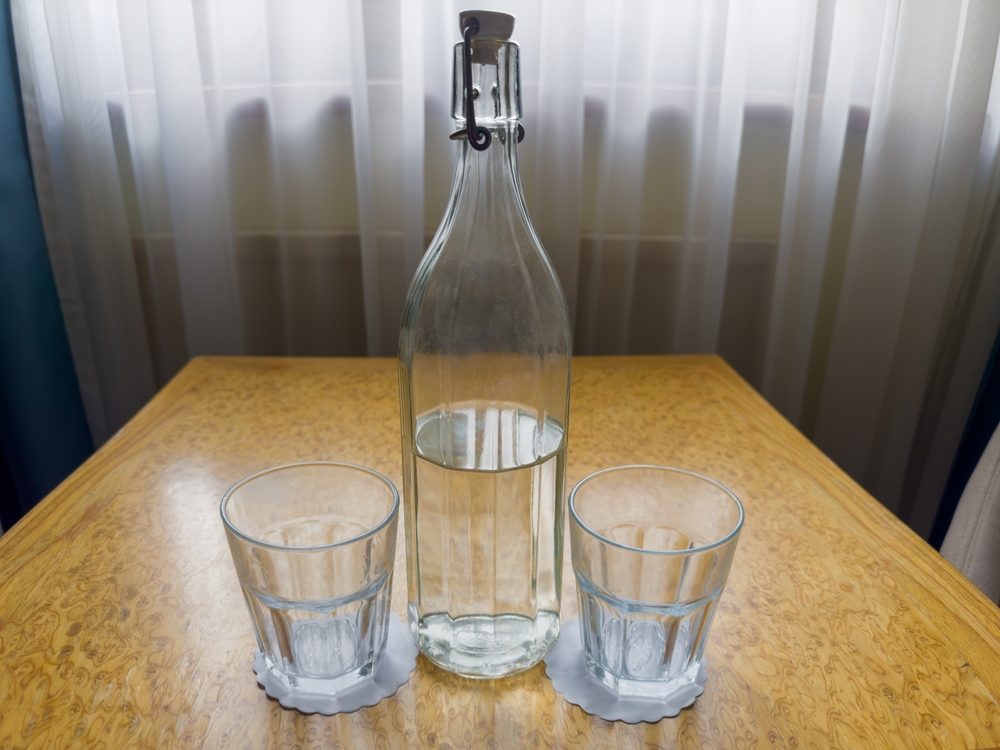
Large containers can feel overwhelming, especially on busy days when attention is divided and small tasks start to feel heavier than they should. Smaller glasses feel easier to approach and finish, which lowers resistance and makes it more likely that you will actually drink what you pour. This approach shifts focus away from volume and toward frequency, allowing hydration to happen in small, manageable steps rather than all at once. When habits feel lighter, they tend to last longer.
Refilling a smaller glass becomes part of natural movement through your space rather than something you avoid or delay. Each refill quietly contributes to daily intake without pressure or expectations attached to it. This method works especially well during packed schedules where long breaks are rare. Gradual progress built through repetition often feels more sustainable than effort driven attempts.
Track Intake for Awareness

Tracking water intake helps reveal patterns that are easy to miss during winter routines, when thirst cues are softer and environmental signals are less obvious. Lower hydration often hides during colder months because sweating and heat no longer act as reminders, making awareness more important than intention. Simple tracking brings attention to habits without judgment, pressure, or rigid goals attached to it. February often serves as a natural moment to pause and notice patterns that developed quietly over time.
Tracking does not need structure, charts, or numbers to be useful. Notes, tallies, or even brief mental check-ins provide enough information to create awareness. In many cases, awareness alone leads to small adjustments without effort or planning. Once habits settle and intake feels steadier, tracking tends to fade naturally.
Pair Water With Stretch Breaks

Stretching and hydration both support physical comfort during long periods of sitting, which tend to increase during winter months spent indoors. Pairing these two actions adds balance to daily routines without adding extra time, planning, or structure. Even brief stretches help bring attention back to the body, creating a natural pause where drinking water feels appropriate rather than forced. This pairing works well because both actions respond to physical signals rather than schedules.
Drinking water after stretching feels natural because the body is already engaged and present. Over time, this connection encourages greater awareness of tension, movement, and physical needs throughout the day. The habit supports comfort during work hours, rest periods, and transitions between tasks. Small actions repeated consistently often build stronger routines than larger changes.
Keep Water in Every Room You Use
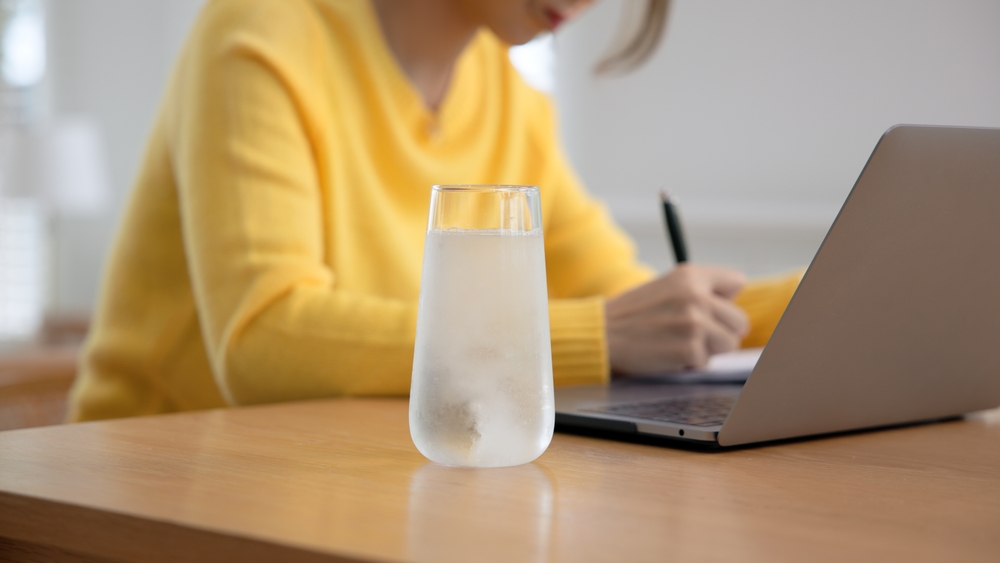
Moving between rooms can quietly interrupt habits, especially when attention shifts quickly from one task to another without pause. Keeping water nearby in every space you regularly use removes hesitation and reduces the small barriers that often stop people from drinking consistently. This approach works particularly well on days spent mostly at home, when routines are flexible, and movement between spaces happens often. Access shapes behavior more than intention when it comes to everyday habits.
A bottle or glass placed in shared spaces allows drinking to happen naturally as you move through the day. Sipping becomes something that occurs without planning, tracking, or reminders. The fewer steps involved, the easier it becomes to stay consistent. Convenience supports habits in ways that motivation alone cannot.
End the Day With a Final Glass

Evenings often pass with little attention to hydration as the pace of the day slows and focus shifts toward rest and quiet activities. Drinking water before winding down adds balance to the day without disrupting relaxation or routine. Indoor air during winter nights can feel dry without clear signals, making this moment useful even when thirst is not obvious. This habit supports comfort before sleep in a gentle way.
Pairing water with reading, reflection, or quiet time helps it settle naturally into the evening. Over time, it becomes part of how the day closes rather than something you have to remember. Ending the day this way can create a sense of completeness that carries into the next morning. Small endings often shape how routines feel overall.
This article originally appeared on Avocadu.